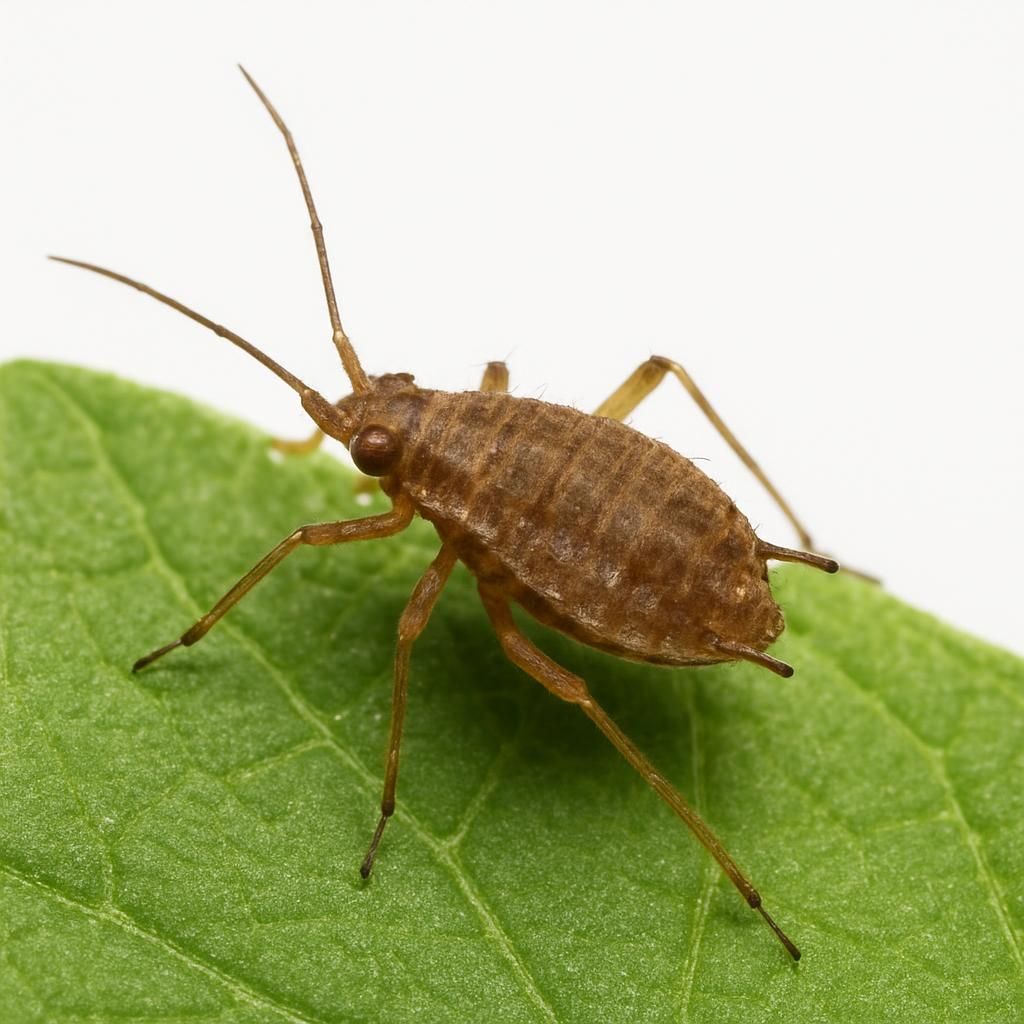
Introduction to pest
The term "pest" encompasses a wide range of insects, mites, and other organisms that damage agricultural crops by feeding on foliage, stems, roots, or reproductive structures. These organisms reduce photosynthetic capacity, stunt growth, and serve as vectors for plant pathogens. Effective management begins with accurate identification and an understanding of their biology, environmental preferences, and host range.
Identifying Symptoms & Damage
Visible damage includes stippling, curling, or yellowing of leaves, presence of honeydew or sooty mold, and distorted new growth. Heavy infestations may cause defoliation, wilting, or plant death. Close inspection often reveals the pest itself, cast skins, frass, or webbing.
Lifecycle and Progression of pest
| Stage | Duration | Key Characteristics | Plant Impact |
|---|---|---|---|
| Egg | 3–7 days | Deposited on underside of leaves or in soil | Minimal direct damage |
| Nymph/Larva | 7–21 days | Active feeding stage; rapid growth | Heavy sap loss, leaf distortion |
| Pupa | 3–10 days | Non-feeding transition stage | No active feeding |
| Adult | 10–30 days | Reproductive and dispersal stage | Continued feeding; disease transmission |
Environmental Triggers & Risk Factors
| Factor | Optimal Range | Risk Level |
|---|---|---|
| Temperature | 20–30°C | High |
| Relative Humidity | 60–85% | Moderate |
| Soil pH | 5.5–7.0 | Low |
| Crop Density | High planting density | High |
Organic Control & Treatment Plans
| Treatment Option | Application Frequency | Notes |
|---|---|---|
| Neem oil spray | Every 7–10 days | Apply at dusk; avoid open flowers |
| Insecticidal soap | Every 5–7 days | Thorough coverage of leaf undersides required |
| Beneficial insects (lady beetles, lacewings) | Release at first sign of infestation | Maintain habitat strips |
| Horticultural oil | Every 10–14 days | Dormant season applications most effective |
Preventing pest in the Future
Implement crop rotation, remove crop residues promptly, and maintain healthy soil biology. Use reflective mulches and row covers during vulnerable growth stages. Regular scouting allows early intervention before populations reach damaging thresholds.
Crops Most Affected by pest
Common hosts include Tomato, Potato, Cucumber, Pepper, and Lettuce. Monitoring these crops closely during warm, humid periods is critical for timely management.