Introduction to persimmon
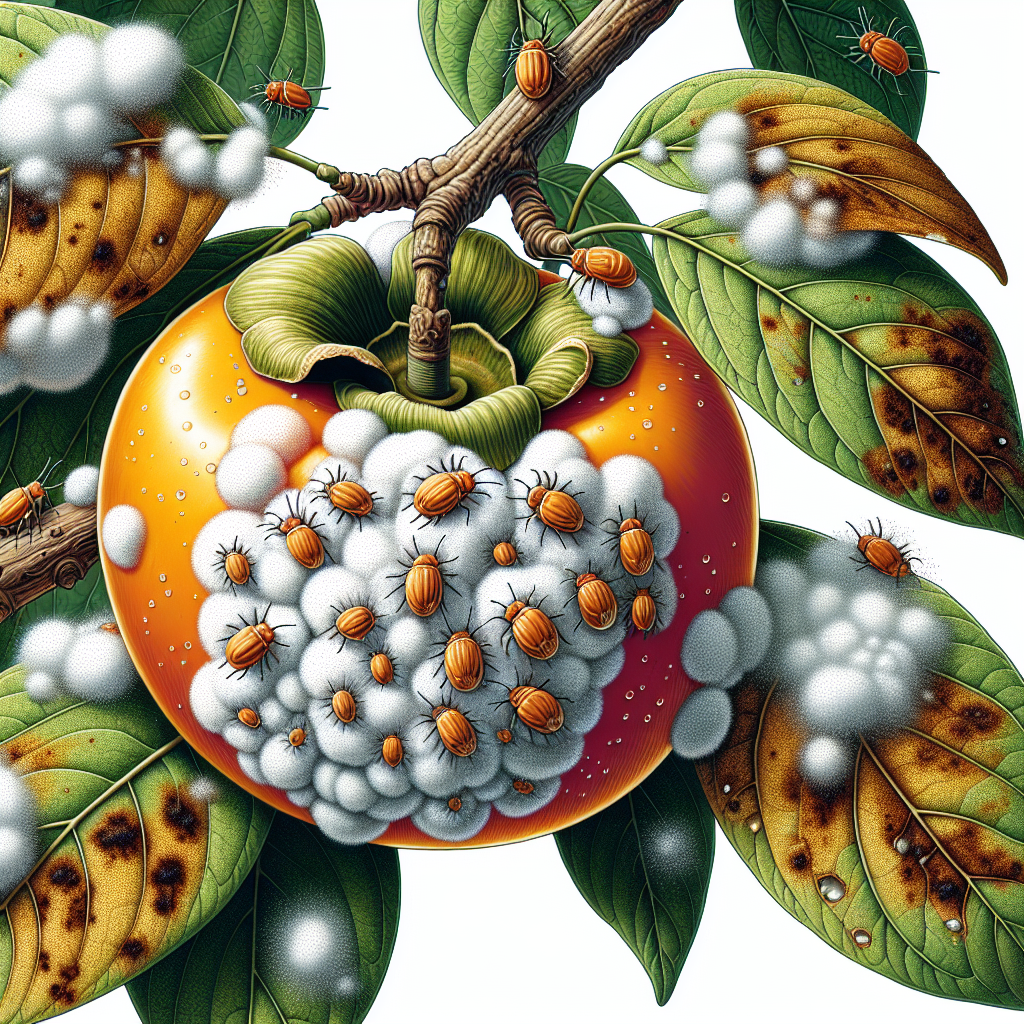
Persimmon pests, particularly the mealybug complex associated with Diospyros kaki (Asian persimmon), represent a significant threat to commercial and home orchards worldwide. These soft-bodied insects, often from genera like Planococcus (citrus mealybug) and Pseudococcus (longtailed mealybug), cluster on stems, leaves, and fruit, exuding honeydew that fosters sooty mold and reduces photosynthesis. In persimmon cultivation, which thrives in USDA zones 7-10 with warm climates and well-drained soils, uncontrolled infestations can slash fruit quality by 30-50%, leading to economic losses for growers of varieties like Persimmon (Fuyu) and Persimmon (Hachiya).
Originating from East Asia, persimmons are valued for their nutrient-rich fruits high in vitamins A and C, but their broad leaves and dense canopies create ideal microhabitats for pests. Early detection is crucial, as mealybugs reproduce rapidly in humid conditions, producing multiple generations per season. This definitive guide equips agricultural professionals, small farm operators, and hobbyists with evidence-based strategies for diagnosis, lifecycle management, and organic control. By integrating IPM (Integrated Pest Management), growers can minimize chemical use while safeguarding harvests. For small farms struggling with pest identification, tools like AI-powered diagnostics can prevent costly missteps—check out Why Misidentifying Plants Costs Small Farms Thousands - And How AI Camera Diagnosis Fixes It Fast.
Understanding persimmon pest dynamics involves recognizing their synergy with secondary issues like ants (which farm mealybugs for honeydew) and mites. Annual global persimmon production exceeds 4 million tons, with major producers like China, South Korea, and the U.S. facing rising pressures from climate-driven pest expansions. Proactive management not only boosts yields but enhances fruit marketability, fetching premium prices for blemish-free produce.
Identifying Symptoms & Damage
Diagnosing persimmon pests starts with visual scouting. Look for cottony white masses on twigs, leaf undersides, and calyces—hallmarks of mealybugs. Affected leaves yellow and curl, mimicking powdery mildew, while severe infestations cause premature drop. Fruit surfaces develop black sooty mold over honeydew, rendering them unmarketable; inspect calyx cavities where pests hide.
Distinguish from scale insects by mealybugs' segmented bodies and waxy filaments. Wilting branches signal root infestations by root mealybugs. Use a 10x hand lens to confirm: adults are 3-5mm, females legless and sac-like, males winged. Damage quantifies as 20-40% yield loss in moderate outbreaks, with honeydew attracting ants and promoting sooty mold.
Secondary signs include stunted growth and dieback, often confused with root rot. Tap branches over white paper; falling crawlers (tiny, mobile nymphs) confirm active infestation. Track progression weekly during spring flush. In mango intercropped orchards, persimmon pests crossover, amplifying risks.
Lifecycle and Progression of persimmon
Persimmon mealybugs complete 3-6 generations yearly, tied to host phenology. Eggs (100-600 per female) hatch in 5-10 days under 25-30°C, releasing crawlers that settle and molt through three instars. Nymphs feed 4-6 weeks, maturing to ovipositing females in 1-2 months. Males emerge winged, mate, and die post-insemination.
Overwinter as eggs or second-instar nymphs in bark cracks. Spring warming (March-April) triggers crawler dispersal via wind or ants. Peak activity aligns with persimmon flowering (May-June) and fruit set (July-August). In subtropical regions, parthenogenesis skips males, accelerating populations. Monitor with sticky traps; crawler flights spike every 4-6 weeks.
Lifecycle duration shortens with heat (>35°C slows development), prolonging in cooler zones. High humidity (>70% RH) boosts survival, explaining outbreaks post-rain. Understanding this progression enables timed interventions, targeting vulnerable crawler stage when 90% of control efficacy occurs.
Environmental Triggers & Risk Factors
Warm, humid conditions (25-32°C, 70-90% RH) trigger persimmon pest booms, especially in poorly ventilated orchards. Excessive nitrogen fertilizers promote tender growth, attracting sap-feeders. Overcrowded canopies trap moisture, mimicking greenhouse effects.
Irrigation mismanagement—overhead sprinkling—splashes pests between trees. Proximity to citrus or grapes harbors alternate hosts. Climate change extends seasons, with El Niño rains fostering 2x population surges. Soil pH >7.5 stresses roots, indirectly favoring above-ground pests. Dusty conditions from tillage reduce natural enemies like ladybugs predators.
Risk spikes in young orchards (<5 years) with succulent tissue. Windbreaks harboring weeds introduce crawlers. For small farms, read Why 80% of Small Farms Battle Weather Disasters - And How Hyper-Local AI Forecasts Can Save Your Harvest for predictive tools.
Organic Control & Treatment Plans
Organic IPM prioritizes prevention but deploys layered tactics. Cultural: Prune for airflow (20-30% canopy thinning), mulch to suppress weeds. Dormant oil sprays (2-3% mineral oil) smother overwinterers; apply at bud swell.
Biological: Release Cryptolaemus montrouzieri (mealybug destroyer) at 10/acre, or Anagyrus pseudococci parasitoids. Neem oil (0.5% azadirachtin) disrupts molting; weekly for 3 apps during crawlers. Insecticidal soap (1-2%) contacts soft bodies—reapply post-rain.
Monitoring: Double-sided sticky cards (yellow) capture crawlers; threshold: 5/tree. Horticultural oils + spinosad for outbreaks. Companion planting marigold repels via allelochemicals. For aphids synergy, use reflective mulches. Rotate tactics to avert resistance; efficacy hits 85% with compliance.
Step-by-step plan: 1) Scout weekly. 2) Prune/hose off early. 3) Apply oil at green tip. 4) Release predators mid-spring. 5) Spot-treat fruits. Avoid broad-spectrum sprays preserving Leptomastix wasps.
Preventing persimmon in the Future
Long-term prevention builds resilient systems. Select resistant rootstocks like D. lotus. Quarantine new plants; inspect imports. Maintain 4-6m spacing for sun penetration. Balanced nutrition (N-P-K 10-10-10) hardens tissue.
Encourage biodiversity: underplant clover, yarrow for predator habitat. Solarize soil pre-planting kills soil stages. Reflective barriers deter crawlers. Annual dormant treatments + fall cleanup reduce carryover by 70%.
IPM audits track progress; apps forecast risks. For small operations, Spring Pest Patrol: Organic AI Strategies to Shield Your Crops from Common Invaders offers tech integration. Clean tools prevent spread; boot dips for crews.
Crops Most Affected by persimmon
Persimmon pests thrive on Diospyros spp. but spillover hits avocado, mango, fig, pomegranate, guava, kiwi, citrus like navel orange, grapes, peach, plum, persimmon primary. Vine crops squash, cucumber suffer in mixed plantings. Ornamentals amplify reservoirs. Prioritize monitoring in polycultures.