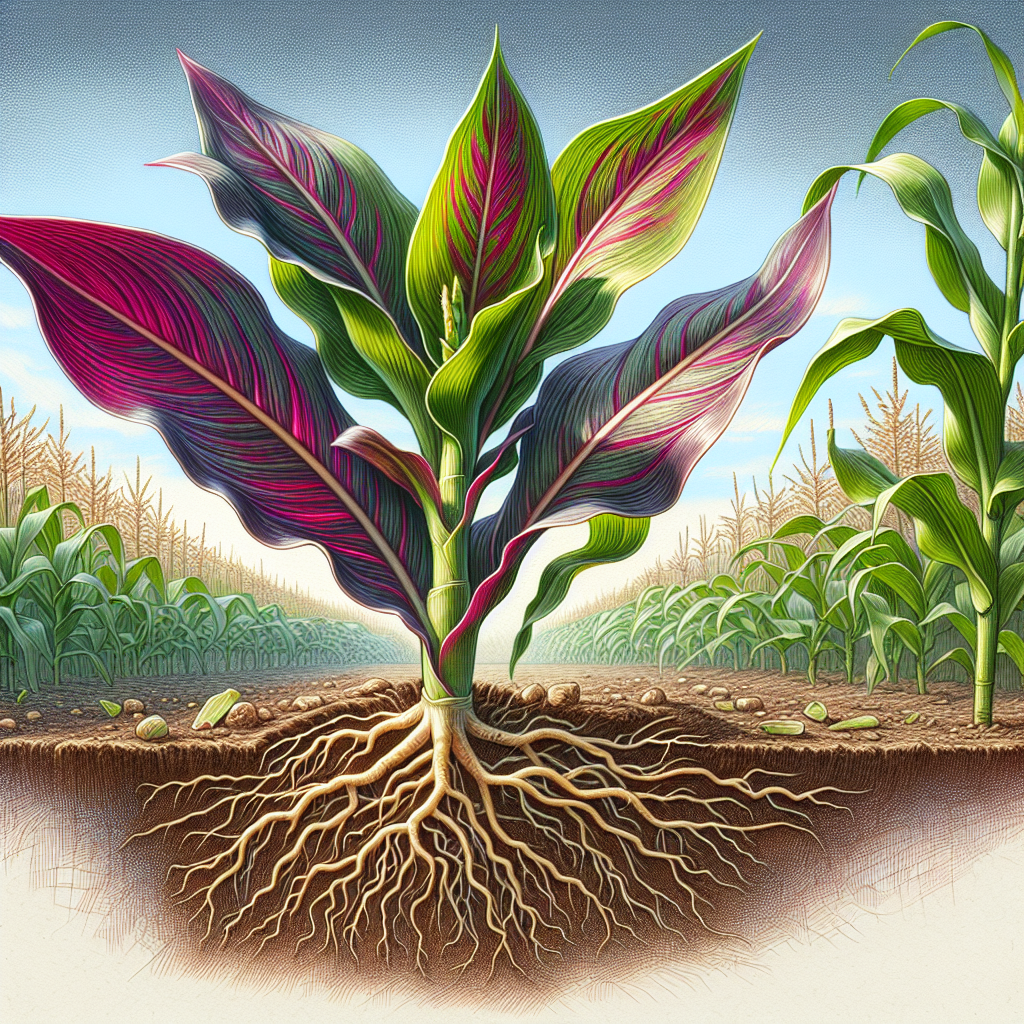
Introduction to phosphorus shortages
Phosphorus shortages, often referred to as phosphorus (P) deficiency, represent one of the most critical nutrient imbalances in modern agriculture. As an essential macronutrient, phosphorus plays a pivotal role in energy transfer (ATP production), root development, flowering, and seed formation. Without adequate P, plants exhibit reduced vigor, lower yields, and increased susceptibility to stresses like drought and diseases such as root rot.
In intensive farming systems, soil phosphorus depletion occurs rapidly due to crop removal, erosion, and fixation in alkaline or acidic soils. Globally, P deficiency affects over 30% of arable lands, costing farmers billions in lost productivity. This comprehensive guide equips growers with professional diagnostic tools, organic correction methods, and long-term prevention strategies. By addressing phosphorus shortages proactively, you can boost crop health, enhance soil fertility, and achieve sustainable yields. For small farms optimizing resources, check this Soil Health Mastery blog post on building fertile ground affordably.
Understanding phosphorus dynamics is key: unlike nitrogen, P is relatively immobile in soil, binding to clay particles, iron, aluminum, or calcium. Availability peaks in slightly acidic soils (pH 6.0-7.0), dropping sharply outside this range. Early detection prevents cascading effects like weakened immunity to powdery mildew or fusarium wilt. This guide draws from decades of agronomic research to deliver actionable insights for all scales of production.
Identifying Symptoms & Damage
Accurate diagnosis of phosphorus shortages hinges on recognizing distinct visual and physiological symptoms. Early signs appear in older (lower) leaves, as phosphorus is mobile and translocated from mature tissues to new growth under deficiency.
Visual Symptoms:
- Purpling or reddish-purple discoloration: Leaves develop a characteristic purple tint, especially on the undersides and veins, due to anthocyanin accumulation. This is classic in corn, tomato, and potato plants.
- Dull, dark green to bluish foliage: Before purpling, leaves lose vibrancy.
- Stunted growth: Plants are shorter with thin stems; internodes shorten dramatically.
- Poor tillering/branching: Grasses like wheat and rice produce fewer tillers.
Root System Damage: Excavate roots to confirm: deficient plants show sparse, underdeveloped root systems with few laterals. Taproots are short and stubby, impairing water/nutrient uptake. In severe cases, roots resemble a 'stubby beard' rather than a robust network.
Reproductive Impacts:
- Delayed flowering and poor seed set.
- Small, underdeveloped fruits/seeds with thin skins.
- Necrotic spots on leaves progressing to dry, brittle tissue.
Diagnostic Tests:
- Soil Test: Extractable P levels below 15-20 ppm (Mehlich-3 method) indicate deficiency.
- Tissue Analysis: Leaf P < 0.2% confirms shortage.
- pH Check: Extremes (<5.5 or >7.5) lock up P.
Differentiate from other issues: Purpling mimics cold stress or mosaic viruses, but P deficiency persists in warm conditions without viral mottling. Magnesium deficiency shows interveinal yellowing, not purpling. Use this wiki on blossom end rot to rule out calcium issues often confused with P shortage.
Yield losses range 20-50% in grains, up to 70% in legumes. Early intervention is crucial before symptoms spread to young leaves.
Lifecycle and Progression of phosphorus shortages
Unlike biotic pests, phosphorus shortages follow a non-biological 'lifecycle' tied to soil chemistry and plant uptake cycles. Progression occurs in phases:
Phase 1: Latent Depletion (Pre-Planting): Soil P reserves dwindle from prior harvests, erosion, or leaching. No visible symptoms; plants rely on seed reserves.
Phase 2: Seedling Emergence (0-4 Weeks): Rapid root growth demands P for ATP. Deficiency hits first: seedlings emerge weak, with purple cotyledons.
Phase 3: Vegetative Growth (4-12 Weeks): Stunting accelerates; older leaves purple as P is remobilized. Root:shoot ratio skews low (normal 1:5 becomes 1:10).
Phase 4: Reproductive Onset (12+ Weeks): Flowering aborts; pollen sterility rises 30-50%. Fruits/seeds abort or shrivel.
Chronic Phase: Multi-season depletion leads to soil P 'mining,' where even high applications fail due to fixation.
Progression speed varies: cool soils (<15°C) exacerbate via slowed microbial solubilization. Annual crops like soybeans show rapid decline; perennials like avocado exhibit gradual dieback. Monitor via tissue tests every 4 weeks during peak demand.
Environmental Triggers & Risk Factors
Phosphorus shortages are triggered by soil, climate, and management factors:
Soil Factors:
- High pH (>7.5): P fixes as calcium phosphate.
- Low pH (<5.5): Binds to Fe/Al oxides.
- High clay/silt: Fixation sites abound.
- Low organic matter (<2%): Reduces P solubilization.
Climatic Triggers:
- Cool, wet springs slow root exploration and mycorrhizal activity.
- Drought limits diffusion to roots.
Management Risks:
- No-till without cover crops traps P in residues.
- Continuous cropping without rotation depletes P.
- Over-liming or gypsum without P inputs.
High-risk zones: Tropical Oxisols, calcareous Midwest soils, sandy Coastal Plains. Companion with aphids outbreaks, as weak plants attract pests.
Organic Control & Treatment Plans
Organic management focuses on solubilizing existing P and building long-term reserves. Avoid synthetic superphosphates; prioritize biology.
Immediate Corrections:
- Foliar Sprays: 1-2% rock phosphate slurry or fish emulsion (2-4% P). Apply weekly; efficacy 20-30% uptake.
- Compost Teas: Aerated brews with manure/leaf mold release soluble P.
Soil Amendments:
- Rock Phosphate (Soft): 200-500 lbs/acre; best <6.5 pH.
- Bone Meal: 500-1000 lbs/acre; slow-release, ideal for strawberry.
- Guano: Seabird/bat; 300 lbs/acre for quick P.
Biological Activators:
- Mycorrhizal Inoculants: Boost uptake 50%; inoculate transplants.
- Phosphate-Solubilizing Bacteria (PSB): Bacillus/Pseudomonas strains; apply 10^9 CFU/acre.
- Compost/Manure: 10-20 tons/acre annually; builds OM.
Treatment Timeline:
| Stage | Action | Rate |
|---|---|---|
| Acute | Foliar + Liquid | 1-2 apps/week |
| Vegetative | Soil Drenches + PSB | 50 gal/acre |
| Pre-Flower | Band Rock P + Mycorrhizae | 300 lbs/acre |
Integrate with clover green manures for P cycling. Monitor via soil tests post-treatment.
Preventing phosphorus shortages in the Future
Prevention builds resilient systems:
- Soil Testing: Annual Mehlich-3 or Olsen tests; maintain 25-40 ppm P.
- Crop Rotation: Legumes (peas) fix P; follow with P-demanders.
- Cover Cropping: Hairy vetch + rye sequesters and recycles P.
- pH Management: Lime/acidify to 6.2-6.8.
- Organic Matter: 4-6% via compost/mulch.
- Precision Placement: Band P 2-4" below seed.
Long-term: Legume leys every 3 years restore P. Track via Soil Health Mastery.
Crops Most Affected by phosphorus shortages
P-demanders suffer most:
- Grains: Corn, wheat, rice – 0.3-0.5% tissue P needed.
- Legumes: Soybeans, chickpeas – nodulation fails.
- Tubers: Potato, sweet potato – tuber set drops 40%.
- Fruits: Tomato, strawberry, apple.
- Brassicas: Cabbage, cauliflower.
Susceptible varieties: Hybrids with shallow roots. See potato wiki for varietal tips.