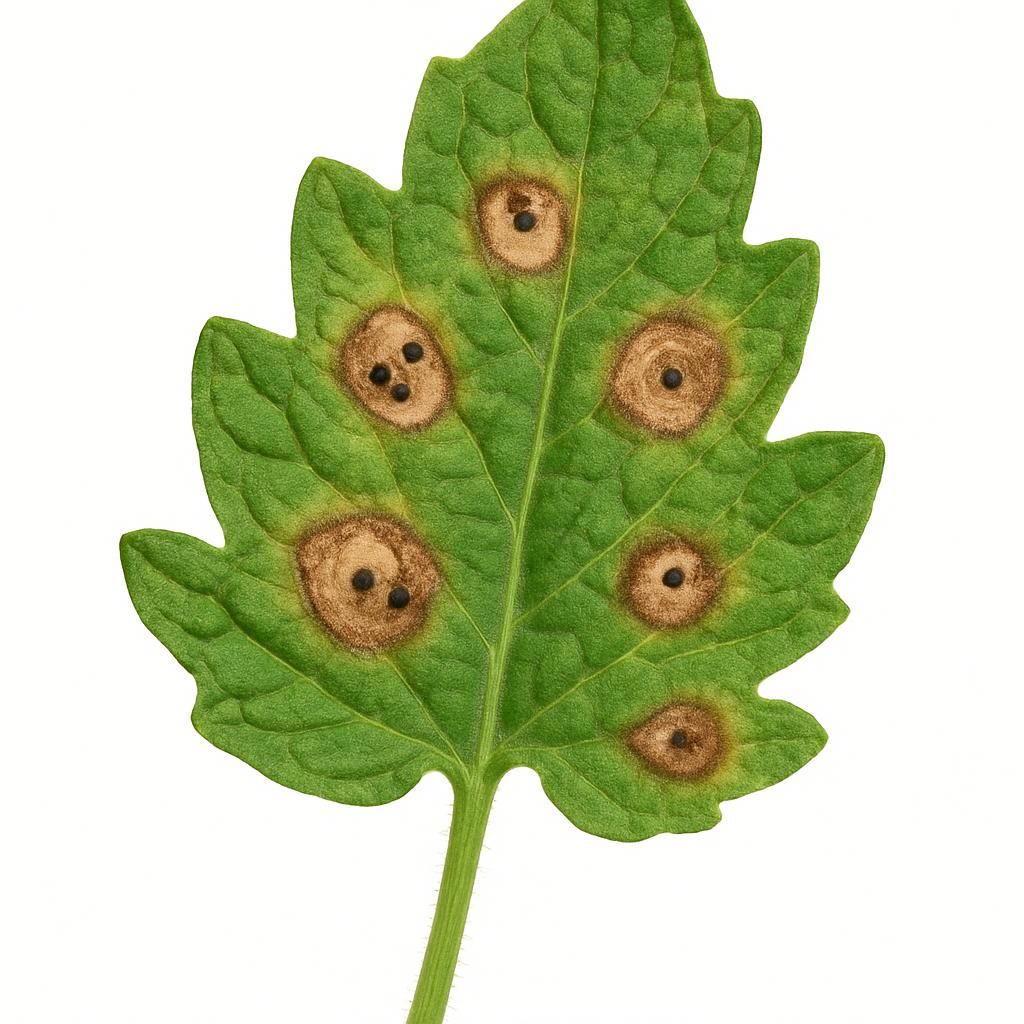
Introduction to Phoma
Phoma species are soil-borne and seed-borne pathogens that affect numerous economically important plants worldwide. The fungi produce dark, pycnidia-filled lesions that release spores during wet weather, allowing rapid secondary spread. Early recognition and integrated management are essential to protect crop quality and reduce long-term inoculum.
Identifying Symptoms & Damage
Initial symptoms appear as small, water-soaked spots on leaves that quickly turn tan to dark brown with distinct dark margins. On stems and petioles, elongated cankers develop that girdle tissue and cause wilting above the lesion. Fruit infections begin as sunken, discolored areas that expand and produce abundant black pycnidia under humid conditions.
Lifecycle and Progression of Phoma (MUST INCLUDE A MARKDOWN TABLE OF LIFECYCLE STAGES)
| Stage | Description | Duration | Key Conditions |
|---|---|---|---|
| Overwintering | Pycnidia and mycelium survive in crop debris and seed | 3–8 months | Cool, dry periods |
| Primary Infection | Spores splash onto lower leaves and stems during rain | 1–3 days | 10–20 °C, prolonged leaf wetness |
| Secondary Spread | Conidia produced in new pycnidia disperse by rain splash and wind-driven droplets | 2–7 days per cycle | Frequent rain or overhead irrigation |
| Symptom Expression | Lesions enlarge; cankers girdle stems; fruit rot develops | 7–21 days | High humidity, moderate temperatures |
| Reproduction | Mature pycnidia release new conidia; sexual stage (Didymella) may form on debris | Seasonal | Alternating wet/dry cycles |
Environmental Triggers & Risk Factors
Cool temperatures between 10–20 °C combined with extended leaf wetness favor spore germination and infection. Dense plantings, poor air circulation, and overhead irrigation increase humidity around foliage. Fields with history of Phoma or related pathogens retain high inoculum levels in undecomposed residue.
Organic Control & Treatment Plans (MUST INCLUDE A MARKDOWN TABLE OF TREATMENT OPTIONS AND FREQUENCIES)
| Treatment Option | Application Method | Frequency | Notes |
|---|---|---|---|
| Copper hydroxide (organic formulation) | Foliar spray at 0.5–1 kg/ha | Every 7–10 days during wet periods | Rotate with other approved materials |
| Bacillus subtilis-based biofungicide | Foliar spray at labeled rates | Every 7–14 days | Apply preventively before symptoms appear |
| Compost tea (aerated, 1:5 dilution) | Foliar drench | Weekly during high-risk weather | Improves microbial competition |
| Neem oil (1 % emulsion) | Foliar spray | Every 7–10 days | Avoid during flowering to protect pollinators |
| Cultural sanitation | Remove and destroy infected debris | At season end and mid-season roguing | Reduces overwintering inoculum |
Preventing Phoma in the Future
Implement a three-year crop rotation away from susceptible hosts and incorporate cover crops that promote rapid residue breakdown. Use certified disease-free seed and treat seed with approved organic protectants when available. Improve field drainage, maintain adequate plant spacing, and switch to drip irrigation to minimize leaf wetness. Mulching with organic materials suppresses soil splash and supports beneficial soil microbes.
Crops Most Affected by Phoma
Phoma species cause significant losses on Tomato, Potato, Onion, Garlic, Cabbage, Lettuce, Strawberry, Apple, and many brassica and cucurbit crops. Legumes such as Chickpeas and Lentils are also highly susceptible in cool, moist regions.