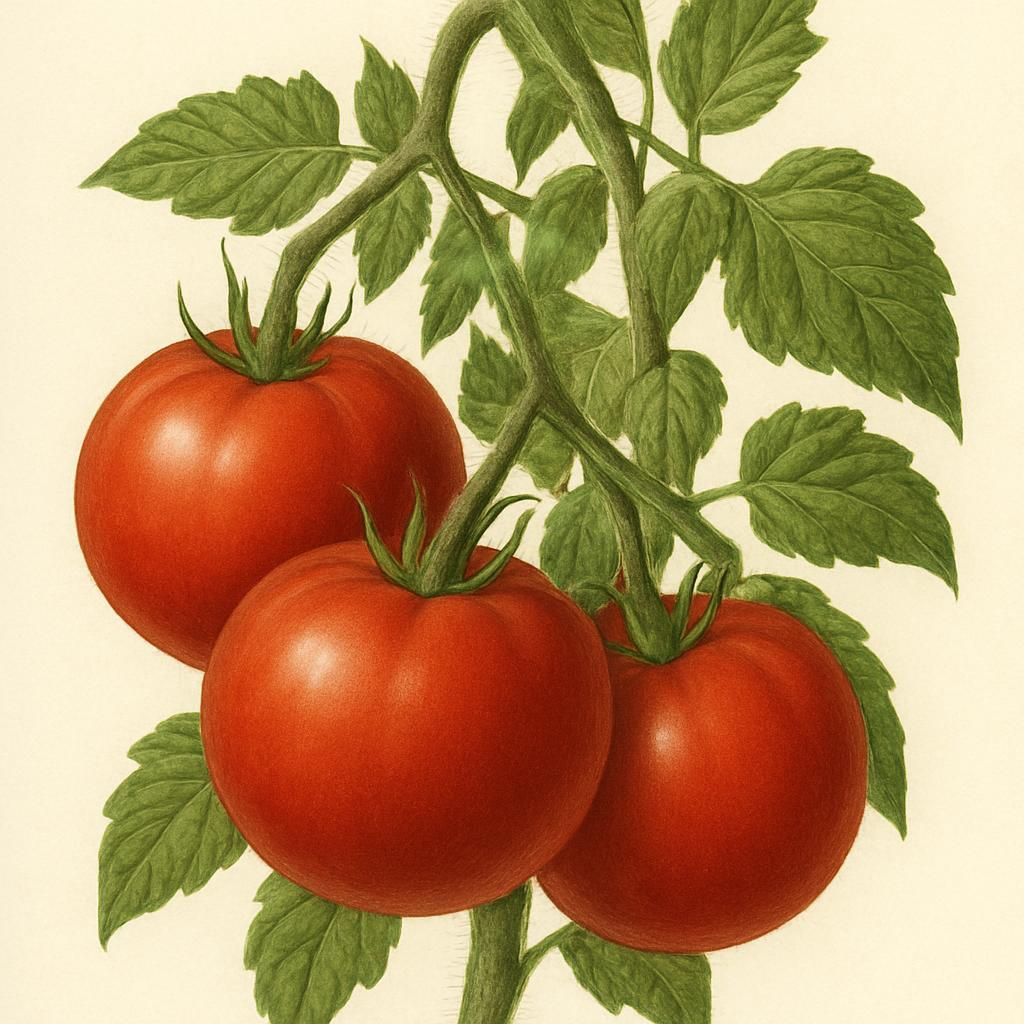
Introduction to Peron Sprayless Tomato
The Peron Sprayless Tomato stands out among modern heirloom selections for its natural resistance to many common fungal and bacterial issues that plague tomato crops. Developed through careful selection for thick cuticles and robust foliage, this variety reduces the reliance on foliar sprays while delivering consistent, flavorful fruit throughout the growing season. Its indeterminate growth habit produces vigorous vines that benefit from sturdy support systems, making it ideal for both home gardeners and small-scale commercial operations seeking lower-input production.
Growers appreciate the Peron Sprayless Tomato for its ability to maintain productivity even under challenging humidity or temperature fluctuations. The fruits typically weigh 4–6 ounces, featuring a balanced sweet-tart profile with meaty interiors perfect for slicing, sauces, and canning. Because the plants require minimal intervention, they represent an excellent choice for organic systems focused on soil health and biodiversity.
Botanical Profile of Peron Sprayless Tomato
Peron Sprayless Tomato belongs to the Solanaceae family and exhibits classic indeterminate growth, continuing to set fruit until frost. The plants develop sturdy, slightly pubescent stems with compound leaves that provide excellent canopy cover, shading developing fruit from sunscald. Flowers are self-pollinating with bright yellow petals, and fruit set is reliable under warm daytime temperatures between 70–85°F (21–29°C).
The variety’s signature trait is its unusually thick epidermis, which naturally deters many surface pathogens and reduces cracking during heavy rain or irrigation cycles. Fruits ripen to a deep red with minimal green shoulders and store well after harvest due to their firm texture. Seeds are viable for saving, and offspring typically remain true to type when isolated from other tomato varieties.
Soil, pH, and Climate Requirements for Peron Sprayless Tomato
Successful cultivation begins with well-drained, fertile loam enriched with organic matter. The crop performs best when soil biology is active, supporting nutrient uptake and suppressing soil-borne pathogens.
| Parameter | Ideal Range | Notes |
|---|---|---|
| Soil Type | Loamy, well-drained | Incorporate compost or aged manure |
| Soil pH | 6.2–6.8 | Test annually; adjust with lime or sulfur |
| Temperature (Day) | 70–85°F (21–29°C) | Optimal fruit set occurs in this window |
| Temperature (Night) | 55–65°F (13–18°C) | Below 50°F slows growth and pollination |
| Sunlight | Full sun, 8+ hours daily | Partial shade reduces yield |
| Spacing | 24–36 inches between plants | Rows 4–5 feet apart for airflow |
| Growing Season | 70–90 frost-free days | Start indoors 6–8 weeks before last frost |
Step-by-Step Planting & Propagation
- Start seeds indoors 6–8 weeks before the expected last frost date. Sow ¼ inch deep in sterile seed-starting mix and maintain soil temperature at 75–80°F.
- Provide 14–16 hours of supplemental light daily to prevent leggy seedlings.
- Harden off transplants for 7–10 days, gradually exposing them to outdoor conditions.
- Transplant after soil has warmed to at least 60°F and all frost risk has passed. Plant deeply, burying two-thirds of the stem to encourage strong root development.
- Install cages, stakes, or trellis systems at planting time to support the vigorous indeterminate vines.
- Water thoroughly after transplanting and apply a 2–3 inch layer of organic mulch to conserve moisture and suppress weeds.
Care & Maintenance regimes for Peron Sprayless Tomato
Consistent moisture and balanced nutrition are essential for maximizing fruit quality and minimizing physiological disorders. The following schedule supports healthy growth while minimizing inputs.
| Week/Stage | Watering Schedule | Fertilizer Application | Pruning & Training |
|---|---|---|---|
| Transplant to 4 weeks | 1–1.5 inches per week, keep even | Side-dress with compost tea or fish emulsion (low N) | Remove lower suckers; tie main stem |
| Flowering to fruit set | Maintain consistent moisture | Apply balanced organic fertilizer (5-5-5) every 3 weeks | Continue sucker removal; tie new growth |
| Fruit ripening | Reduce slightly to concentrate flavor | Switch to potassium-rich feed (2-5-8) | Monitor for overcrowding; thin foliage |
| Late season | Water deeply but infrequently | Optional light compost top-dress | Remove diseased leaves promptly |
Pests, Diseases & Organic Management
Although Peron Sprayless Tomato exhibits strong natural resistance, proactive monitoring remains important. Common tomato pests such as aphids, hornworms, and flea beetles can still appear. Scout plants twice weekly, focusing on the undersides of leaves and new growth.
For organic control, introduce beneficial insects including lady beetles and lacewings, and apply neem oil or insecticidal soap at the first sign of infestation. Crop rotation and removal of crop debris at season’s end significantly reduce overwintering populations of tomato spotted wilt virus and other pathogens.
Preventive cultural practices include maintaining 24–36 inch spacing for airflow, mulching to reduce soil splash, and avoiding overhead irrigation. Remove any leaves showing early signs of early blight or septoria leaf spot immediately.
Harvesting, Curing & Optimal Storage
Harvest when fruits reach full color and yield slightly to gentle pressure. Pick in the morning when temperatures are cooler to preserve quality. For extended storage, harvest mature green fruits and ripen them indoors at 65–70°F.
Store ripe tomatoes at room temperature away from direct sunlight; refrigeration diminishes flavor. For long-term preservation, process into sauces or can whole fruits within 24 hours of harvest. Properly stored canned products maintain quality for 12–18 months.
Companion Planting for Peron Sprayless Tomato
Pairing Peron Sprayless Tomato with aromatic herbs and flowers enhances biodiversity and natural pest suppression. Basil planted nearby repels aphids and improves flavor perception. Marigold and nasturtium deter nematodes and provide habitat for beneficial insects.
Avoid planting near potato or fennel to prevent shared disease issues. Interplant with onion or garlic to mask tomato scents from pests. Rotate tomato plantings with legumes or cover crops to restore soil nitrogen and break disease cycles.