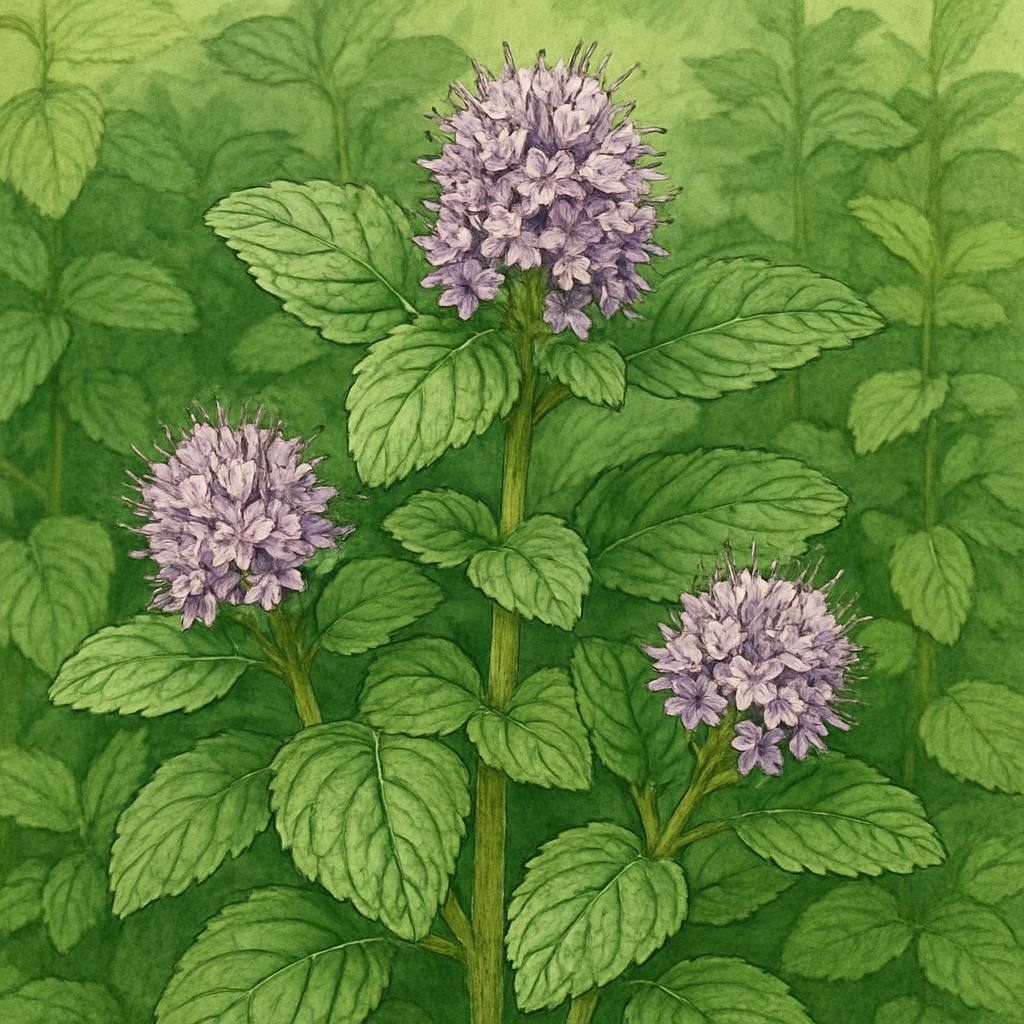
Introduction to Pennyroyal (English)
Pennyroyal, particularly the English variety (Mentha pulegium), holds a storied place in herbal medicine and culinary traditions. This perennial herb flourishes in home gardens, offering fragrant leaves that not only serve culinary purposes but also act as a natural insect repellent.
Botanical Profile of Pennyroyal (English)
Scientific Name: Mentha pulegium
Family: Lamiaceae
Common Names: English Pennyroyal, Pudding Grass
Origin: Europe and the Middle East
Pennyroyal is a low-growing plant that features small, ovate leaves and produces delicate lilac flowers. The plant is a strong aromatic and releases a distinctive minty fragrance when disturbed.
Soil, pH, and Climate Requirements for Pennyroyal (English)
For optimal growth, pennyroyal demands conditions conducive to its vigorous nature. The following table outlines the preferred conditions:
| Condition | Ideal Parameters |
|---|---|
| Soil Type | Well-drained, loamy |
| Soil pH | 6.0 to 7.5 |
| Light | Full sun to partial shade |
| Temperature | 10°C to 25°C |
| Watering | Moderate, ensuring no waterlogging |
Step-by-Step Planting & Propagation
Site Selection
Pennyroyal prefers sunny to partially shaded locations. Selecting an area with good air circulation will help prevent fungal issues.
Soil Preparation
Enrich the soil with organic matter such as compost. Maintain a neutral to slightly acidic pH for best results. Ensure proper drainage to prevent root rot.
Planting
- From Seed: Start indoors 6-8 weeks before the last frost. Scatter seeds on the soil surface, lightly pressing them into the soil.
- Cuttings: Take 8-10 cm cuttings from healthy plants. Remove lower leaves and plant in moist potting mix.
- Transplanting: Once seedlings or cuttings are established, harden them off for a week before transferring to the garden once frost danger has passed.
Care & Maintenance regimes for Pennyroyal (English)
Regular attention ensures a thriving pennyroyal patch. Below is a maintenance schedule:
| Task | Frequency |
|---|---|
| Watering | Once or twice a week, more in dry periods |
| Fertilization | Once in spring with balanced fertilizer |
| Pruning | Trim after flowering to encourage new growth |
Maintain a consistent watering schedule to keep the soil moderately moist but not waterlogged. Fertilize in early spring with a balanced organic fertilizer to support growth. Prune regularly to remove any straggly growth.
Pests, Diseases & Organic Management
Pennyroyal is relatively hardy but can occasionally encounter pest issues.
- Pests: Common pests include Spider Mites. Manage infestations with neem oil or insecticidal soap.
- Diseases: Rarely affected, but root rot can occur in poorly drained conditions.
Employ companion planting techniques to naturally deter pests. For instance, planting pennyroyal near tomatoes can deter aphids.
Harvesting, Curing & Optimal Storage
Harvest leaves any time once the plant is established. For concentrated flavor, harvest in the morning after dew dries. Post-harvest, hang stems upside down in a well-ventilated, shaded area to dry. Store dried leaves in airtight containers away from direct sunlight for up to a year.
Companion Planting for Pennyroyal (English)
Integrating pennyroyal with other crops can enhance garden resilience. Ideal companions include:
- Tomato: Deters aphids.
- Rosemary: Offers mutual protection against carrot flies and cabbage butterflies.
- Basil, as detailed in the The Economics of Basil: A Brutal Breakdown, can also help synergize garden growth, sharing mulch and soil conditions.
Adopt strategic companion planting to naturally manage pests and encourage healthy growth.