Introduction to peonies
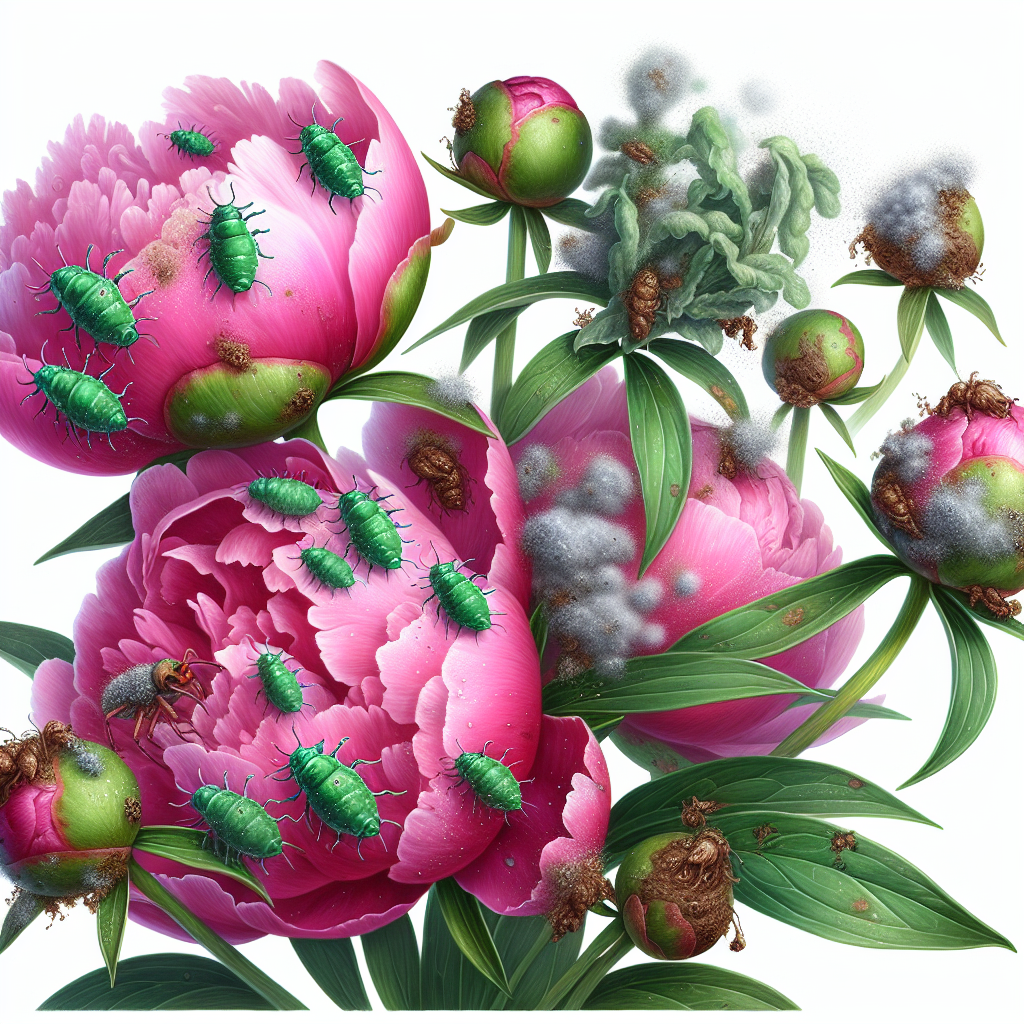
Peonies (Paeonia spp.) are beloved ornamental perennials prized for their lush blooms and long-lived clumps, thriving in USDA zones 3-8 with full sun and well-drained soil. However, these elegant plants are highly susceptible to a range of pests and diseases that can turn vibrant gardens into battlegrounds, causing bud blast, leaf spots, and root decay. As a professional botanist and agricultural expert, this definitive guide equips growers with diagnostic tools and management plans to combat peony 'infestations'—framed here as pest pressures that mimic invasive overgrowth. Early identification is key, as unchecked issues lead to 50-70% yield loss in flowers. For small farms diversifying into cut flowers, understanding peony vulnerabilities is essential. Aphids often cluster on tender shoots, exacerbating damage.
Identifying Symptoms & Damage
Diagnosing peony problems requires keen observation. Common symptoms include:
- Bud Blast and Failure to Open: Buds turn brown, dry, and fail to bloom, often due to Botrytis blight or poor air circulation. Damage appears as shriveled, blackened husks.
- Leaf Spots and Blight: Circular brown spots with yellow halos on leaves signal Alternaria leaf spot or leaf spot diseases. Severe cases defoliate plants by mid-summer.
- Stem Wilting and Collapse: Gray mold on stems indicates Botrytis; cut stems reveal blackened vascular tissue.
- Root and Crown Rot: Soggy, foul-smelling roots from Phytophthora or root rot, causing stunted growth and plant death.
- Pest Feeding Signs: Sticky honeydew from aphids, webbing from spider mites (mites), or chewed buds from cutworms (cutworms).
Inspect plants weekly during spring growth. Use a 10x hand lens for mites or thrips (thrips). Damage reduces flower quality, impacting market value for cut-flower operations. Differentiate from nutrient deficiencies: nitrogen lack yellows lower leaves uniformly, unlike spotty pest damage.
Lifecycle and Progression of peonies
Peonies follow a perennial lifecycle: dormant roots overwinter, shoots emerge in spring (April-May), buds form in late spring, blooming peaks June-July, followed by seed pod development and senescence by fall. Pests exploit this: aphids colonize new shoots, Botrytis spores germinate in cool, wet springs (optimal 60-70°F, high humidity), progressing to epidemics in dense plantings. Root rots advance slowly underground, manifesting as wilting during bloom stress.
Progression stages:
- Early Spring: Shoot tips attract slugs and aphids.
- Bud Stage: Botrytis infects via wounds; ants farm aphids.
- Bloom: Thrips scar petals; Japanese beetles (Japanese beetles) skeletonize foliage.
- Post-Bloom: Root feeders like nematodes (root-knot nematodes) peak in summer heat.
One generation of damage can persist 3-5 years without intervention, as peonies' 50+ year lifespan amplifies chronic issues. Monitor with traps for early detection.
Environmental Triggers & Risk Factors
Peonies flourish in fertile loam (pH 6.5-7.5) but falter under stress. Key triggers:
- Excess Moisture: Overhead watering promotes Botrytis; clay soils retain water, fostering Phytophthora root rot.
- Poor Airflow: Crowded plantings (less than 3 ft spacing) trap humidity.
- Temperature Swings: Late frosts damage buds; hot, dry summers stress roots, inviting spider mites.
- Soil Compaction: Limits drainage, exacerbating rots.
- Weed Competition: Weeds harbor pests like whiteflies.
Risk factors include new plantings from infested nurseries and mulch too deep over crowns, blocking airflow. In rose or peony companion beds near tomato crops, shared pests amplify spread. Climate change intensifies wet springs, boosting fungal risks by 30% per recent studies.
For deeper insights on hyper-local weather impacts, check this blog post.
Organic Control & Treatment Plans
Prioritize IPM: cultural, biological, then targeted organics.
Cultural Controls:
- Plant in full sun with 3-4 ft spacing.
- Water at base, mornings only; avoid wetting foliage.
- Divide clumps every 10 years, discarding rotted roots.
Biological Controls:
- Release ladybugs for aphids; predatory mites for spider mites.
- Apply Bacillus thuringiensis (Bt) for caterpillars.
Organic Treatments:
- Fungicides: Neem oil or Serenade (Bacillus subtilis) weekly for Botrytis; copper soaps for leaf spots.
- Insecticides: Insecticidal soap or horticultural oil for aphids/thrips; pyrethrin sprays for beetles.
- Soil Drenches: Hydrogen peroxide (1:4 water) for early root rot; beneficial nematodes for grubs.
Treatment Timeline:
| Stage | Action | Frequency |
|---|---|---|
| Spring Shoots | Soap spray aphids | Weekly |
| Bud Formation | Serenade for Botrytis | Every 7-10 days |
| Summer | Drench for rots | Monthly |
| Fall | Remove debris | Once |
Yields recover 80% with consistent application. Test soil annually for nematodes.
Preventing peonies in the Future
Prevention beats cure: select resistant cultivars like 'Kansas' or 'Festiva Maxima'. Amend soil with 20% compost for drainage. Mulch 2 inches from crowns outward only. Rotate ornamentals every 5 years, avoiding potato family proximity due to shared rots. Use row covers during wet springs; install beer traps for slugs. Scout weekly, removing infested parts immediately. Solarize soil pre-planting to kill nematodes. Long-term, companion plant with garlic to repel aphids. Annual fall cleanup eliminates overwintering spores, reducing next-year incidence by 90%. Integrate cover crops like clover (clover) in off-seasons for soil health.
Crops Most Affected by peonies
While peonies primarily impact ornamental gardens, their pests spill over to edibles. Top affected:
- Roses and Perennials: Share Botrytis, aphids.
- Strawberry: Slugs, root rots.
- Peach: Japanese beetles, fungal blights.
- Raspberry: Anthracnose (anthracnose), mites.
- Cut-flower mixes with sunflower.
In mixed farms, peony patches near sweet corn (Honey Select) invite corn earworm crossover. Ornamental growers lose $500/acre untreated; diversify to mitigate.