Introduction to Pepper
Pepper (Capsicum annuum) ranks among the world's most widely cultivated vegetable crops, valued for its range of sweet and hot varieties. Home gardeners and commercial growers alike appreciate peppers for their adaptability to raised beds, containers, and field production. Peppers deliver high nutritional value, including vitamin C and antioxidants, while offering strong market demand throughout the growing season.
Successful pepper cultivation requires attention to temperature, soil fertility, and consistent moisture. Whether growing bell peppers for fresh markets or chili types for drying and processing, the principles remain the same: provide warm conditions, fertile well-drained soil, and proactive pest management.
Botanical Profile of Pepper
Pepper plants belong to the Solanaceae family, sharing lineage with Tomato and Eggplant. Most cultivars are herbaceous annuals that reach 18–36 inches in height with a bushy habit. Leaves are simple, alternate, and ovate with entire margins. Flowers are small, white to off-white, and typically self-pollinating, though bees improve fruit set.
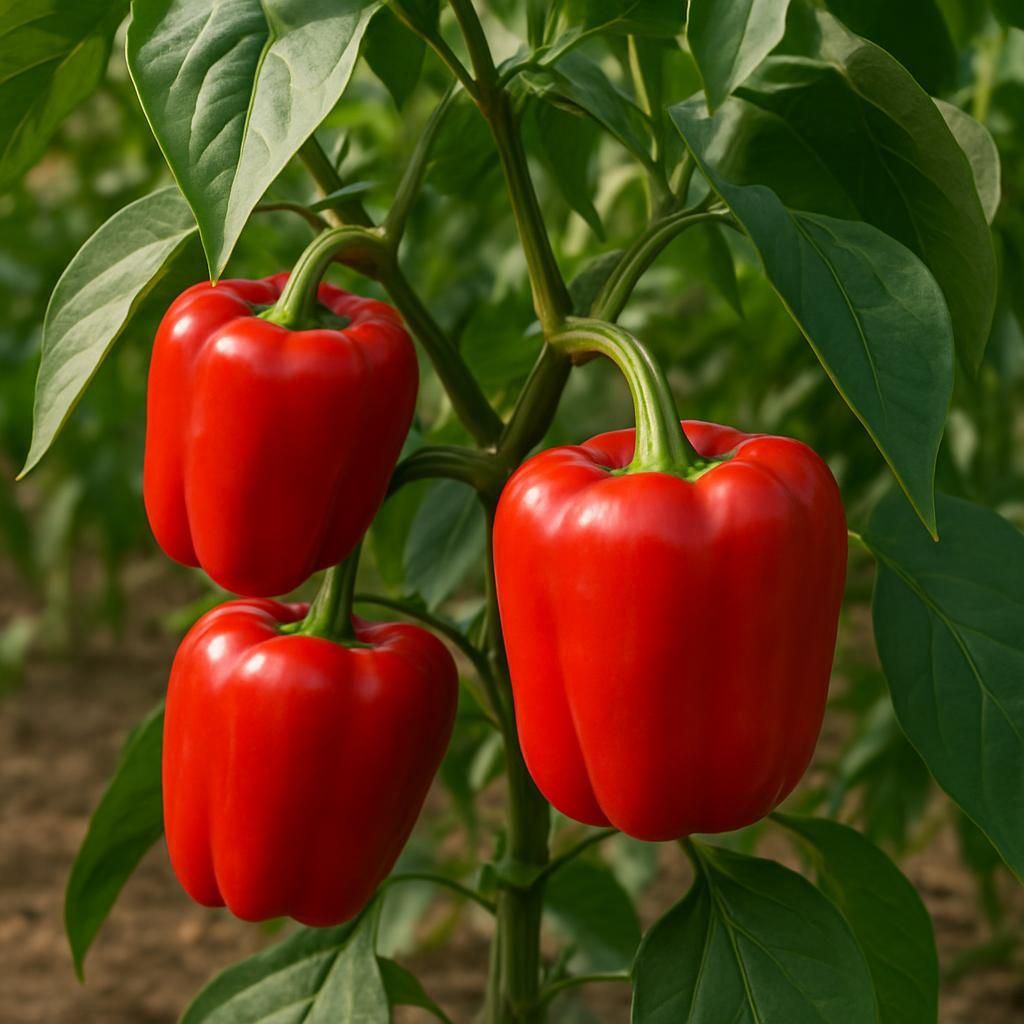
Fruit morphology varies dramatically: bell peppers produce blocky, four-lobed pods, while cayenne types form slender, curved pods. Color progression usually moves from green to red, yellow, orange, or purple at maturity. Most peppers require 60–85 days from transplant to first harvest, depending on variety and growing conditions.
Soil, pH, and Climate Requirements for Pepper (MUST INCLUDE A MARKDOWN TABLE OF IDEAL CONDITIONS)
Peppers thrive in fertile, well-drained loam or sandy loam soils with high organic matter. Good drainage prevents root diseases while adequate moisture retention supports fruit development. Soil temperature at planting should exceed 65 °F (18 °C) to avoid chilling injury.
| Parameter | Ideal Range | Notes |
|---|---|---|
| Soil pH | 6.0–6.8 | Slightly acidic to neutral; avoid below 5.5 |
| Soil Temperature | 70–85 °F (21–29 °C) | Critical for germination and root growth |
| Air Temperature (Day) | 70–85 °F (21–29 °C) | Optimal fruit set occurs in this range |
| Air Temperature (Night) | 60–70 °F (15–21 °C) | Below 55 °F reduces pollination |
| Spacing | 18–24 in (45–60 cm) between plants; 24–36 in (60–90 cm) between rows | Wider spacing improves airflow |
| Sunlight | Full sun, minimum 6–8 hours | Supplemental light in northern latitudes |
Step-by-Step Planting & Propagation
- Start seeds indoors 8–10 weeks before the last frost date. Sow ¼ inch deep in sterile seed-starting mix at 80–85 °F.
- Maintain even moisture and provide 14–16 hours of light daily using grow lights.
- Harden off seedlings 7–10 days before transplanting by gradually exposing them to outdoor conditions.
- Transplant when soil reaches 65 °F and nighttime temperatures remain above 55 °F. Space plants 18–24 inches apart in rows 24–36 inches wide.
- Apply a starter fertilizer high in phosphorus to encourage root establishment.
- Install drip irrigation or soaker hoses immediately after transplanting to maintain consistent moisture.
Care & Maintenance regimes for Pepper (MUST INCLUDE A MARKDOWN TABLE OF WATER, FERTILIZER, AND PRUNING SCHEDULES)
Consistent care throughout the season maximizes fruit size and quality. Mulch with organic materials to conserve moisture and suppress weeds. Monitor plants weekly for nutrient deficiencies or pest pressure.
| Growth Stage | Watering Schedule | Fertilizer Application | Pruning Schedule |
|---|---|---|---|
| Transplant to Flowering | 1–1.5 inches per week; keep soil evenly moist | Side-dress with 5-10-10 NPK at 3 weeks post-transplant | Remove lower leaves touching soil; stake tall varieties |
| Flowering to Fruit Set | Increase to 1.5–2 inches per week during heat | Apply balanced liquid fertilizer every 2–3 weeks | Pinch first flowers on young plants to promote branching |
| Fruit Development to Harvest | Maintain even moisture; avoid fluctuations | Switch to high-potassium formula every 3 weeks | Remove suckers below first fruit; prune diseased foliage |
Pests, Diseases & Organic Management
Common pepper pests include Aphids, Thrips, and Spider Mites. Use insecticidal soap or neem oil at the first sign of infestation. Row covers protect young transplants from flea beetles.
Major diseases include Bacterial Spot, Phytophthora Blight, and Verticillium Wilt. Practice crop rotation with non-solanaceous crops for at least three years. Improve airflow through proper spacing and pruning. Apply copper-based fungicides or biological controls such as Bacillus subtilis for bacterial and fungal issues.
Harvesting, Curing & Optimal Storage
Harvest sweet peppers when they reach full size and desired color. Hot peppers may be picked green for milder flavor or left to ripen for increased heat. Use pruning shears to cut stems, leaving a short stub to reduce rot.
Cure peppers at 50–55 °F with 85–90% humidity for 7–10 days before long-term storage. Store fresh peppers in perforated plastic bags in the refrigerator for up to two weeks. For drying, hang thin-walled varieties in a warm, dry location with good airflow until brittle.
Companion Planting for Pepper
Peppers benefit from strategic companions. Basil repels aphids and improves flavor. Marigold deters nematodes and provides beneficial insect habitat. Onion and Garlic mask pepper scents from pests.
Avoid planting peppers near Fennel or other members of the Apiaceae family that may inhibit growth. Interplant with Lettuce or Radish for efficient space use during early season. Cucumber and Squash also pair well when spaced to avoid shading.
Stop Treating Tomato Blight Like a Spray Problem: Here Is What Works Better