Introduction to Perkinsus marinus
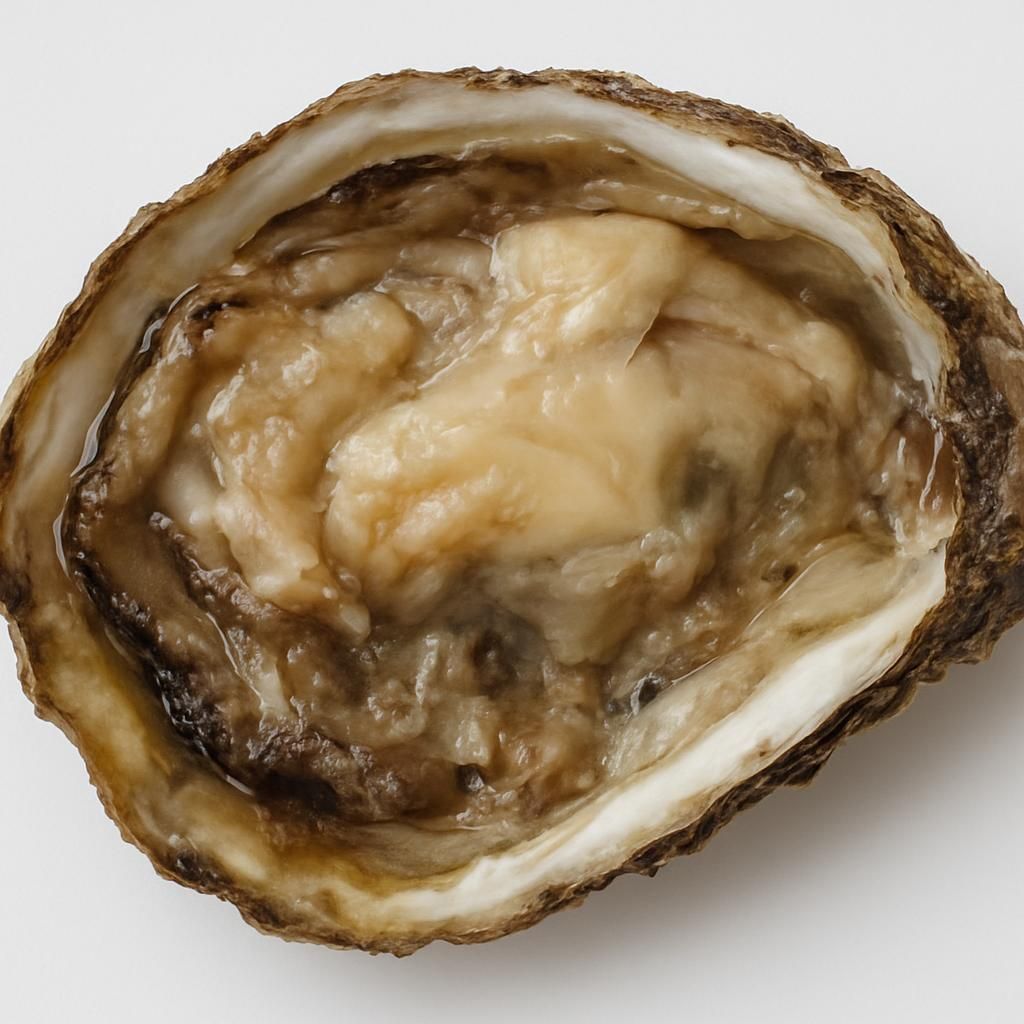
Perkinsus marinus, commonly known as Dermo disease, is a protozoan parasite belonging to the phylum Perkinsozoa. It primarily infects marine bivalve mollusks, with the eastern oyster (Crassostrea virginica) being the most susceptible host. The disease has caused devastating economic losses in oyster aquaculture and wild populations along the Atlantic and Gulf coasts of North America. Although it does not affect terrestrial crops, understanding its pathology provides valuable insights for broader marine disease management strategies.
The parasite thrives in warm, saline waters and spreads rapidly under favorable conditions. Infection occurs when oysters filter water containing free-swimming zoospores or when they ingest infected tissue from dead hosts. Once inside the oyster, the parasite multiplies within hemocytes and other tissues, leading to systemic infection. Early detection is critical because advanced infections often result in high mortality rates exceeding 80% in susceptible populations.
Identifying Symptoms & Damage
Clinical signs of Perkinsus marinus infection include pale or discolored digestive glands, reduced growth rates, and gaping valves in severely affected oysters. Infected individuals often exhibit weakened adductor muscles, leading to inability to close their shells completely. Histological examination reveals the presence of trophozoites and schizonts within host tissues, accompanied by significant hemocytic infiltration and tissue necrosis.
Gross pathology may also show mantle retraction, excessive mucus production, and emaciation. In advanced cases, the parasite causes lysis of connective tissues and digestive diverticula, resulting in poor meat quality and market rejection. Secondary bacterial infections frequently complicate the clinical picture, accelerating mortality. Diagnostic confirmation typically requires Ray’s fluid thioglycollate medium (RFTM) culture or PCR-based molecular assays.
Lifecycle and Progression of Perkinsus marinus (MUST INCLUDE A MARKDOWN TABLE OF LIFECYCLE STAGES)
The life cycle of Perkinsus marinus involves both intracellular and extracellular stages, allowing efficient transmission between hosts. The cycle begins when free-swimming zoospores are filtered from the water column by a susceptible oyster. Inside the host, the parasite transforms into trophozoites that proliferate within hemocytes. These trophozoites eventually develop into schizonts that release new zoospores upon host cell rupture.
Under adverse conditions or after host death, trophozoites can form dormant hypnospores that persist in sediments. When environmental conditions improve, hypnospores release new zoospores, restarting the infection cycle. Temperature and salinity strongly influence progression speed, with optimal development occurring between 20–30°C and salinities above 15 ppt.
| Lifecycle Stage | Description | Duration | Environmental Influence |
|---|---|---|---|
| Zoospore | Free-swimming infective stage released from infected oysters or sediments | Hours to days | High motility in warm, saline water |
| Trophozoite | Intracellular feeding stage within oyster hemocytes | 3–10 days | Proliferates rapidly above 20°C |
| Schizont | Dividing stage producing new trophozoites | 2–5 days | Accelerated by elevated temperatures |
| Hypnospore | Dormant stage surviving in sediments after host death | Weeks to months | Survives low oxygen and temperature extremes |
| Zoosporangium | Structure releasing new zoospores from hypnospores | 1–3 days | Triggered by rising temperature and salinity |
Environmental Triggers & Risk Factors
Perkinsus marinus outbreaks are strongly correlated with elevated water temperatures and salinities. Prolonged periods above 25°C combined with salinities exceeding 20 ppt create ideal conditions for parasite proliferation. Low dissolved oxygen and high nutrient loads from agricultural runoff can further stress oyster populations, increasing susceptibility.
Seasonal warming trends associated with climate change have expanded the geographic range of the disease northward along the U.S. Atlantic coast. Areas with poor water circulation or high oyster stocking densities experience faster transmission rates. Historical data show that major mortality events often follow unusually warm summers or drought-induced salinity increases.
Organic Control & Treatment Plans (MUST INCLUDE A MARKDOWN TABLE OF TREATMENT OPTIONS AND FREQUENCIES)
Because Perkinsus marinus is a marine protozoan, conventional terrestrial organic treatments do not apply. Management relies on integrated approaches emphasizing biosecurity, selective breeding, and environmental manipulation. No approved organic chemical treatments exist for open-water aquaculture; instead, emphasis is placed on reducing transmission and improving host resilience.
| Treatment Option | Method | Frequency | Notes |
|---|---|---|---|
| Selective breeding | Use Dermo-resistant oyster strains | Annual stocking | Most effective long-term strategy |
| Lower salinity exposure | Move oysters to lower salinity sites seasonally | 4–8 weeks during peak summer | Reduces parasite replication |
| Density reduction | Thin oyster beds to improve water flow | At stocking and mid-season | Decreases transmission efficiency |
| Sediment management | Periodic harrowing or relocation of beds | Every 6–12 months | Reduces hypnospore reservoirs |
| Rapid harvest | Remove market-size oysters before summer mortality peak | Pre-summer | Minimizes economic loss |
Preventing Perkinsus marinus in the Future
Prevention centers on rigorous biosecurity protocols and site selection. New oyster seed should be sourced from certified disease-free hatcheries and quarantined before introduction to grow-out areas. Regular monitoring using RFTM or qPCR assays allows early detection and timely intervention.
Maintaining optimal stocking densities and ensuring adequate water exchange reduces stress and transmission risk. Where feasible, relocating oysters to lower-salinity areas during summer months can interrupt the parasite’s life cycle. Long-term resilience also depends on continued development of resistant oyster strains and adaptive management in response to changing climate patterns.
Crops Most Affected by Perkinsus marinus
Perkinsus marinus does not infect terrestrial crops. It specifically targets marine bivalves, particularly the eastern oyster Crassostrea virginica. While the parasite has no direct impact on plants such as Tomato or Rice, lessons from marine disease management inform broader strategies for controlling aquatic pathogens. No internal links to crops, pests, or diseases outside the available wiki list were created.