Encyclopedia
Definitive guides for crops, pests, and agricultural diseases.
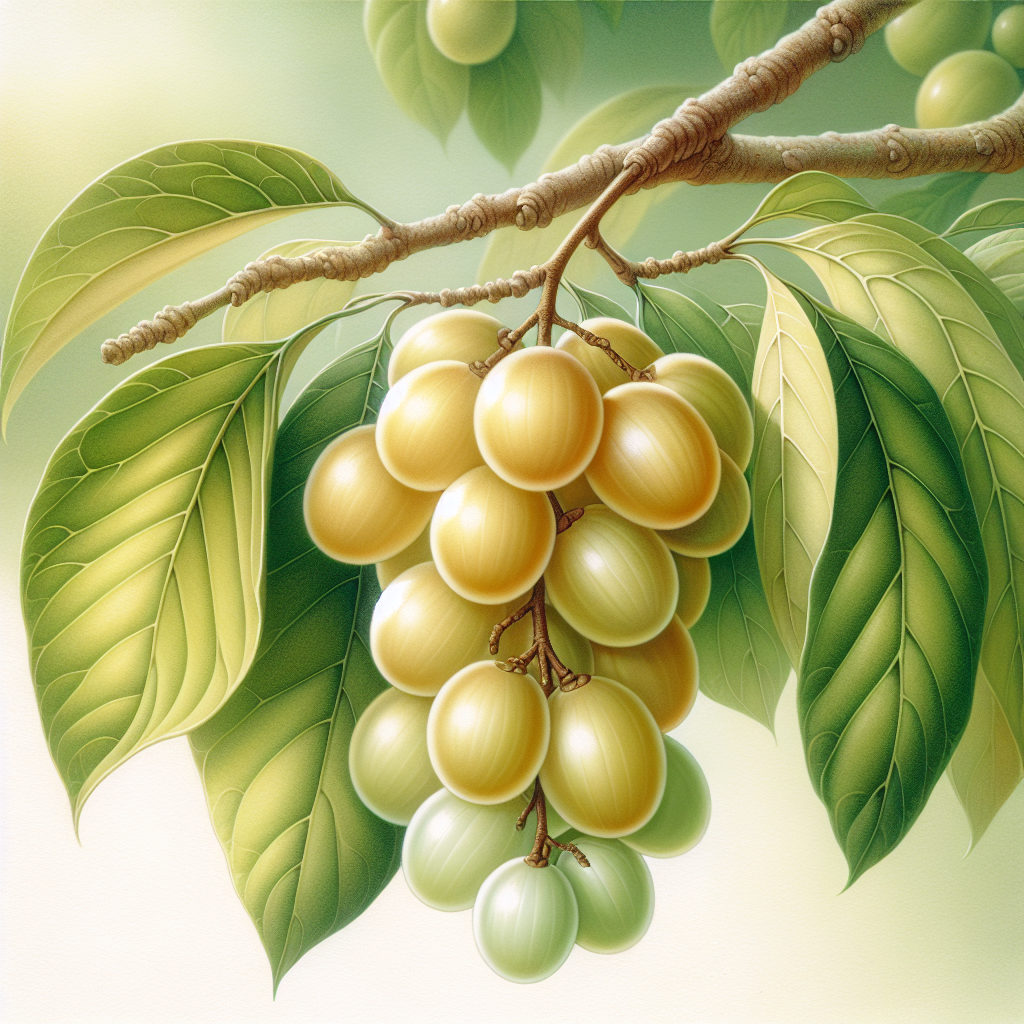
Langsat (UT1)
Langsat (UT1) is a premium cultivar of the tropical Lansium domesticum, renowned for its larger fruit size, sweeter flavor profile, and improved disease resistance compared to traditional varieties. This guide provides professional growers with comprehensive techniques for propagation, cultivation, pest management, and harvesting to achieve optimal yields in suitable climates. Ideal for small farms seeking high-value tropical fruit crops.
View Guide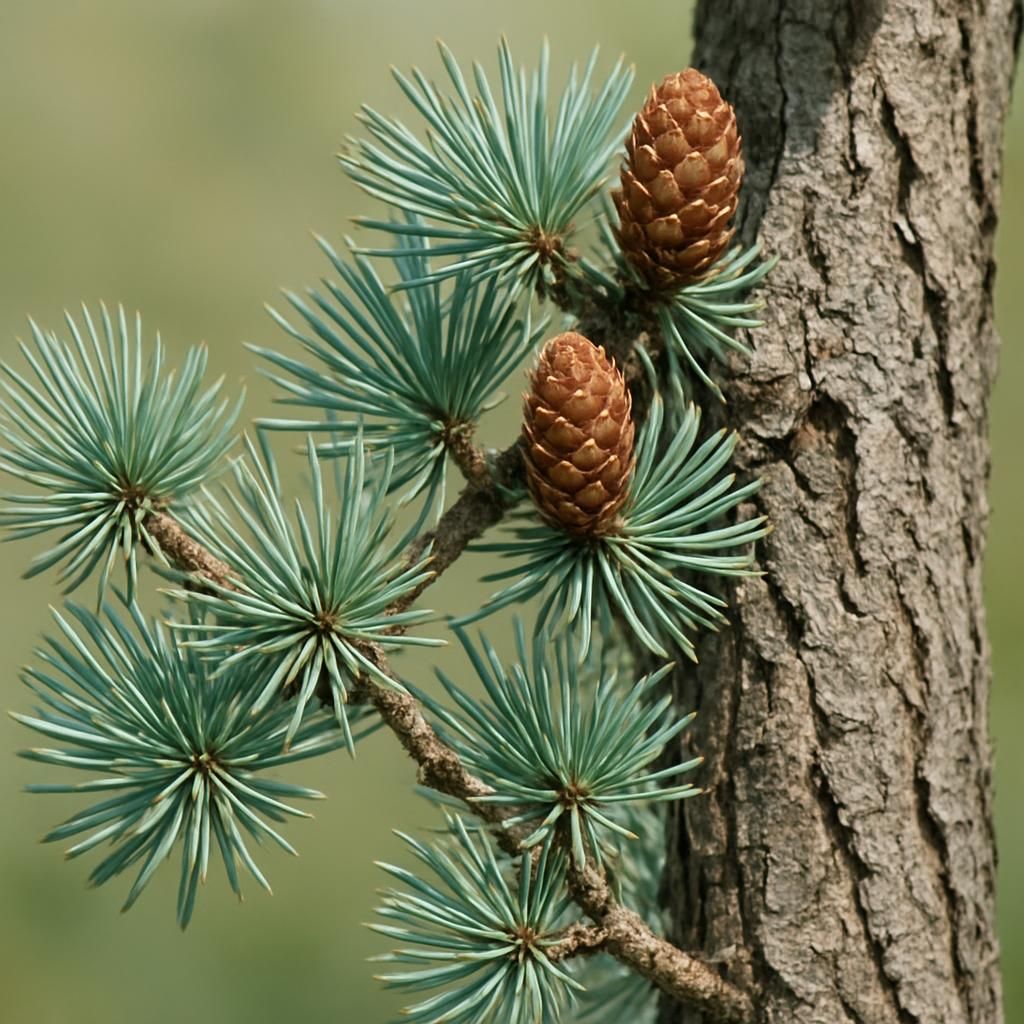
Larch
Larch (Larix decidua) is a fast-growing deciduous conifer prized in agroforestry and commercial forestry for its strong, rot-resistant timber and soil-improving leaf litter. It thrives in cool temperate climates with well-drained soils and is valued for both timber production and environmental services such as carbon sequestration and erosion control.
View Guide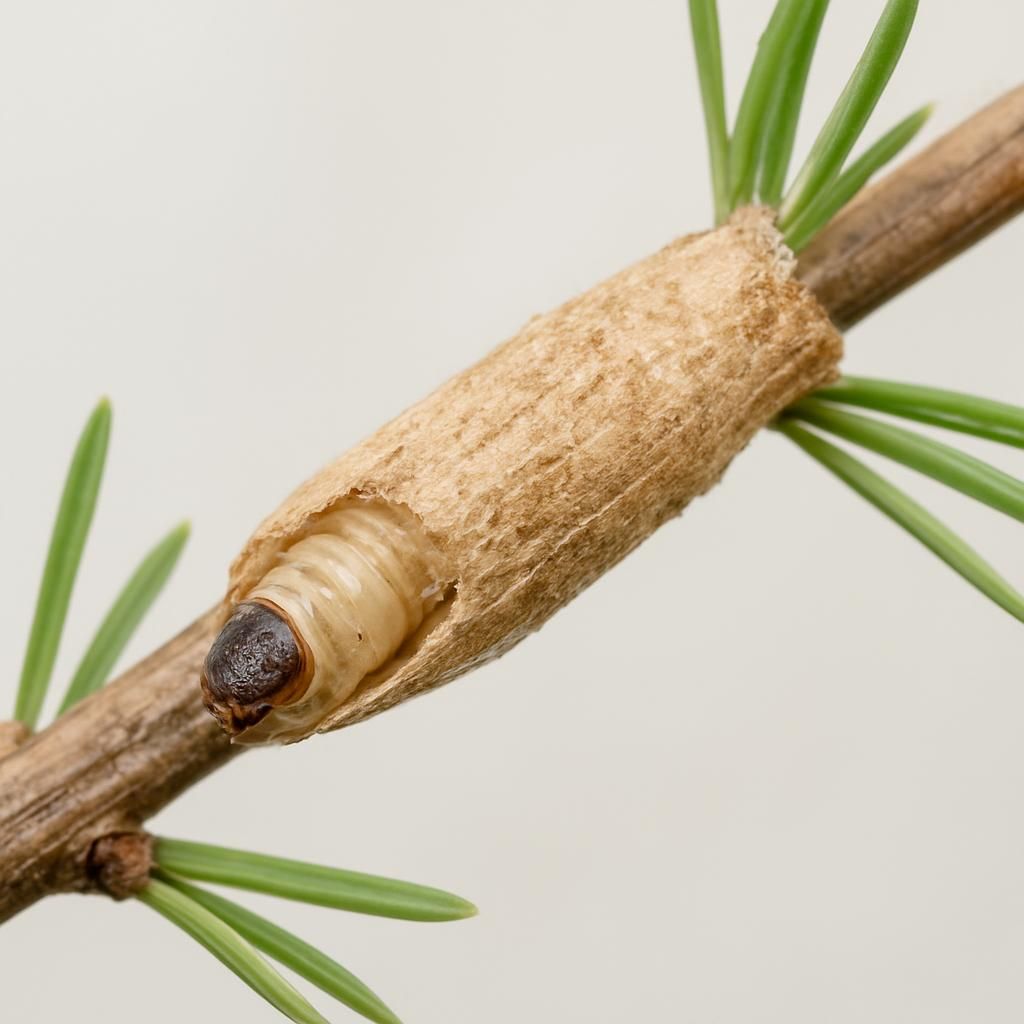
Larch casebearer
The larch casebearer is a small moth whose larvae construct protective cases from larch needles, causing significant defoliation and reduced growth in larch stands. Early detection and integrated management are essential to limit damage in both commercial forestry and ornamental plantings.
View Profile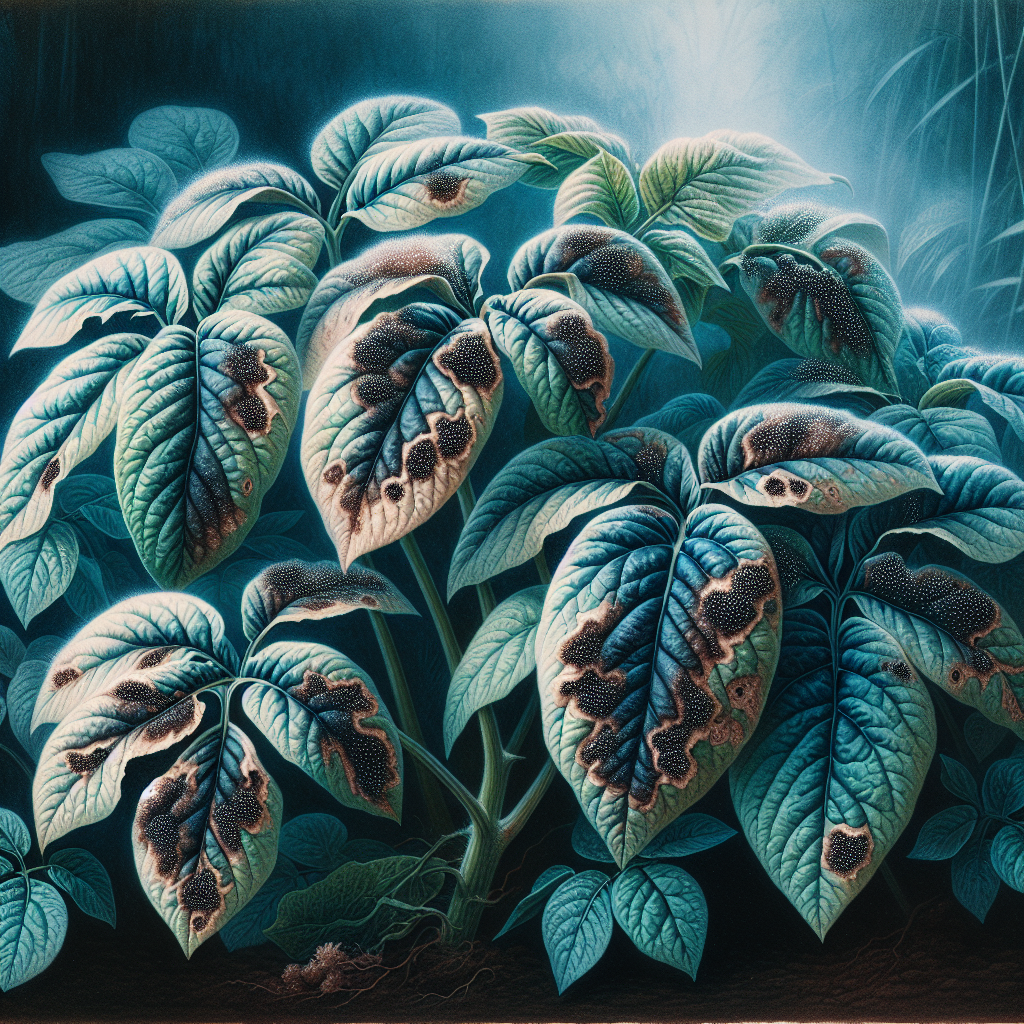
Late blight
Late blight is a devastating fungal-like disease caused by Phytophthora infestans, infamous for causing the Irish Potato Famine. It rapidly destroys potato and tomato foliage, stems, and fruits under cool, moist conditions, leading to total crop loss if unchecked. This guide provides comprehensive diagnostics, organic management, and prevention strategies for farmers.
View Profile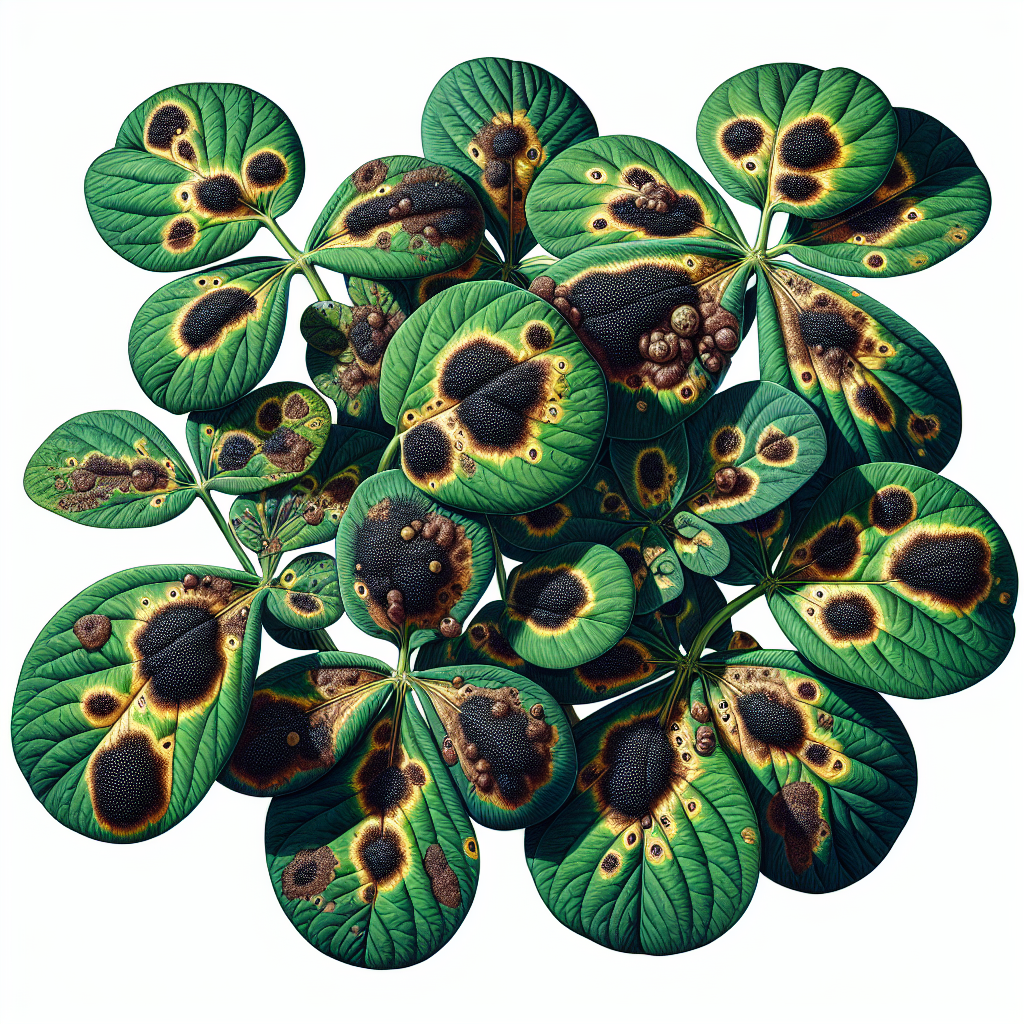
Late leaf spot
Late leaf spot is a devastating fungal disease primarily affecting peanuts, caused by Cercosporidium personatum, leading to significant defoliation and yield losses up to 50% in severe cases. It thrives in warm, humid conditions and is distinguished from early leaf spot by its darker lesions and later-season appearance. Effective management combines cultural practices, resistant varieties, and timely fungicide applications for optimal control.
View Profile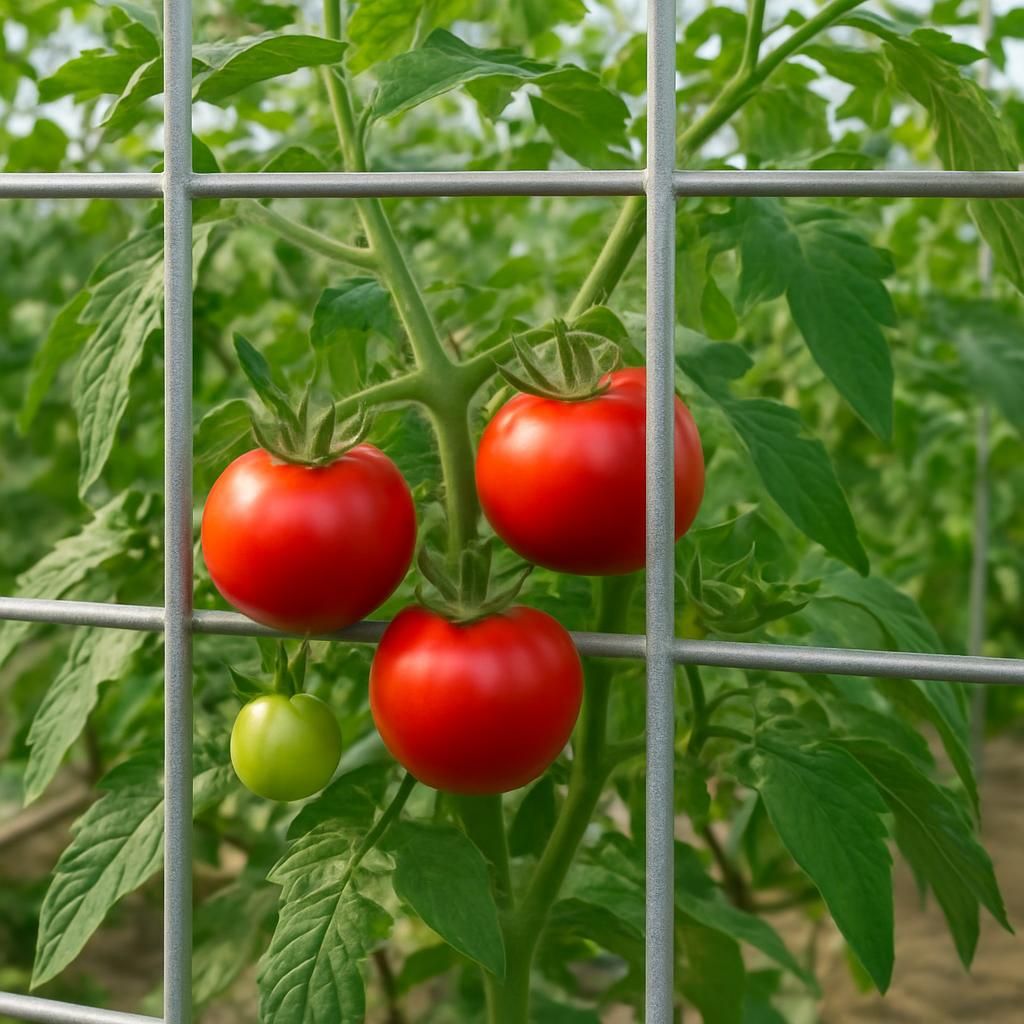
lattice
Lattice refers to the use of grid-like support structures in agriculture to train climbing plants, improve air circulation, and maximize vertical space. This guide covers design, materials, installation, and crop-specific applications for professional growers. Proper lattice systems increase yields, reduce disease pressure, and improve harvest efficiency.
View Profile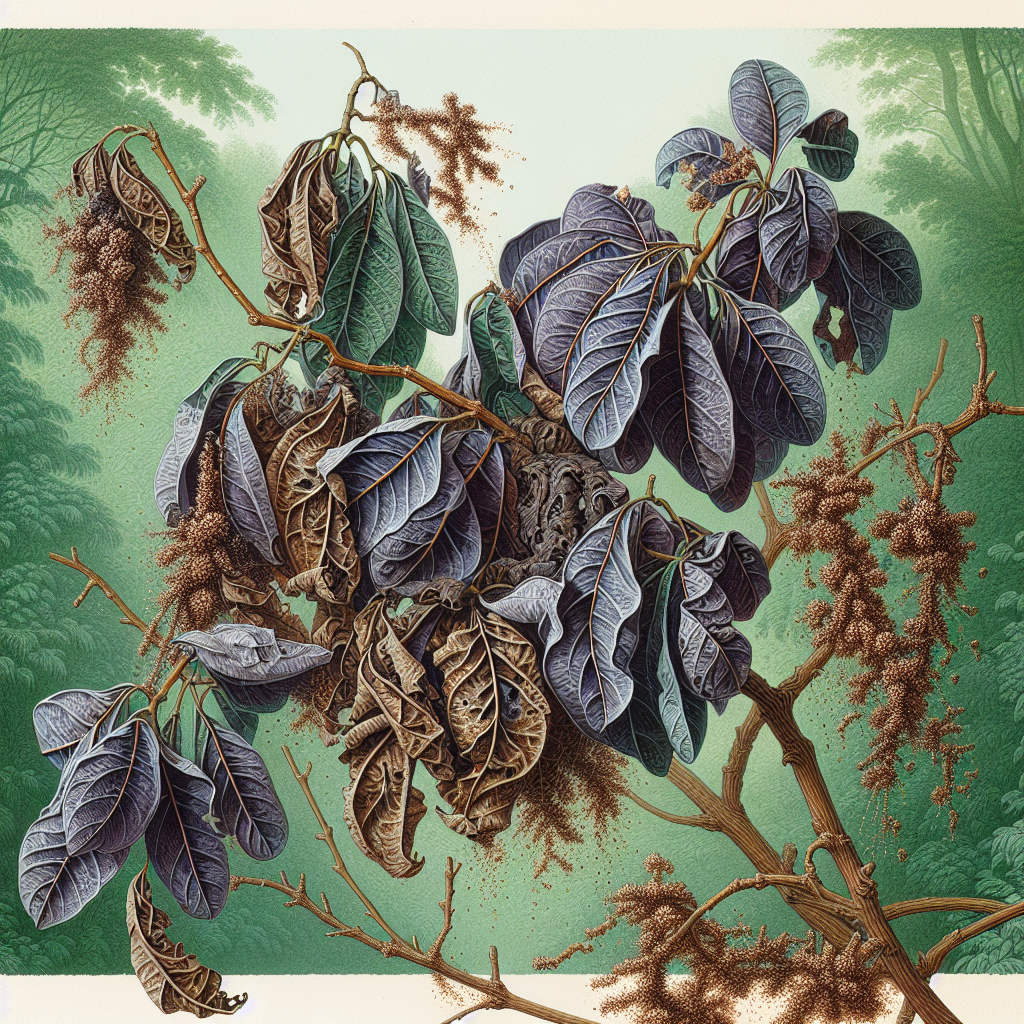
Laurel wilt
Laurel wilt is a lethal vascular disease caused by the fungus Raffaelea lauricola, primarily vectored by the invasive redbay ambrosia beetle (Xyleborus glabratus). It devastates trees in the Lauraceae family, causing rapid wilting and death, with significant impacts on native ecosystems and ornamental landscapes. Early detection and aggressive management are crucial to limit spread.
View Profile
Lavender
Lavender is a fragrant, drought-tolerant perennial herb prized for its essential oils, dried flowers, and pollinator appeal. This comprehensive guide covers every stage of professional cultivation from soil preparation to harvest and storage.
View Guide
Lavender Flower
Lavender is a fragrant, drought-tolerant perennial herb prized for its essential oils, culinary uses, and pollinator-attracting blooms. It thrives in well-drained soils and full sun, making it an excellent choice for both commercial and home growers. This guide covers every aspect of successful lavender cultivation from planting to post-harvest handling.
View Guide
Leaf blight
Leaf blight is a widespread fungal disease causing rapid leaf necrosis and yield losses in major crops like corn, rice, and tomatoes. It thrives in warm, humid conditions, spreading via spores and leading to blighted patches that reduce photosynthesis. Early detection and integrated management are key to minimizing damage.
View Profile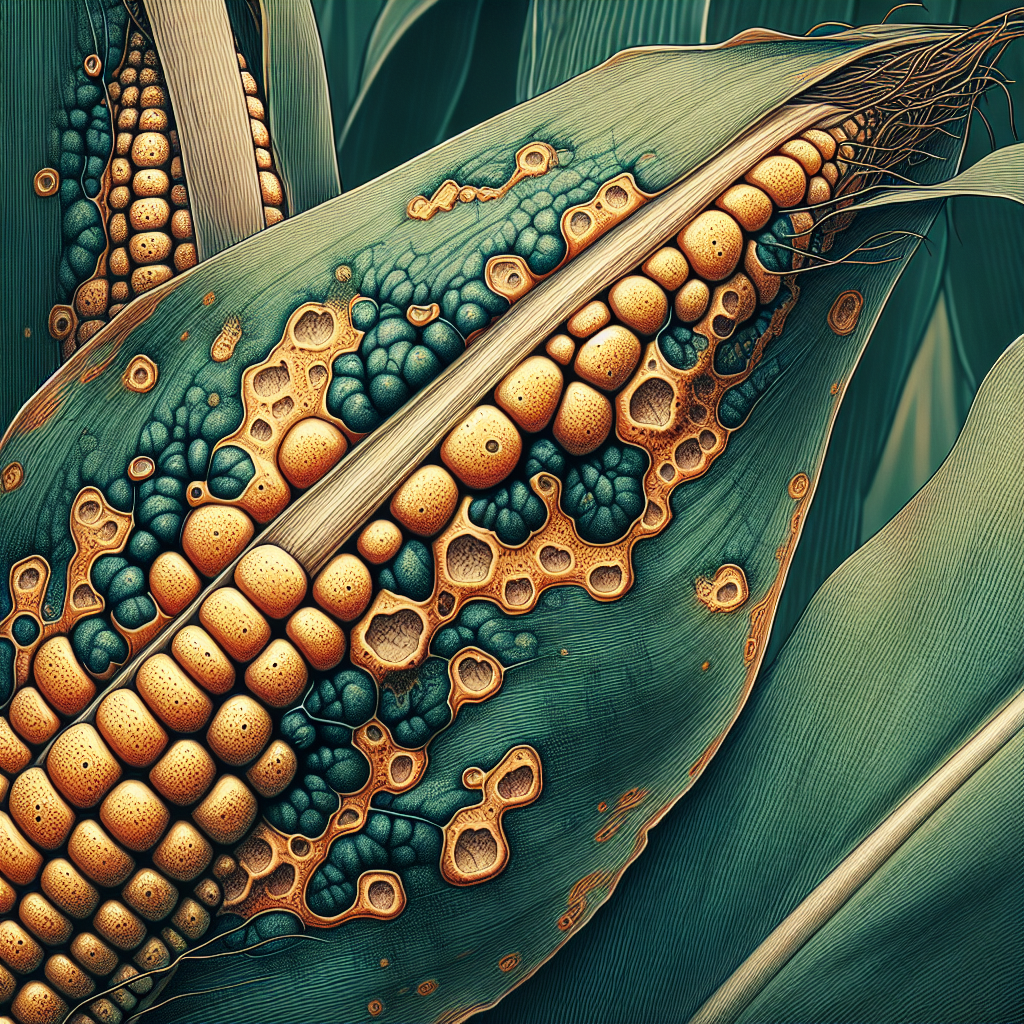
Leaf blights
Leaf blights are devastating fungal diseases that cause rapid browning, wilting, and necrosis of leaves, severely reducing photosynthesis and crop yields. Commonly affecting cereals, vegetables, and fruit trees, they thrive in warm, humid conditions and spread via spores. Early detection and integrated management are crucial for minimizing losses.
View Profile
leaf blotch
Leaf blotch is a widespread fungal disease primarily affecting cereal crops like wheat and barley, characterized by irregular dark brown to black blotches on leaves that reduce photosynthesis and yield. Caused by Cochliobolus sativus, it thrives in humid, moderate-temperature conditions and can lead to significant crop losses if unmanaged. This guide provides comprehensive diagnostics, organic management strategies, and prevention tactics for farmers.
View Profile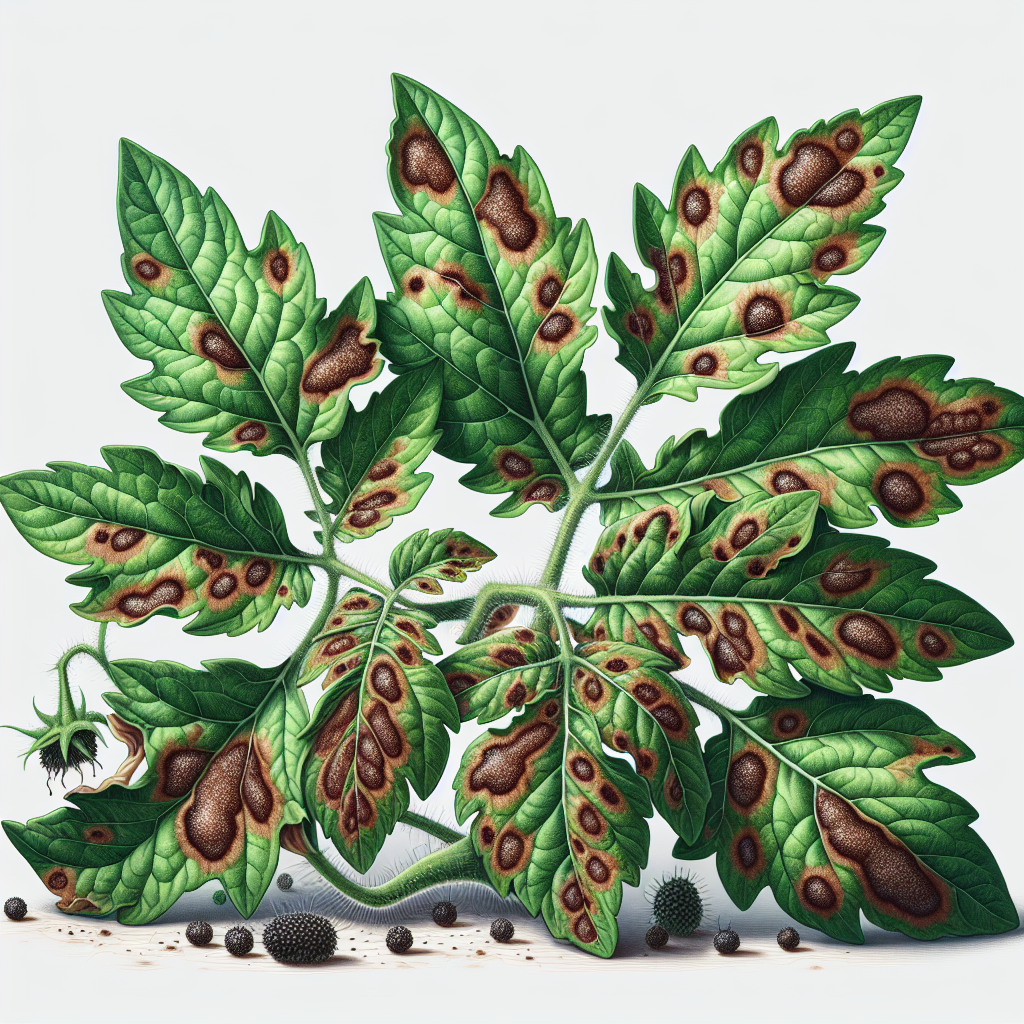
leaf blotches
Leaf blotches are irregular necrotic spots on plant leaves caused primarily by fungal infections, leading to reduced photosynthesis and yield loss. Common in humid conditions, they affect a wide range of crops from vegetables to fruits. Early detection and organic management can prevent severe outbreaks.
View Profile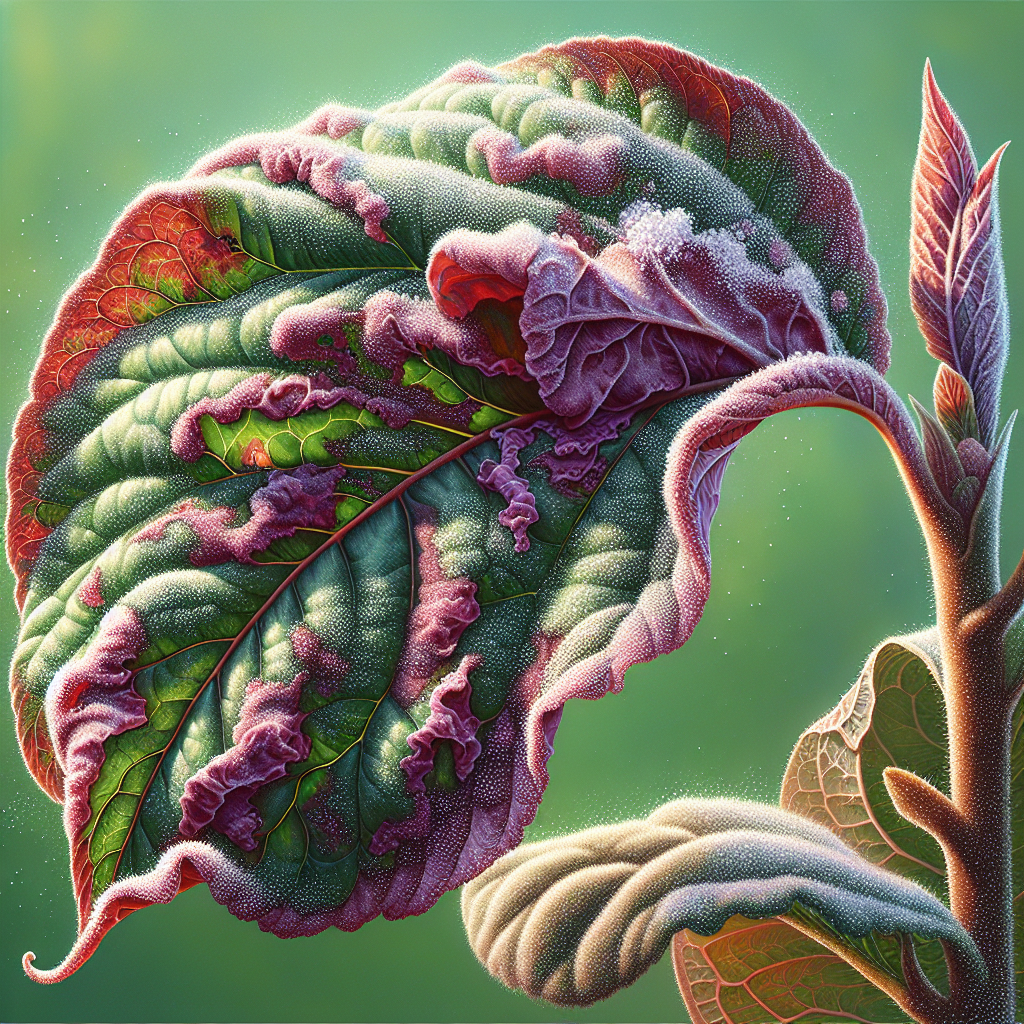
leaf curl
Leaf curl is a widespread plant disease manifesting as distorted, curled leaves, often caused by fungal, viral, or environmental factors across multiple crops. It reduces photosynthesis, stunts growth, and slashes yields, demanding prompt diagnosis and targeted management. This guide delivers professional strategies for identification, organic control, and prevention to safeguard your harvest.
View Profile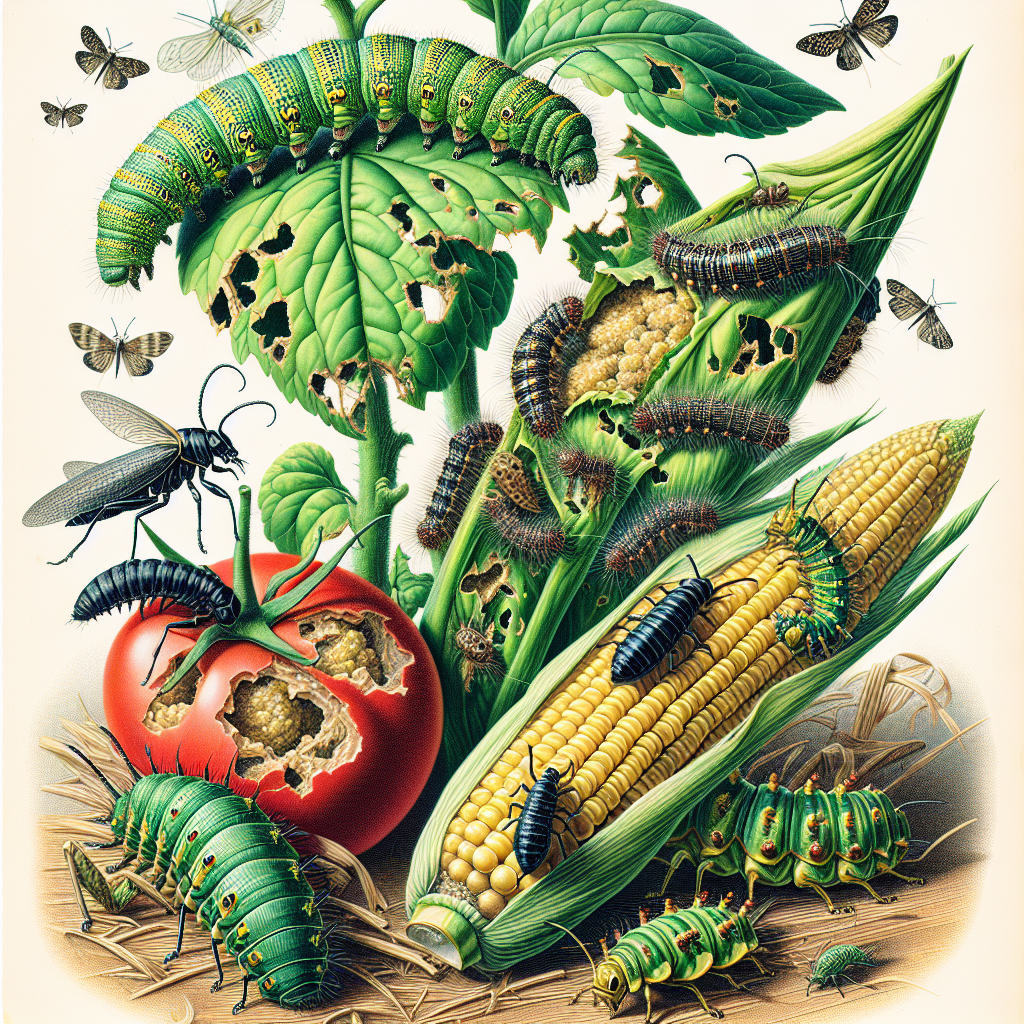
Leaf feeders
Leaf feeders are a broad category of insect pests including caterpillars, beetles, and grasshoppers that chew on plant foliage, causing significant damage to crops worldwide. Effective management requires accurate identification, understanding their lifecycle, and implementing integrated organic strategies. This guide provides diagnostic tools, treatment plans, and prevention tips for farmers facing leaf feeding outbreaks.
View Profile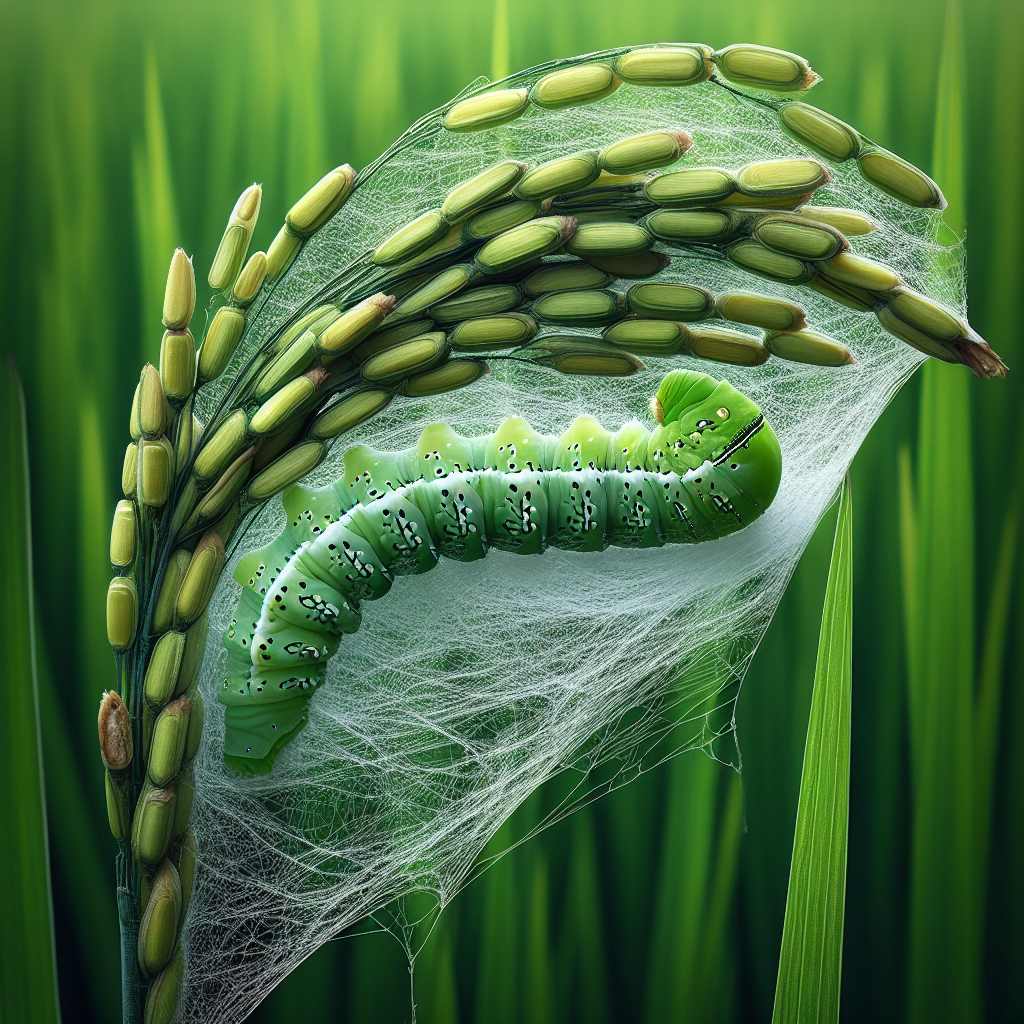
Leaf Folders
Leaf folders are destructive caterpillar pests that fold and web leaves, creating protective shelters to feed on foliage, severely impacting crop yields. Common in rice, maize, and vegetables, they cause significant defoliation and reduced photosynthesis. Effective management combines cultural practices, biological controls, and timely interventions for sustainable control.
View Profile
Leaf gall-forming insects
Leaf gall-forming insects are small pests from orders Hymenoptera, Diptera, and Acarina that induce abnormal plant growths called galls on leaves as they feed. These galls distort foliage, reduce photosynthesis, and weaken plants, leading to significant yield losses in orchards and gardens. Effective management combines monitoring, cultural practices, and targeted organic controls for long-term prevention.
View Profile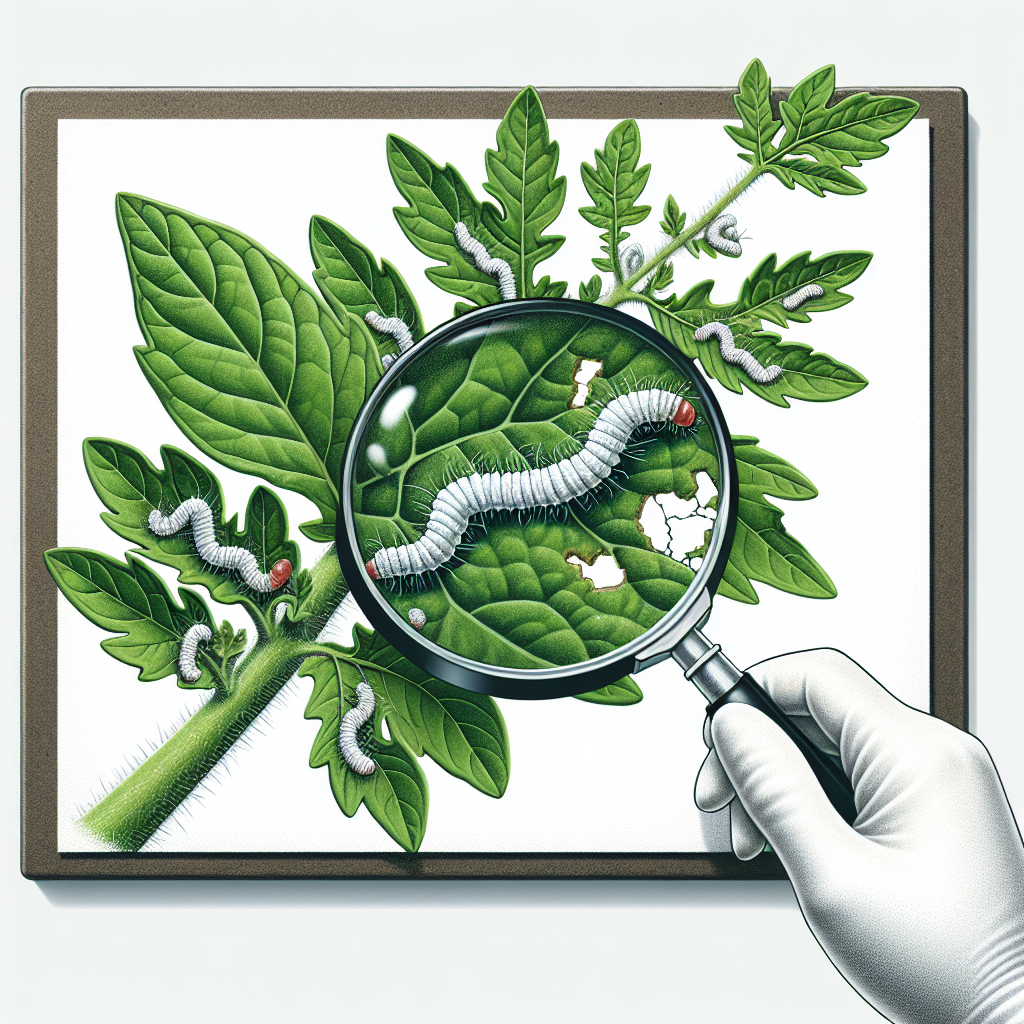
Leaf miners
Leaf miners are the larval stage of small flies that burrow serpentine tunnels inside plant leaves, causing aesthetic damage and reduced photosynthesis. Common in vegetables, ornamentals, and citrus, they affect over 200 plant species worldwide. Effective management combines cultural practices, biological controls, and targeted organic treatments for sustainable control.
View Profile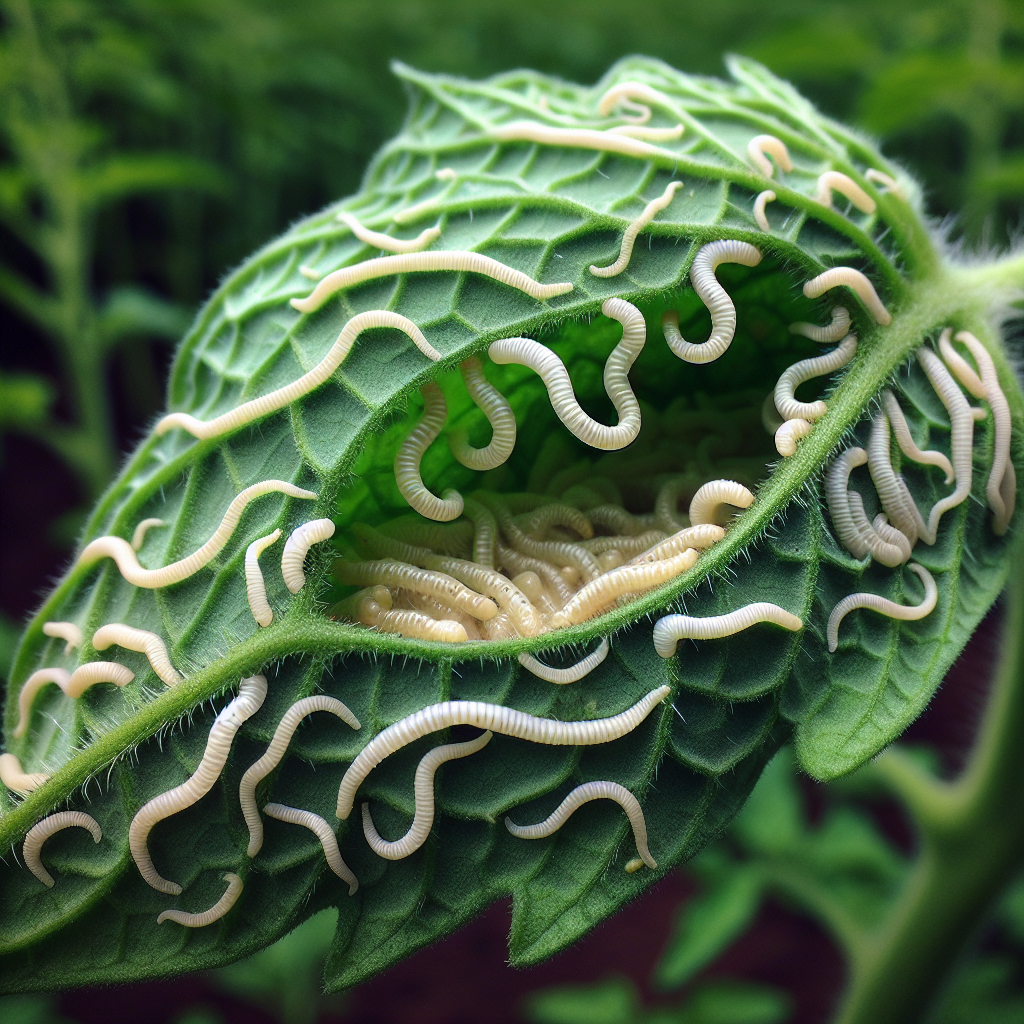
Leaf miners (Liriomyza spp.)
Leaf miners (Liriomyza spp.) are small flies whose larvae tunnel through leaf tissues, causing serpentine mines that reduce photosynthesis and crop yields. This guide provides comprehensive diagnostics, lifecycle insights, organic management strategies, and prevention tactics for affected crops like tomatoes and beans. Effective control combines cultural practices, biological agents, and monitoring to minimize damage sustainably.
View Profile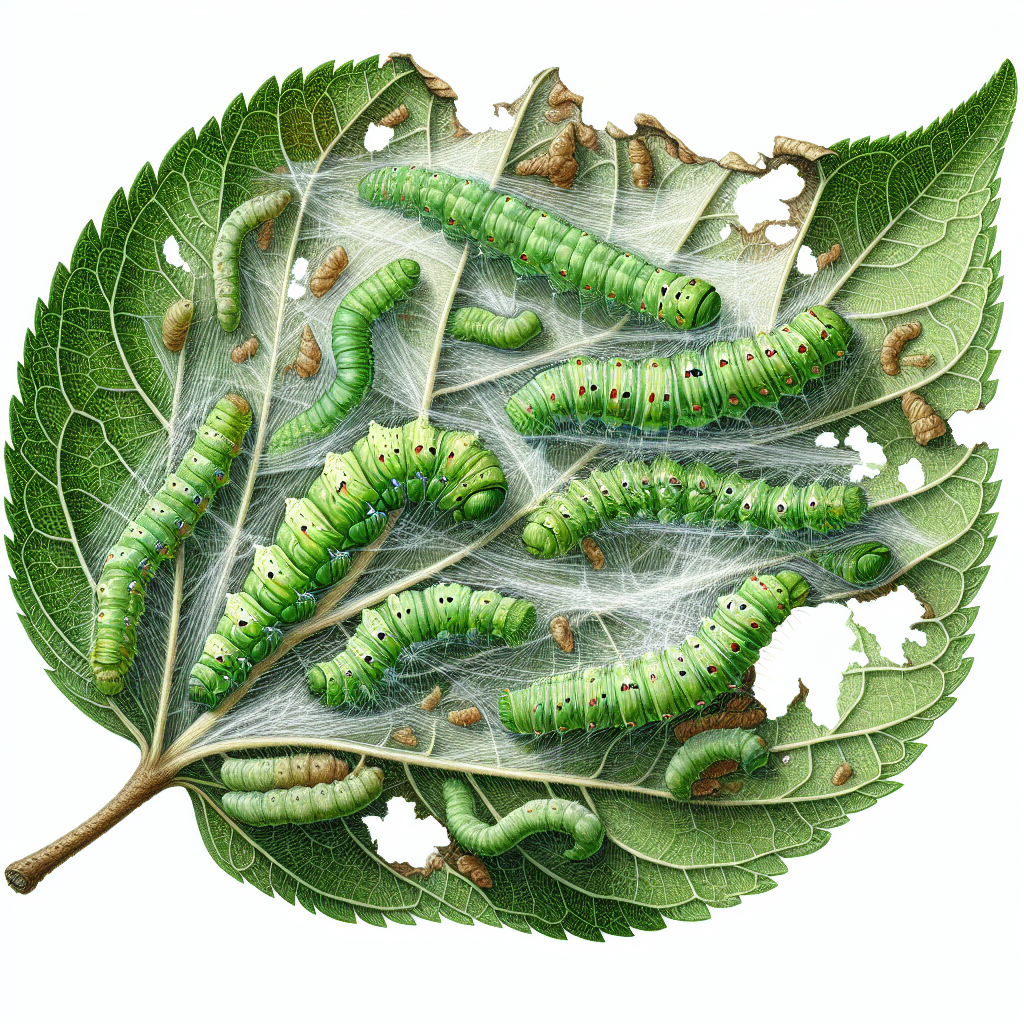
leaf rollers
Leaf rollers are destructive moth larvae that bind leaves together with silk, feeding within and causing significant damage to fruits, vegetables, and ornamentals. This guide provides comprehensive diagnostics, lifecycle insights, organic management strategies, and prevention tips for farmers and gardeners. Effective control combines monitoring, biological agents, and cultural practices to protect yields without synthetic chemicals.
View Profile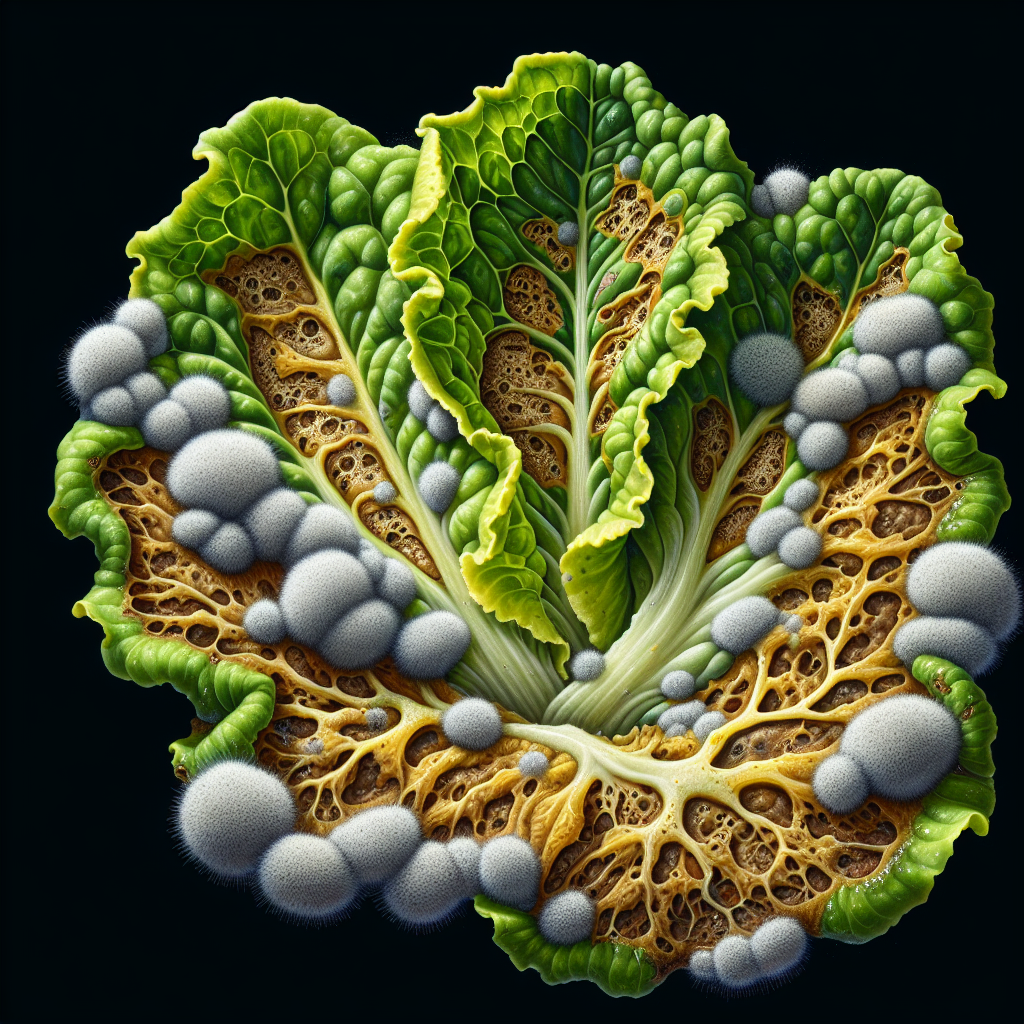
Leaf rot complexes
Leaf rot complexes are devastating disease syndromes caused by interactions of fungal, bacterial pathogens, and environmental stressors that lead to widespread leaf tissue breakdown in crops. These complexes often mimic single diseases but involve multiple causal agents, making diagnosis and management challenging. Effective control relies on cultural practices, resistant varieties, and integrated organic strategies to prevent outbreaks.
View Profile
Leaf Rust
Leaf rust is a widespread fungal disease primarily affecting cereal crops like wheat, barley, and oats, characterized by distinctive orange-red pustules on leaf surfaces that reduce photosynthesis and yield. Caused by various Puccinia species, it thrives in cool, moist conditions and can lead to 10-50% yield losses if unmanaged. Effective management combines resistant varieties, cultural practices, and timely fungicide applications for sustainable control.
View Profile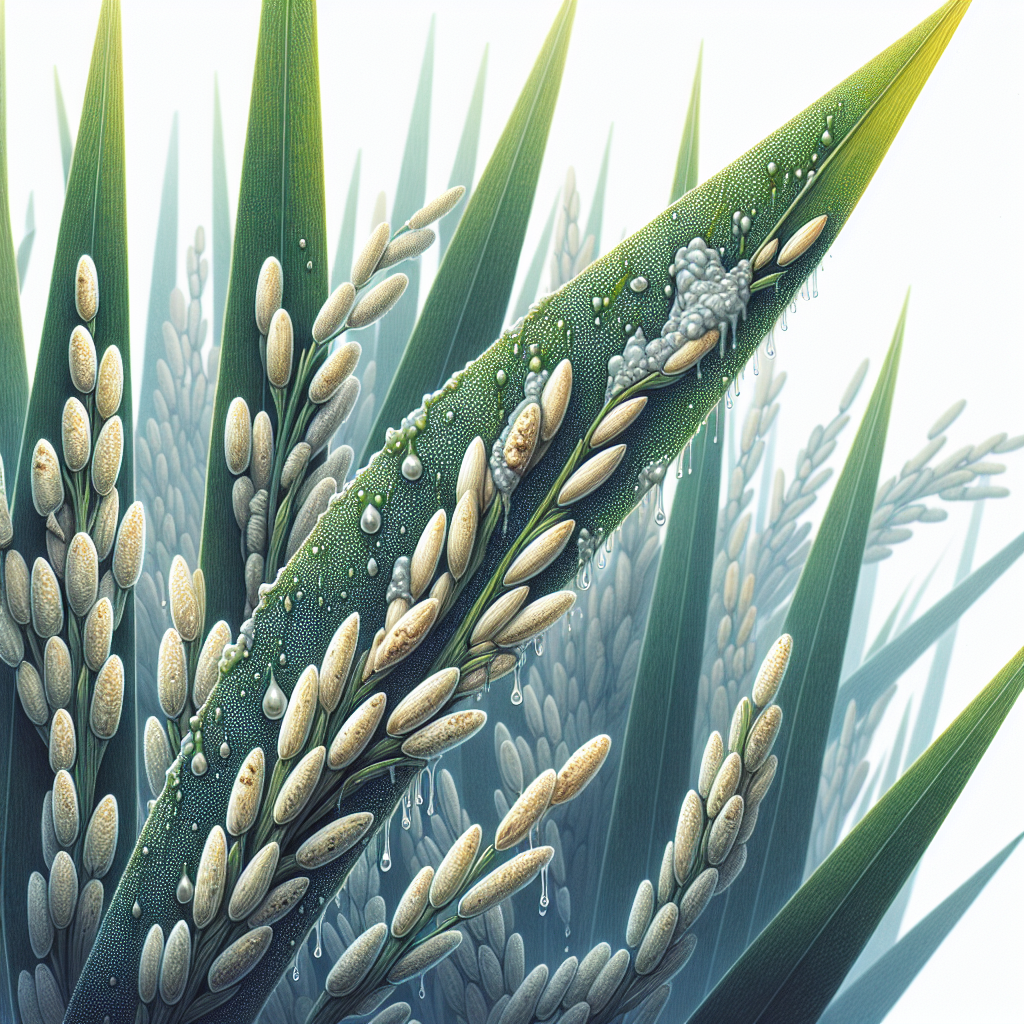
Leaf scald
Leaf scald is a devastating bacterial disease primarily affecting rice crops, caused by Xanthomonas oryzae pv. oryzae, leading to significant yield losses through water-soaked lesions that progress into dry, scalded leaf areas. Early detection of symptoms like yellowing streaks and bacterial ooze is crucial for effective management. This guide provides comprehensive diagnostic, organic control, and prevention strategies for farmers battling this persistent pathogen.
View Profile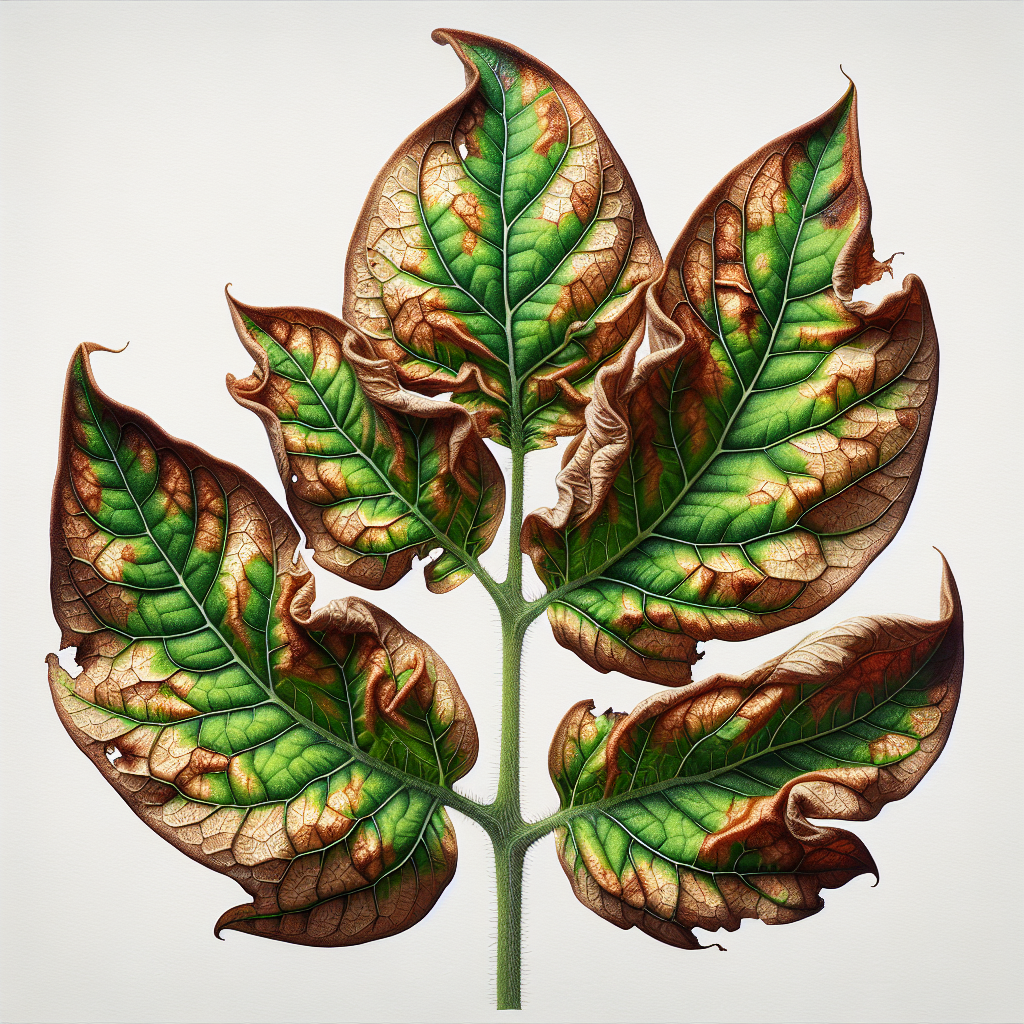
leaf scorch
Leaf scorch is a common physiological disorder in plants caused by environmental stresses like drought, salt buildup, or vascular issues, leading to browning and drying of leaf margins and tips. It affects a wide range of crops, particularly trees and shrubs, and is not caused by pathogens but by the inability of roots to supply water to leaves. Early identification and proper management can prevent widespread damage and crop loss.
View Profile