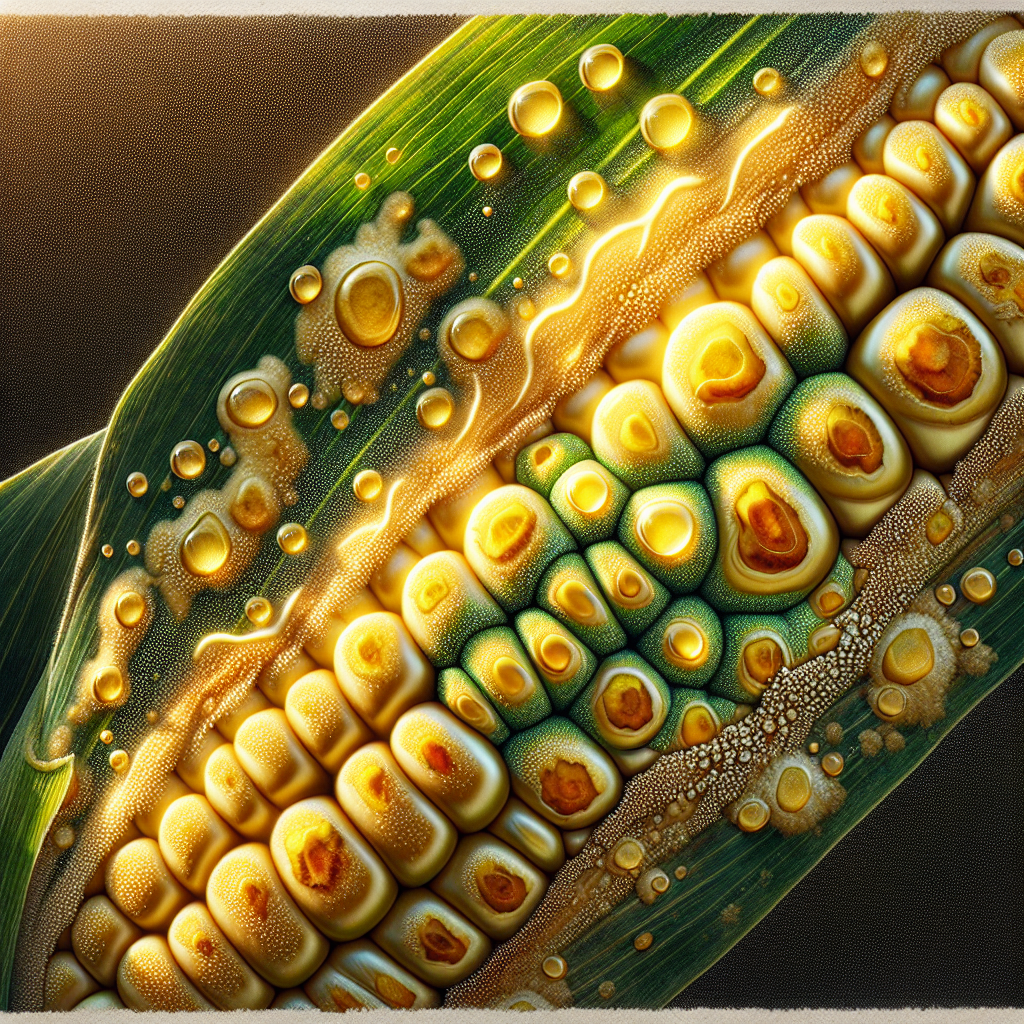
Introduction to Leaf blight
Leaf blight represents one of the most destructive foliar diseases affecting agricultural crops worldwide, leading to significant economic losses estimated in billions annually. Primarily caused by fungal pathogens such as Exserohilum turcicum in corn (Northern Corn Leaf Blight) and various Helminthosporium species in rice and sorghum, leaf blight manifests as rapid tissue death starting from leaf margins or tips. This comprehensive guide provides professional-grade diagnostic criteria, lifecycle insights, organic management strategies, and prevention tactics tailored for small to medium-scale farmers. Understanding leaf blight is crucial for maintaining crop health, as untreated infections can defoliate plants entirely, slashing yields by 20-50% in susceptible varieties. For corn growers, it's often the primary yield robber during wet seasons, while rice producers face recurrent outbreaks in tropical regions. This SEO-optimized resource draws from botanical and entomological expertise to equip you with actionable advice.
Identifying Symptoms & Damage
Accurate identification is the cornerstone of effective leaf blight management. Initial symptoms appear as small, water-soaked lesions on lower leaves, often 1-2 cm long, with grayish-green centers that evolve into tan to brown necrotic areas with yellow halos. In advanced stages, lesions expand, coalesce, and form large blighted patches covering entire leaves, leading to premature senescence. Unlike powdery mildew, which produces white coatings, leaf blight lesions are dry and straw-colored without powdery residue.
Damage manifests as reduced photosynthetic area, stunting plant growth, and weakened stalks prone to lodging. In tomato crops, blighted leaves curl and drop, exposing fruit to sunscald. Yield impacts are severe: in corn, tassel and ear development falter, dropping kernel set by up to 30%; in rice, panicle sterility increases. Scout fields weekly during humid periods, using a 10x hand lens to spot fungal sporulation—dark olive-green spores on lesion undersides confirm infection. Differentiate from bacterial blight by lesion edges: fungal blight has diffuse borders, bacterial shows sharp, water-soaked margins. Economic thresholds vary: treat corn when 10-20% of leaf area is blighted pre-silking.
Lifecycle and Progression of Leaf blight
Leaf blight pathogens follow a polycyclic lifecycle, with multiple infection cycles per season amplifying spread. Primary inoculum overwinters in crop residue as mycelia or conidia. Spores activate in spring with temperatures above 20°C (68°F) and leaf wetness >12 hours, germinating and penetrating stomata or wounds within 6-8 hours. Lesions sporulate profusely under high humidity (85-95% RH), releasing secondary inoculum via wind or rain splash up to 100 meters.
Progression accelerates post-flowering: incubation takes 3-5 days, latent period 2-4 days, infectious period 10-20 days per lesion. In wheat, cool nights (15-25°C) favor spore production, while sorghum sees explosive epidemics in tropical monsoons. Disease gradients form from field edges inward, with 50-70% yield loss when >50% foliage is blighted by grain fill. Understanding this cycle informs timing: fungicides target infectious periods, cultural controls break residue inoculum.
Environmental Triggers & Risk Factors
Leaf blight epidemics hinge on the pathogen triangle: susceptible host, virulent pathogen, and conducive environment. Optimal conditions include 24-30°C (75-86°F) daytime, >90% RH, and prolonged leaf wetness from dew, rain, or irrigation. Dense canopies trap moisture, exacerbating outbreaks—soybeans in narrow rows show 2x infection rates vs. wide spacing.
Risk factors include continuous monocropping, which builds inoculum; residue retention without tillage multiplies spores 10-fold; and susceptible varieties like older corn hybrids. High nitrogen promotes lush foliage ideal for spore germination, while wounds from armyworms or hail create entry points. Soil fertility imbalances (low potassium) weaken defenses. Climate change extends wet seasons, boosting incidence—monitor via weather stations for 48-hour forecasts predicting outbreaks.
Organic Control & Treatment Plans
Organic management integrates cultural, biological, and approved botanical controls for sustainable suppression. Cultural Practices: Rotate crops 2-3 years with non-hosts like legumes; till residue to bury inoculum (reduces carryover 80%); space plants for airflow (e.g., 75cm rows in corn). Prune lower leaves in tomatoes to minimize splash.
Biological Controls: Apply Trichoderma viride or Bacillus subtilis biopesticides weekly during high-risk periods—efficacy reaches 60% in trials. Introduce predatory fungi like Ampelomyces quisqualis against sporulation.
Botanicals: Spray neem oil (Azadirachtin 0.03%) or garlic-chili extracts biweekly; potassium bicarbonate (2-5g/L) raises leaf pH, inhibiting germination. Copper octanoate (OMRI-approved) at 1-2L/ha provides protectant action.
Integrated Plan: Scout + forecast; apply first spray at 5% incidence, repeat 7-10 days. Combine with resistant varieties and nutrition. For potato, blend with early blight protocols. Success metrics: <15% blight severity sustains yields. Read our Soil Health Mastery blog for fertility boosts enhancing resistance.
Preventing Leaf blight in the Future
Prevention outperforms cure through proactive strategies. Select resistant hybrids: e.g., corn with Ht1/Ht2 genes limit lesion size 70%; scout varieties via extension trials. Implement 3-year rotations incorporating clover cover crops to suppress soil inoculum. Optimize irrigation—drip over overhead reduces wetness by 50%.
Enhance plant vigor with balanced nutrition: 4:2:4 NPK ratios bolster cuticles; foliar calcium strengthens cell walls. Field sanitation: destroy volunteers, rogue infected plants. Timing planting avoids peak spore periods—delay corn 2 weeks post-rainy season. Monitor with sticky traps for spore counts; threshold: 100 spores/m³ triggers action. Long-term, breed locally adapted strains and use predictive models. These steps cut incidence 80% in IPM programs.
Crops Most Affected by Leaf blight
Leaf blight plagues cereals and vegetables globally. Corn suffers Northern Corn Leaf Blight, costing US$1B/year; rice faces brown leaf blight (Cochliobolus miyabeanus), slashing Asian yields 20%; wheat endures tan spot in humid prairies. Sorghum and barley report 30-50% losses in tropics. Solanaceae like tomato, potato, and eggplant see rapid epidemics. Turfgrasses and ornamentals also succumb. Tropical crops (mango, banana) face anthracnose-type blights. Prioritize monitoring in these high-risk hosts.