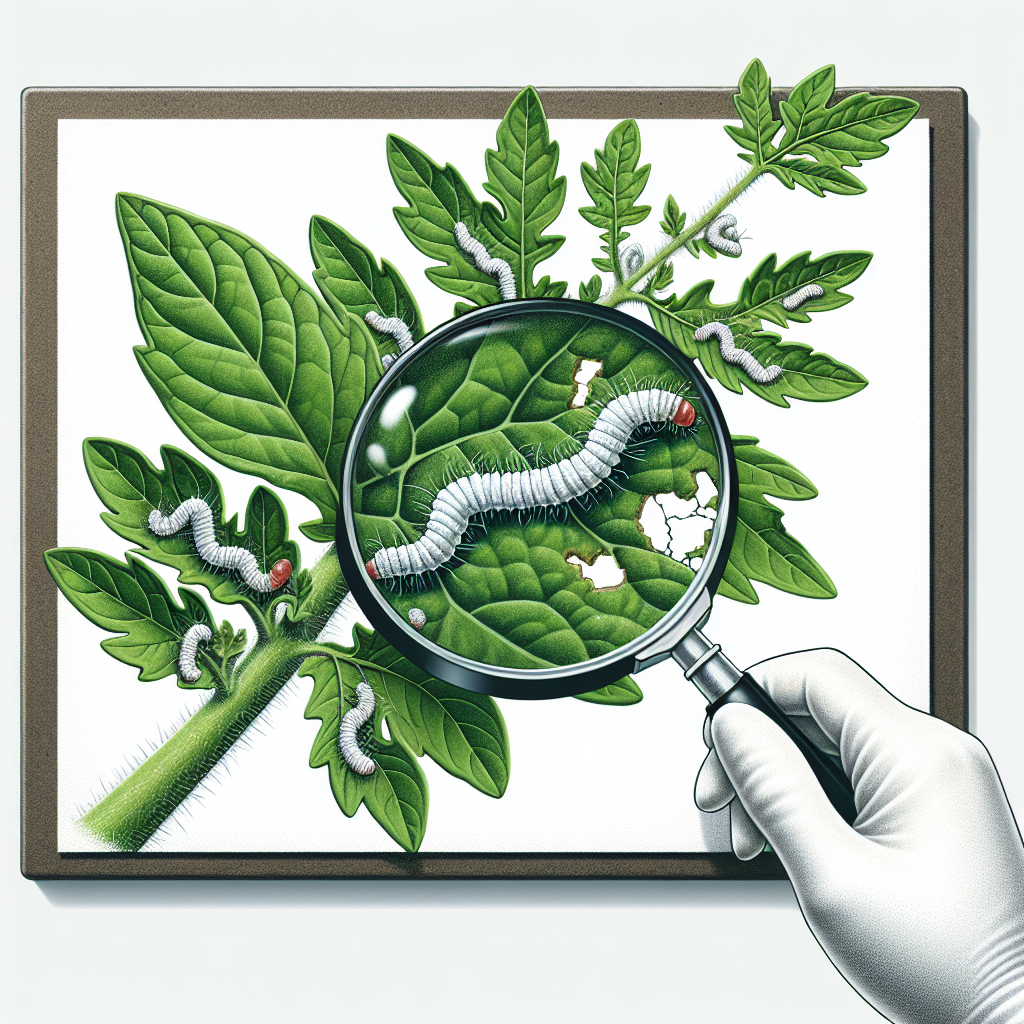
Introduction to Leaf miners
Leaf miners represent a diverse group of insect pests primarily from the genus Liriomyza (family Agromyzidae), though other families like Phyllocnistis and Gracillariidae also contribute. These pests are notorious in agriculture for their unique feeding habit: the larvae tunnel through the mesophyll layer of leaves, creating distinctive mines that disrupt photosynthesis, weaken plants, and reduce yields. Affecting crops from tomato to citrus and ornamentals, leaf miners pose a global challenge, with over 100 species documented. In commercial settings, they can cause 20-50% yield losses in susceptible varieties, particularly in warm, humid environments.
Unlike surface-feeding pests, leaf miners are protected within leaf tissue, making them resistant to many contact sprays. Adults are tiny (1-2 mm) black-and-yellow flies, but damage stems from the maggot-like larvae. Understanding their biology is crucial for integrated pest management (IPM), as timely intervention prevents population explosions. This guide provides diagnostic tools, lifecycle insights, and proven organic strategies to protect your crops effectively.
Identifying Symptoms & Damage
Spotting leaf miner damage early is key to minimizing impact. The hallmark symptom is serpentine mines: narrow, winding, pale trails within leaves, often starting narrow and widening as larvae grow. These mines appear as translucent or whitish blotches, sometimes turning brown as the leaf dies. Unlike spider mites or thrips, which cause stippling or silvering on the surface, leaf miner damage is strictly internal.
Inspect the underside of leaves for tiny entry slits where eggs are laid and larvae emerge. Heavily infested leaves curl, yellow prematurely (chlorosis), and drop, stunting growth. On young plants, mines cover entire leaves, leading to defoliation. Secondary signs include black fecal pellets (frass) along mine edges and adult flies hovering around plants during scouting.
Differentiate from diseases like leaf spot diseases: mines lack fuzzy borders or concentric rings. Use a 10x hand lens to confirm larvae inside mines—squishy, white, legless maggots. Damage severity varies: minor mines (<10% leaf area) cause little harm, but >30% infestation triggers yield drops of 15-25% in vegetables like spinach or beet. Monitor weekly, especially new growth.
Lifecycle and Progression of Leaf miners
Leaf miners complete their lifecycle in 2-4 weeks, depending on temperature (optimal 75-85°F/24-29°C). Adults (1-3 days lifespan) lay 50-250 eggs singly or in clusters on leaf undersides, puncturing epidermis with ovipositors. Eggs hatch in 2-4 days into larvae that immediately burrow inward, feeding on mesophyll for 5-7 days.
Larvae progress through three instars: first creates tight serpentine mines, later ones expand to blotch mines. Mature larvae exit via a slit, drop to soil, and pupate 1-5 cm deep or as pseudopupae on leaves. Adults emerge in 7-14 days. There are 4-12 generations per year in tropics/subtropics, fewer (2-5) in temperate zones.
Progression peaks in spring/summer with overlapping generations. High humidity prolongs larval stage; drought stresses plants, increasing susceptibility. Parasitic wasps like Neochrysocharis formosa naturally regulate populations, killing 20-60% larvae. Disrupt at pupation by tilling soil.
Environmental Triggers & Risk Factors
Leaf miners thrive in warm (70-90°F), humid conditions with mild winters, migrating via wind or infested transplants. Over-fertilization with nitrogen promotes tender, succulent leaves ideal for egg-laying. Poor airflow in dense canopies traps humidity, favoring multiple generations.
Risk spikes with nearby host reservoirs like weeds or ornamentals. Monocultures of susceptible crops amplify outbreaks; companion planting with repellents mitigates. Soil moisture extremes stress plants, indirectly boosting miners. Scout after rain or irrigation, as adults prefer moist foliage.
Climate change extends seasons, increasing generations by 20-30% in warming regions. Citrus leafminer, a specific Liriomyza variant, targets citrus in coastal areas. Avoid overhead watering to reduce leaf wetness >6 hours.
Organic Control & Treatment Plans
Organic management emphasizes IPM: prevention first, then biological and mechanical controls. Cultural: Remove and destroy mined leaves weekly (burn or bury >1m deep). Till soil post-harvest to expose pupae to predators/sun. Rotate crops; avoid hosts for 1-2 years.
Biological: Introduce parasitoids like Ageniaspis citricola or Ganaspidium (release 1,000-5,000/ha). Encourage native predators: lacewings, ladybugs. Neem oil (0.5-1%) or spinosad (organic-approved) targets larvae when applied at first mines (7-day intervals, 3 apps). Insecticidal soap smothers adults; apply evenings.
Treatment Plan:
- Scout: 10 leaves/10 plants weekly.
- <5% infestation: Monitor.
- 5-20%: Prune/destroy affected leaves + neem.
20%: Spinosad + parasitoids + reflective mulch.
For tomato, yellow sticky traps catch adults (20-50/trap/week). Success rates: 70-90% reduction with combined methods. Avoid broad-spectrum sprays to preserve beneficials. See Spring Pest Patrol for seasonal tips.
Preventing Leaf miners in the Future
Build resilience through proactive strategies. Plant resistant varieties: e.g., 'Big Beef' tomato, 'Defiant' phruf, or thick-leaved cultivars. Time planting to avoid peak flights (e.g., post-spring flush).
Use row covers (0.25mm mesh) from transplant until flowering; vent daily. Mulch with straw/aluminum foil to deter oviposition (reflects light, confuses adults). Interplant trap crops like cabbage or collards.
Soil health via compost boosts vigor; healthy plants tolerate 20% mining. Monitor with apps for degree-day models predicting emergence. Clean tools/equipment to prevent spread. Long-term: diverse rotations + cover crops like clover suppress pupae.
Annual prevention checklist: Pre-season soil tillage, weed control, resistant seeds. Expect 80% lower incidence with consistent IPM.
Crops Most Affected by Leaf miners
Leaf miners attack >200 species, hitting vegetables hardest. Top targets: Tomato (Liriomyza trifolii), pepper, eggplant, cucumber, squash, bean, spinach, lettuce, beet, Swiss chard. Yields drop 10-40% in solanaceous crops.
Citrus (orange, lemon) suffer from citrus leafminer, distorting new flushes. Ornamentals like chrysanthemum, celery. Grains (wheat) and legumes less affected but vulnerable in outbreaks. Tropicals like mango see minor damage. Focus monitoring on these high-risk crops.