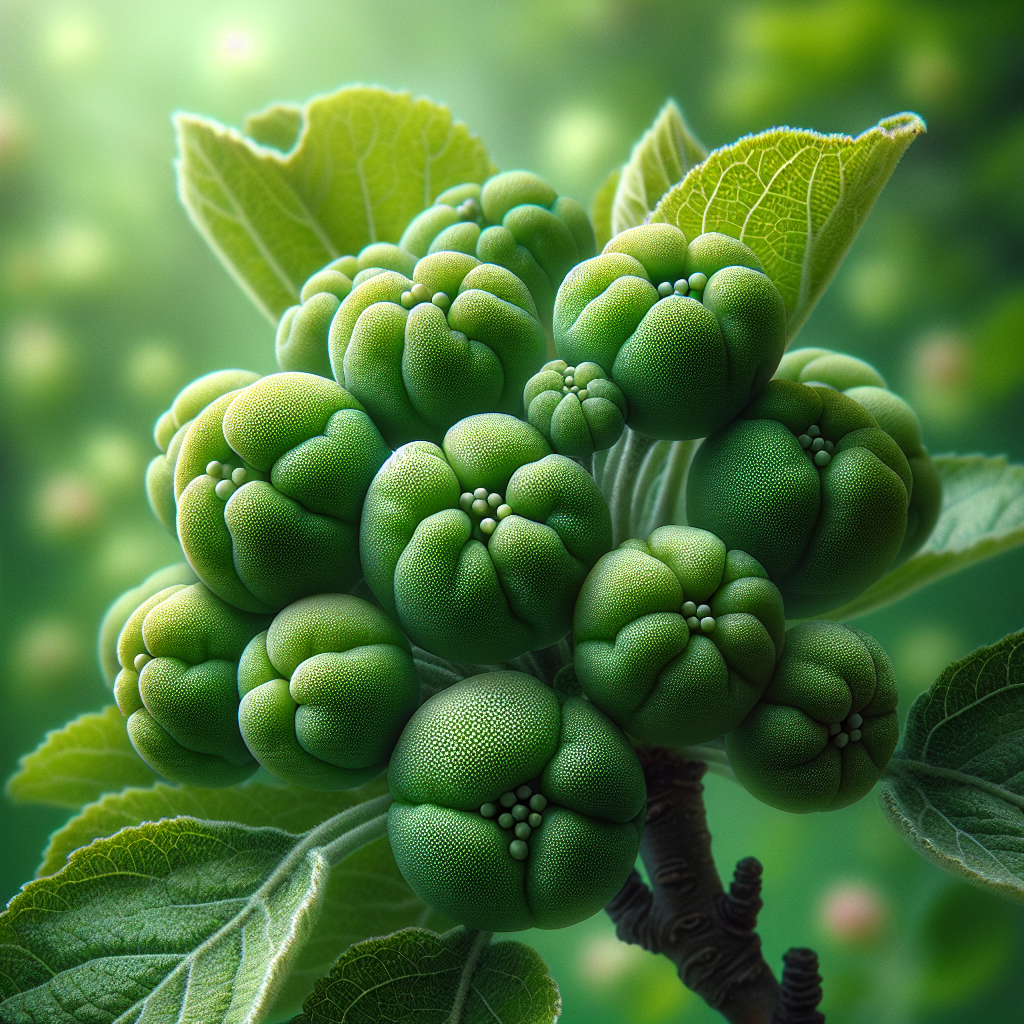
Introduction to Leaf gall-forming insects
Leaf gall-forming insects represent a diverse group of pests that manipulate plant tissues to create protective galls on leaves, stems, and sometimes buds. These insects belong primarily to the orders Hymenoptera (gall wasps, family Cynipidae), Diptera (gall midges, family Cecidomyiidae), and Acarina (eriophyid mites, family Eriophyidae). By injecting chemicals or laying eggs into plant tissues, they stimulate abnormal cell proliferation, forming tumor-like structures that house developing larvae. This phenomenon, known as cecidogenesis, is a remarkable example of plant-insect interaction but poses serious challenges for growers.
Galls appear as blisters, swellings, or discolorations on leaves, often green initially before turning brown or red. Common culprits include the apple leaf gall midge (Dasineura mali), oak gall wasps (Andricus spp.), and willow beaked gall midge (Rabdophaga spp.). While not always lethal, heavy infestations distort leaf surfaces, impair photosynthesis, and predispose plants to secondary infections like powdery mildew or leaf spot diseases. In commercial settings, they can reduce fruit quality and yield by 20-50% in susceptible crops. Early detection is crucial, as mature galls are difficult to control. This guide provides definitive diagnostics, lifecycle insights, and proven organic management strategies to protect your crops. For advanced pest identification tips, check this Spring Pest Patrol: Organic AI Strategies to Shield Your Crops from Common Invaders.
Understanding these pests' biology empowers growers to implement integrated pest management (IPM) effectively. Unlike chewing insects like caterpillars, gall-formers are cryptic, developing inside galls protected from sprays. Their impact is most severe on young, expanding leaves during spring flush, making timing critical for interventions.
Identifying Symptoms & Damage
Diagnosing leaf gall-forming insects requires keen observation of unique symptoms. Initial signs include small, pale blisters or puckered areas on the upper leaf surface, often corresponding to yellowish spots underneath. As galls mature, they harden into woody, spherical, or elongated structures filled with insect larvae or mites.
Key Diagnostic Features:
- Appearance: Galls vary by species—spherical (gall wasps), felt-like patches (mites), or pineapple-shaped (midges). Colors range from green and fuzzy to red, brown, or black.
- Location: Predominantly on leaves, but some affect petioles or veins. Underside galls may ooze honeydew, attracting ants.
- Plant Response: Distorted, curled leaves with reduced expansion. Severe cases cause leaf drop, stunted shoots, and weakened terminals.
- Secondary Damage: Galled leaves yellow prematurely, inviting aphids or fungal pathogens. In fruits like Hass Avocado, galls on young foliage lead to deformed canopies and poor fruit set.
Differentiation from Similar Issues: Unlike leafminers, galls are external swellings, not serpentine mines. Distinguish from herbicide damage (irregular edges) or eriophyid mites by dissecting galls to reveal orange larvae or tiny mites. Use a 10x hand lens: active infestations show frass or moving mites. Damage thresholds: 10-20% leaf area affected warrants action; monitor weekly during bud break.
Economic impact is profound—cherry orchards report 15-30% yield loss from cherry leaf gall midge. Scout by shaking branches over white paper; tiny adults or larvae confirm presence.
Lifecycle and Progression of Leaf gall-forming insects
Gall-formers exhibit complex, host-specific lifecycles synchronized with host phenology. Most are univoltine (one generation/year), but some like maple bladder gall midge have 2-3.
Gall Wasp (Cynipidae): Adults emerge spring (April-May), mate, and females oviposit into buds. Larvae induce galls by summer; pupate inside over winter. Alternate generations may form asexual galls with inquilines (guests like chalcid wasps).
Gall Midge (Cecidomyiidae): Tiny, fragile flies lay eggs on tender leaves. Larvae (orange maggots) feed within 1-2 weeks, forming galls. They drop to soil to pupate; adults emerge next spring. Full cycle: 3-6 weeks.
Eriophyid Mites: Year-round residents; females overwinter in bark cracks. Spring populations explode on new growth, with 10-20 generations/year. Mites are worm-like, 0.2mm, visible under magnification.
Progression: Eggs hatch in 3-7 days; larval stage (2-4 weeks) coincides with gall expansion. Pupation occurs inside galls or soil. Adults are short-lived (days), focusing on reproduction. Overwintering stages survive in galls, debris, or bark. Temperature drives phenology—optimal 20-25°C; cold delays emergence.
Environmental Triggers & Risk Factors
Gall-formers thrive under specific conditions favoring synchronized attack on susceptible growth.
Climate: Warm, humid springs (15-25°C, >60% RH) accelerate egg hatch and gall formation. Drought stress weakens plants, increasing susceptibility. High nitrogen fertilizers promote soft, juicy leaves ideal for oviposition.
Cultural Practices: Dense planting reduces airflow, trapping humidity. Late pruning leaves stubs for overwintering. Poor sanitation leaves infested debris.
Risk Factors:
- Susceptible varieties: e.g., young apple trees or Hass Avocado.
- Weeds/alternates: Nearby oaks host gall wasps attacking fruit trees.
- Immigration: Wind disperses tiny adults/mites over kilometers.
Site history matters—infested fields recur without rotation. Monitor microclimates; valleys with fog are hotspots.
Organic Control & Treatment Plans
Organic management emphasizes prevention and biological controls, as contact sprays fail against protected larvae.
Cultural Controls (Foundation): Prune and destroy galled terminals before larval maturity (pre-June). Rake and solarize soil to kill pupae. Encourage predators like lacewings via yarrow interplanting.
Biological Agents: Release predatory mites (Anystis baccarum) for eriophyids. Trichogramma wasps parasitize midge eggs. Birds consume fallen larvae.
Organic Sprays:
- Dormant oil (2-3% superior oil) smothers overwintering stages.
- Neem oil or insecticidal soap at egg stage (bud swell, 7-10 day intervals).
- Kaolin clay (Surround) deters oviposition on young leaves.
Treatment Timeline:
- Dormant (Feb-Mar): Horticultural oil.
- Bud break (Green tip): Neem + sticky traps.
- Petal fall: Bt (limited efficacy) + monitoring.
- Summer: Remove galls; apply silica for plant resistance.
IPM Threshold: Treat if >5 galls/shoot. Rotate modes to prevent resistance. For gall wasps, no chemical kills adults—focus on hygiene.
Preventing Leaf gall-forming insects in the Future
Long-term prevention builds resilient systems.
Variety Selection: Plant resistant cultivars, e.g., Liberty apple or Dusa avocado.
Sanitation & Rotation: Remove wild hosts; mulch to suppress soil pupae. Crop rotation disrupts cycles.
Monitoring Tools: Yellow sticky traps for midges; beat sheets for mites. Scout 20 shoots/acre weekly.
Enhance Biodiversity: Companion plant marigold (repels) and thyme (attracts predators). Boost soil health per Soil Health Mastery—healthy plants resist better.
Physical Barriers: Fine mesh (0.2mm) over young trees. Reflective mulches confuse adults.
Annual IPM audits ensure <5% infestation. Resistant rootstocks and balanced nutrition (low N, high K) minimize risks.
Crops Most Affected by Leaf gall-forming insects
Gall-formers target woody ornamentals and fruits, exploiting new growth.
High-Risk Crops:
- Apple, cherry, pear: Midge and wasp galls on leaves/fruitlets.
- Hass Avocado: Persea mite galls distort foliage.
- Oak (wild host), maple, willow: Reservoirs for orchard pests.
- Walnut: Gall mites cause foxing.
- Citrus: Citrus bud mites on buds/leaves.
Moderate Risk: Peach, plum, grapes. Low in annuals like vegetables due to short cycles.
Yield Impacts: 10-40% in untreated orchards. Prioritize scouting in these crops.