Encyclopedia
Definitive guides for crops, pests, and agricultural diseases.
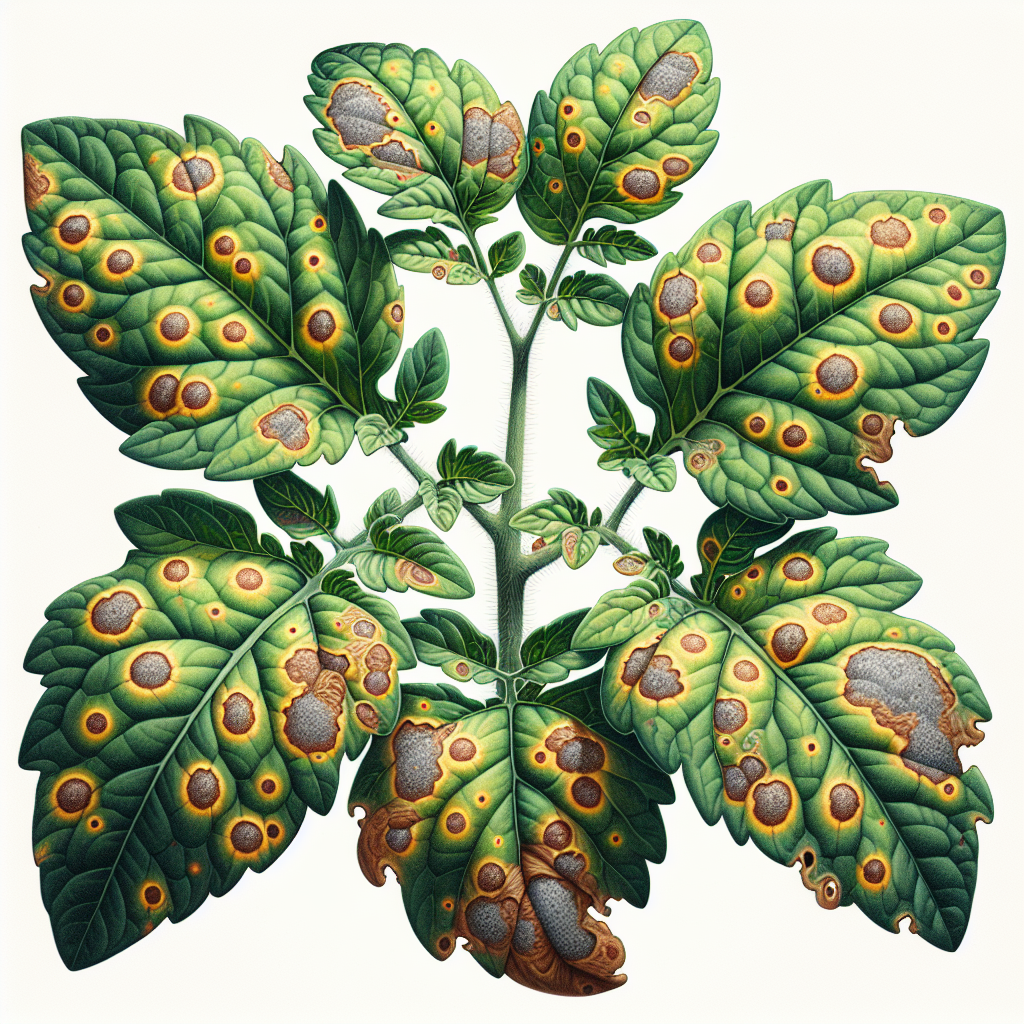
leaf spot complexes
Leaf spot complexes are multifaceted diseases caused by combinations of fungal and bacterial pathogens that produce overlapping necrotic spots on foliage, leading to reduced photosynthesis and crop yields. These complexes are prevalent in humid environments and affect a wide range of crops, making accurate diagnosis challenging without expert identification. Effective management relies on integrated cultural, organic, and preventive strategies to minimize spread and build plant resilience.
View Profile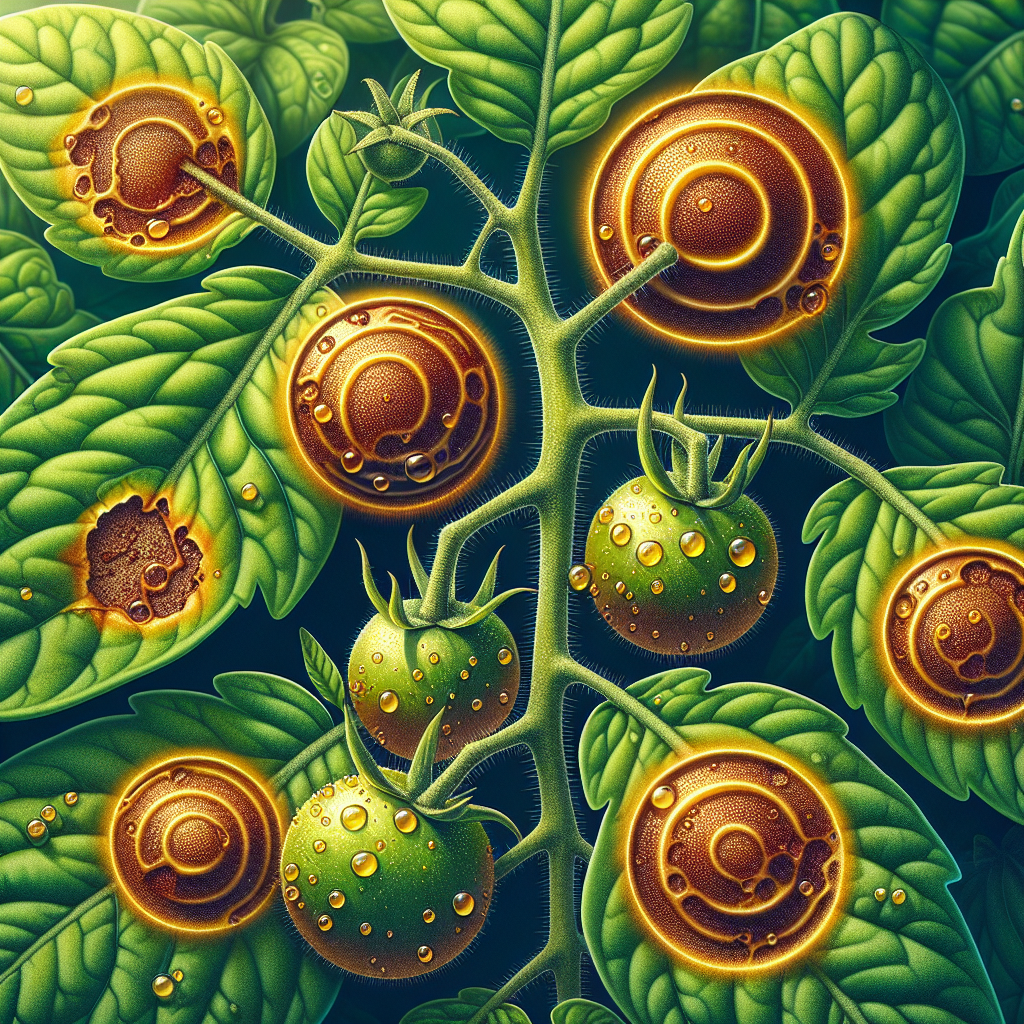
Leaf spot diseases
Leaf spot diseases are widespread fungal and bacterial infections causing necrotic spots on plant leaves, leading to reduced photosynthesis and yield losses. Caused primarily by pathogens like Alternaria, Cercospora, and Septoria, they thrive in humid conditions and spread via splashing water or wind. Effective management combines cultural practices, organic treatments, and resistant varieties for sustainable control.
View Profile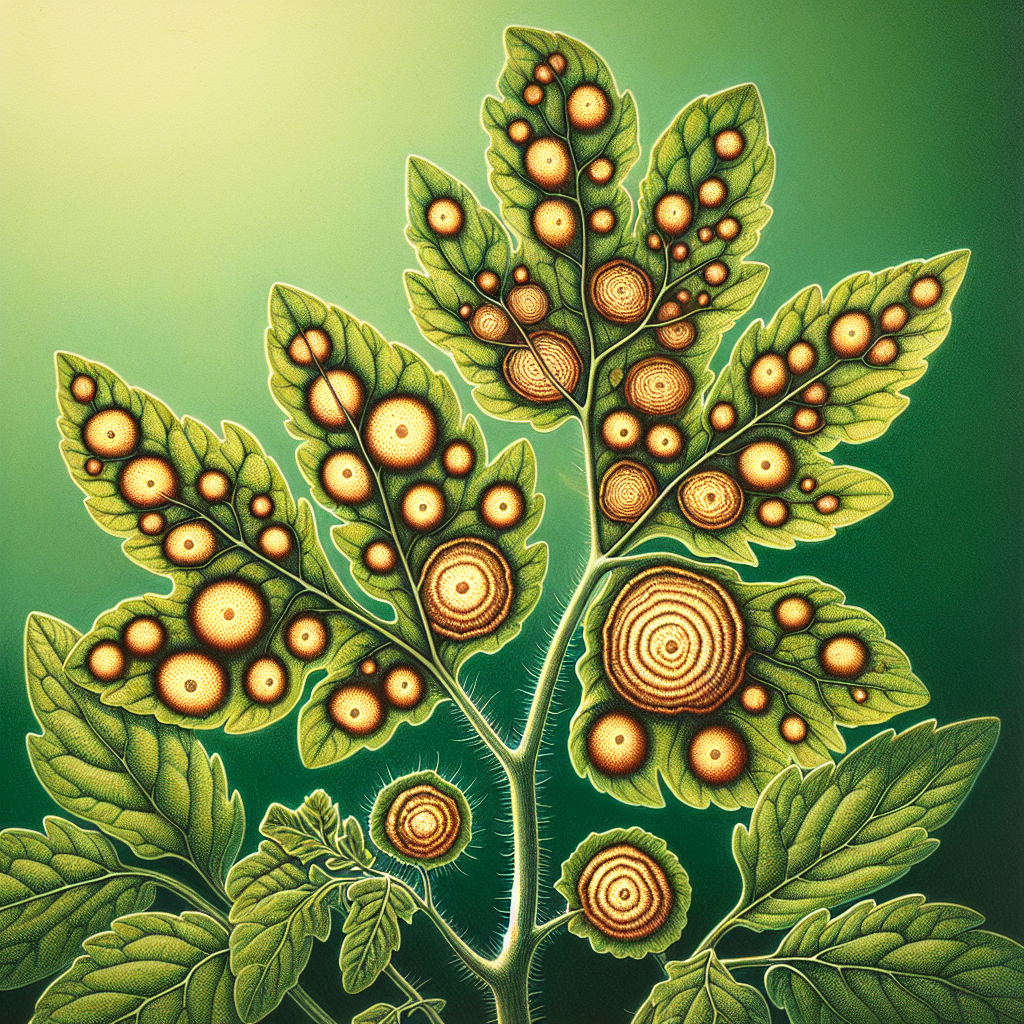
leaf spot fungi
Leaf spot fungi encompass a diverse group of fungal pathogens that cause characteristic necrotic spots on plant leaves, leading to reduced photosynthesis and yield losses. These diseases affect numerous crops worldwide, thriving in humid conditions and spreading via spores. Effective management relies on cultural practices, resistant varieties, and timely fungicide applications.
View Profile
Leaf spots
Leaf spots are common plant diseases caused primarily by fungal or bacterial pathogens, manifesting as discolored, necrotic lesions on foliage that can reduce photosynthesis and yield. Effective management relies on early diagnosis, cultural practices, and organic treatments to minimize spread. This guide provides practical diagnostic and control strategies for farmers and gardeners.
View Profile
leaf wetness duration
Leaf wetness duration refers to the time plant leaves remain wet from dew, rain, or irrigation, creating ideal conditions for fungal pathogens and disease outbreaks. Managing this critical environmental factor is essential for preventing devastating crop losses in humid climates. This guide provides diagnostic tools, organic management strategies, and prevention tactics tailored for farmers.
View Profile
Leaf-cutting ants
Leaf-cutting ants are highly organized social insects native to the Americas that farm fungus using freshly cut plant material, causing significant defoliation in tropical and subtropical agriculture. Colonies can contain millions of ants and span vast underground networks, making them challenging pests for farmers growing citrus, vegetables, and ornamentals. Effective management combines organic baits, biological controls, and cultural practices to disrupt their fungus gardens without harming beneficial insects.
View Profile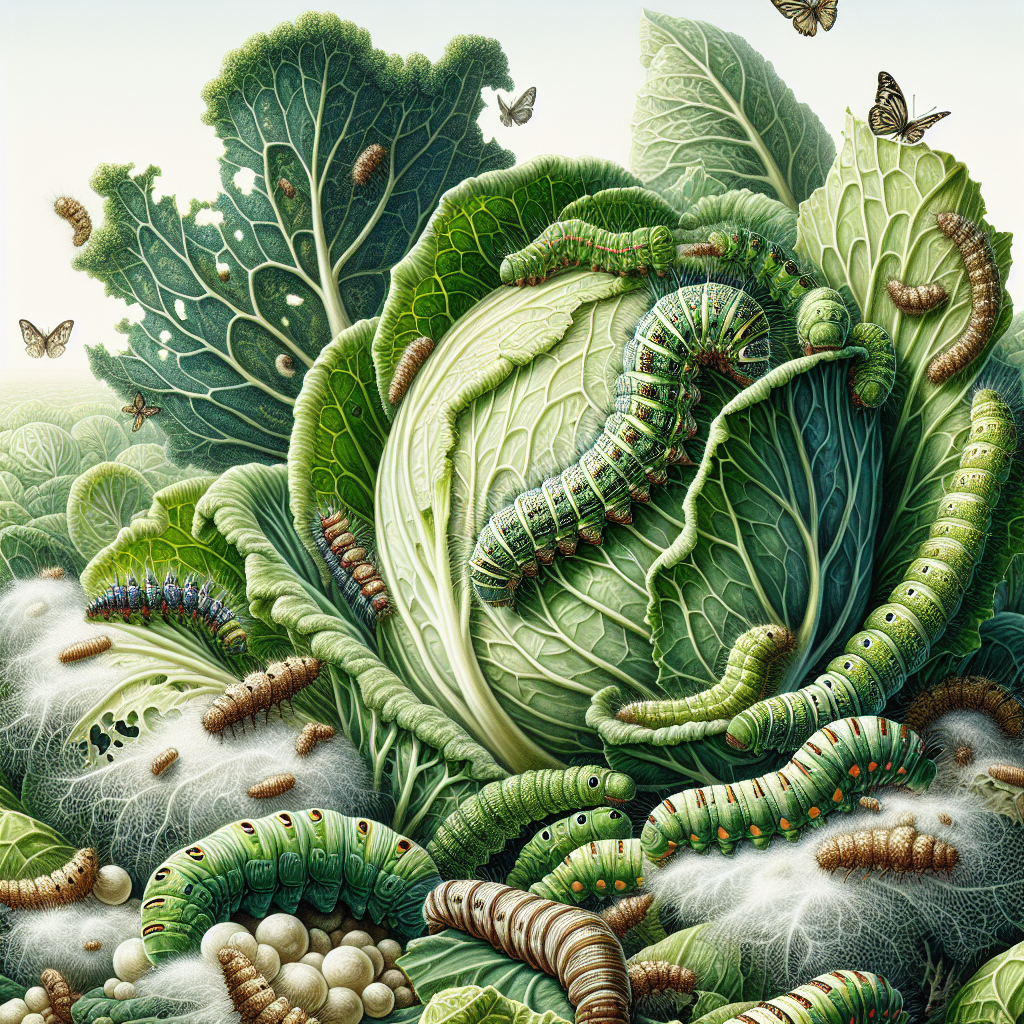
Leaf-eating caterpillars
Leaf-eating caterpillars are the larval stage of numerous moth and butterfly species that voraciously consume foliage, causing significant defoliation in crops worldwide. These pests are identifiable by their chewing damage, frass, and distinctive larval morphologies. Effective management combines cultural practices, biological controls, and organic treatments to minimize crop losses.
View Profile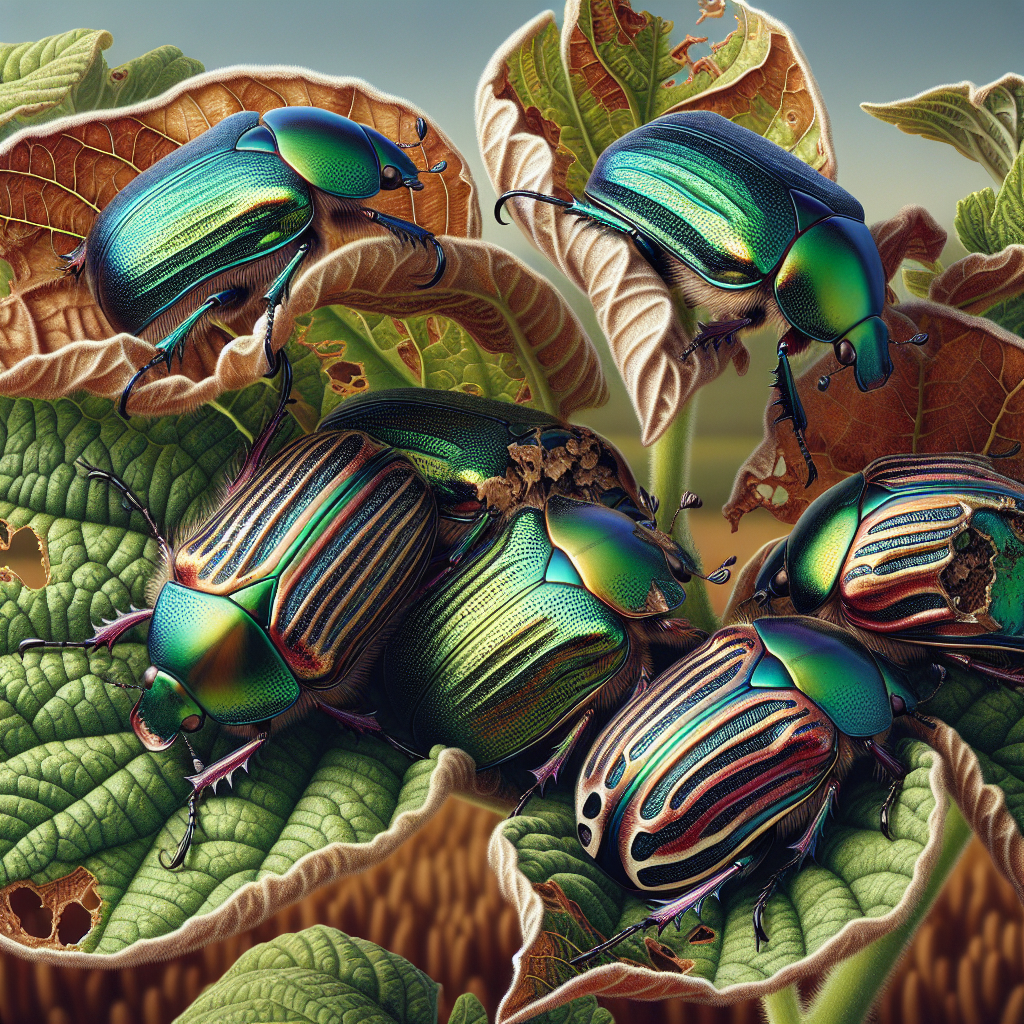
leaf-feeding beetles
Leaf-feeding beetles are a diverse group of chewing insects that skeletonize foliage, causing significant defoliation in crops worldwide. These pests, primarily from the Chrysomelidae family, target a wide range of plants, leading to reduced photosynthesis and yield losses. Effective management combines cultural practices, organic controls, and vigilant monitoring for sustainable agriculture.
View Profile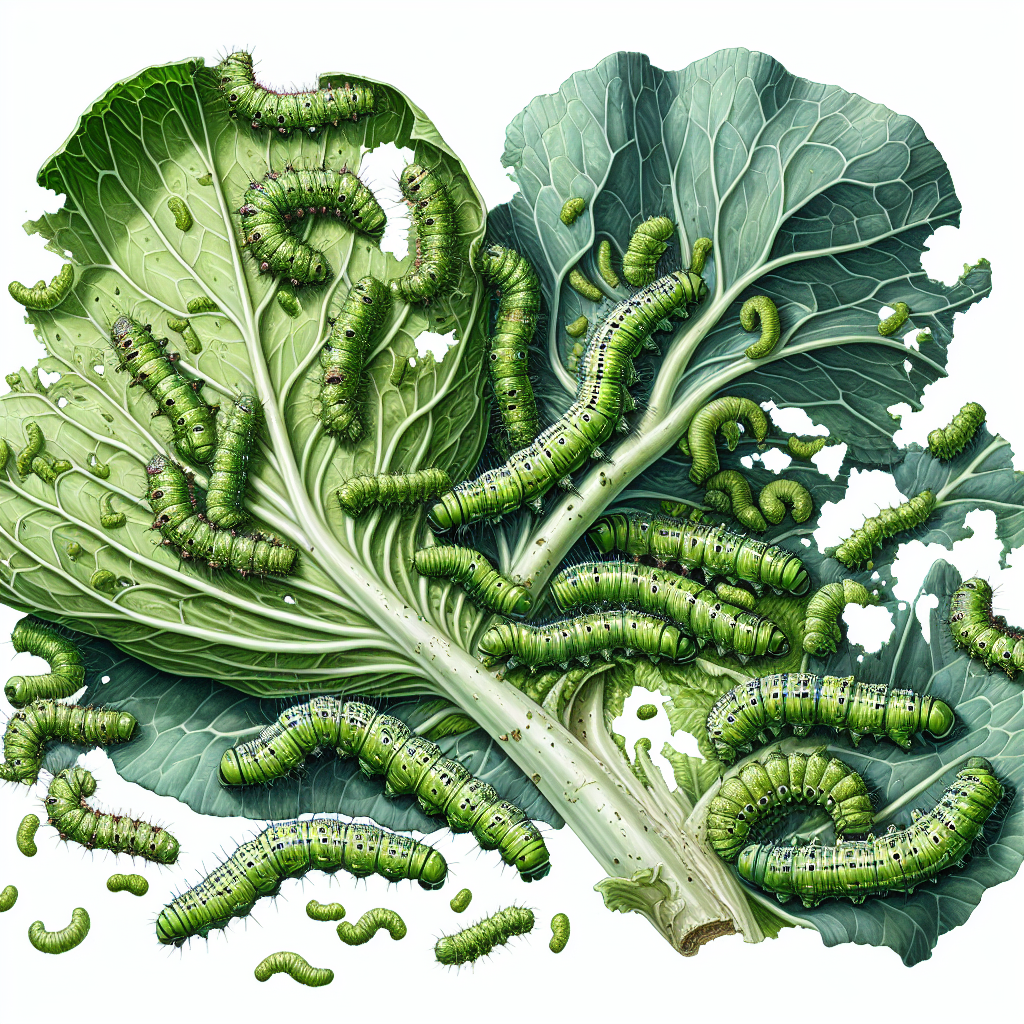
leaf-feeding caterpillars
Leaf-feeding caterpillars are the larval stages of numerous moth and butterfly species that voraciously consume foliage, causing significant defoliation in crops worldwide. These pests can rapidly strip plants of leaves, reducing photosynthesis and yields in vegetables, fruits, and field crops. Effective management combines early detection, organic controls like BT, and cultural practices for sustainable agriculture.
View Profile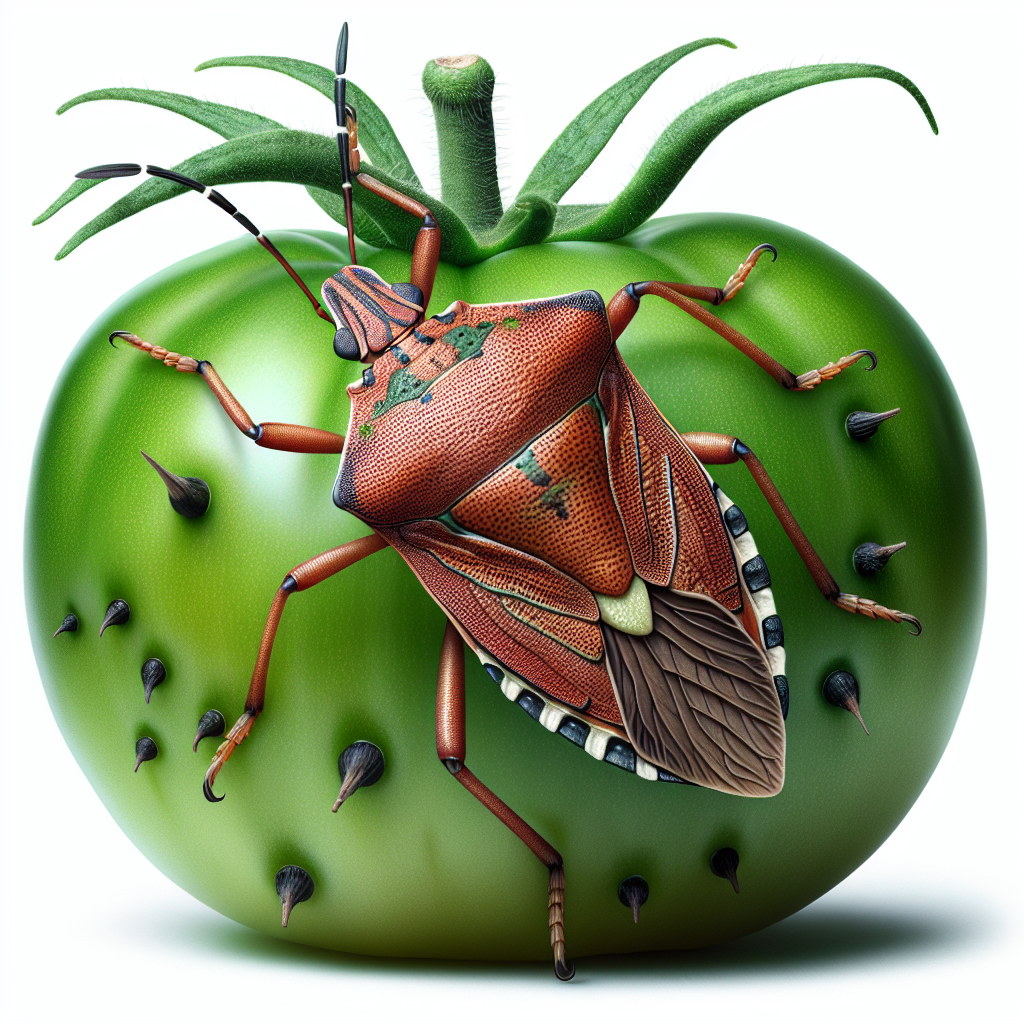
Leaf-footed bugs
Leaf-footed bugs are large, plant-sucking insects notorious for damaging fruits, nuts, and vegetables by injecting toxins that cause fruit deformation and drop. Native to the Americas, these pests thrive in warm climates and can devastate crops like tomatoes, citrus, and almonds. Effective management combines monitoring, organic controls, and cultural practices for sustainable control.
View Profile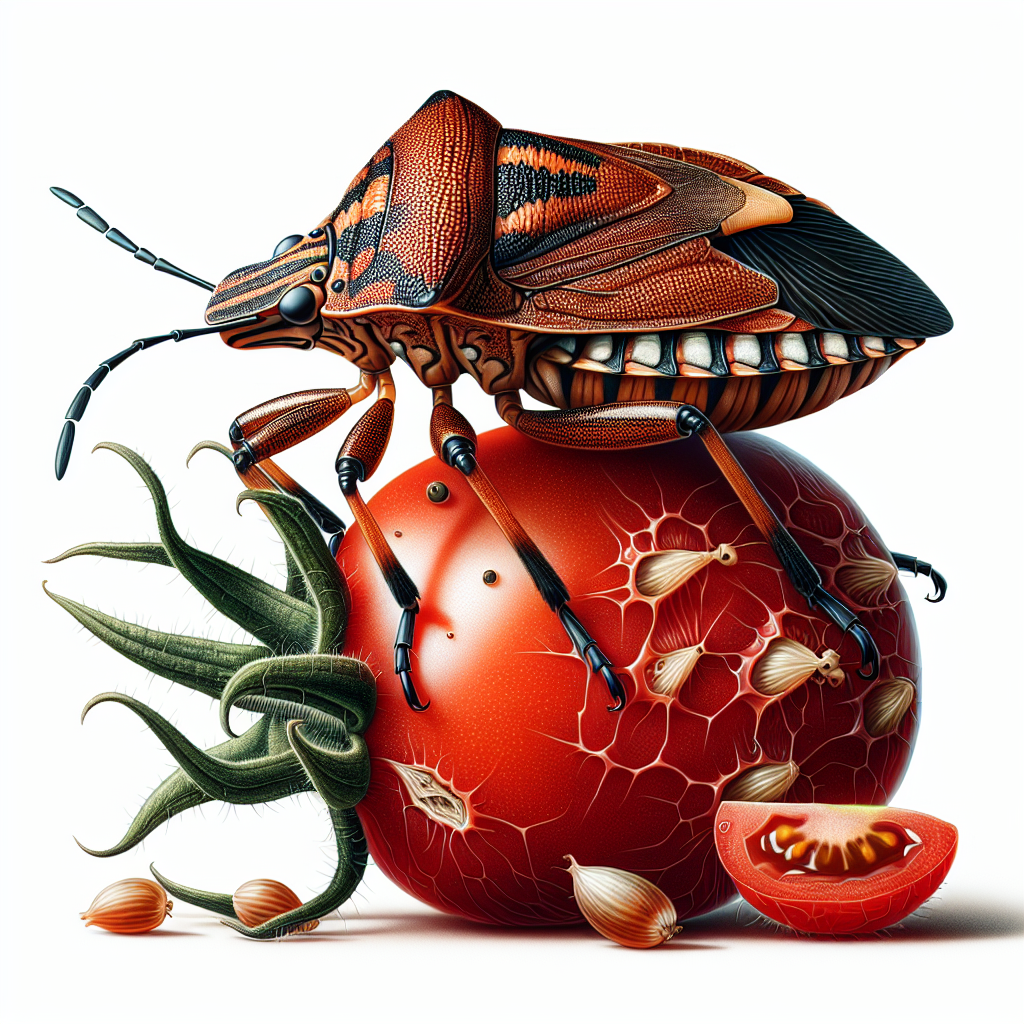
Leaffooted bugs
Leaffooted bugs are large, plant-sucking pests notorious for damaging fruits, nuts, and vegetables by injecting toxins that cause fruit deformation and drop. Native to the Americas, they thrive in warm climates and can devastate crops like tomatoes, citrus, and almonds. Effective management combines monitoring, organic controls, and cultural practices for sustainable control.
View Profile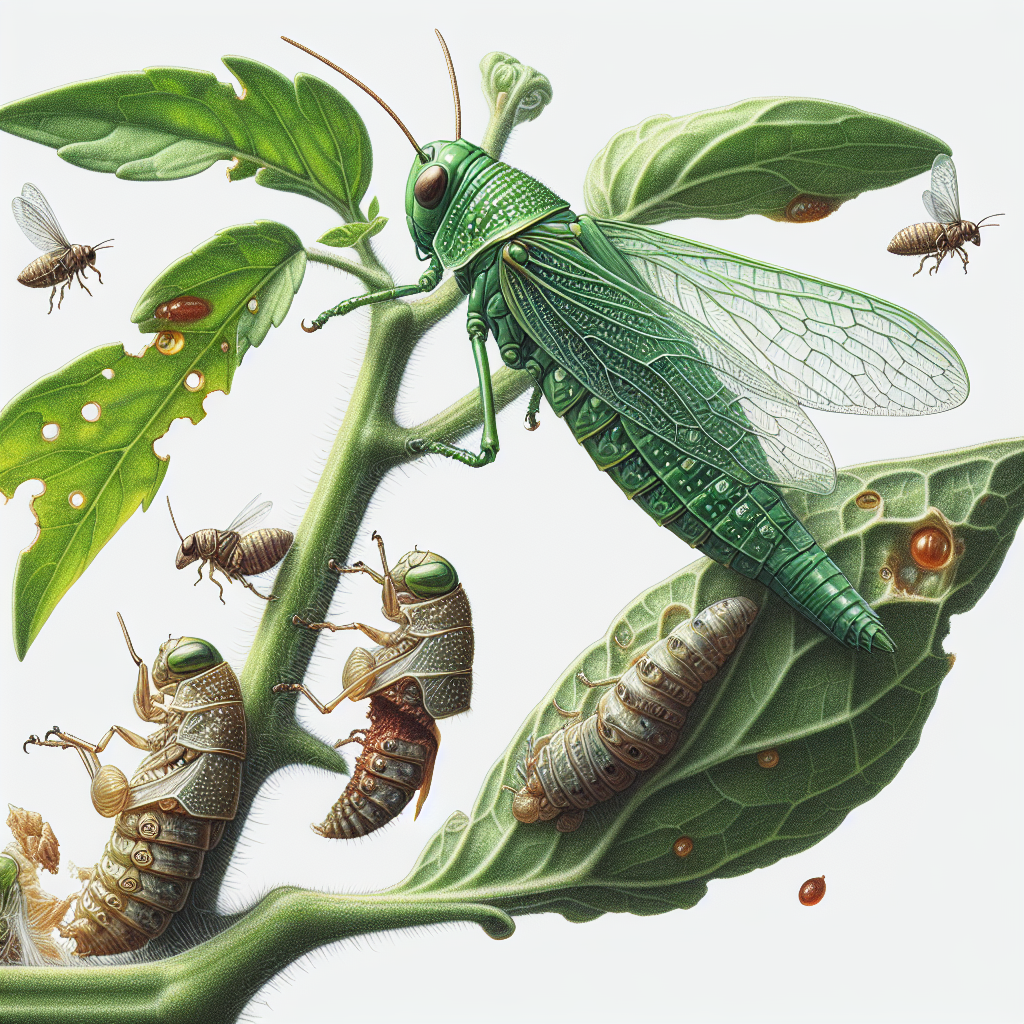
leafhoppers
Leafhoppers are small, wedge-shaped insects that suck plant sap, causing stippling, yellowing, and curling of leaves while transmitting viral diseases. They affect a wide range of crops including vegetables, grains, and ornamentals, thriving in warm, dry conditions. Effective management combines monitoring, cultural practices, and organic controls like insecticidal soaps and beneficial insects.
View Profile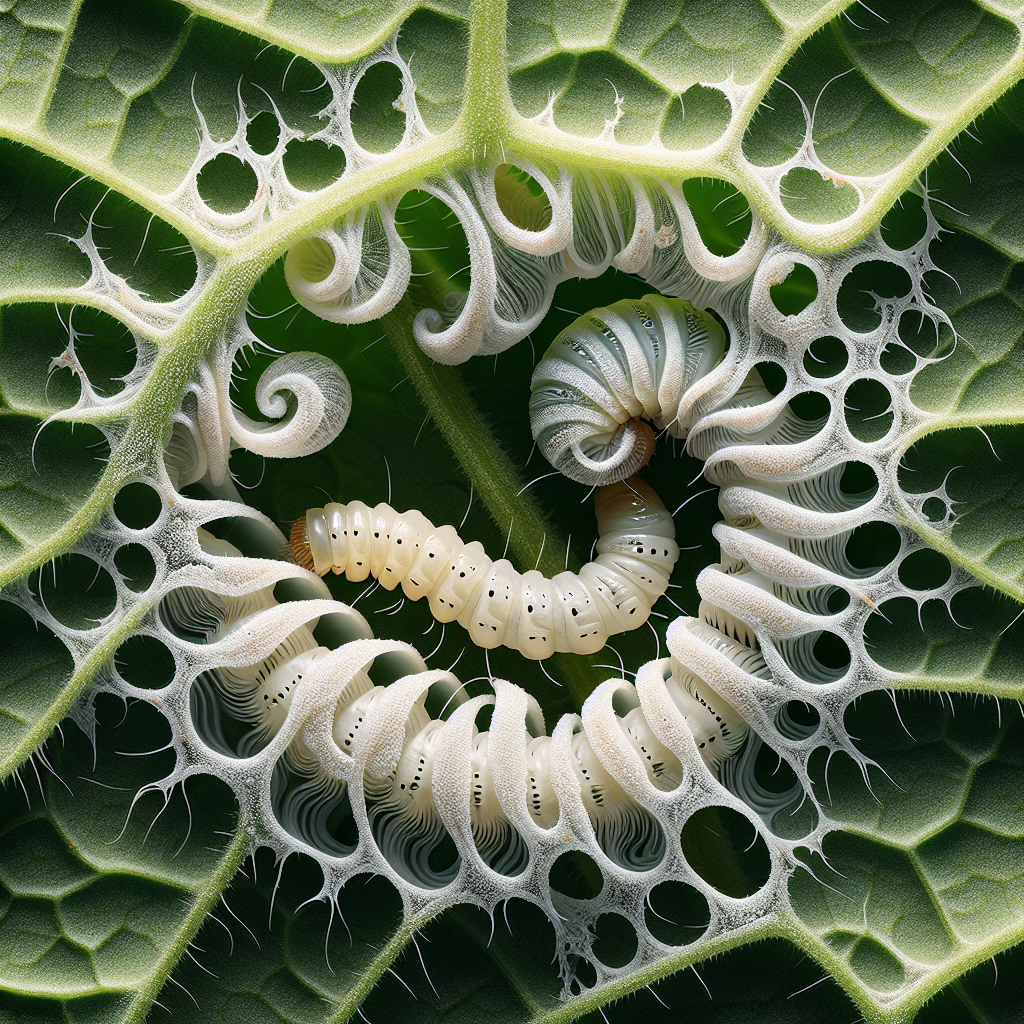
Leafminers
Leafminers are the larval stage of various small flies and moths that burrow into leaf tissues, creating distinctive winding trails and serpentine mines that reduce photosynthesis and weaken plants. Common in vegetables, ornamentals, and citrus, they thrive in warm conditions and can cause significant cosmetic and yield damage if unmanaged. Effective organic control combines monitoring, cultural practices, and biological agents for sustainable management.
View Profile
Leafroll Virus
Leafroll Virus, primarily Potato Leafroll Virus (PLRV), is a devastating aphid-transmitted pathogen that causes upward rolling of leaves, stunted growth, and significant yield losses in solanaceous crops. It spreads rapidly in warm conditions via persistent aphids, making early detection and vector control essential. This guide provides comprehensive diagnostics, organic management, and prevention strategies for affected farms.
View Profile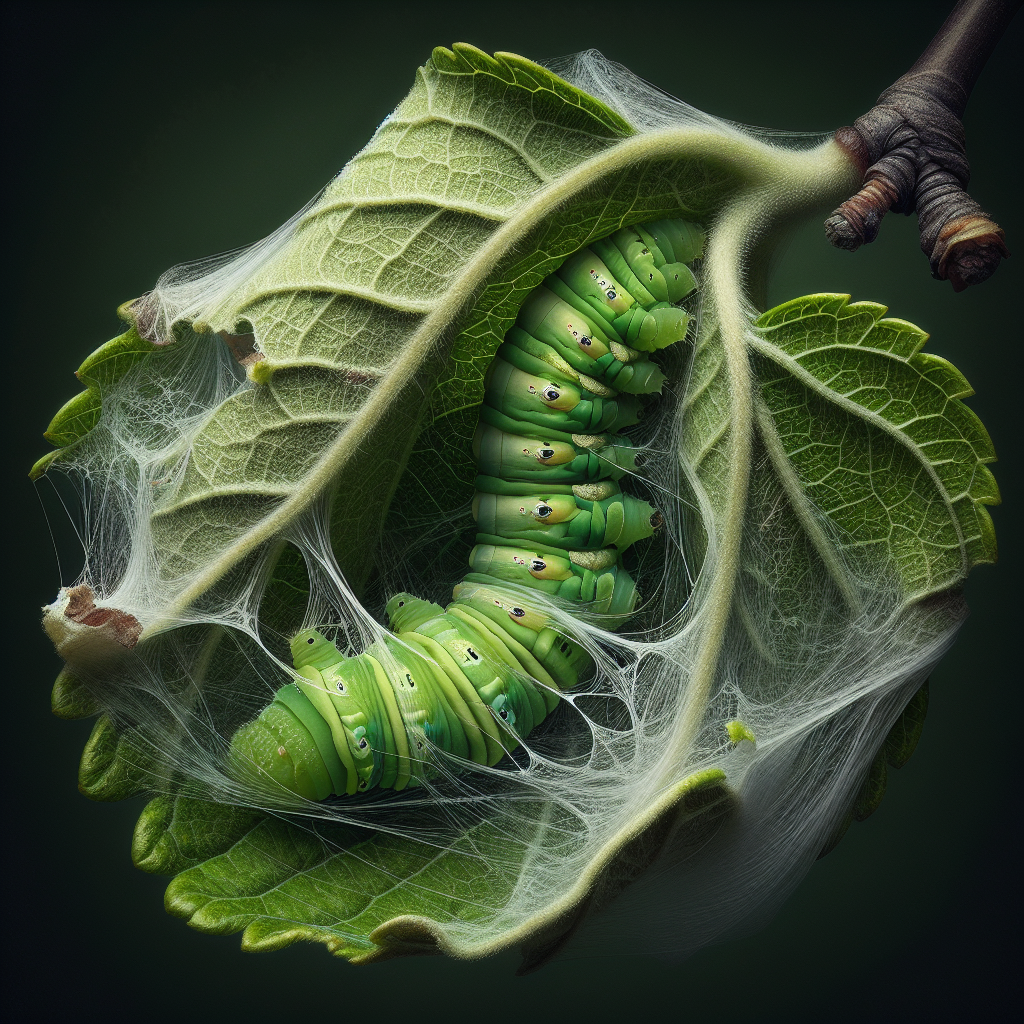
Leafrollers
Leafrollers are small moth larvae that roll and tie leaves together with silk to create protective shelters where they feed on foliage, buds, and fruits. Common in orchards and gardens, they cause significant defoliation and scarring on crops like apples, grapes, and citrus. Effective management combines monitoring, biological controls, and cultural practices for sustainable control.
View Profile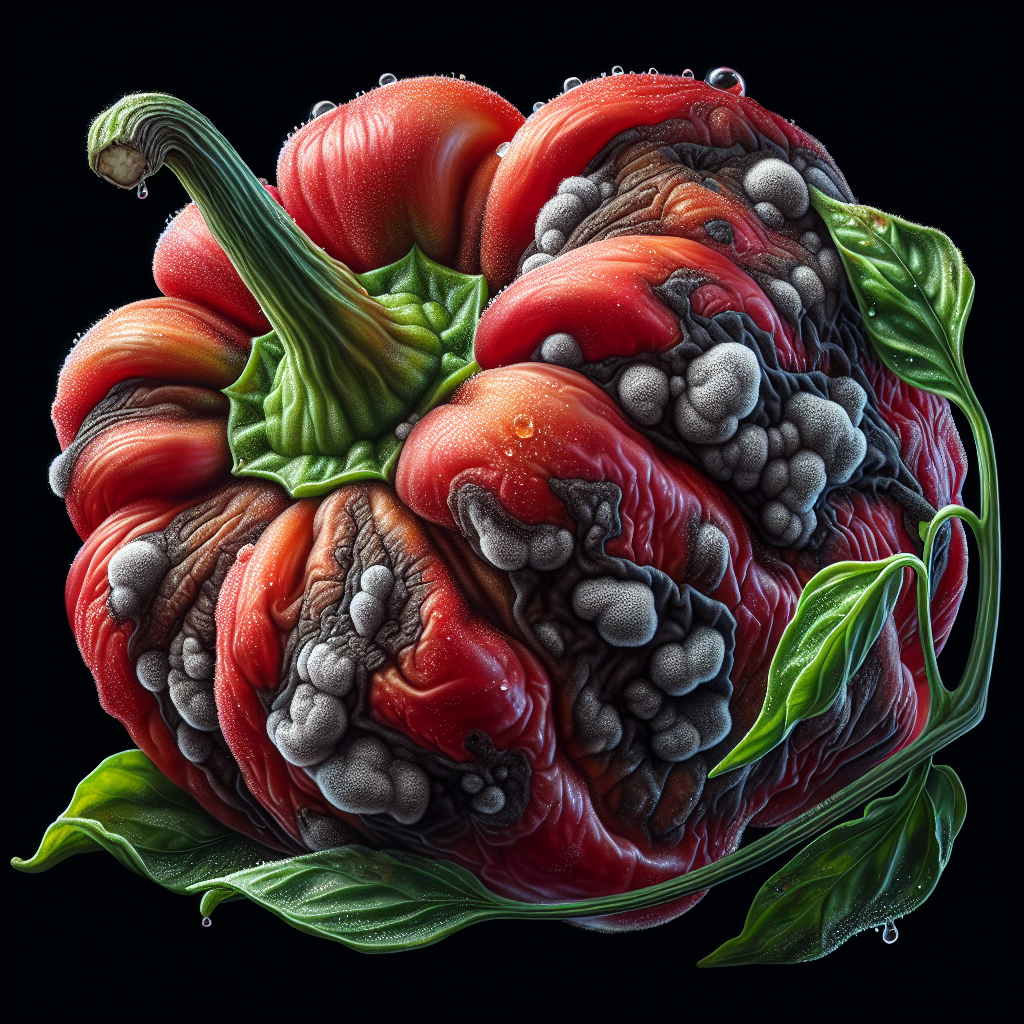
Leather rot
Leather rot is a destructive fungal disease caused by Phytophthora species that affects fruits and stems of various crops, leading to tough, leathery lesions that render produce unmarketable. It thrives in warm, wet conditions, causing significant yield losses in susceptible crops like peppers, tomatoes, and cucurbits. Effective management relies on cultural practices, resistant varieties, and organic fungicides to prevent outbreaks.
View Profile
Leatherjackets
Leatherjackets are the soil-dwelling larvae of crane flies that feed voraciously on grass roots and crop seedlings, causing widespread damage in lawns, turf, and agricultural fields. This guide provides definitive diagnostics, lifecycle insights, organic management strategies, and prevention tactics for effective control. Farmers and gardeners can protect their yields with targeted, eco-friendly approaches.
View Profile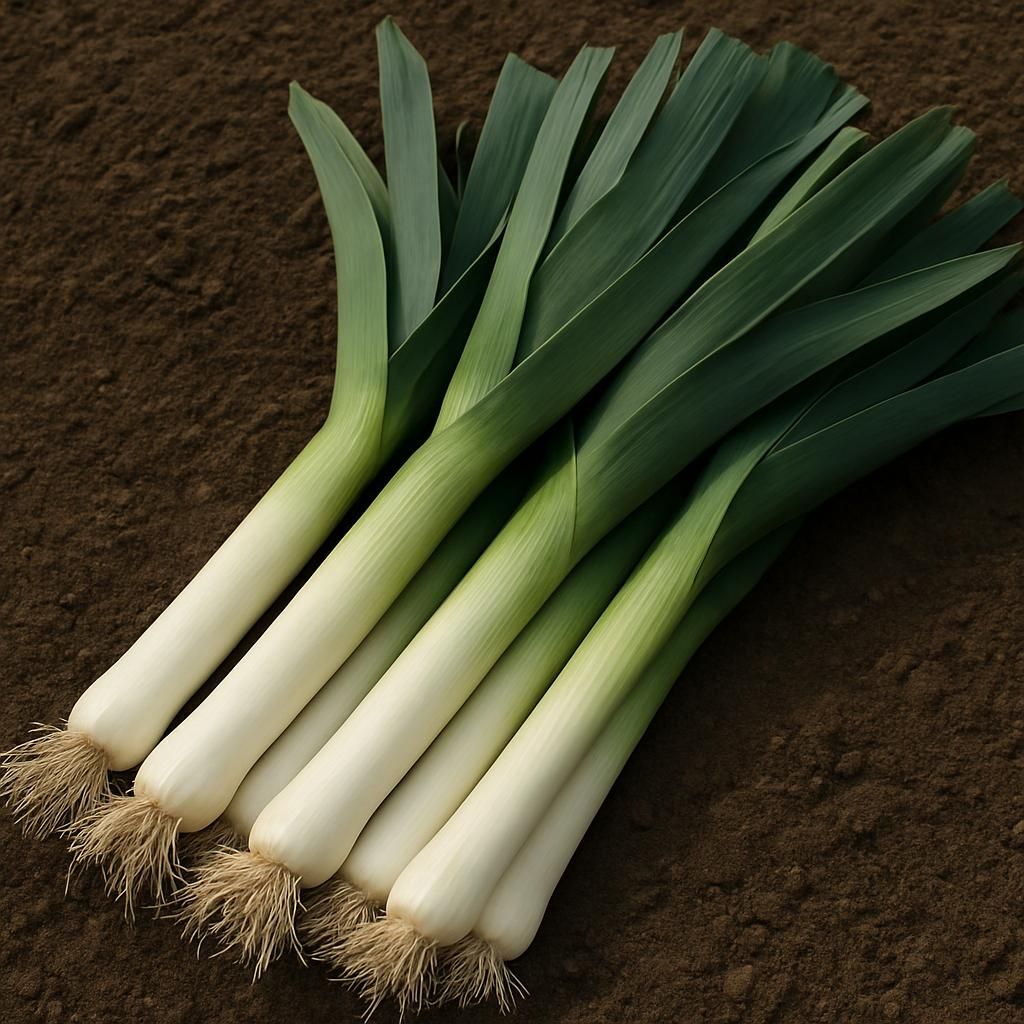
leek
Leeks are a cool-season allium crop prized for their long, blanched stems and mild onion-like flavor. This definitive guide covers every stage of leek production from soil preparation through harvest and storage.
View Guide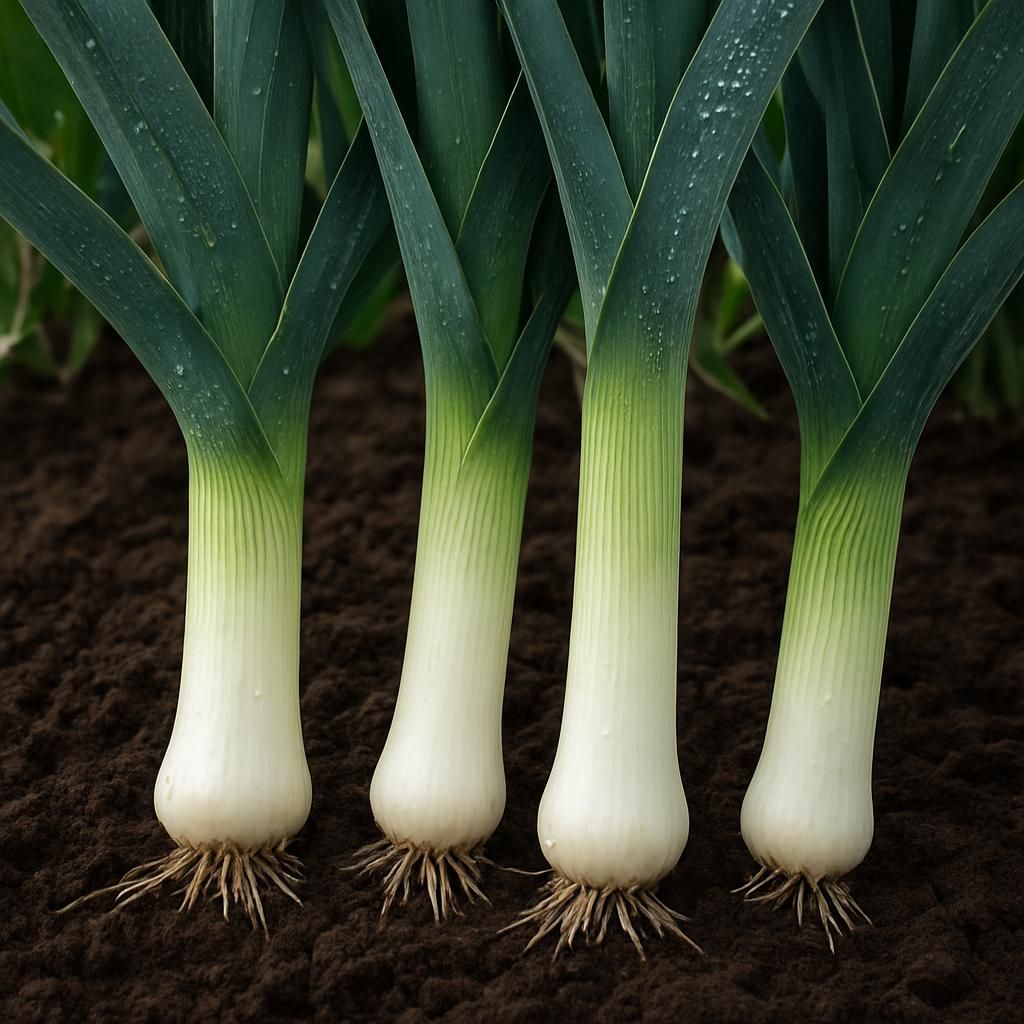
Leek (Blue Solaise)
Blue Solaise is a hardy, cold-tolerant heirloom leek prized for its deep blue-green foliage, mild flavor, and exceptional overwintering ability. This variety produces long, thick shafts with excellent uniformity and a sweet, nutty taste that intensifies after frost exposure. It is favored by professional growers and home gardeners for both fresh market sales and winter storage.
View Guide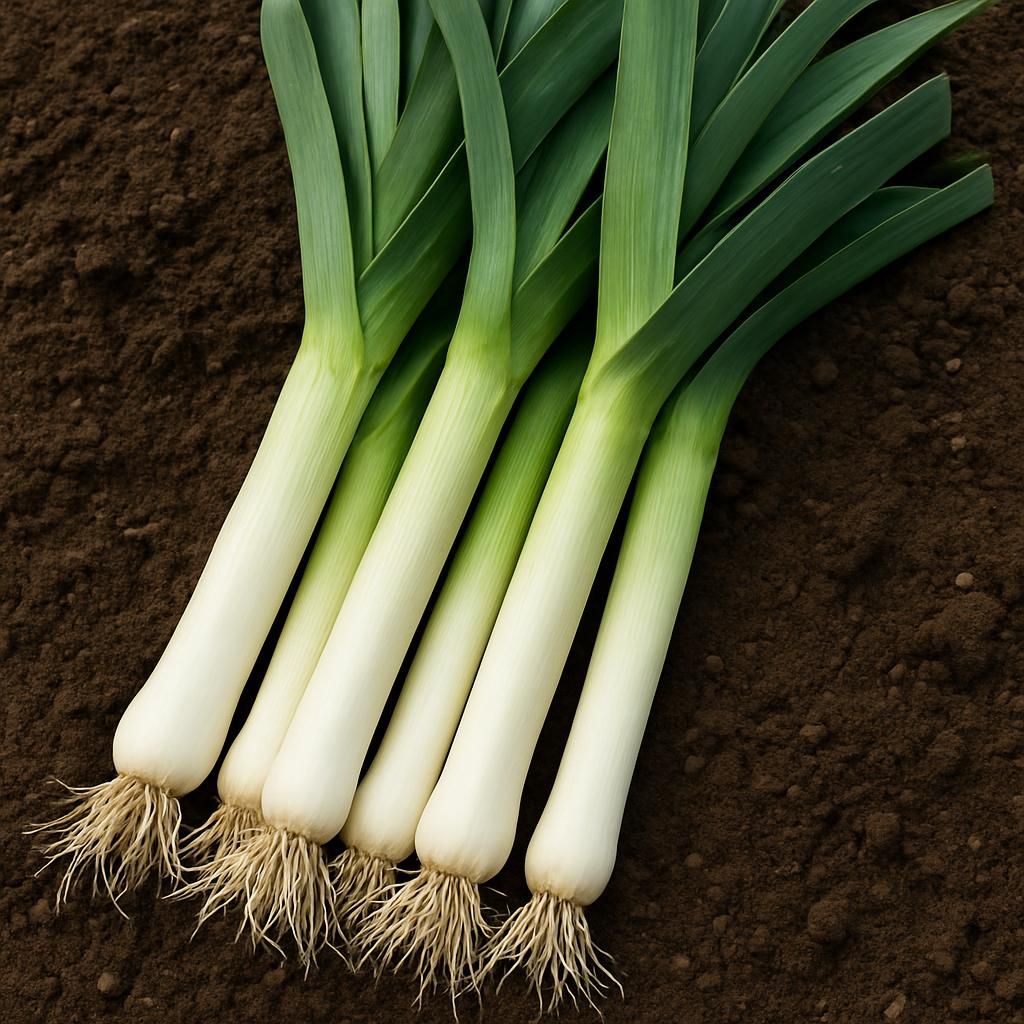
Leek (King Richard)
King Richard is a fast-maturing, long-shaft leek variety prized for its slender stems, mild flavor, and reliable performance in cool-season gardens. It offers excellent bolt resistance and high yields when grown with proper spacing, fertility, and consistent moisture. This guide delivers professional-grade, research-based advice for successful cultivation from seed to storage.
View Guide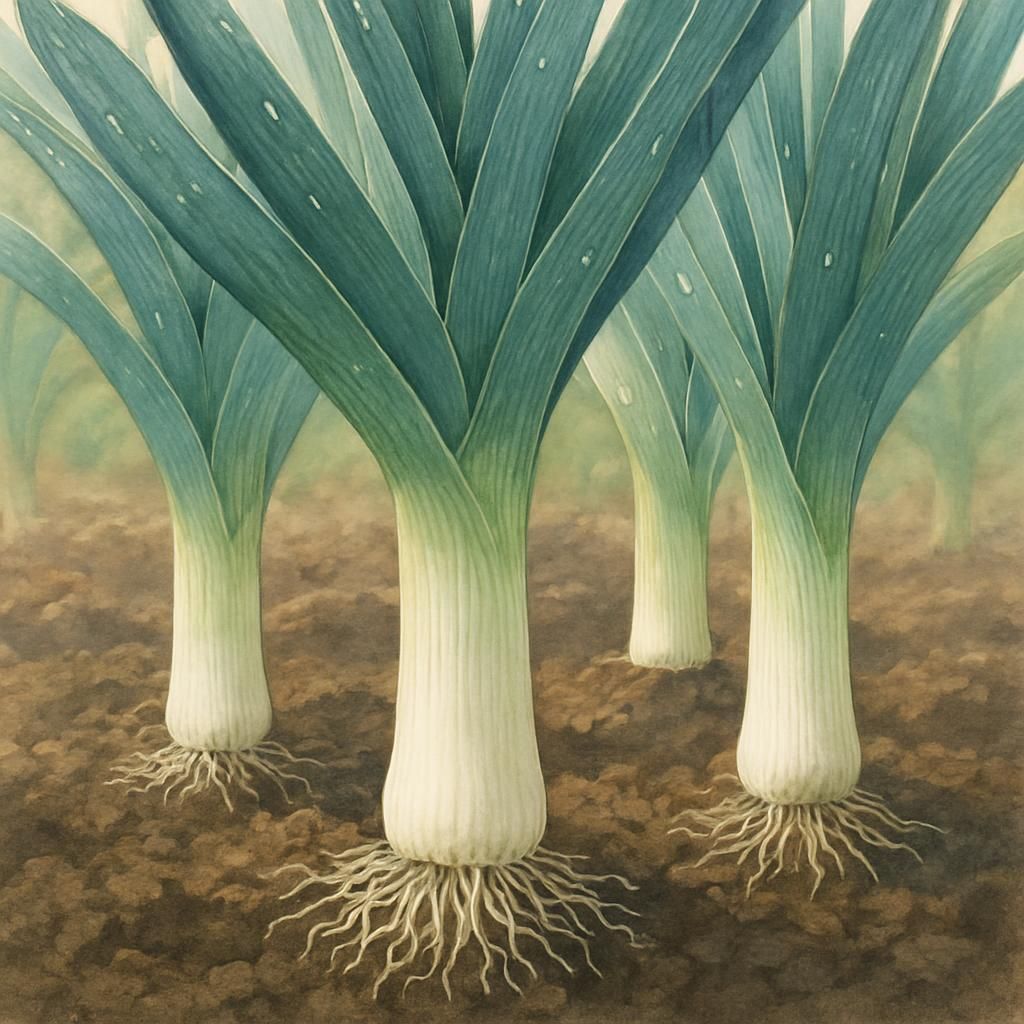
Leek (Musselburgh)
Musselburgh is a classic, cold-hardy leek variety prized for its long, thick white shanks and mild, sweet flavor. It is a staple cool-season crop that performs well in both home gardens and commercial operations across temperate zones.
View Guide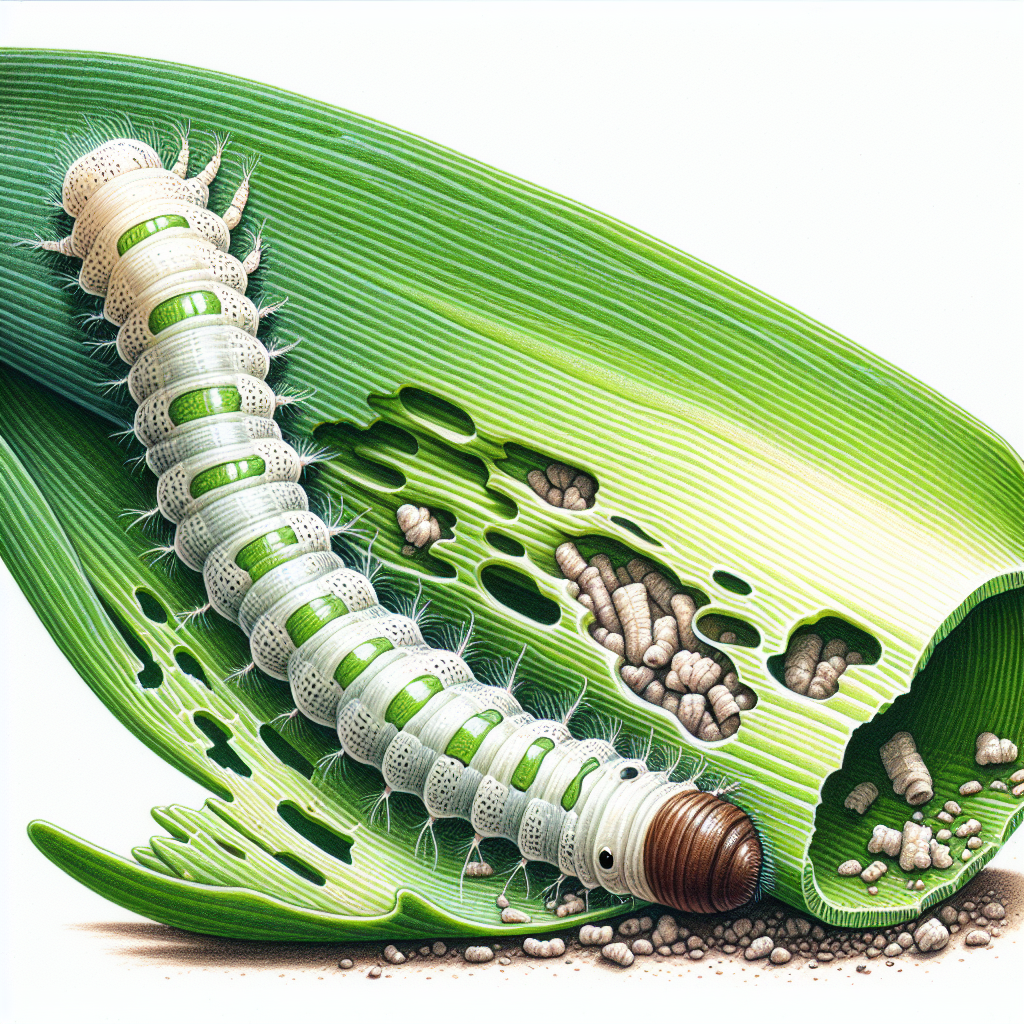
Leek Moth
The leek moth is a destructive pest targeting Allium crops, with larvae boring into leaves and stems causing severe damage. This guide provides comprehensive diagnostics, lifecycle details, organic management strategies, and prevention tactics for farmers. Effective control combines monitoring, biological agents, and cultural practices to protect yields.
View Profile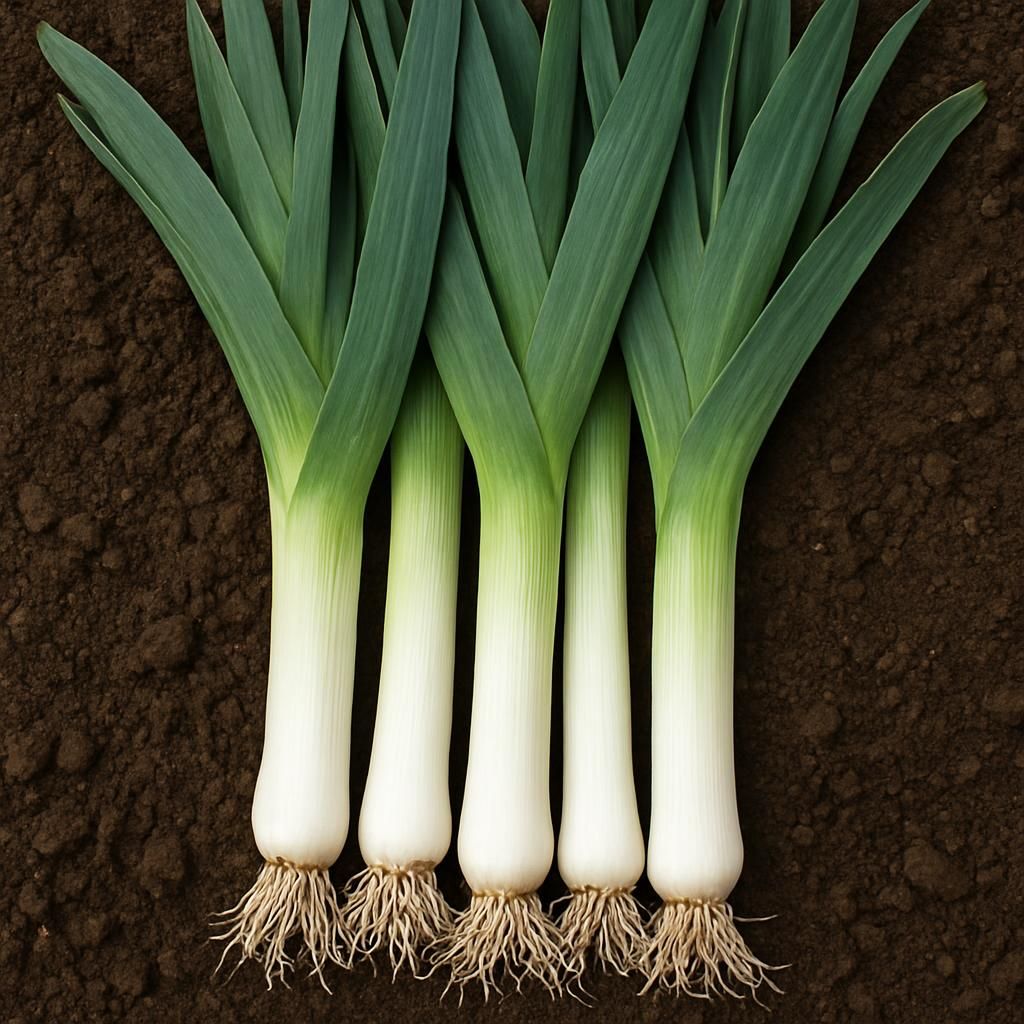
leeks
Leeks are a cool-season allium prized for their long white shanks and mild onion flavor, offering reliable yields in home and commercial gardens. They require steady moisture, fertile soil, and careful blanching techniques to produce tender, elongated stems. With proper spacing, pest management, and storage methods, leeks deliver high-value harvests suited to temperate climates worldwide.
View Guide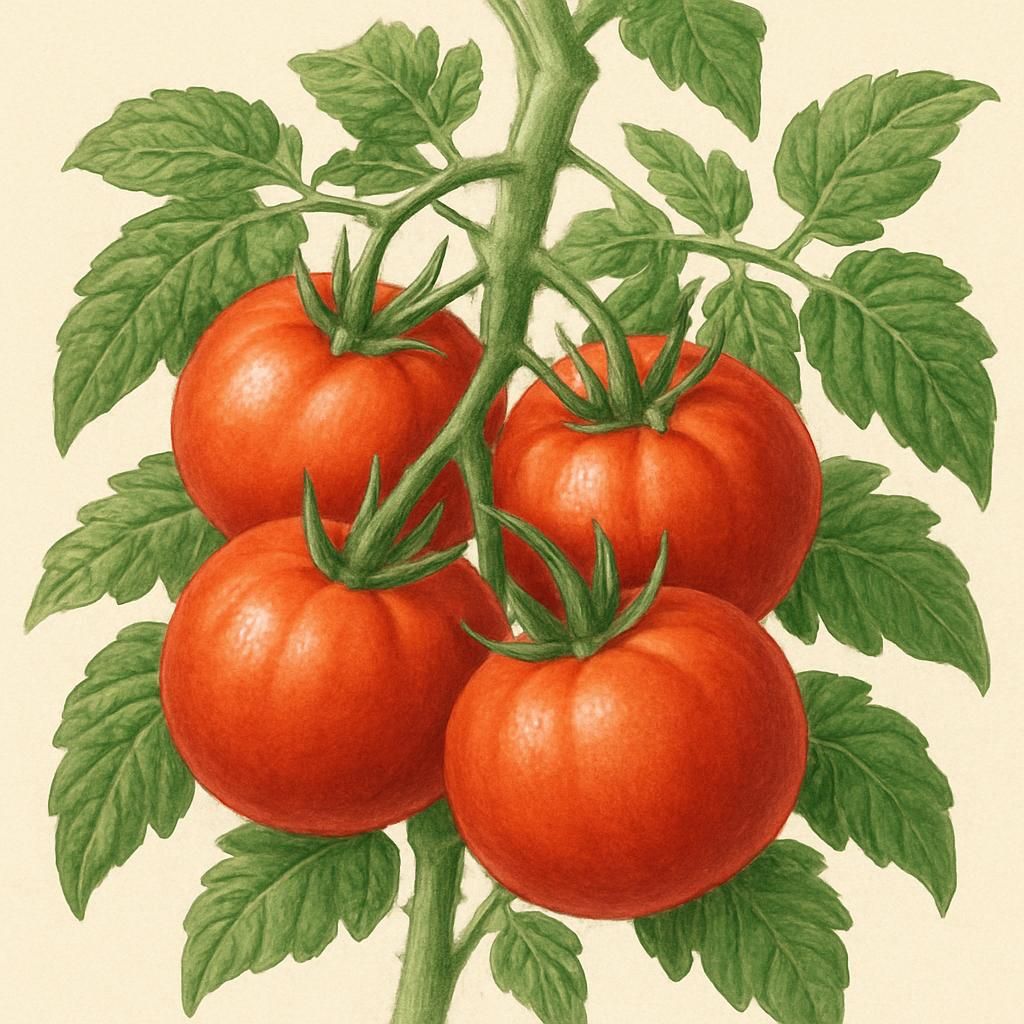
Legend Tomato
Legend Tomato is a high-yielding, disease-resistant indeterminate variety prized by commercial and home growers for its large, uniform fruit and reliable performance across varied climates. It offers strong resistance to common tomato pathogens while delivering excellent flavor and market-quality appearance.
View Guide