Encyclopedia
Definitive guides for crops, pests, and agricultural diseases.
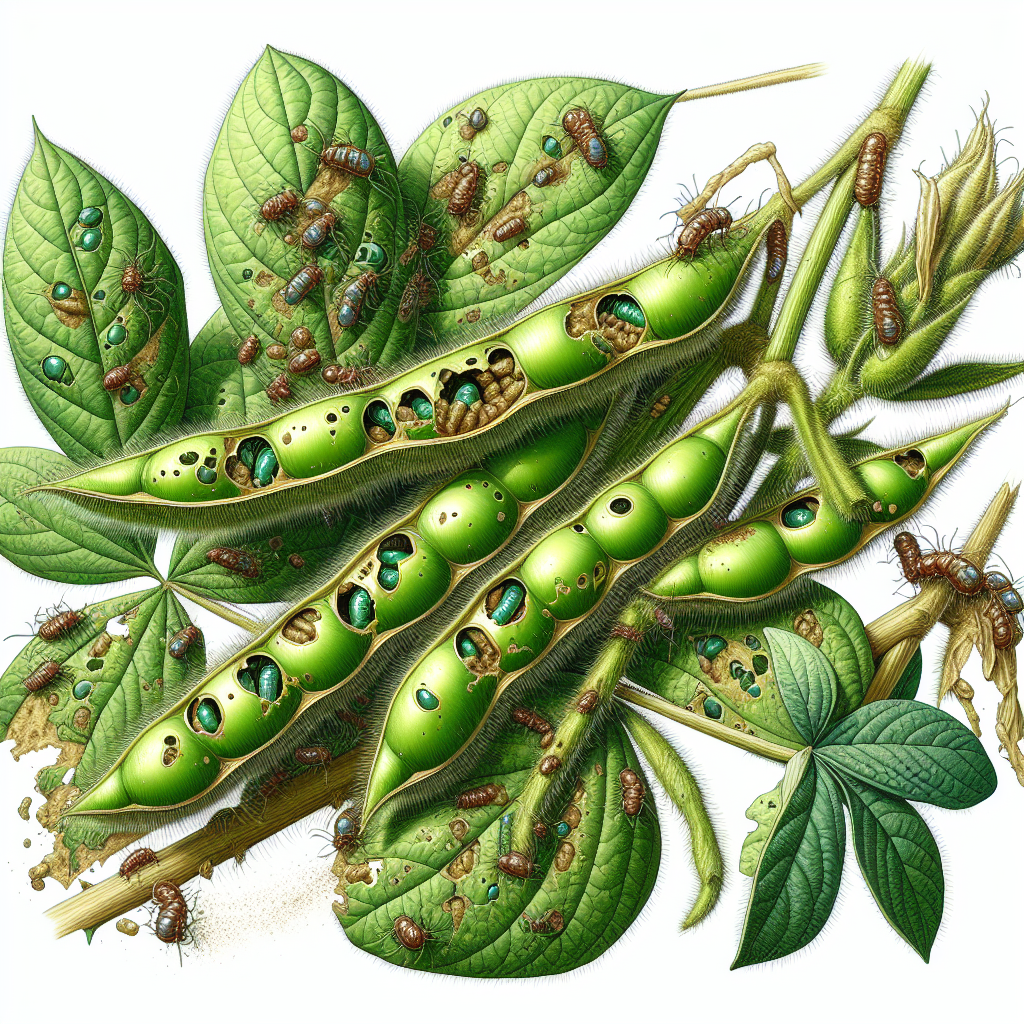
Legume Pests
Legume pests encompass a range of insects and pathogens that severely impact crops like beans, peas, and chickpeas by feeding on pods, leaves, and roots. This guide provides definitive diagnostics, lifecycle insights, organic management strategies, and prevention tactics for sustainable farming. Protect your yields with proven agricultural practices tailored for small farms.
View Profile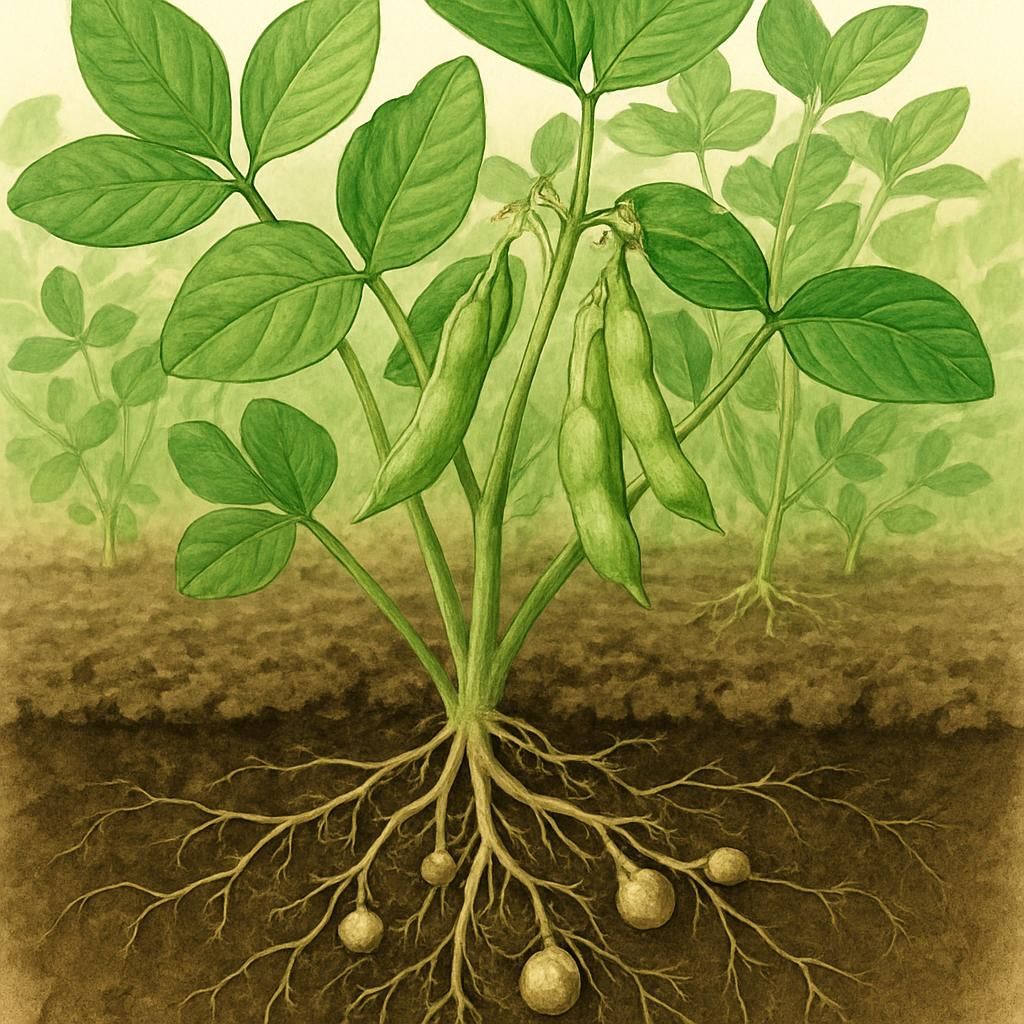
legumes
Legumes are a diverse family of nitrogen-fixing crops that include beans, peas, lentils, chickpeas, and peanuts. They improve soil fertility, provide high-protein food and feed, and are essential in sustainable farming systems worldwide.
View Guide
Lemon
Lemons are versatile citrus fruits prized for their bright flavor and high vitamin C content, thriving in warm climates with proper care. This definitive guide covers everything from soil preparation to pest management for optimal yields. Ideal for home gardeners and small farms seeking year-round production.
View Guide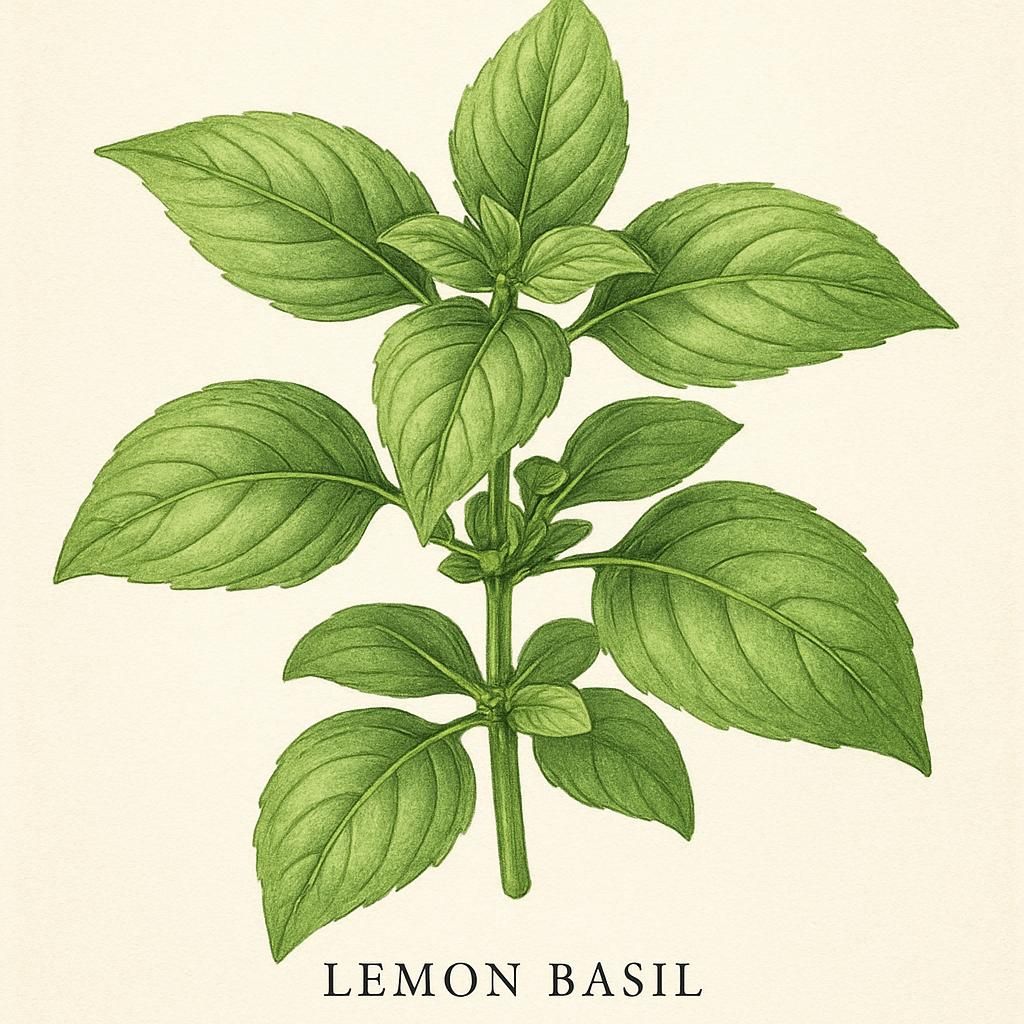
Lemon Basil (Mrs. Burns)
Lemon Basil (Mrs. Burns) is a unique variety of basil known for its distinct lemon fragrance and flavor. It thrives in warm climates and is ideal for use in culinary dishes and essential oils.
View Guide
Lemon Drop Mangosteen
Lemon Drop Mangosteen is a rare citrus-mangosteen hybrid renowned for its tangy, lemon-like fruits with a sweet undertone, thriving in tropical climates. This guide provides expert cultivation techniques for optimal yields, from propagation to harvest. Ideal for home gardeners and small farms seeking exotic, high-value crops.
View Guide
Lemongrass
Lemongrass (Cymbopogon citratus) is a vigorous, invasive perennial grass often considered a problematic weed in tropical and subtropical agriculture, aggressively competing with crops for nutrients, water, and sunlight. This guide provides comprehensive diagnostics, lifecycle insights, organic management strategies, and prevention tactics to control lemongrass infestations effectively. Farmers can reclaim productivity by integrating cultural, mechanical, and biological controls tailored to their fields.
View Guide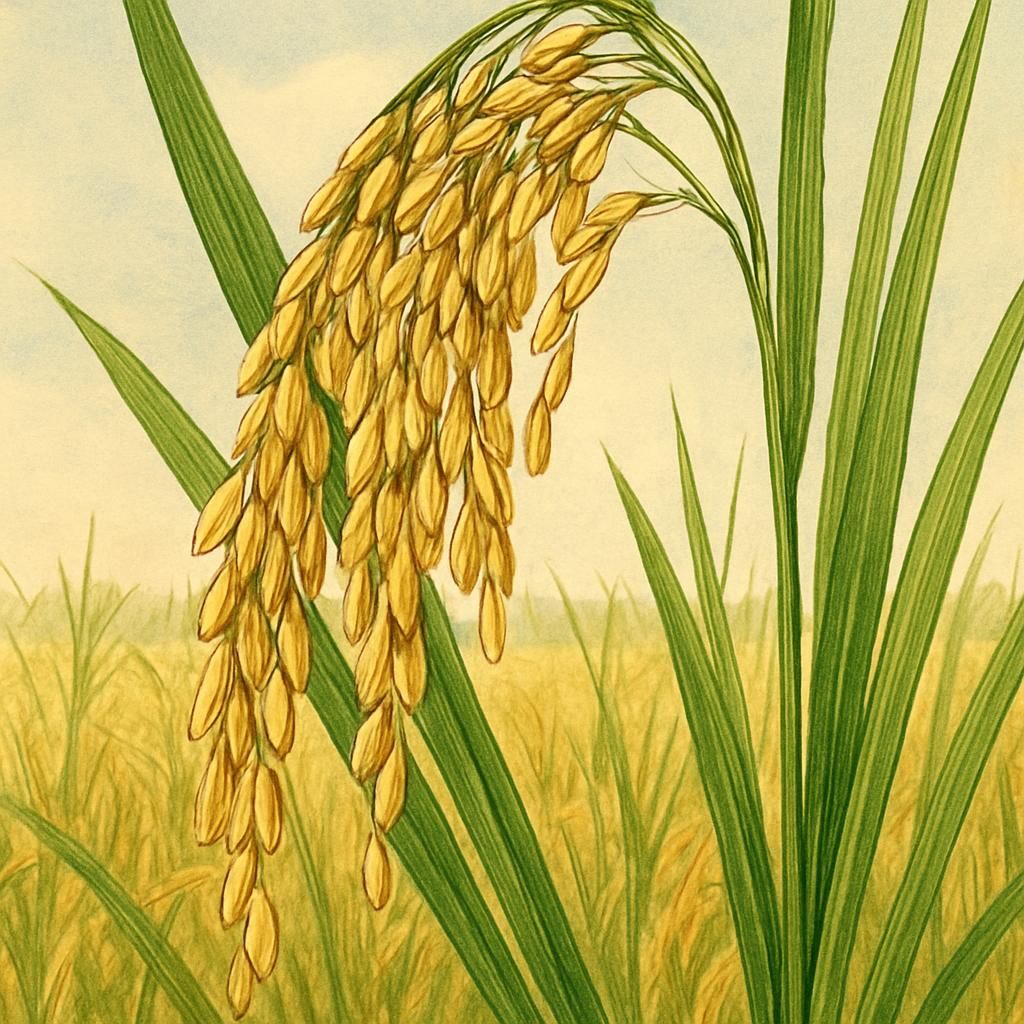
Lemont Rice
Lemont Rice is a high-yielding, long-grain variety of rice that is particularly well-suited to the southern United States. Known for its resilience to rice blast, this cultivar thrives in warm climates and provides a reliable crop for farmers.
View Guide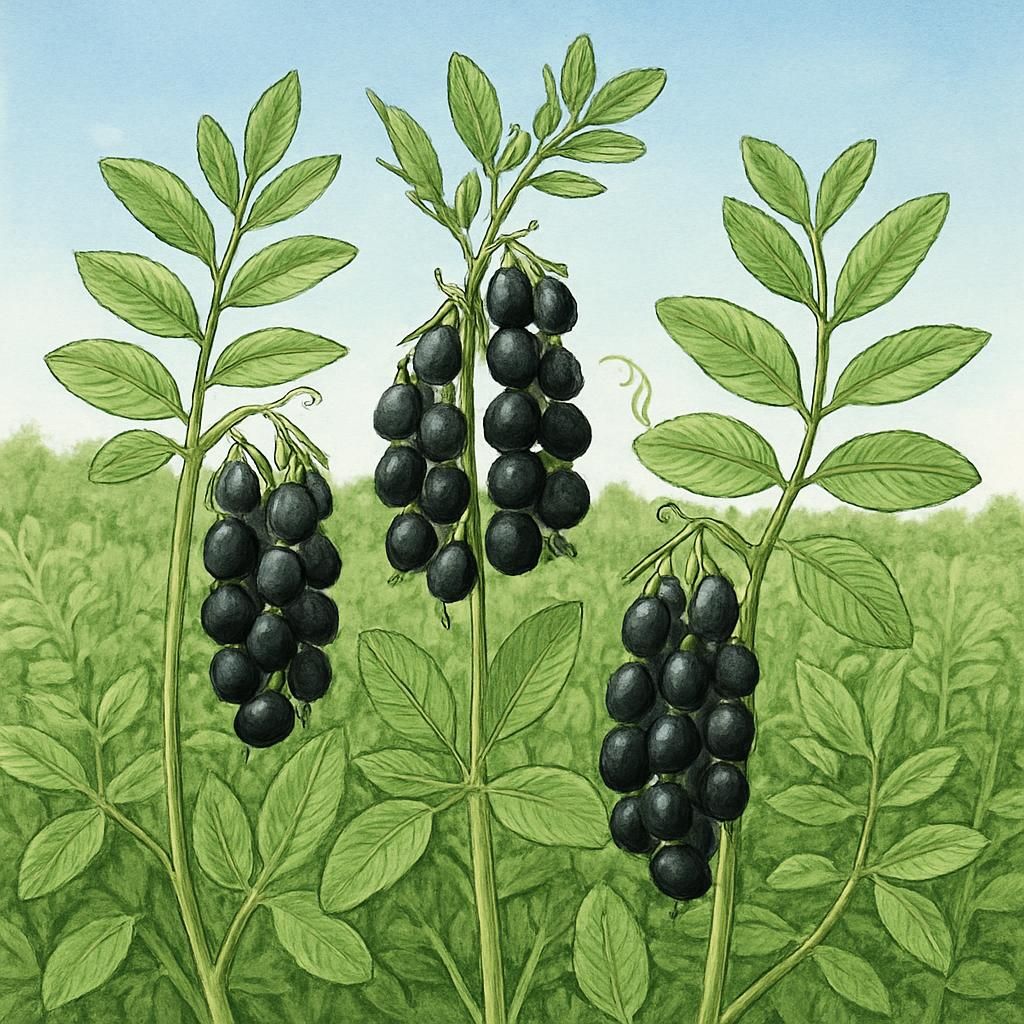
Lentil (Beluga Black)
Beluga Black Lentils, known for their rich, earthy flavor, are a high-yielding crop suitable for a variety of climates. They require well-drained, slightly acidic soils and are highly adaptable to organic farming methods.
View Guide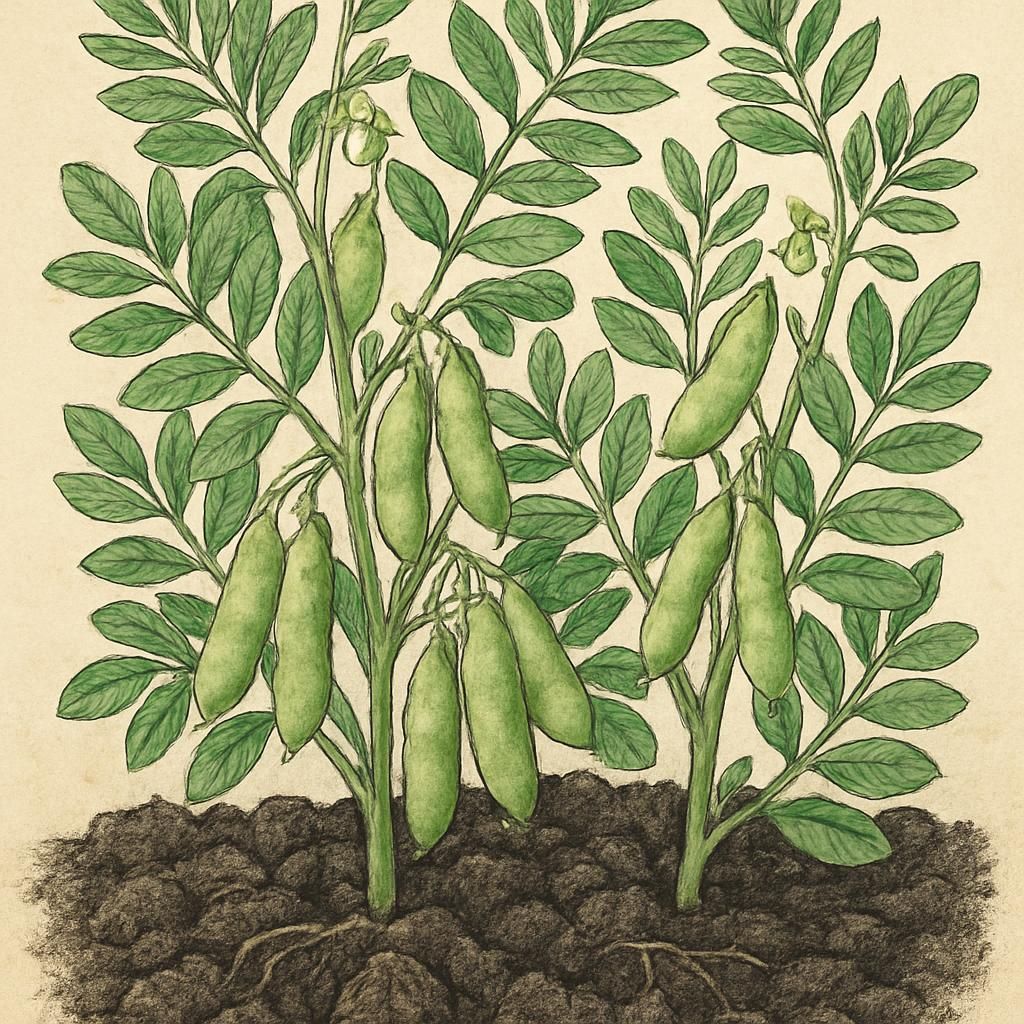
Lentil (French Green - Puy)
The French Green Lentil, also known as Puy lentil, is a small, mottled green legume with a robust, slightly peppery flavor, known for its quick cooking time and high nutritional value. Ideal for soup, salad, or side dish recipes, this lentil variety is highly valued both gastronomically and agriculturally.
View Guide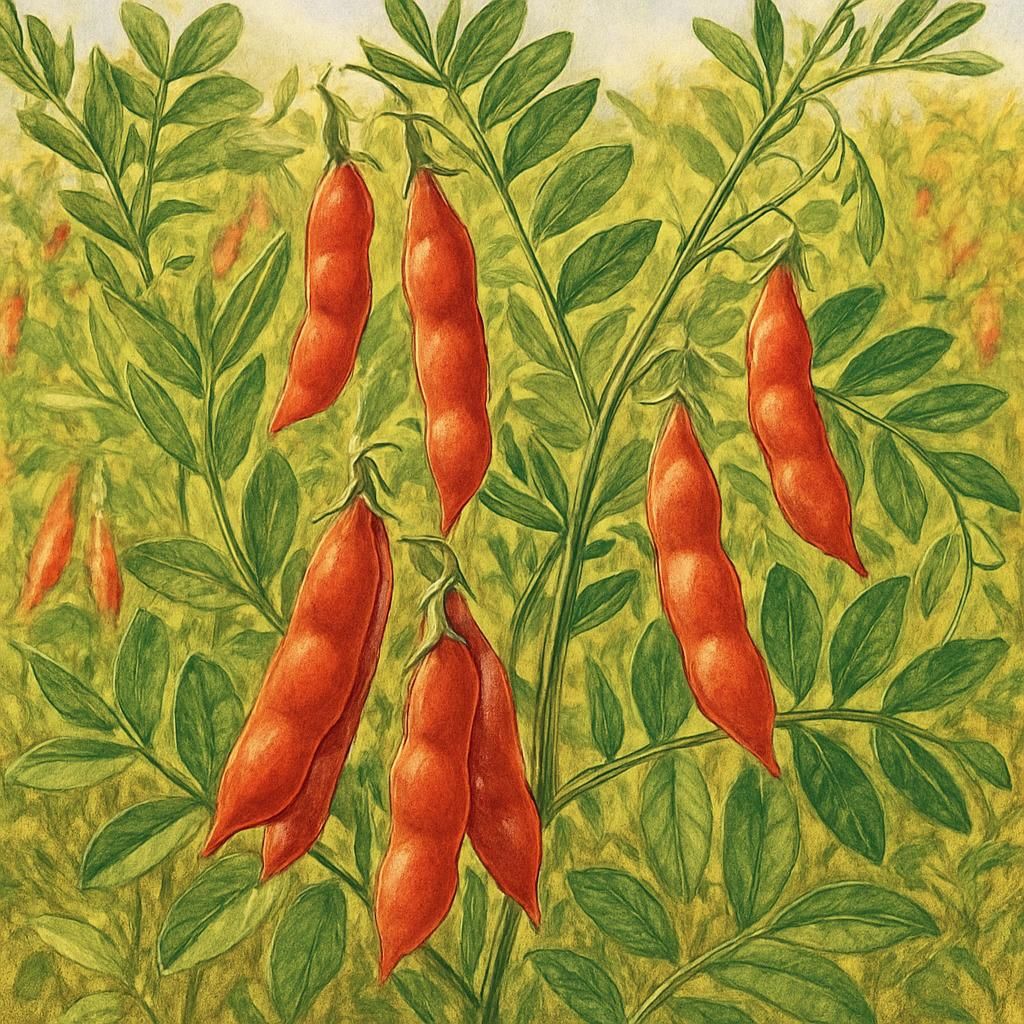
Lentil (Red Chief)
The Red Chief lentil is a vibrant red variety favored for its quick cooking and mild flavor. Its high nutritional value and ease of growth make it a valuable addition to both home gardens and commercial agriculture.
View Guide
Lentils
Lentils are one of the world’s oldest domesticated pulse crops, valued for their protein-rich seeds, modest water needs, and strong fit in dryland rotations. They perform best in cool, relatively dry growing seasons, well-drained soils, and carefully managed fertility, especially where nitrogen is not overapplied.
View Guide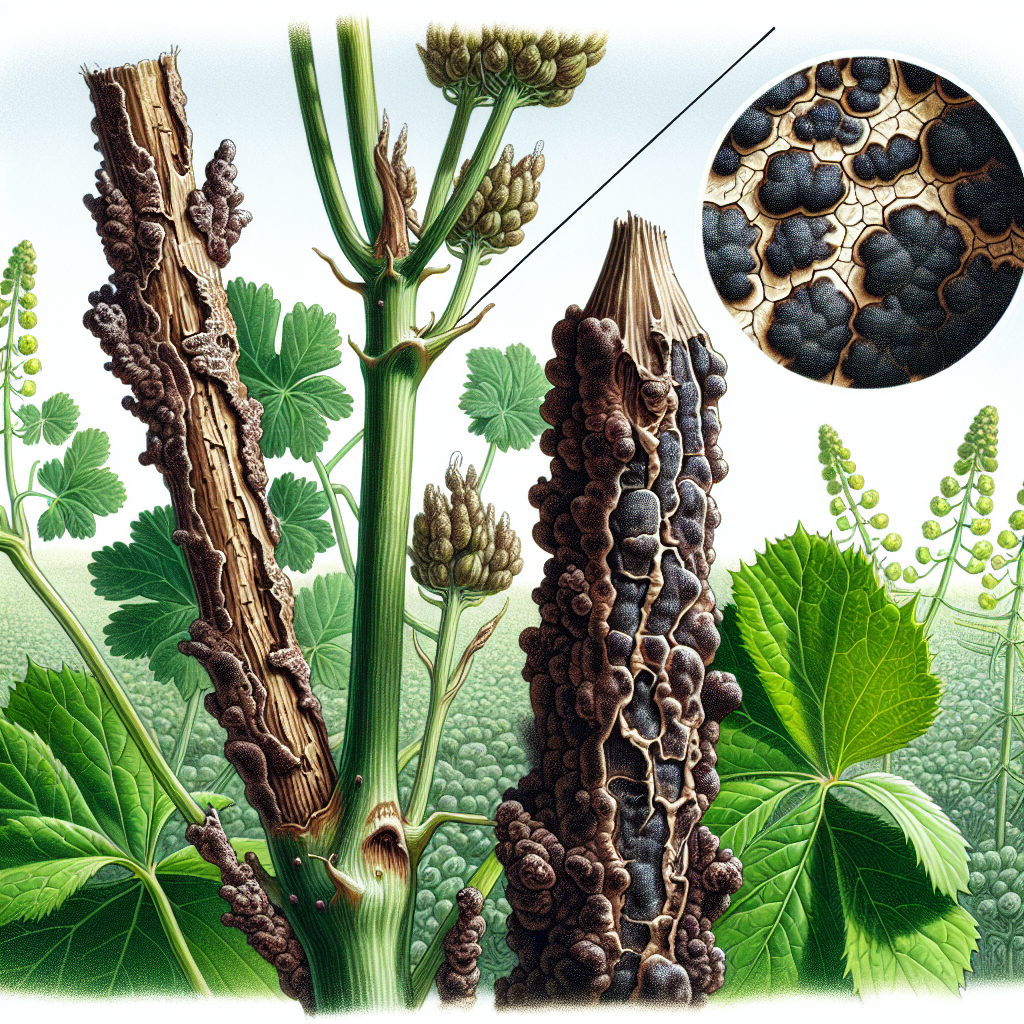
Leptosphaeria maculans
Leptosphaeria maculans is a destructive fungal pathogen causing blackleg disease, primarily in rapeseed and canola crops, leading to significant yield losses worldwide. This guide provides comprehensive diagnostics, symptom identification, lifecycle details, organic management strategies, and prevention tactics for farmers. Early detection and integrated practices are key to minimizing damage from this persistent soilborne fungus.
View Profile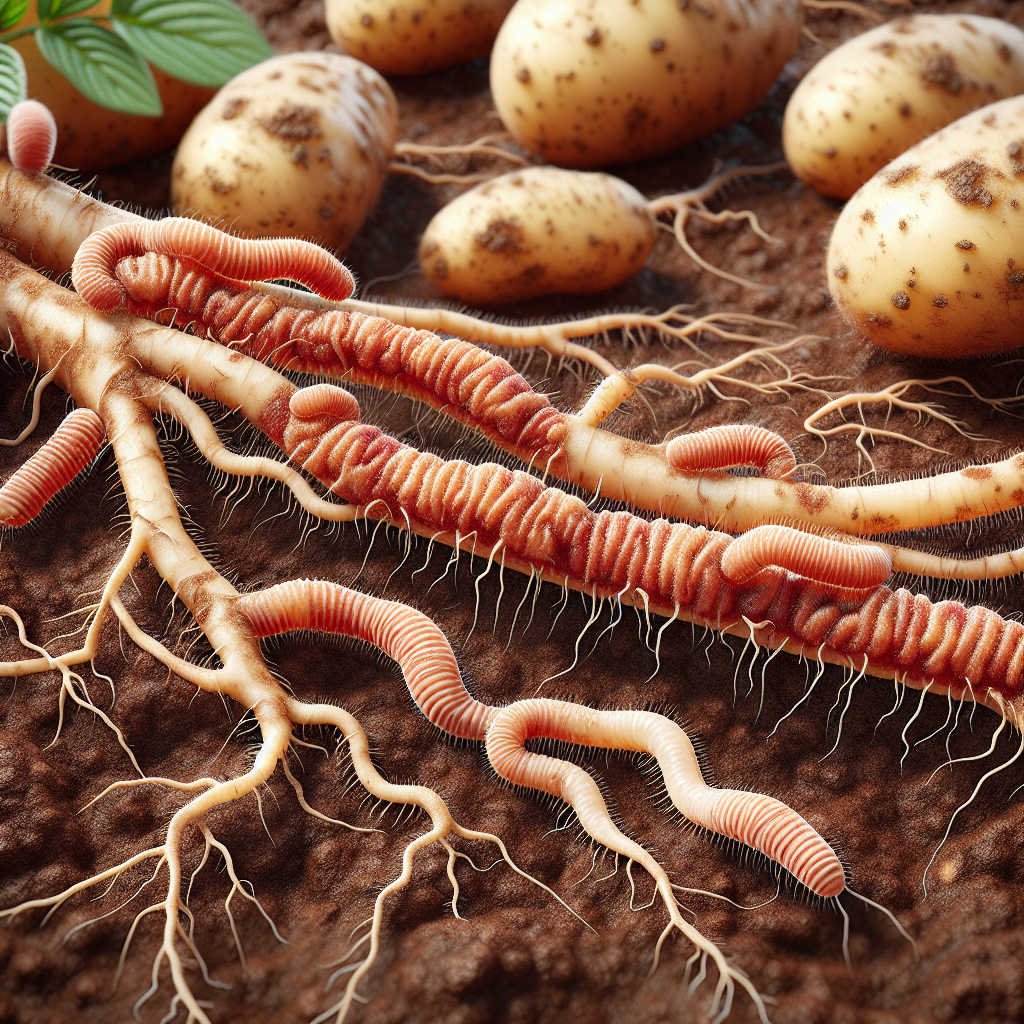
Lesion nematodes
Lesion nematodes (Pratylenchus spp.) are migratory endoparasitic nematodes that feed on plant roots, causing characteristic necrotic lesions and significant yield losses in many crops. This guide provides comprehensive diagnostics, lifecycle details, organic management strategies, and prevention tips for farmers battling these soilborne pests. Early identification and integrated approaches are key to minimizing damage.
View Profile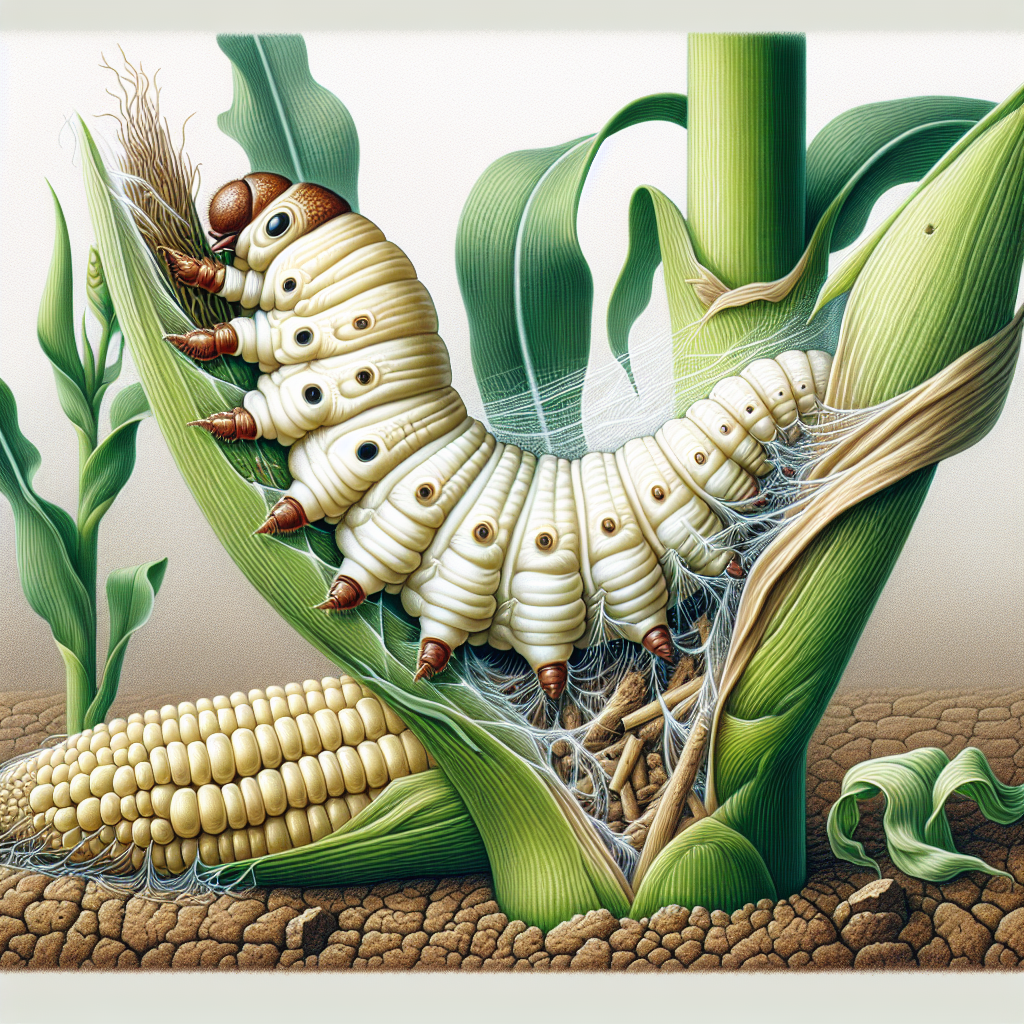
Lesser Cornstalk Borer
The lesser cornstalk borer (Elasmopalpus lignosellus) is a destructive soil-dwelling pest targeting corn seedlings and stressed crops in warm regions. Its larvae bore into plant bases, causing sudden wilting and stand losses up to 80% in severe outbreaks. Effective management relies on cultural practices, biological controls, and vigilant scouting in sandy soils.
View Profile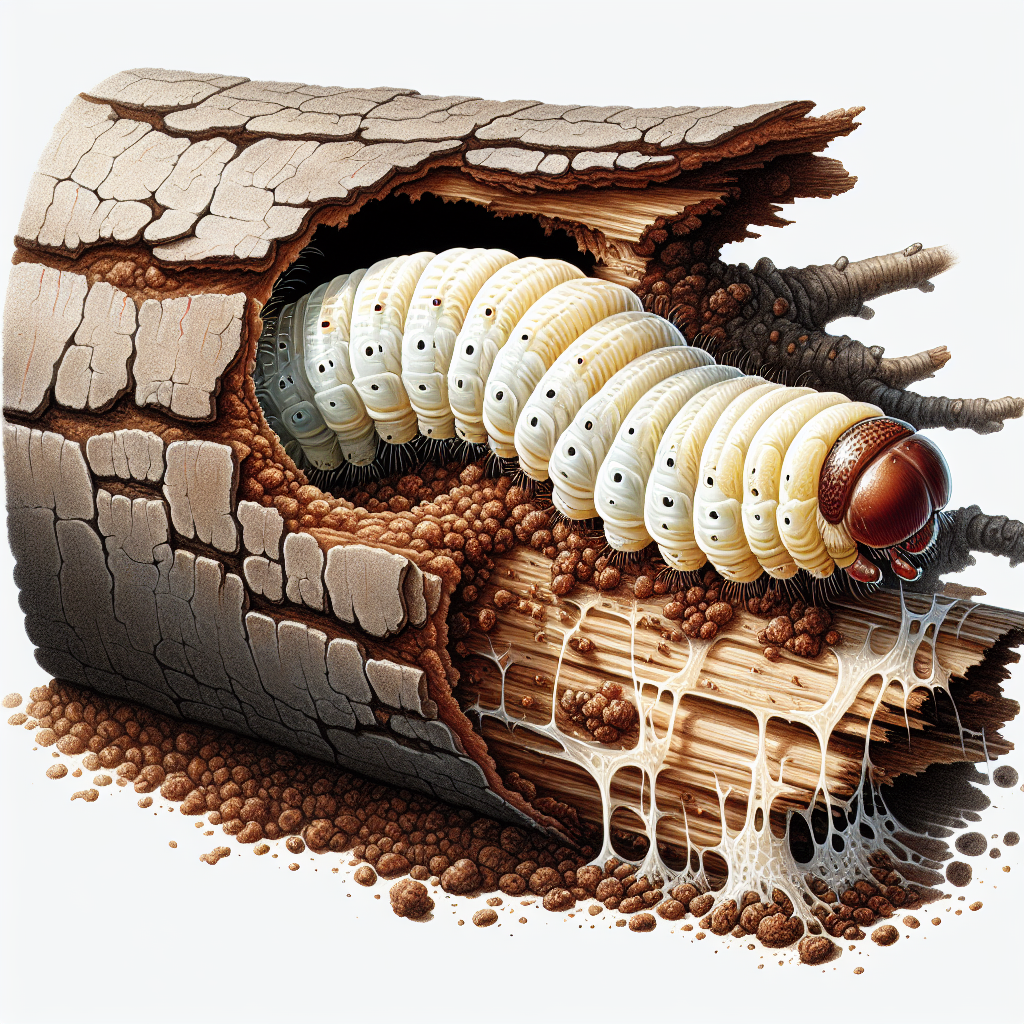
Lesser peach tree borer
The lesser peach tree borer (Synanthedon pictipes) is a destructive clearwing moth pest targeting stone fruit trees, particularly peaches, by boring into trunks and roots. Larvae cause extensive girdling damage, leading to tree decline and reduced yields. Effective management combines cultural practices, organic treatments, and vigilant monitoring for sustainable control.
View Profile
Lethal yellowing
Lethal yellowing is a devastating phytoplasma disease primarily affecting coconut palms and other palm species, leading to rapid decline and death of infected trees. Transmitted by plant hopper vectors, it causes characteristic yellowing, frond drop, and crown collapse. Effective management relies on early detection, vector control, and planting resistant varieties.
View Profile
Lettuce
Lettuce is a cool-season leafy vegetable prized for rapid growth, crisp texture, and exceptional versatility in field, garden, and protected cultivation. Although often considered an easy crop, producing high-quality lettuce consistently requires close control of temperature, moisture, fertility, and harvest timing to prevent bolting, bitterness, and disease.
View Guide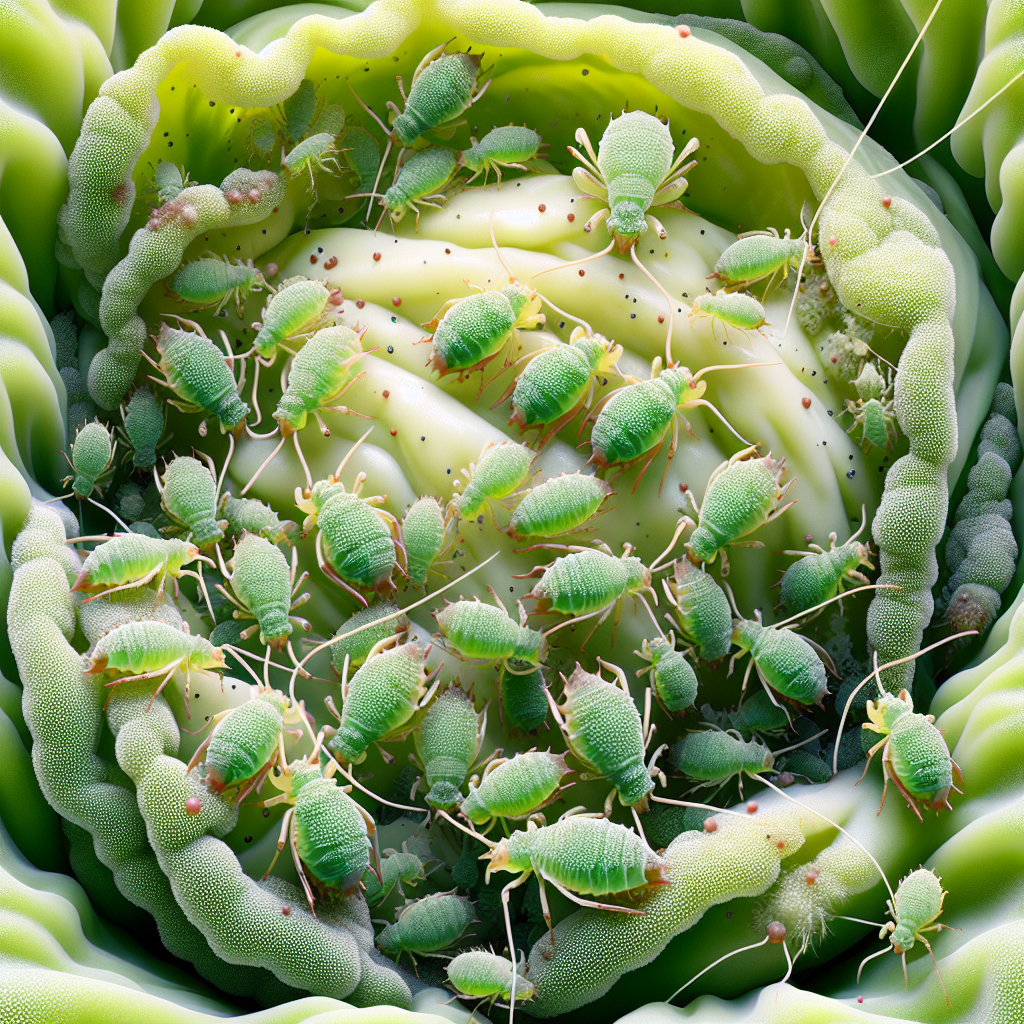
lettuce aphid
The lettuce aphid (Nasonovia ribisnigri) is a small, soft-bodied insect that infests lettuce and related crops, hiding primarily in the heart of plants and causing significant economic damage through direct feeding and honeydew production. This guide provides comprehensive diagnostics, lifecycle details, organic management strategies, and prevention tips for growers facing this persistent pest. Effective control requires integrated approaches combining monitoring, cultural practices, and biological agents.
View Profile
Lettuce drop
Lettuce drop is a devastating soilborne fungal disease primarily caused by Sclerotinia sclerotiorum and Sclerotium rolfsii, leading to wilting, plant collapse, and fluffy white fungal growth at the soil line. It affects lettuce crops worldwide, causing significant yield losses in cool, wet conditions. Effective management relies on cultural practices, sanitation, and resistant varieties to minimize its impact.
View Profile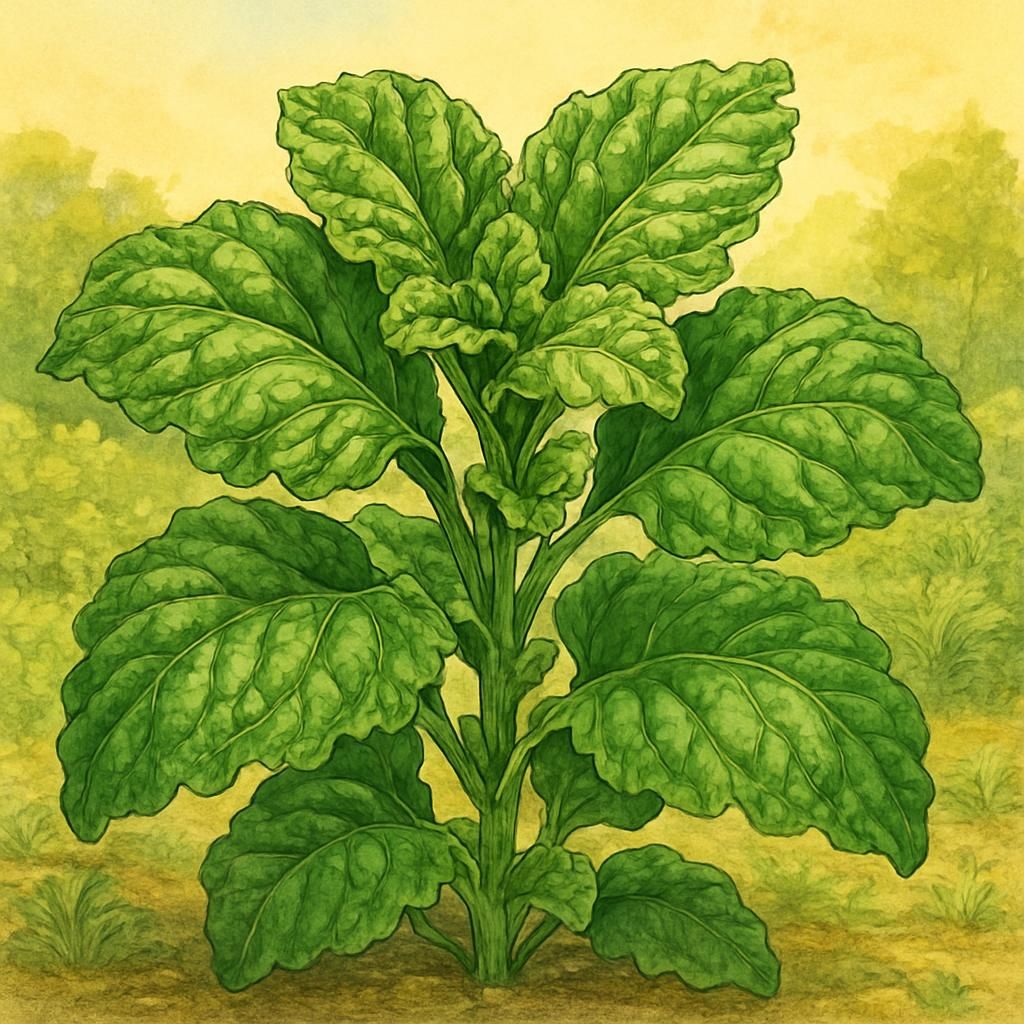
Lettuce Leaf Basil
Lettuce Leaf Basil is a variety of sweet basil known for its large, crinkly leaves and sweet, aromatic flavor popular in culinary applications. Easy to grow, it thrives in warm climates and doubles as an ornamental plant due to its lush foliage.
View Guide
lettuce mosaic
Lettuce mosaic virus (LMV) is a potyvirus that causes significant yield losses in lettuce crops worldwide, transmitted primarily by aphids in a non-persistent manner. It manifests as mosaic patterns, stunting, and malformation, severely impacting commercial production. Effective management relies on certified seed, aphid control, and resistant varieties.
View Profile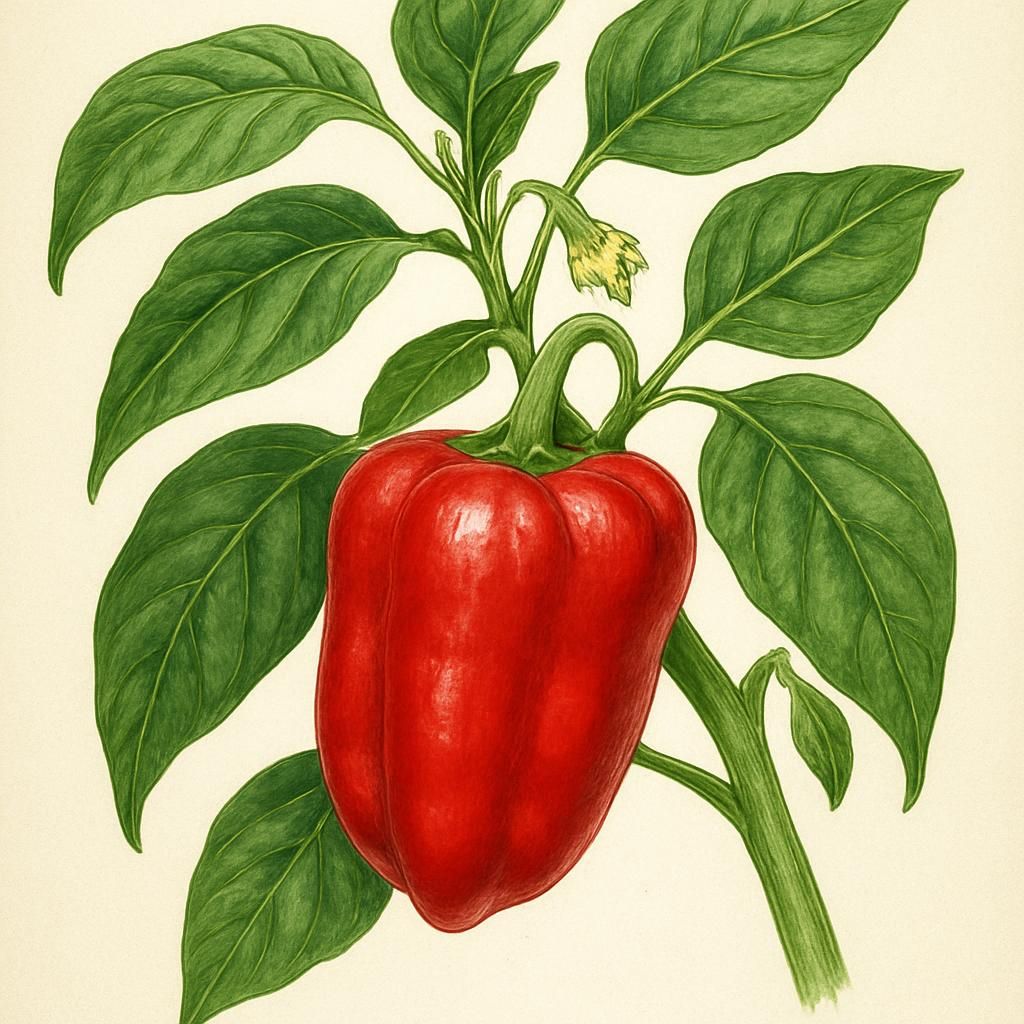
Leutschauer Paprika
Leutschauer Paprika is a flavorful heirloom variety originating from Slovakia known for its robust taste and vibrant red color. It's ideal for making paprika powder and suits moderate climates.
View Guide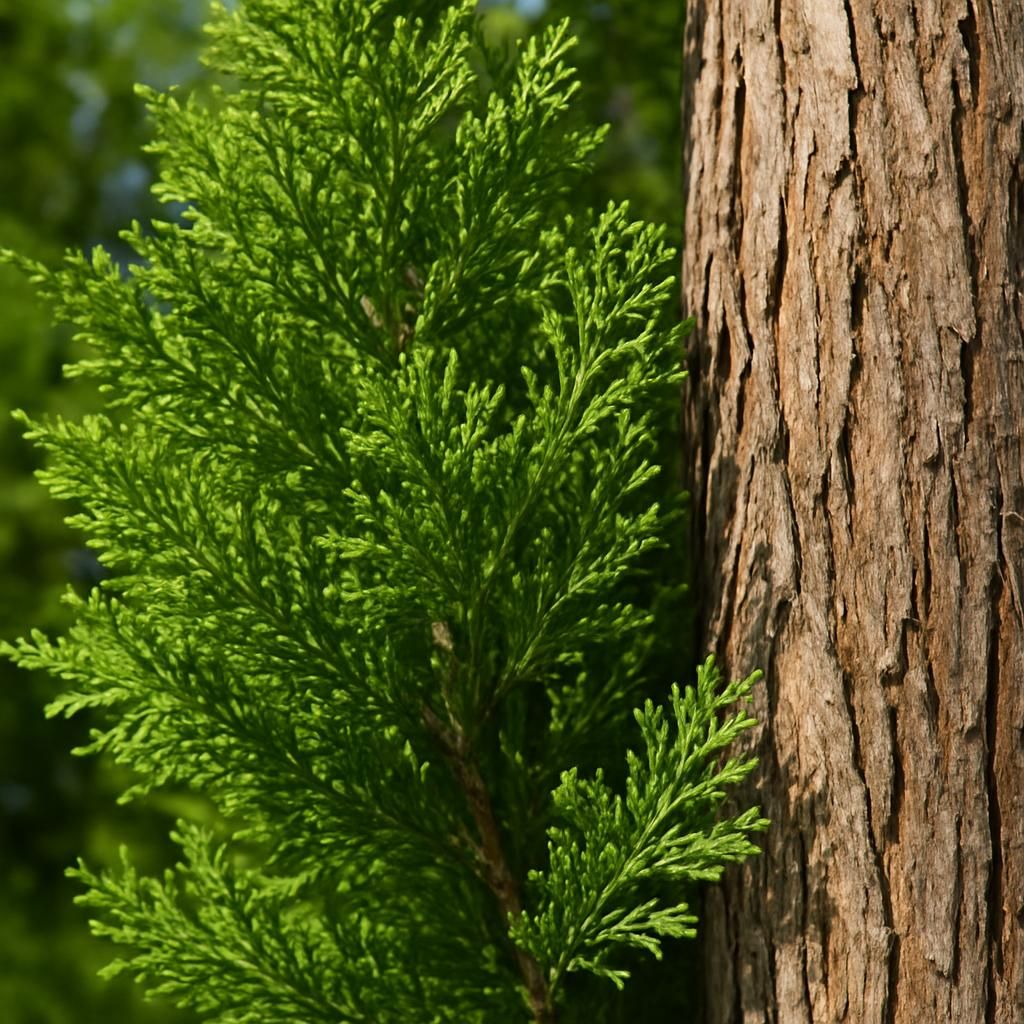
Leyland cypress
Leyland cypress is a fast-growing evergreen hybrid widely planted for privacy screens, windbreaks, and commercial hedging due to its dense foliage and rapid height gain. This guide provides professional-grade cultivation advice covering soil, climate, planting, maintenance, and integrated pest management for long-term success.
View Guide
Li Jujube Fruit Fly
The Li Jujube fruit fly (Bactrocera li) is a highly destructive pest targeting jujube fruits, causing significant economic losses in orchards through larval feeding that leads to fruit rot and premature drop. Native to East Asia, it has spread to jujube-growing regions worldwide, thriving in warm, humid climates. Effective management combines vigilant monitoring, organic traps, and cultural practices to minimize infestations.
View Profile