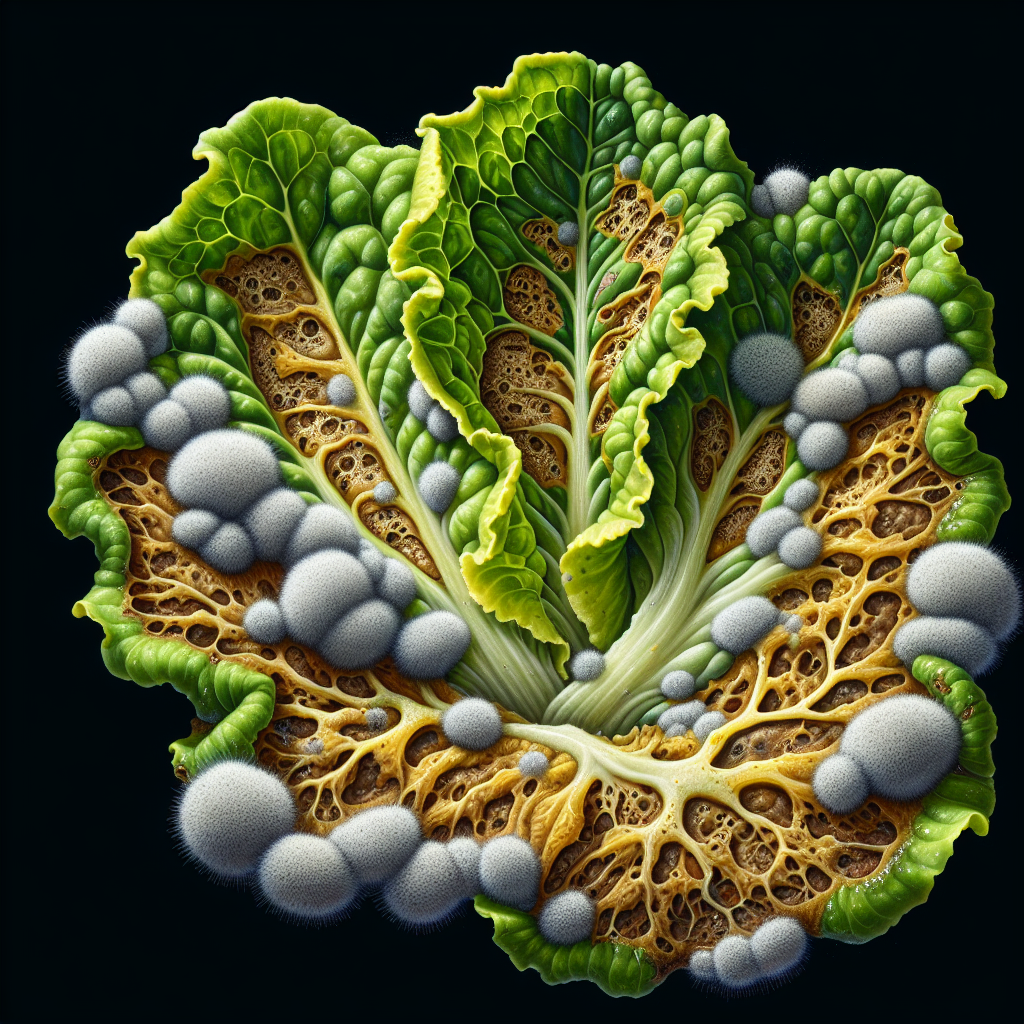
Introduction to Leaf rot complexes
Leaf rot complexes represent a group of destructive plant diseases characterized by the rapid decay and disintegration of leaf tissues, often triggered by a combination of fungal pathogens, bacteria, high humidity, and plant stress. Unlike single-pathogen infections, leaf rot complexes involve synergistic interactions among multiple microorganisms such as Rhizoctonia, Botrytis, and Phytophthora species, compounded by environmental factors like prolonged leaf wetness and poor air circulation. These diseases pose significant threats to agricultural productivity, particularly in humid, warm climates where they can cause 30-70% yield losses in susceptible crops.
Understanding leaf rot complexes is crucial for farmers and growers aiming to protect high-value foliage crops. This guide provides a comprehensive diagnostic framework, lifecycle insights, and proven organic management strategies to mitigate damage. By recognizing early symptoms and implementing preventive measures, producers can safeguard their harvests from these pervasive foliar disorders. For small farms struggling with disease identification, tools like AI-powered diagnostics can revolutionize management—check out Why Misidentifying Plants Costs Small Farms Thousands - And How AI Camera Diagnosis Fixes It Fast.
The economic impact of leaf rot complexes is staggering, with global losses estimated in billions annually across vegetables, ornamentals, and field crops. In intensive production systems, such as greenhouse lettuce or outdoor spinach, unchecked outbreaks lead to defoliation, reduced photosynthesis, and secondary infections. This definitive guide equips you with professional-grade knowledge to diagnose, treat, and prevent these complexes effectively.
Identifying Symptoms & Damage
Early detection is key to managing leaf rot complexes. Initial symptoms often appear as water-soaked lesions on lower leaves, progressing to soft, mushy rot with a foul odor. Look for irregular brown to black necrotic spots that expand rapidly, often with a fuzzy mycelial growth under high humidity. Unlike dry leaf spots, rot areas feel slimy and may ooze bacterial exudate.
Advanced stages feature complete leaf collapse, with petioles wilting and stems showing basal discoloration. Differentiate from leaf spot diseases by the wet, spreading nature—leaf spots remain discrete, while rots merge into blighted patches. Yellow halos around lesions indicate bacterial involvement, common in complexes with Pseudomonas or Xanthomonas.
Damage assessment involves quantifying affected leaf area: 10-20% loss reduces yield by 15-25%, while >50% can halve production. Scout fields weekly, focusing on dense canopies where humidity traps moisture. Use a hand lens to spot fungal sporulation—white cottony growth signals Sclerotinia, gray fuzz indicates Botrytis. In cabbage and kale, rots often start at leaf margins, spreading inward with V-shaped lesions.
Secondary symptoms include stunted growth, premature senescence, and increased susceptibility to aphids or slugs, which vector pathogens. In severe cases, entire plants collapse, mimicking root rot but originating foliarly. Accurate diagnosis requires lab confirmation, but field indicators like rapid post-rain spread confirm complexes.
Lifecycle and Progression of Leaf rot complexes
Leaf rot complexes follow a polycyclic lifecycle, with pathogens overwintering as sclerotia, mycelia, or oospores in soil, crop debris, or infected plant parts. Primary inoculum activates in spring with warming soils (15-25°C) and moisture, splashing onto lower leaves via rain or irrigation. Infection occurs through wounds, stomata, or natural openings, favored by leaf wetness >12 hours.
Latent periods vary: [Botrytis] 3-7 days, [Rhizoctonia] 5-10 days. Sporulation follows, producing conidia or zoospores that disseminate by wind, water, or insects. Secondary cycles accelerate in humid conditions, with 5-10 generations per season. Progression accelerates under stress—nitrogen excess promotes succulent tissues, drought weakens defenses.
In lettuce, drop phase sees sclerotia in senesced leaves germinating to infect neighbors. [Phytophthora] forms sporangia at 18-25°C, releasing motile zoospores in free water. Complexes amplify as initial rots create entry for opportunists like bacteria, leading to explosive epidemics. Lifecycle breaks with residue management and rotations.
Environmental Triggers & Risk Factors
High humidity (>85% RH) and temperatures 20-28°C are prime triggers, common in tropics or irrigated fields. Poor airflow in dense plantings traps moisture, extending leaf wetness. Over-irrigation, especially overhead, splashes inoculum. Soilborne pathogens like Rhizoctonia thrive in compacted, high-organic soils with pH 5.5-6.5.
Risk factors include monocropping, which builds inoculum; excessive nitrogen, softening tissues; and wounding from thrips or hail. Acidic soils favor [Sclerotinia], while alkaline conditions boost Pythium. Close planting (<30cm) in spinach or cabbage heightens risk. Climate change intensifies outbreaks via erratic rains.
Organic Control & Treatment Plans
Organic management emphasizes cultural, biological, and approved biorational tactics. Remove and destroy infected leaves promptly to reduce inoculum—compost off-site at >55°C. Improve airflow with pruning and spacing: 40-50cm rows for leafy crops. Use drip irrigation to keep foliage dry.
Apply OMRI-listed biocontrols: Trichoderma spp. (e.g., RootShield) at 1-2kg/ha pre-planting suppresses Rhizoctonia. Bacillus subtilis (Serenade) sprays (2-5L/ha) every 7-10 days during wet periods inhibit Botrytis. Potassium phosphite (0.5-1%) boosts defenses systemically.
Neem oil (2-3ml/L) + insecticidal soap targets vectors like whiteflies. Mulch with straw (5-10cm) reduces splash. For outbreaks, copper octanoate (Bonide Liquid Copper, 1-2ml/L) as rescue, limited to 3 apps/season. Integrate with resistant varieties like 'Buttercrunch' lettuce.
Biologicals: Beauveria bassiana against fungal vectors; compost teas enhance microbiome. Monitor with sticky traps for early warning. Rotate with grains or corn (2-3 years). Success rates: 70-90% with IPM vs. 40% reactive sprays.
Preventing Leaf rot complexes in the Future
Prevention hinges on integrated strategies. Select resistant cultivars: 'Salad Bowl' lettuce, 'Vates' kale. Site selection: well-drained slopes, avoid low spots. Soil solarization (4-6 weeks summer) kills 80% soil inoculum.
Crop rotation: 3+ years away from host crops, interplant with marigold for biofumigation. Balanced fertility: 100-150kg N/ha, avoid excess. Fungus-resistant amendments like mustard meal (2t/ha). Scout weekly, act at 5% incidence.
Greenhouse: vents for <80% RH, fans for circulation. Cover crops like clover build suppressiveness. Seed treatments with Trichoderma. Long-term: soil health via no-till, mycorrhizae inoculants. Annual audits prevent recurrence.
Crops Most Affected by Leaf rot complexes
Leafy vegetables dominate: lettuce (20-50% losses), spinach, kale, cabbage, cauliflower. Brassicas suffer Alternaria rots. Tomato lower leaves rot in humid greenhouses. Ornamentals like Thai basil and herbs vulnerable.
Field crops: soybeans foliar phases, potato defoliation. Tropicals: taro, cassava leaf blights. High-density crops like baby greens hit hardest. Global hotspots: Southeast Asia rice-paddy edges, California salads.