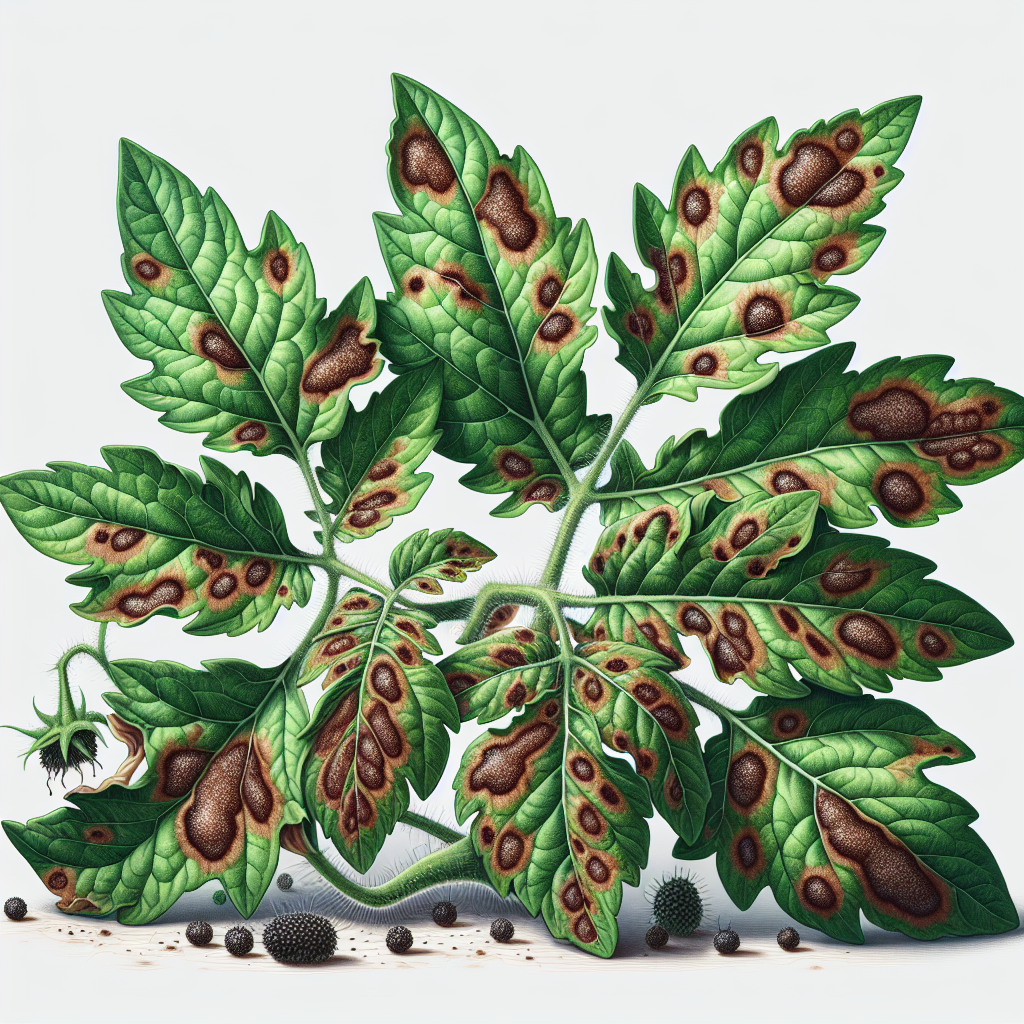
Introduction to leaf blotches
Leaf blotches represent a broad category of plant diseases characterized by irregular, discolored patches on foliage, often resulting from fungal pathogens thriving in moist environments. These symptoms compromise leaf function, stunting plant growth and slashing yields by up to 50% in severe cases. As a professional botanist and agricultural expert, I've seen leaf blotches devastate fields of tomato, potato, and wheat when environmental conditions favor spore germination. This definitive guide provides farmers with diagnostic tools, lifecycle insights, organic treatments, and prevention strategies to combat leaf blotches effectively. Understanding the nuances of these diseases is crucial for sustainable agriculture, especially in organic systems where chemical fungicides are off-limits.
Unlike pinpoint leaf spots, leaf blotches are larger (typically 1-5 cm), with diffuse margins and varied colors from tan to dark brown or black. They often coalesce, forming extensive blighted areas. Pathogens like Septoria, Alternaria, and Cercospora are primary culprits, entering through wounds or stomata. For more on related symptoms, see our detailed wiki on Septoria-type leaf blotches. Early intervention is key—scout fields weekly during wet seasons to catch outbreaks before they spread via wind or rain splash.
Identifying Symptoms & Damage
Accurate diagnosis starts with visual inspection. Leaf blotches appear as amorphous, irregularly shaped lesions, often starting on lower, older leaves. Colors range from light tan with yellow halos to dark purple-black centers with necrotic tissue. Tiny black fruiting bodies (pycnidia or acervuli) may dot the surface, releasing spores in humid conditions—use a 10x hand lens to confirm.
Damage escalates quickly: lesions expand, leaves yellow (chlorosis), curl, and drop prematurely, reducing photosynthetic capacity. In cucumbers, blotches lead to defoliation and sunscalded fruits; in soybeans, they trigger pod abortion. Yield losses average 20-40%, but can hit 70% in monocultures. Differentiate from powdery mildew (white powdery growth) or bacterial leaf spots (water-soaked, angular lesions). Wet lesions that ooze under humidity point to bacteria; dry, leathery blotches scream fungus. Conduct a "spore tape test": press clear tape on lesions, mount on slide, and examine under microscope for conidia.
Secondary signs include stunted growth, thinned canopies, and increased susceptibility to aphids or mites. In advanced stages, stems show cankers, mimicking anthracnose. Document with photos for tracking—apps like those in Why Misidentifying Plants Costs Small Farms Thousands can aid instant ID.
Lifecycle and Progression of leaf blotches
Fungal leaf blotch pathogens overwinter as dormant spores in crop debris, soil, or on weed hosts. Spring rains trigger germination, with spores splashing onto lower leaves via 1-2 feet of rain splash. Optimal infection occurs at 20-25°C (68-77°F) and leaf wetness >12 hours. Hyphae penetrate stomata or wounds, colonizing intercellular spaces over 3-7 days.
The polycyclic lifecycle repeats: acervuli produce conidia in 7-14 days, dispersing via wind/rain to new leaves. Multiple generations (5-10 per season) amplify epidemics. Progression: pinpoint spots → blotches (1 cm) → coalescence → defoliation (3-4 weeks post-infection). In rice, brown blotch fungus (Cochliobolus miyabeanus) peaks in monsoon, causing sheath blight crossover.
Temperature swings accelerate sporulation; drought-stressed plants are vulnerable entry points. Track via disease triangles: susceptible host + virulent pathogen + conducive environment. Lifecycle breaks at debris decomposition or resistant varieties.
Environmental Triggers & Risk Factors
High humidity (>85% RH), prolonged leaf wetness from overhead irrigation, and dense canopies are prime triggers. Warm nights (15-25°C) favor spore release; poor air circulation in crowded plantings traps moisture. Soilborne splash-up from residue multiplies risk—rotate crops to disrupt.
Risk factors include monocropping, excessive nitrogen (lush foliage), and wounding from thrips or hail. Acidic soils (pH <6) exacerbate in brassicas; compacted soils hinder drainage. Climate change intensifies outbreaks with erratic rains. In strawberry fields, morning dew + evening fog = perfect storm. Monitor with weather stations; thresholds: 10+ hours wetness at 18°C+.
Organic Control & Treatment Plans
Organic management integrates cultural, biological, and approved botanical controls. Step 1: Sanitation—remove infected debris post-harvest, till lightly to bury spores (90% reduction). Flame weed borders to kill overwintering sites.
Step 2: Cultural—space plants for airflow (e.g., 45 cm rows for tomatoes), prune lower leaves, mulch to suppress splash. Drip irrigate; time watering pre-noon.
Step 3: Biocontrols—apply Bacillus subtilis or Trichoderma viride (OMRI-listed) at 7-day intervals from first symptoms. Serenade (QST 713 strain) coats leaves, outcompeting pathogens (70-85% efficacy).
Step 4: Botanicals—neem oil (0.5%) + potassium bicarbonate sprays alternate weekly. Copper octanoate (low-metals) for bacterial overlap, max 4 apps/season. Baking soda (1 tbsp/gal + hort oil) raises pH, inhibits spores.
Integrated Plan: Scout weekly, apply at 5% incidence threshold. Rotate with non-hosts (e.g., onions after tomatoes). Test compost teas with compost extracts for microbiome boost. Efficacy: 60-80% with compliance. Avoid resistance via rotation.
Preventing leaf blotches in the Future
Prevention trumps cure: select resistant varieties like 'Mountain Merit' tomato or 'Defiant' potato. Scout early, using sticky traps for vectors. Crop rotation (3-4 years) starves soil inoculum; incorporate brassicas or grains.
Boost resilience with balanced fertility—avoid N excess; add Ca, K for cell strength. Cover crops like clover suppress via allelopathy. Timing: plant post-rainy spells, harvest before senescence. Mulch 5-10 cm straw reduces splash 80%. Monitor via disease models; hyper-local forecasts in Why 80% of Small Farms Battle Weather Disasters predict outbreaks.
Long-term: solarize soil (6 weeks summer, 50°C kills 95% spores). Beneficial microbes in drenches (e.g., mycorrhizae) prime defenses. Annual audits: residue-free fields cut risk 70%.
Crops Most Affected by leaf blotches
Leaf blotches plague solanaceae (tomato, potato, eggplant), cucurbits (squash, cucumber), legumes (soybeans, peas), and cereals (wheat, barley). In tomatoes, Septoria leaf blotch defoliates 30%; potatoes suffer Alternaria blotch in humid zones. Strawberry and lettuce show angular blotches; mango gets anthracnose blotches. Brassicas like cabbage battle Alternaria. Tropicals (banana) face Sigatoka blotches. Grains: rice brown blotch, corn gray leaf spot. Prioritize high-value crops; IPM scales across.