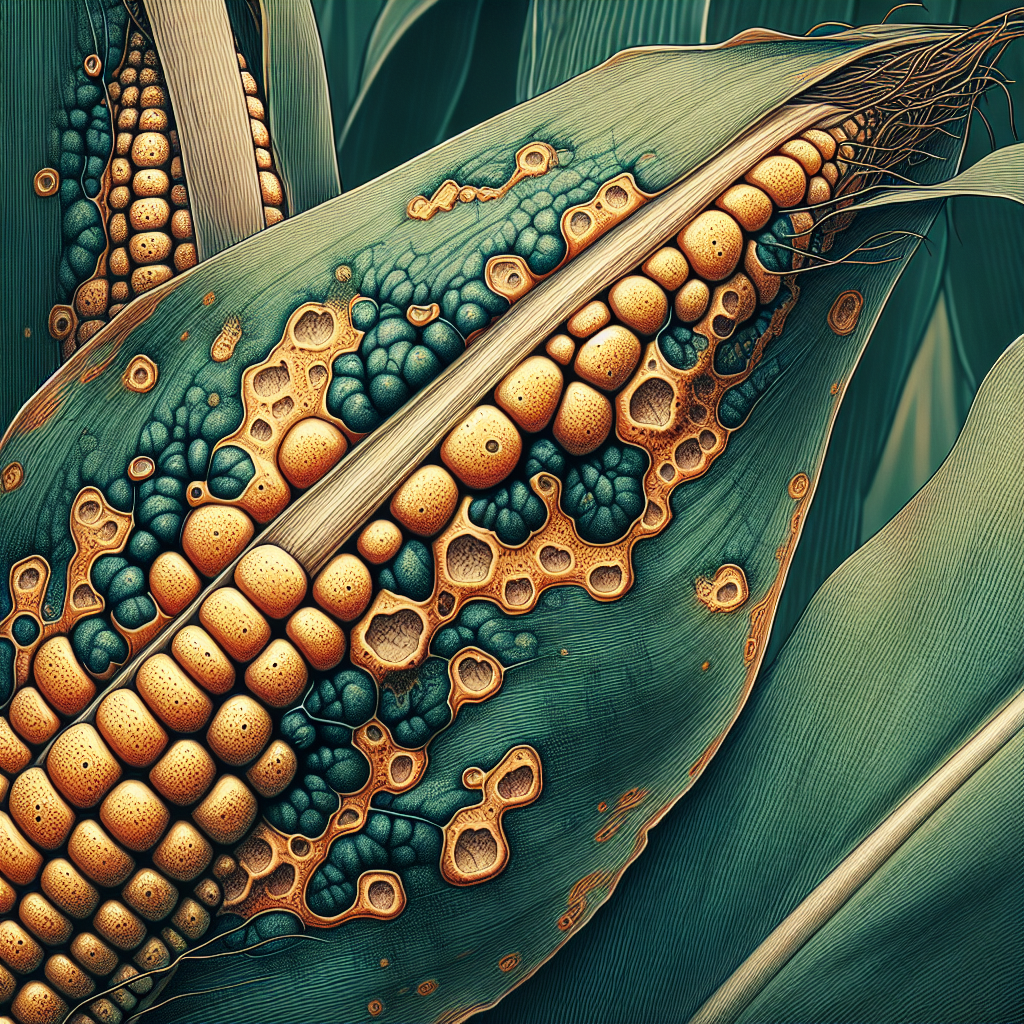
Introduction to Leaf blights
Leaf blights represent one of the most pervasive and destructive groups of plant diseases in modern agriculture, characterized by extensive necrosis and blighting of foliage. These diseases, primarily caused by fungal pathogens such as Alternaria, Septoria, and Exserohilum species, lead to rapid tissue death, defoliation, and significant yield reductions—often up to 50-70% in severe outbreaks. Unlike localized leaf spot diseases, leaf blights expand aggressively, forming large blighted areas that render leaves non-functional for photosynthesis.
Globally, leaf blights cost farmers billions annually, particularly in humid tropical and subtropical regions. For instance, Northern Corn Leaf Blight alone can devastate corn fields, while early blight plagues potato and tomato crops. This guide provides professional-grade diagnostic criteria, lifecycle insights, organic management strategies, and prevention tactics tailored for small to medium-scale farms. Understanding leaf blights empowers growers to implement timely interventions, safeguarding harvests and profitability. For more on optimizing farm disease management, check this insightful blog post on AI-powered plant identification.
Identifying Symptoms & Damage
Accurate diagnosis begins with recognizing hallmark symptoms of leaf blights, which distinguish them from similar issues like powdery mildew or bacterial leaf spots. Initial signs include small, water-soaked lesions on lower leaves, often appearing 7-14 days after infection. These lesions rapidly expand into tan to dark brown necrotic zones with irregular margins, sometimes featuring concentric rings or 'target spots'—a classic indicator of Alternaria blight.
As progression occurs, blighted areas coalesce, causing entire leaves to wilt, curl, and die, starting from the base of the plant and moving upward. In cereals like wheat or rice, lesions may show grayish-white centers with dark borders, accompanied by profuse sporulation under humid conditions. Damage manifests as premature defoliation, stunted growth, and reduced grain fill; in fruit crops such as apple, blights lead to shoot dieback and fruit spotting.
Secondary symptoms include chlorosis (yellowing) around lesions, mycelial growth in high humidity, and plant lodging due to weakened stems. Yield impacts are profound: in soybeans, severe blight can slash pod set by 40%, while in squash, it triggers vine collapse. Differentiate from armyworms or aphids by the absence of chewing damage or honeydew; lab confirmation via microscopy reveals banana-shaped conidia typical of many blight fungi. Early scouting—weekly patrols during wet seasons—is essential for containment.
Lifecycle and Progression of Leaf blights
Leaf blight pathogens follow a polycyclic lifecycle, enabling multiple infection cycles per season and explosive epidemics. Primary inoculum overwinters in crop debris, soil, or alternate hosts as mycelia, sclerotia, or spores. In spring, rain splash or wind disperses conidia to seedlings, germinating in 4-6 hours under optimal conditions (25-30°C, >90% humidity).
Penetration occurs via stomata or wounds, with incubation periods of 3-7 days before symptoms emerge. Lesions then produce secondary conidia, perpetuating spread via wind, rain, or overhead irrigation—capable of traveling kilometers. In corn, Northern Corn Leaf Blight progresses from V6 to tasseling stages, peaking during silking when humidity spikes. Favorable cycles repeat every 7-10 days, amplifying damage exponentially.
Progression varies by host: in potato, early blight starts on lower senescing leaves, girdling stems; in tomato, it mimics Septoria leaf spot but expands faster. Late-season infections reduce tuber quality via toxin production. Understanding this cycle underscores the need for debris management to disrupt overwintering.
Environmental Triggers & Risk Factors
Leaf blights flourish under specific microclimates: prolonged leaf wetness (>12 hours), temperatures 20-30°C, and high relative humidity (>85%). Overhead irrigation, dense canopies, and poor airflow exacerbate outbreaks by extending foliar moisture. Risk factors include susceptible varieties, excessive nitrogen fertilization promoting lush growth, and continuous monocropping without rotation.
Cool, wet springs followed by warm rains trigger epidemics, as seen in wheat Septoria blights. Soilborne phases, like Fusarium in residue, activate post-tillage. Compounding stressors—drought stress, nutrient imbalances, or prior root rot—weaken defenses, inviting blights. In tropical areas, rice blast-like blights surge during monsoon seasons. Mitigate by selecting resistant hybrids and monitoring weather forecasts.
Organic Control & Treatment Plans
Organic management integrates cultural, biological, and approved botanical controls for sustainable blight suppression. Cultural Practices: Remove and destroy infected debris immediately to eliminate inoculum; rotate crops with non-hosts like clover or peas for 2-3 years. Prune for airflow, avoiding overhead watering—drip irrigation reduces wetness by 70%.
Biological Controls: Apply Trichoderma spp. or Bacillus subtilis-based biopesticides (e.g., Serenade) at 7-10 day intervals pre-symptom onset; these antagonize pathogens via competition and antibiosis. Introduce beneficial microbes like Streptomyces lydicus for soil suppression.
Botanicals & Sprays: Neem oil (0.5-2%) or potassium bicarbonate (2-5 lbs/100 gal) disrupt spore germination—apply evenings to avoid phytotoxicity. Copper octanoate (organic-approved) at labeled rates provides protectant action, rotating with bicarbonates to prevent resistance. For tomato, Serenade + copper every 5-7 days during high risk.
Integrated Plan: Scout weekly; at first lesion, prune affected leaves and apply biopesticide. Follow with 3 sprays at 7-day intervals, monitoring efficacy. In corn, interplant with trap crops like sunflower. Success rates exceed 80% with timely execution, preserving beneficials unlike synthetics.
Preventing Leaf blights in the Future
Prevention hinges on resilience-building strategies. Select resistant varieties: corn hybrids with Vat genes resist multiple blights; wheat cultivars like 'Prospect' show tolerance. Implement 3-year rotations incorporating brassicas or legumes to starve soil inoculum.
Enhance soil health with cover crops (Thai basil as a biofumigant) and compost teas boosting systemic acquired resistance. Time planting to evade peak spore periods—delay soybeans sowing post-rain. Maintain 20-30% canopy gaps via spacing; mulching suppresses splash dispersal. Monitor with sticky traps for spore counts and weather apps for disease indices (e.g., BLITECAST for potato blight). Annual soil tests guide balanced nutrition, avoiding excess N. These proactive measures reduce incidence by 60-90%, ensuring long-term farm viability.
Crops Most Affected by Leaf blights
Leaf blights strike a wide array of crops, with cereals and solanaceous plants most vulnerable. Cereals: Corn (Northern Corn Leaf Blight), wheat (Septoria blotch), rice (brown spot), sorghum. Vegetables: Potato and tomato (early blight), eggplant, squash. Legumes: Soybeans (Cercospora blight). Fruits: Apple, grapes, banana (Sigatoka). Tropicals like mango and cassava also suffer. Regional hotspots include Midwest U.S. corn belts and Asian rice paddies.