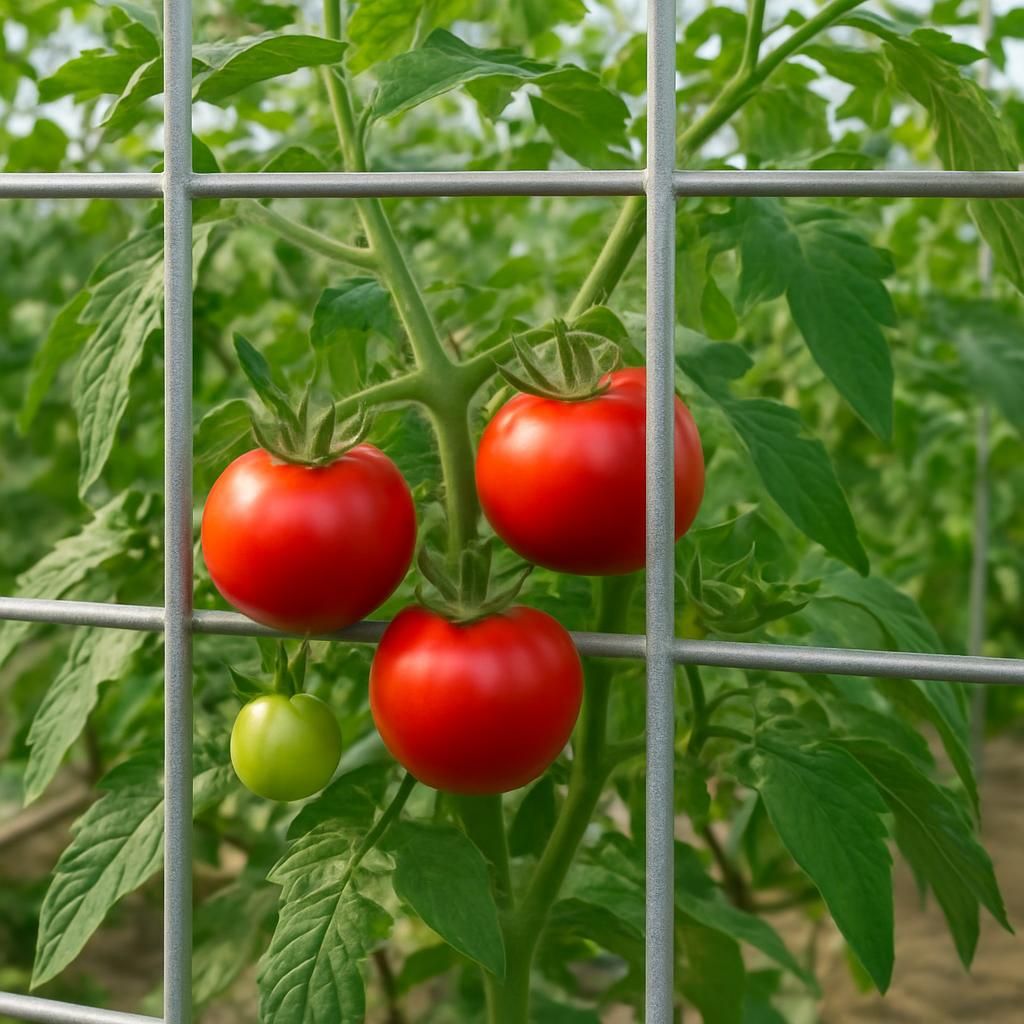
Lattice Systems in Modern Agriculture: A Professional Grower's Guide
Lattice structures provide essential vertical support for climbing crops while optimizing light interception, airflow, and space utilization. In commercial and intensive small-scale operations, well-designed lattice systems directly influence plant health, fruit quality, and overall profitability. This guide delivers practical, field-tested recommendations for selecting, installing, and maintaining lattice infrastructure across diverse cropping systems.
Understanding Lattice in Agricultural Contexts
Agricultural lattice consists of intersecting horizontal and vertical members forming a grid that plants can climb or be trained against. Unlike simple stakes or single-pole systems, lattice distributes weight evenly, reduces lodging, and creates microclimates that discourage foliar diseases. Common applications include tomatoes, cucumbers, beans, peas, melons, and certain berry crops. The structure may be freestanding, wall-mounted, or integrated into greenhouse frameworks.
Lattice design must account for crop weight at maturity, wind loads, irrigation access, and harvest pathways. Materials range from pressure-treated lumber and galvanized steel to UV-stabilized polypropylene netting and bamboo. Durability, cost per square meter, and compatibility with sanitation protocols are primary selection criteria.
Site Assessment and Planning
Before installation, evaluate soil bearing capacity, prevailing wind direction, and row orientation. North-south rows typically provide more uniform light distribution in the northern hemisphere. Allow adequate headlands for equipment and consider future expansion. Soil testing should confirm adequate drainage; waterlogged conditions accelerate wood decay and metal corrosion.
Material Selection and Specifications
| Material | Lifespan (years) | Load Capacity | Initial Cost | Maintenance | Best For |
|---|---|---|---|---|---|
| Pressure-treated pine | 8–12 | Medium | Low | Low | Tomatoes, beans |
| Galvanized steel | 15–25 | High | Medium | Very low | Cucumbers, melons |
| Bamboo | 3–6 | Low–Medium | Low | Medium | Low-budget or temporary |
| HDPE netting | 5–8 | Medium | Low | Low | Peas, lightweight vines |
| Aluminum | 20+ | High | High | Very low | Permanent greenhouse use |
Choose materials rated for outdoor exposure and compatible with your sanitation regime. Avoid creosote-treated wood near edible crops.
Crop-Specific Lattice Applications
Tomato Training Systems
Indeterminate Tomato varieties benefit from vertical lattice or Florida weave systems. Install 1.8–2.4 m posts every 3 m with 2–3 strands of 12–14 gauge wire or heavy twine. Prune to one or two leaders and secure stems every 20–25 cm. This configuration improves spray penetration and reduces Early blight incidence.
Cucumber and Melon Vertical Culture
Cucumbers trained on 1.5–2 m galvanized lattice produce straighter fruit and experience fewer Cucumber beetles. Space plants 30 cm apart in-row and tie main stems every 15 cm. For melons, reinforce the lattice with additional horizontal wires at 1.2 m and 1.8 m to support heavy fruit; use individual slings for fruit over 1 kg.
Legume Support
Pole beans and peas require 1.8–2.2 m lattice with 15 cm grid spacing. Peas climb readily on twine or netting, while Beans need stronger horizontal members. Rotate legumes with non-host crops to break Root rot complexes.
Installation Best Practices
- Set corner posts 60–90 cm deep and brace diagonally.
- Stretch a top wire or rail first, then install vertical and horizontal members.
- Maintain consistent grid spacing (typically 15–20 cm) to match crop growth habit.
- Anchor the base with ground staples or bury 30 cm of netting to deter animal damage.
- Test load capacity before planting by applying 1.5× expected mature weight.
Irrigation and Nutrition Integration
Lattice systems improve spray coverage but can create dry zones at the canopy top. Use drip irrigation with emitters spaced 20–30 cm apart. Fertigation schedules should be adjusted because vertical crops often show faster nutrient uptake. Monitor leaf tissue every two weeks during peak growth.
Pest and Disease Management
Elevated canopies reduce soil splash and certain Fusarium wilt risks. However, dense foliage on lattice can favor Spider mites and Powdery mildew. Scout weekly and maintain 30–40 cm between adjacent rows for airflow. Remove lower leaves once fruit set begins to improve light penetration.
Seasonal Maintenance and Longevity
Inspect lattice each winter for loose fasteners, cracked posts, or corroded wire. Replace damaged sections before spring planting. Store removable netting indoors during off-season to extend service life. Annual sanitation with 10% bleach or approved horticultural disinfectant prevents carryover of Verticillium wilt.
Economic Considerations
Initial investment for steel lattice averages $1.80–3.20 per linear meter installed. Wooden systems cost 30–40% less but require replacement every 8–10 years. Yield increases of 15–35% are common with vertical training, offsetting costs within two seasons for high-value crops such as greenhouse cucumbers or specialty tomatoes.
Troubleshooting Common Issues
- Sagging: Add mid-span supports or upgrade wire gauge.
- Plant breakage: Increase tying frequency and use soft ties.
- Shade competition: Orient lattice perpendicular to sun path or prune aggressively.
- Wind damage: Install windbreaks or use flexible netting that releases tension.
Conclusion
Lattice infrastructure is a foundational element of intensive vegetable production. By matching structure strength, material longevity, and crop requirements, growers achieve higher marketable yields with lower disease pressure. Regular inspection, proper sanitation, and integration with irrigation and fertility programs ensure lattice systems deliver consistent returns over multiple seasons.
For additional insights on optimizing small-farm infrastructure under changing weather patterns, see The Truth About Weather Patterns and Small Farm Resilience.