Introduction to Larch
Larch (Larix decidua) is a unique deciduous conifer that combines the rapid growth and straight bole of softwoods with the seasonal leaf drop of hardwoods. Native to the mountains of central Europe, it has been widely planted across temperate regions for high-quality timber, shelterbelts, and land reclamation. Unlike most conifers, larch drops its needles each autumn, producing a rich organic mulch that improves soil structure and nutrient cycling. Professional growers value larch for its straight grain, natural durability, and ability to sequester carbon at rates exceeding many evergreen species. This guide delivers practical, field-tested advice for establishing and managing productive larch stands.
Botanical Profile of Larch
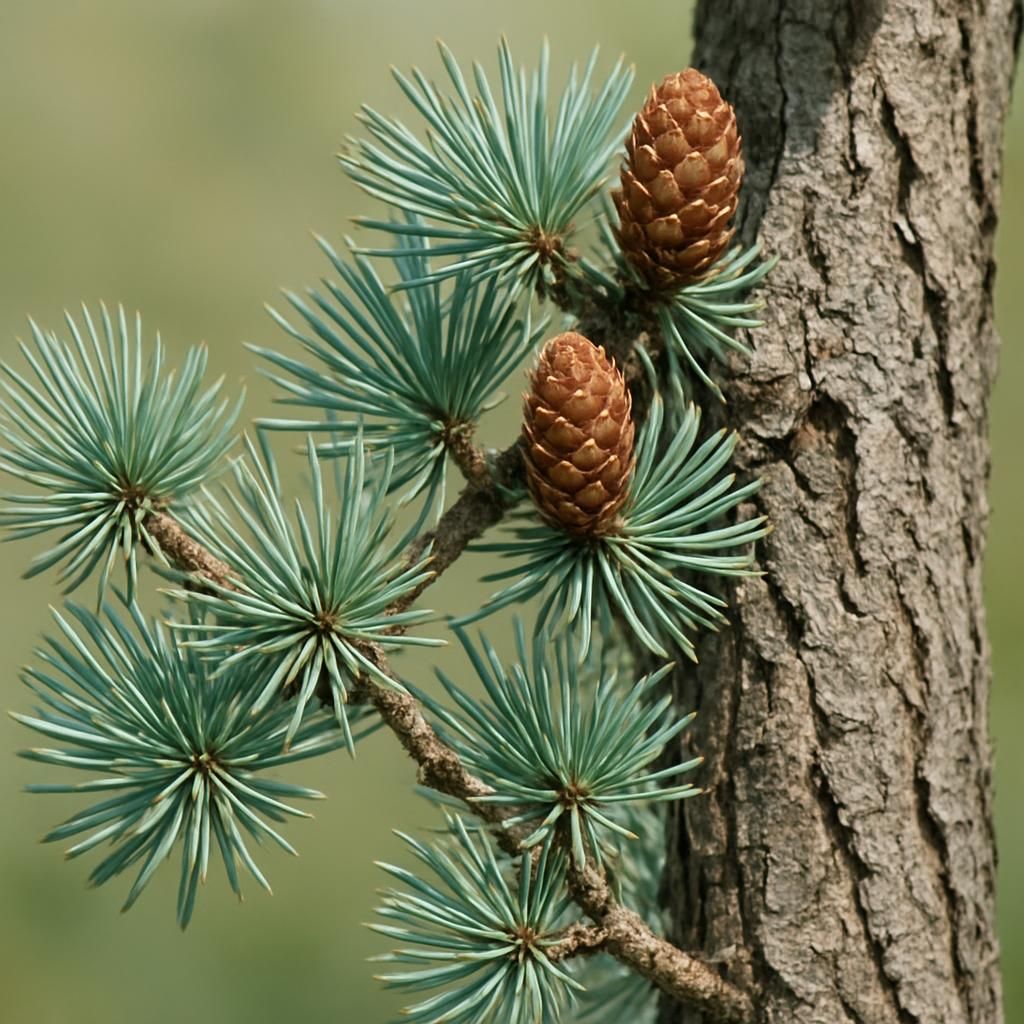
Larix decidua belongs to the Pinaceae family and is characterized by its pyramidal crown, soft blue-green needles arranged in whorls, and small, upright cones. Mature trees reach 25–45 m in height with diameters of 60–120 cm. The bark is gray-brown and fissured on older specimens. Larch is monoecious, producing separate male and female flowers on the same tree in spring. Female cones are 2–4 cm long, ripening from green to brown and releasing winged seeds in autumn. The species is known for its strong apical dominance and rapid juvenile growth, often exceeding 1 m per year under optimal conditions.
Soil, pH, and Climate Requirements for Larch
Larch performs best on deep, well-aerated soils with moderate fertility. It tolerates a range of textures provided drainage is excellent; heavy clays and waterlogged sites lead to root rot and poor form. Ideal pH ranges from slightly acidic to neutral.
| Parameter | Ideal Range | Notes |
|---|---|---|
| Soil Texture | Sandy loam to loam | Avoid compacted or poorly drained clays |
| Soil pH | 5.5 – 7.0 | Tolerates 5.0–7.5 with reduced vigor |
| Organic Matter | 3–6 % | Incorporate well-rotted compost at planting |
| Annual Rainfall | 600–1200 mm | Supplemental irrigation needed below 500 mm |
| Temperature Range | −30 °C to 25 °C | Young trees sensitive to late spring frost |
| Elevation | 200–1800 m | Performs well on north-facing slopes |
| Frost-Free Days | 120+ | Critical for cone development |
Step-by-Step Planting & Propagation
- Site Selection: Choose open, sunny locations with protection from strong winds during the first three years. Avoid frost pockets.
- Soil Preparation: Conduct a soil test and correct deficiencies. Rip or subsoil compacted areas to 40 cm depth.
- Propagation: Use 2-year-old bare-root or container-grown seedlings from certified seed orchards. Sow stratified seed in spring at 1–2 cm depth in well-drained nursery beds.
- Spacing: Plant at 2.5 m × 2.5 m (1600 stems/ha) for timber or 3 m × 3 m for agroforestry systems.
- Planting Window: Early spring (March–April) or autumn (October–November) when soils are moist but not saturated.
- Planting Technique: Dig holes twice the root-ball width, set trees at original soil depth, backfill, and firm gently. Apply 5–8 cm of organic mulch in a 1 m ring, keeping mulch away from the stem.
Care & Maintenance regimes for Larch
Consistent early care ensures straight boles and high timber value. Focus on weed control, moisture management, and form pruning during the first decade.
| Task | Frequency / Timing | Details |
|---|---|---|
| Watering | First 2 summers: 20–30 L/week | Deep soak every 7–10 days during dry spells; reduce after year 3 |
| Fertilizer | Year 1–3: 50 g NPK 10-10-10/tree | Apply in early spring; avoid high-nitrogen after year 5 |
| Pruning | Formative: years 3–8 | Remove double leaders and lower branches up to 2 m; final lift to 6 m |
| Weed Control | Years 1–4 | Maintain 1 m weed-free zone; use fabric or organic mulch |
| Thinning | First thin at 15–20 years | Reduce to 600–800 stems/ha; favor straight, dominant trees |
Pests, Diseases & Organic Management
Larch is generally robust but can be affected by several insects and pathogens. Monitor regularly and apply integrated strategies.
Common pests include Aphids and Larch casebearer (new link required). Diseases of concern are Phytophthora root rot on poorly drained sites and needle cast caused by Meria laricis (new link required). Organic controls emphasize cultural practices: improve drainage, avoid overhead irrigation, and remove infected needles in autumn. Beneficial insects and neem-based sprays provide effective aphid suppression. For casebearer outbreaks, apply Bacillus thuringiensis (Bt) during larval hatch.
Harvesting, Curing & Optimal Storage
Timber harvest typically occurs at 40–60 years when mean diameter reaches 40–50 cm. Selectively fell during winter to minimize sap stain. Limb and buck logs on-site, then transport to a covered yard within 48 hours. Air-dry lumber stacked with 2 cm stickers for 12–18 months to reach 12–15 % moisture content. Kiln drying at 60–70 °C for 5–7 days accelerates the process for high-value joinery grades. Store finished timber indoors on pallets with good airflow to prevent fungal staining.
Companion Planting for Larch
Larch integrates well with nitrogen-fixing species that improve soil fertility and biodiversity. Underplant with Clover or Hairy vetch during the first 10 years to supply 60–100 kg N/ha. Interplant rows with Blackcurrant (new link required) or Elderberry for additional income and pollinator support. Avoid planting larch near shallow-rooted crops that compete for surface moisture. In mixed stands, pair with European Beech (new link required) or Douglas Fir (new link required) on suitable sites to create resilient, multi-layered forests.
Larch remains one of the most versatile and sustainable timber species for temperate agroforestry. With proper site selection, early maintenance, and integrated pest management, growers can expect high-quality logs and long-term environmental benefits.