Introduction to Imported currant worm
The imported currant worm, scientifically known as Nematus ribesii, is one of the most notorious pests affecting currant and gooseberry growers across North America. First introduced from Europe in the late 19th century, this sawfly larva has become a persistent problem in home gardens, small farms, and commercial berry operations. Unlike true worms or caterpillars, these are the slug-like larvae of a small, black sawfly that emerge in spring to ravage tender foliage.
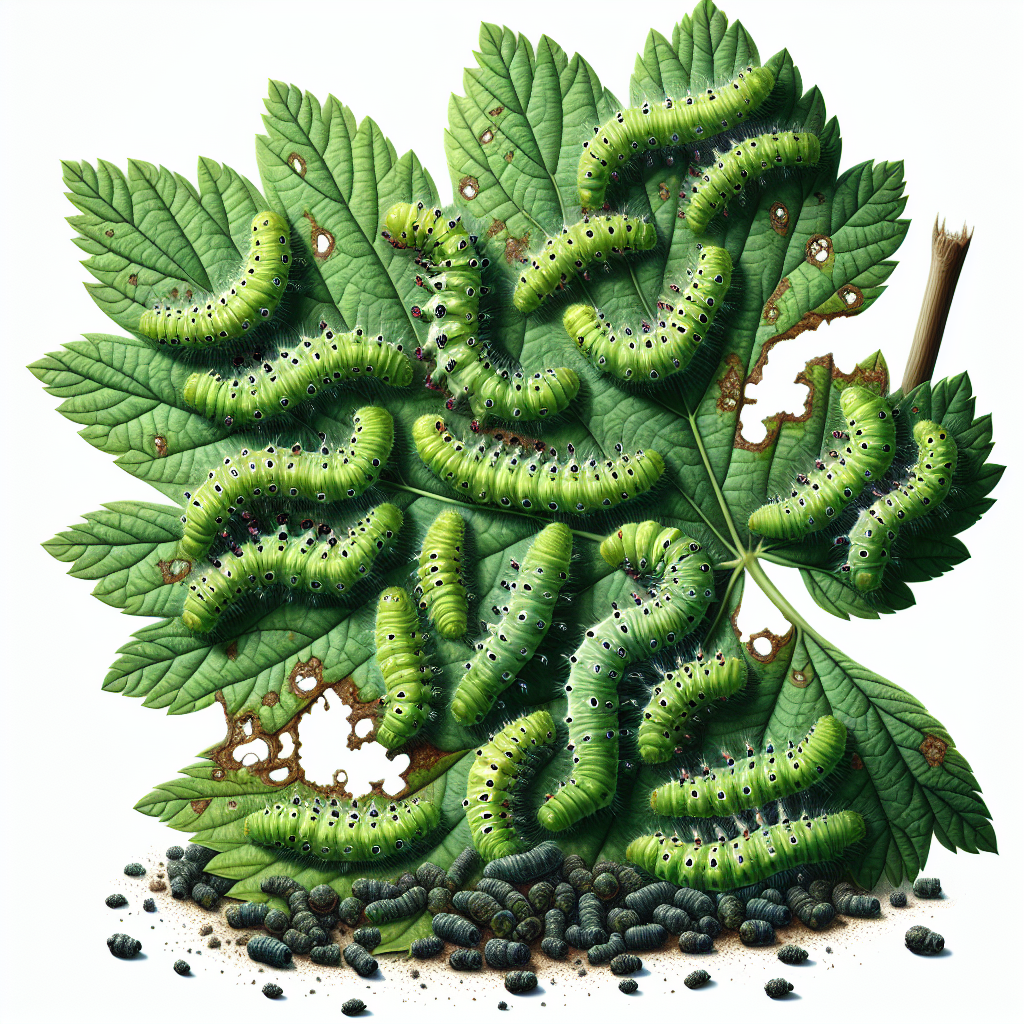
Adult sawflies are inconspicuous, measuring about 1/4 to 1/2 inch long with a shiny black body, reddish legs, and transparent wings. However, the damage is caused by their larvae, which can reach up to 3/4 inch in length, featuring a velvety green body with black spots and a dark head. A single infestation can defoliate entire bushes within 3-5 days, severely weakening plants and drastically reducing fruit yields. In severe cases, repeated attacks can kill established bushes or stunt young plants, leading to economic losses for growers.
This guide provides professional-grade diagnostic tools, lifecycle insights, organic management strategies, and prevention tactics optimized for small-scale and commercial currant production. Early detection is key—scout bushes weekly from bud break through fruit set. With integrated pest management (IPM), growers can protect yields while minimizing chemical use. For more on companion planting strategies that naturally deter such pests, check out Why Companion Planting Feels Like Guesswork for Small Farms - And How AI Makes It Foolproof. Understanding this pest's behavior empowers sustainable control, preserving the nutritional bounty of red currant, black currant, and gooseberry (Pixwell) crops.
Identifying Symptoms & Damage
Spotting imported currant worm damage early prevents total defoliation. Initial signs appear on lower leaves as irregular holes and skeletonization, where larvae chew leaf tissue between veins, leaving a lacy appearance. Heavily infested leaves turn brown and drop prematurely, often revealing bare stems by mid-spring.
Key diagnostic features include:
- Larval Presence: Green, humpbacked caterpillars (not true caterpillars) clustered on undersides of leaves, up to 20 per leaf. They drop silk threads when disturbed, hanging like spiders before repelling.
- Fecal Pellets: Small, round black frass (poop) accumulates under bushes, a telltale sign distinguishing them from caterpillars.
- Feeding Pattern: Larvae start at the base of bushes, moving upward. Unlike aphids, they cause rapid, visible defoliation rather than curling or honeydew.
- Secondary Damage: Defoliated plants become susceptible to powdery mildew and sunscald on fruit clusters.
To confirm infestation, shake branches over white paper—larvae will drop and be visible. Differentiate from currant sawfly larvae, which are similar but emerge later and lack black spots. Use a 10x hand lens to inspect for the characteristic thoracic legs and prolegs. In advanced stages, bushes appear stripped, with only leaf veins remaining, mimicking herbicide drift or leaf spot diseases.
Yield impacts are severe: a single generation can remove 80-100% of foliage, halving fruit production. On young plants, this triggers dieback. Photograph suspect damage for records and consult local extension services for verification.
Lifecycle and Progression of Imported currant worm
N. ribesii completes 2-3 generations per year in temperate climates, syncing perfectly with currant bud break. Understanding this cycle is crucial for timing interventions.
- Overwintering: Larvae pupate in brown cocoons just under soil or mulch around host plants, surviving winter.
- Adult Emergence (Early Spring): Sawflies emerge at bud swell (April-May), coinciding with 50% bloom of forsythia. Females insert eggs in leaf slits, laying 20-30 per cluster.
- Larval Stage (1-3 Weeks): Eggs hatch in 7-10 days into tiny larvae that feed gregariously. They skeletonize leaves for 2-3 weeks, then drop to pupate.
- Pupa to Adult: Cocoons form in soil; adults emerge for second generation in June-July.
- Second/Third Generations: Repeat cycle, with later broods targeting fruiting wood. By late summer, larvae pupate for overwintering.
Peak damage occurs 2-3 weeks after bud break, with second wave at petal fall. In warmer regions like the Pacific Northwest, a third generation extends pressure into August. Monitor with sticky traps or degree-day models (base 50°F, 400-600 DD for first emergence). This lifecycle overlaps with gooseberry sawfly, amplifying defoliation risks on mixed plantings.
Environmental Triggers & Risk Factors
Imported currant worms thrive in moist, mild springs (50-75°F) with high humidity, favoring egg hatch and larval survival. Over-fertilized bushes with lush, nitrogen-rich foliage attract egg-laying females. Poor air circulation in dense plantings exacerbates outbreaks, as larvae prefer shaded undersides.
Risk factors include:
- Proximity to Wild Hosts: Infestations spread from feral currants or elderberry (American).
- Weed Cover: Tall weeds shield pupae from tillage.
- Climate: Rainy springs boost survival; drought suppresses populations.
- Monoculture: Continuous currant plantings without breaks invite buildup.
Susceptible varieties like 'Red Lake' currant show higher damage than resistant 'Consort' black currant. New transplants are vulnerable due to tender growth. Avoid planting near raspberry rows, as shared predators like birds can vector adults.
Organic Control & Treatment Plans
IPM emphasizes organic methods for sustainable control. Start with scouting: inspect 10 leaves per bush weekly.
Cultural Controls:
- Handpick clusters of larvae into soapy water (effective for <20% infestation).
- Till soil in fall/spring to expose pupae to predators.
- Mulch with coarse materials to deter pupation.
Biological Controls:
- BT (Bacillus thuringiensis var. kurstaki): Apply at first larvae (OMRI-listed, targets sawfly larvae specifically). Spray evenings, reapply after rain (2-3x, 7-day intervals).
- Neem Oil/Azadirachtin: Disrupts molting; mix 1-2% solution with insecticidal soap.
- Predatory Wasps/Spiders: Encourage with flowering borders.
Organic Sprays:
| Product | Rate | Timing | Notes |
|---|---|---|---|
| BT kurstaki | 1 tsp/gal | Egg hatch - small larvae | 4-hour REI, safe for bees |
| Neem oil | 2 tbsp/gal | Early instars | Add surfactant, test small area |
| Spinosad (OMRI) | 2 oz/gal | Larvae <1/2 inch | 4-hour REI, broad-spectrum |
| Pyrethrin | 1 oz/gal | Last resort | Kills beneficials |
For heavy infestations, combine BT + neem. Avoid broad-spectrum sprays to preserve ladybugs and parasitic wasps. Monitor efficacy by rechecking leaves 3-5 days post-treatment. For spring pest strategies, see Spring Pest Patrol: Organic AI Strategies to Shield Your Crops from Common Invaders. Rotate modes of action to prevent resistance.
Preventing Imported currant worm in the Future
Long-term prevention focuses on breaking the lifecycle:
- Resistant Varieties: Plant 'Consort' black currant or 'Hinnonmaki Red'—less preferred by females.
- Sanitation: Remove wild currants within 1/2 mile; destroy debris.
- Timing: Delay planting until after first generation passes.
- Trap Crops: Interplant with less-preferred clover or mustard.
- Row Covers: Use fine mesh from bud break to petal fall on small plantings.
- Fall Cleanup: Rake/mulch to bury pupae; solarize soil if feasible.
Encourage natural enemies: birds (e.g., chickadees) devour larvae; plant yarrow for parasitic wasps. Annual monitoring with pheromone traps predicts outbreaks. Integrate with broader IPM for currant clearwing borer and american gooseberry mildew.
Crops Most Affected by Imported currant worm
Primarily attacks Ribes species:
- Currants: Red (red currant), black (black currant), white (white currant)—universal hosts.
- Gooseberries: European and American types (gooseberry (Pixwell)).
Occasional damage on elderberry (American). Not a pest of strawberry, raspberry, or blackberry, but monitor borders. Commercial impact hits U.S. Pacific Northwest and Northeast berry regions hardest, with home gardens suffering most due to lack of scouting.