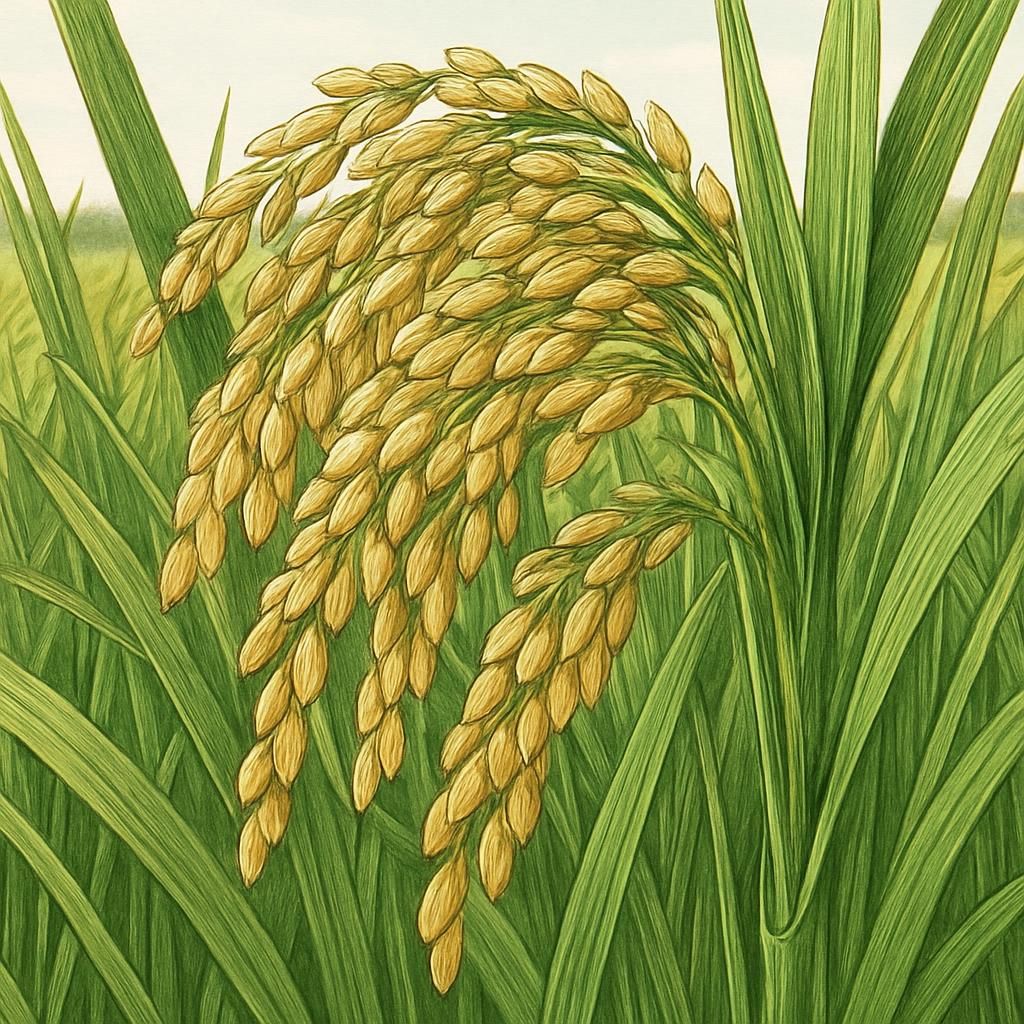
Introduction to Illabong Rice
Illabong Rice is a notably robust variant of Rice, esteemed for its adaptability to a range of climatic conditions and its ability to yield high-quality grains. This variety is often grown in wetland conditions, making it particularly suited to regions with access to abundant water resources. As a staple crop, understanding the growing requirements of Illabong Rice can significantly enhance yields and provide food security.
Botanical Profile of Illabong Rice
Belonging to the botanical species Oryza sativa, Illabong Rice is a member of the Poaceae family. It is an annual grass that grows between 60 to 120 centimeters in height, characterized by its erect stalks and long, slender leaves. The grains are small, round, and typically pearl-white when hulled, making them a versatile choice for various culinary uses.
Soil, pH, and Climate Requirements for Illabong Rice
For optimal growth, Illabong Rice requires specific soil, pH, and climate conditions. Here is a structured table to summarize the ideal conditions:
| Parameter | Ideal Condition |
|---|---|
| Soil Type | Clay-loam, well-drained, with high water retention |
| Soil pH | 5.5 to 7.0 |
| Temperature | 20°C to 35°C (68°F to 95°F) |
| Rainfall | 800 mm to 1200 mm annually |
Illabong Rice thrives in tropical and subtropical regions, reflecting its need for warm temperatures and adequate rainfall. Its robustness allows it to endure short periods of drought, although consistent water supply is preferred.
Step-by-Step Planting & Propagation
Site Selection: Choose a location with full sun exposure and access to consistent water supply. Fields should be leveled to facilitate even water distribution.
Soil Preparation: Plough the field and incorporate organic matter to improve soil fertility. Fields should be flooded one to two weeks before transplanting to create a suitable environment for seedlings.
Seed Selection and Treatment: Use certified Illabong Rice seeds. To prevent disease, seeds can be soaked in warm water mixed with a fungicide.
Transplanting: Seedlings typically reach the transplanting stage within 20-25 days. Space seedlings 20 cm apart to ensure sufficient nutrient availability and ease of management.
Water Management: Maintain a layer of water about 5 cm deep on the field. This helps suppress weeds and provides a suitable growth environment.
Care & Maintenance Regimes for Illabong Rice
Structured care schedules help ensure optimal growth. Refer to the table below for a maintenance regime:
| Care Aspect | Schedule/Notes |
|---|---|
| Watering | Constantly flooded with 5 cm water depth |
| Fertilizer | N-P-K 4-1-2 ratio fertilizer at planting, mid-tillering, and panicle initiation |
| Weeding | Manual or chemical control every 2-4 weeks. Weed management is crucial in the early stages for reducing competition. |
Pests, Diseases & Organic Management
Common pests for Illabong Rice include Spider Mites and Armyworms. Effective management involves promoting natural predators and using neem oil or soap solutions for mite control. Diseases like Blast and Leaf Spot Diseases can be managed organically through the use of resistant varieties and maintaining field hygiene by removing infected plant debris.
More insights on pest management can be found in 7 Summer Pest Traps That Sabotage Small Farm Harvests.
Harvesting, Curing & Optimal Storage
Illabong Rice reaches maturity about 90-120 days after planting. Signs of maturity include a change in grain color from green to golden. Harvest by cutting stalks close to the ground, and allow drying in the field for 2-3 days. The grains are then threshed, dehusked, and stored in cool, dry conditions to prevent mold.
Companion Planting for Illabong Rice
Certain plants can enhance the growth and health of Illabong Rice. Beneficial companion plants include Cherry Tomato and Lemon, which can help deter pests naturally. However, they must be planted with care to ensure that the water requirements for rice do not negatively impact the growth of these plants.
More strategies for achieving companion planting success can be explored in Summer Companion Planting: 10 Organic Pairings to Boost Small Farm Resilience.