Introduction to Hungarian Wax Pepper
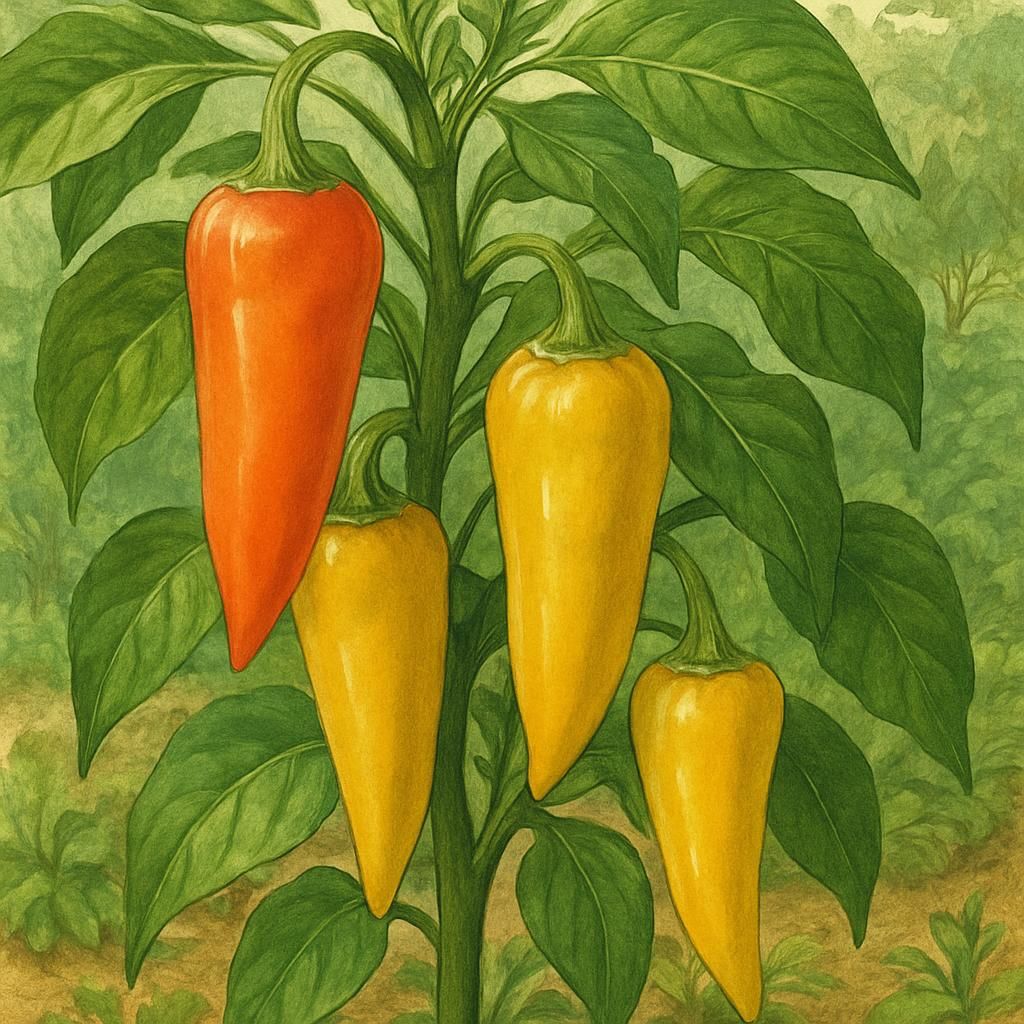
The Hungarian Wax Pepper is a versatile and vibrant member of the Chili Pepper family, known for its distinctive waxy yellow appearance which turns to red as it matures. Originating from Hungary, this pepper is celebrated for its tangy flavor with medium heat, making it an ideal choice for pickling, grilling, and enhancing a wide array of culinary dishes.
Botanical Profile of Hungarian Wax Pepper
Belonging to the Solanaceae family, the Hungarian Wax Pepper's botanical name is Capsicum annuum 'Hungarian Wax'. This annual plant is distinguished by its smooth, slender fruits and characteristic waxy look. It grows to about 24 to 36 inches in height with a sprawling habit that can cover a substantial area, making it excellent for garden borders or container growth.
Soil, pH, and Climate Requirements for Hungarian Wax Pepper
To optimize growth, Hungarian Wax Peppers require well-drained, fertile soil with a suitable pH level and warm growing conditions.
| Requirement | Ideal Condition |
|---|---|
| Soil pH | 6.0 - 7.0 |
| Soil type | Sandy loam |
| Temperature | 70-85°F (21-29°C) |
| Sun exposure | Full sun |
This plant thrives in warm, temperate climates and should be planted in locations receiving at least 6-8 hours of direct sunlight daily.
Step-by-Step Planting & Propagation
Seed Selection: Purchase high-quality seeds from reputable suppliers to ensure vigorous plants.
Indoor Sowing: Start seeds indoors 8-10 weeks before the last expected frost. Use a well-draining seed-starting mix and sow seeds about 1/4 inch deep.
Temperature and Light: Maintain a warm environment, ideally around 80°F, and provide grow lights if necessary to ensure seedlings receive adequate lighting.
Transplanting: Once seedlings have at least 4 true leaves and the threat of frost has passed, harden them off for a week to acclimate outdoors.
Planting Outdoors: Space plants 18 to 24 inches apart in prepared garden beds or spacious containers.
Mulching: Apply organic mulch to retain moisture and prevent weed growth.
Care & Maintenance Regimes for Hungarian Wax Pepper
Proper care ensures maximum yield and healthy development of your Hungarian Wax Peppers.
| Activity | Frequency |
|---|---|
| Watering | 1-2 inches per week |
| Fertilizing | Every 4-6 weeks |
| Pruning | As needed to shape |
Water deeply to ensure the soil remains slightly moist but not waterlogged. Fertilize using a balanced, slow-release formula during active growth phases. Prune only to maintain shape and remove any damaged leaves.
Pests, Diseases & Organic Management
Hungarian Wax Peppers are susceptible to several pests and diseases:
- Spider Mites: To tackle infestations, introduce predatory insects or apply organic neem oil sprays.
- Aphids and Hornworms: Regularly inspect plants and apply insecticidal soap if these pests appear.
- Blight Diseases: Ensure proper air circulation and avoid overhead watering to prevent fungal infections.
For more insights into organic solutions, read 7 Summer Pest Traps That Sabotage Small Farm Harvests.
Harvesting, Curing & Optimal Storage
Harvesting typically begins about 70-80 days after planting when peppers reach their full size and exhibit a bright yellow color. For a sweeter taste, wait until they turn red.
- Curing: Allow harvested peppers to cure in a sunny area to fully develop their color and flavor before consumption.
- Storage: Fresh peppers can be refrigerated for up to two weeks or pickled for extended preservation.
Companion Planting for Hungarian Wax Pepper
Effective companion plants can deter pests and improve growth: Basil and Tomatoes are exceptional companions that help in nutrient exchange and pest protection.
Discover how to enhance small farm resilience with strategic plant pairings by visiting our guide on Summer Companion Planting: 10 Organic Pairings to Boost Small Farm Resilience.