Encyclopedia
Definitive guides for crops, pests, and agricultural diseases.

Golden Kiwi
Golden kiwi is a premium kiwifruit type valued for its smooth to lightly fuzzy bronze skin, golden flesh, low acidity, and tropical sweetness. Compared with the more familiar green kiwifruit, it is often more cold-sensitive, more demanding of site selection, and more prone to spring frost injury, but it can be exceptionally productive and profitable when grown on a well-managed trellis system.
View Guide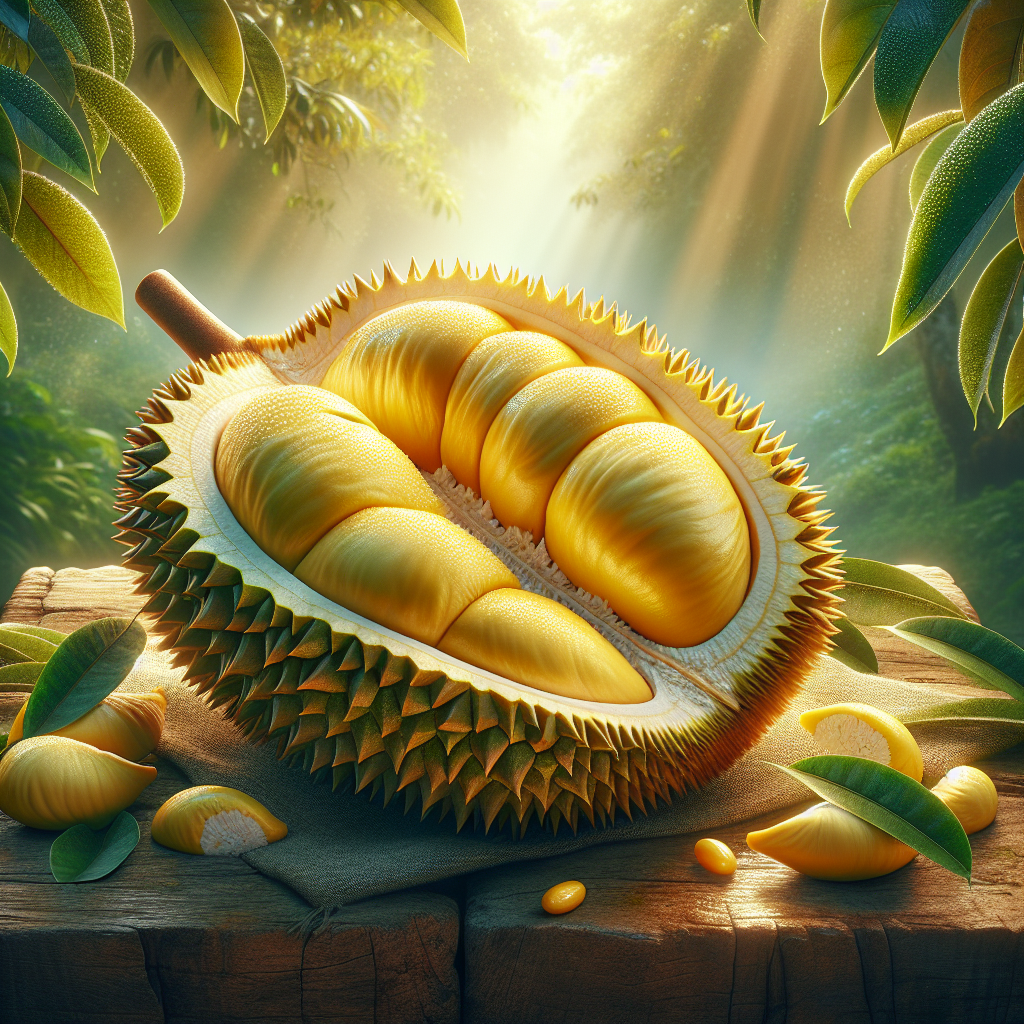
Golden Phoenix Durian
Golden Phoenix Durian is a premium cultivar of the iconic tropical fruit tree, celebrated for its vibrant golden-yellow rind, exceptionally sweet and creamy pulp with almond-like notes, and compact growth suitable for smaller orchards. This guide delivers expert cultivation techniques from propagation to harvest, tailored for optimal yields in humid tropical climates. Unlock the secrets to growing this high-value crop with professional precision.
View Guide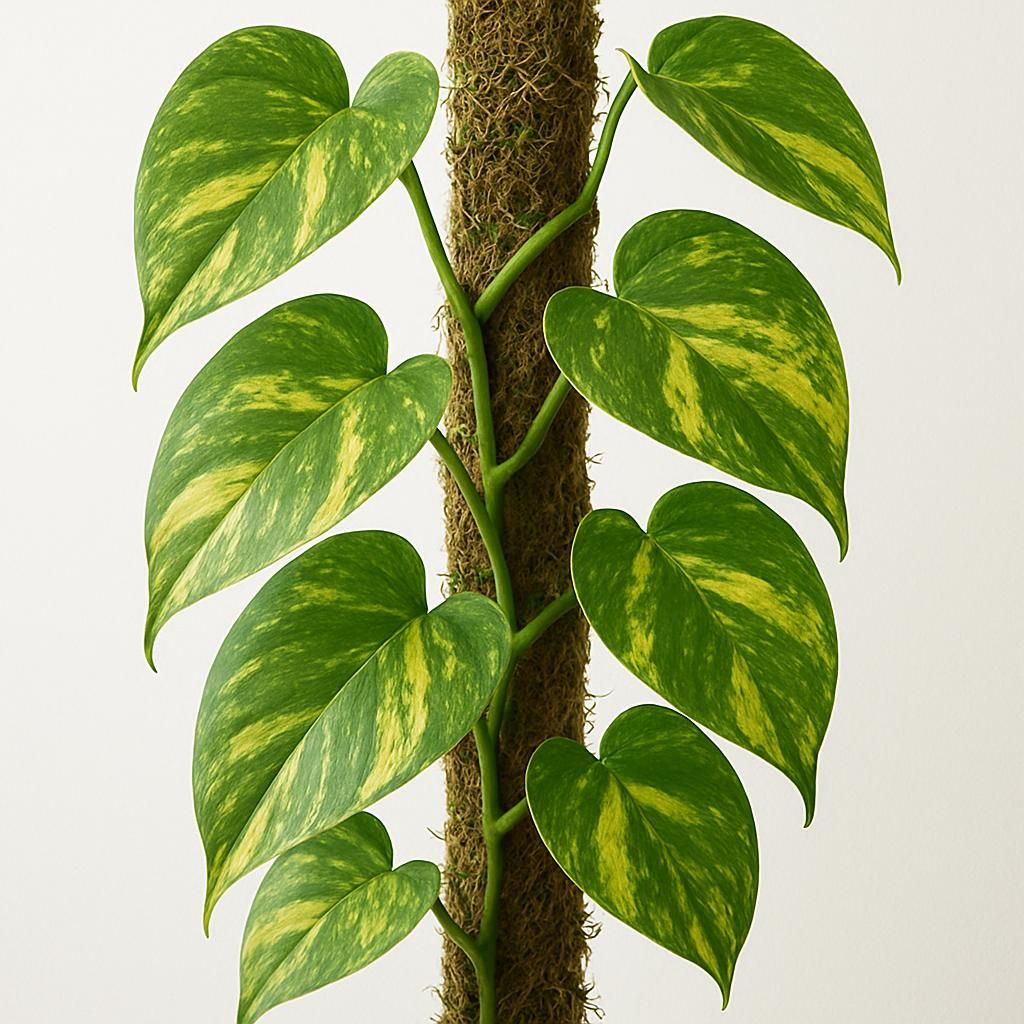
Golden Pothos
Golden Pothos is a resilient tropical vine valued for its striking variegated foliage and exceptional ease of cultivation in both indoor and controlled agricultural settings. This guide delivers professional-grade, actionable advice on soil, propagation, care schedules, and organic pest management to maximize plant health and longevity.
View Guide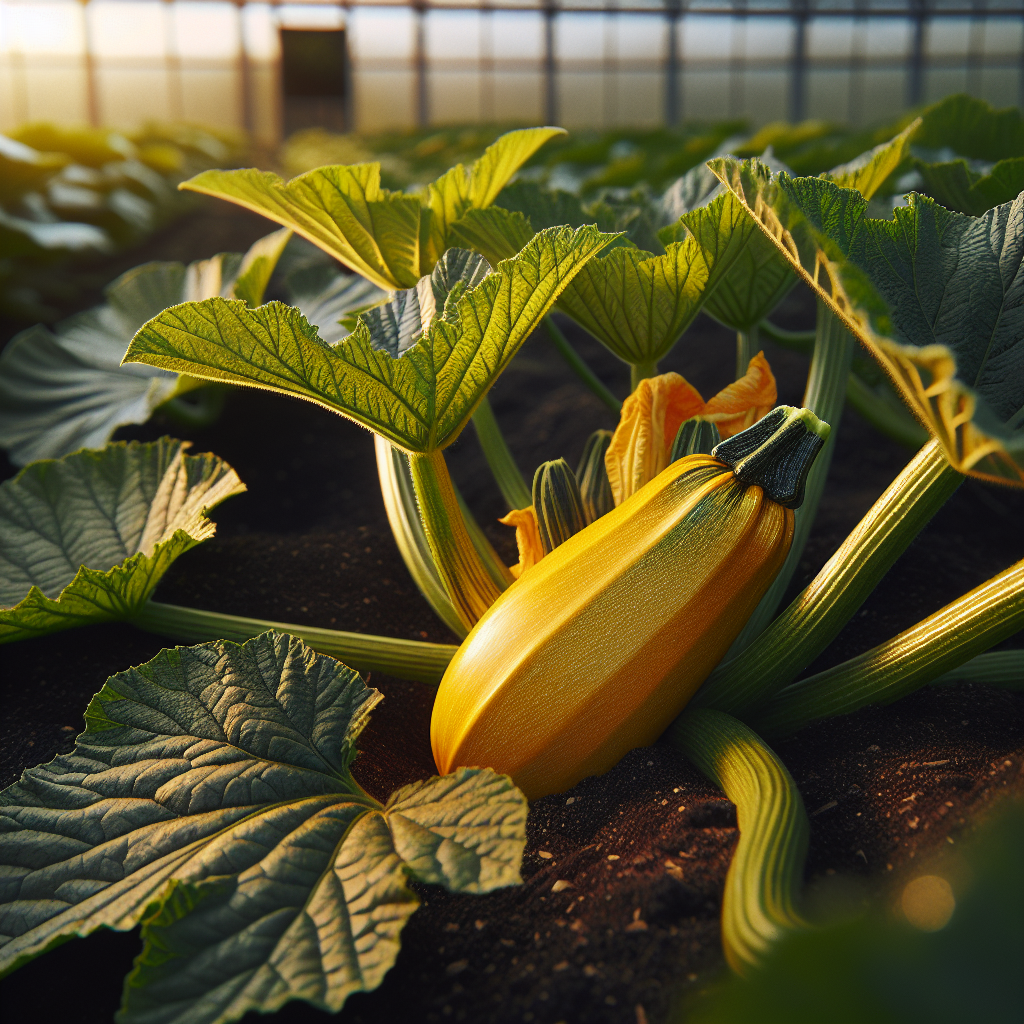
Golden Zucchini
Golden zucchini is a warm-season summer squash prized for its bright yellow skin, mild flavor, and fast, heavy production. It grows similarly to green zucchini but benefits from close attention to pollination, moisture consistency, and harvest timing to maintain tender, high-quality fruit.
View Guide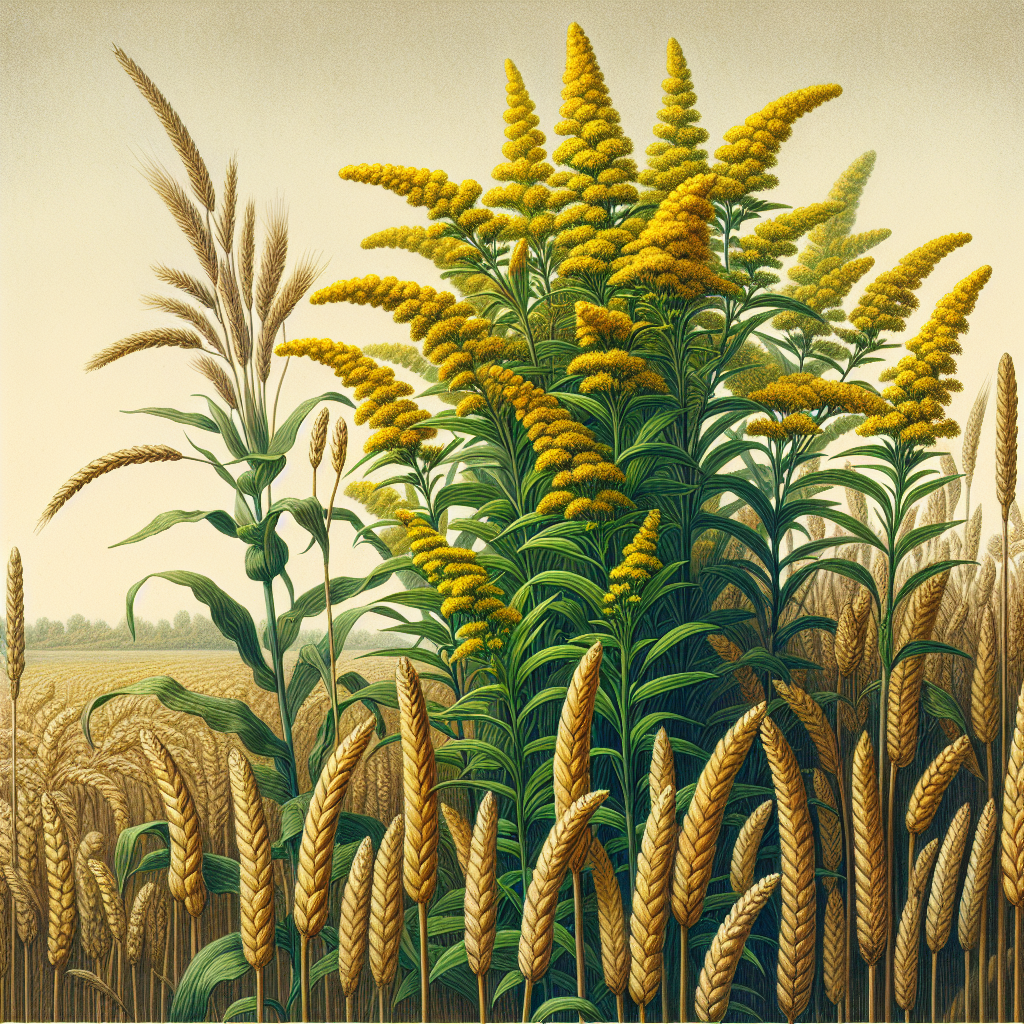
Goldenrod
Goldenrod (Solidago spp.) is a vigorous perennial weed that aggressively invades agricultural fields, pastures, and orchards, outcompeting crops for vital resources like sunlight, water, and nutrients. Its rapid spread via rhizomes and seeds makes it a persistent challenge for farmers, reducing yields in grain and forage crops. This guide provides definitive diagnostics, lifecycle insights, and proven organic management strategies to reclaim your fields.
View Guide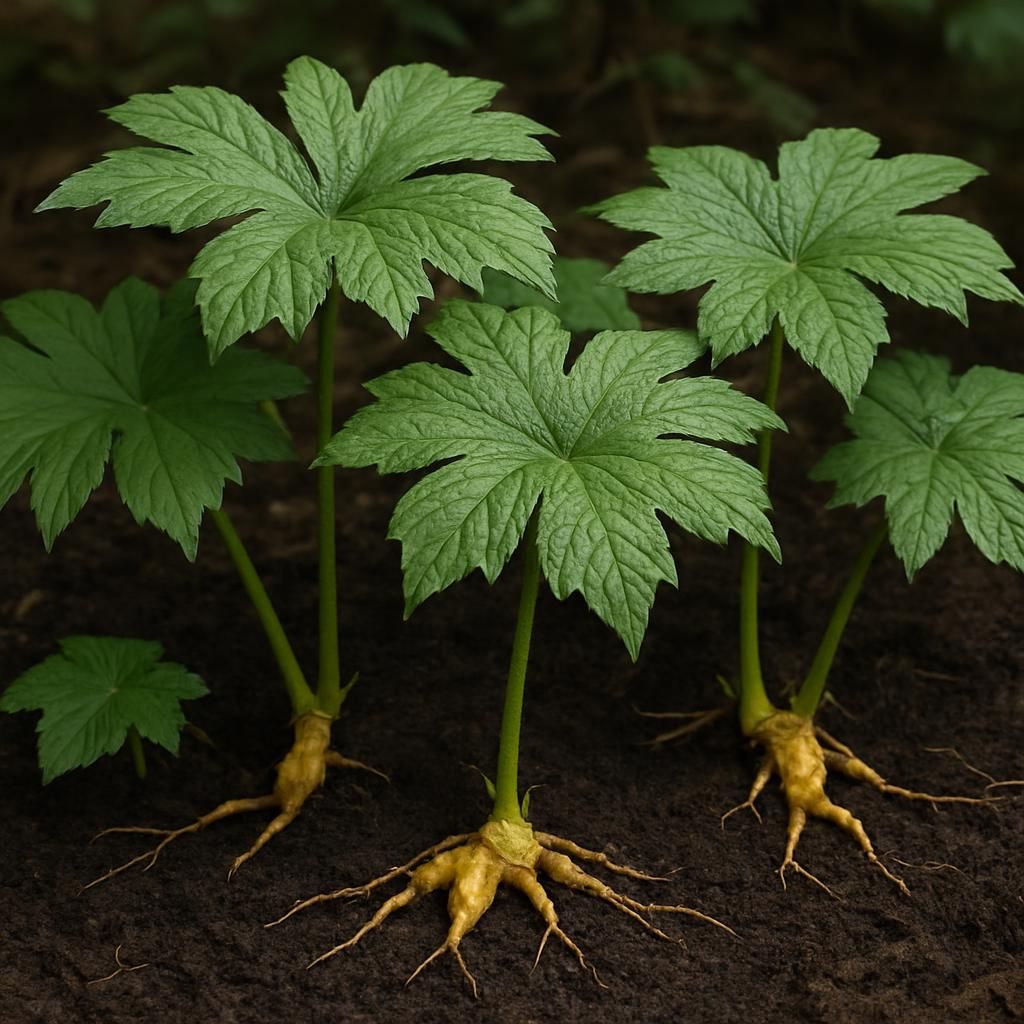
Goldenseal
Goldenseal is a slow-growing woodland perennial prized for its medicinal rhizomes and roots, thriving in rich, moist, shaded forest environments across eastern North America. This definitive growing guide covers every stage from site selection and propagation to harvest, curing, and storage for sustainable production.
View Guide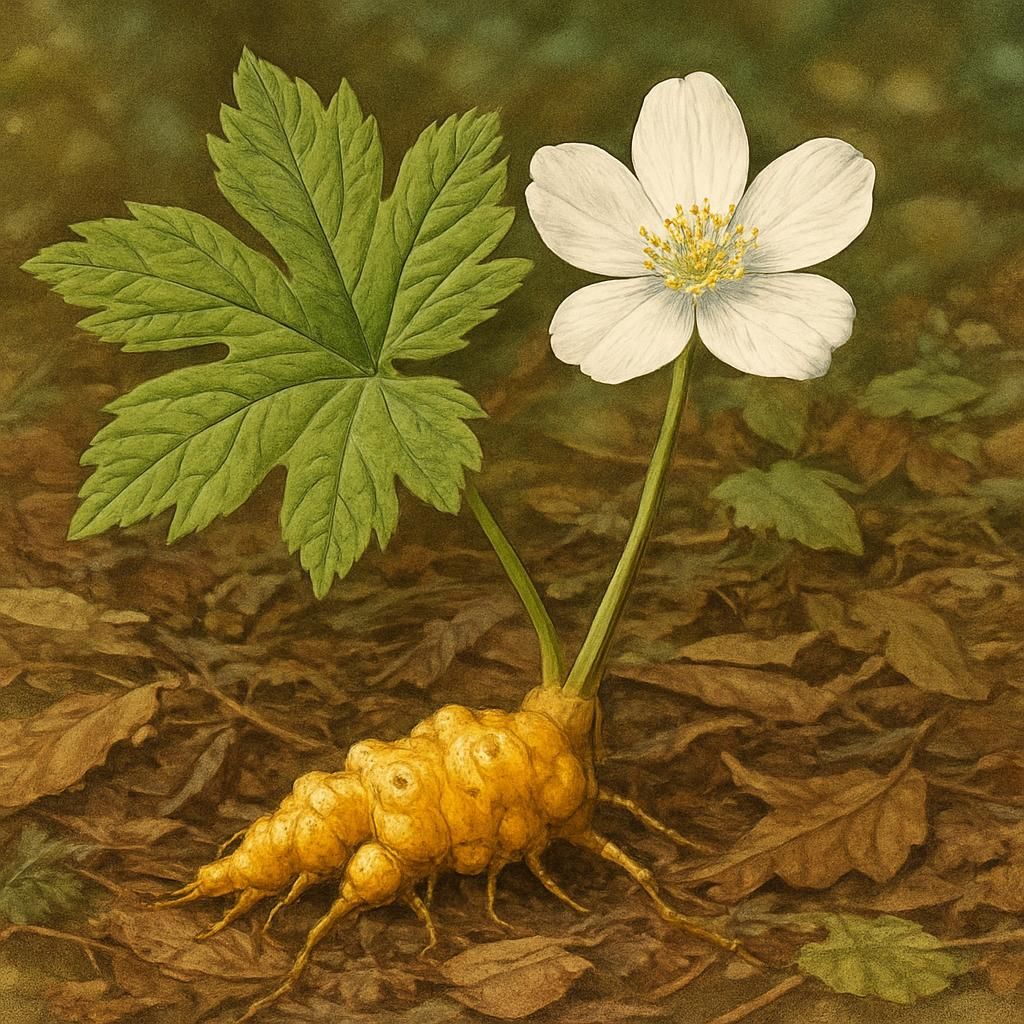
Goldenseal (Hydrastis canadensis)
Goldenseal is a slow-growing woodland perennial prized for its medicinal rhizomes rich in berberine. It thrives in cool, shaded, humus-rich forest floors and requires careful propagation and long-term stewardship to produce a viable crop.
View Guide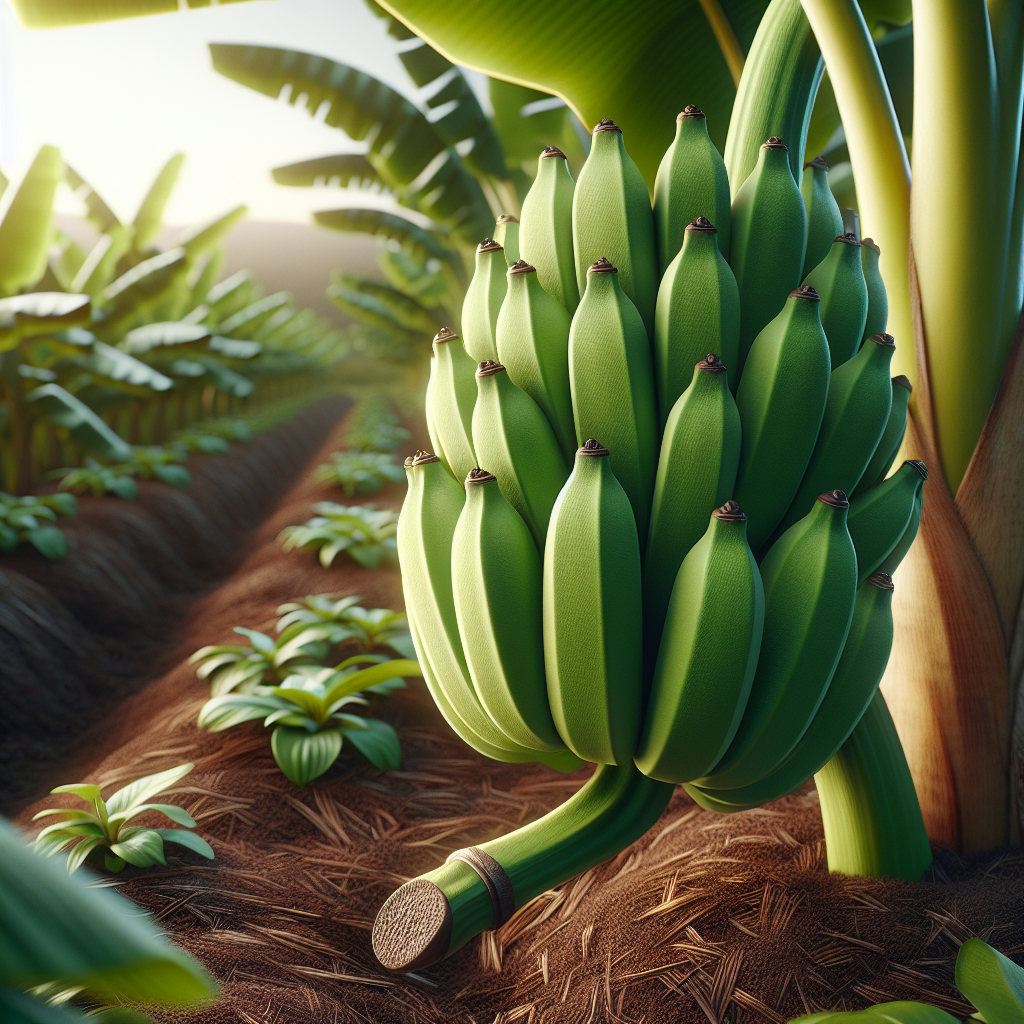
Goldfinger Banana
Goldfinger Banana is a dessert-type banana cultivar bred for strong disease resistance, excellent flavor, and broad adaptability in warm climates. Known scientifically as FHIA-01, it produces sturdy plants, sweet-tart fruit, and performs especially well where Panama disease pressure makes Cavendish-type production risky.
View Guide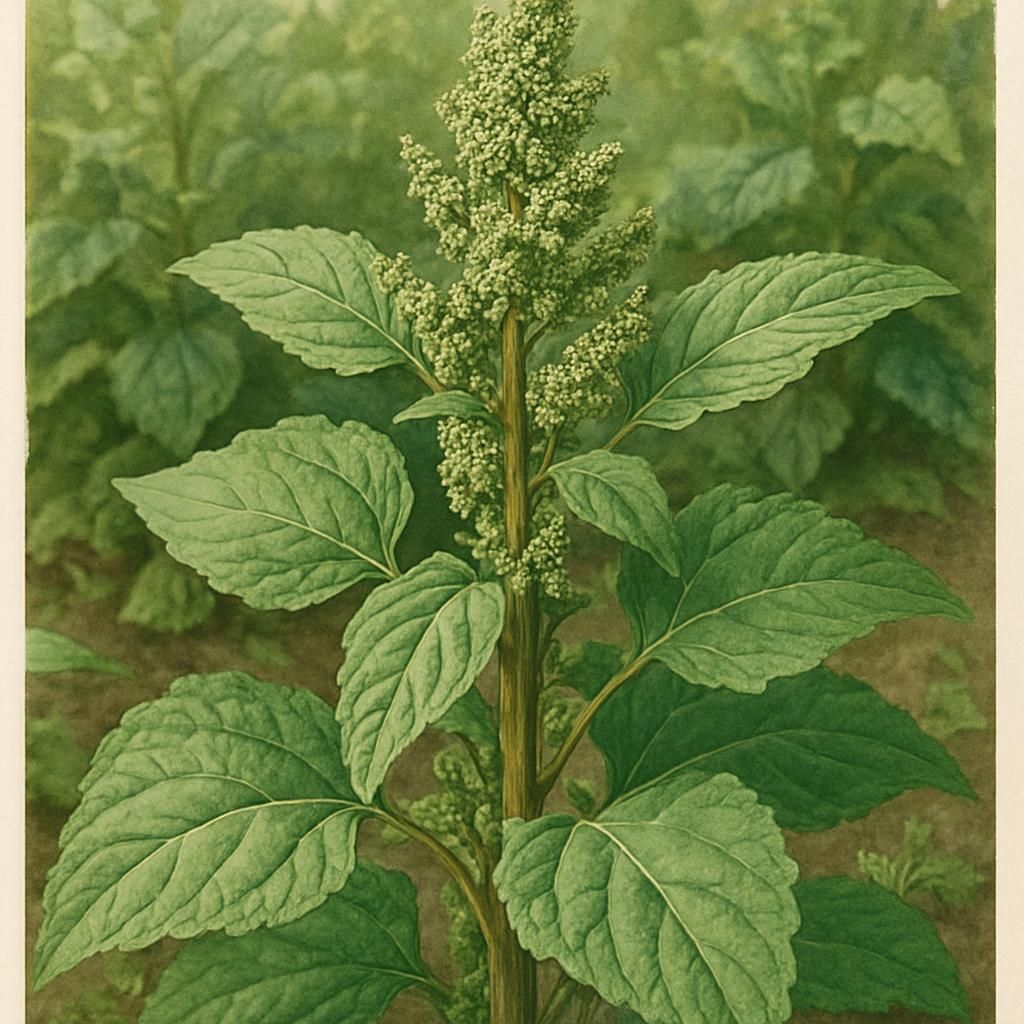
Good King Henry
Good King Henry is a perennial plant known for its nutritious leaves and shoots. Ideal for cooler climates, it's often grown as a companion plant in sustainable gardens.
View Guide
Gooseberry (Pixwell)
Pixwell gooseberry is a cold-hardy, productive American-type gooseberry valued for its pale green to pink-blushed berries, manageable thorniness, and relatively easy harvest as fruits hang on pedicels that "pick well." This heirloom shrub performs best in cool to cold temperate climates, producing reliable crops when grown in fertile, moisture-retentive but well-drained soil and maintained with disciplined pruning, mulching, and disease prevention.
View Guide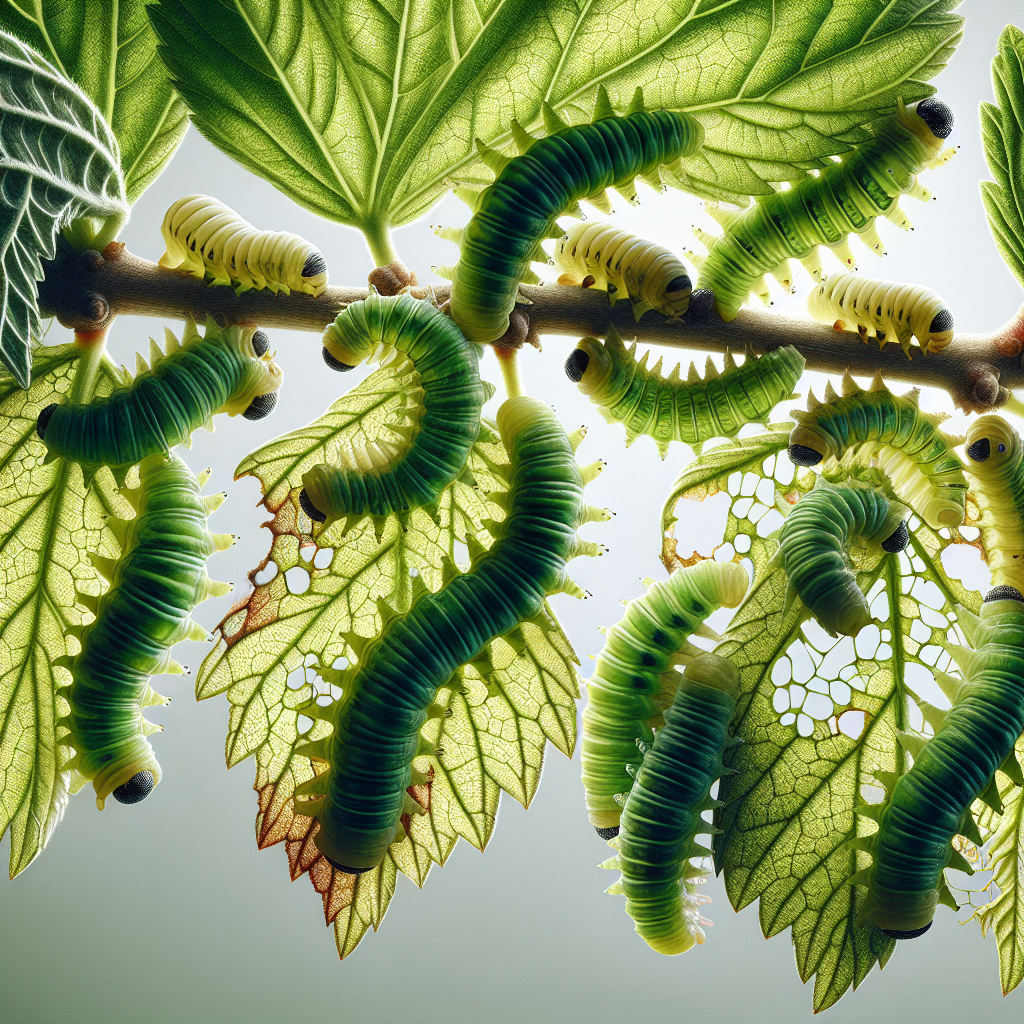
Gooseberry sawfly
The Gooseberry sawfly (Nematus ribesii) is a destructive pest targeting gooseberry and currant bushes, with larvae capable of defoliating plants rapidly in spring and summer. This guide provides comprehensive diagnostics, lifecycle insights, organic management strategies, and prevention tactics for growers. Effective control hinges on early detection and integrated organic methods to protect yields without chemicals.
View Profile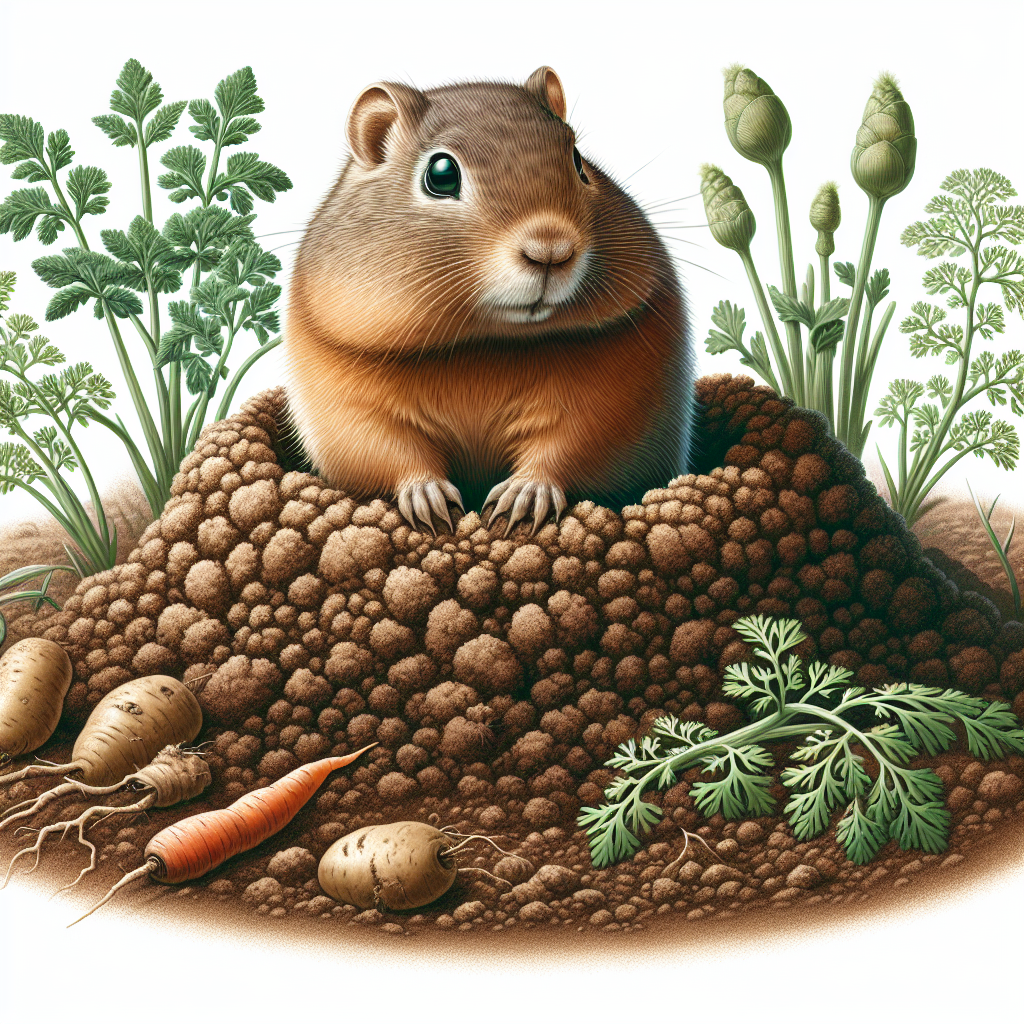
gophers
Gophers are burrowing rodents notorious for damaging agricultural fields, orchards, and gardens by feeding on roots, tubers, and bulbs. This guide provides definitive diagnostics, lifecycle insights, organic management strategies, and prevention tactics to protect crops from gopher infestations. Farmers can implement practical, eco-friendly controls to minimize losses and sustain yields.
View Profile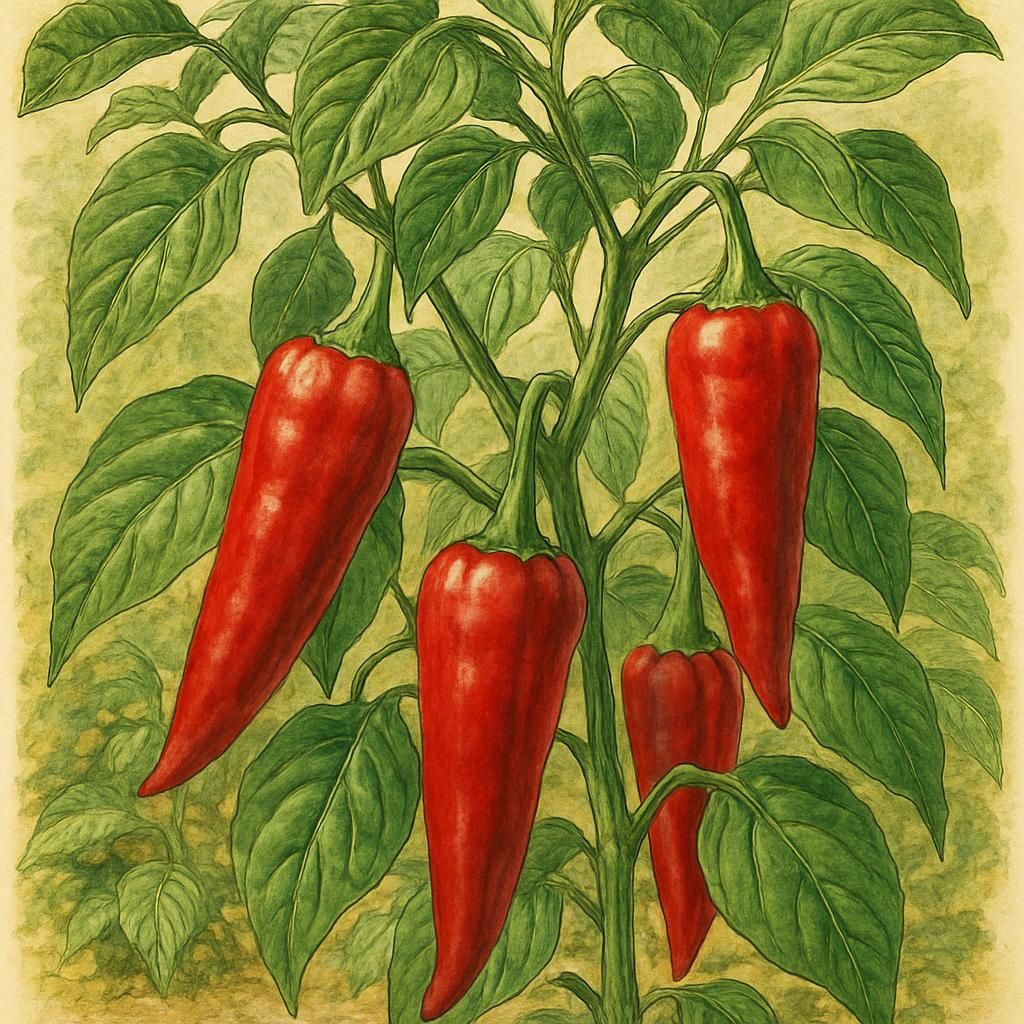
Gorria Pepper
Gorria Pepper is a vibrant, moderately hot pepper primarily cultivated for its use in the famous Espelette spice. Known for its red, elongated pods, it thrives in warm climates and requires meticulous care during its drying and curing process to achieve the ideal flavor profile.
View Guide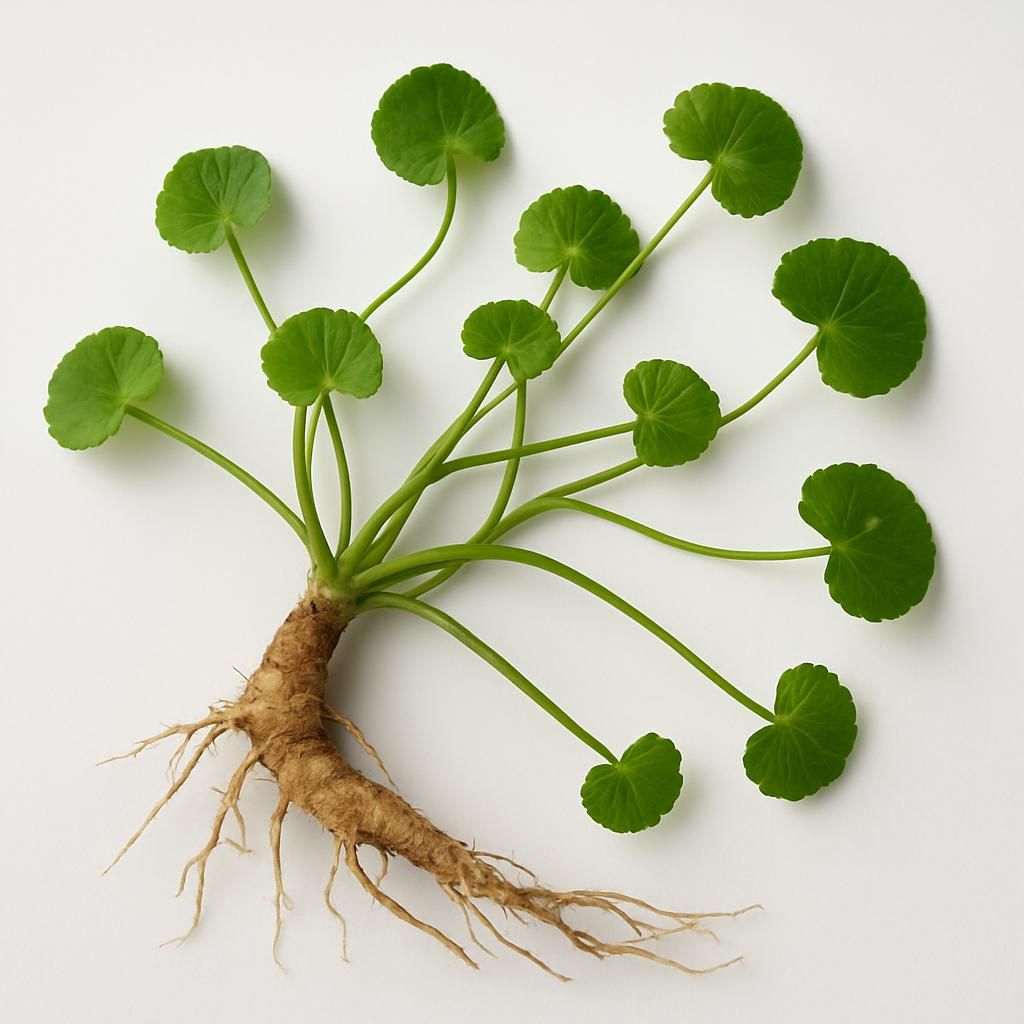
Gotu Kola Root
Gotu Kola Root is the underground rhizome of the perennial herb Centella asiatica, valued for its medicinal properties and creeping growth habit. It thrives in moist, tropical to subtropical conditions and is cultivated primarily for its roots and leaves used in traditional medicine and culinary applications. This guide provides professional agricultural practices for successful commercial and home-scale production.
View Guide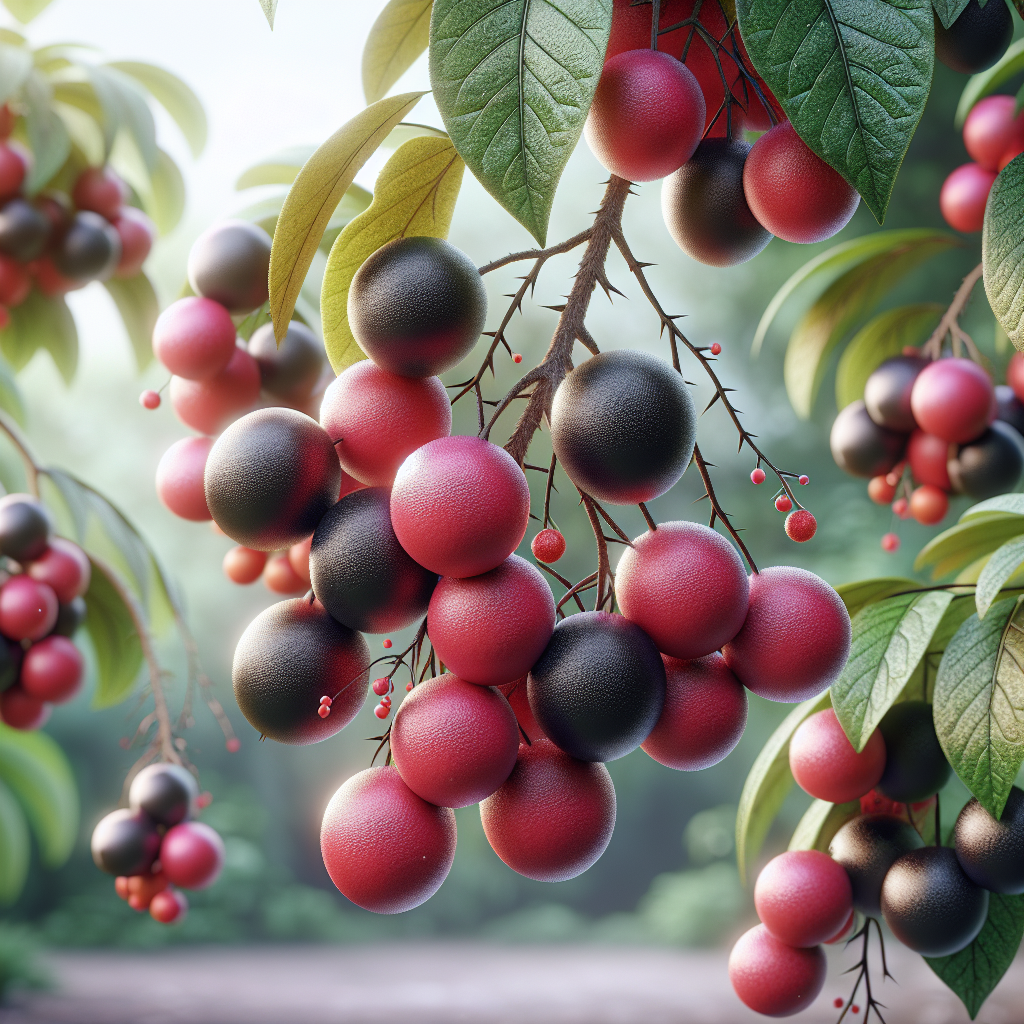
Governor’s Plum (Flacourtia indica)
Governor’s Plum (Flacourtia indica), also known as ramphal or Indian plum, is a hardy, drought-tolerant tropical shrub producing small, sweet-tart fruits rich in vitamin C. Thriving in marginal soils and hot climates, it offers versatile uses in fresh eating, jams, and hedges. This guide provides expert cultivation techniques for optimal yields.
View Guide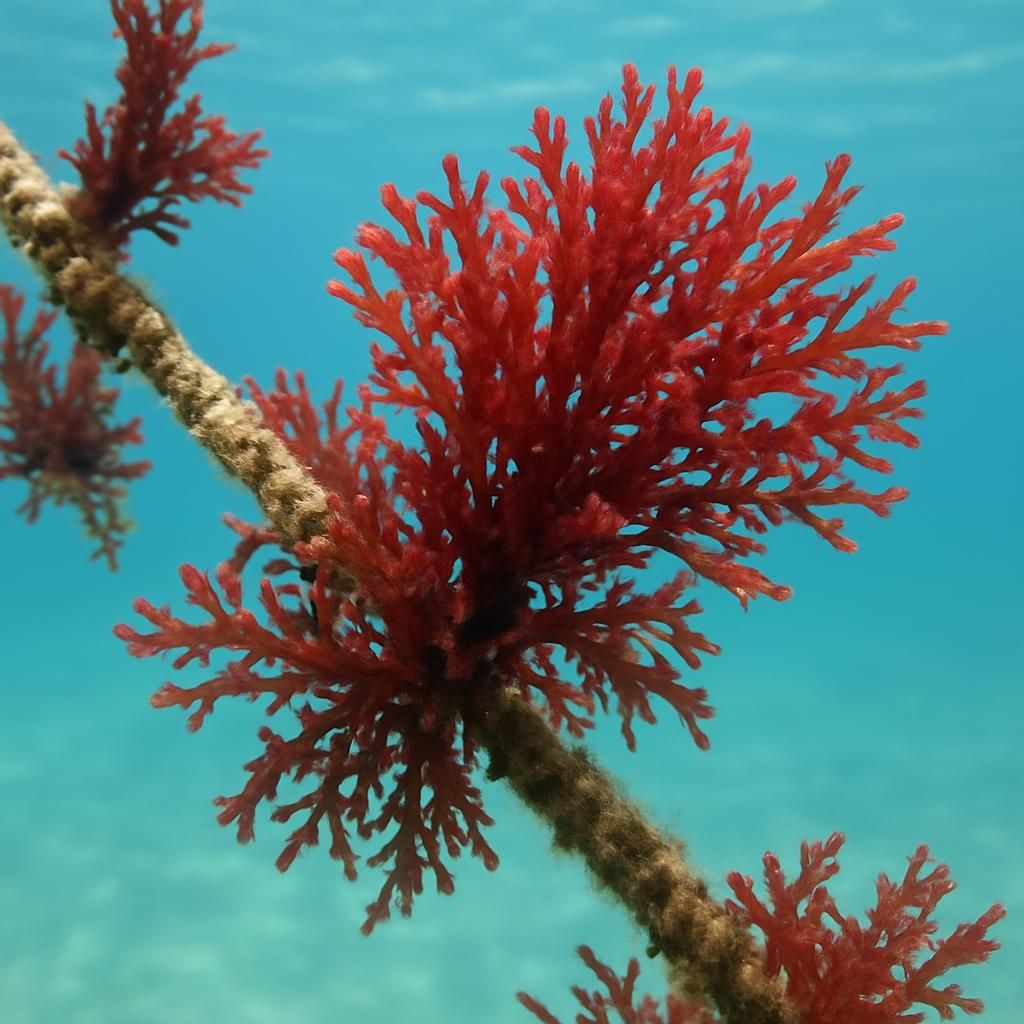
Gracilaria
Gracilaria is a fast-growing red macroalga widely cultivated for agar, food, and animal feed. This guide covers commercial and small-scale marine farming methods, site selection, and post-harvest handling for optimal yields.
View Guide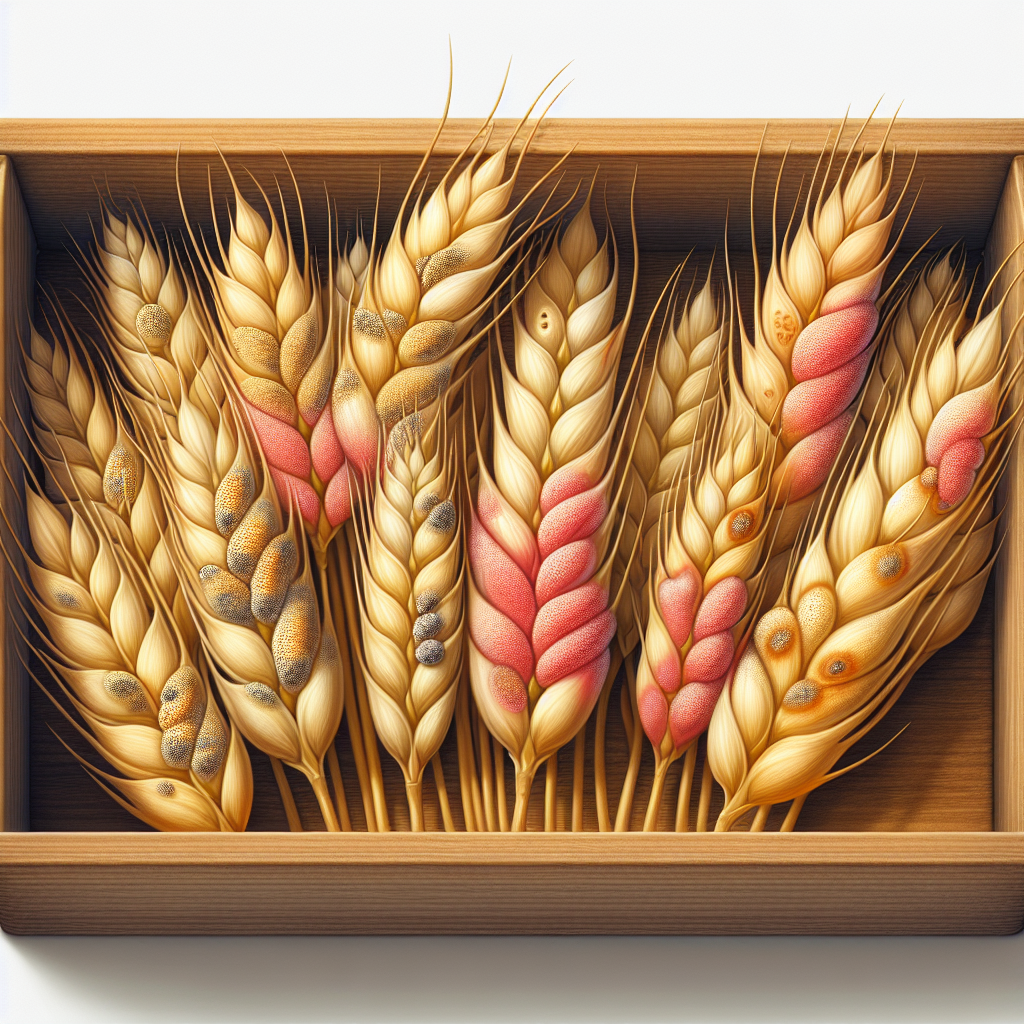
Grain Discoloration
Grain discoloration is a post-harvest fungal disease affecting cereal grains like wheat, rice, and corn, causing unsightly color changes that reduce market value and quality. Primarily triggered by high humidity and improper storage, it involves saprophytic fungi that colonize damaged or moist grains. Effective management relies on timely drying, sanitation, and organic fungicides to prevent economic losses.
View Profile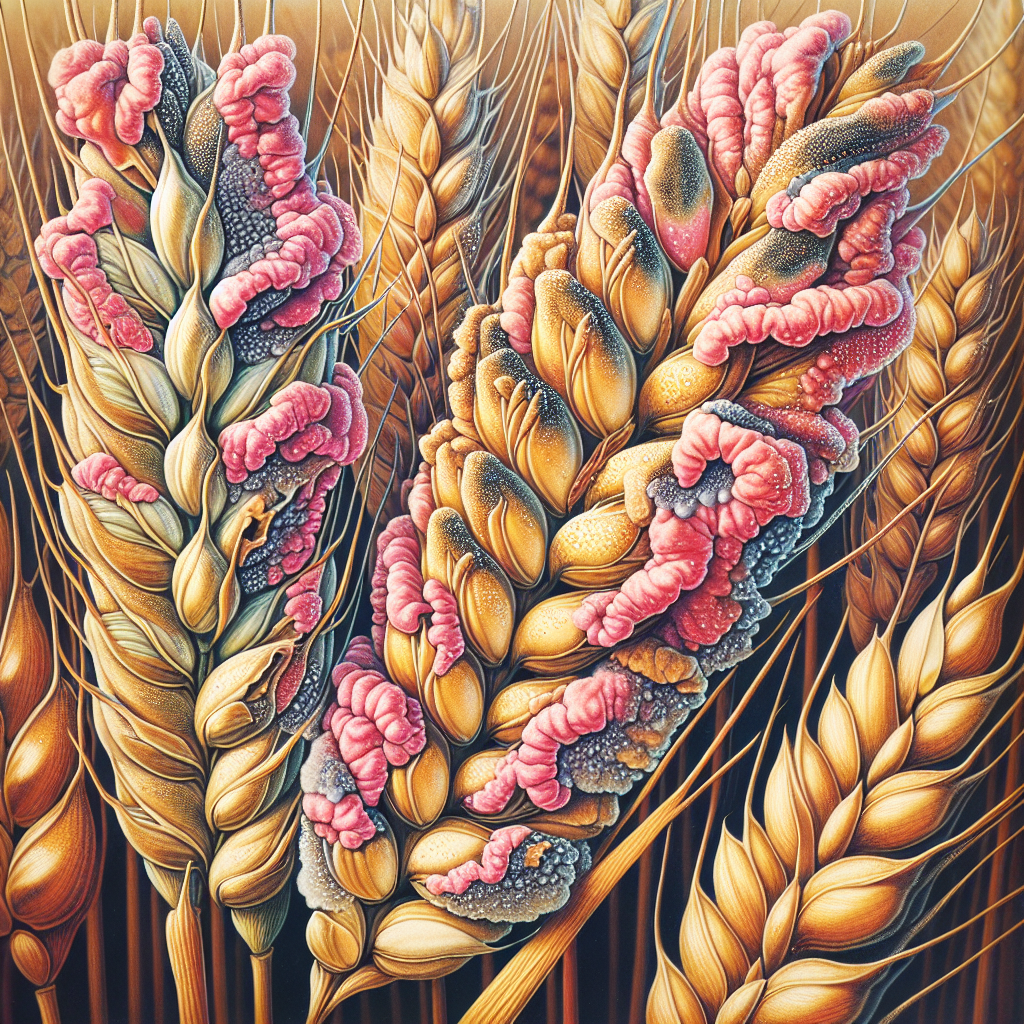
Grain Discoloration Complexes
Grain discoloration complexes refer to a group of fungal diseases causing premature ripening, discoloration, and quality loss in cereal grains like wheat, rice, and corn. Triggered by high humidity and stress, they reduce yield and market value through shriveled, discolored kernels. Effective management relies on cultural practices, resistant varieties, and timely harvest.
View Profile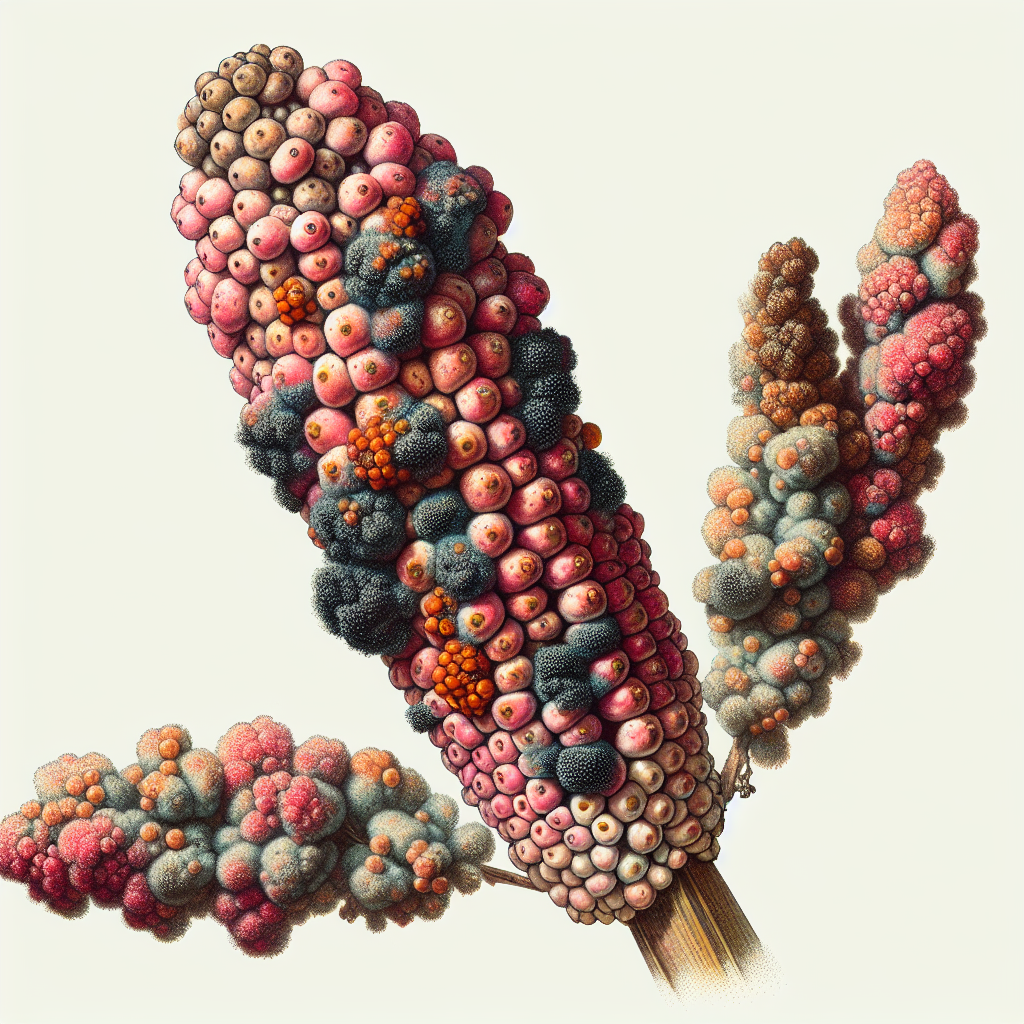
grain mold
Grain mold is a complex fungal disease affecting cereal crops like sorghum, maize, and rice during post-flowering stages, leading to discolored, moldy grains and severe yield losses. Caused by multiple toxigenic fungi, it thrives in warm, humid conditions and compromises grain quality for food and feed. Effective management relies on timely harvesting, resistant varieties, and organic biocontrol strategies.
View Profile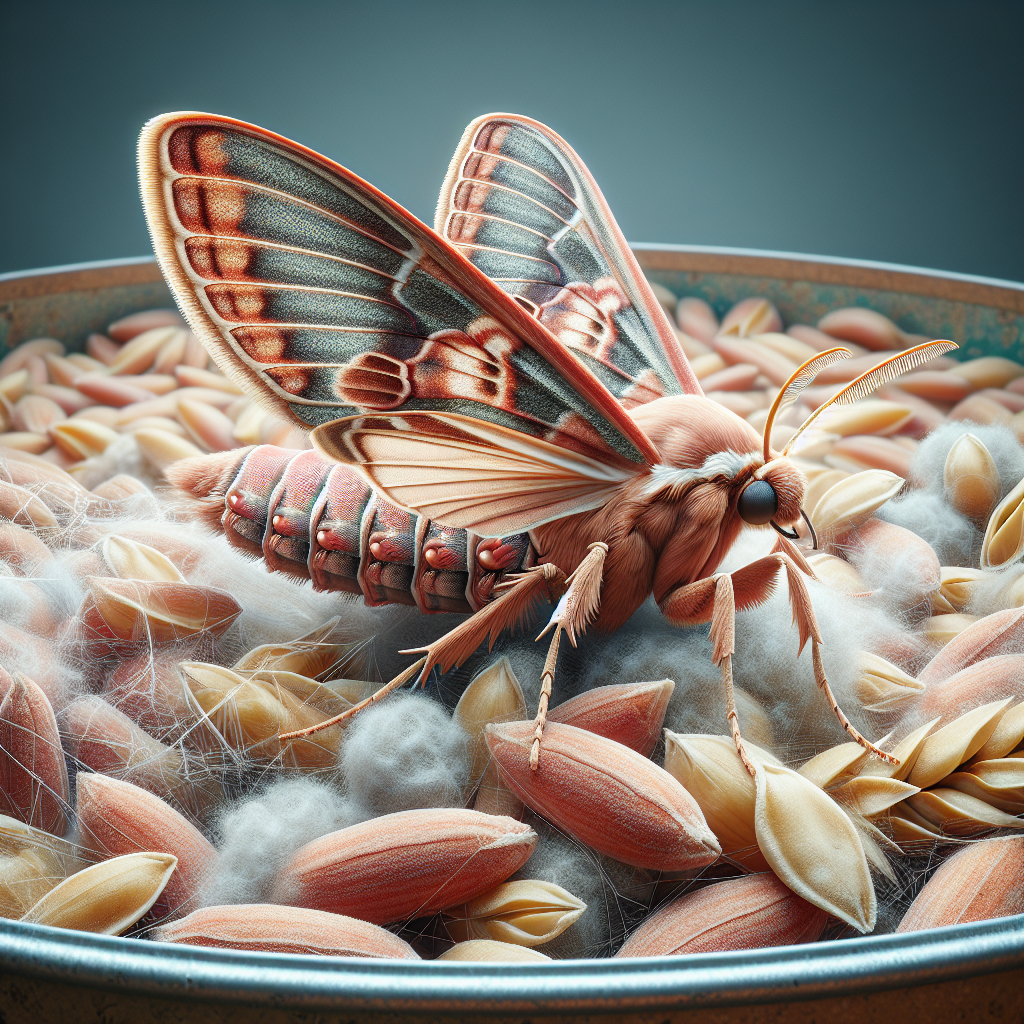
grain moths
Grain moths are common stored-product pests that infest grains, flour, and dry goods, causing significant economic losses in agriculture and food storage. These small moths lay eggs on grains, with larvae webbing and feeding inside, leading to contamination and spoilage. Effective management combines sanitation, monitoring, and targeted organic controls to protect harvests.
View Profile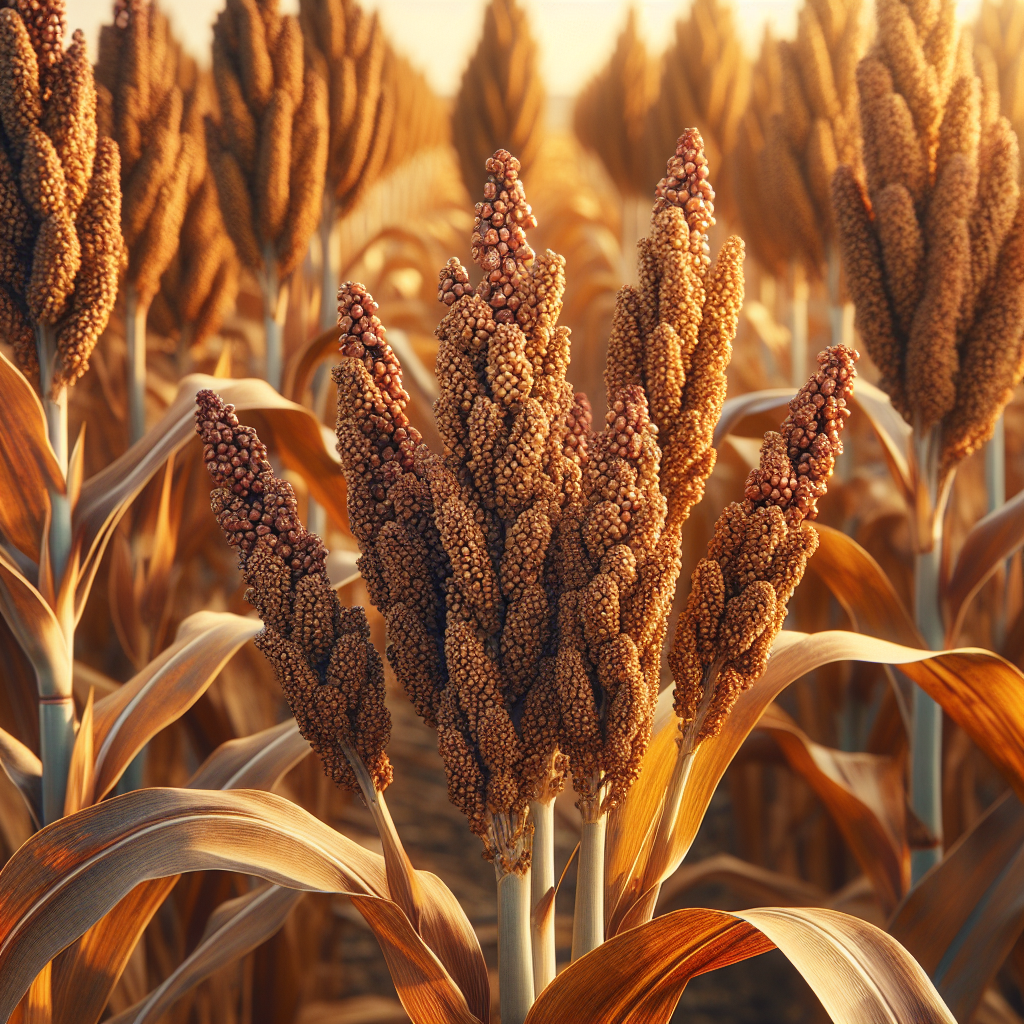
Grain Sorghum
Grain sorghum is a heat-loving cereal prized for its drought tolerance, dependable grain production, and adaptability to marginal soils where other cereals struggle. When managed correctly, it can deliver stable yields under hot, semi-arid conditions while also providing useful residue for mulch, livestock bedding, or soil-building rotations.
View Guide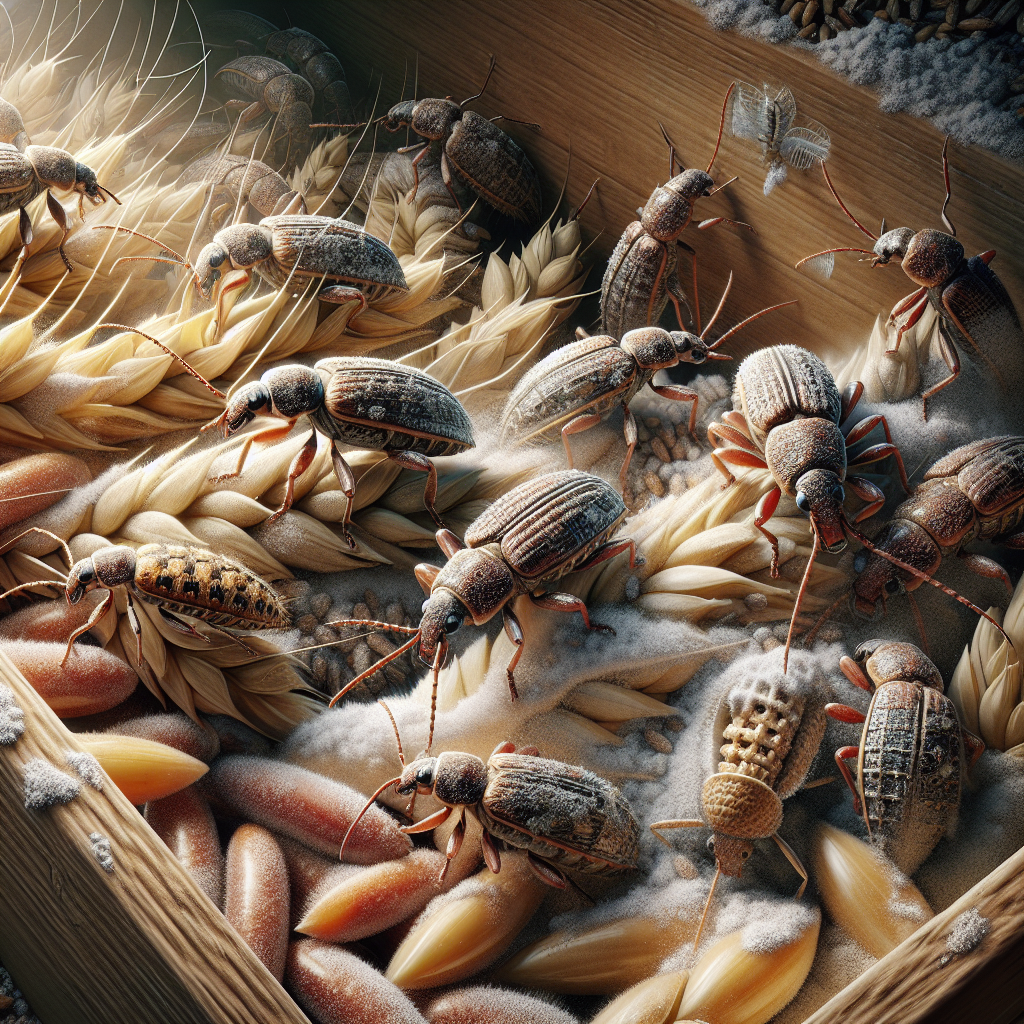
grain-feeding insects
Grain-feeding insects are a diverse group of pantry and storage pests that infest and destroy stored grains like wheat, rice, and corn, causing massive economic losses worldwide. These beetles, moths, and weevils feed on kernels, producing webbing, frass, and mold that render grain unsalable. Effective management combines sanitation, monitoring, and targeted organic controls to protect harvests.
View Profile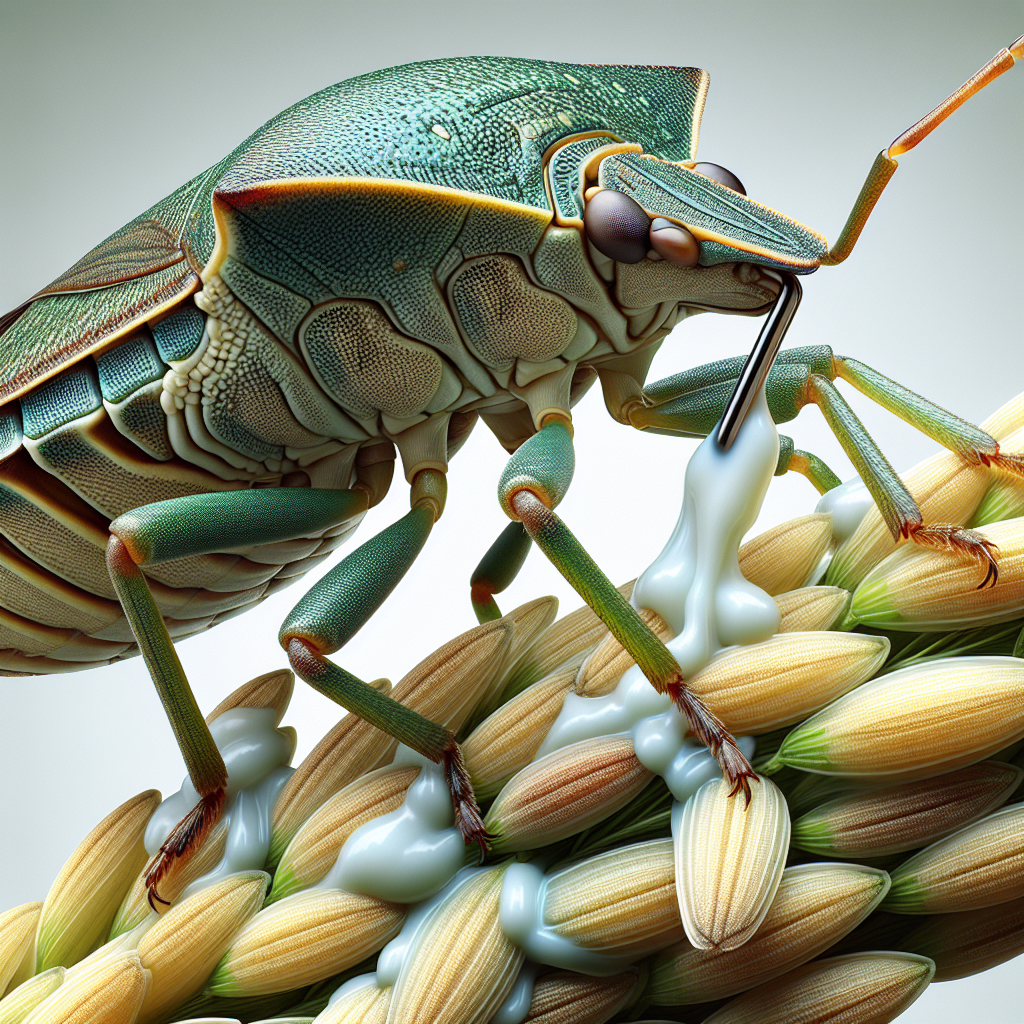
grain-sucking bugs
Grain-sucking bugs are piercing-sucking pests that target developing grains in cereal crops, causing significant yield losses through direct feeding and injection of toxins. These hemipteran insects, primarily from the Pentatomidae family, thrive in warm climates and can devastate fields of wheat, rice, corn, and sorghum. Effective management combines cultural practices, biological controls, and precise monitoring for sustainable grain production.
View Profile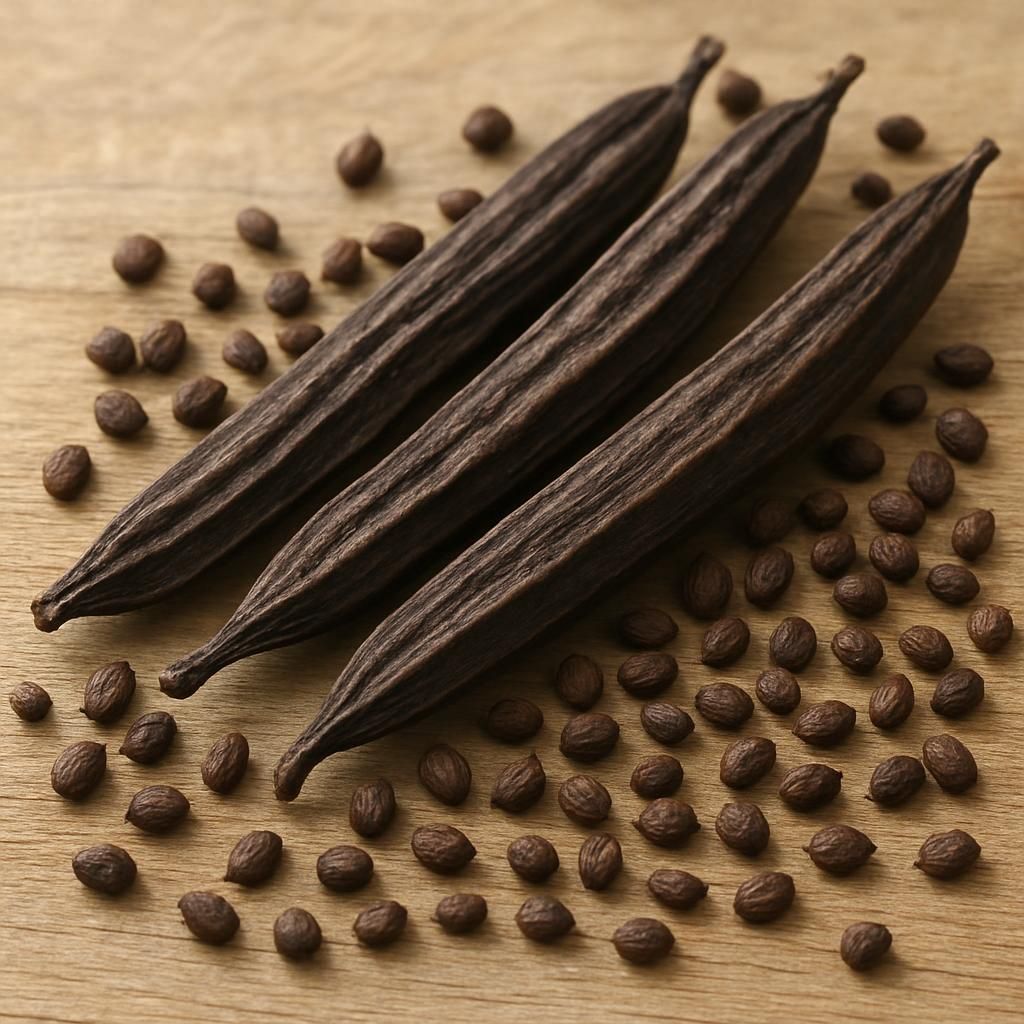
Grains of Selim
Grains of Selim, also known as African pepper or Negro pepper, is a West African spice crop prized for its aromatic seeds used in culinary and medicinal applications. This guide provides a definitive, professional resource for growers seeking to cultivate Xylopia aethiopica sustainably. The article covers botanical characteristics, ideal growing conditions, propagation, care schedules, pest management, harvesting, and companion planting strategies.
View Guide