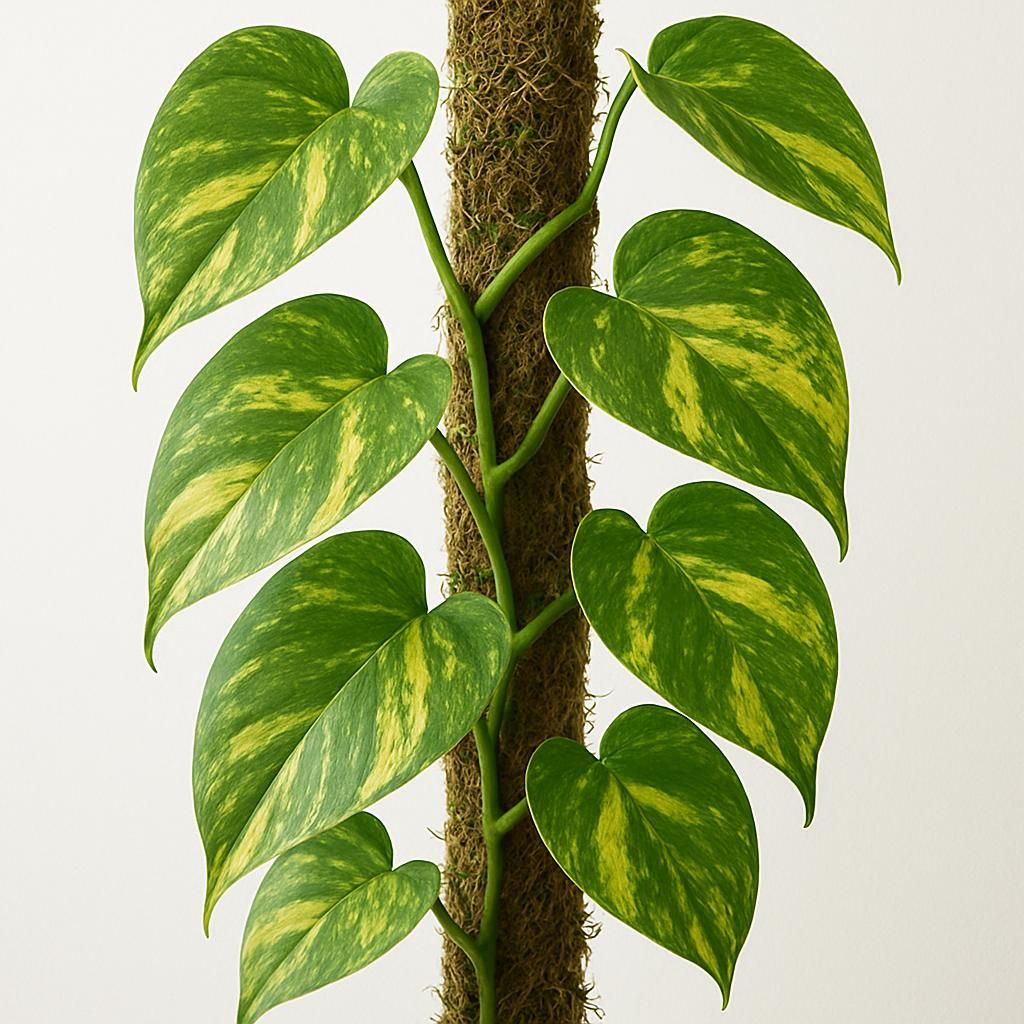
Introduction to Golden Pothos
Golden Pothos, scientifically known as Epipremnum aureum, is one of the most adaptable and widely grown ornamental vines in both residential and commercial agricultural environments. Its heart-shaped leaves with distinctive golden-yellow variegation make it a staple in interior landscapes, vertical gardens, and hydroponic displays. Beyond its aesthetic appeal, Golden Pothos is renowned for its air-purifying properties and tolerance of low-light conditions, making it ideal for controlled environments where natural sunlight is limited.
Professional growers appreciate Golden Pothos for its rapid growth rate and straightforward propagation, allowing efficient scaling in nursery operations. Whether cultivated in soil-based systems, hydroponics, or as a living wall component, this species delivers consistent visual impact with minimal resource input. Its forgiving nature also makes it suitable for new growers seeking reliable results.
This definitive growing guide provides detailed, evidence-based recommendations covering every stage from soil preparation to post-harvest handling. Emphasis is placed on sustainable practices, organic pest management, and optimized care regimes that align with commercial production standards.
Botanical Profile of Golden Pothos
Golden Pothos belongs to the Araceae family and is native to the Solomon Islands in the South Pacific. In its natural habitat, it grows as an epiphytic climber, attaching to tree trunks and reaching canopy heights. The plant produces aerial roots that absorb moisture and nutrients from the air and surrounding surfaces.
The leaves are typically 4–8 inches long with a glossy texture and characteristic marbled pattern of green and yellow. Juvenile foliage is more heart-shaped, while mature leaves on climbing specimens can become larger and more deeply lobed. Variegation intensity depends on light exposure; brighter conditions enhance golden hues while low light results in deeper green coloration.
Golden Pothos rarely flowers indoors or in cultivation, instead reproducing vegetatively through stem cuttings. This trait contributes to its ease of propagation and genetic consistency across commercial stock.
Soil, pH, and Climate Requirements for Golden Pothos
Successful cultivation begins with selecting the correct growing medium and environmental parameters. Golden Pothos thrives in well-aerated, moisture-retentive substrates that prevent waterlogging while supporting root development.
| Parameter | Ideal Range | Notes |
|---|---|---|
| Soil Type | Peat-perlite-coco coir mix | 2:1:1 ratio recommended for drainage |
| pH | 6.0–7.0 | Slightly acidic to neutral |
| Temperature (Day) | 21–29°C (70–85°F) | Optimal growth window |
| Temperature (Night) | 18–24°C (65–75°F) | Avoid below 15°C (59°F) |
| Relative Humidity | 50–70% | Higher humidity accelerates growth |
| Light | Bright indirect (1000–2500 lux) | Direct sun scorches leaves |
| Spacing (Containers) | 15–30 cm between plants | Allows airflow and prevents crowding |
Climate control is critical in greenhouse or indoor farm settings. Maintain consistent temperatures and avoid cold drafts. Supplemental LED lighting can compensate for seasonal light deficits in northern latitudes.
Step-by-Step Planting & Propagation
Golden Pothos is almost exclusively propagated vegetatively via stem cuttings. Select healthy mother plants with at least two nodes and vibrant variegation. Using sterilized pruners, cut 4–6 inch sections just below a node.
Remove the lower leaves and place cuttings in water or moist propagation medium. Root development typically occurs within 7–14 days at 24°C. Once roots reach 2–3 inches, transplant into final containers using the soil mix outlined above.
For commercial-scale production, use mist propagation benches with bottom heat to accelerate rooting. Maintain 80–90% humidity during the first week. Harden off plants gradually before moving to lower-humidity finishing areas.
Care & Maintenance regimes for Golden Pothos
Consistent care ensures vigorous growth and attractive foliage. Monitor environmental conditions weekly and adjust irrigation and nutrition accordingly.
| Task | Frequency | Details |
|---|---|---|
| Watering | Every 7–10 days | Allow top 2–3 cm of soil to dry; reduce in winter |
| Fertilizer | Every 4–6 weeks (spring–fall) | Balanced 10-10-10 liquid fertilizer at half strength |
| Pruning | Every 6–8 weeks | Pinch growing tips to encourage bushiness; remove yellow leaves |
Rotate plants monthly to promote even growth. Wipe leaves with a damp cloth every 4–6 weeks to remove dust and improve photosynthesis. Repot every 12–18 months or when roots become pot-bound.
Pests, Diseases & Organic Management
Golden Pothos is relatively pest-resistant but can be affected by common indoor plant pests. Regular scouting is essential for early detection.
Common issues include Spider Mites, mealybugs, and scale insects. Treat infestations with insecticidal soap or neem oil applications every 5–7 days until resolved. Maintain good airflow and avoid overwatering to prevent Root rot.
Fungal leaf spots may appear under high-humidity conditions with poor ventilation. Remove affected foliage and apply copper-based organic fungicides as needed. Quarantine new plants for two weeks before integrating them into production areas.
Harvesting, Curing & Optimal Storage
Golden Pothos is typically not harvested for consumption but for vegetative material used in propagation or ornamental sales. Harvest cuttings during active growth periods for best rooting success.
Store unrooted cuttings in sealed plastic bags with moist paper towels at 18–21°C for up to 5 days. Rooted plants should be kept in their containers until sale or transplanting. Avoid exposure to temperatures below 15°C during transport.
Companion Planting for Golden Pothos
Golden Pothos pairs well with other humidity-loving tropicals such as Thai Basil and peace lilies in mixed interior plantings. Its trailing habit provides ground cover beneath taller specimens, improving microclimate humidity.
Avoid planting near heavy feeders that may compete for nutrients. In greenhouse settings, interplanting with Oyster Mushroom logs can create beneficial micro-ecosystems while utilizing vertical space efficiently.