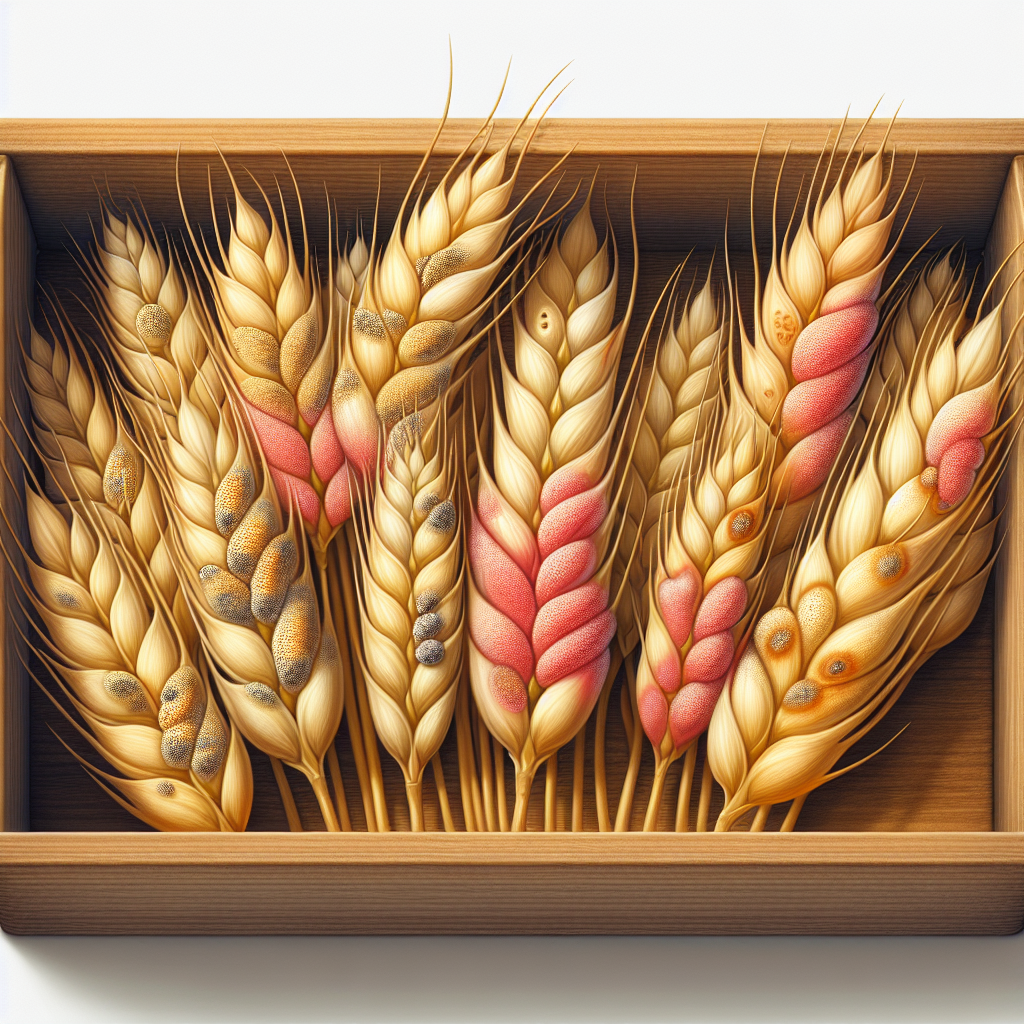
Introduction to Grain Discoloration
Grain discoloration represents a significant challenge in post-harvest grain management, particularly for cereal crops where visual quality directly impacts marketability. Unlike pre-harvest diseases such as Fusarium head blight or grain mold, grain discoloration typically manifests during storage when saprophytic fungi like Fusarium spp., Alternaria spp., Cladosporium spp., and Penicillium spp. colonize the grain surface. These fungi do not usually produce mycotoxins at levels harmful to human health but drastically reduce grain grades, leading to discounts of 10-50% in commercial markets.
Globally, grain discoloration affects millions of tons annually, with losses estimated at $1-2 billion in major producers like the US, India, and China. In wheat crops, black or pink discoloration can render premium milling wheat unsuitable for bread production, while in rice, it causes chalkiness and breakage. Small-scale farmers suffer disproportionately due to limited drying infrastructure. This guide provides diagnostic tools, organic management strategies, and prevention tactics optimized for sustainable agriculture. Early detection through visual scouting and moisture testing is crucial, as once discoloration spreads, affected grains require sorting or blending.
Identifying Symptoms & Damage
Recognizing grain discoloration early is essential for minimizing losses. Primary symptoms appear as irregular patches of color on kernels: black (Cladosporium), pink/red (Fusarium), green (Alternaria), or blue-gray (Penicillium). Affected grains often feel slightly tacky due to fungal mycelium and may emit musty odors. Under magnification, spores and hyphae are visible on the bran layer, distinguishing it from insect damage like storage beetles.
Damage assessment involves sampling: take 100-kernel subsamples from multiple bags or bins, checking for >5% discoloration as a threshold for action. In corn, kernels show 'scabby' appearance with shriveled tips; in barley, black point lesions at the embryo end. Yield impacts are indirect—discolored grain fetches lower prices, and milling efficiency drops by 15-20% due to bran contamination. Secondary effects include reduced test weight (below 58 lb/bu for wheat) and elevated free fatty acids from fungal lipases. Differentiate from ergot (sclerotia) or common bunt (dusty spores) via lab tests if needed. Use blacklight for Fusarium confirmation, as it fluoresces pink.
Lifecycle and Progression of Grain Discoloration
Grain discoloration follows a predictable progression tied to moisture and temperature. Fungi are ubiquitous on field debris and infect grains pre-harvest via wounds from armyworms or mechanical harvest damage. Dormant until storage conditions favor growth: optimal at 15-25% moisture and 20-30°C (68-86°F).
Lifecycle: Spores germinate on moist kernels within 24-48 hours, mycelium penetrates the pericarp, sporulating in 3-7 days. Progression accelerates in hot, humid silos—full kernel coverage in 2 weeks under 25% RH. Fusarium dominates in temperate zones, Alternaria in tropics. Unlike pathogenic diseases like loose smut, these are opportunistic saprophytes thriving on cracked or immature grains. Post-harvest, progression halts below 13% moisture but resumes if rewetting occurs from condensation. Long-term storage risks mycotoxin buildup if Aspergillus joins, though rare in grains.
Environmental Triggers & Risk Factors
High humidity (>60% RH) and temperatures above 20°C are primary triggers, often during rainy harvests or leaky storage. Risk factors include delayed drying (grains >14% moisture at storage), mechanical damage from combines, and poor aeration in bins. Crops harvested late, like drought-stressed sorghum, are vulnerable due to thin pericarp. Contaminated bins from prior head molds seasons amplify spores.
Regional risks: Midwest US sees Fusarium spikes post-rain; Indian paddy fields battle Alternaria in monsoons. Poor ventilation in tropical warehouses exacerbates issues. Learn more about weather impacts in Why 80% of Small Farms Battle Weather Disasters - And How Hyper-Local AI Forecasts Can Save Your Harvest. Compounding factors: high nitrogen fertilizers promote thin bran, inviting fungi; volunteer plants harbor inoculum.
Organic Control & Treatment Plans
Organic management emphasizes prevention but includes curative steps. Immediate Actions: Dry grains to <13% moisture using aerators or forced hot air (max 40°C). Clean bins with 2% sodium carbonate solution, rinse thoroughly. Sort discolored grains via color sorters or gravity tables—recover 70-90% premium grain.
Biological Controls: Apply Trichoderma viride (10g/kg seed) pre-storage; it outcompetes pathogens. Bacillus subtilis sprays on ears pre-harvest reduce field inoculum by 40%. Botanical Treatments: Neem oil (5ml/L) or garlic extract dips inhibit spore germination. For infestations, ozone fumigation (5-10 ppm for 24h) kills surface fungi without residues.
Integrated Plan: 1) Scout weekly post-harvest. 2) Aerate bins to maintain <15°C core temp. 3) Use diatomaceous earth (1-2%) as desiccants. 4) Monitor with moisture probes. Trials show 80% reduction combining these. Avoid chemical fungicides for organic certification.
Preventing Grain Discoloration in the Future
Prevention hinges on harvest timing and infrastructure. Harvest at physiological maturity (15-18% moisture), dry immediately to 12.5%. Invest in bin fans for continuous aeration, targeting even moisture. Use clean, certified seed free of seed rot pathogens. Crop rotation with peas breaks debris cycles.
Best Practices: Corrugated bin walls for airflow; rodent-proofing to prevent urine moisture; temperature cables for inversion detection. Field sanitation—destroy stubble to cut inoculum 50%. Varieties like resistant durum wheat offer genetic defense. Regular audits prevent recurrence; track via logs. Soil health boosts resilience—see Soil Health Mastery: 5 Proven Strategies for Small Farms to Build Fertile Ground Without Breaking the Bank. Annual cleaning yields ROI in 1-2 seasons.
Crops Most Affected by Grain Discoloration
Cereal grains bear the brunt: wheat (black point, pink cast), rice (chalky discoloration), corn (scabby kernels), barley (sooty molds), sorghum, oats, and millet. Wheat suffers 20-30% incidence in humid areas; rice in Asia loses 10% value yearly. Less common in quinoa due to saponins. Hybrids with thin pericarps (e.g., soft white wheat) are highly susceptible. Millets show green molds in tropics. Management scales across these, prioritizing drying.