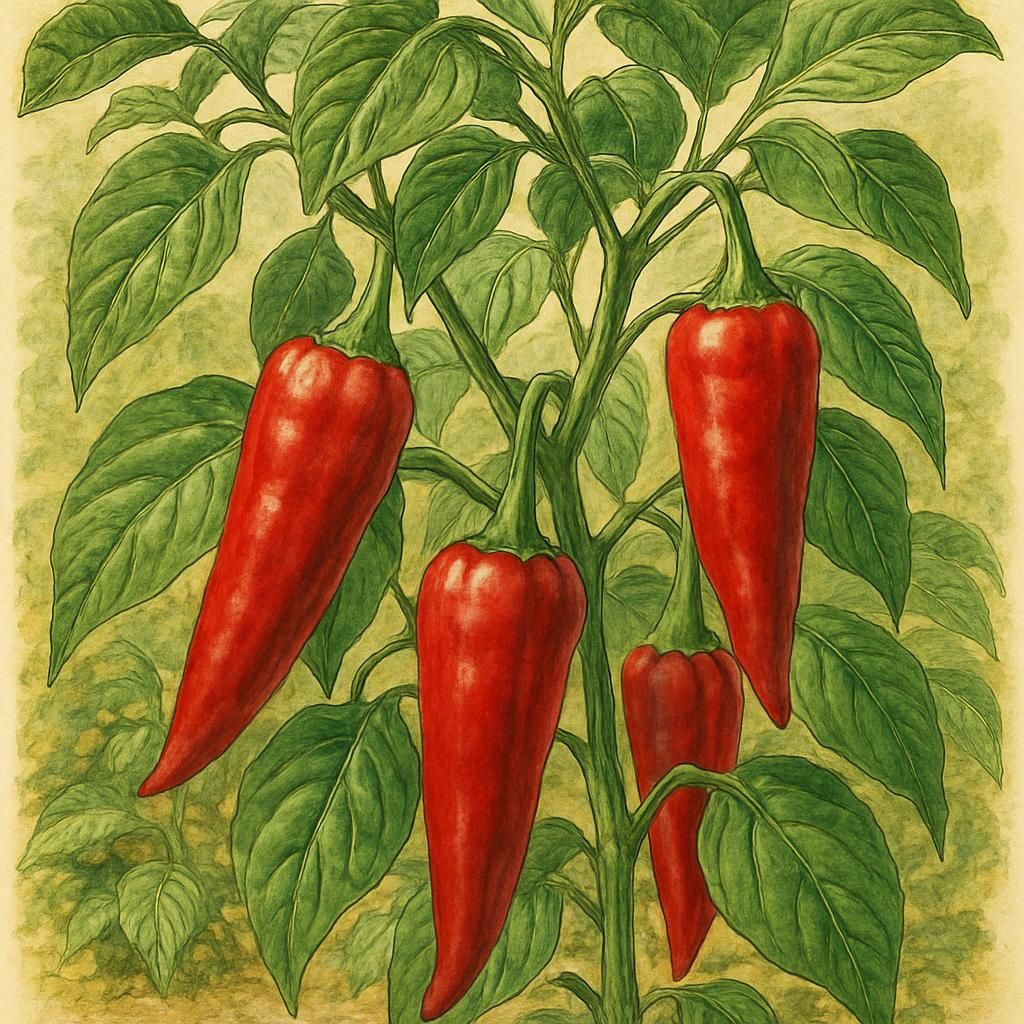
Introduction to Gorria Pepper
Gorria Pepper, a key ingredient in Basque cuisine, is renowned for its unique blend of heat and sweetness. Cultivated mostly in the French Basque region, it is primarily used to create the Espelette pepper spice, which holds an AOC designation, underscoring its cultural and culinary importance.
Botanical Profile of Gorria Pepper
- Common Name: Gorria Pepper
- Scientific Name: Capsicum annuum
- Family: Solanaceae
- Origin: France, Basque Region
- Growing Habit: Perennial in tropical climates, annual in temperate zones
- Uses: Culinary spice, decorative plant
Soil, pH, and Climate Requirements for Gorria Pepper
Gorria Peppers demand well-drained, nutrient-rich sandy loam soil with consistent sunlight. It thrives in temperatures ranging from 20°C to 30°C.
| Factor | Ideal Condition |
|---|---|
| Soil Type | Sandy Loam |
| Soil pH | 6.0 - 6.8 |
| Temperature | 20°C - 30°C |
| Sunlight | Full Sun (6-8 hrs) |
| Hardiness Zone | 8-10 |
Step-by-Step Planting & Propagation
- Seed Start: Begin indoors 8 weeks before the last frost date. Use high-quality seed-starting mix.
- Germination: Maintain at 25°C for optimal germination rates.
- Transplanting: Harden off seedlings and transplant them after all frost risk passes, spacing them 30 cm apart.
- Direct Sowing (warmer climates): Sow seeds directly into the garden bed, ensuring consistent moist soil for germination.
Care & Maintenance Regimes for Gorria Pepper
Gorria Peppers require regular maintenance to produce high-quality fruit. The following table provides a general schedule for watering, fertilizing, and pruning.
| Care Regime | Schedule |
|---|---|
| Watering | 1-2 times per week, adjusted based on rainfall |
| Fertilizing | Bi-weekly, using balanced fertilizer (e.g., 10-10-10 NPK) |
| Pruning | Remove yellowing leaves, pinch tops to encourage bushiness |
Pests, Diseases & Organic Management
Gorria Peppers may suffer from pests such as Aphids, Spider Mites, and diseases like Powdery Mildew. Integrated pest management (IPM) strategies include:
- Companion Planting: Utilize basil or marigolds to deter insect pests.
- Neem Oil: As a preventive measure against spider mites and aphids.
- Copper Fungicide: Useful for combating mildew.
Harvesting, Curing & Optimal Storage
- Harvesting: Peppers are ready when vibrant red; typically, 90-100 days post germination.
- Curing: Hang peppers in a dry, ventilated area for 2-3 weeks.
- Storage: Once dried, store in airtight containers; grind into a spice as needed.
Companion Planting for Gorria Pepper
Companion planting can enhance the resilience of Gorria Pepper crops:
- Basil: Repels insects, complements pepper growth.
- Marigold: Deters nematodes and encourages beneficial insects.
- Cherry Tomato: Mutual benefit in growth conditions.
To explore more about effective companion planting strategies, read Summer Companion Planting: 10 Organic Pairings to Boost Small Farm Resilience.