Encyclopedia
Definitive guides for crops, pests, and agricultural diseases.

Granny Smith Apple
Granny Smith is a late-season green apple cultivar prized for its crisp texture, bright acidity, and excellent storage life. It is vigorous, productive, and highly adaptable in temperate orchard systems, but performs best where growers can provide full sun, good air circulation, disciplined pruning, and reliable pollination.
View Guide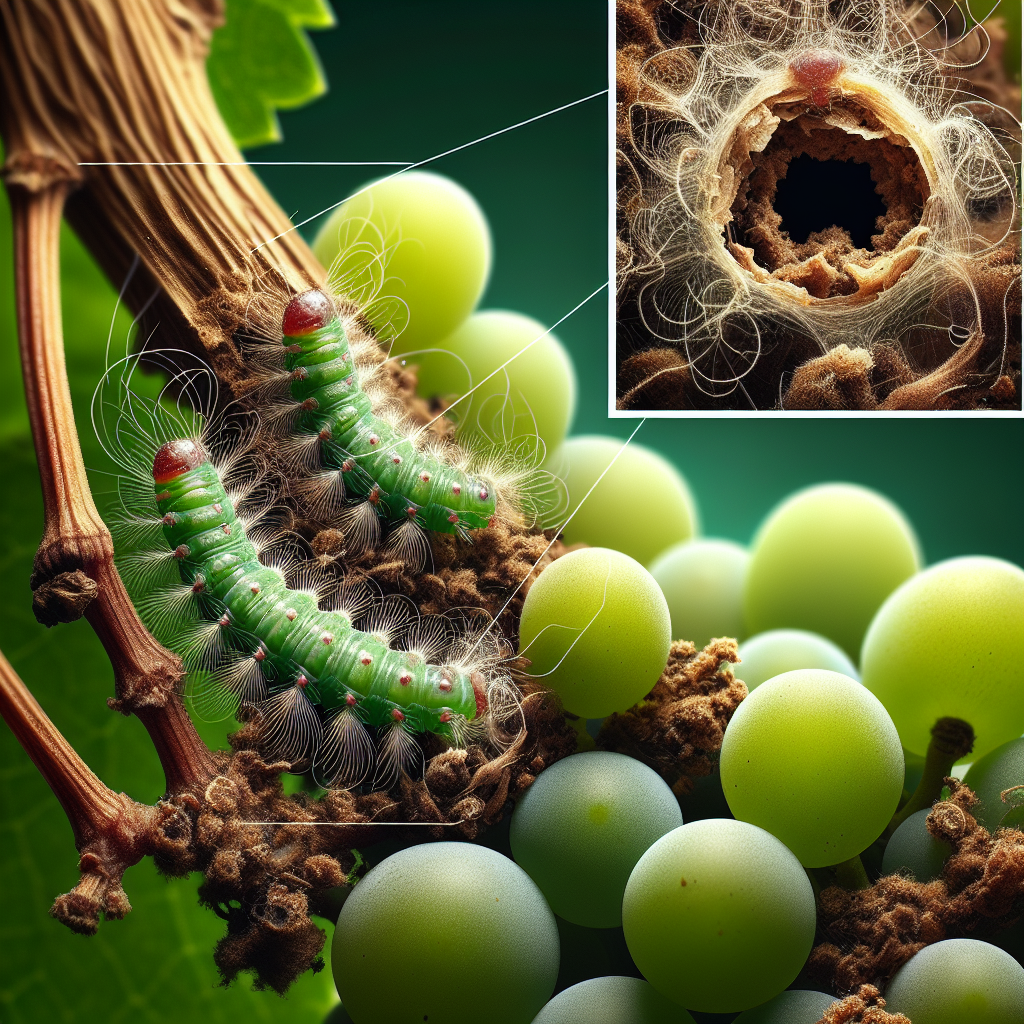
Grape berry moth
The grape berry moth (Paralobesia viteana) is a destructive pest targeting grape clusters, with larvae boring into berries causing significant yield losses in vineyards. Effective management combines monitoring, sanitation, and targeted organic controls to disrupt its multivoltine lifecycle. This guide provides diagnostic symptoms, lifecycle details, and proven organic strategies for grape growers.
View Profile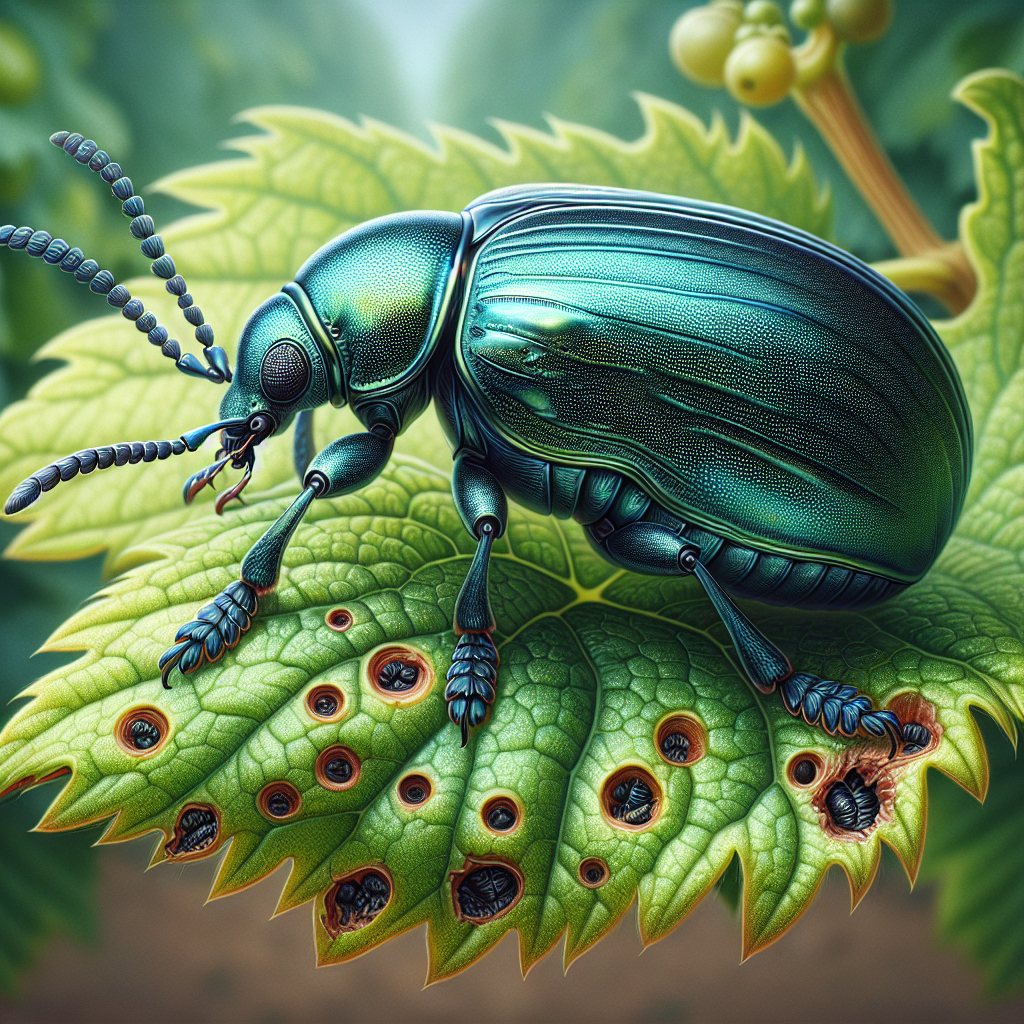
grape flea beetle
The grape flea beetle (Altica chalybea) is a small, metallic-blue beetle that jumps like a flea, causing significant damage to grapevines by skeletonizing leaves, especially on young shoots and weeds. This pest is prevalent in vineyards across North America, with larvae and adults feeding voraciously in spring, potentially defoliating vines and reducing yields. Effective management combines monitoring, organic controls like neem oil, and cultural practices for long-term prevention.
View Profile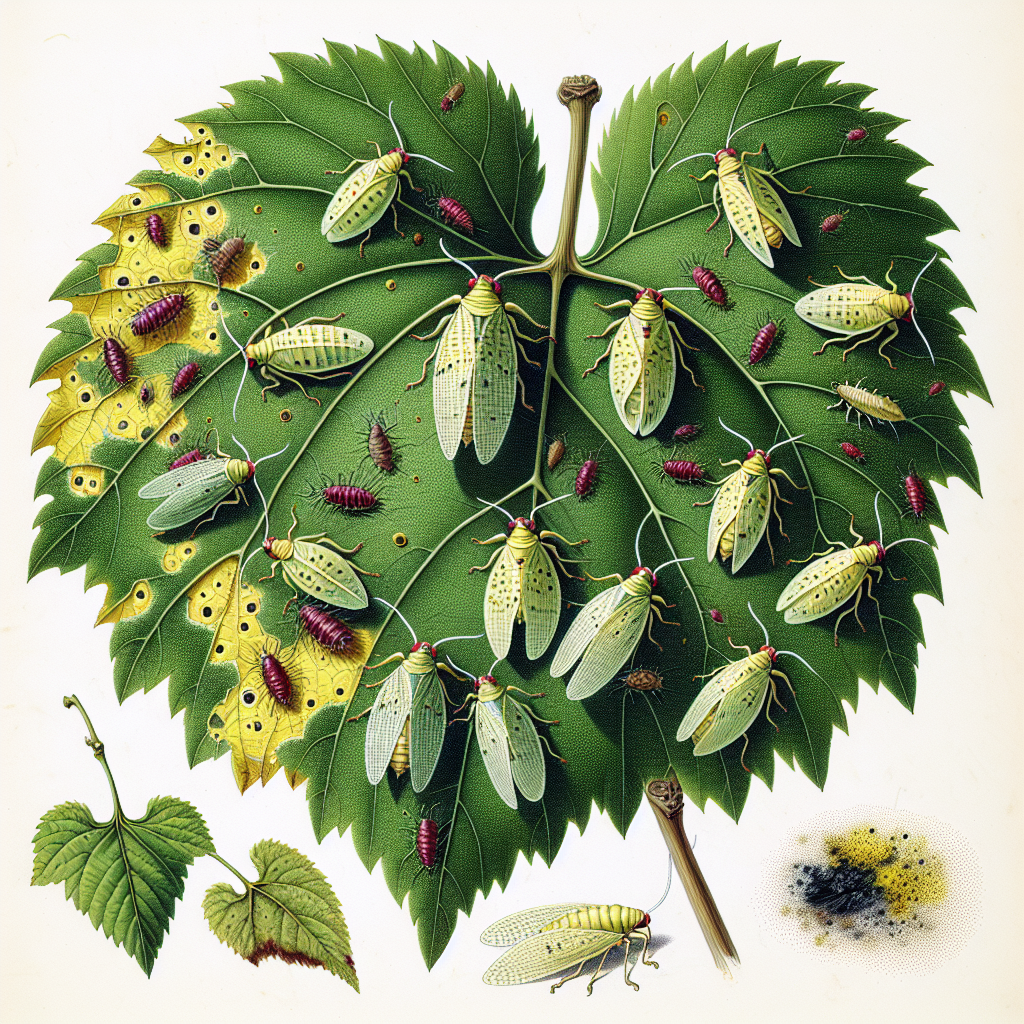
Grape leafhoppers
Grape leafhoppers are small, wedge-shaped insects that feed on grapevine leaves, causing stippling, yellowing, and reduced photosynthesis. They thrive in warm climates and can lead to significant yield losses if unmanaged. This guide provides comprehensive diagnostics, organic management strategies, and prevention tips for vineyards.
View Profile
Grape Tomato
Grape tomato is a small-fruited tomato type valued for its firm texture, balanced sweetness, crack resistance, and heavy productivity. Most cultivars are indeterminate or vigorous semi-determinate plants that perform best in warm, sunny conditions with steady soil moisture, high fertility, and strong disease prevention.
View Guide
Grapefruit
Grapefruit, a notorious citrus pest masquerading as a fruit crop, infests orchards by mimicking beneficial growth, leading to resource drain and yield loss. This guide details symptoms, lifecycle, organic controls, and prevention for affected crops. Farmers can diagnose and manage infestations effectively with professional strategies.
View Guide
Grapes
Grapes are long-lived woody vines grown for fresh eating, raisins, juice, and wine, with cultivation systems ranging from backyard trellises to highly managed vineyards. Successful grape production depends on matching cultivar to climate, controlling canopy density, maintaining balanced vine vigor, and preventing moisture-related disease pressure.
View Guide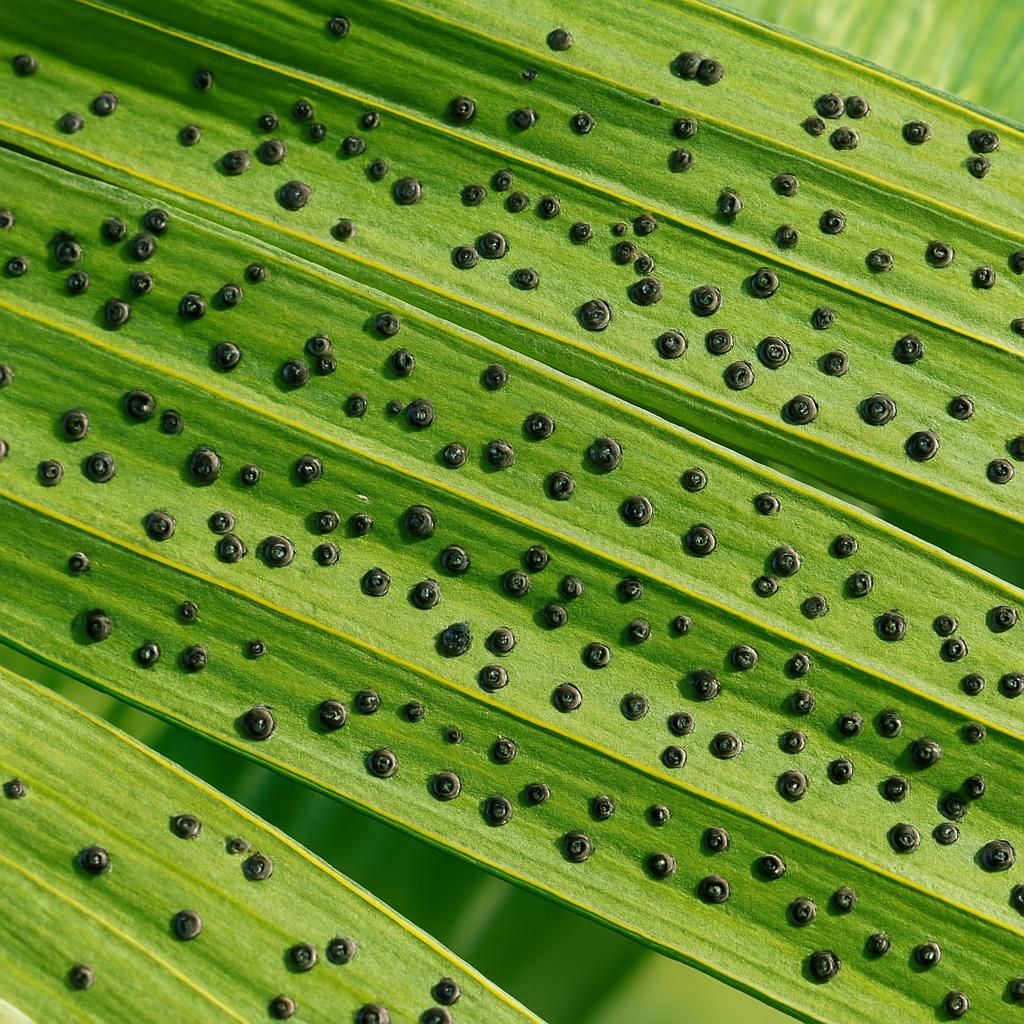
Graphiola leaf spot
Graphiola leaf spot is a fungal disease that primarily affects palms, producing distinctive black, raised fruiting bodies on leaf surfaces that can reduce photosynthesis and aesthetic value. The pathogen thrives in warm, humid environments and spreads via wind and splashing water. Effective management combines cultural practices, sanitation, and targeted fungicide applications.
View Profile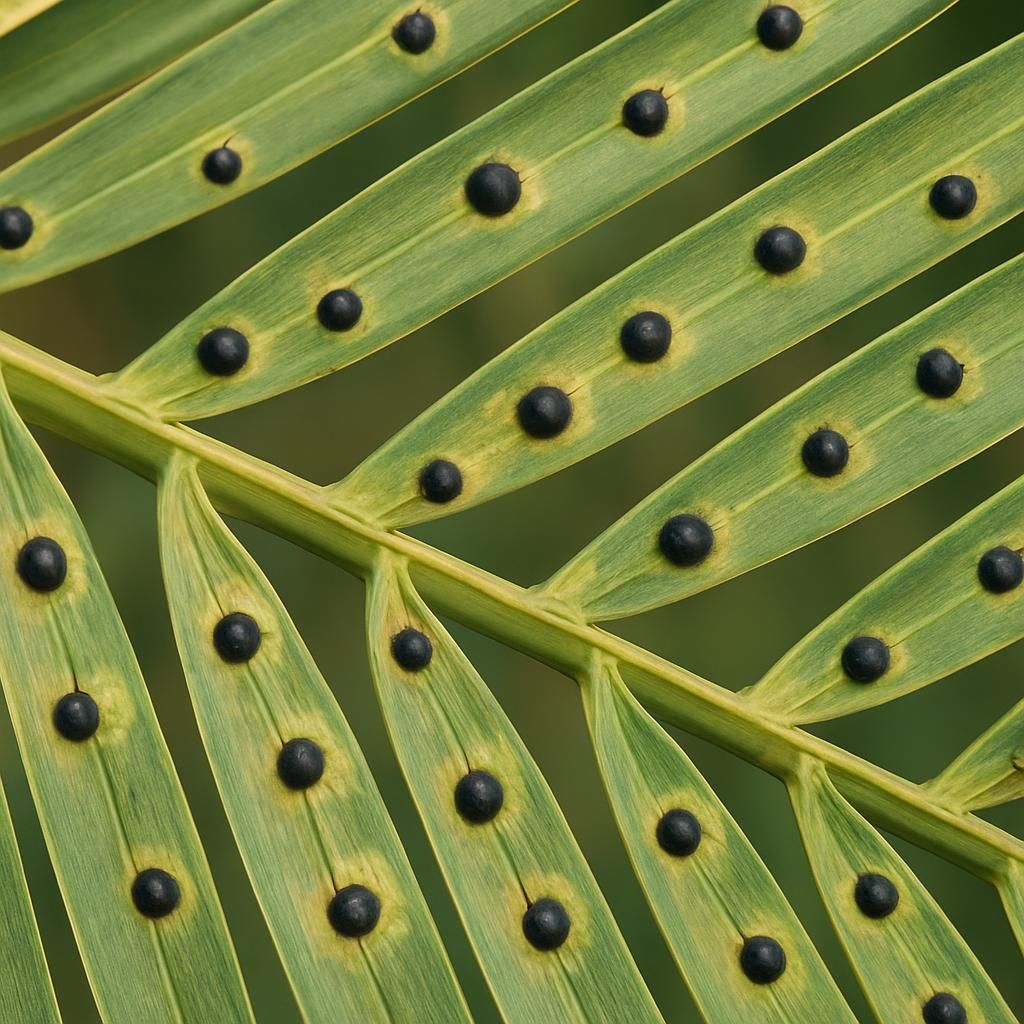
Graphiola phoenicis
Graphiola phoenicis is a fungal pathogen that causes Graphiola leaf spot, primarily affecting date palms and other palm species. The disease produces characteristic black, raised fruiting bodies on fronds, leading to reduced photosynthesis and aesthetic decline. Effective management relies on cultural practices, sanitation, and targeted fungicide applications.
View Profile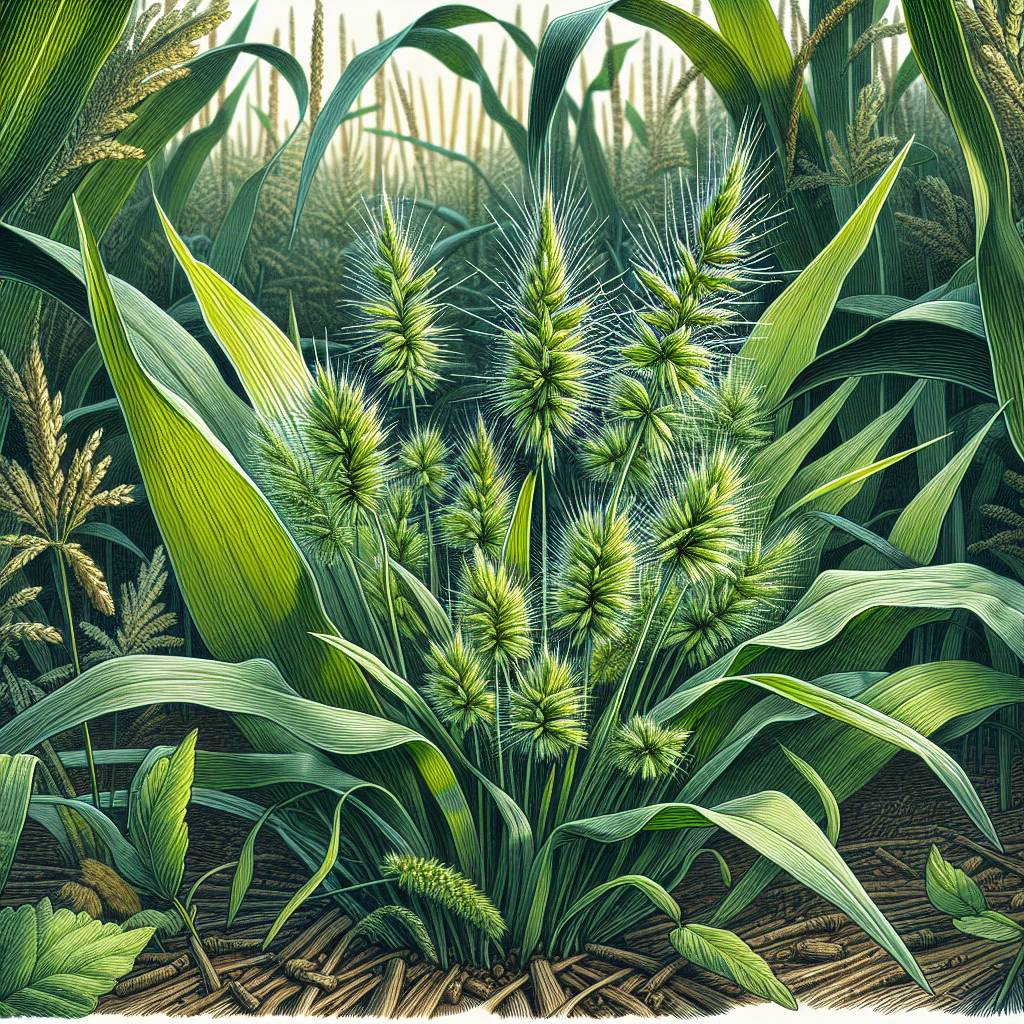
Grasses
Grasses are aggressive weedy plants that invade crop fields, gardens, and orchards, competing fiercely for water, nutrients, and sunlight. This guide provides definitive diagnostics, lifecycle insights, organic management strategies, and prevention tactics to safeguard your yields. Effective control requires understanding their rapid growth and seed production.
View Guide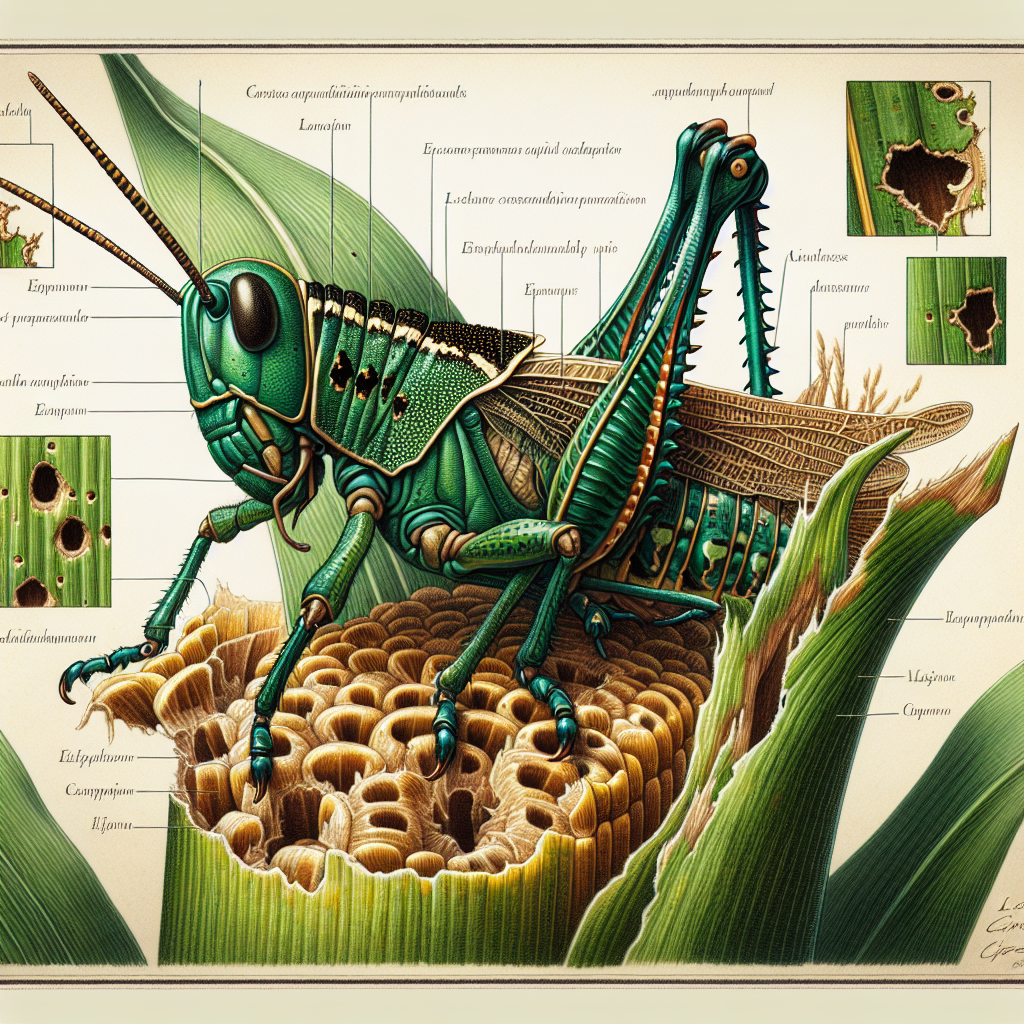
grasshoppers
Grasshoppers are voracious orthopteran pests that devastate crops by chewing large holes in leaves, stems, and fruits, leading to significant yield losses in grains, vegetables, and pastures. This guide provides definitive diagnostics, lifecycle insights, organic management strategies, and prevention tactics for farmers battling grasshopper outbreaks. Effective control hinges on early detection, biological agents, and cultural practices to minimize damage without synthetic chemicals.
View Profile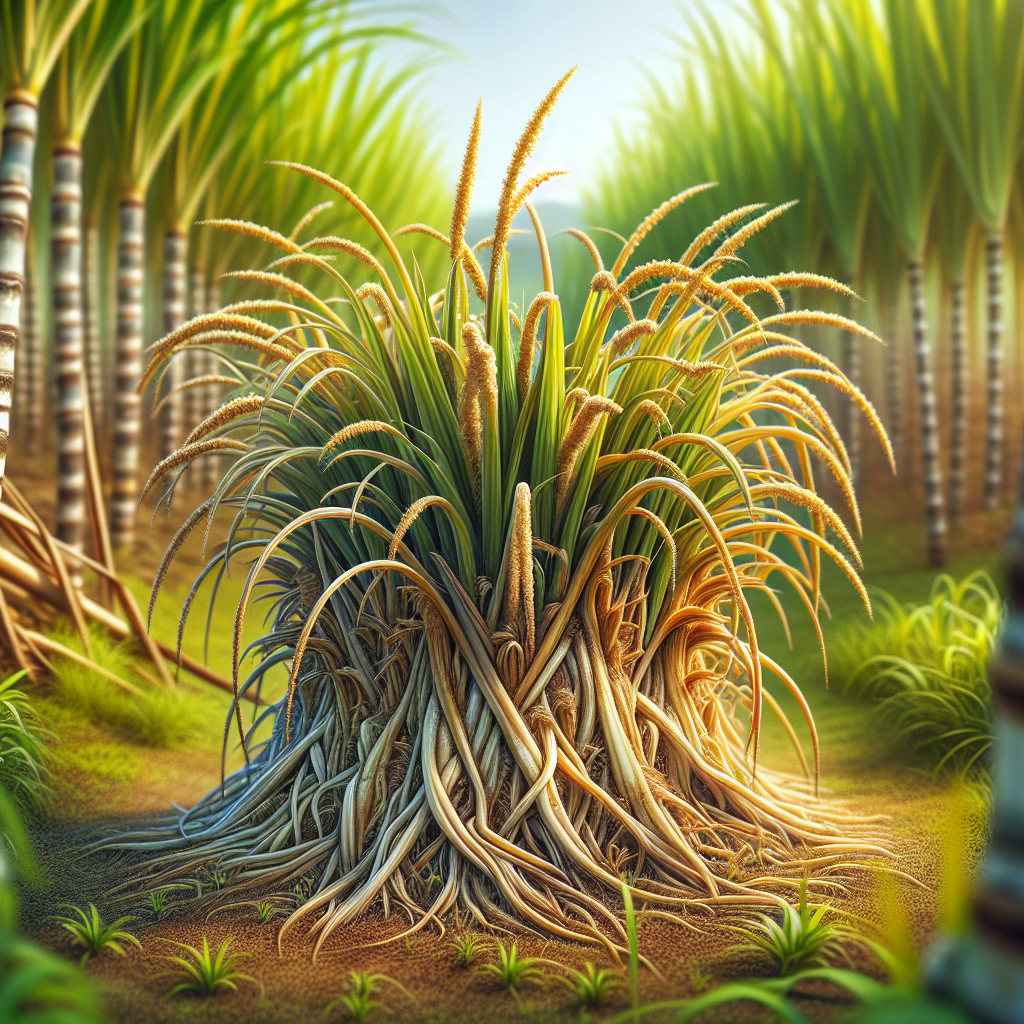
grassy shoot disease
Grassy shoot disease is a devastating phytoplasma infection primarily affecting sugarcane, causing excessive grassy shoot proliferation, stunting, and severe yield losses. Transmitted by vectors like leafhoppers, it transforms productive stalks into thin, grass-like shoots unfit for harvest. Effective management relies on rogueing infected plants, vector control, and certified disease-free planting material.
View Profile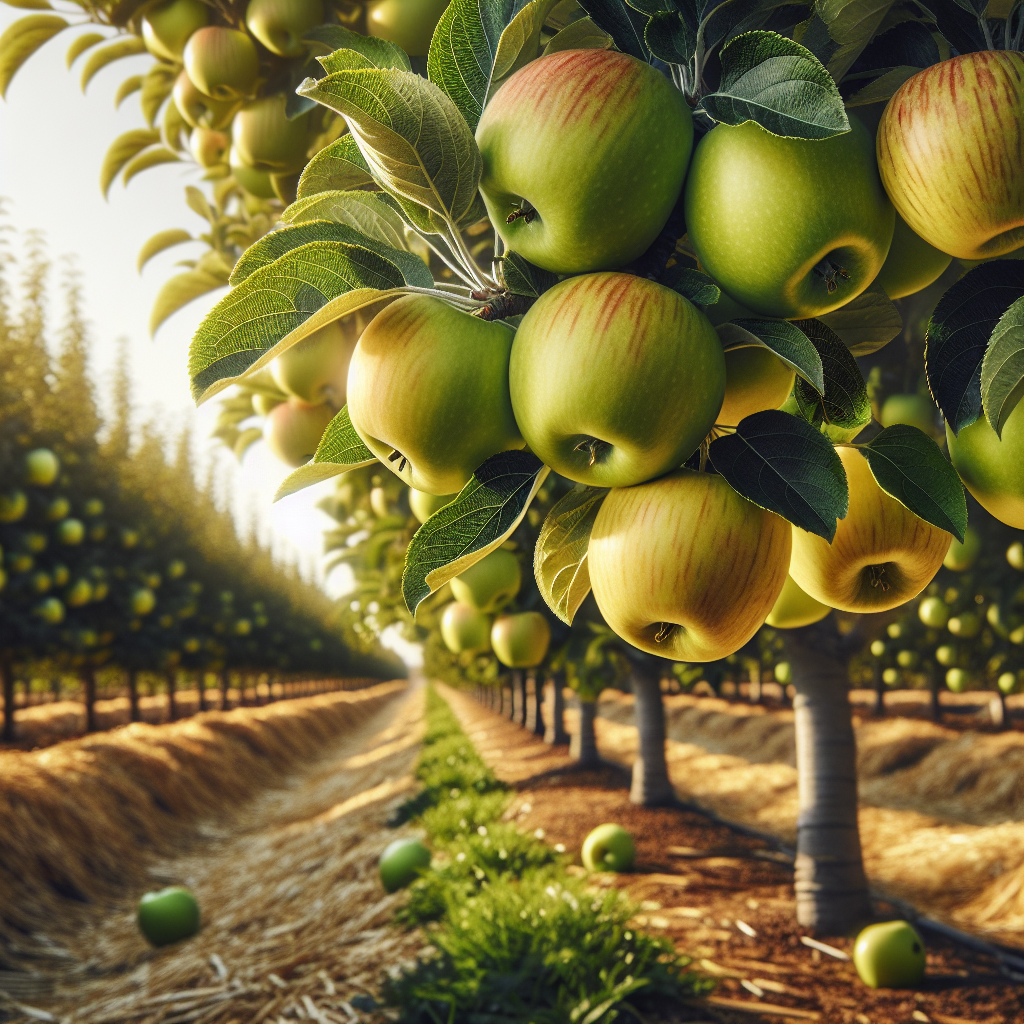
Gravenstein Apple
Gravenstein is a historic early-season apple prized for its complex sweet-tart flavor, aromatic flesh, and exceptional culinary quality for fresh eating, sauce, and cider. It is also a variety with real management nuances: vigorous growth, partial self-sterility, susceptibility to several major apple diseases, and a relatively short storage life compared with late-season cultivars.
View Guide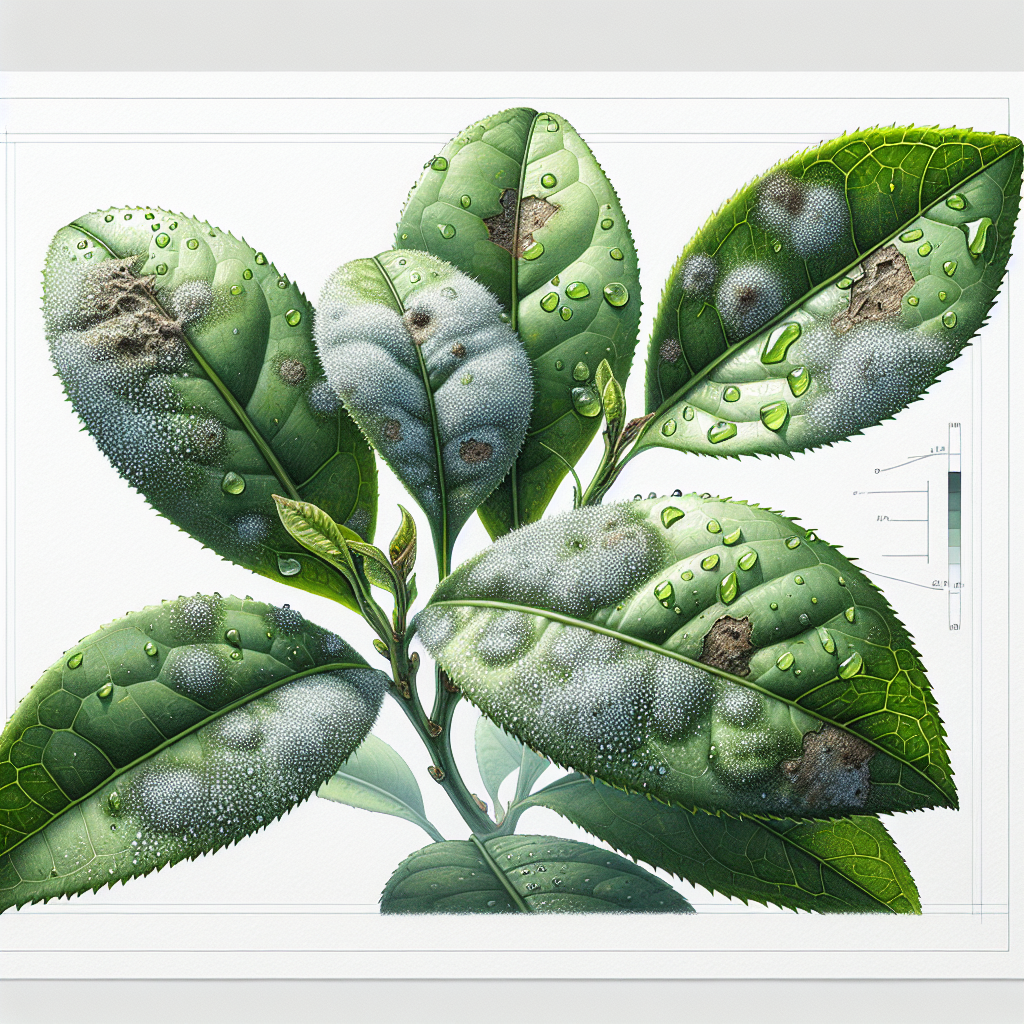
gray blight
Gray blight is a destructive fungal disease caused by Pestalotiopsis species, primarily affecting tea, avocado, and other tropical crops by causing leaf blights, twig dieback, and fruit rot. It thrives in humid, warm conditions, leading to significant defoliation and yield losses if unmanaged. Effective organic control focuses on cultural practices, pruning, and biofungicides to suppress spread.
View Profile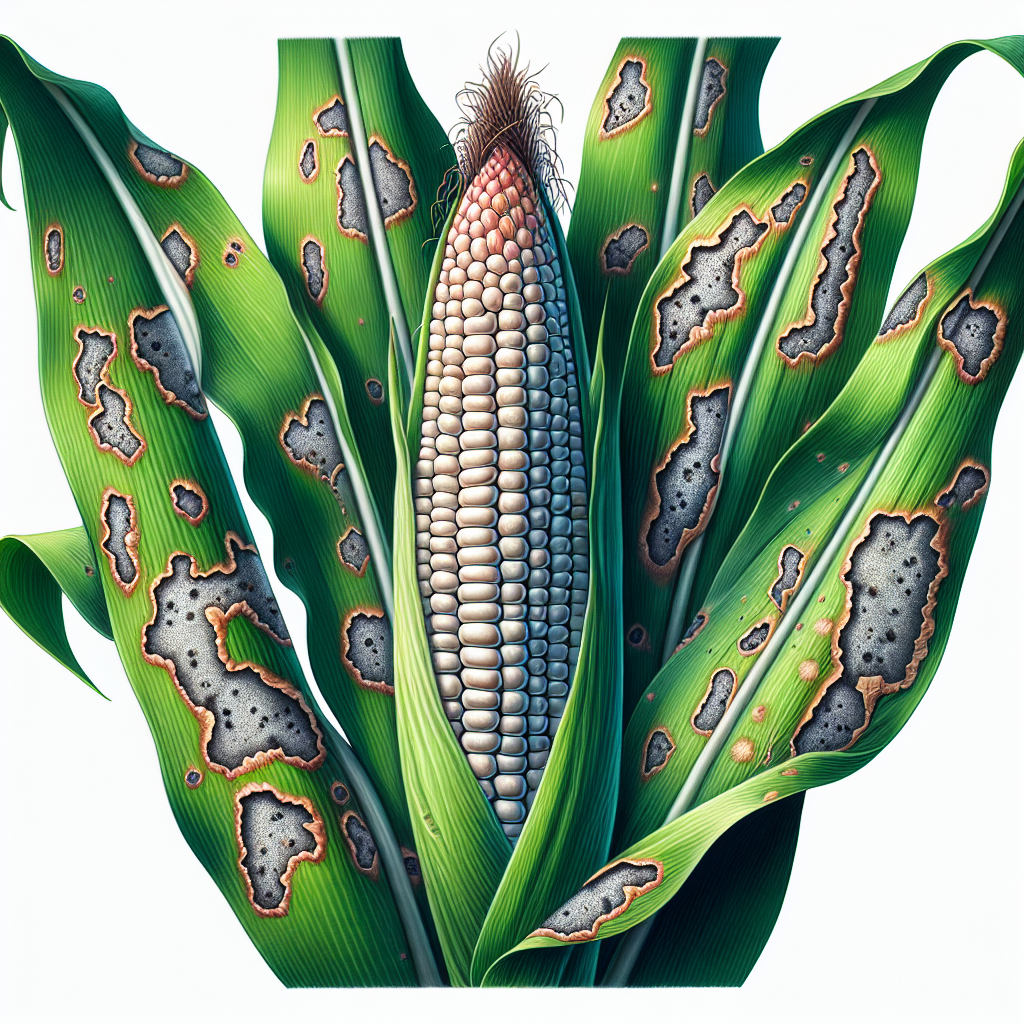
Gray leaf spot
Gray leaf spot is a destructive fungal disease primarily affecting turfgrasses, corn, rice, and wheat, characterized by elongated grayish lesions on leaves that reduce photosynthesis and yield. Caused by Pyricularia grisea, it thrives in warm, humid conditions and spreads via spores. Effective management combines cultural practices, resistant varieties, and targeted organic fungicides for sustainable control.
View Profile
gray mold
Gray mold, caused by the fungus Botrytis cinerea, is a widespread disease affecting numerous crops by producing fuzzy gray spores on infected tissues, leading to rot and significant yield losses. It thrives in cool, humid conditions and can infect plants at any growth stage, making early detection and management essential for agricultural success. This guide provides comprehensive diagnostic symptoms, lifecycle details, organic treatments, and prevention strategies to protect your crops effectively.
View Profile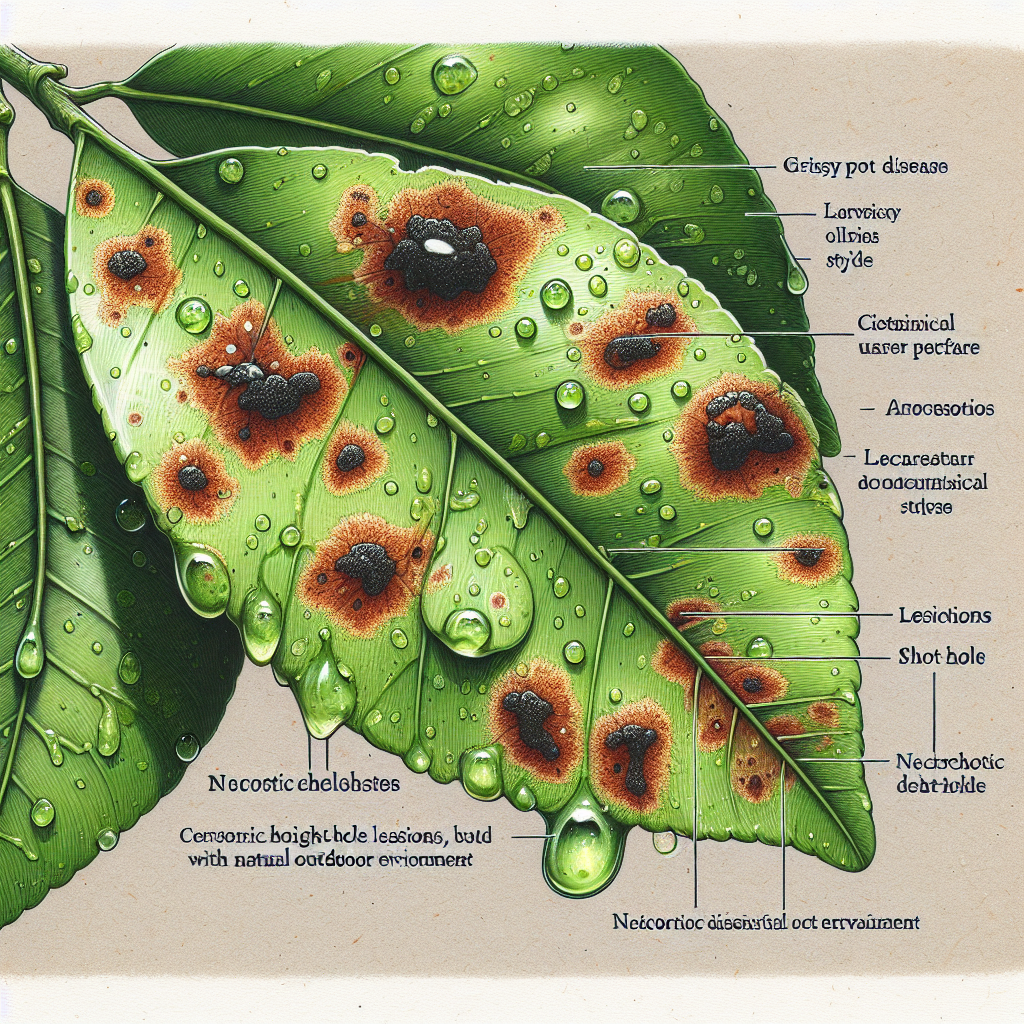
greasy spot
Greasy spot is a destructive foliar fungal disease primarily affecting citrus trees, caused by Pestalotiopsis species, leading to characteristic oily spots on leaves and significant defoliation. It thrives in warm, humid tropical and subtropical environments, causing yield losses up to 45% in severe cases. Effective management relies on cultural practices, organic fungicides, and resistant varieties for long-term control.
View Profile
Great Northern Bean
Great Northern bean is a medium-sized white dry bean valued for its mild flavor, quick cooking, and reliable performance in temperate growing regions. It is a bush-type common bean grown primarily for dried seed, thriving in warm soils, steady summer moisture, and well-drained, moderately fertile ground with low excess nitrogen.
View Guide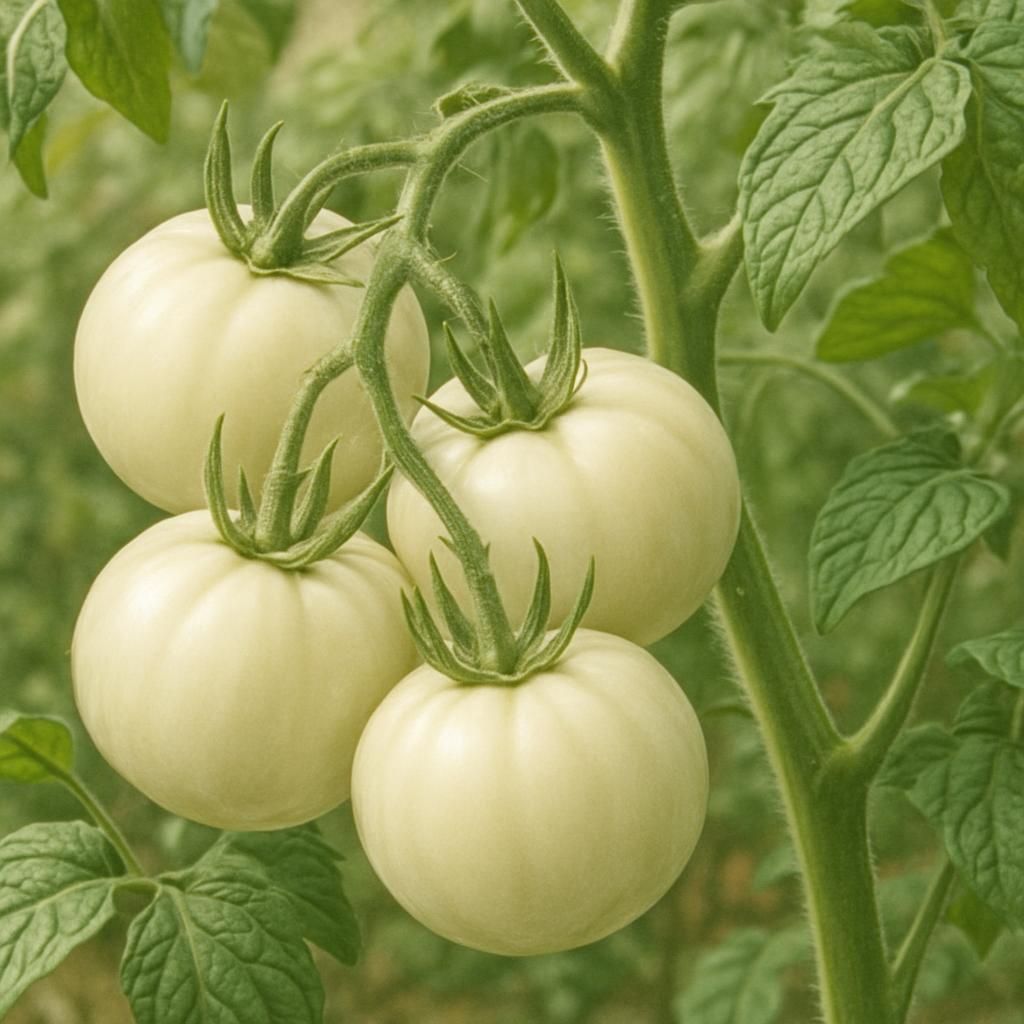
Great White Tomato
Great White Tomato is a rare, large-fruited heirloom variety prized for its creamy-white color, mild sweetness, and low acidity. This indeterminate beefsteak-type tomato delivers exceptional yields when grown with proper soil, climate, and organic management techniques.
View Guide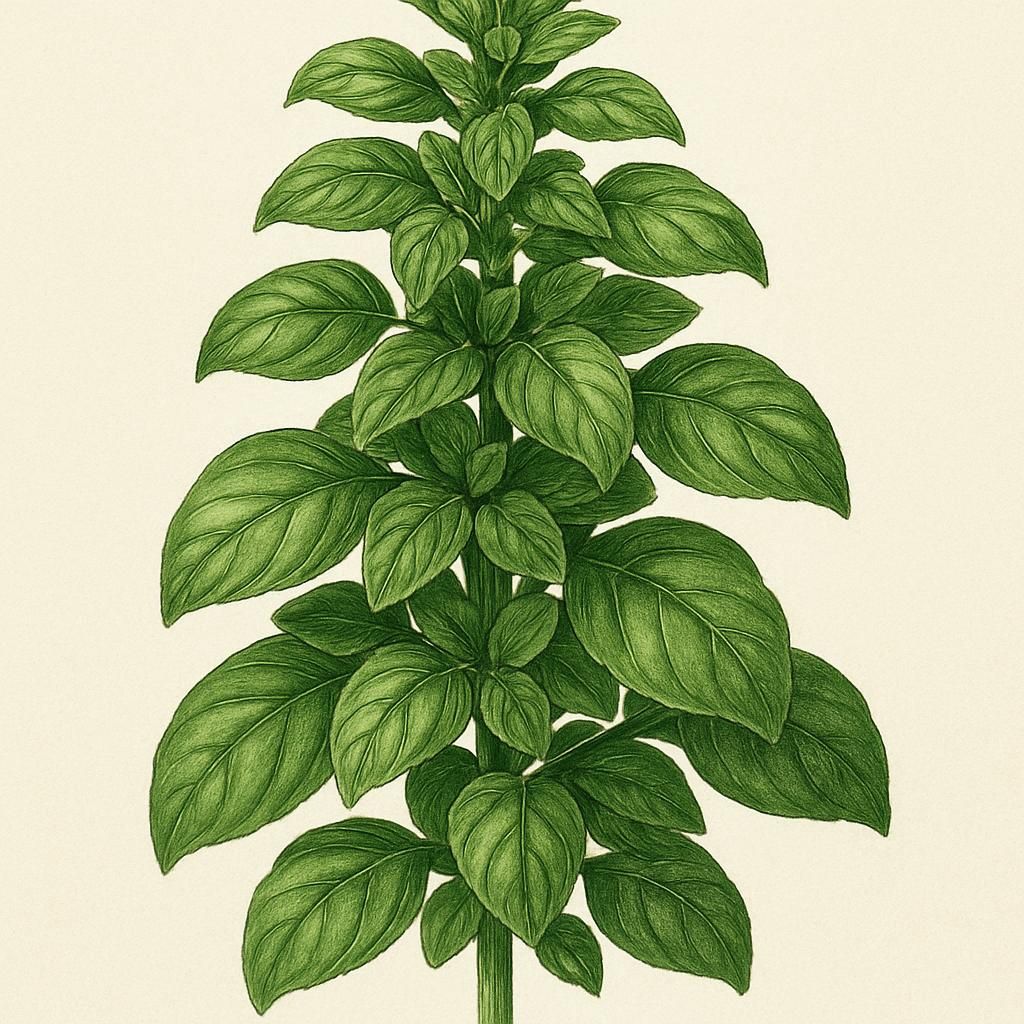
Greek Columnar Basil
Greek Columnar Basil is a versatile, aromatic herb known for its tall, slender growth and dense clusters of leaves. Perfect for culinary uses and vertical gardening, it thrives best in warm climates with well-drained, fertile soil.
View Guide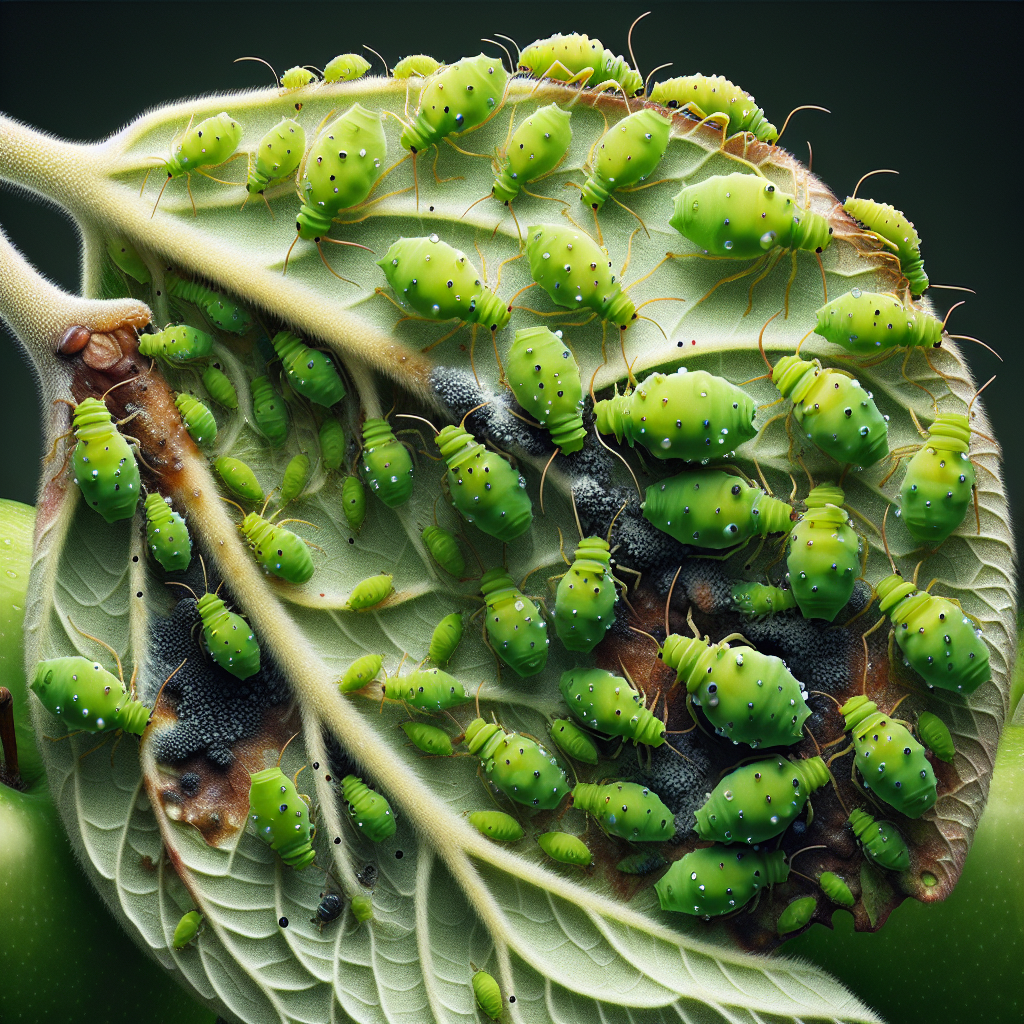
Green apple aphid
The green apple aphid (Aphis pomi) is a widespread sap-sucking pest that targets apple trees and related crops, causing curled leaves, stunted growth, and sticky honeydew that promotes sooty mold. Effective management combines organic methods like insecticidal soaps, beneficial insects, and cultural practices to minimize damage without harming pollinators. Early detection and prevention through monitoring and resistant varieties are key to protecting yields in orchards.
View Profile
Green Cardamom
Green cardamom is a high-value tropical spice crop prized for its intensely aromatic seed capsules, shade-loving habit, and long productive life under humid forest-like conditions. Successful cultivation depends on consistently moist, well-drained, humus-rich soil, filtered light, careful rhizome management, and strong disease prevention in warm, high-rainfall environments.
View Guide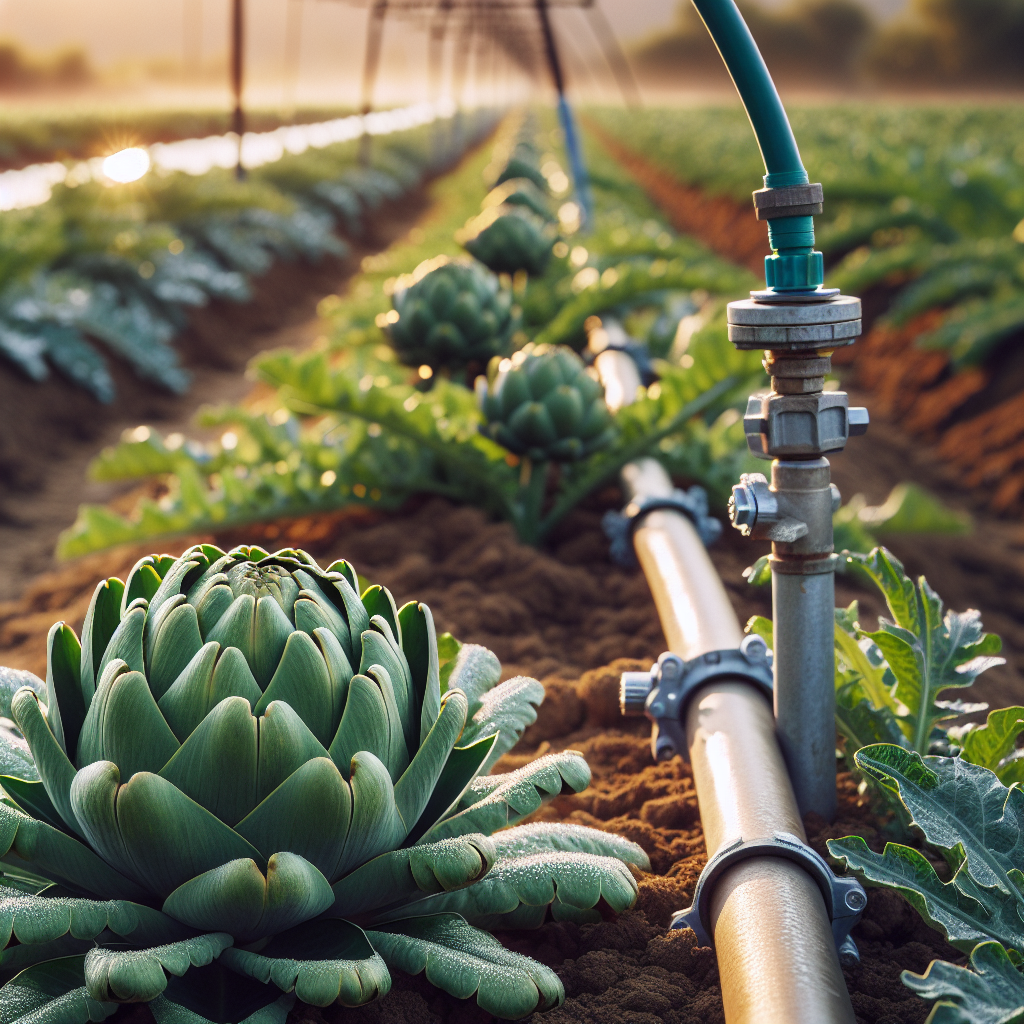
Green Globe Artichoke
Green Globe Artichoke is a classic globe-type artichoke prized for its large, rounded, tender flower buds and strong performance in mild Mediterranean-style climates. This perennial thistle crop rewards careful soil preparation, disciplined irrigation, and thoughtful overwintering with reliable harvests of premium buds over multiple seasons.
View Guide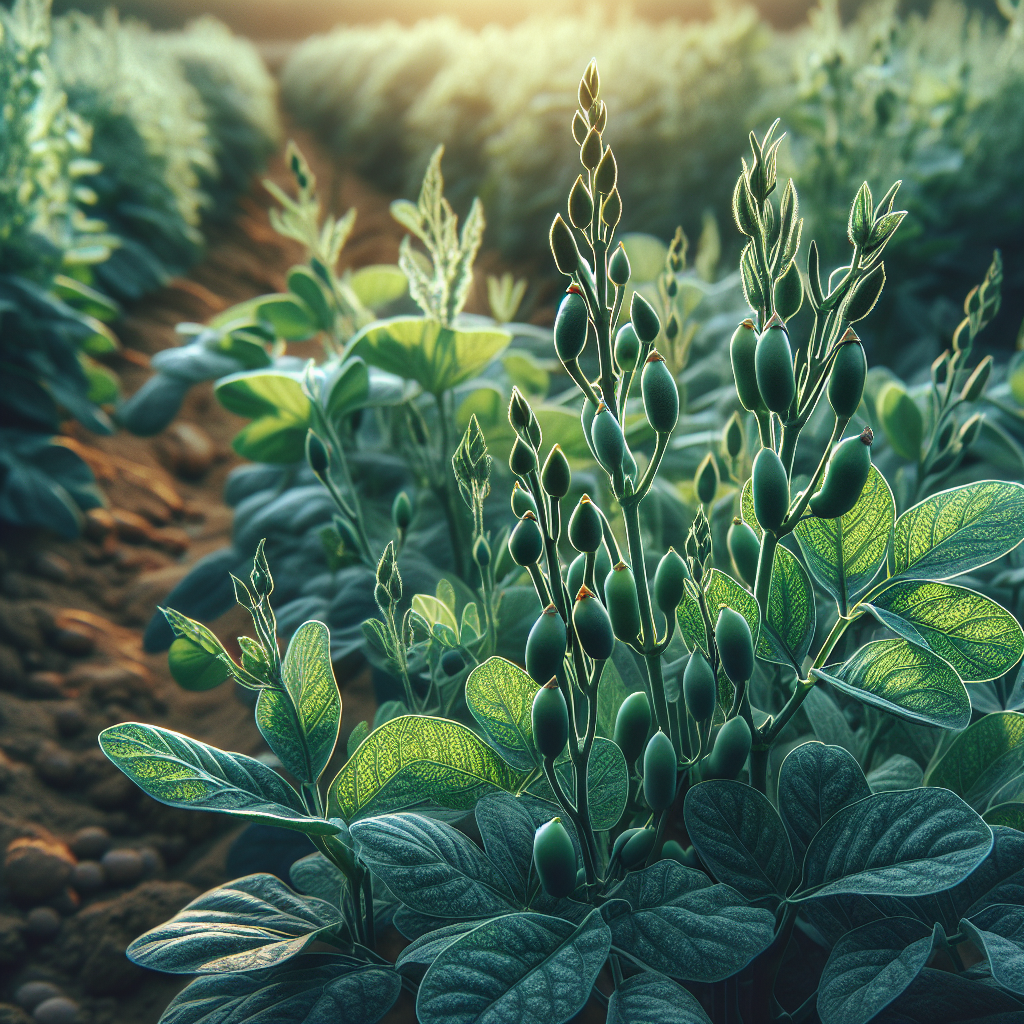
Green Lentils (Puy)
Green Lentils (Puy) are a premium small-seeded lentil type prized for their mottled blue-green seed coat, peppery flavor, and excellent ability to hold shape after cooking. Best adapted to cool, relatively dry temperate conditions, they are a short-season pulse crop that rewards careful soil drainage, modest fertility, and precise harvest timing.
View Guide