Encyclopedia
Definitive guides for crops, pests, and agricultural diseases.

citrus leafminers
Citrus leafminers are tiny moths whose larvae tunnel into young citrus leaves, causing serpentine mines that distort growth and reduce photosynthesis. Native to Asia, they have spread globally, posing a significant threat to citrus production. Effective management combines monitoring, organic treatments, and cultural practices to minimize damage without harming beneficial insects.
View Profile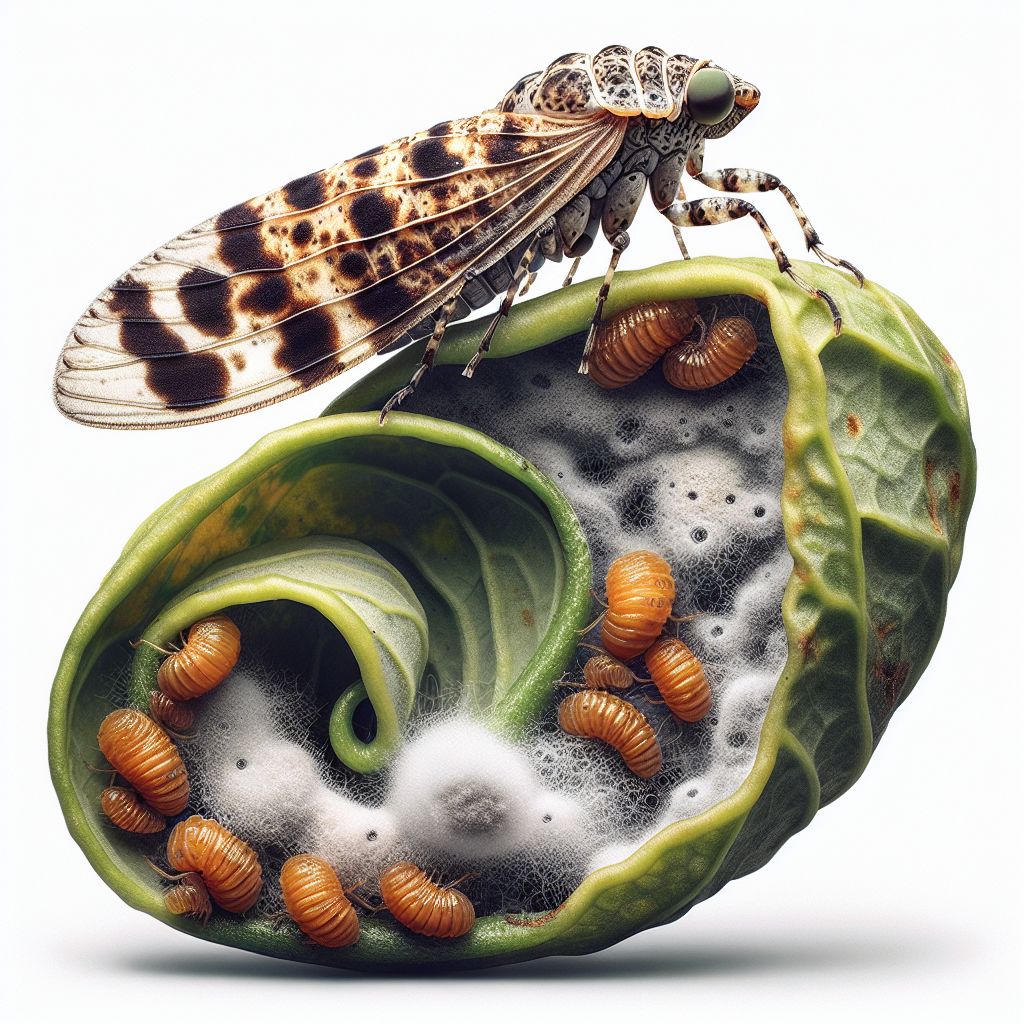
Citrus psyllid
The citrus psyllid (Diaphorina citri) is a small, sap-sucking insect that vectors the devastating citrus greening disease (HLB), threatening citrus production worldwide. This guide provides definitive diagnostics, lifecycle insights, organic management strategies, and prevention tactics for growers facing infestations. Early detection and integrated approaches are key to protecting orchards from yield losses up to 100%.
View Profile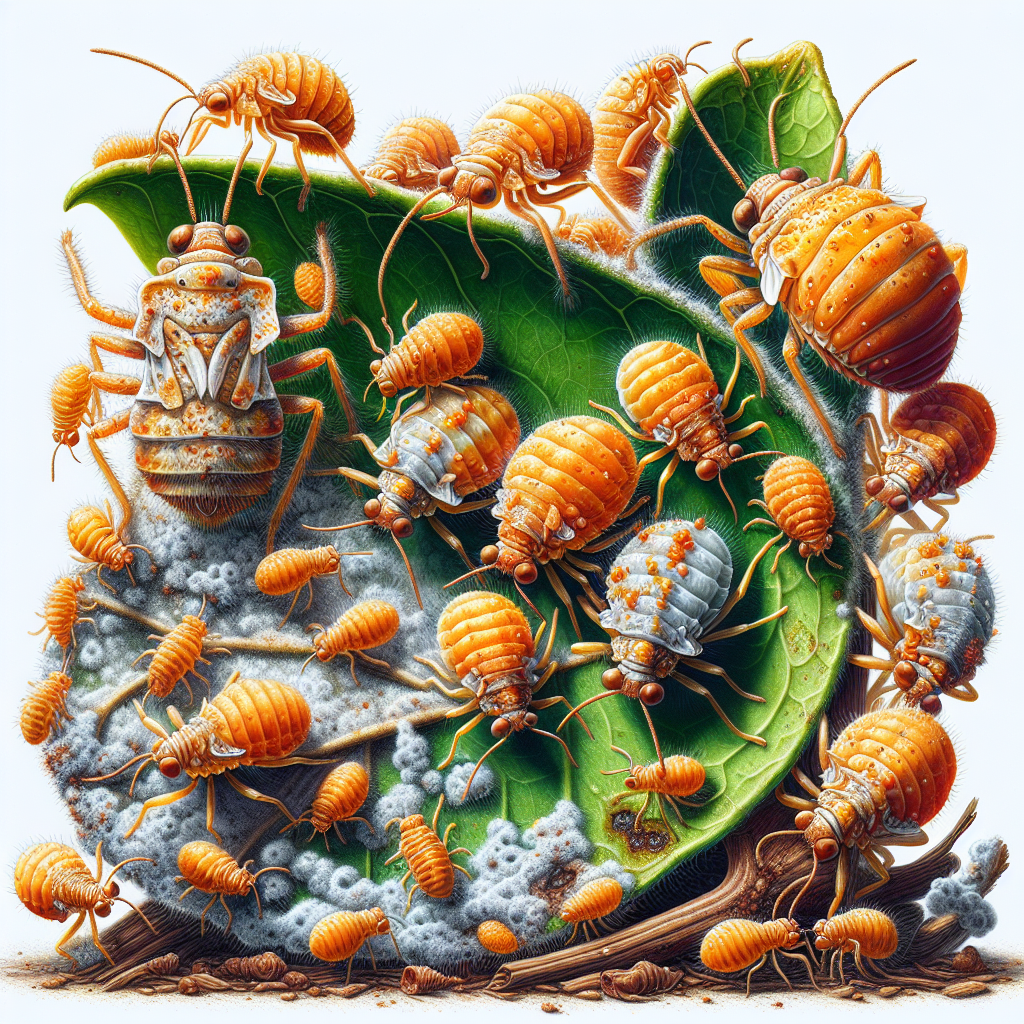
Citrus psyllids
Citrus psyllids are small, sap-sucking insects that infest citrus trees, causing direct damage through feeding and serving as vectors for the devastating citrus greening disease (huanglongbing). Effective identification, organic management, and prevention are crucial for protecting commercial groves and home orchards from yield losses and tree decline. This guide provides professional diagnostics, lifecycle insights, and proven control strategies for sustainable citrus production.
View Profile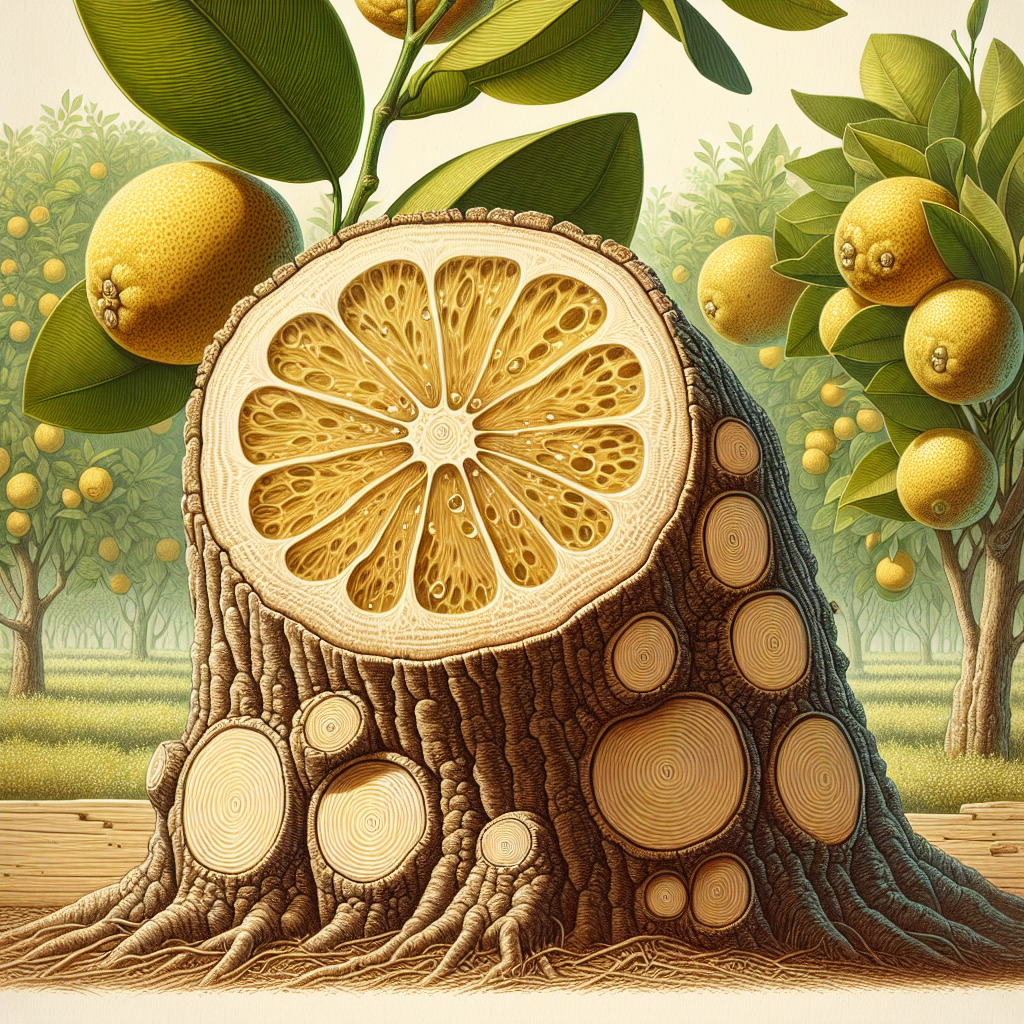
Citrus tristeza virus
Citrus tristeza virus (CTV) is a devastating closterovirus that causes severe decline, quick decline, and stem pitting in citrus trees, primarily transmitted by aphids. It poses a major threat to global citrus production, leading to tree death and massive economic losses. Effective management relies on virus-free planting material, tolerant rootstocks, and vector control.
View Profile
CL111 Rice
CL111 Rice is a high-yielding, semi-dwarf rice variety known for its adaptability and resistance to pests and diseases, making it suitable for a range of climates and cultivation practices.
View Guide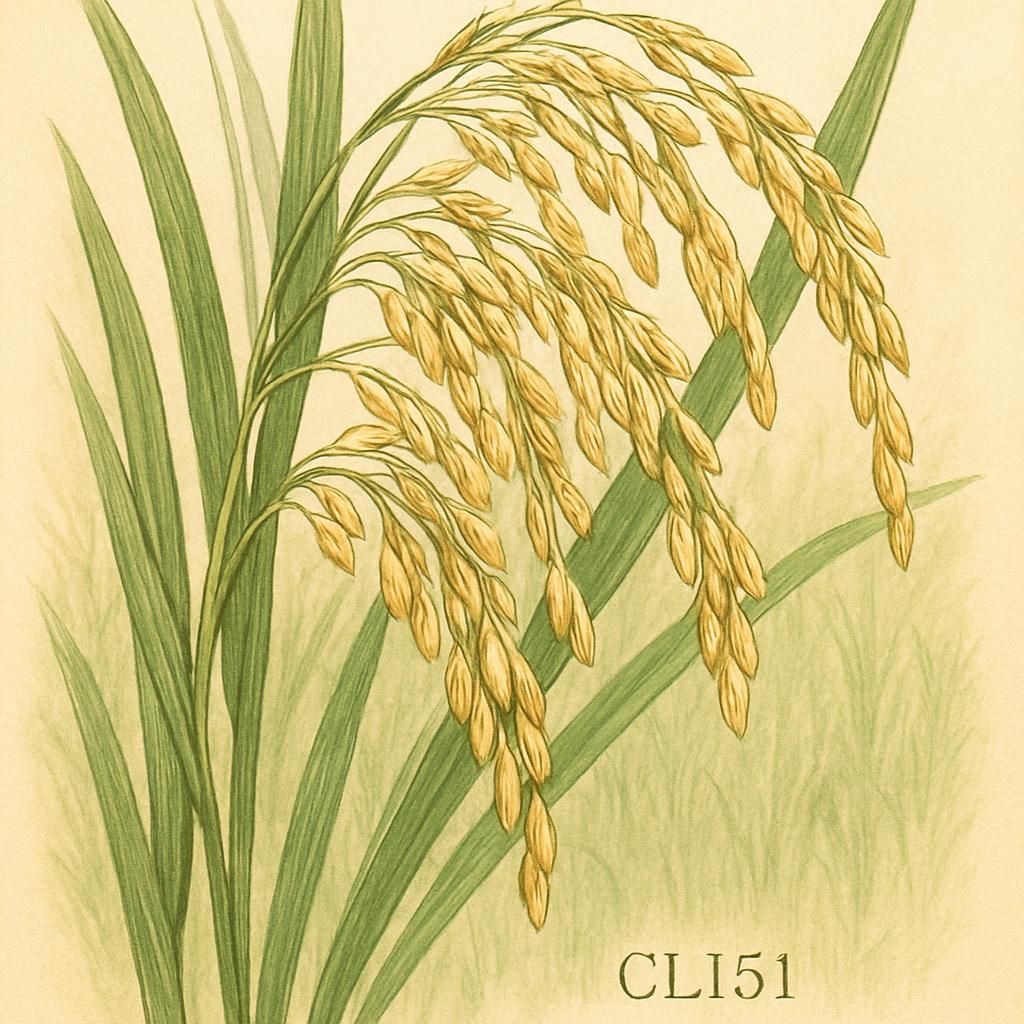
CL151 Rice
CL151 Rice is a high-yield, herbicide-resistant variety designed for efficient cultivation in the American rice belt. Its distinct cultivation advantages make it an ideal choice for modern rice farming.
View Guide
Cladosporium
Cladosporium is a ubiquitous fungal genus causing leaf spots, blights, and fruit rots in a wide range of crops, thriving in warm, humid conditions. It produces olive-green to black spores that spread via wind and rain, leading to significant yield losses if unmanaged. Effective organic management relies on cultural practices, resistant varieties, and biological controls to minimize damage.
View Profile
Clam
Clam is a bivalve mollusk cultivated in coastal and estuarine aquaculture systems. This guide provides professional-grade, practical advice on soil, water, climate, planting, care, pests, harvesting, and companion strategies for successful clam production.
View Guide
Clematis
Clematis is a diverse genus of flowering vines prized for its spectacular blooms and versatile garden uses. This comprehensive guide covers botanical traits, ideal growing conditions, planting and propagation methods, ongoing care, pest and disease management, harvesting, and companion planting strategies for successful cultivation.
View Guide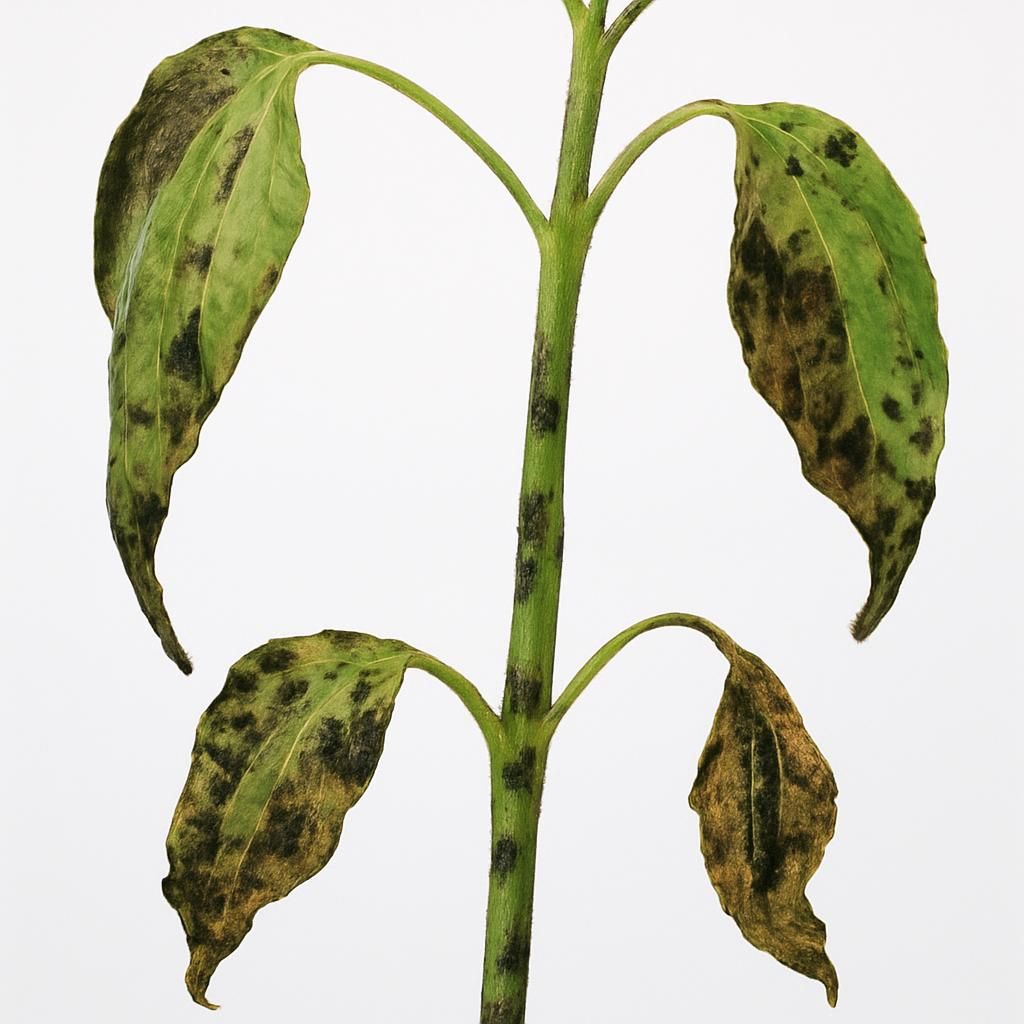
clematis wilt
Clematis wilt is a destructive fungal disease primarily caused by Ascochyta clematidina that leads to sudden wilting, stem blackening, and collapse of clematis vines. It spreads through soil, water splash, and contaminated tools, thriving in cool, moist conditions. Effective management relies on resistant cultivars, cultural practices, and targeted organic treatments.
View Profile
Clementine
Clementine is a small, easy-peeling mandarin-type citrus valued for its sweet flavor, low seed count, and reliable winter harvest. It performs best in frost-free to lightly frosty subtropical climates with excellent drainage, balanced nutrition, and careful irrigation management to prevent fruit drop, root stress, and rind disorders.
View Guide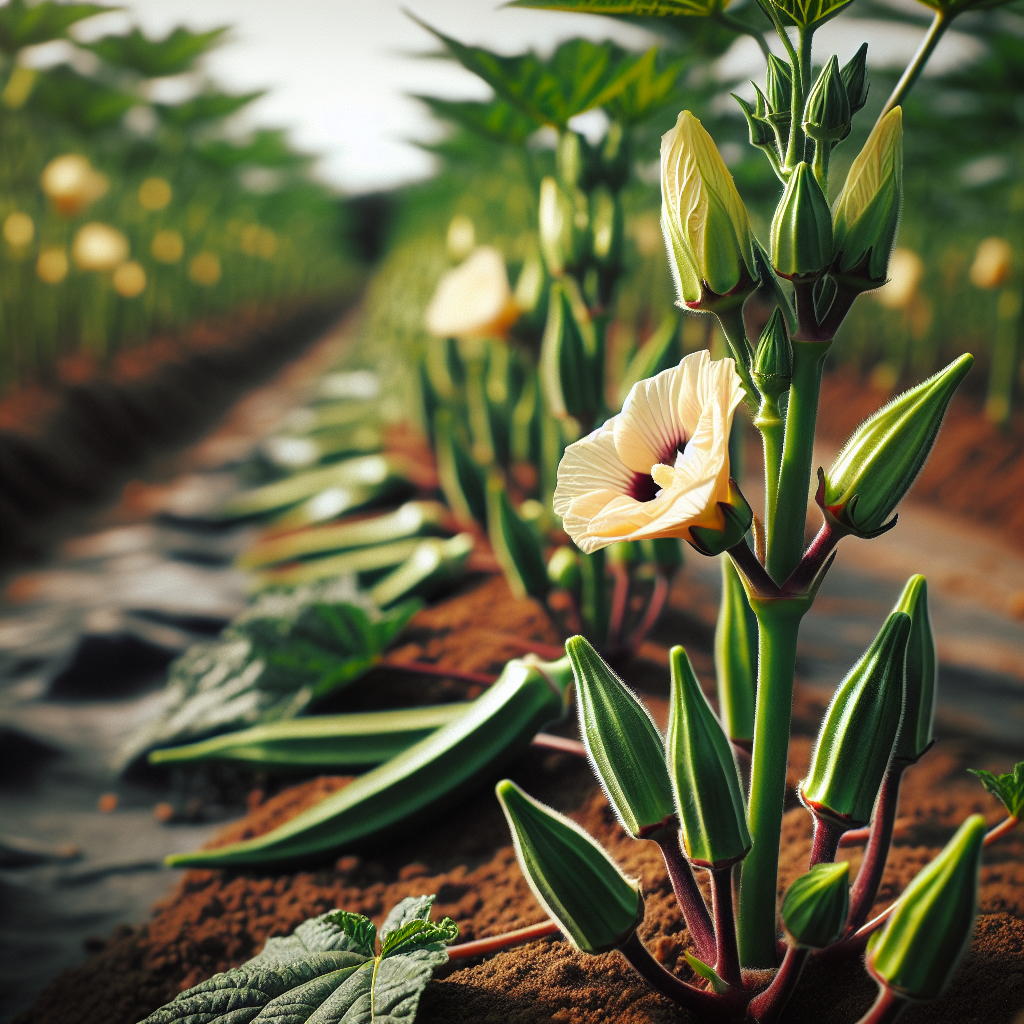
Clemson Spineless Okra
Clemson Spineless Okra is one of the most widely grown heirloom okra varieties, valued for its high productivity, reduced pod spines, and dependable performance in hot weather. It is especially well suited to home gardens and market plots because it produces tender, ridged green pods over a long harvest window when picked frequently.
View Guide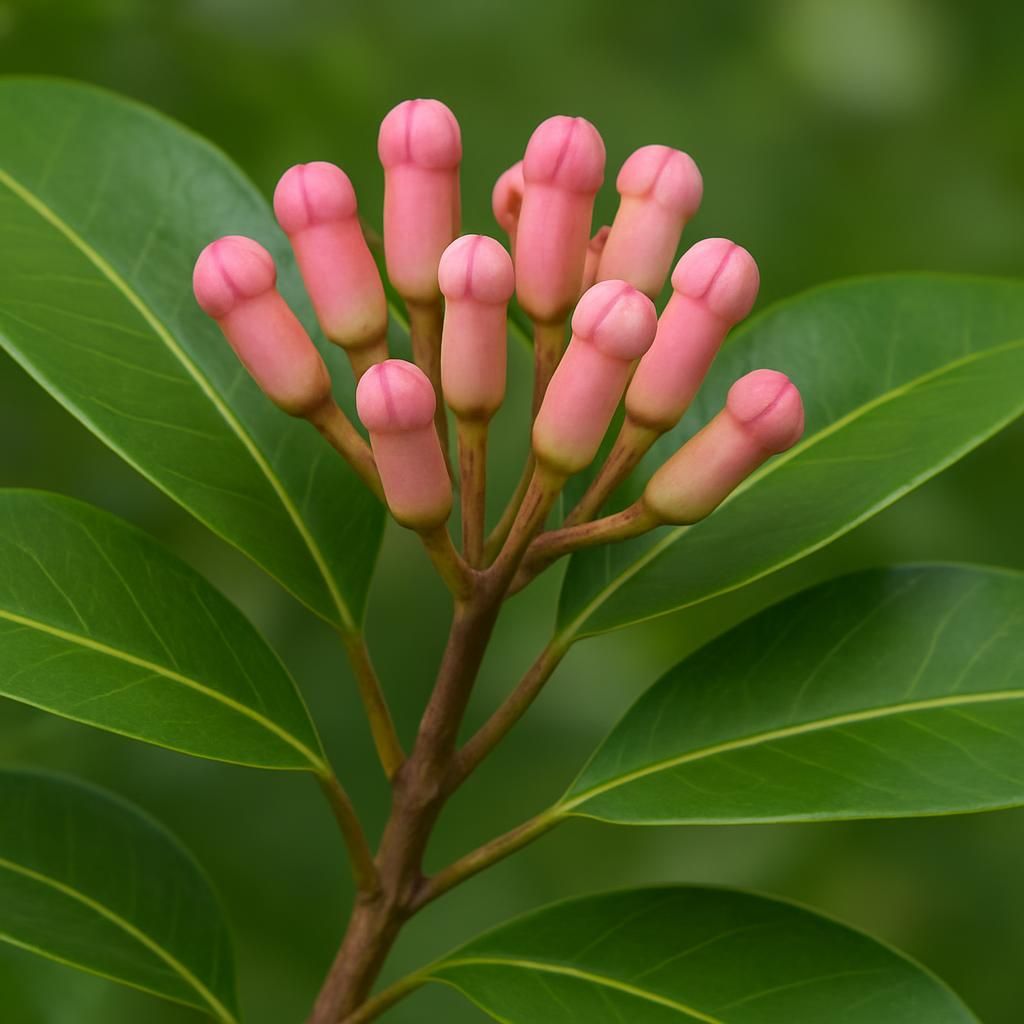
Clove
Clove is a tropical evergreen tree cultivated primarily for its aromatic dried flower buds, which are prized as a spice and for essential oil production. Native to the Maluku Islands, it thrives in humid equatorial climates and requires careful, long-term management to reach commercial yields.
View Guide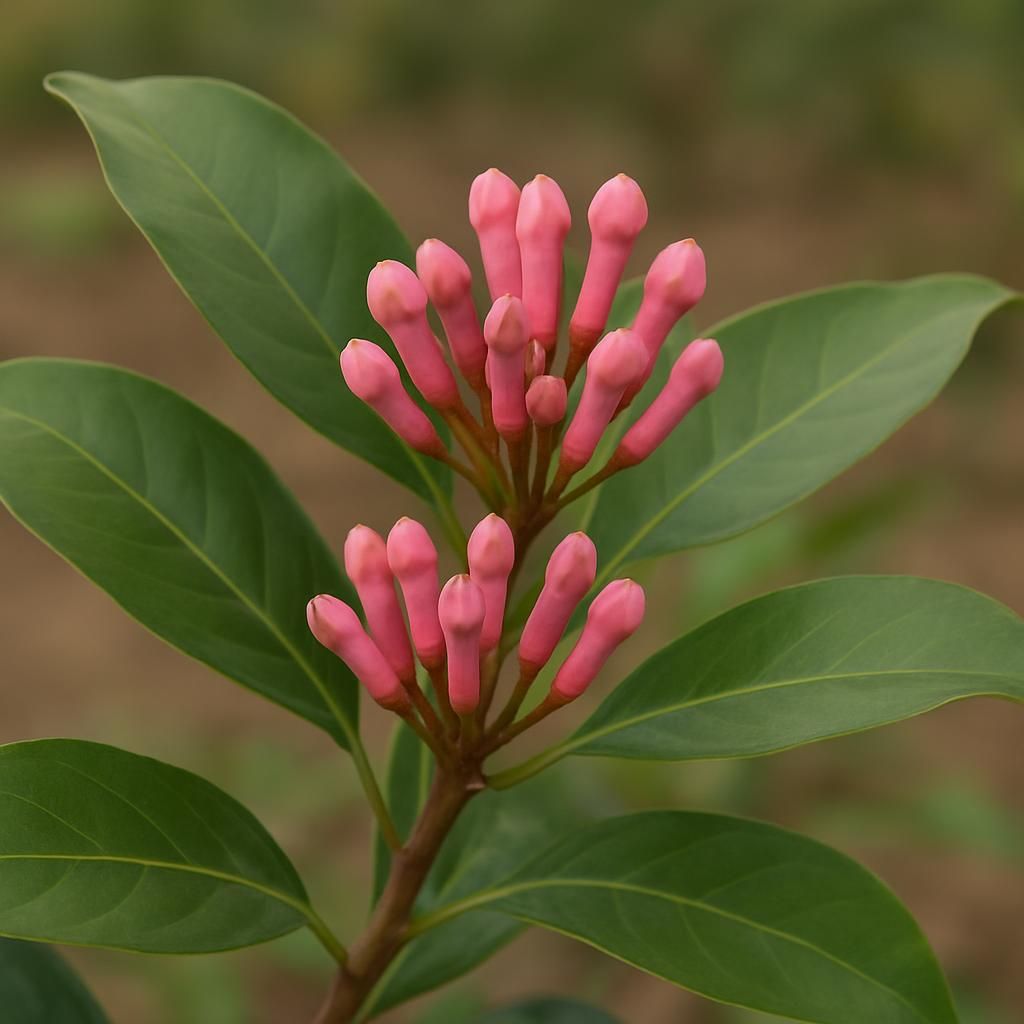
Clove (Syzygium aromaticum)
Clove is a tropical evergreen tree cultivated for its aromatic dried flower buds used worldwide as a spice and in essential oil production. It requires a hot, humid climate and well-drained, fertile soils with consistent moisture. Professional growers focus on shade management, soil health, and integrated pest control to achieve high-quality, export-grade buds.
View Guide
Clover
Clover is a versatile legume grown as forage, green manure, living mulch, pollinator habitat, and low-input groundcover. Its ability to fix atmospheric nitrogen through symbiosis with Rhizobium bacteria makes it one of the most valuable regenerative crops for pastures, orchards, and crop rotations.
View Guide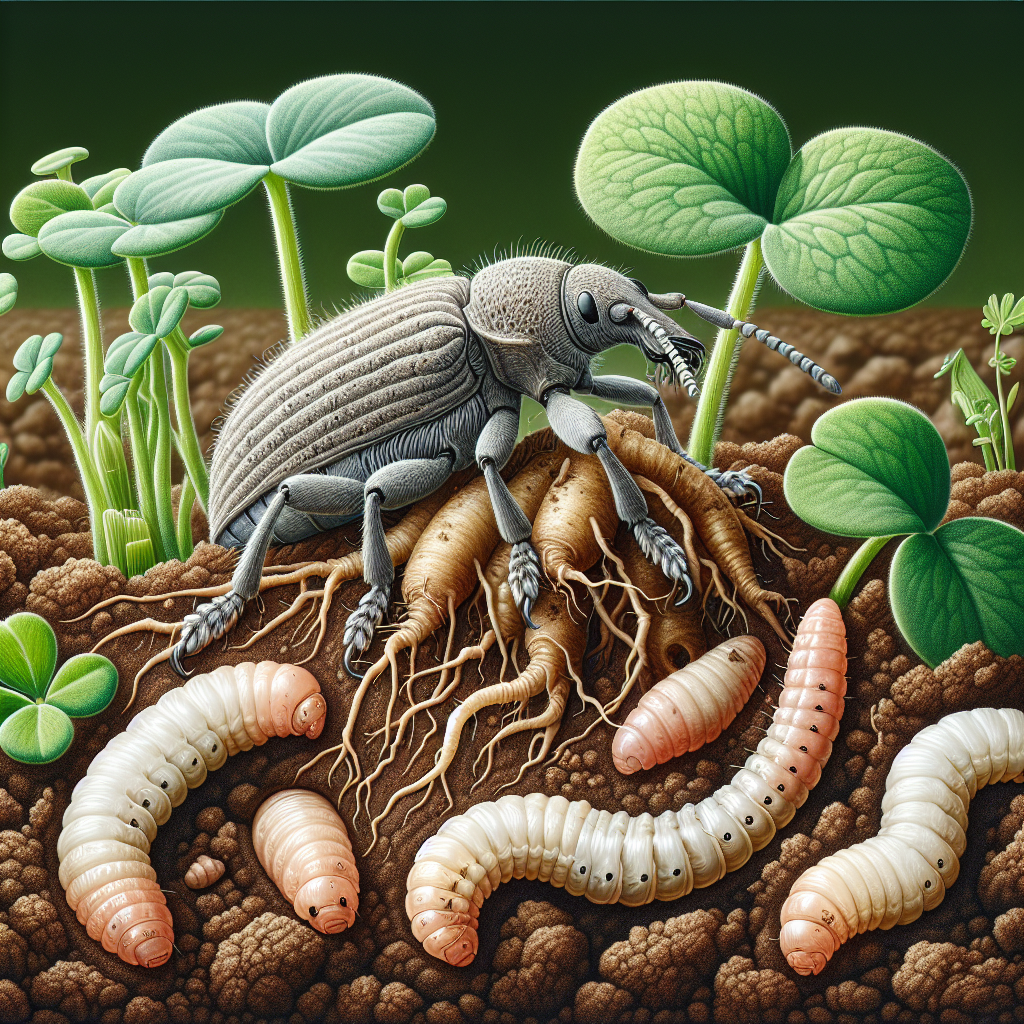
clover root curculio
The clover root curculio (Sitona hispidulus) is a small weevil that severely damages clover and alfalfa roots, leading to stunted growth and reduced forage yields. This pest is prevalent in temperate regions and can cause significant economic losses in legume pastures and cover crops. Effective management combines cultural practices, biological controls, and vigilant monitoring for long-term suppression.
View Profile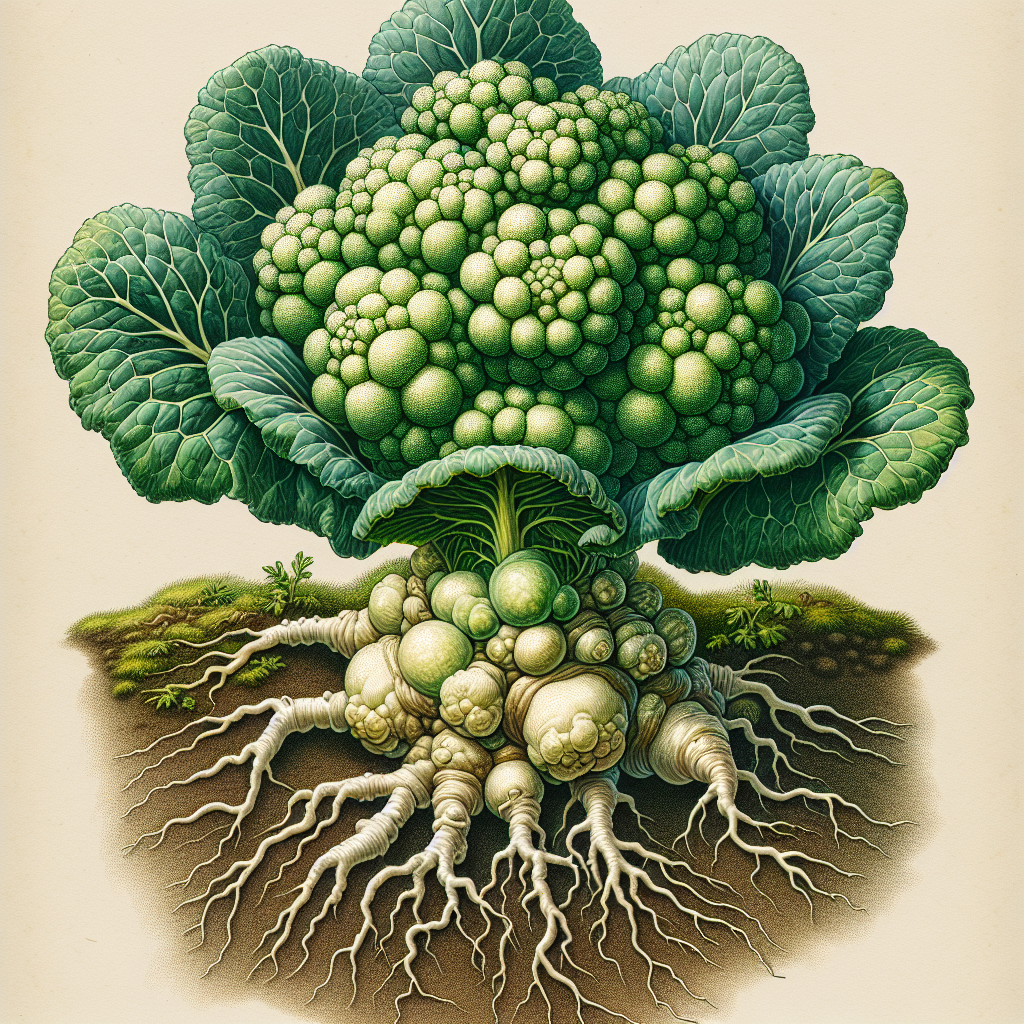
clubroot
Clubroot is a devastating soil-borne disease caused by the pathogen Plasmodiophora brassicae, primarily affecting brassica crops like cabbage, broccoli, and cauliflower. It produces characteristic club-shaped galls on roots, severely impairing water and nutrient uptake, often leading to wilting and plant death. Effective management relies on prevention, soil pH adjustment, and resistant varieties.
View Profile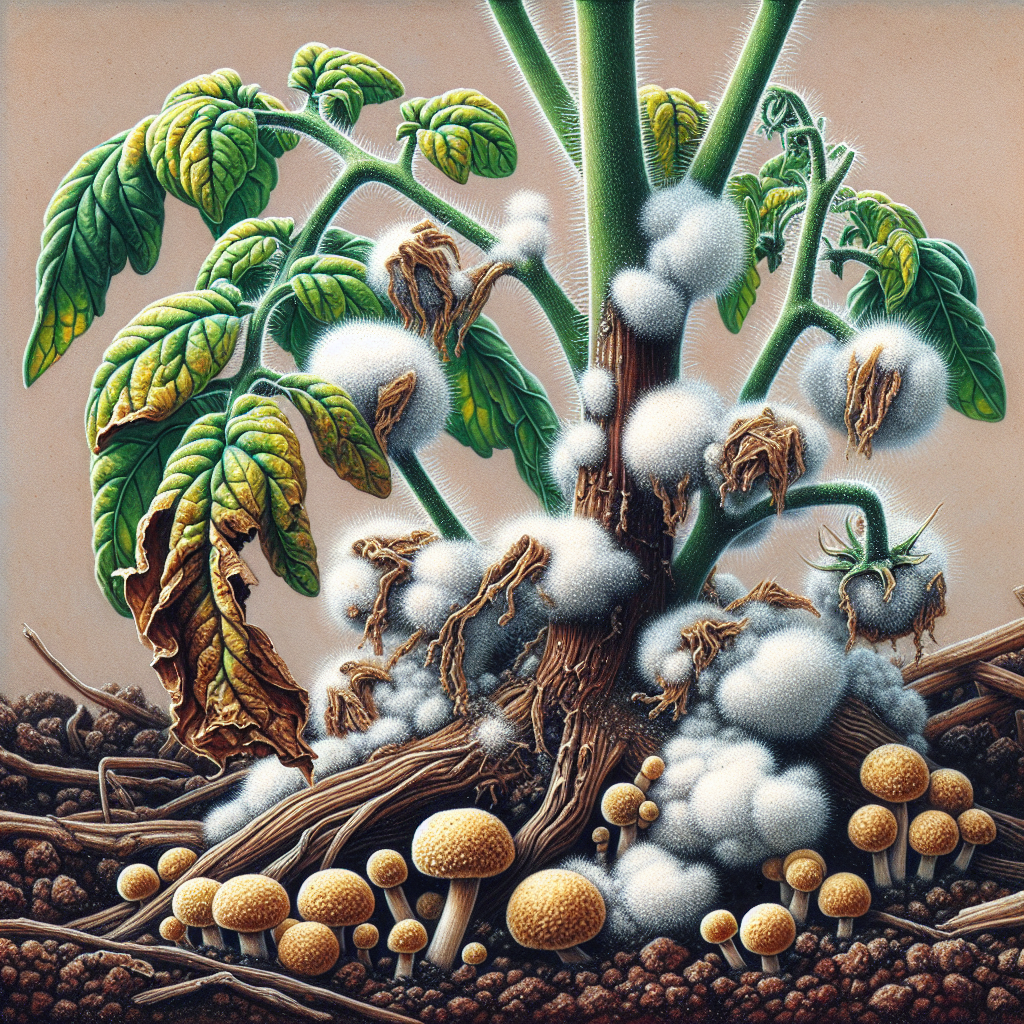
Clump rot
Clump rot is a destructive soilborne fungal disease caused by Sclerotium rolfsii, leading to wilting, yellowing, and basal stem rot in crops with characteristic white mycelial clumps and mustard seed-like sclerotia. It thrives in warm, humid conditions, severely impacting yields in vegetables, legumes, and ornamentals. Effective management relies on cultural practices, sanitation, and organic biocontrols to prevent soil contamination.
View Profile
Cluster Fig (Ficus racemosa)
Cluster Fig (Ficus racemosa), also known as the Indian fig or gular, is a fast-growing tropical tree prized for its clustered, edible syconia and medicinal properties. Thriving in warm, humid climates, it offers substantial yields for agroforestry systems and home gardens. This guide provides expert cultivation techniques for optimal growth and harvest.
View Guide
Cobweb mold
Cobweb mold is a fast-spreading fungal contamination that forms dense, spiderweb-like mycelium on mushroom substrates, rapidly destroying crops in high-humidity environments. Primarily affecting cultivated mushrooms, it thrives under poor ventilation and excessive moisture, leading to total yield losses if untreated. Early detection and organic management are crucial for control in commercial and home grows.
View Profile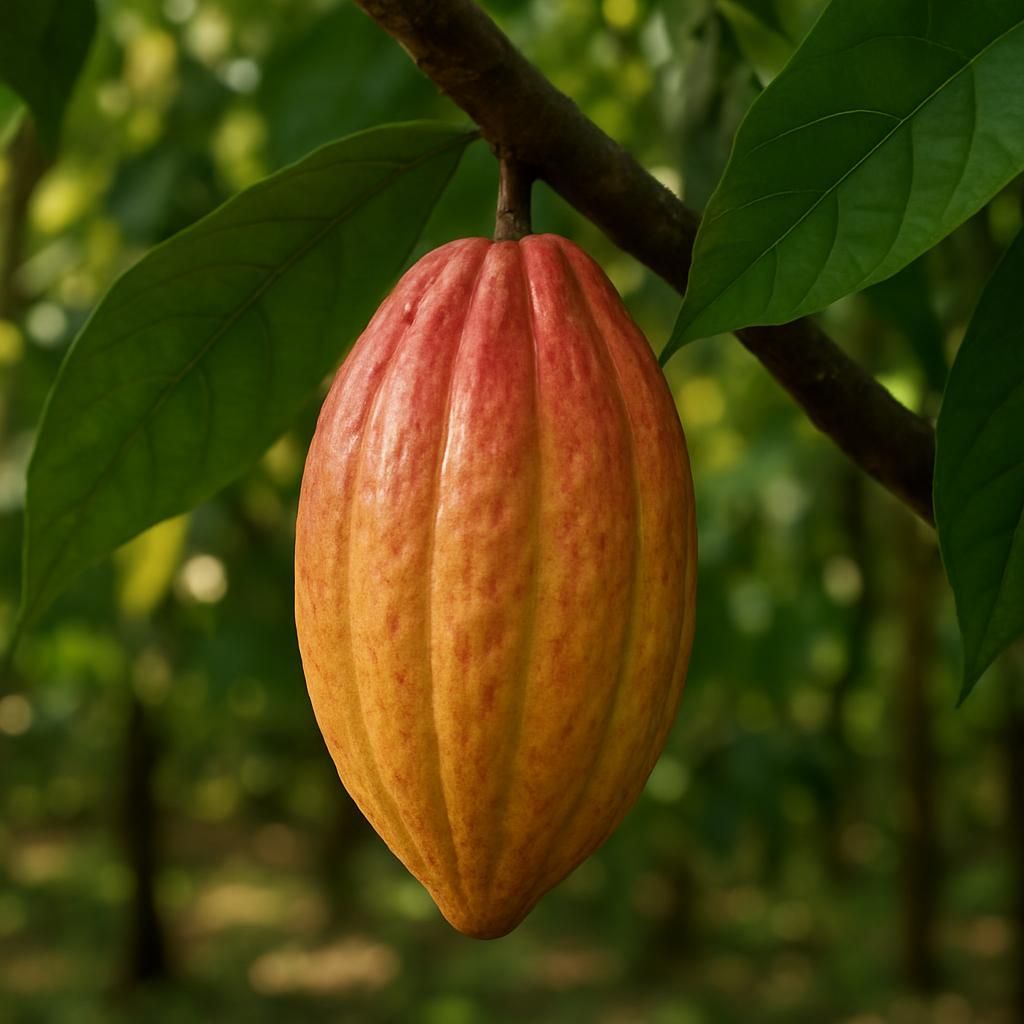
Cocoa (Criollo)
Criollo cocoa is the rarest and most prized variety of cacao, renowned for its delicate flavor, low bitterness, and aromatic complexity. This comprehensive guide covers every stage of cultivation, from ideal soil and climate conditions to harvesting, fermentation, and storage best practices.
View Guide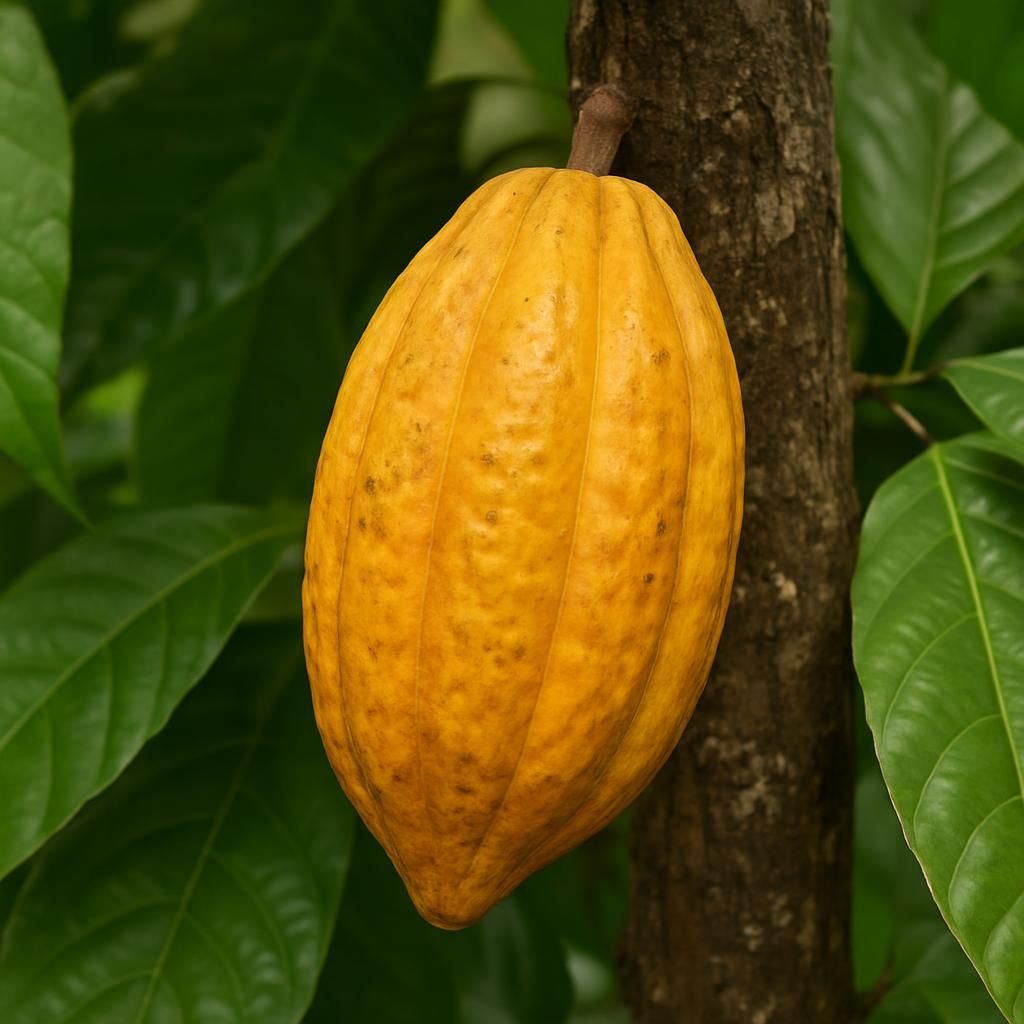
Cocoa (Forastero)
Forastero cocoa is the world's most widely cultivated cacao variety, prized for its robust growth, disease resistance, and reliable yields in tropical climates. This professional guide covers every stage from site selection through fermentation and storage for commercial and serious home growers.
View Guide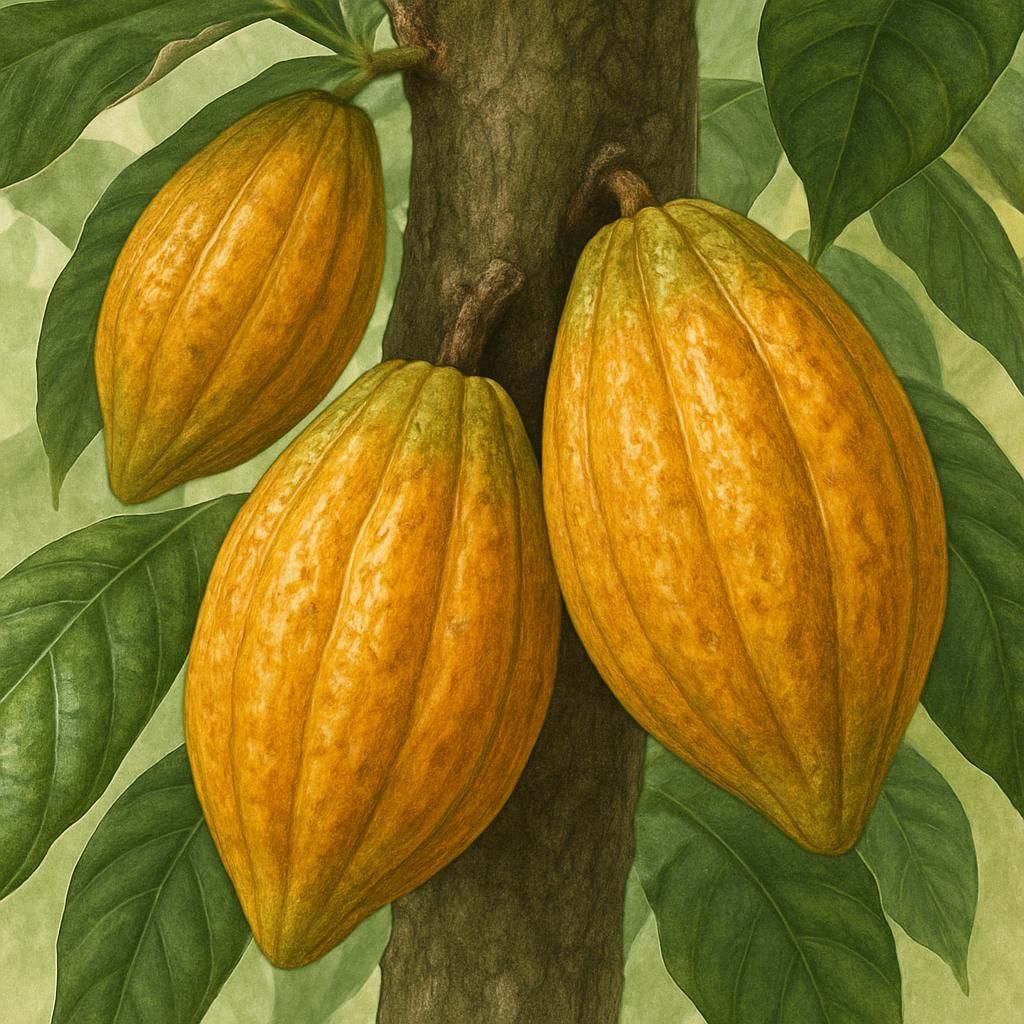
Cocoa (Nacional)
Cocoa (Nacional) is a premium fine-flavor variety of cacao native to Ecuador, prized for its complex floral and fruity notes. This guide provides professional-grade cultivation practices for soil, climate, planting, care, pest management, harvesting, and companion strategies to produce high-quality Nacional cacao.
View Guide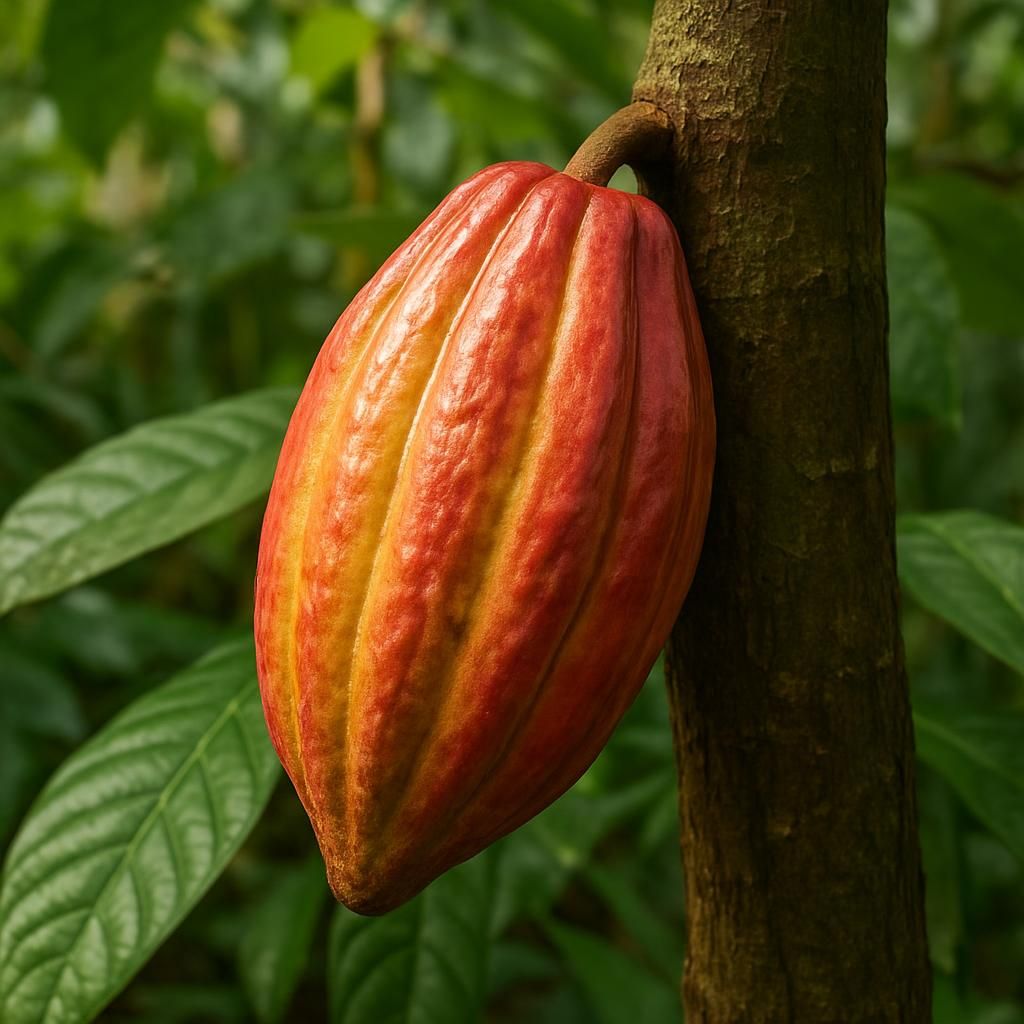
Cocoa (Trinitario)
Trinitario cocoa is a premium hybrid variety prized for its complex flavor profile that combines the aromatic notes of Criollo with the robust yield of Forastero. This guide delivers professional-grade, practical advice for growing Trinitario cocoa successfully from propagation through post-harvest processing.
View Guide