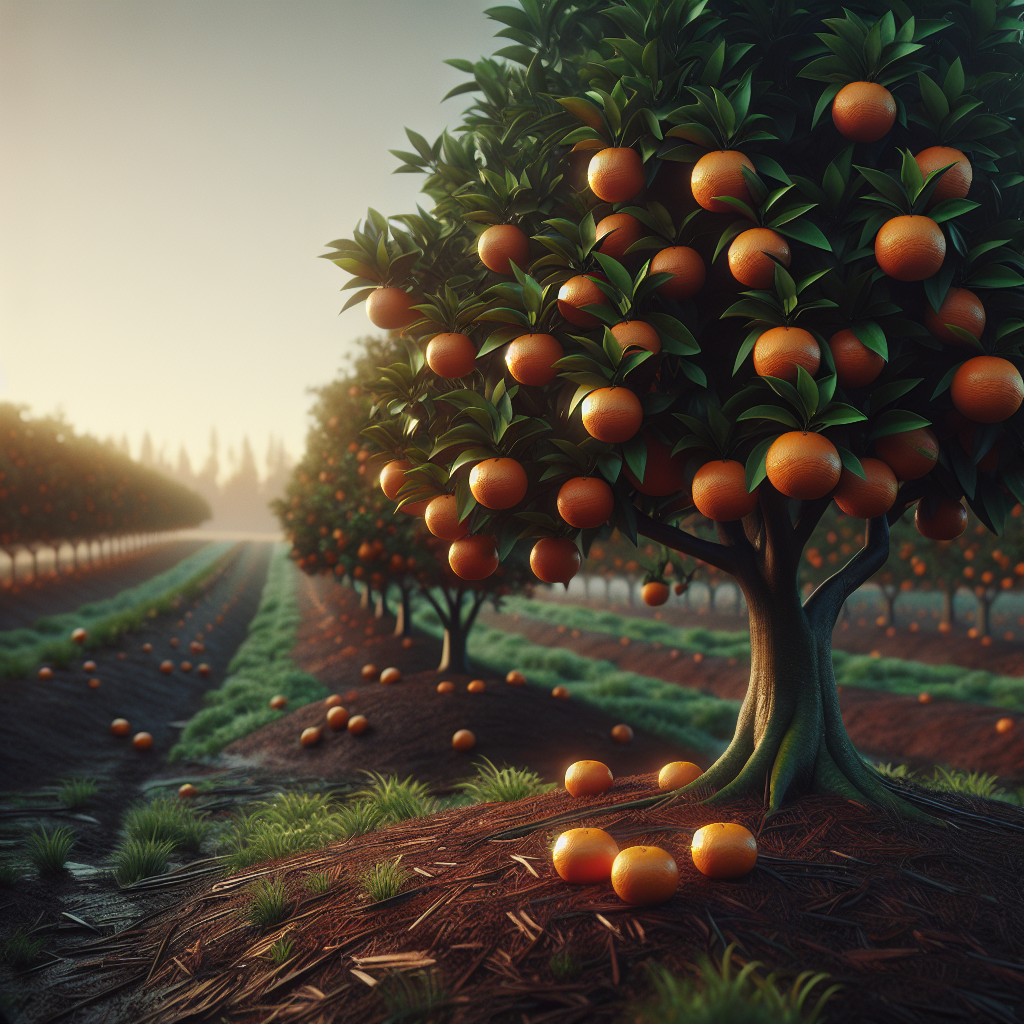
Introduction to Clementine
A clementine is a mandarin-type citrus distinguished by its compact fruit, glossy deep-orange peel, rich sweetness, and generally low seed content when grown in isolation from cross-pollinating citrus. It is widely believed to have originated in North Africa in the late 19th to early 20th century and is often associated with Algerian citrus breeding and selection. Botanically, it is usually classified as Citrus × clementina, reflecting its hybrid origin within the mandarin group.
For growers, this crop occupies an important niche between easy home-orchard citrus and commercial fresh-market fruit. Trees are more cold-sensitive than some mandarins but typically somewhat hardier than many limes. Fruit quality is highly sensitive to irrigation consistency, nutrient balance, and harvest timing. If trees are pushed with excess nitrogen or irregular watering, fruit can become puffy, split, or bland. When managed well, however, clementine is among the finest fresh-eating citrus, with excellent peelability and strong consumer demand.
Commercially, clementines are prized because they color well, ship reasonably, and mature in the cooler season when fresh citrus is especially marketable. In the orchard, the main management themes are canopy light penetration, root health, salinity avoidance, and careful coordination of water and potassium to support sugar accumulation and rind finish. Growers familiar with Orange production will recognize many similar principles, though clementines usually demand even more attention to seedlessness, alternate bearing control, and rind quality.
Botanical Profile of Clementine
Clementine belongs to the Rutaceae family, the same family as other citrus species. Trees are typically small to medium in stature, often reaching 2.5-4.5 meters in home settings and taller under orchard conditions if left unpruned. The growth habit is rounded to slightly upright, with dense foliage and moderate thorniness, especially on vigorous juvenile shoots or rootstock-driven regrowth.
Leaves are evergreen, narrow-elliptic to lanceolate, glossy, and aromatic when crushed. The petiole is usually only narrowly winged or nearly wingless, a useful trait in distinguishing mandarin-type citrus from strongly winged-petiole species. Flowers are white, fragrant, and borne singly or in clusters. Like many citrus, bloom timing can be influenced by cool temperatures and moisture patterns, with the main flush occurring in spring in Mediterranean and subtropical climates.
Fruit are usually small to medium, flattened-globose, and deep orange at maturity. The rind is thin to moderately thin, smooth to slightly pebbled, and loosely adherent enough to peel easily. Flesh is tender, juicy, and rich in soluble solids when properly matured. Segments separate cleanly, making the fruit especially popular as a hand-eating citrus. Seed content varies considerably. True clementine blocks intended for seedless fruit should be isolated from compatible pollinizers because cross-pollination by bees can increase seed numbers dramatically.
Many named selections exist, including early, midseason, and late strains. Some strains are more prone to alternate bearing, where a heavy crop one year suppresses the next season's bloom and fruit set. Others differ in rind adherence, acidity retention, or susceptibility to puffiness. Rootstock choice significantly affects tree vigor, fruit size, salinity tolerance, and disease response. Common rootstock decisions may involve balancing dwarfing potential with tolerance to calcareous soils, Tristeza, nematodes, or Phytophthora.
Soil, pH, and Climate Requirements for Clementine
This crop performs best in deep, well-drained loam or sandy loam with moderate organic matter and excellent aeration. The most common cause of long-term decline in citrus is not lack of fertilizer but poor root-zone oxygen. Clementine roots are intolerant of prolonged saturation. If water stands for more than 24-48 hours after rain or irrigation, feeder roots begin to die back, and trees become highly vulnerable to root rot. In practical terms, the ideal soil should drain rapidly enough that a squeezed handful feels moist and cohesive but never greasy, sticky, or anaerobic.
The preferred pH range is about 6.0-7.0, though trees can tolerate slightly wider conditions if nutrition is managed closely. Below pH 5.5, aluminum and manganese issues can impair root function and nutrient balance. Above pH 7.5, iron, zinc, and manganese deficiencies become common, especially in calcareous soils, where young leaves may show interveinal chlorosis despite adequate total fertility. In those soils, foliar micronutrient sprays and chelated iron are often more effective than relying on granular amendments alone.
Salinity deserves special attention. Clementine is not among the most salt-tolerant citrus. Irrigation water with high sodium or chloride can cause leaf tip burn, reduced growth, flower drop, and smaller fruit. In saline areas, monitor electrical conductivity of both water and saturated soil extract. A gradual rise in leaf marginal burn combined with weak flushes often points to chloride accumulation. Periodic leaching irrigations may help, but only where drainage is excellent.
Climatically, clementines excel in warm subtropical to Mediterranean regions with hot summers, mild winters, and relatively dry conditions during fruit maturation. Ideal temperatures for vegetative growth are roughly 20-32°C. Fruit color develops best when warm days are followed by cool nights in autumn and early winter. Excessive tropical heat without cool nights may delay color break, while severe frost can damage foliage, twigs, blossom buds, and fruit.
Mature trees may survive brief light freezes, but damage can begin around -2 to -3°C depending on duration, acclimation, tree health, and rootstock. Young trees are much more vulnerable. Wind is another overlooked factor: persistent hot, dry winds increase transpiration, cause leaf curl, scar fruit, and can trigger fruit drop if soil moisture is not steady.
For best production, provide full sun for at least 8 hours daily. Shaded canopies produce weaker flowering, more interior dieback, and poorer fruit sweetness. Sites with slight air drainage, such as a gentle slope, are preferable to frost pockets.
Step-by-Step Planting & Propagation
Propagation by seed is not recommended for production planting because seedlings vary genetically, may take many years to fruit, and often do not preserve the precise characteristics of the selected clementine clone. Professional propagation is almost always done by budding or grafting onto a suitable rootstock.
Start by selecting certified disease-free nursery stock. This is crucial in citrus because latent systemic diseases can persist for the life of the tree. Choose a plant with a straight grafted trunk, healthy green leaves, no bark cracking, and no roots circling densely in the container. The graft union should be clearly visible and positioned well above the soil line.
Plant in early spring after danger of hard frost has passed, or in mild-winter regions during autumn so roots can establish before summer heat. Prepare a planting hole only as deep as the root ball and two to three times as wide. Do not dig a deep pit and backfill with rich compost alone; that can create a perched water zone. Instead, set the tree so the top of the root ball sits slightly above surrounding grade, often 2-5 cm high, to allow for settling and improve drainage.
Remove the container carefully and tease out only severely circling roots. Place the tree upright, keeping the bud union above soil level. Backfill mainly with native soil. Organic matter can be incorporated lightly over a broader area, but avoid creating an isolated pocket of amended soil. Water thoroughly after planting to settle soil around the roots and eliminate air gaps.
Spacing depends on rootstock vigor and pruning system. For home growers, 3.5-5 meters between trees is common. In orchards, high-density systems may use tighter spacing, but only with disciplined canopy control and irrigation. Overcrowding reduces spray penetration, sunlight distribution, and fruit color.
Apply mulch 5-10 cm deep in a ring around the tree, but keep it 15-20 cm away from the trunk to prevent crown rot and rodent damage. Good mulch materials include composted bark, leaf mold, or coarse wood chips. Mulch moderates soil temperature and reduces evaporative loss, but do not let it create permanently soggy conditions.
If propagating by T-budding or chip budding, perform the operation during active bark slip on the rootstock. Budwood should be taken from healthy, true-to-type mother trees. After successful union, cut back the rootstock above the inserted bud to force scion growth. Remove any rootstock suckers immediately; if left in place, they can outgrow and dominate the desired variety.
Container culture is possible for dwarfing rootstocks. Use a very free-draining citrus mix containing bark fines, coarse sand or pumice, and a stable organic component. Containers must have excellent drainage. Repot before roots become matted and before the medium degrades into a fine, waterlogged mass.
Care & Maintenance regimes for Clementine
Irrigation management is the single most important cultural practice after site selection. Clementine trees need consistently moist but never waterlogged soil. A useful target in the active root zone is moisture that remains evenly damp to the touch at 15-30 cm depth, with a mild drying interval between irrigations rather than full saturation followed by drought. Young trees often require watering 1-3 times weekly depending on soil texture and weather. Mature orchard trees may be irrigated deeply at longer intervals, especially in loam soils, while sandy soils need smaller, more frequent applications.
Signs of underwatering include dull leaves, mild midday wilting that persists into evening, reduced shoot extension, flower drop, and small fruit with thick rind. Signs of overwatering include yellowing leaves without crispness, soft limp foliage, sour-smelling soil, algae at the surface, canopy thinning, and fruit drop despite apparently wet ground. Chronic overwatering often mimics nutrient deficiency because damaged roots cannot absorb properly.
Nutrient demand changes with tree age and crop load. Nitrogen drives canopy growth and fruit sizing, but too much causes coarse rind, delayed maturity, and reduced sweetness. Split annual nitrogen into several smaller applications from spring through midsummer rather than one heavy dose. Potassium is essential for fruit quality, sugar movement, and peel integrity. Deficiency may show as marginal leaf chlorosis or weak fruit finish. Calcium supports peel strength, while magnesium deficiency appears as yellowing on older leaves, often leaving a green inverted V near the leaf base.
Micronutrients are frequently limiting in citrus, especially zinc, manganese, and iron. Zinc deficiency causes small leaves, short internodes, and rosetting. Iron deficiency appears first on young leaves as interveinal chlorosis with green veins. Foliar feeding is often the fastest correction when soil pH is high.
Pruning should be conservative. The aim is to remove deadwood, crossing branches, rootstock suckers, and excessively dense interior growth that blocks light and air. Heavy pruning stimulates vigorous vegetative regrowth at the expense of fruiting. Maintain a skirt high enough to improve airflow and reduce splashborne disease, but leave sufficient low canopy to shade the trunk from sunburn.
Fruit thinning may be useful in heavy set years, especially on young or alternate-bearing trees. Reducing excessive crop load can improve fruit size, lessen branch breakage, and support more regular annual production. Support structurally weak limbs if needed.
Weed control around the root zone should be gentle and shallow. Citrus roots often occupy the upper soil profile, so deep hoeing can damage feeder roots. A mulched weed-free ring is usually the best solution. Broader orchard floor management may include living groundcovers such as Clover, especially in low-rainfall systems where competition is monitored and irrigation is adequate.
For broader soil stewardship principles applicable to perennial orchards, see soil health strategies.
Pests, Diseases & Organic Management
Clementines share many pest and disease pressures common to citrus. Integrated management begins with sanitation, airflow, balanced fertility, and monitoring rather than waiting for visible crisis.
Aphids attack tender flushes, curling young leaves and producing honeydew that supports sooty mold. They also vector some viral diseases. Horticultural soap or neem-based products can suppress early infestations if coverage is thorough and temperatures are not excessively high. Encourage beneficial insects by maintaining flowering borders away from the trunk zone.
Citrus leafminer is especially damaging on young trees. Larvae tunnel within new leaves, causing silvery serpentine mines and distorted flush. Mature trees usually tolerate some injury, but repeated attack can slow establishment. Avoid excessive nitrogen that creates continuous tender growth. Spinosad timed to new flushes can help in organic programs where permitted.
Scale insects and Mealybugs feed on sap and excrete honeydew. Heavy infestations weaken trees and foul fruit with sooty mold. Dormant-season or low-temperature horticultural oils are often effective, but complete coverage of twigs and leaf undersides is critical.
Spider mites proliferate in hot, dusty conditions, causing stippled leaves and bronzing. Dust suppression, canopy washing in dry climates, and preservation of predatory mites are important. Overuse of broad-spectrum insecticides often worsens mite outbreaks.
Fruit fly pressure depends on region. Sanitation is essential: collect fallen fruit promptly and destroy infested fruit before larvae complete development.
Among diseases, Phytophthora root rot and Gummosis are major threats in poorly drained or overirrigated sites. Symptoms include bark lesions near the crown, gum exudation, yellowing foliage, sparse canopy, and feeder root decline. Prevention is far more effective than cure: plant high, avoid trunk wetting, and maintain drainage.
Alternaria brown spot can affect certain mandarin types and hybrids, causing lesions on leaves, twigs, and fruit. Humid conditions and dense canopies favor disease development. Good pruning, cultivar awareness, and timely copper-based or biological protectants are part of organic management.
Citrus canker, where present, causes raised corky lesions with yellow halos on leaves and fruit. Strict sanitation, clean nursery stock, and regional compliance measures are essential. Greasy spot, Melanose, and Post-bloom fruit drop may also occur depending on climate.
Viral and graft-transmissible diseases such as Tristeza underline the importance of certified propagation material and appropriate rootstock selection. In regions with Huanglongbing (citrus greening), vector control and regulatory guidance are indispensable; unmanaged infection severely reduces fruit quality and tree lifespan.
Organic disease suppression relies on prevention: sanitation, resistant or tolerant rootstocks where available, reduced canopy humidity, biologically active soils, and careful copper use within label limits. Avoid chronic trunk injury from tools, rodents, or sunburn, as wounds invite infection.
Harvesting, Curing & Optimal Storage
Harvest timing has a major influence on flavor. Clementines often color before full internal maturity, so rind color alone is not a perfect indicator. The most reliable maturity markers are soluble solids, acid balance, juice content, and ease of peel separation. Fruit should taste distinctly sweet with enough acidity to remain lively rather than flat.
Harvest by clipping or twisting gently without tearing the rind. Pulling fruit roughly can remove the button or puncture neighboring fruit in the picking bag. Morning harvest after surface moisture has dried is ideal. Wet fruit are more prone to postharvest decay if packed immediately.
Unlike storage onions or garlic, clementines are not cured in the classic dry-down sense. Instead, postharvest handling focuses on removing field heat, minimizing rind abrasion, and keeping fruit clean and dry. Sort out split, punctured, sunburned, or decayed fruit. Because the rind is relatively delicate, avoid overfilling bins or allowing fruit to rub heavily during transport.
Optimal storage is cool but not freezing, generally around 4-8°C with high relative humidity of roughly 85-90%. Too low a humidity leads to weight loss and rind shrivel. Too high combined with free moisture encourages mold. Good airflow is necessary, but strong dehydrating drafts should be avoided.
At room temperature, fruit may remain marketable for several days to around two weeks depending on initial quality. Under cool storage, quality may hold for several weeks, though flavor is best when fruit are not stored excessively long. Chilling injury risk rises if temperatures are held too low for too long, especially for immature fruit.
For premium fresh-market quality, harvest in multiple passes as blocks mature. This preserves uniformity and avoids mixing under-ripe fruit with fully mature lots. In home orchards, fruit can often hang on the tree for a period after maturity, but holding too long may reduce acidity, increase puffiness, or invite rind breakdown after rain.
Companion Planting for Clementine
Companion planting around citrus should support pollinators, improve orchard floor biology, reduce erosion, and avoid intense competition at the trunk. The area directly around the tree, especially within the first 30-60 cm from the trunk, should remain clear and mulched. Companion plants are best placed beyond that inner ring.
Thai Basil is a useful aromatic companion near but not against the dripline. Its flowers attract pollinators and beneficial insects, while its modest root system is easier to manage than larger shrubs. In warm climates it can also help diversify understory production in young orchards.
Garlic is often used in small orchard systems because it occupies little space, can deter some browsing and nuisance pests by odor, and does not create excessive shade. It is best grown where irrigation is not so heavy that bulbs sit in persistently wet soil.
Clover is valuable as a living groundcover between rows or in wider tree alleys. It helps protect soil from erosion, contributes organic matter, and can support beneficial insects when flowering. However, clover should be managed carefully around young trees in dry climates because it competes for surface moisture.
Onion is another practical low-growing companion that fits well in mixed garden orchards. Like garlic, it should not be crowded against the trunk, and it performs best where irrigation can be targeted rather than broadcast excessively.
Avoid heavy-feeding vines, tall shade-casters, or crops that require frequent cultivation in the shallow root zone. Also avoid companion choices that keep the trunk base damp or obstruct inspection for Gummosis, borers, and weed pressure. In established orchards, the best companion strategy is usually functional rather than decorative: low competitive groundcovers in alleys, mulch under the canopy, and beneficial-attracting herbs at the orchard edge.