Introduction to Citrus psyllid
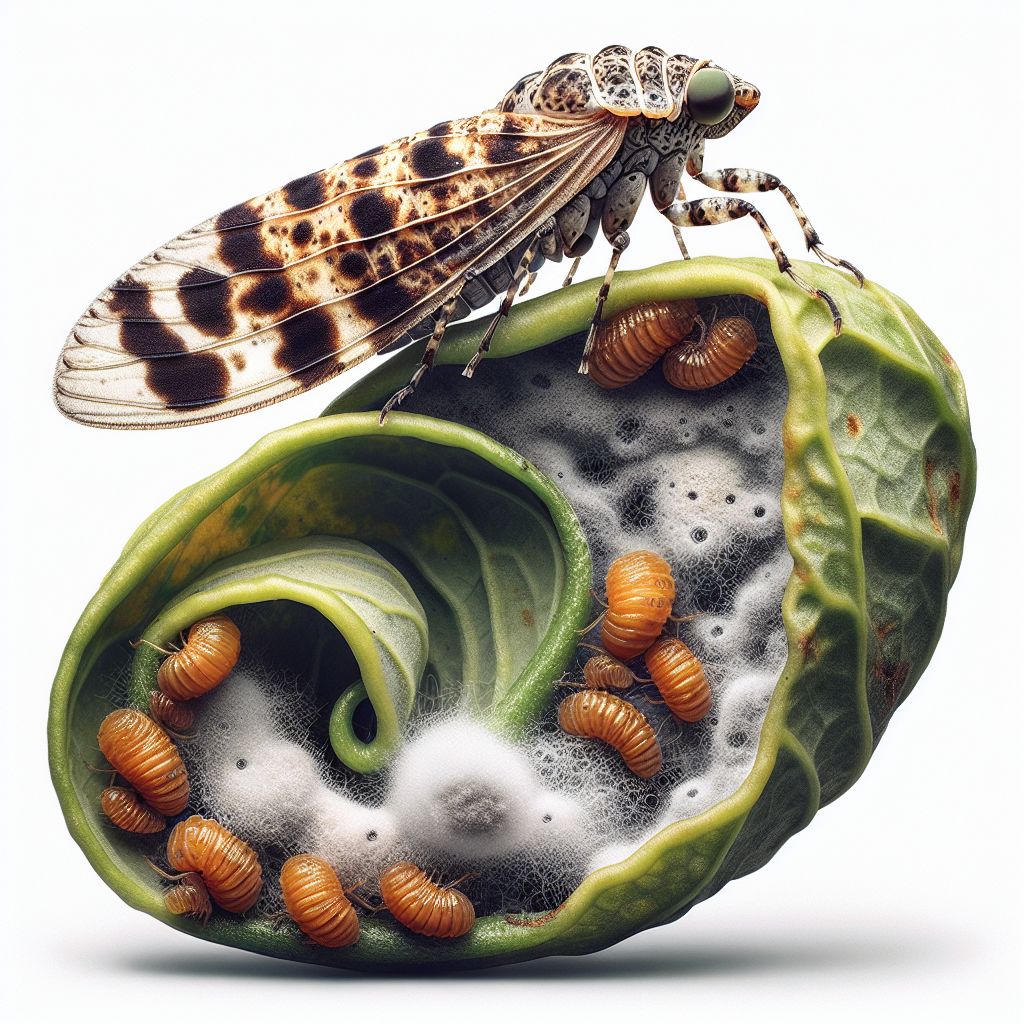
The citrus psyllid, scientifically known as Diaphorina citri, is one of the most notorious pests in citrus agriculture, infamous for transmitting Huanglongbing (HLB), also called citrus greening disease. Native to Southeast Asia, this tiny insect has spread globally, devastating orchards in Florida, Brazil, China, and beyond, causing billions in economic losses. Adults are about 3mm long with a mottled brown-gray body, translucent wings, and a distinctive 'scimitar'-shaped ovipositor in females. Nymphs are smaller, orange to greenish, and produce a white, waxy honeydew that promotes sooty mold fungus. While direct feeding causes minor leaf curl and shoot distortion, the real threat is HLB, which clogs phloem tissue, leading to bitter, misshapen fruit, leaf yellowing, and tree decline. In severe cases, trees die within 5 years. This guide equips commercial growers, small farm operators, and home gardeners with professional diagnostics, organic controls, and prevention strategies to safeguard orange, lemon, and other citrus crops. Early intervention is critical, as psyllids can complete 8-17 generations per year in warm climates.
Identifying Symptoms & Damage
Accurate identification prevents misdiagnosis with similar pests like aphids or whiteflies. Look for adults fluttering from foliage when disturbed—unlike aphids, they jump readily. Nymphs cluster on new flush (tender shoots), appearing as tiny, flat orange dots covered in white filaments. Key symptoms include:
- Honeydew and Sooty Mold: Sticky excretions coat leaves, stems, and fruit, fostering black sooty mold that blocks photosynthesis.
- Leaf Curl and Distortion: New growth twists into 'cupped' shapes, stunted by nymph feeding.
- Yellow Shoots: 'Mottled' or asymmetrical yellowing on young leaves, often the first HLB sign.
- Fruit Damage: Small, lopsided, bitter fruit with aborted seeds and green islands in the rind.
- Tree Decline: Progressive defoliation, dieback, and sparse canopy; roots rot from secondary infections.
Use a 10x hand lens for confirmation. Scout weekly during flush periods (spring, summer). HLB confirmation requires PCR testing of leaves or fruit—symptom photo guides in Spring Pest Patrol: Organic AI Strategies to Shield Your Crops from Common Invaders aid rapid ID. Differentiate from citrus leafminer, which mines inside leaves, not surface feeding.
Lifecycle and Progression of Citrus psyllid
Understanding the lifecycle enables targeted controls. Psyllids thrive in 21-32°C (70-90°F), halting below 10°C. Complete metamorphosis spans 14-28 days:
- Eggs: Females lay 200-500 yellow-orange eggs singly on tender flush undersides, hatching in 2-4 days.
- Nymphs (5 Instars): 3-15 days; wingless, molting stages produce honeydew. Vulnerable to soaps/oils here.
- Adults: 2-6 weeks lifespan; females oviposit immediately. High mobility spreads infestation.
Multiple overlapping generations occur year-round in tropics/subtropics. Peak populations coincide with flush cycles. Overwinter as adults in mild areas. Monitor with yellow sticky traps (20-30/acre), counting >1 psyllid/trap/week as threshold. Lifecycle knowledge informs timing: target nymphs on flush for max impact.
Environmental Triggers & Risk Factors
Psyllids exploit warm, humid conditions (75-95°F, 60-80% RH). New flush is primary attractant—excess nitrogen or irrigation triggers excessive growth, boosting populations. Poor airflow in dense canopies harbors nymphs. Risk factors include:
- Proximity to Alternate Hosts: Can survive on mango, guava, and 50+ Rutaceae species.
- Wind/Dispersal: Adults fly 1-2km, aided by winds.
- Monoculture: Large citrus blocks amplify spread vs. intercropped farms.
- Climate Change: Warmer winters extend generations.
High-risk zones: Florida, California, Texas, Australia, Brazil. Scout borders first. Avoid over-fertilizing N during flush.
Organic Control & Treatment Plans
IPM prioritizes organics, avoiding broad-spectrum sprays that kill predators like ladybugs (natural enemies). Step-by-step plan:
- Cultural: Prune for airflow/sunlight; remove weeds/volunteers. Plant trap crops like murraya (not listed, but relevant).
- Physical: Yellow sticky traps + reflective mulches repel adults. High-pressure water blasts nymphs.
- Biological: Release Tamarixia radiata (parasitoid wasp, 70-90% nymph kill) or Diaphorencyrtus aligarhensis. Conserve predators: lacewings, syrphids.
- Organic Sprays:
- Neem Oil: 0.5-2% weekly on flush; disrupts molting/feeding.
- Insecticidal Soap: 1-2% potassium salts; smother nymphs (safe <90°F).
- Spinosad: OMRI-approved for outbreaks (rate: 0.2-0.4 oz/gal).
- Pyrethrins: Quick knockdown, rotate to prevent resistance.
- Timing: Scout-triggered; spray evenings to spare bees. 3-5 apps/cycle.
For HLB-infected trees, remove + deep bury. Rotate modes; thresholds: 0.2 nymphs/leaf. Efficacy: 80-95% with consistency. See UF/IFAS protocols for rates.
Preventing Citrus psyllid in the Future
Prevention beats cure. Strategies:
- Resistant Varieties: Australian finger limes, 'Sugar Belle' mandarin hybrids show tolerance.
- Quarantine: Inspect nursery stock; certify psyllid-free.
- Border Sprays: Perimeter treatments + windbreaks.
- Push-Pull: Repellents (garlic sprays) + attractants.
- Monitoring Tech: AI apps for trap counts/weather.
- Sanitation: Destroy cull piles; volunteer removal.
Annual plans reduce incidence 70%. Integrate with Soil Health Mastery: 5 Proven Strategies for Small Farms to Build Fertile Ground Without Breaking the Bank for vigorous trees.
Crops Most Affected by Citrus psyllid
Primarily Rutaceae: Navel Orange, Valencia Orange, Eureka Lemon, Persian Lime, grapefruit, mandarins. Also Kaffir Lime (Makrut), calamondin. Minor: curry leaf, mango. HLB halts commercial viability without management. Global impact: 75% Florida acreage affected.