Introduction to Citrus tristeza virus
Citrus tristeza virus (CTV), commonly known as Tristeza, is one of the most destructive pathogens affecting citrus crops worldwide. First identified in Brazil in the 1930s, where it caused the collapse of entire orchards on sour orange rootstocks, CTV has since spread to virtually all citrus-growing regions. This single-stranded RNA virus from the genus Closterovirus infects over 20 citrus species and varieties, with symptoms ranging from mild to lethal depending on the viral strain, host cultivar, and rootstock combination.
The virus is primarily transmitted by several aphid species, notably the brown citrus aphid (Toxoptera citricida) and the cotton aphid (Aphis gossypii), making it highly efficient at spreading through orchards. Unlike many fungal diseases, CTV has no cure once established, emphasizing the importance of prevention. Global economic impact exceeds billions annually, with historical epidemics wiping out millions of trees in Argentina, South Africa, and Spain. For growers of orange, lemon, lime, grapefruit, and other citrus, understanding CTV is critical for sustainable production. This guide provides diagnostic criteria, lifecycle insights, and proven management strategies to protect your groves. Read our comprehensive Spring Pest Patrol: Organic AI Strategies to Shield Your Crops from Common Invaders for integrated approaches.
Identifying Symptoms & Damage
Accurate diagnosis of Citrus tristeza virus requires observing specific symptoms, often confirmed by lab tests like ELISA, RT-PCR, or electron microscopy. Symptoms vary by citrus variety, rootstock, viral isolate, and environmental conditions, but key indicators include:
Foliar Symptoms
- Mild mosaic and mottling: Pale green to yellow flecks or vein banding on young leaves, resembling citrus greening but without fruit symptoms.
- Leaf cupping and size reduction: Leaves curl upward, become brittle, and smaller than normal.
Stem and Bark Symptoms
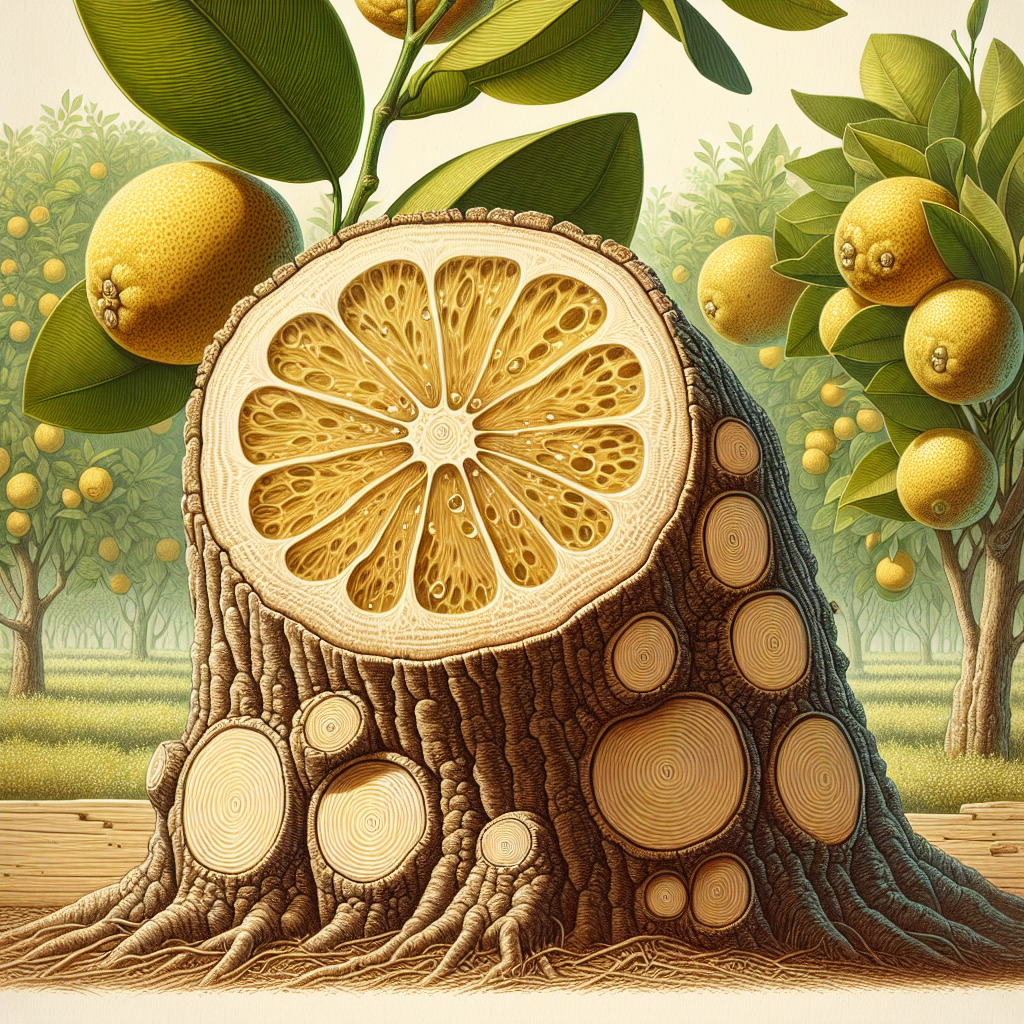
- Stem pitting: Most diagnostic in sweet orange and grapefruit on trifoliate orange rootstocks. Pit-like depressions in the inner bark and wood of branches and trunks, visible after bark removal. Pits are oval, elongated, and stop phloem function.
- Gumming and bark scaling: Gum exudation from bark cracks, especially in lemons and limes.
- Decline symptoms: Tree canopy thins progressively from top down, with yellowing and defoliation. Roots show necrosis.
Quick Decline
On sour orange rootstocks, trees exhibit sudden wilting, leaf drop, and death within weeks to months. Roots darken and die, blocking water/nutrient uptake.
Seedling Indicators
Infected seedlings show stunting, epinasty (downward leaf curling), and stem grooving.
Damage quantification: Yields drop 30-100%, trees die in 1-5 years. Differentiate from Phytophthora root rot, huanglongbing, or nutrient deficiencies via lab confirmation. Early detection via visual scouting and citrus psyllid monitoring prevents spread.
Lifecycle and Progression of Citrus tristeza virus
CTV has no true lifecycle stages like fungi; it's a persistent virus replicating systemically in phloem cells. Transmission occurs via:
Aphid Vectors (Primary): Semi-persistent mode; aphids acquire virus in 15-60 minutes, transmit in 1-10 minutes. Brown citrus aphid is most efficient (up to 90% transmission rate). Winged aphids spread it rapidly during flush periods.
Grafting/Vegetative Propagation: 100% transmission if scion or rootstock infected.
Mechanical (Rare): Via contaminated tools.
Progression:
- Incubation: 1-8 weeks post-infection; symptoms latent.
- Acute Phase: Rapid spread via phloem, causing pitting and decline.
- Chronic Phase: Trees persist with reduced vigor, serving as reservoirs.
Viral strains vary: Mild (TVA), severe decline (TVB), stem-pitting (TVC). Trees can carry multiple strains asymptomatically. Peak spread in warm, humid conditions with aphid populations high. Lifespan: Infected trees decline over 2-10 years, but virus persists indefinitely in survivors.
Environmental Triggers & Risk Factors
CTV thrives in subtropical/tropical climates (20-30°C optimal), with spread accelerated by:
- High Aphid Pressure: Dense flushes, nearby alternate hosts like mango.
- Rootstock Susceptibility: Sour orange (quick decline), trifoliate orange (stem pitting). Tolerant: Cleopatra mandarin, Rangpur lime.
- Poor Orchard Hygiene: Infected volunteers, unmanaged windbreaks.
- Climate: High humidity (>70%) and temperatures 25-32°C boost aphid flights.
- Monoculture: Large citrus blocks amplify spread.
Risk highest in new plantings on susceptible rootstocks or virus-free scions on infected rootstocks. Soil type irrelevant, but water stress exacerbates decline symptoms.
Organic Control & Treatment Plans
No chemical cure exists; focus on integrated pest management (IPM) and cultural controls:
1. Vector Management
- Biological: Release Aphidius spp. parasitoids, Chrysoperla carnea lacewings.
- Organic Sprays: Neem oil (0.5-2%), insecticidal soaps weekly during flushes. Kaolin clay barriers.
- Reflective Mulches: Aluminum foil or silver plastic repels alates.
2. Cultural Practices
- Roguing: Remove and destroy infected trees immediately (burn or bury).
- Sanitation: Eradicate volunteers, weeds hosting aphids.
- Windbreaks: Plant tall grasses or sugarcane to disrupt aphid flights.
3. Resistant Varieties
- Use CTV-tolerant rootstocks: US-942, US-812 (trifoliate hybrids), Faustrime.
- Scions: Most varieties tolerant except Mexican lime (seedling decline).
4. Cross-Protection
Inoculate with mild CTV strain (TVA) to protect against severe strains. Established in Florida, Spain.
5. Monitoring Plan
Scout weekly for aphids/psyllids, test 10% trees quarterly via PCR. Threshold: 1% infection triggers action.
Integrated Plan: Combine above for 80-95% control. No systemic insecticides in organic systems.
Preventing Citrus tristeza virus in the Future
Prevention is cornerstone:
- Certified Stock: Source virus-indexed nursery trees.
- Quarantine: Inspect imports, isolate new plantings 1 year.
- Farm Certification: Follow area-wide management (AWM) programs.
- Scion/Rootstock Matching: Avoid sour orange except in low-risk areas.
- Aphid Monitoring: Yellow sticky traps (20/acre), threshold 2 aphids/trap/week.
- Buffer Zones: 100m non-host barriers.
- Heat Therapy: Hot-water dip budwood (49°C/4min) or shoot-tip grafting for clean stock.
Long-term: Breed resistant varieties, deploy RNA interference (RNAi) tech. Annual audits ensure compliance.
Crops Most Affected by Citrus tristeza virus
CTV targets Rutaceae family, severity by host:
| Crop | Susceptibility | Key Symptoms |
|---|---|---|
| Navel Orange | High (stem pitting) | Pitting, decline |
| Valencia Orange | High | Yield loss 50%+ |
| Eureka Lemon | Moderate | Bark scaling, gumming |
| Persian Lime | Very high | Quick decline |
| Grapefruit | High | Stem pitting on trifoliate |
| Mandarin (Clementine) | Low-moderate | Mild mosaic |
| Sour Orange (rootstock) | Extreme | Quick decline/death |
Minor hosts: Kumquat, calamondin. Non-citrus immune. Global hotspots: Brazil (20M trees lost), Florida (eradicated via roguing). Protect high-value orange and grapefruit first.