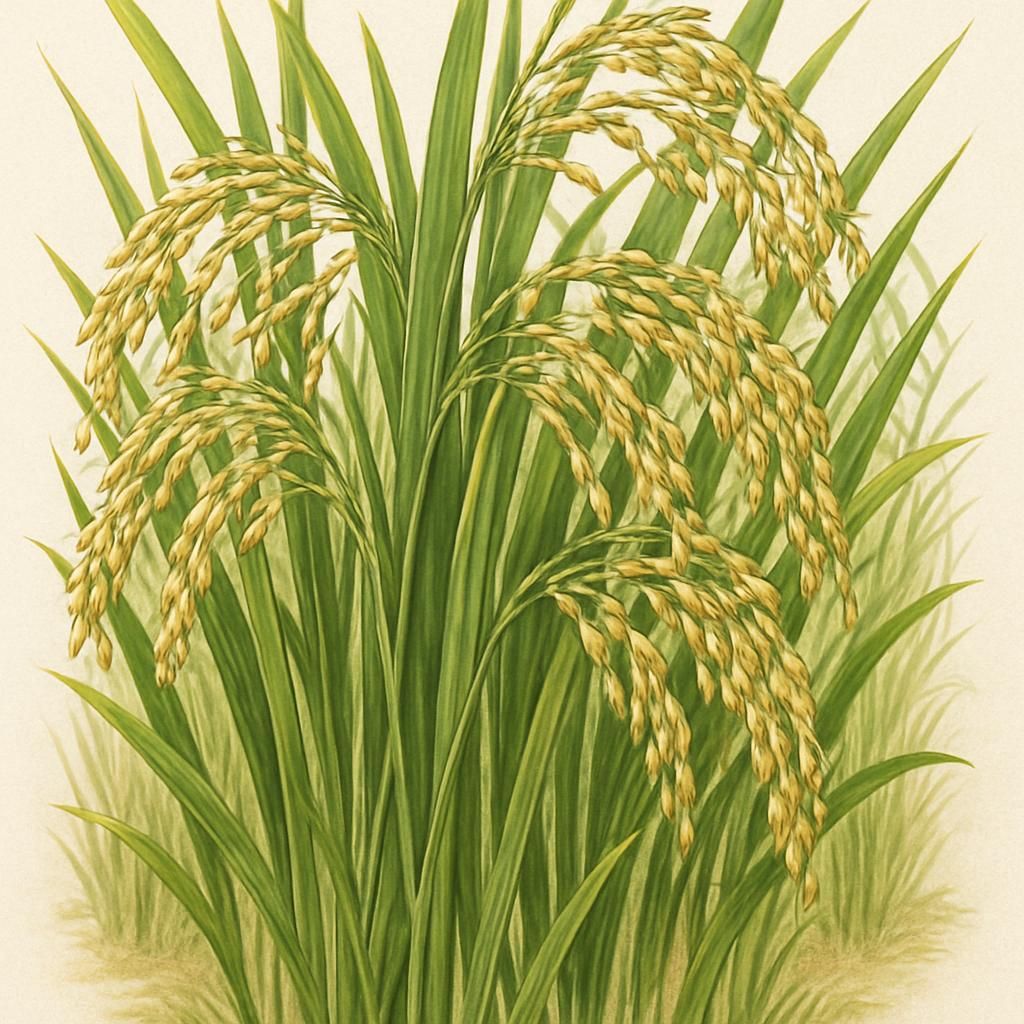
Introduction to CL111 Rice
CL111 Rice is a popular variety valued for its high yield, robustness, and adaptability to different environmental conditions. As a cultivar of Rice, it offers significant resistance to common pests and diseases, making it a reliable choice for farmers seeking stable production with reduced cropping risks.
Botanical Profile of CL111 Rice
CL111 Rice belongs to the species Oryza sativa, one of the most widely cultivated rice species globally. This variety features a semi-dwarf stature, which provides stability and resistance to lodging. Its grains are medium to long, suitable for various culinary uses.
Soil, pH, and Climate Requirements for CL111 Rice
For optimal growth, CL111 Rice requires specific soil conditions and climate settings. The ideal conditions are crucial to ensuring a healthy crop and maximizing yield.
| Parameter | Ideal Range |
|---|---|
| Soil Type | Loamy, well-drained |
| Soil pH | 5.5 - 6.5 |
| Temperature | 25°C - 35°C |
| Rainfall | 1500 - 2000 mm/year |
Step-by-Step Planting & Propagation
- Seed Selection: Choose certified seeds to ensure purity and disease resistance.
- Seedbed Preparation: Prepare a nursery bed, and sow seeds densely to ensure high germination rates.
- Transplanting: After about 20-25 days, transplant seedlings to the main field at a spacing of 15x15 cm.
- Direct Seeding: Alternatively, sow seeds directly in the field with appropriate seed drills.
- Initial Irrigation: Ensure adequate watering during transplanting or post-direct seeding.
Care & Maintenance Regimes for CL111 Rice
Proper care and maintenance are vital to achieving optimal yields. Here’s a schedule to follow:
| Task | Schedule |
|---|---|
| Watering | Maintain 3-5 cm standing water at all times, except during harvesting |
| Fertilizing | Apply nitrogen, phosphorus, and potassium based on soil test results. Generally, 60 kg of nitrogen, 30 kg of phosphorus, and 40 kg of potassium per hectare. |
| Pruning | Not applicable |
Pests, Diseases & Organic Management
CL111 Rice is resistant to several pests and diseases but monitoring and management are still essential:
- Pests: While rice is generally susceptible to Caterpillars and Spider Mites, CL111 Rice shows resistance, yet regular monitoring is advised.
- Diseases: Resistance to common illnesses like Blast and Root-knot nematodes is a notable trait, though organic management practices such as crop rotation and biopesticides should still be employed.
Harvesting, Curing & Optimal Storage
Once the rice plants mature in about 130-150 days, they can be harvested. The grains should be dried to a moisture content of approximately 14% for storage. Store in cool, dry conditions to prevent spoilage.
Companion Planting for CL111 Rice
Companion planting can enhance pest management and soil health:
- Clover can improve soil nitrogen content when planted alongside rice.
- Marigold can repel nematodes and attract beneficial insects.
For more insights on optimizing soil health, consider reading our blog The Hidden Power of Mulching: 8 Organic Strategies to Transform Small Farm Soil. For details on rice varieties, visit Basmati Rice and other related entries.