Encyclopedia
Definitive guides for crops, pests, and agricultural diseases.
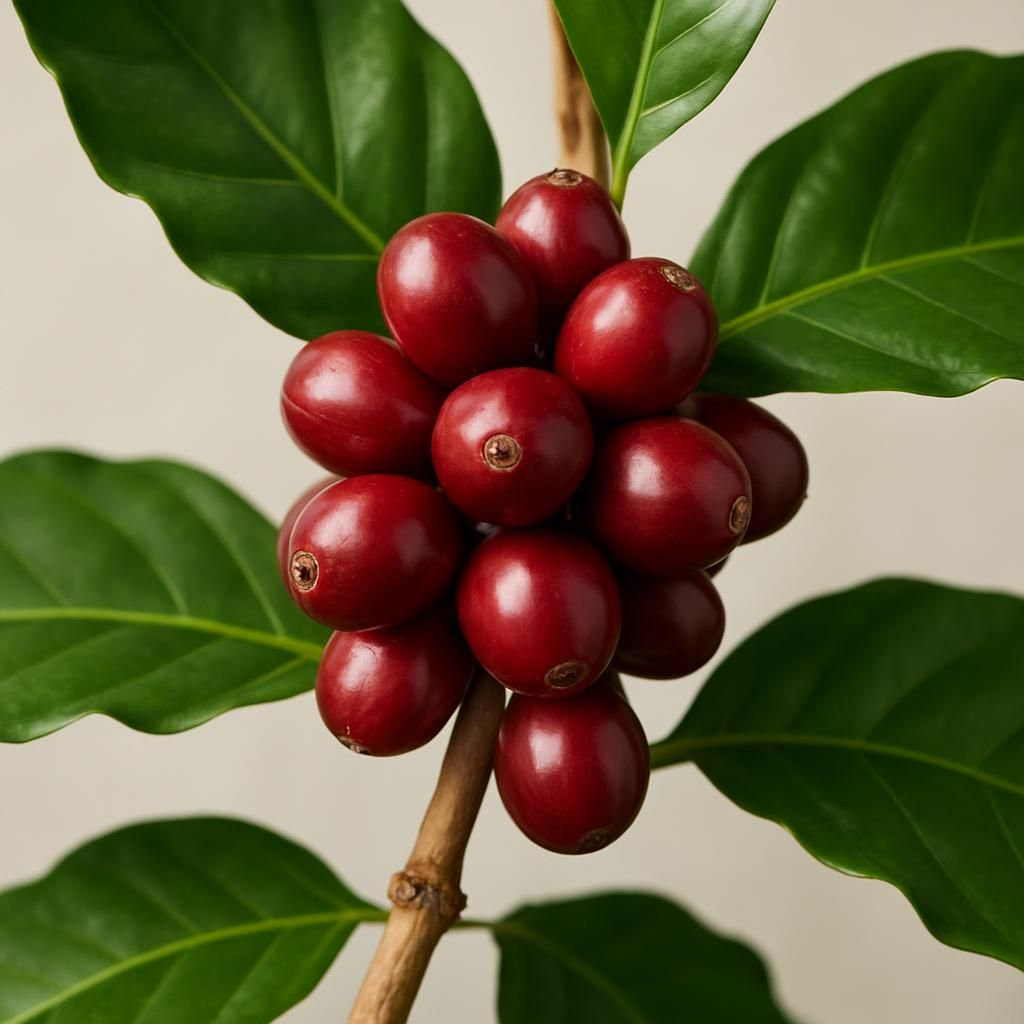
Coffee (Liberica)
Coffea liberica is a robust, high-yielding species suited to lowland tropical conditions and produces large, bold beans with distinctive smoky, woody flavor notes. This guide covers every stage of commercial and small-farm production from site selection through post-harvest curing.
View Guide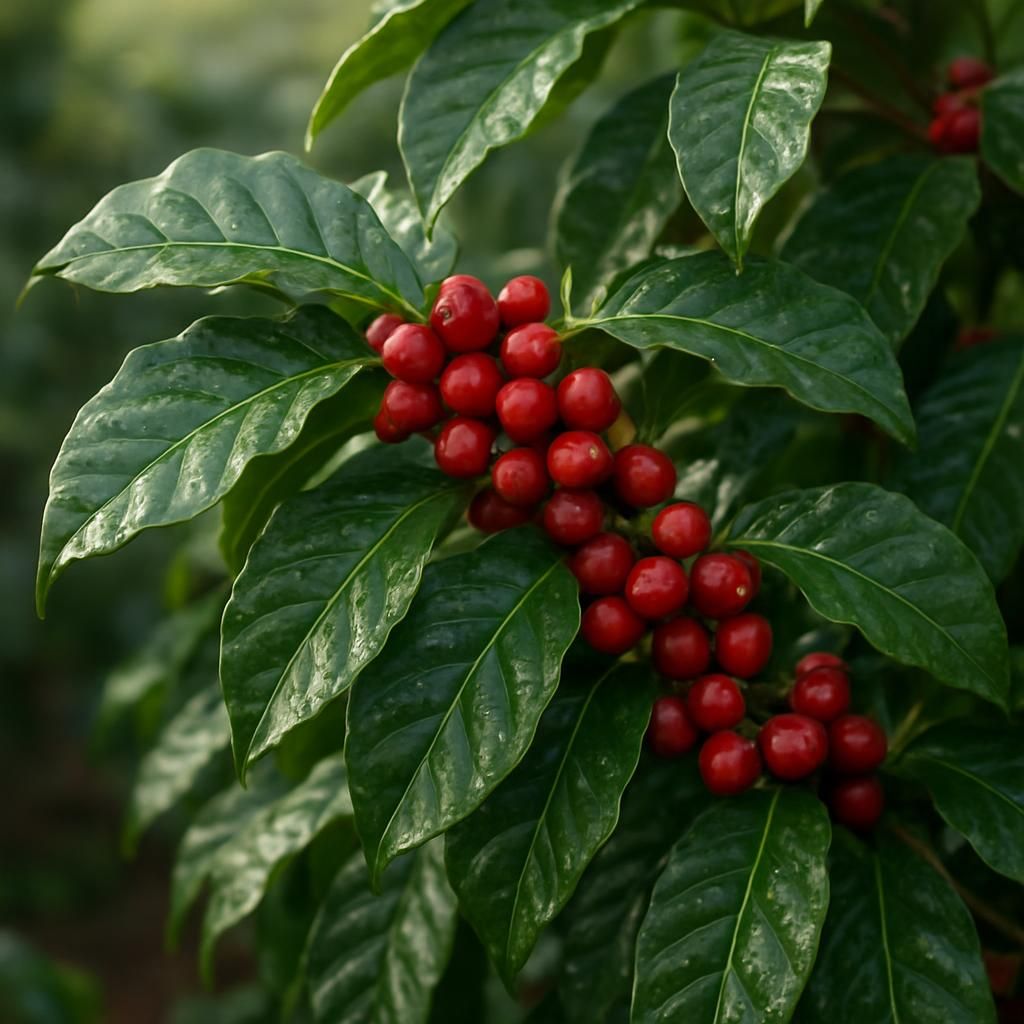
Coffee (Robusta)
Robusta coffee is a high-yielding, disease-resistant species prized for its bold flavor and high caffeine content, making it ideal for espresso blends and instant coffee production. It thrives in warmer lowland tropics with consistent rainfall and well-drained soils. This guide delivers professional-grade cultivation practices for commercial and smallholder growers seeking reliable yields and quality.
View Guide
coffee berry borer
The coffee berry borer (Hypothenemus hampei) is the most devastating pest of coffee worldwide, boring into developing berries to feed on the seed and causing significant yield losses. This guide provides comprehensive diagnostics, lifecycle insights, organic management strategies, and prevention tactics for coffee growers. Effective IPM combining monitoring, biological controls, and cultural practices can reduce infestations by up to 80%.
View Profile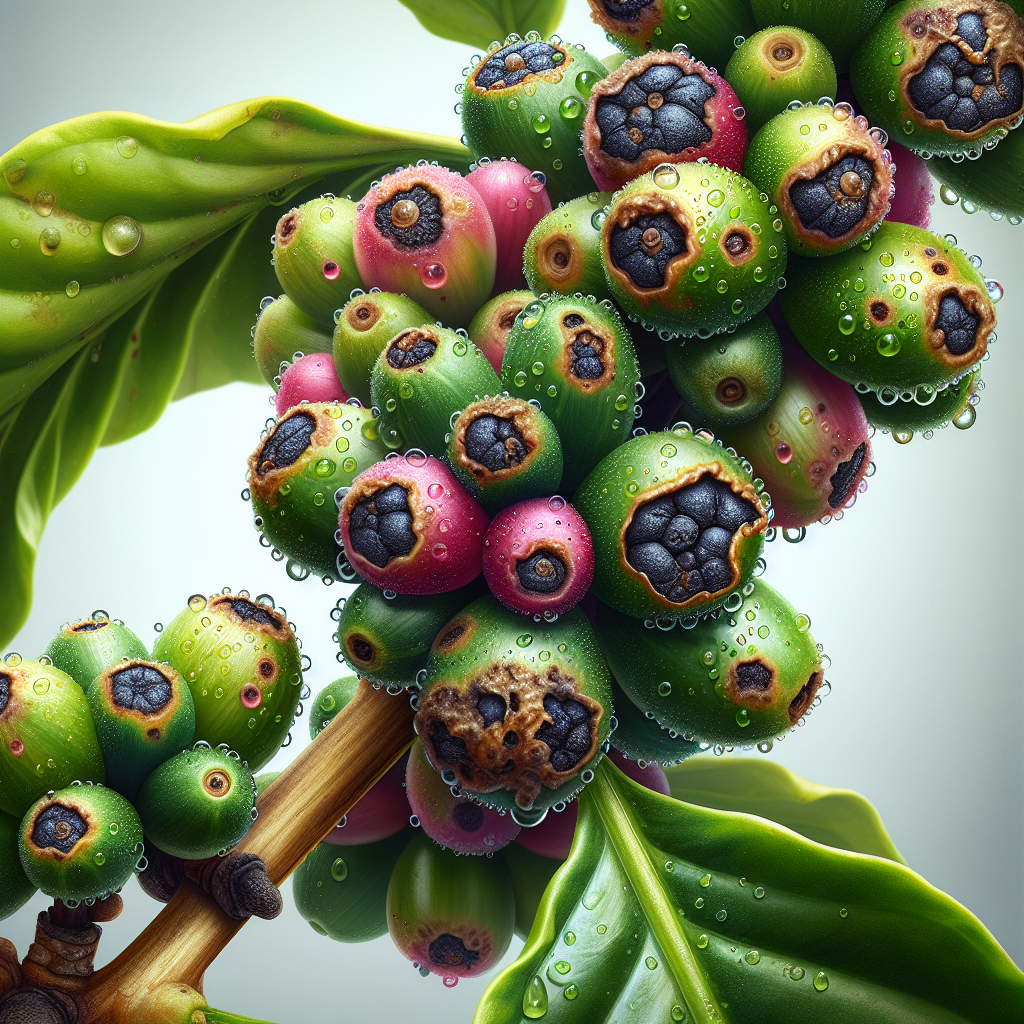
Coffee berry disease
Coffee berry disease (CBD) is a devastating fungal infection caused by Colletotrichum kahawae, primarily affecting Arabica coffee berries in high-altitude regions of Africa. It leads to significant yield losses through berry rot and premature drop, making early detection and management essential for coffee farmers. This guide provides comprehensive diagnostic, organic control, and prevention strategies to protect coffee crops.
View Profile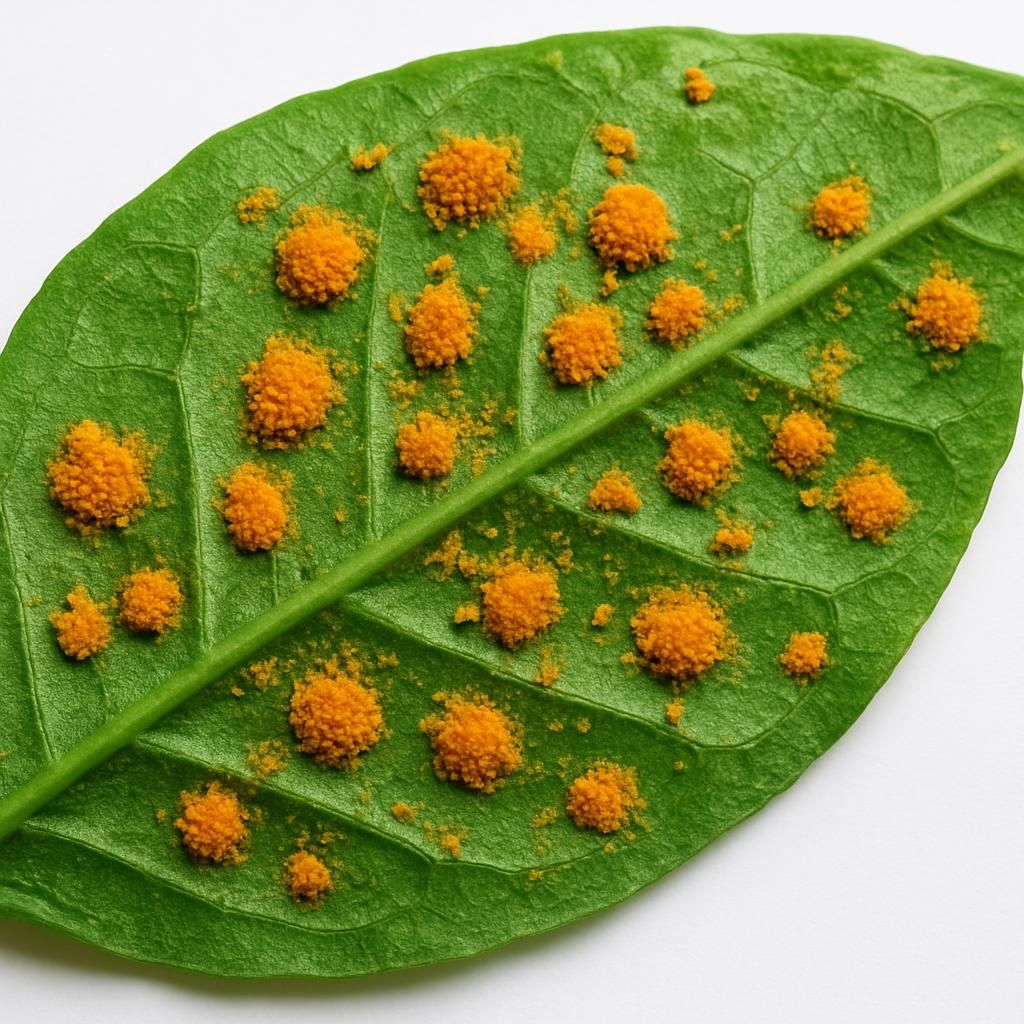
coffee leaf rust
Coffee leaf rust is a devastating fungal disease caused by Hemileia vastatrix that primarily attacks coffee plants, leading to severe defoliation and yield losses up to 70%. Recognizable by its characteristic orange powdery spores on leaf undersides, it spreads rapidly in humid tropical conditions. Effective management combines resistant varieties, cultural practices, and organic fungicides for sustainable control.
View Profile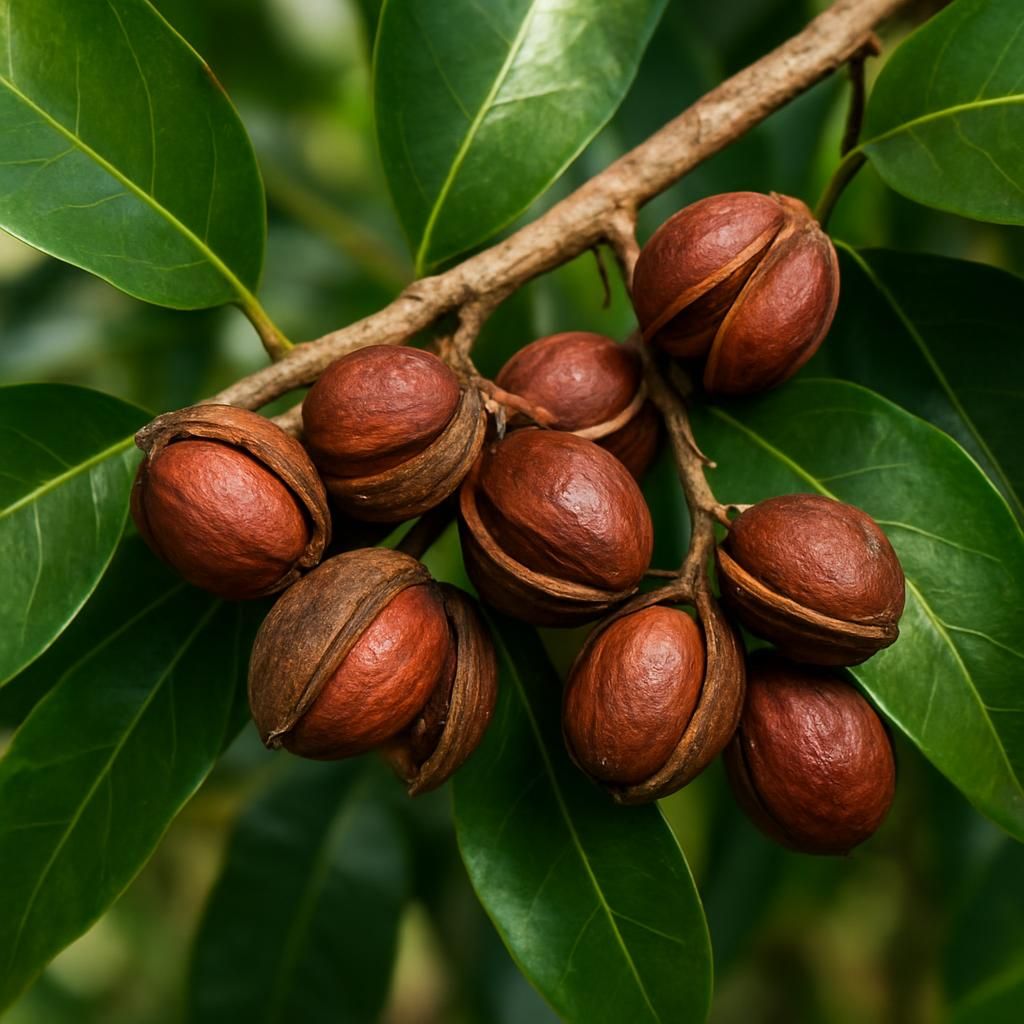
Cola nitida
Cola nitida, commonly known as the cola nut tree, is a tropical evergreen species cultivated primarily for its caffeine-rich seeds used in beverages and traditional medicine. This comprehensive guide covers optimal soil conditions, propagation techniques, pest management, and harvesting practices for commercial and smallholder growers.
View Guide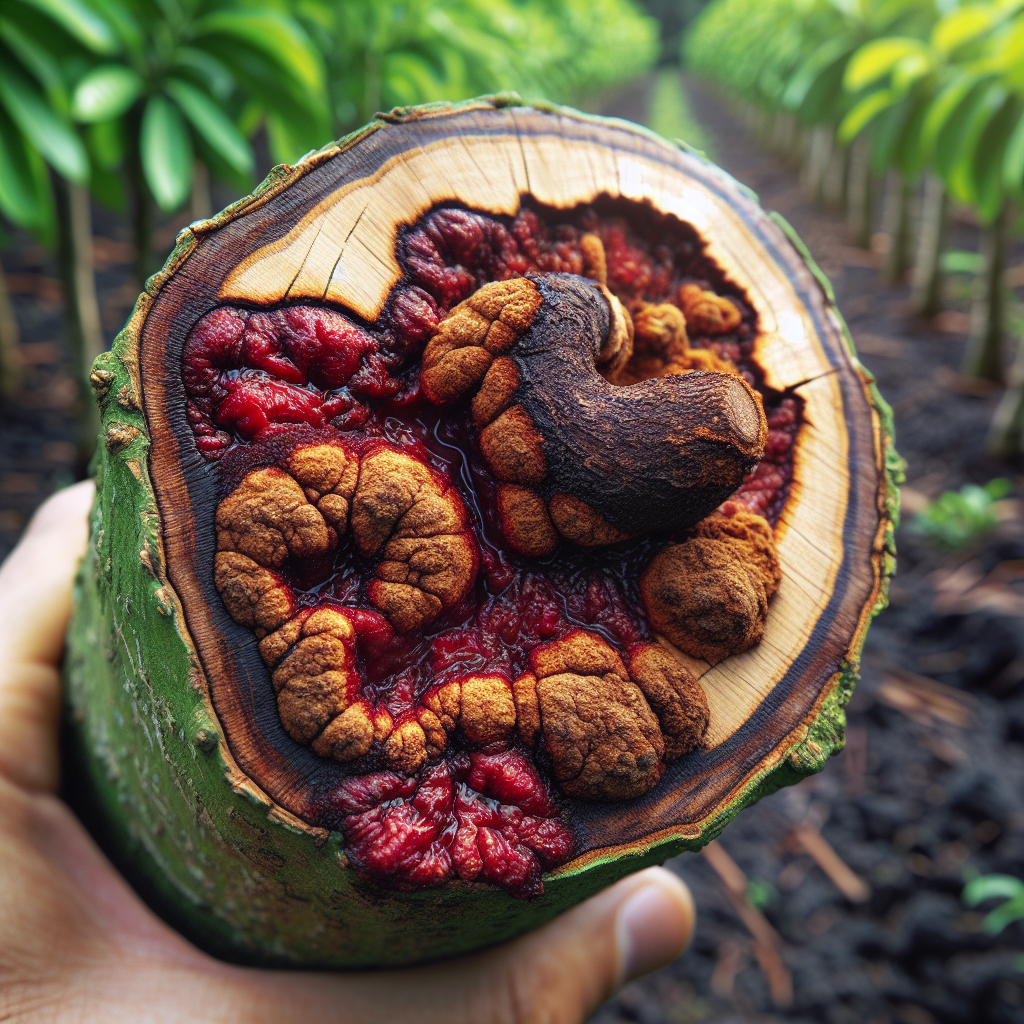
Collar rot
Collar rot is a devastating soilborne fungal disease that attacks the collar region (lower stem and upper roots) of plants, leading to girdling, wilting, and plant death. Caused mainly by Phytophthora species, it thrives in wet, poorly drained soils and is a major threat to fruit trees, vegetables, and ornamentals. Early detection and cultural management are key to preventing widespread losses.
View Profile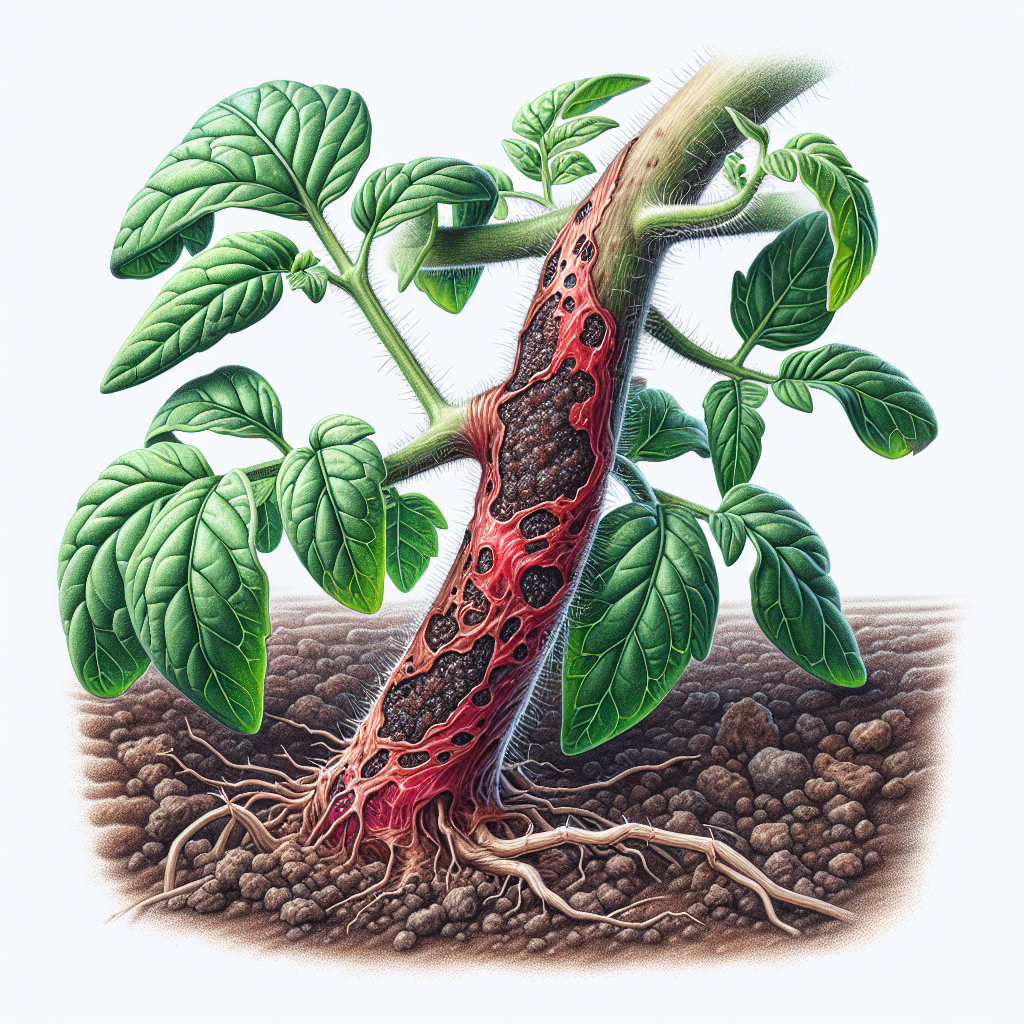
Collar rots
Collar rot is a devastating soilborne fungal disease that attacks the collar region of plants where roots meet stems, causing rapid wilting, girdling, and plant death. Primarily caused by pathogens like Phytophthora, Pythium, and Rhizoctonia, it thrives in poorly drained, waterlogged soils. Effective management relies on cultural practices, resistant varieties, and organic biocontrols to prevent outbreaks.
View Profile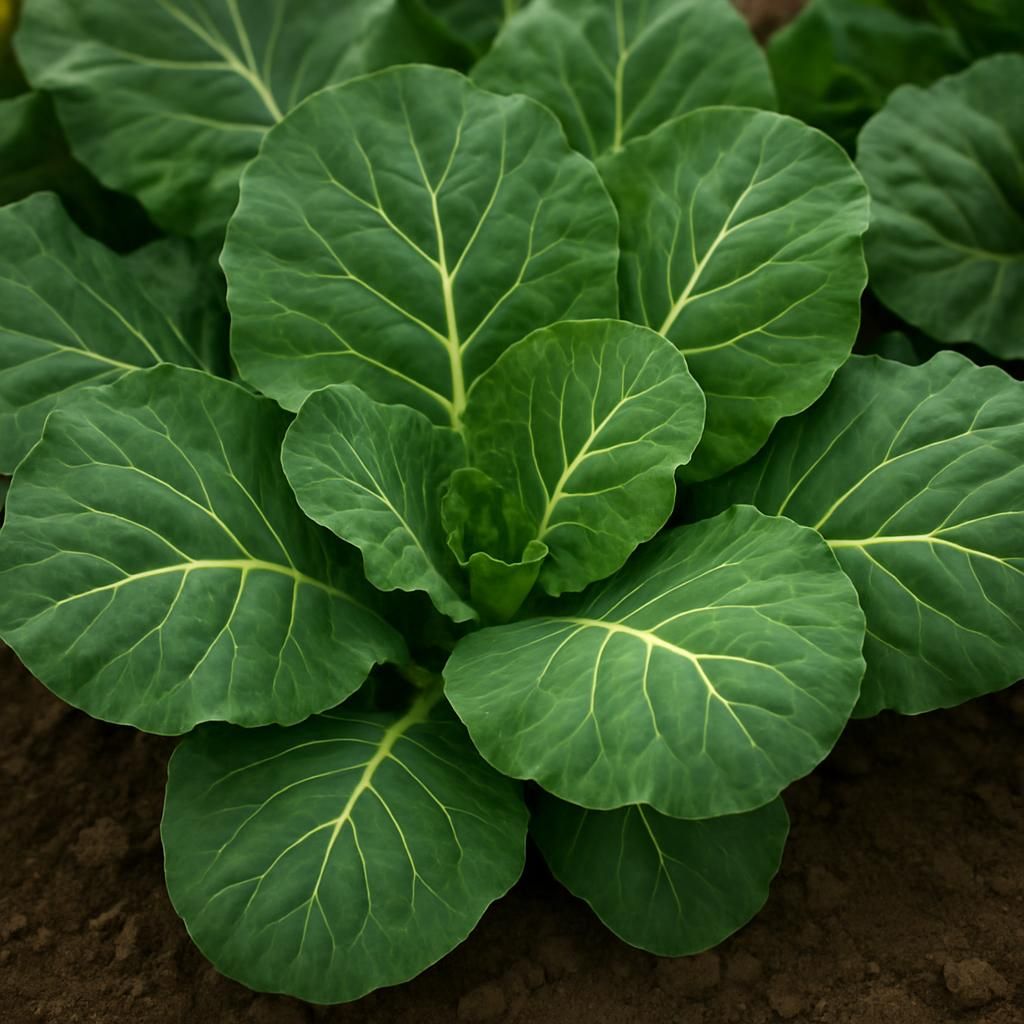
Collard greens
Collard greens are a cool-season leafy brassica prized for their large, blue-green leaves and exceptional cold tolerance. This definitive guide covers every stage of professional cultivation from soil preparation through harvest and storage.
View Guide
collards
Collards are a nutrient-dense leafy green crop prized for their cold tolerance and versatility in Southern cooking. This guide provides definitive diagnostics for common pests and diseases affecting collards, along with proven organic management strategies. Learn to identify damage, understand lifecycle triggers, and implement prevention for bountiful harvests.
View Guide
Collards (Georgia Southern)
Collards (Georgia Southern) are hearty leafy greens, popular in southern cuisine, known for their nutritional benefits. They thrive in cool climates and can be cultivated in various soil types, making them a versatile crop for home and commercial farming.
View Guide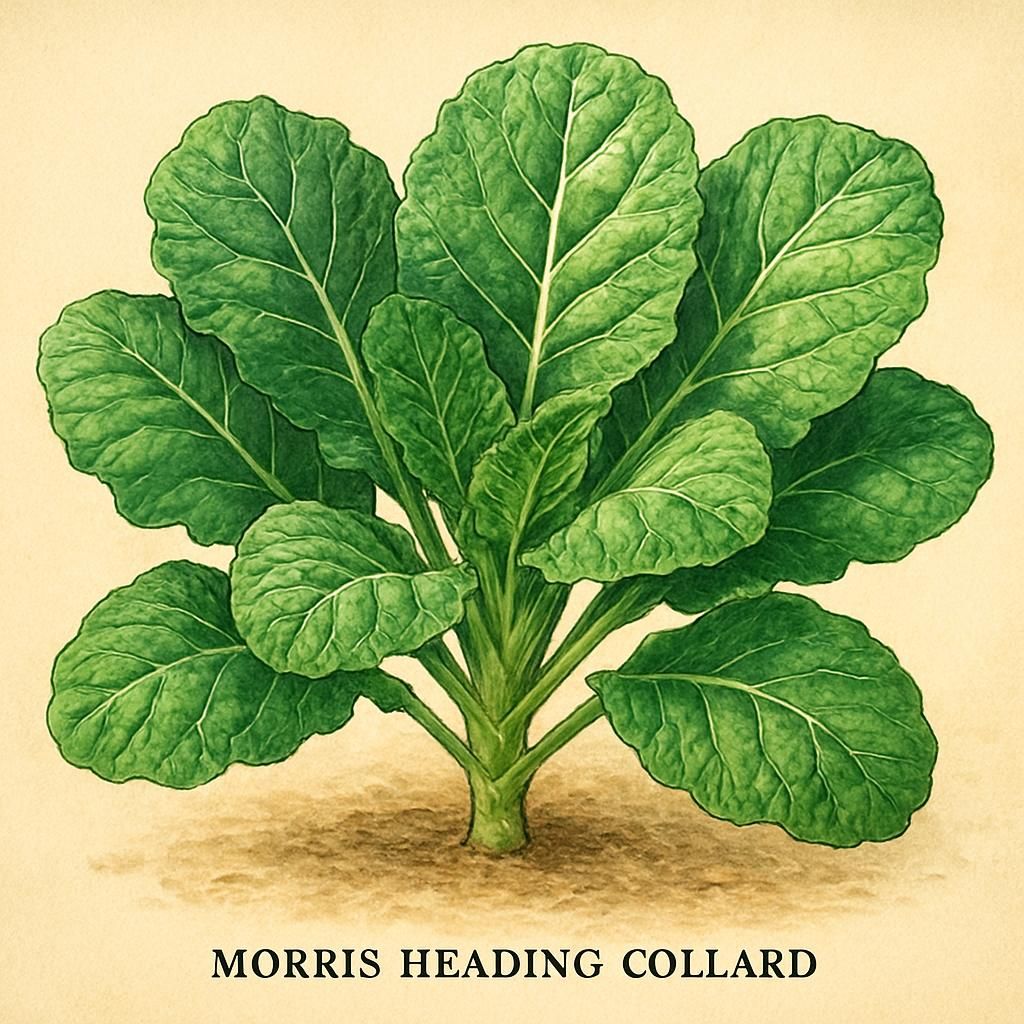
Collards (Morris Heading)
Collards 'Morris Heading' is a traditional leafy green vegetable known for its heat and cold tolerance, perfect for diverse climates. With proper care, it provides nutrient-rich leaves that are excellent for various culinary uses.
View Guide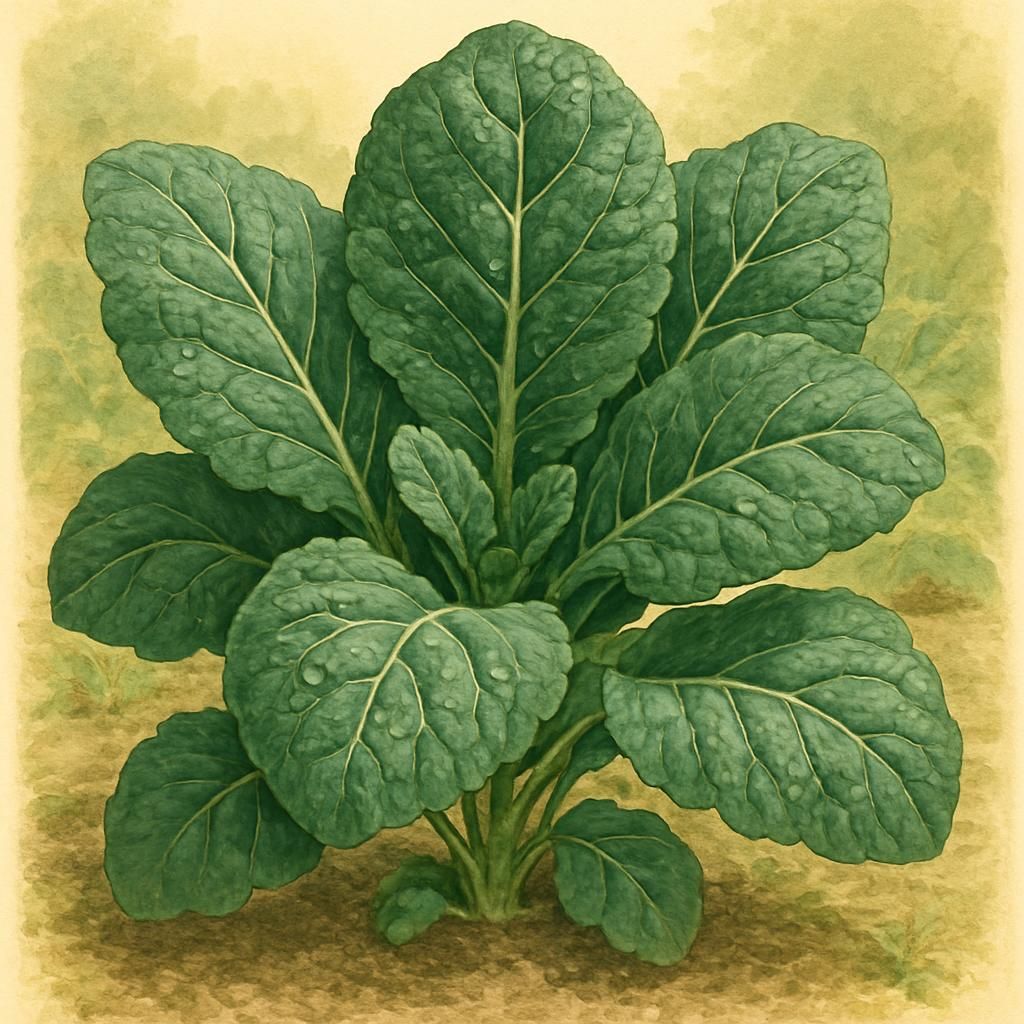
Collards (Vates)
Vates Collards are a popular variety of leafy greens known for their resilience and rich vitamin content. Particularly favored in southern cuisines, they thrive in cooler climates and are celebrated for their nutritional benefits.
View Guide
Colletotrichum
Colletotrichum is a fungal pathogen causing anthracnose, a devastating disease affecting fruits, leaves, and stems of numerous crops worldwide. It thrives in warm, humid conditions, leading to sunken lesions, fruit rot, and significant yield losses. Effective management relies on cultural practices, resistant varieties, and timely organic fungicides.
View Profile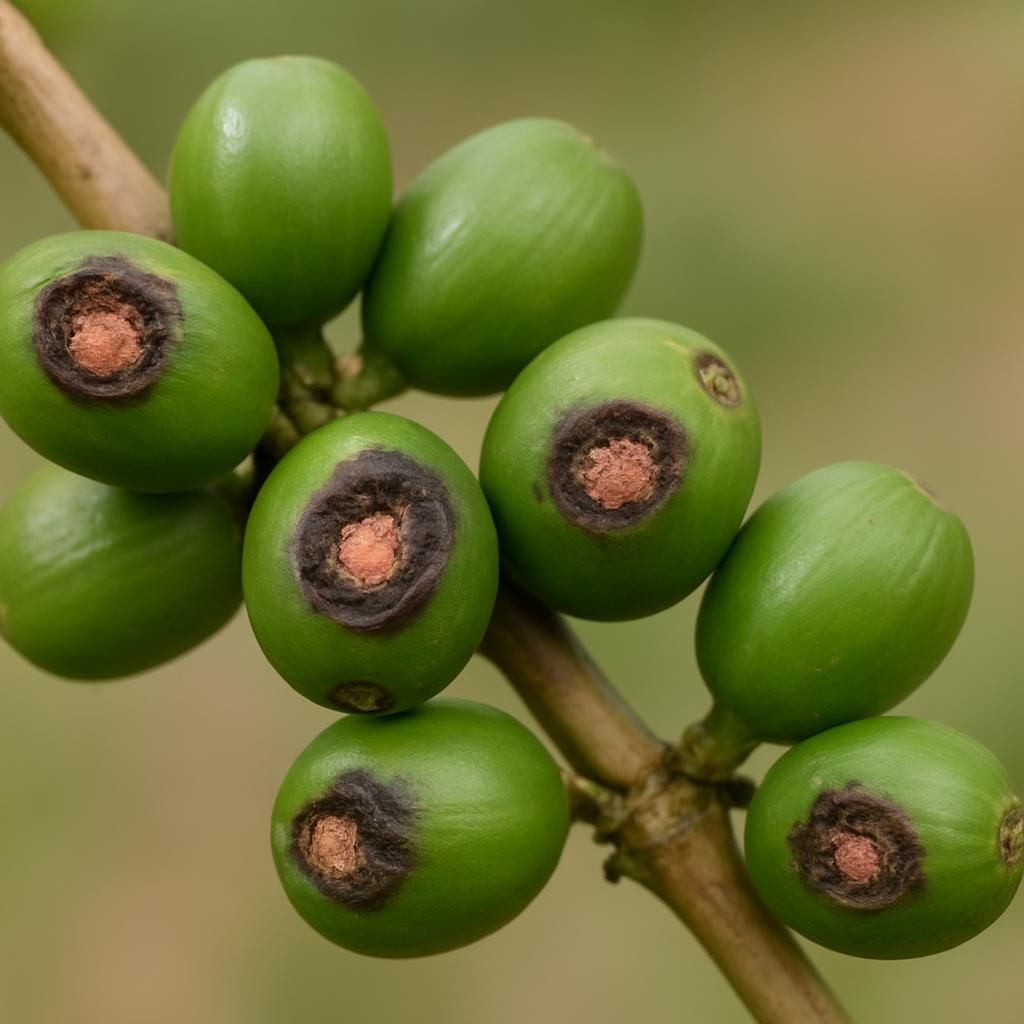
Colletotrichum kahawae
Colletotrichum kahawae is a fungal pathogen responsible for coffee berry disease, causing severe pre-harvest losses on Arabica coffee in highland regions of Africa. The disease produces characteristic sunken, dark lesions on developing berries and can destroy entire crops under favorable conditions. Effective management relies on cultural practices, resistant varieties, and timely fungicide applications.
View Profile
Colletotrichum species
Colletotrichum species are fungal pathogens causing anthracnose, a devastating disease affecting fruits, leaves, and stems across numerous crops worldwide. Recognizable by sunken lesions and dark fruiting bodies, it thrives in warm, humid conditions, leading to significant yield losses. Effective management relies on cultural practices, resistant varieties, and timely organic fungicides.
View Profile
Colletotrichum spp.
Colletotrichum spp. is a ubiquitous fungal pathogen causing anthracnose diseases in numerous crops, manifesting as sunken lesions on fruits, leaves, and stems. Highly dependent on warm, humid conditions, it spreads via rain splash and contaminated tools, leading to significant yield losses if unmanaged. Effective organic management combines cultural practices, resistant varieties, and biofungicides for sustainable control.
View Profile
Colorado potato beetle
The Colorado potato beetle is a notorious pest that devastates potato crops by defoliating plants, leading to significant yield losses. Native to the Rocky Mountains, it has spread worldwide and is infamous for rapid resistance to insecticides. Effective management relies on integrated strategies including crop rotation, resistant varieties, and organic controls.
View Profile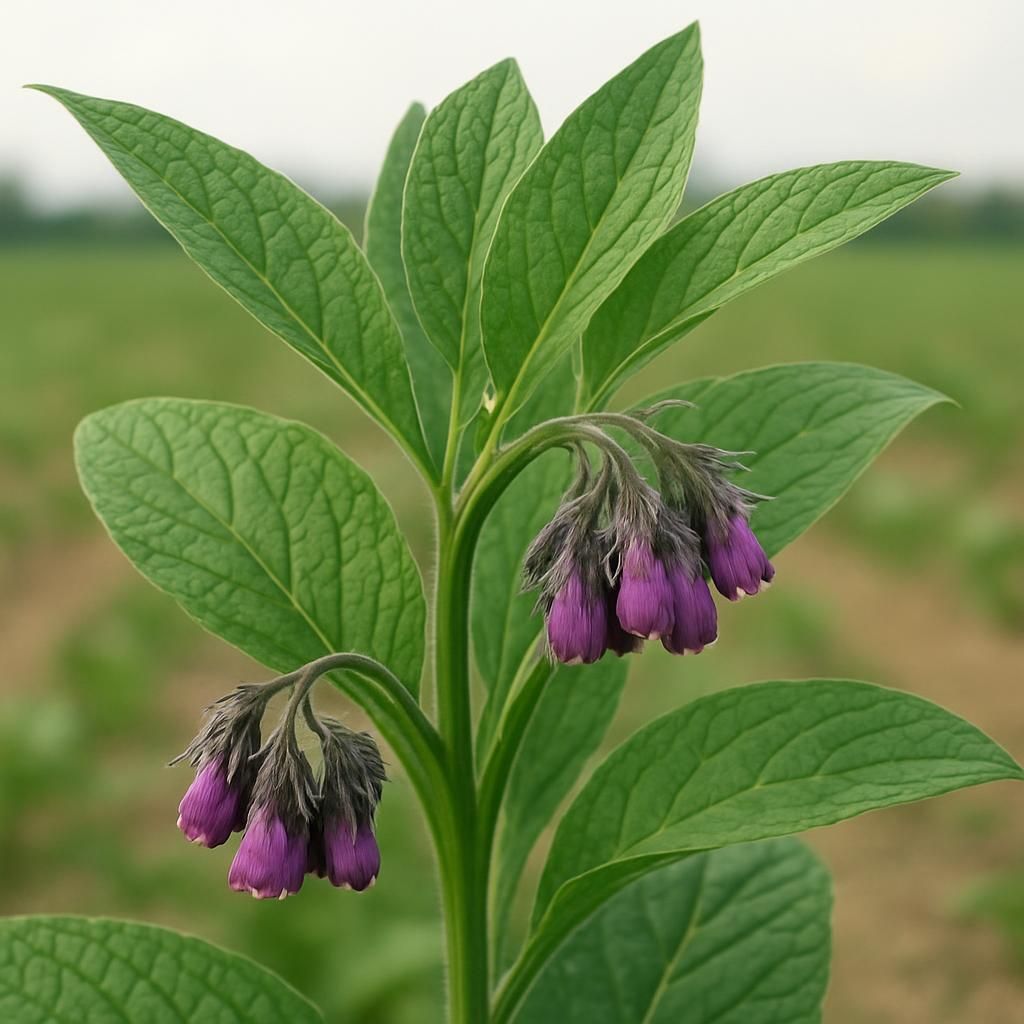
comfrey
Comfrey is a fast-growing, deep-rooted perennial herb prized for its nutrient-rich leaves and dynamic accumulation properties in sustainable agriculture. This definitive growing guide covers botanical traits, soil and climate needs, propagation, care schedules, organic pest management, harvesting, and companion planting strategies for professional and home growers.
View Guide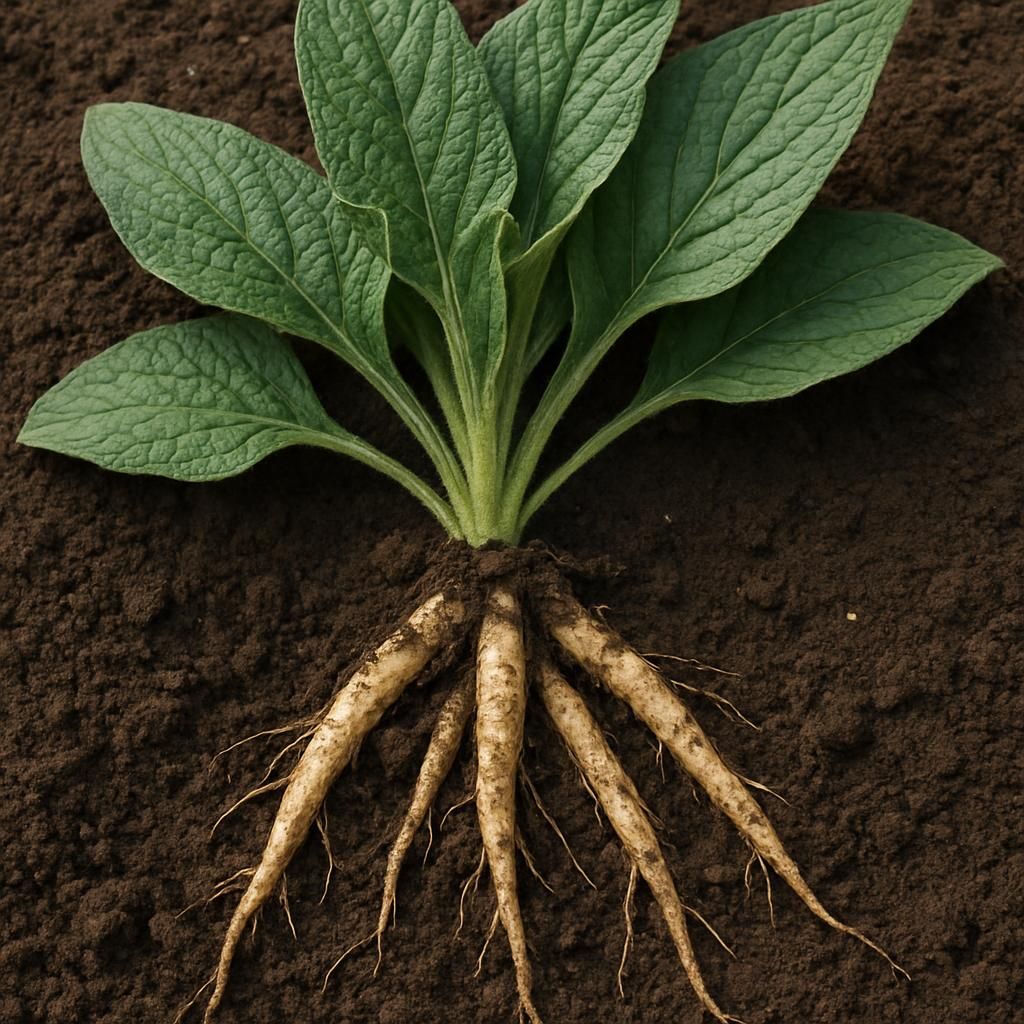
Comfrey Root
Comfrey root is a deep-rooted, fast-growing herbaceous perennial prized for its exceptional biomass production and nutrient-cycling abilities. It is widely used in regenerative agriculture as a dynamic accumulator, green manure, and source of natural fertilizers. The plant thrives in temperate climates and provides valuable mulch, compost activator, and livestock fodder when managed correctly.
View Guide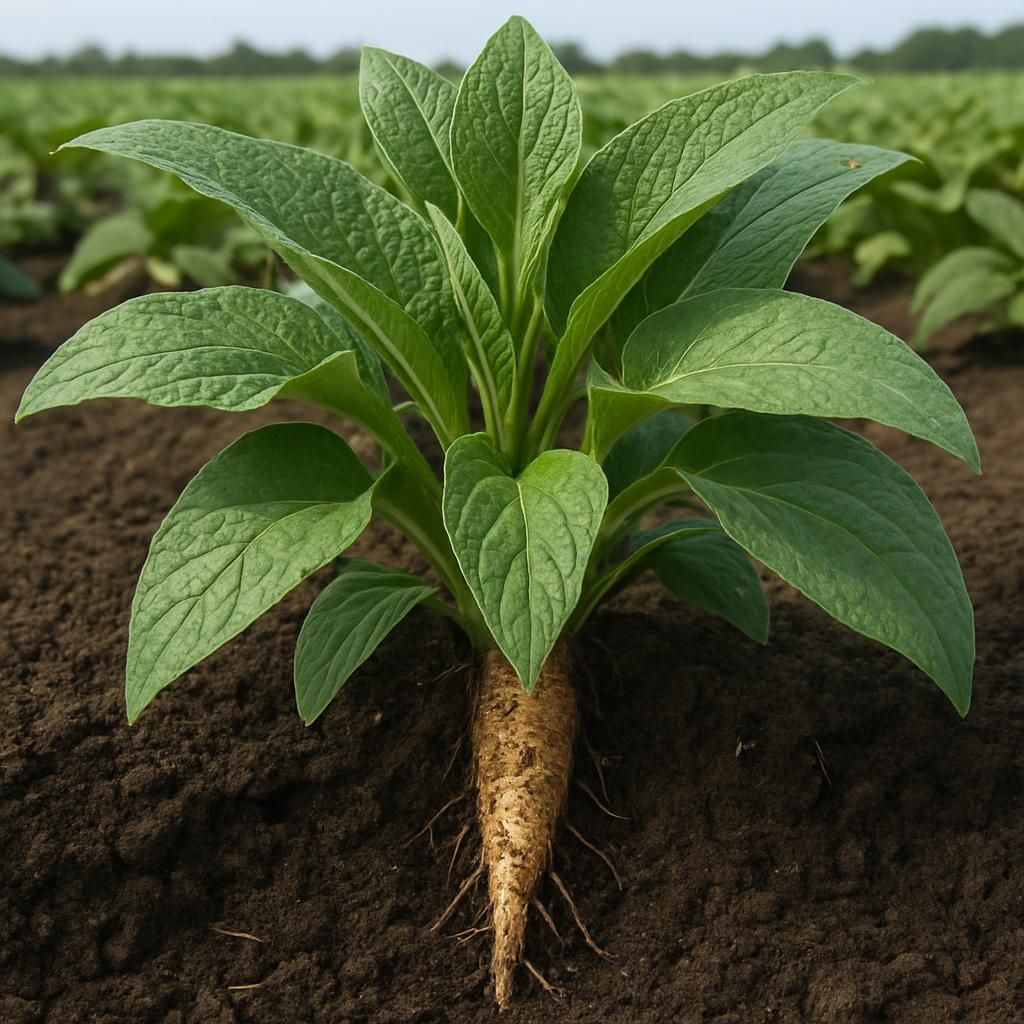
Comfrey Root (Bocking)
Bocking 14 comfrey is a sterile, high-yielding perennial prized by professional growers for its exceptional biomass, deep taproot, and nutrient-accumulating ability. This guide delivers comprehensive, field-tested protocols for soil preparation, propagation, maintenance, pest management, and harvest timing to maximize root and leaf production.
View Guide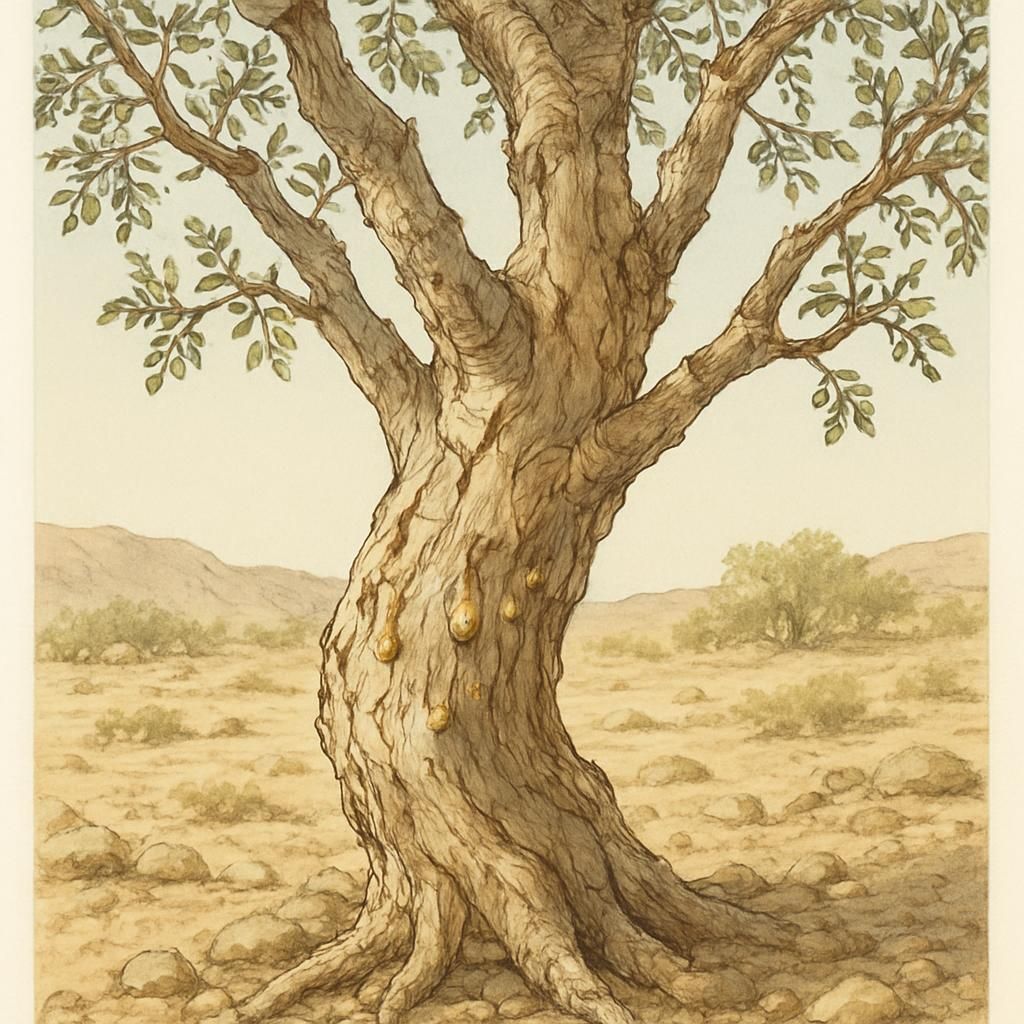
Commiphora
Commiphora is a genus of drought-adapted shrubs and small trees in the Burseraceae family, prized for producing aromatic resins such as myrrh and guggul. These resilient plants thrive in arid and semi-arid environments and have been cultivated for centuries for medicinal, cosmetic, and incense uses. This professional growing guide covers every stage from site selection to harvest and storage.
View Guide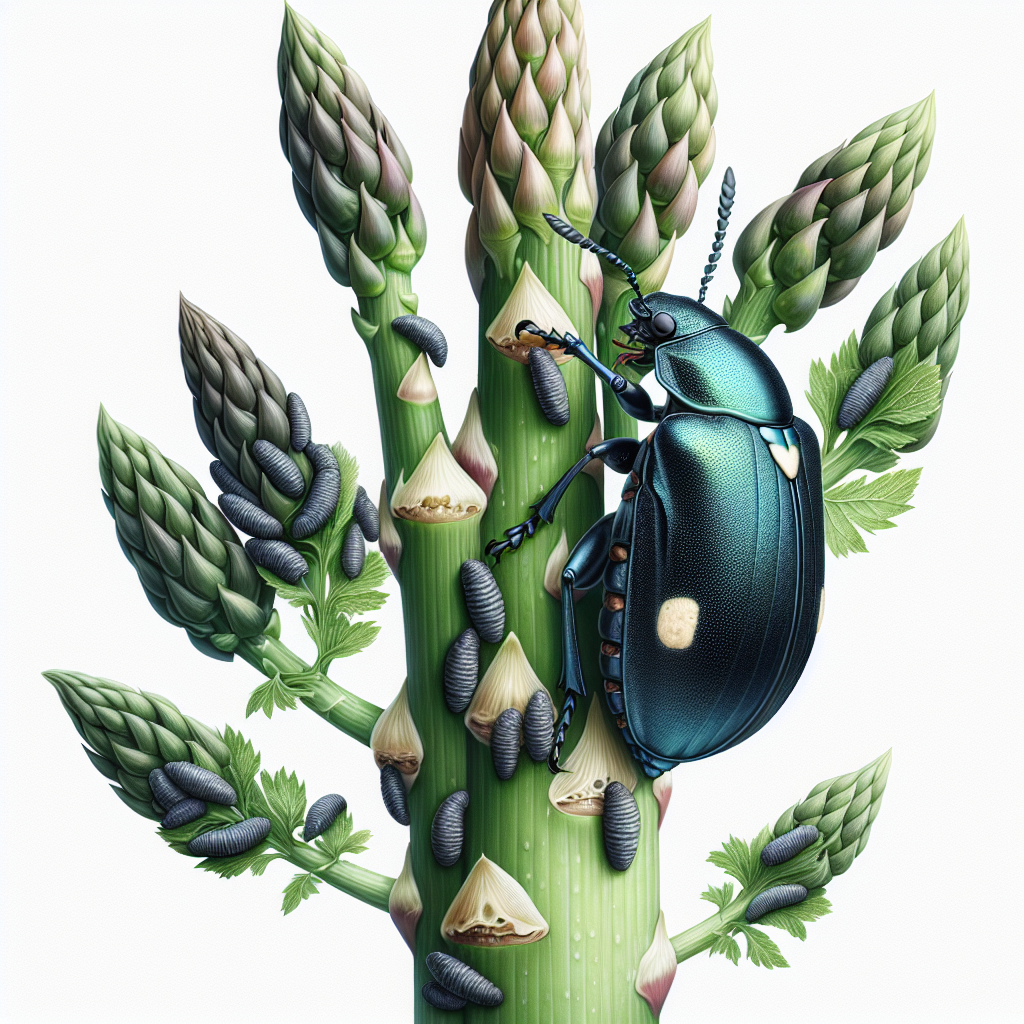
Common asparagus beetle
The common asparagus beetle (Crioceris asparagi) is a major pest of asparagus crops, defoliating plants and contaminating spears with feces and eggs. Adults are metallic blue-black with cream-colored markings, while larvae are grayish with a humped back. Effective management combines organic controls, cultural practices, and prevention to protect yields.
View Profile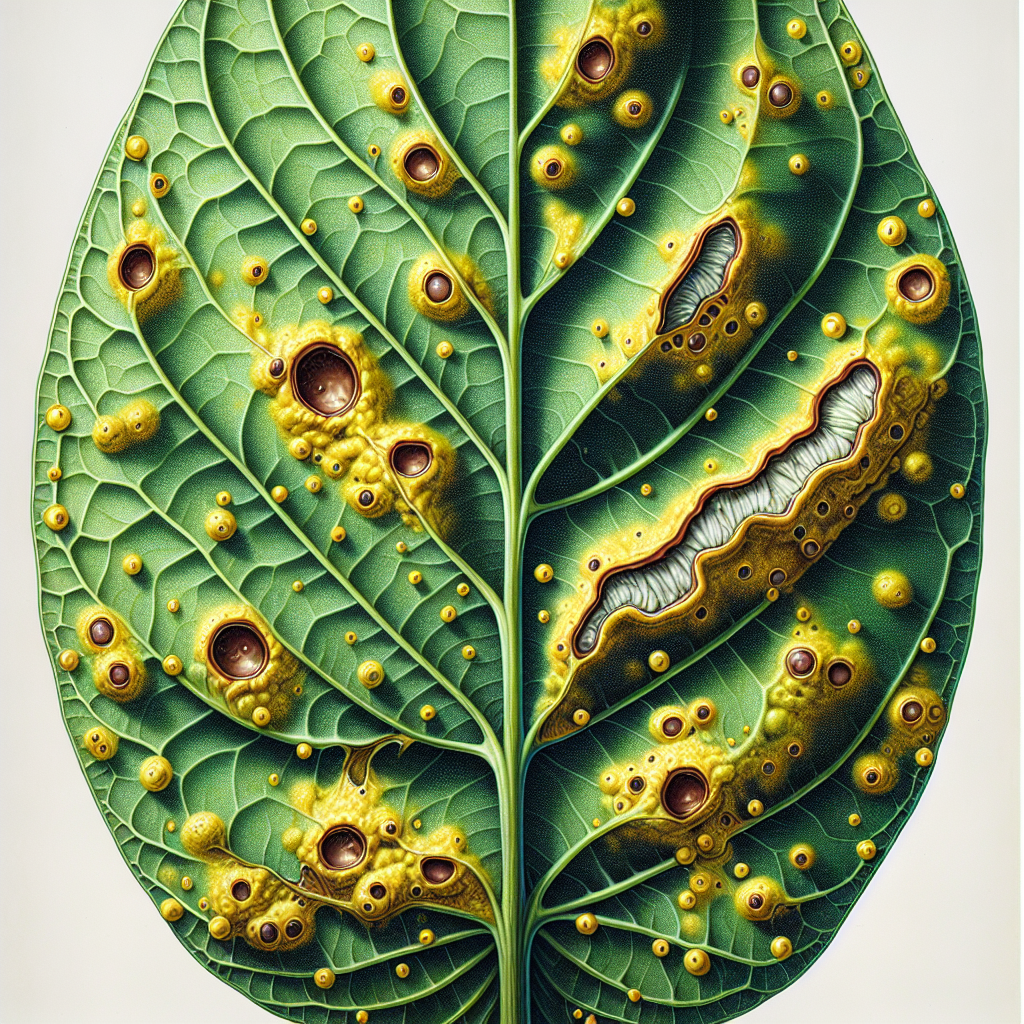
Common bacterial blight
Common bacterial blight is a destructive seedborne disease primarily affecting beans and legumes, caused by the bacterium Xanthomonas axonopodis pv. phaseoli. It leads to water-soaked leaf spots that progress to necrotic lesions, severely reducing yield and quality. Effective management relies on resistant varieties, sanitation, and avoiding overhead irrigation.
View Profile