Encyclopedia
Definitive guides for crops, pests, and agricultural diseases.
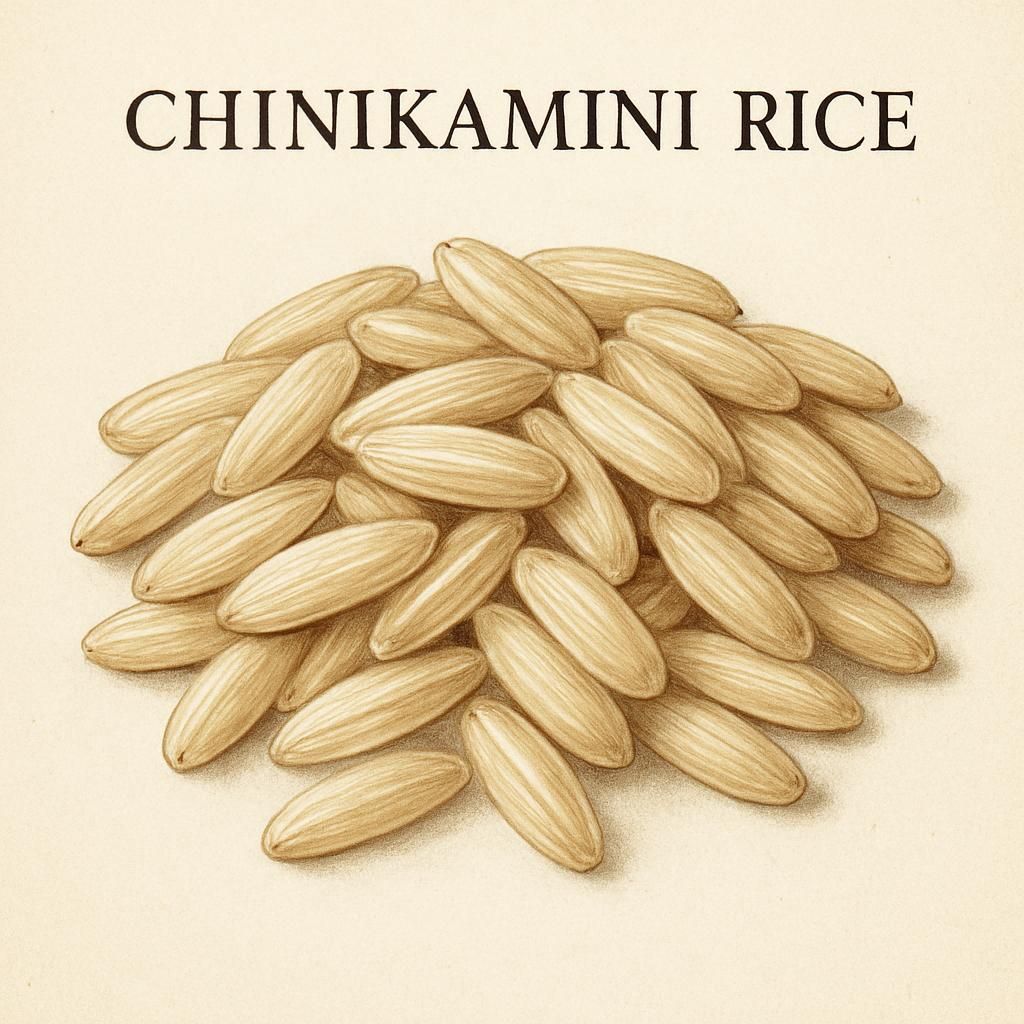
Chinikamini Rice
Chinikamini Rice is a premium rice variety known for its aromatic fragrance and delicate texture. Cultivated primarily in tropical regions, this rice variety requires specific soil and climatic conditions to thrive, offering a unique culinary experience.
View Guide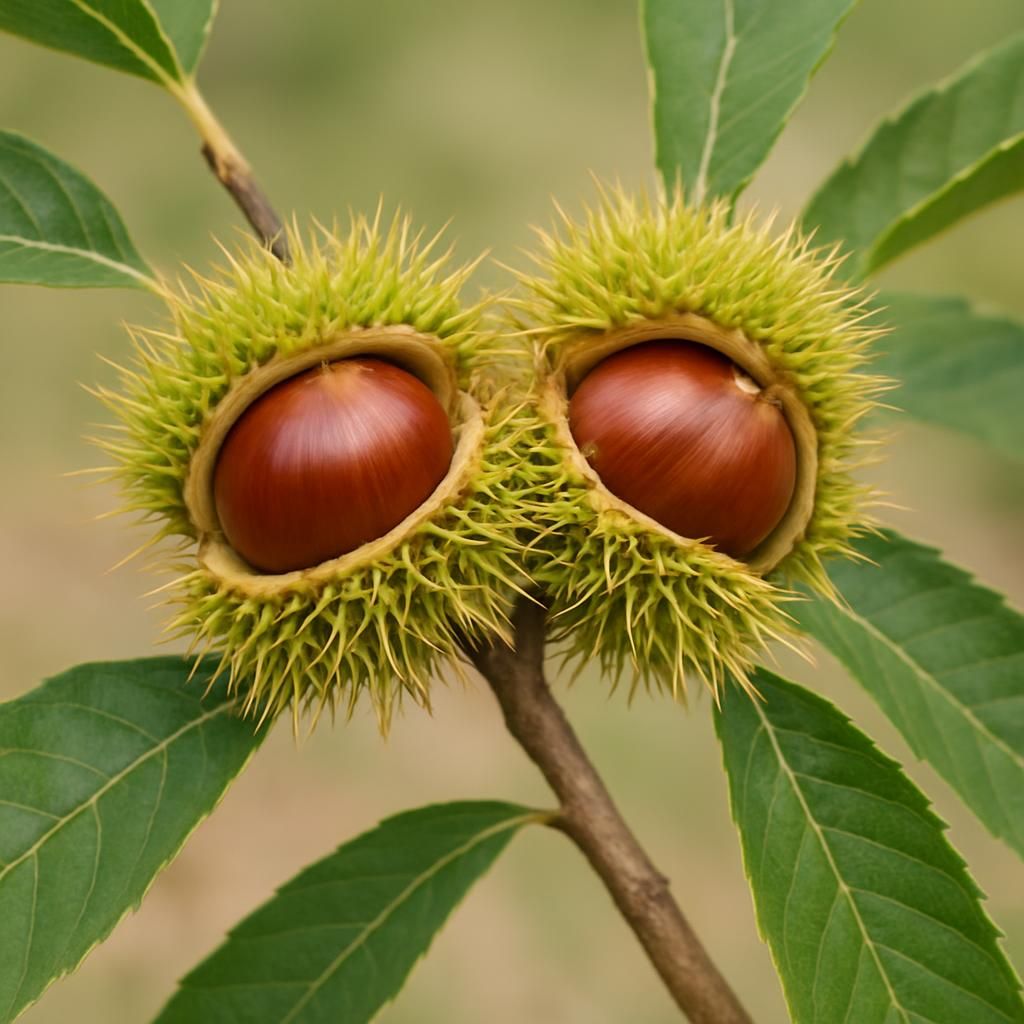
Chinquapin (Castanea pumila)
Chinquapin is a small, deciduous nut-bearing tree native to the eastern United States, valued for its sweet, edible nuts and resilience in marginal soils. This guide provides comprehensive, professional-grade cultivation advice covering soil, climate, planting, maintenance, pest management, harvesting, and companion planting strategies.
View Guide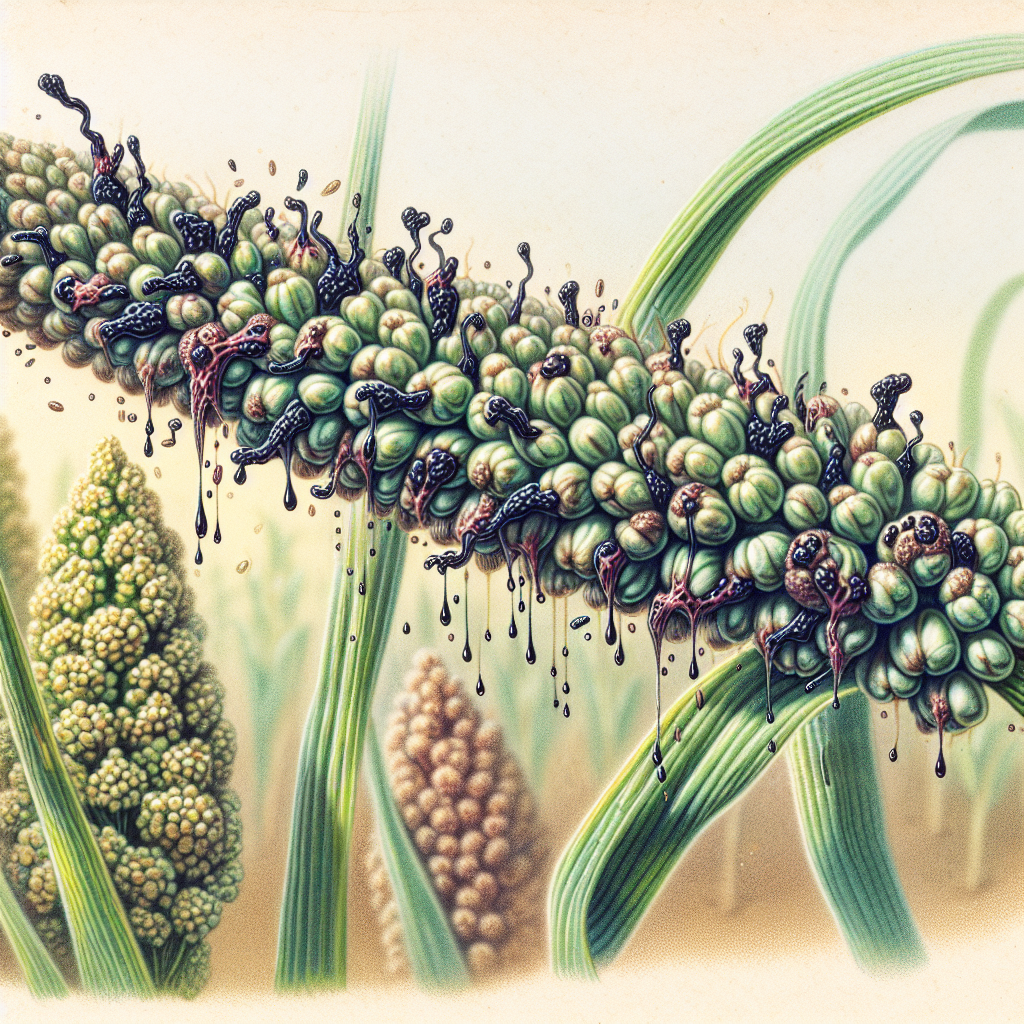
Chirke
Chirke is a devastating fungal disease primarily affecting sorghum and pearl millet, causing the transformation of grain heads into toxic black sclerotia that render harvests unusable. Known regionally in India as 'Chirke,' it leads to significant yield losses and health risks from ergot alkaloids. This guide provides comprehensive diagnostics, organic management, and prevention strategies for affected crops.
View Profile
chives
Chives (Allium schoenoprasum) are perennial herbaceous plants often considered invasive weeds in agricultural settings, aggressively spreading via bulbs and seeds to outcompete crops. This guide provides definitive diagnostic symptoms, lifecycle details, and professional organic management strategies to control chives infestations effectively. Farmers can implement prevention tactics to safeguard yields from this persistent Allium pest.
View Guide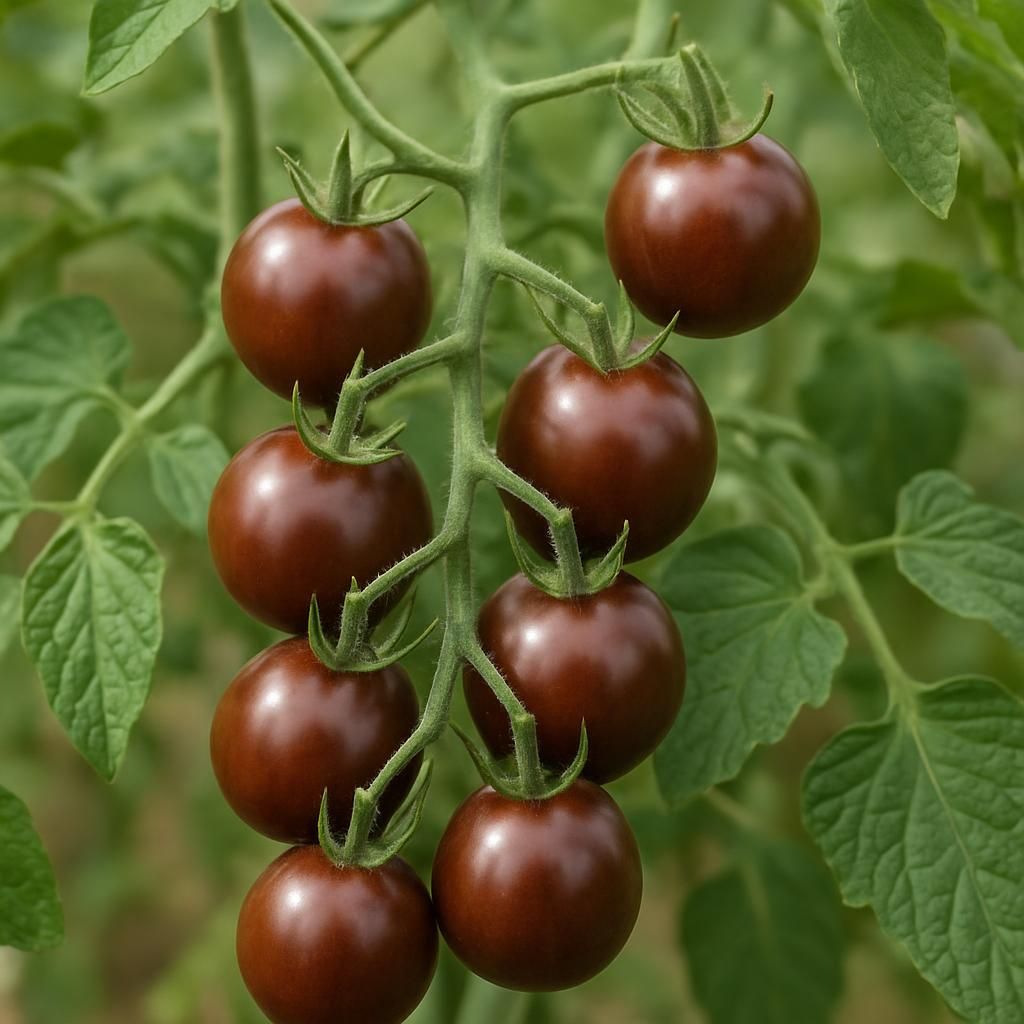
Chocolate Cherry Tomato
Chocolate Cherry Tomato is a high-yielding, indeterminate heirloom cherry tomato prized for its deep mahogany-brown fruits with rich, complex flavor. This compact yet vigorous variety produces clusters of bite-sized tomatoes ideal for fresh eating, salads, and roasting.
View Guide
Chocolate Mint
Chocolate Mint, a variation of peppermint, is prized for its unique chocolate-mint scent and flavor. It's a hardy plant, easy to grow in various climates, and suitable for container gardening.
View Guide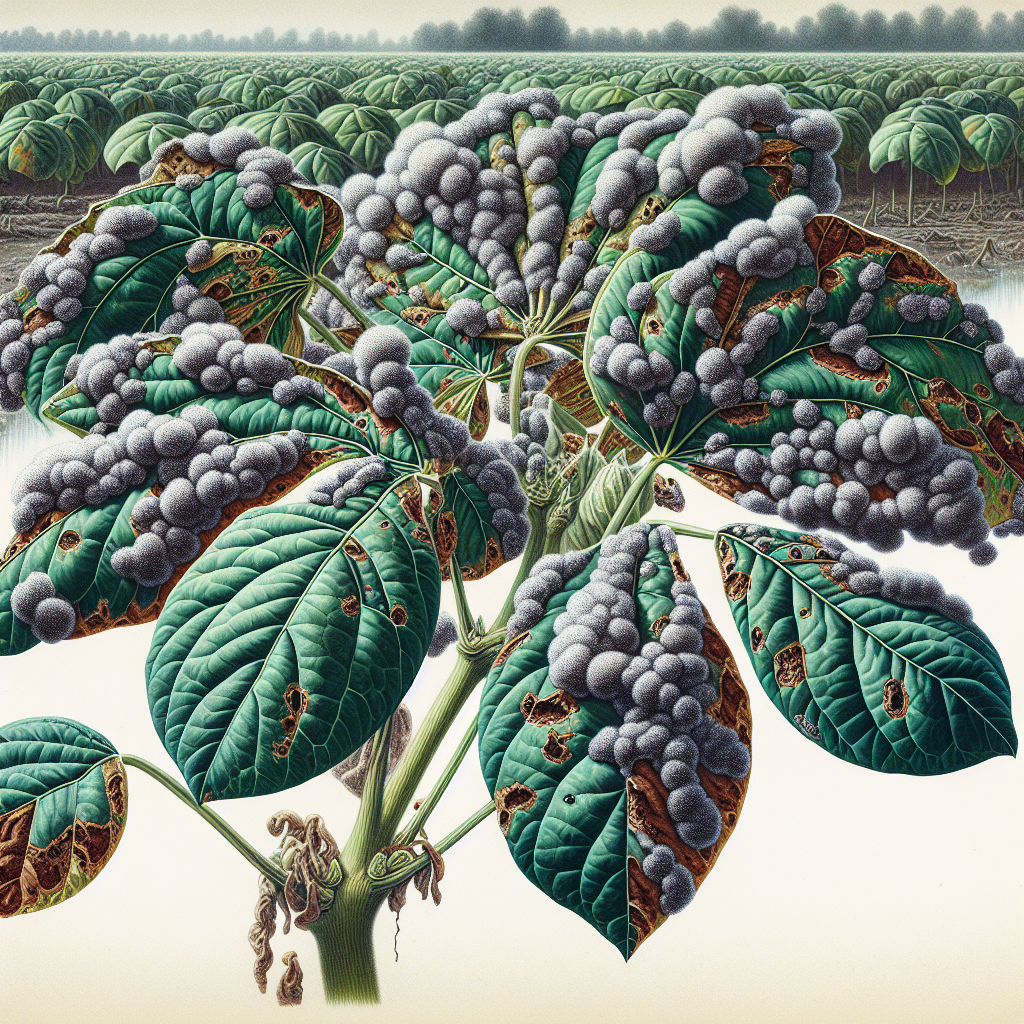
Chocolate spot
Chocolate spot is a destructive fungal disease primarily affecting faba beans and other legumes, caused by Botrytis fabae, leading to dark brown lesions on leaves that resemble chocolate splatters. It thrives in cool, humid conditions, causing significant yield losses through defoliation and pod infection. Effective management relies on cultural practices, resistant varieties, and timely fungicide applications.
View Profile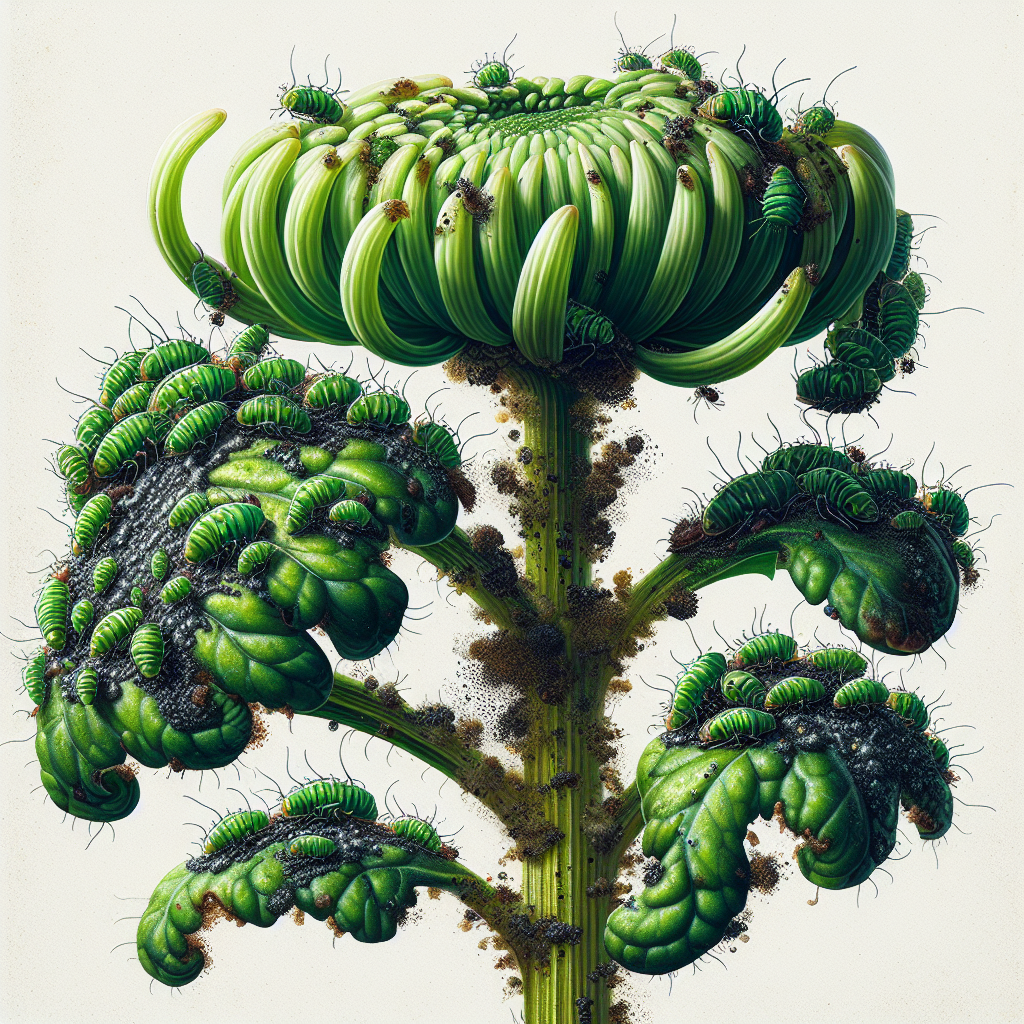
Chrysanthemum Aphid
The chrysanthemum aphid (Macrosiphoniella sanborni) is a specialized sap-sucking pest that targets chrysanthemum crops, causing distorted growth, leaf yellowing, and sticky honeydew. Highly prolific in warm conditions, it spreads rapidly via winged forms, making early detection critical for growers. Effective management combines organic controls like insecticidal soaps and biological agents with vigilant cultural practices.
View Profile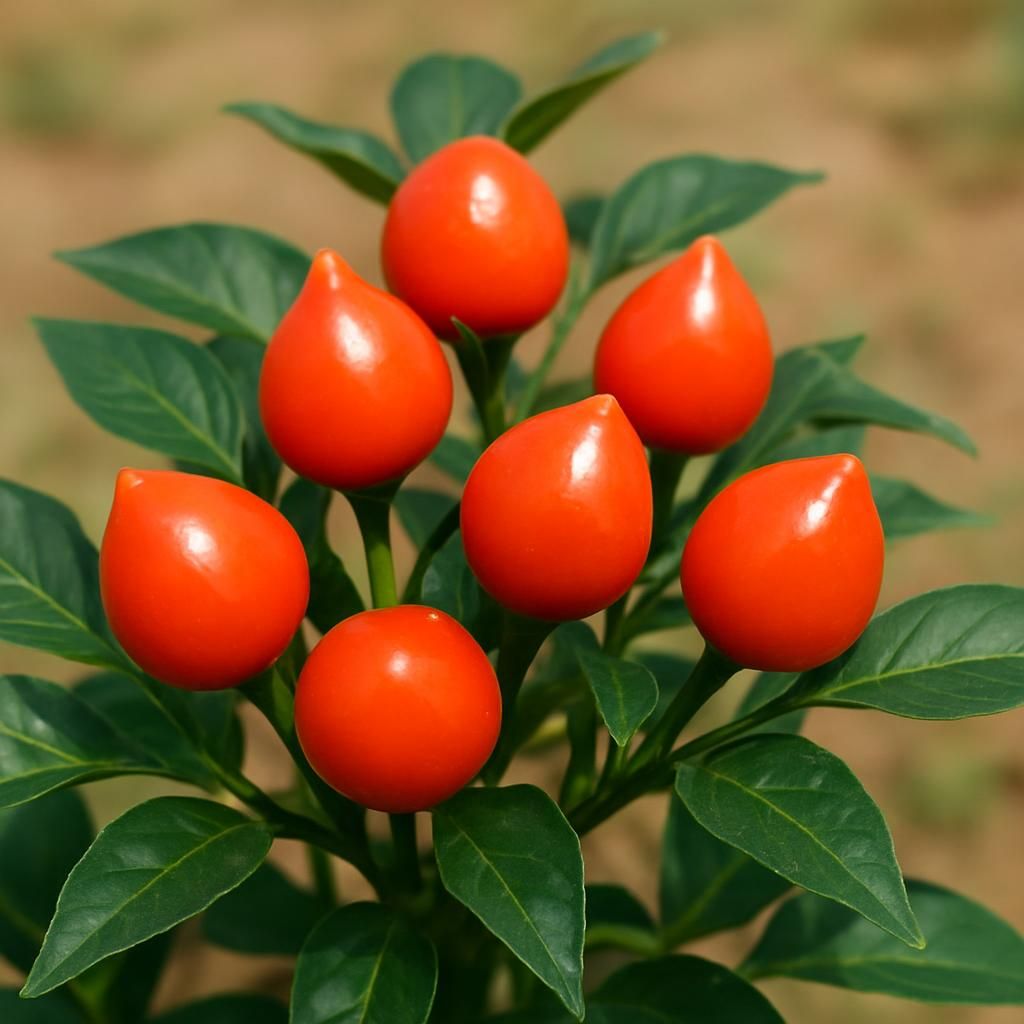
Chupetinha Pepper
Chupetinha Pepper is a compact, high-yielding Capsicum chinense cultivar prized for its small, teardrop-shaped pods and intense fruity heat. This guide delivers professional-grade advice on soil, climate, planting, care, pest management, and harvesting for consistent commercial and home-garden success.
View Guide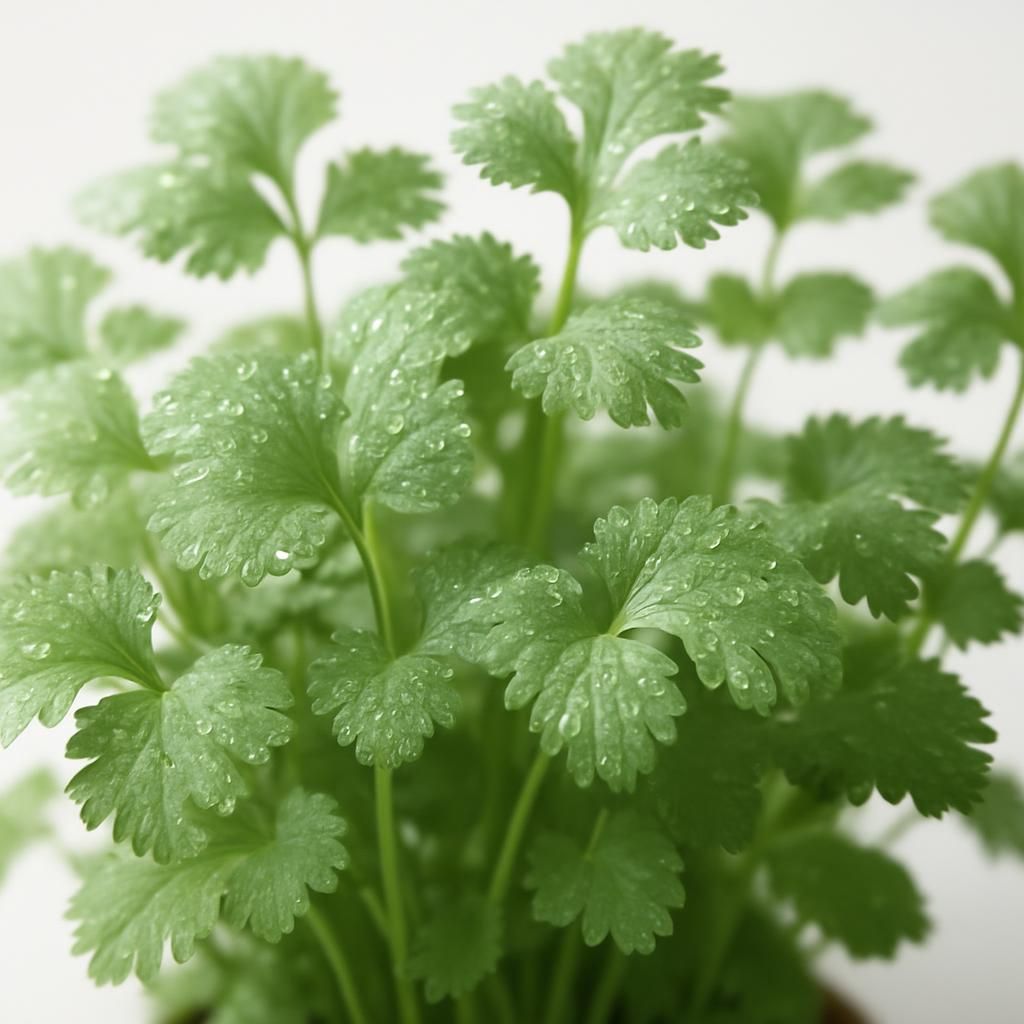
Cilantro
Cilantro is a fast-growing annual herb prized for its fresh leaves and aromatic seeds (coriander). It thrives in cool weather and well-drained soils but bolts quickly in heat, requiring strategic succession planting for continuous harvests.
View Guide
Cinderella Pumpkin (Rouge Vif d'Etampes)
Cinderella Pumpkin, also known as Rouge Vif d'Etampes, is a historic French heirloom prized for its deeply ribbed, flattened shape and glowing red-orange skin. It is grown both as an ornamental pumpkin and as a flavorful culinary squash, performing best in warm, sunny conditions with fertile, well-drained soil and a long frost-free season.
View Guide
Cinnamon
Cinnamon is a tropical evergreen spice tree grown primarily for its fragrant inner bark, which is peeled, fermented briefly, and dried into the quills familiar in trade. While several species are sold as cinnamon, true or Ceylon cinnamon, Cinnamomum verum, is especially valued for its delicate aroma, thin bark, and lower coumarin content compared with cassia types.
View Guide
Cinnamon (Cassia - Korintje)
Korintje cassia is a robust tropical evergreen tree valued for its thick, high-oil bark used as a potent culinary and medicinal spice. It is widely cultivated in Indonesia and offers higher yields than true Ceylon cinnamon but contains more coumarin. Commercial and small-scale growers prize it for its resilience and strong market demand.
View Guide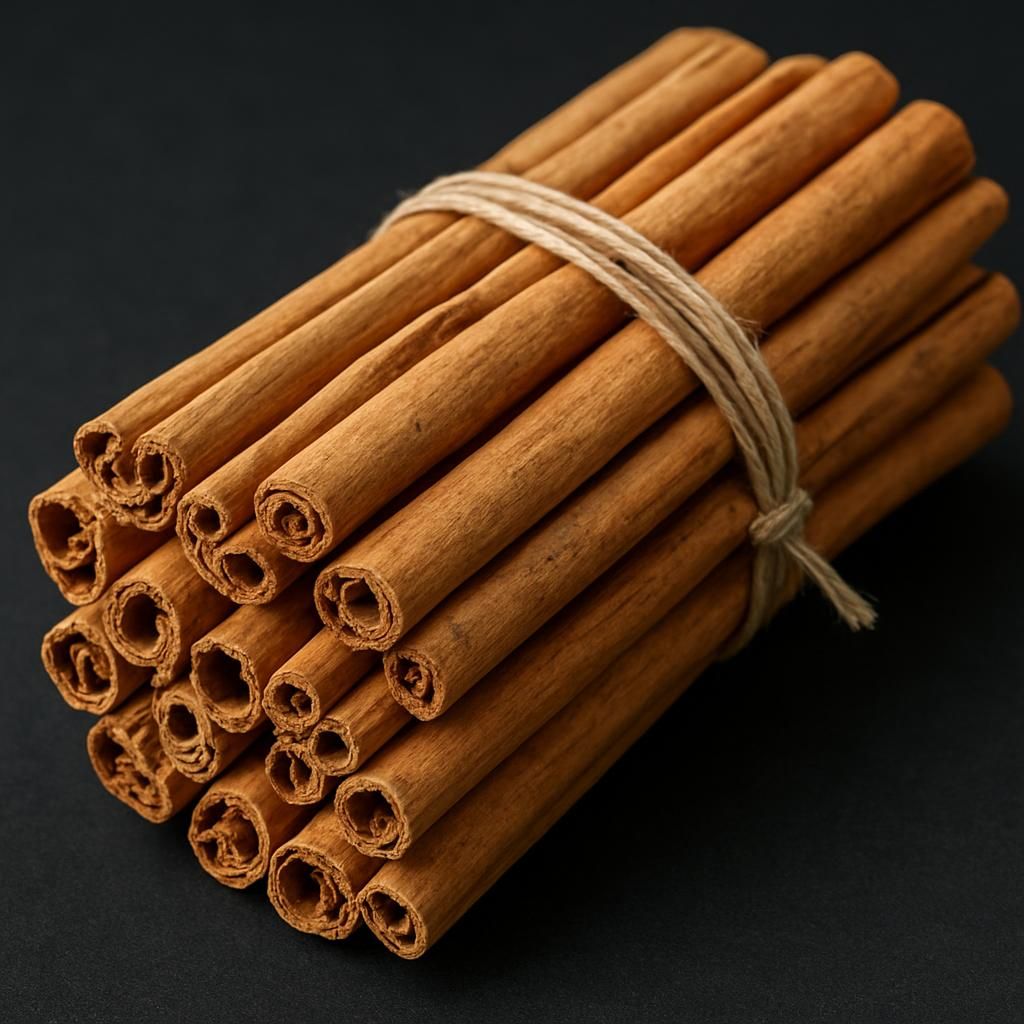
Cinnamon (Ceylon - Alba)
Ceylon cinnamon (Cinnamomum verum), particularly the Alba grade, is the premium thin-barked true cinnamon prized for its delicate flavor and low coumarin content. This guide provides professional, in-depth growing instructions for commercial and serious home growers focusing on propagation, soil management, pest control, and post-harvest curing.
View Guide
Cinnamon (Saigon)
Saigon cinnamon is a premium cassia-type cinnamon prized for its intense aroma, high cinnamaldehyde content, and thick, reddish-brown quills. This tropical evergreen tree requires warm, humid conditions and well-drained, acidic soils to produce high-quality bark after 5–7 years.
View Guide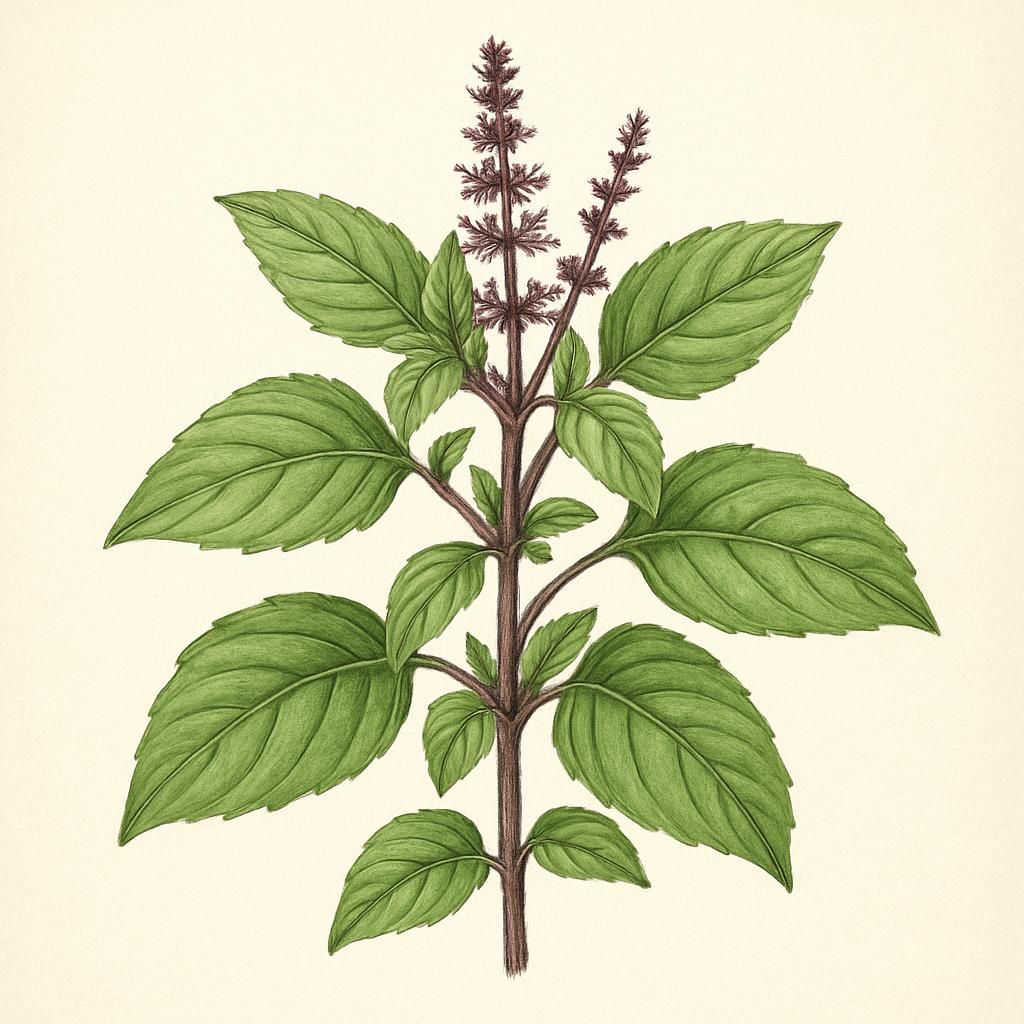
Cinnamon Basil
Cinnamon Basil is a fragrant herb known for its distinctive cinnamon aroma and is widely used in culinary applications. Originating from Mexico, it thrives in warm climates and is easy to grow, making it a favorite among gardeners and chefs alike.
View Guide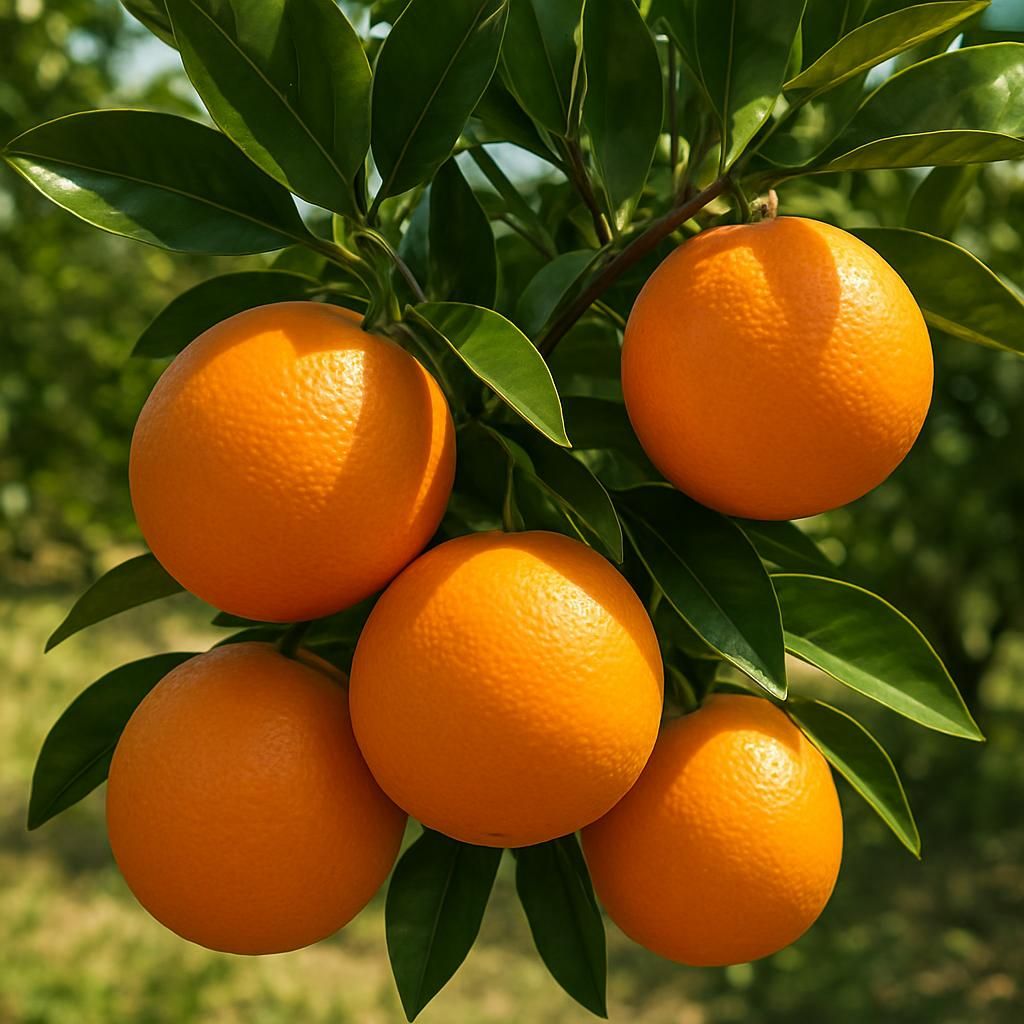
Citrus
Citrus encompasses a diverse group of evergreen fruit trees prized for their juicy, vitamin-rich fruits and fragrant blossoms. This definitive guide covers every stage of commercial and home production from soil preparation to post-harvest handling.
View Guide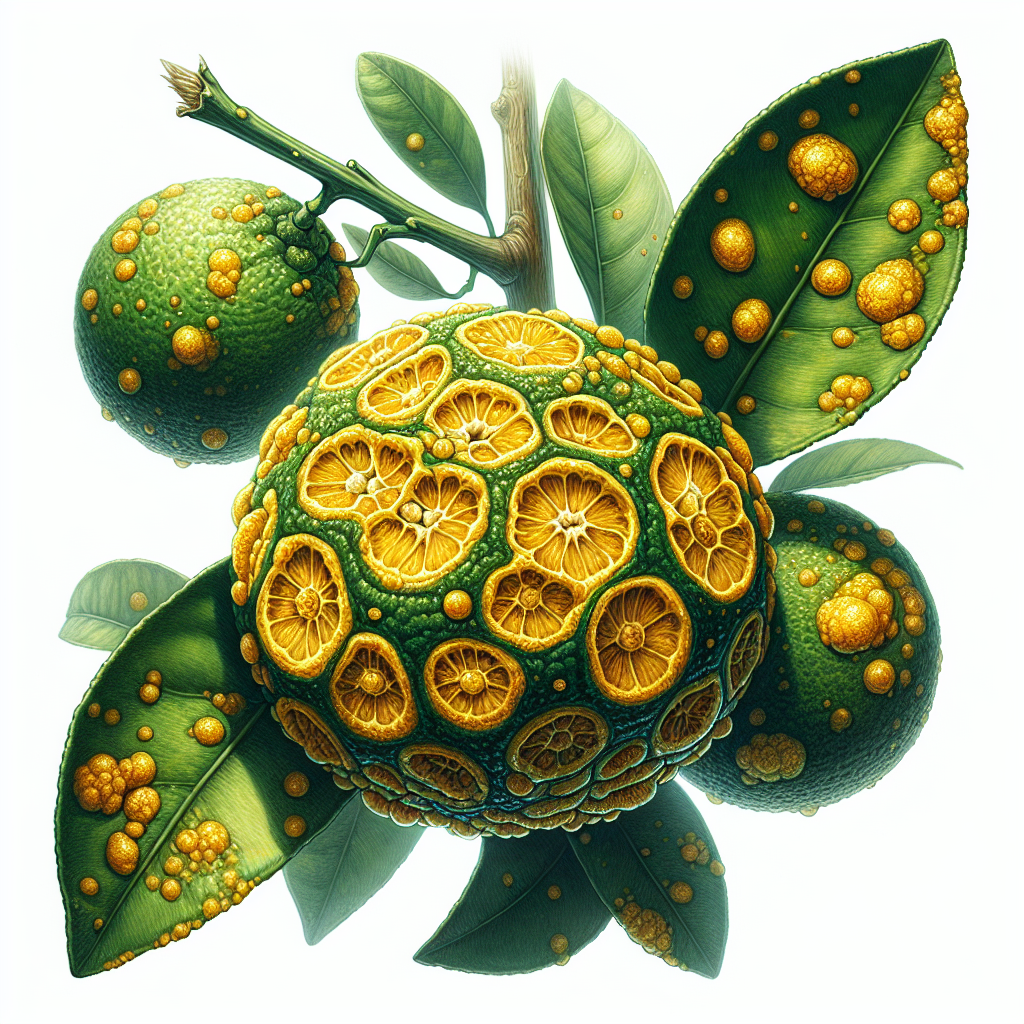
citrus canker
Citrus canker is a highly contagious bacterial disease affecting citrus trees, causing raised corky lesions on leaves, fruit, and stems that lead to premature fruit drop and reduced yields. Spread primarily by wind-driven rain and human activity, it poses significant challenges to citrus production worldwide. Effective management relies on early detection, sanitation, and resistant varieties.
View Profile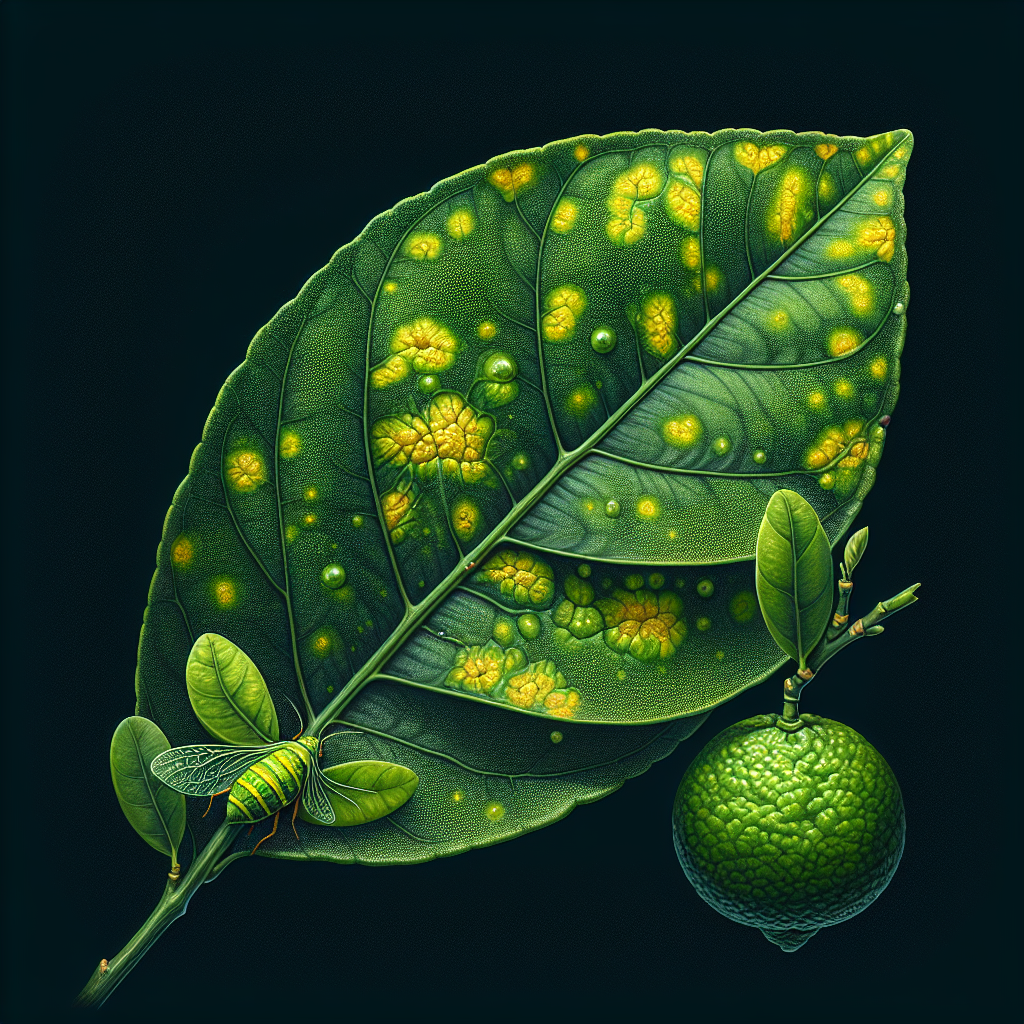
citrus greening
Citrus greening, also known as Huanglongbing (HLB), is a devastating bacterial disease caused by Candidatus Liberibacter species and transmitted by the Asian citrus psyllid. It affects citrus trees worldwide, leading to reduced fruit quality, premature fruit drop, and eventual tree death. Early detection and integrated management are crucial for limiting its spread in orchards.
View Profile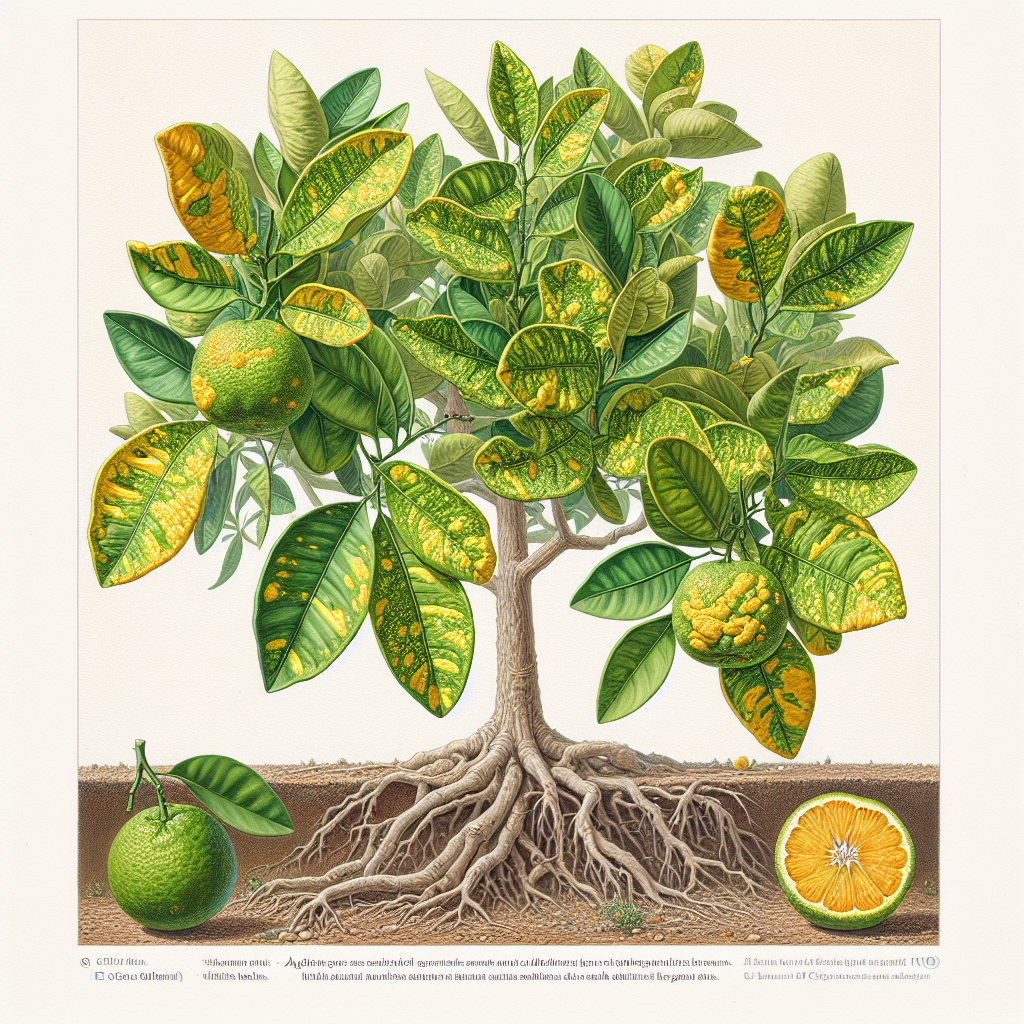
Citrus greening (HLB)
Citrus greening, also known as Huanglongbing (HLB), is a devastating bacterial disease transmitted by the Asian citrus psyllid, causing mottled leaves, bitter fruit, and eventual tree death. It poses a severe threat to citrus production worldwide, with no cure available, making early detection and vector control critical. Management relies on integrated strategies including psyllid monitoring, resistant varieties, and aggressive removal of infected trees.
View Profile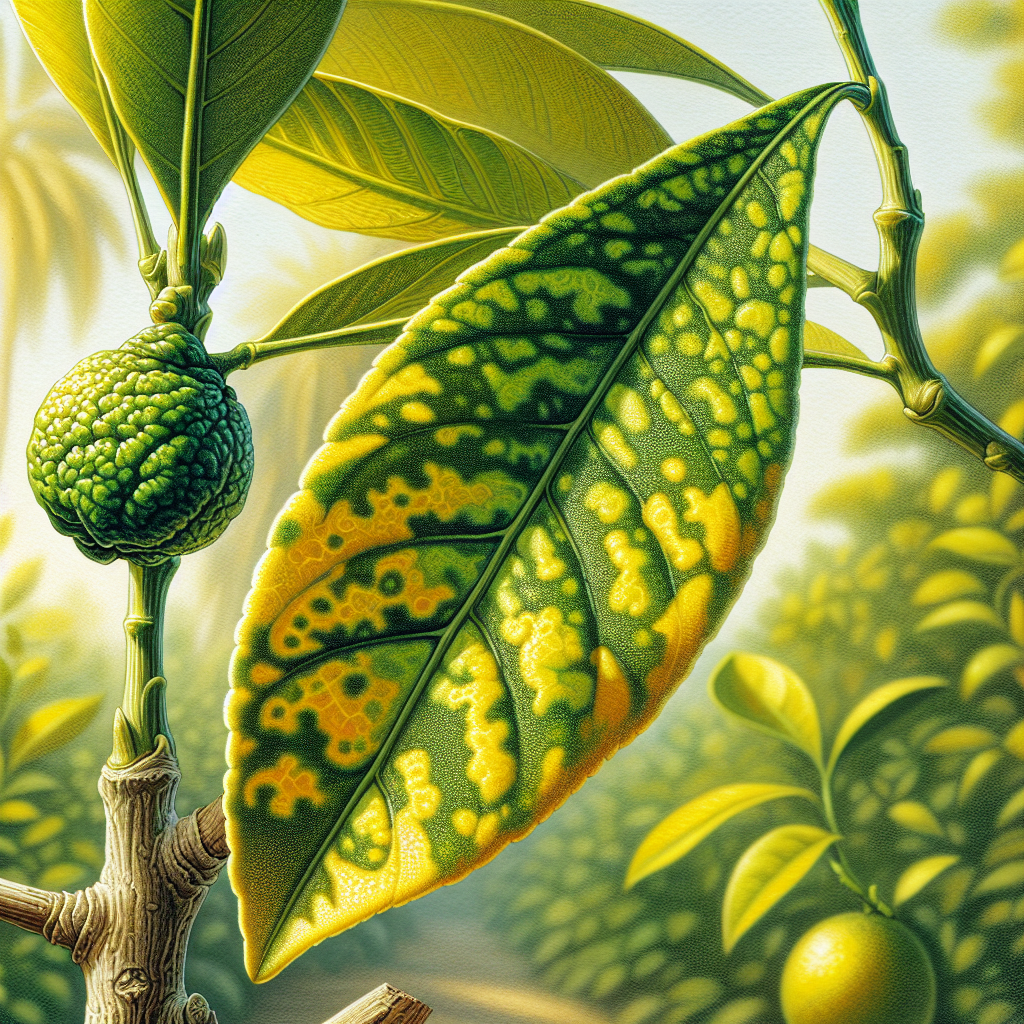
Citrus greening disease
Citrus greening disease, also known as Huanglongbing (HLB), is a devastating bacterial infection spread by the Asian citrus psyllid that affects citrus trees worldwide, leading to decline and death. Symptoms include mottled leaves, deformed fruits, and bitter, misshapen produce, with no cure available—management relies on vector control and prevention. This guide provides diagnostic, organic management, and prevention strategies for growers facing this threat.
View Profile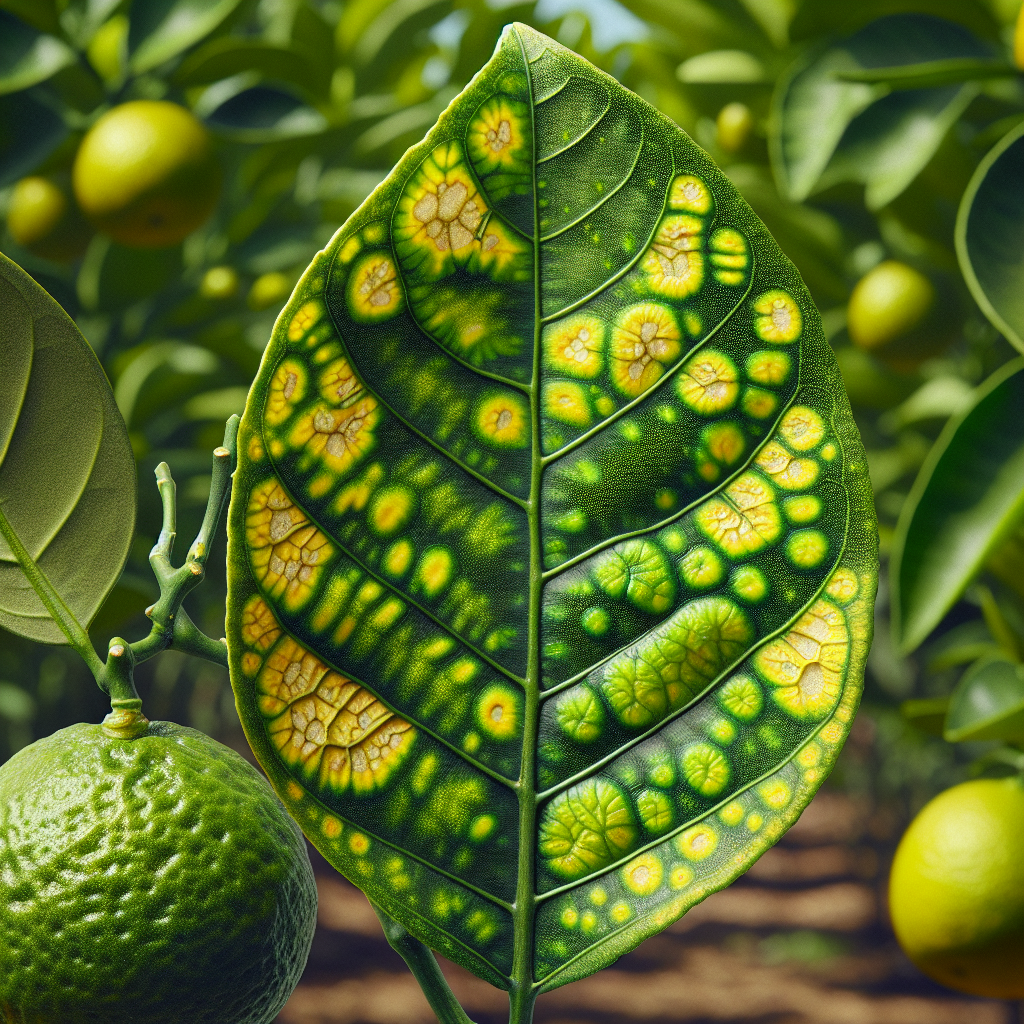
citrus greening disease (huanglongbing)
Citrus greening disease, also known as Huanglongbing (HLB), is a devastating bacterial infection transmitted by the Asian citrus psyllid that affects citrus trees worldwide, causing mottled leaves, deformed fruits, and eventual tree death. First identified in China in the early 1900s, it has led to billions in agricultural losses, particularly in Florida and Brazil. Early detection and vector control are critical for management, though no cure exists.
View Profile
citrus leaf miner
The citrus leaf miner (Phyllocnistis citrella) is a destructive moth whose larvae tunnel through citrus leaves, causing cosmetic damage and weakening young trees. This guide provides comprehensive diagnostics, lifecycle details, organic management strategies, and prevention tips for growers. Effective control combines monitoring, biological agents, and cultural practices to protect [orange](/wiki/orange) and [lemon](/wiki/lemon) crops.
View Profile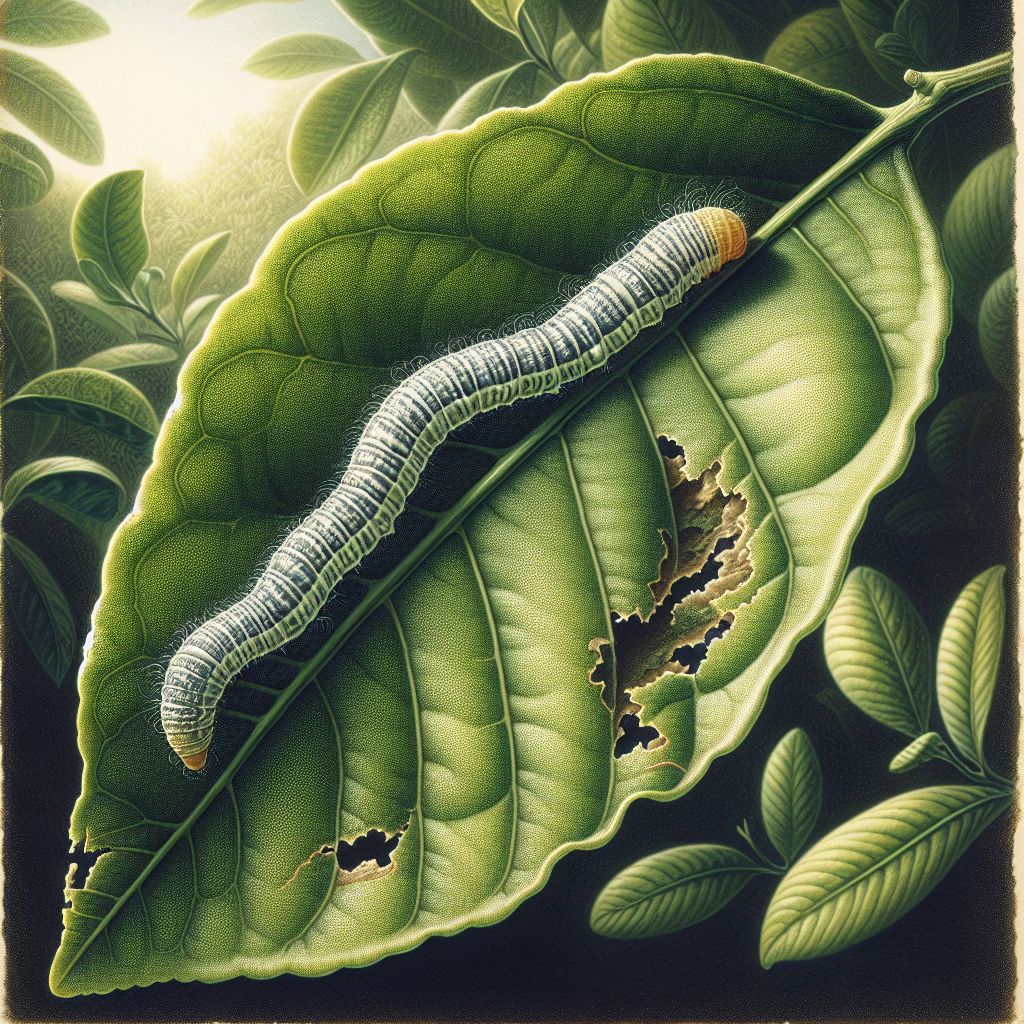
Citrus leafminer
The citrus leafminer (Phyllocnistis citrella) is a destructive moth pest that targets young citrus foliage, creating serpentine mines that weaken trees and reduce yields. Native to Asia, it has spread globally, posing significant threats to commercial and home citrus groves. Effective management combines monitoring, organic controls, and cultural practices to minimize damage.
View Profile