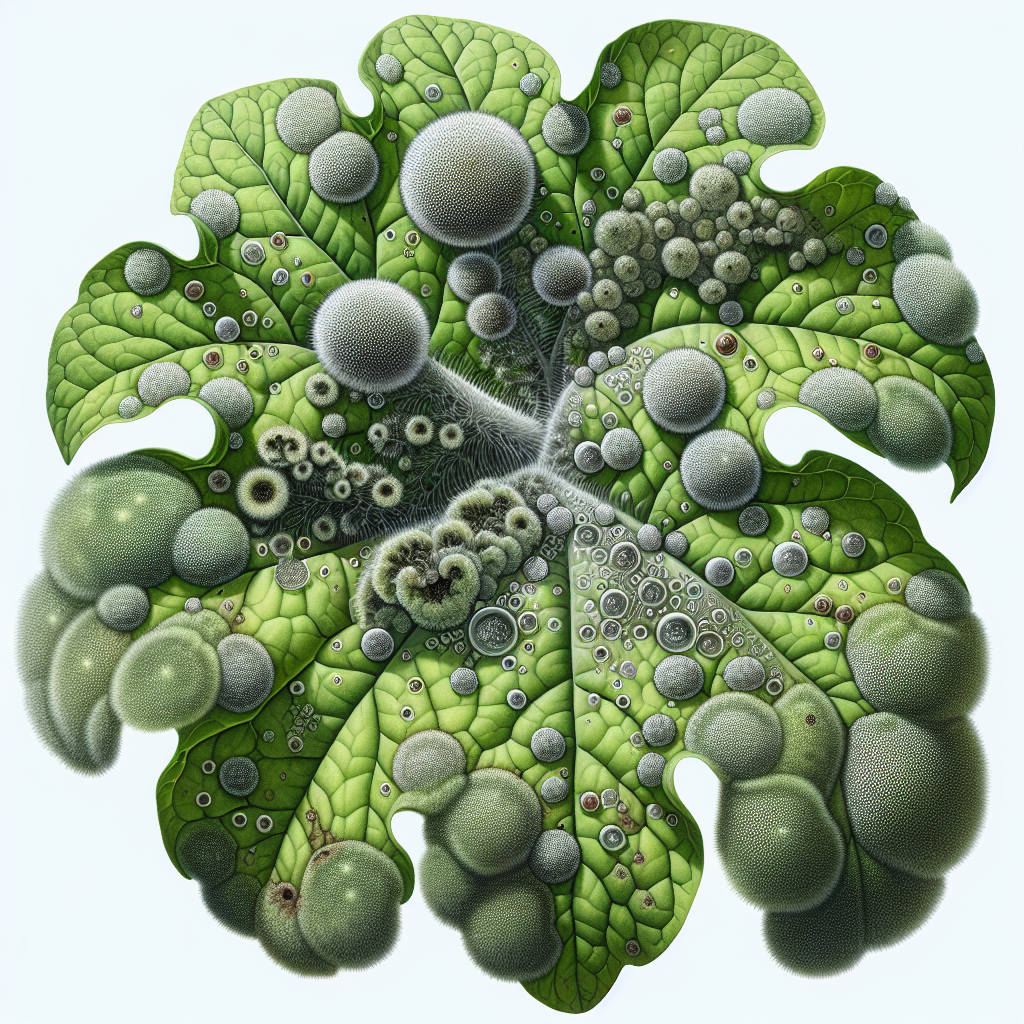
Introduction to Cladosporium
Cladosporium represents one of the most common fungal pathogens in agriculture, affecting numerous crops worldwide through leaf spots, stem blights, and post-harvest rots. As a dematiaceous fungus, Cladosporium spp. are characterized by their dark, olive-green conidia, which are easily dispersed by wind, water splash, and even insects. While often considered a secondary invader, it can become primary under prolonged high humidity and poor air circulation, leading to defoliation, reduced photosynthesis, and up to 30-50% yield losses in susceptible crops like tomato and strawberry.
This guide provides professional-grade diagnostic criteria, lifecycle insights, and organic management strategies tailored for small farms and commercial growers. Understanding Cladosporium's behavior is crucial, as it often mimics other leaf spot diseases like Alternaria or Cercospora. Early detection through symptom scouting and environmental monitoring can prevent outbreaks. For farms battling misidentification issues, tools like AI-powered plant diagnosis can differentiate it rapidly—check out Why Misidentifying Plants Costs Small Farms Thousands - And How AI Camera Diagnosis Fixes It Fast for practical tips.
In tropical and subtropical regions, Cladosporium is a year-round threat, but temperate zones see peaks during wet springs and falls. Its saprophytic nature allows survival on dead plant debris, making sanitation key. This comprehensive resource equips growers with actionable steps to diagnose, treat, and prevent Cladosporium, optimizing yields sustainably.
Identifying Symptoms & Damage
Cladosporium symptoms typically begin as small, circular to irregular spots on leaves, 1-5 mm in diameter, with grayish-white centers and dark brown to black margins. As lesions expand, they develop a velvety olive-green or dark green fungal growth on the underside, especially visible in high humidity. Older spots may coalesce, causing blighting where entire leaves yellow, necroticize, and drop prematurely.
On fruits, Cladosporium causes sunken, dark lesions with powdery spore masses, often post-harvest on avocado or mango. Stems show elongated black streaks, potentially girdling young plants. Differentiate from powdery mildew by the dark spores (not white) and from bacterial spots by lack of water-soaked halos. Use a 10x hand lens to confirm branched, septate conidia.
Damage severity varies: minor spotting reduces cosmetic quality, but heavy infections impair photosynthesis, stunting growth and dropping yields by 20-40%. In tomato, it exacerbates early blight; in berries, it invites Botrytis. Scout weekly during wet periods, noting angular lesions bounded by veins. Lab confirmation via culturing on PDA agar shows rapid, dark mycelial growth at 25-30°C.
Lifecycle and Progression of Cladosporium
Cladosporium's lifecycle is polycyclic, with multiple infection cycles per season. Overwintering occurs as dormant mycelium or conidia in crop debris, soil, or alternate hosts. In spring, conidia germinate in free water (6-12 hours at 20-28°C), penetrating via stomata or wounds. New spores form within 3-7 days, dispersing via wind up to 100 km.
Primary inoculum from debris infects young tissues; secondary cycles amplify during rain events. Optimal progression: 24-30°C, 90-100% RH, slowing below 15°C or above 35°C. In greenhouses, poor ventilation accelerates spread. Progression: inoculation → incubation (2-5 days) → sporulation → new infections. Dry periods halt it, but latent infections resume with moisture.
Understanding this enables predictive management, timing fungicide apps to spore release peaks.
Environmental Triggers & Risk Factors
Cladosporium thrives in warm (22-30°C), humid (>85% RH) conditions with leaf wetness >8 hours. Overhead irrigation, dense canopies, and poor spacing create microclimates favoring outbreaks. Risk factors include susceptible varieties, excessive nitrogen promoting lush growth, and preceding root rot stressing plants.
High spore loads from nearby weeds or cucumbers fields amplify risks. Climate change extends wet seasons, increasing incidence. Monitor with weather stations for leaf wetness hours; thresholds >40 hours/week trigger alerts. Soil pH >7 or compacted soils indirectly aid by limiting drainage.
Organic Control & Treatment Plans
Organic management integrates cultural, biological, and approved biopesticides. Cultural: Prune for airflow (30-50% canopy openness), space plants 30-50 cm apart, avoid overhead watering—drip irrigate to keep foliage dry. Remove debris post-harvest, till lightly to bury spores. Mulch with straw to reduce splash dispersal.
Biological: Apply Trichoderma harzianum or Bacillus subtilis (e.g., Serenade) weekly during risk periods; they antagonize Cladosporium via mycoparasitism and antibiotics. Neem oil (0.5-1%) or potassium bicarbonate sprays suppress sporulation—apply evenings to avoid phytotoxicity.
Resistant Varieties: Choose hybrids like disease-tolerant Roma Tomato. Treatment Protocol: At first symptoms, prune affected leaves (sanitize tools), apply biofungicide + bicarbonate alternate sprays (7-day intervals, 3 apps). For outbreaks, combine with silicon drenches to bolster cell walls. Monitor aphids as vectors. Efficacy: 70-90% with IPM. Learn more on zoning for disease control in Why Zoning Your Small Farm Chaos into Profit Zones Feels Impossible - And How AI Changes Everything.
Preventing Cladosporium in the Future
Prevention hinges on long-term IPM. Rotate crops (2-3 years away from hosts), plant certified disease-free seeds. Enhance soil health with compost (5-10 t/ha/year) to boost microbiome resistance—see Soil Health Mastery: 5 Proven Strategies for Small Farms to Build Fertile Ground Without Breaking the Bank. Use row covers during wet seasons, time planting to avoid peak humidity.
Forecast with hyper-local weather: <12 hours leaf wetness/week keeps risk low. Scout grids (1 sample/0.1 ha), threshold 5% leaves infected → act. Companion plant with marigold for repellency. Annual debris removal cuts inoculum 80%. Resistant rootstocks for perennials like grapes. Track via apps for trends.
Crops Most Affected by Cladosporium
Cladosporium impacts diverse crops, worst on Solanaceae and fruits. Top affected: Tomato (leaf/fruit spot, 20-50% loss), strawberry (black leaf spot), cucumber (angular leaf spot), avocado (fruit rot), mango (post-harvest). Cereals like wheat see minor spotting; potato leaf blight. Tropicals: banana, citrus. Manage via crop-specific IPM.