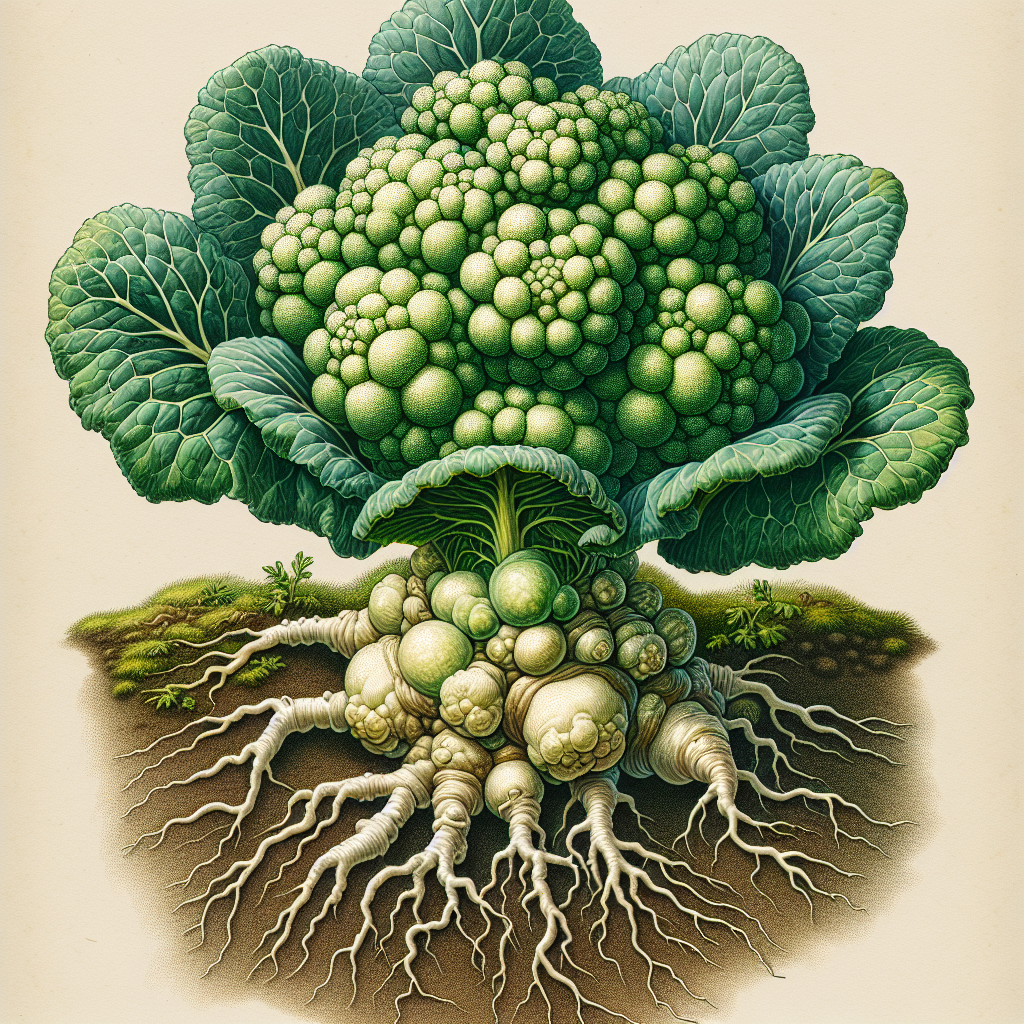
Introduction to clubroot
Clubroot, caused by the obligate parasite Plasmodiophora brassicae, stands as one of the most destructive diseases targeting brassica family crops worldwide. This soil-borne pathogen persists in fields for up to 20 years, making it a persistent threat to cabbage, broccoli, cauliflower, kale, and related vegetables. First identified in the 18th century, clubroot thrives in cool, wet conditions, disrupting root systems and causing significant yield losses—often up to 100% in heavily infested fields.
Farmers and gardeners recognize clubroot by its hallmark galls: swollen, club-like deformations on roots that hinder nutrient absorption. The disease spreads via contaminated soil, water, tools, and even manure from infected plants. In commercial agriculture, it poses economic challenges due to its longevity in soil and limited chemical controls. Understanding clubroot's biology is crucial for implementing sustainable management strategies. This guide provides definitive diagnostic criteria, lifecycle insights, and proven organic control measures to safeguard brassica production. For small farms, integrating crop rotation and soil amendments can restore productivity without synthetic fungicides. Early detection through vigilant scouting prevents outbreaks, preserving soil health and farm viability.
Identifying Symptoms & Damage
Clubroot symptoms manifest progressively, starting below ground before visible above-ground signs appear. The primary diagnostic feature is the formation of galls or 'clubs' on roots—irregular, swollen enlargements that can distort the entire root system. In early infection, fine roots develop small galls; advanced stages produce massive, spindle-shaped clubs up to several inches long. Cut open, galls reveal a milky ooze containing resting spores, confirming P. brassicae presence.
Above-ground indicators include yellowing lower leaves, wilting during the day (recovering at night initially), and stunted growth. Plants exhibit a bluish tint, premature flowering (buttoning), and collapse in severe cases. Damage severity correlates with infection timing: seedlings succumb rapidly, while mature plants produce undersized heads or none at all. Yield reductions range from 20-50% in mild infections to total loss in epidemics.
Differential diagnosis distinguishes clubroot from root-knot nematodes (knots are bead-like, not clubbed) or root rots (rotting tissue vs. firm galls). Test soil pH—clubroot favors acidic conditions below 7.2. Laboratory confirmation involves microscopic examination of spores or PCR testing. Scout fields post-rainy periods, digging up suspect plants for root inspection. Early identification allows containment, preventing spore release back into soil.
Lifecycle and Progression of clubroot
Plasmodiophora brassicae follows a complex lifecycle with two phases: zoospore and resting spore. Primary zoospores, released from long-lived resting spores in soil (viable 10-20 years), infect root hairs of susceptible brassicas under wet, cool conditions (45-75°F). Inside host cells, they form multinucleate plasmodia, releasing secondary zoospores that spread systemically, invading larger roots.
Plasmodia mature into sporangia within galls, producing billions of resting spores upon host death. These spores germinate under favorable moisture, perpetuating the cycle. Disease progression spans 4-8 weeks: infection (week 1-2), gall formation (week 3-5), spore release (week 6+). Cool, acidic, compacted soils accelerate spread; dry or limed soils inhibit it.
Resting spores survive tillage, flooding, and composting, but decline slowly without brassica hosts. Understanding this persistence underscores rotation's importance—minimum 7-10 years away from brassicas. For detailed lifecycle visuals, see Soil Health Mastery: 5 Proven Strategies for Small Farms to Build Fertile Ground Without Breaking the Bank.
Environmental Triggers & Risk Factors
Clubroot flourishes in acidic soils (pH 5.5-6.5), where spore germination peaks. Waterlogged, poorly drained fields promote zoospore motility—rainfall exceeding 1 inch/week heightens risk. Cool temperatures (50-65°F) optimize infection; warm soils (>75°F) suppress it. Compacted soil limits root oxygenation, exacerbating susceptibility.
Key risk factors include continuous brassica cropping, contaminated transplants, and machinery moving infested soil. Flooding or runoff from infected fields spreads spores miles downstream. Acidic amendments like sulfur or manure increase vulnerability. Susceptible varieties like early-maturing cabbages suffer most. Climate change may expand ranges, with wetter springs favoring outbreaks. Assess fields via bioassays: plant brassica seeds in soil samples; galling indicates infestation levels (low: <10%, high: >50%).
Organic Control & Treatment Plans
No cure exists post-infection; management focuses on suppression. Raise soil pH to 7.2-7.5 with lime (2-4 tons/acre, applied 6 months pre-planting)—crucial for spore inhibition. Incorporate certified clubroot-free compost or manure. Use resistant varieties like 'Badger Shipper' cabbage or hybrids with CR ratings.
Crop rotation: 8+ years excluding all brassicas, incorporating clover or grains. Biofumigants like mustard cover crops release isothiocyanates suppressing spores (plant 'Caliente 99', incorporate at flowering). Soil solarization in summer: cover moist soil with clear plastic 4-6 weeks, heating kills surface spores.
Plant in raised beds for drainage; avoid overhead irrigation. Remove and destroy galls immediately, preventing spore release. Apply microbial biocontrols like Coniothyrium minitans or Trichoderma spp. pre-planting. Monitor with soil tests; threshold <10^4 spores/g soil. Integrated plans combine these for 80-90% control. For companion strategies, explore Why Companion Planting Feels Like Guesswork for Small Farms - And How AI Makes It Foolproof.
Preventing clubroot in the Future
Prevention trumps control. Source disease-free transplants from reputable suppliers; hot water treat seeds (122°F, 30 min). Sanitize tools with 10% bleach or Virkon. Establish farm-wide rotation excluding brassicas: grains, potato, onions, then legumes. Maintain pH >7.2 via annual liming; test biennially.
Implement strict biosecurity: footbaths, boot scrubs at field entrances. Use green manures (mustard, rapeseed) every 2-3 years to biofumigate. Avoid flooding-prone low spots for brassicas. Scout weekly; rogue infected plants. Long-term, build soil organic matter (>4%) via cover crops enhancing suppression. Educate workers on hygiene. Resistant varieties + cultural practices yield sustainable prevention, minimizing future outbreaks.
Crops Most Affected by clubroot
Clubroot devastates Brassicaceae family: cabbage, broccoli, cauliflower, Brussels sprouts, kale, kohlrabi, radish, turnip, rutabaga, Chinese cabbage. Wild mustards and weeds like shepherd's purse host spores. Non-crucifers safe. Economic impacts hit cole crops hardest—global losses exceed $1B annually. Susceptibility varies: B. oleracea (cabbage kin) most vulnerable; B. rapa (turnips) moderately. Select resistant cultivars for high-risk fields.