Introduction to clematis wilt
Clematis wilt, caused by the fungus Ascochyta clematidina, is one of the most serious diseases affecting clematis species and hybrids worldwide. The pathogen invades vascular tissues, blocking water transport and causing rapid collapse of stems and foliage. Gardeners and commercial growers frequently encounter this issue in temperate climates where humidity and poor air circulation favor spore germination. Early recognition and integrated management are essential to preserve valuable vines and prevent spread to adjacent plantings.
Identifying Symptoms & Damage
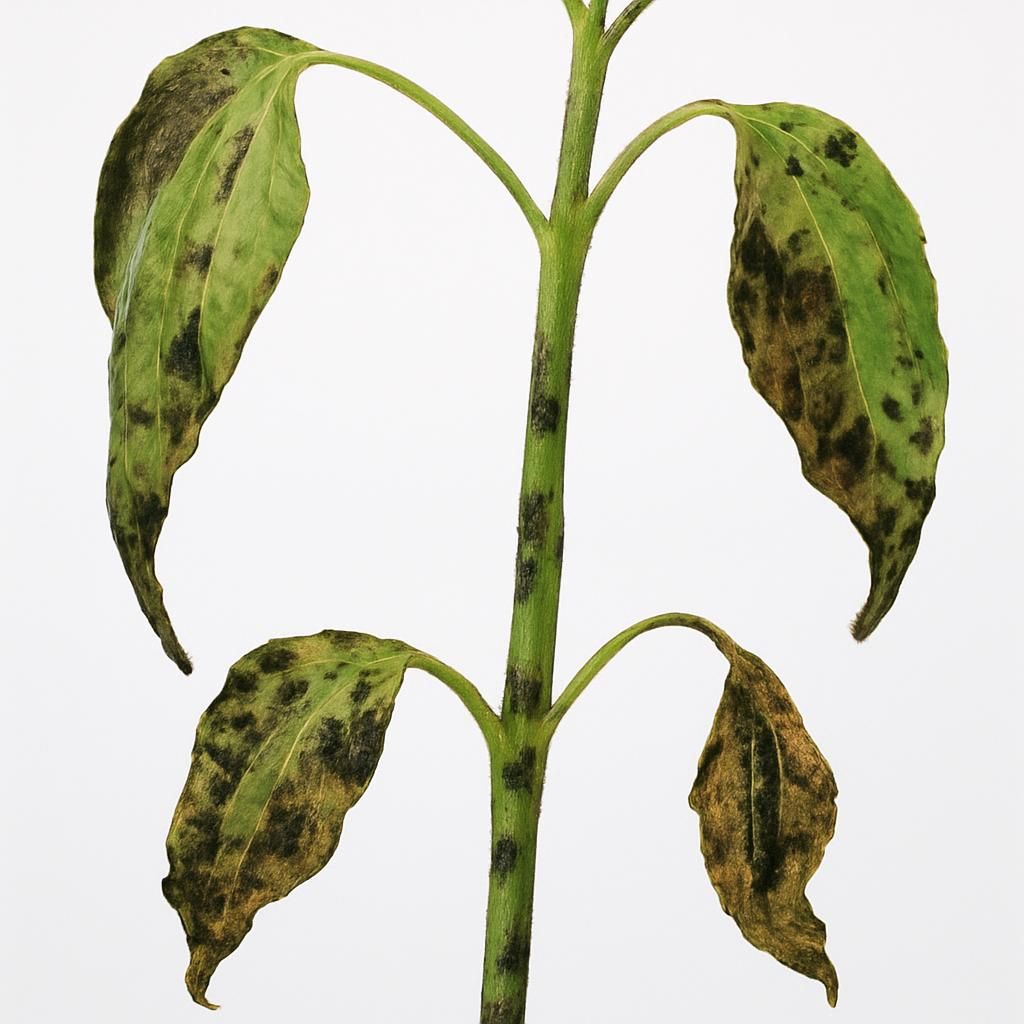
Initial symptoms appear as dark lesions at the base of stems or leaf nodes that quickly expand upward. Leaves turn brown or black and hang limply while stems develop sunken cankers that girdle the vascular system. In advanced stages entire stems wilt and die back to soil level within days, leaving only a few green shoots at the crown. Root systems remain largely intact but become susceptible to secondary invaders such as Phytophthora once the plant is weakened. Distinguishing clematis wilt from drought stress or nutrient deficiency requires inspection for the characteristic black stem lesions and absence of widespread root decay.
Lifecycle and Progression of clematis wilt
The fungus overwinters as mycelium and pycnidia in infected stem debris and soil. In spring, rain splash or irrigation water disperses conidia to new growth. Infection occurs through wounds or natural openings, followed by systemic colonization of xylem vessels. New pycnidia form on dead tissue, releasing spores that perpetuate the cycle throughout the growing season.
| Lifecycle Stage | Description | Typical Timing | Environmental Conditions |
|---|---|---|---|
| Overwintering | Mycelium and pycnidia survive in stem debris and upper soil layers | Late autumn to early spring | Cool, moist soil (5–15 °C) |
| Spore Dispersal | Conidia released by rain splash or overhead irrigation | Early to mid-spring | High humidity, temperatures 10–20 °C |
| Infection | Spores germinate on wounds or leaf surfaces and enter vascular tissue | Spring through early summer | Prolonged leaf wetness (>6 h) |
| Systemic Colonization | Fungus spreads through xylem causing wilting and canker formation | Late spring to midsummer | Moderate temperatures, poor airflow |
| Reproduction | New pycnidia develop on necrotic stems producing fresh conidia | Midsummer to autumn | Continued moisture and mild temperatures |
| Secondary Spread | Splash dispersal to neighboring plants and soil contamination | Throughout growing season | Frequent rain or sprinkler use |
Environmental Triggers & Risk Factors
Cool, wet springs followed by humid summers create ideal conditions for spore germination and infection. Heavy clay soils that retain moisture and compacted planting sites with limited airflow increase disease pressure. Over-fertilization with high-nitrogen formulations promotes lush, succulent growth that is more susceptible to invasion. Wounds from pruning, mechanical damage, or insect feeding provide entry points; therefore avoiding injury during damp periods is critical. Planting susceptible large-flowered hybrids in full shade or against walls that trap humidity further elevates risk.
Organic Control & Treatment Plans
Begin by removing and destroying all infected stems at soil level; do not compost material. Apply a 5–7 cm layer of fresh organic mulch around the crown to reduce soil splash while maintaining even moisture. Improve air circulation by selective thinning of nearby vegetation and training vines on open trellises. For active infections, drench the soil with compost tea fortified with beneficial microbes or apply approved biological fungicides containing Bacillus subtilis or Trichoderma species. Copper-based sprays can provide limited protective action when applied before rain events.
| Treatment Option | Application Method | Frequency | Notes |
|---|---|---|---|
| Removal of infected stems | Cut at soil level and dispose of debris | At first sign of symptoms | Sterilize tools between cuts with 70 % alcohol |
| Organic mulch layer | Apply 5–7 cm compost or bark mulch | Renew annually in spring | Keep mulch 5 cm from stem base |
| Compost tea drench | Dilute 1:5 with water and apply to soil | Every 14 days during wet periods | Use well-aerated, actively brewing tea |
| Bacillus subtilis spray | Foliar application at 0.5–1 % concentration | Every 7–10 days in high-risk weather | Begin before symptoms appear |
| Trichoderma soil inoculant | Mix into top 10 cm of soil around crown | Once at planting and annually | Avoid simultaneous use with copper products |
| Copper hydroxide | Protective spray on lower stems | Before forecasted rain | Use lowest labeled rate; observe PHI |
Preventing clematis wilt in the Future
Select resistant species and hybrids such as Clematis viticella or Clematis integrifolia types that exhibit natural tolerance. Plant in well-drained loam amended with 30 % compost to promote root health and rapid drainage. Space vines at least 60 cm apart and train on structures that allow 360° airflow. Water at the base early in the day to keep foliage dry overnight. Rotate planting locations every 4–5 years or replace the top 30 cm of soil in containers. Regular sanitation—removing fallen leaves and disinfecting pruners—eliminates overwintering inoculum. Avoid overhead irrigation and excessive nitrogen that encourages soft growth.
Crops Most Affected by clematis wilt
While clematis is the primary host, the pathogen occasionally affects related Ranunculaceae species including Anemone and Delphinium when grown in close proximity under similar environmental conditions. Large-flowered Clematis hybrids remain the most economically important hosts in ornamental horticulture.