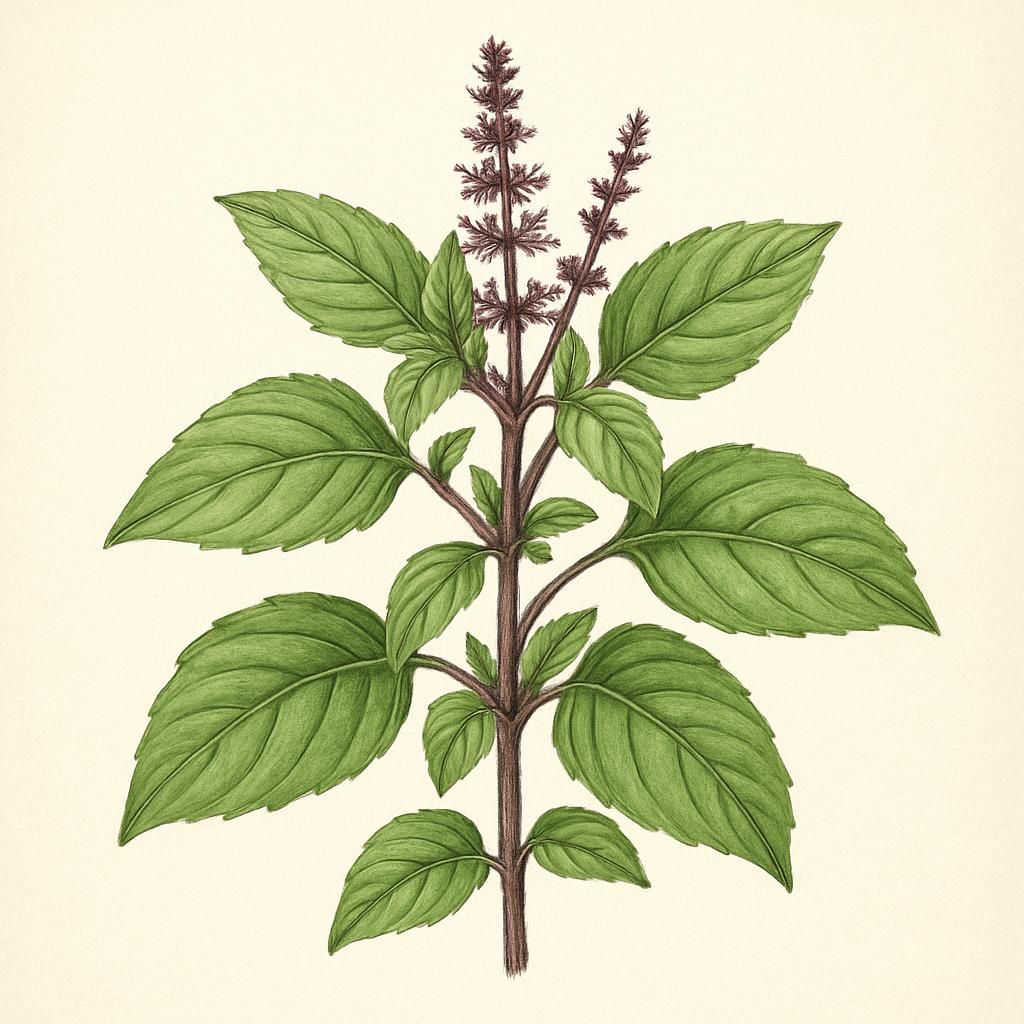
Introduction to Cinnamon Basil
Cinnamon Basil, known for its strikingly aromatic leaves and stems, is a hybrid of traditional basil. Its unique cinnamon scent and spicy flavor make it a popular choice in both culinary and ornamental use. Indigenous to regions with warm climates such as Mexico, it has gained popularity across the globe for its versatility and ease of cultivation.
Botanical Profile of Cinnamon Basil
Cinnamon Basil, scientifically identified as Ocimum basilicum 'Cinnamon', is part of the Lamiaceae family. This annual herb can grow up to 18-30 inches in height. It features dark green leaves with a glossy finish, purple stems, and small, lavender flowers. The plant bears an exquisite scent and flavor reminiscent of true cinnamon, thanks to the presence of cinnamate—a compound found in cinnamon.
Soil, pH, and Climate Requirements for Cinnamon Basil
Ideal growing conditions ensure Cinnamon Basil thrives and reaches its full potential. Below is a concise table providing optimal guidelines for soil, pH, and climate conditions required for successful cultivation.
| Condition | Optimal Range |
|---|---|
| Soil Type | Well-draining, loamy soil |
| pH Level | 6.0 - 7.0 |
| Temperature | 70°F - 90°F (21°C - 32°C) |
| Sunlight | Full sun (6-8 hours) |
| Humidity | Moderate |
Step-by-Step Planting & Propagation
Propagation of Cinnamon Basil can be achieved through seeds or cuttings, ensuring a consistent supply of this fragrant herb.
Seed Selection: Choose high-quality, disease-free seeds for planting. Soak them in water for 24 hours to improve germination rates.
Sowing Seeds: Early spring is ideal, using seed trays filled with potting mix. Lightly cover seeds with soil and maintain soil moisture until germination occurs, typically within 7-14 days.
Transplanting: Once seedlings reach 2 inches tall, transplant them to a garden bed or larger pots spaced 12-18 inches apart.
Cuttings: Alternatively, cut a 4-inch sprig from a mature plant, pluck lower leaves, and place the cutting in water till roots grow. Once roots are established, plant them in soil.
Care & Maintenance Regimes for Cinnamon Basil
Proper care ensures Cinnamon Basil's lush growth and vigorous aroma.
| Care Aspect | Schedule |
|---|---|
| Watering | Once every 3-5 days, ensure soil is moist but not waterlogged |
| Fertilization | Monthly with balanced N-P-K fertilizer |
| Pruning | Regularly pinch leaves to encourage bushier growth |
Pests, Diseases & Organic Management
Cinnamon Basil can be prone to certain pests and diseases, but good gardening practices will keep these at bay.
- Common Pests: Aphids, Spider Mites
- Diseases: Powdery Mildew
- Organic Management: Introduce beneficial insects like ladybugs, use neem oil, or plant companion herbs like Thyme for natural pest deterrence. For fungal control, ensure proper air circulation and remove affected plant parts.
Harvesting, Curing & Optimal Storage
To preserve flavor and aroma, harvest Cinnamon Basil in the early morning. Cut the stems above a leaf pair to encourage further growth. Clean the leaves and air-dry in a cool, dark area. Store dried basil in airtight containers away from sunlight. Freshly cut stems can also be stored in water for short-term use.
Companion Planting for Cinnamon Basil
Cinnamon Basil thrives alongside Tomato, Cherry Tomato, and Lychee, enhancing growth and warding off pests. Companion planting strategies can maximize yields and reduce pest incidences, a concept highlighted in the blog Summer Companion Planting: 10 Organic Pairings to Boost Small Farm Resilience.
For further reading on strategic crop planning, refer to the blog A Season of Strategic Planning for Small Farm Success.