Introduction to Chupetinha Pepper
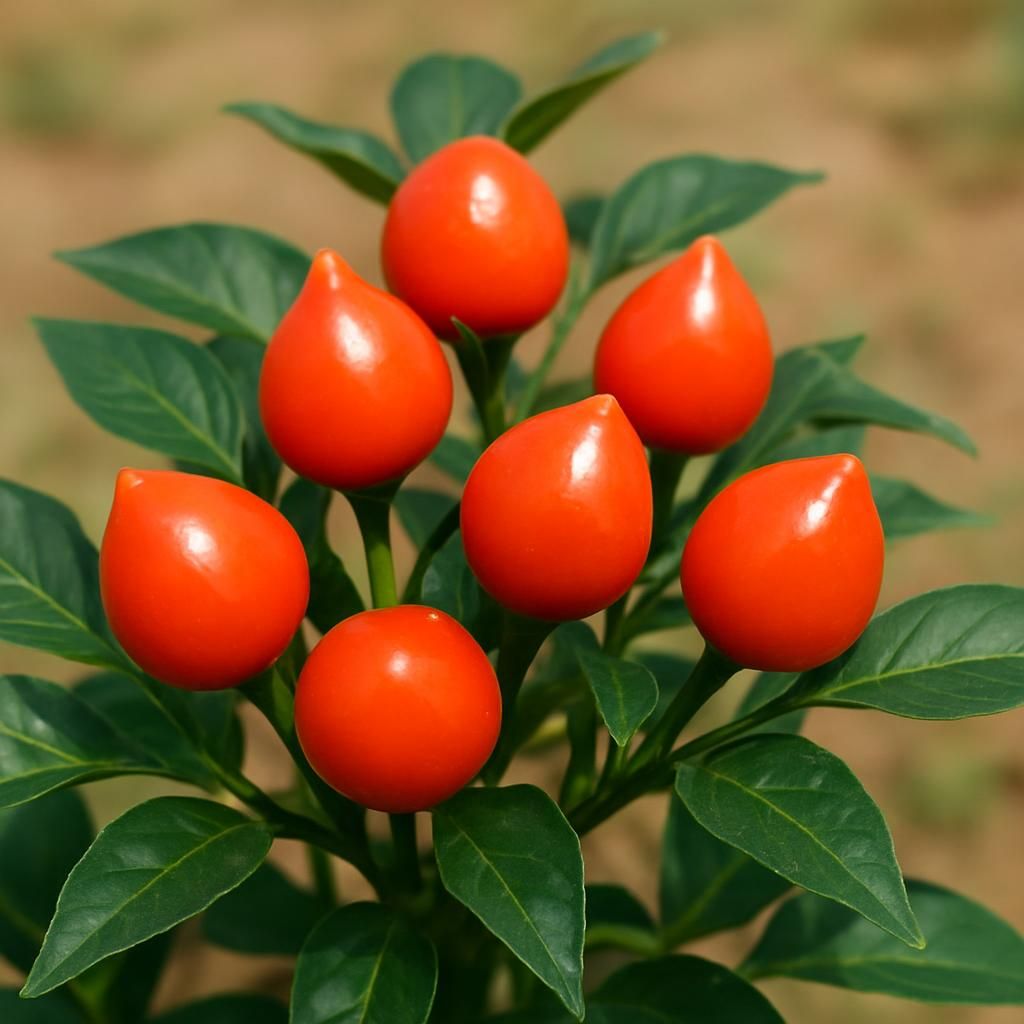
Chupetinha Pepper (Capsicum chinense 'Chupetinha') is a compact Brazilian heirloom known for its small, glossy, lantern-shaped pods that ripen from green to vibrant orange-red. The fruits measure 1.5–3 cm and deliver a sharp, fruity heat between 80,000–120,000 Scoville Heat Units, making them ideal for fresh salsas, hot sauces, and drying. Unlike larger habanero types, Chupetinha plants remain bushy and productive in containers or intensive beds, often yielding 1.5–2.5 kg per plant under optimal conditions.
Commercial growers value the cultivar for its early maturity (70–85 days from transplant) and concentrated fruit set that facilitates mechanical or hand harvest. Home gardeners appreciate the ornamental quality of the upright clusters against dark green foliage. Because of its smaller fruit size and high capsaicin content, Chupetinha also commands premium prices in specialty markets and at farmers’ markets.
Botanical Profile of Chupetinha Pepper
Chupetinha belongs to the species Capsicum chinense within the Solanaceae family. Plants reach 45–70 cm in height with a spreading habit of 40–60 cm. Leaves are ovate, slightly rugose, and dark green. Flowers are small, white to pale cream, and typically self-pollinating, although insect activity can increase fruit set.
The pods are distinctive: smooth-skinned, slightly wrinkled at maturity, and tapered at the blossom end. Each fruit contains 15–25 seeds. The cultivar shows moderate tolerance to heat and humidity but remains susceptible to common pepper viruses and fungal pathogens.
Soil, pH, and Climate Requirements for Chupetinha Pepper
Chupetinha Pepper thrives in well-drained, fertile loam or sandy loam soils with high organic matter. The following table summarizes ideal conditions:
| Parameter | Ideal Range | Notes |
|---|---|---|
| Soil Type | Loam / Sandy Loam | Avoid heavy clay; amend with compost |
| Soil pH | 6.2 – 6.8 | Test and adjust with lime or sulfur |
| Soil Temperature | 21 – 29 °C (70 – 85 °F) | Critical for germination and root growth |
| Air Temperature | Day 24 – 32 °C / Night 18 – 22 °C | Protect below 15 °C |
| Relative Humidity | 50 – 70 % | Higher humidity increases disease pressure |
| Sunlight | Full sun, 8+ hours | Partial shade reduces yield |
| Spacing | 45 cm between plants, 60 cm rows | Raised beds improve drainage |
Consistent warmth and protection from strong winds are essential throughout the growing season.
Step-by-Step Planting & Propagation
- Start seeds indoors 8–10 weeks before the last frost. Sow 5 mm deep in sterile seed-starting mix at 24–27 °C.
- Maintain even moisture; seedlings emerge in 7–14 days.
- Harden off transplants for 7–10 days once they have 4–6 true leaves.
- Transplant outdoors when soil temperature reaches 21 °C and night lows are above 15 °C.
- Plant at the same depth as the seedling tray; water thoroughly after transplanting.
- Apply a 5 cm layer of organic mulch to conserve moisture and suppress weeds.
Direct seeding is possible in warm climates but germination is slower and less uniform.
Care & Maintenance regimes for Chupetinha Pepper
Proper irrigation, nutrition, and pruning maximize both yield and fruit quality. The schedule below outlines recommended practices:
| Growth Stage | Watering Schedule | Fertilizer Schedule | Pruning Schedule |
|---|---|---|---|
| Transplant to Flowering | 2.5–3.5 cm per week; keep soil evenly moist | Apply balanced NPK (10-10-10) at transplant; side-dress with compost tea at 3 weeks | Remove lower leaves touching soil; pinch first flowers to encourage branching |
| Flowering to Fruit Set | Increase to 3.5–4.5 cm; avoid overhead watering | Switch to high-phosphorus formula (5-10-10) every 3 weeks | Remove suckers below first major fork; stake if needed |
| Fruit Ripening | Reduce slightly to 2–3 cm; allow soil to dry between waterings | Apply potassium-rich fertilizer (2-5-10) once at first color change | Light tip pruning to improve air circulation |
Monitor leaf color weekly; pale foliage indicates nitrogen deficiency while blossom-end rot signals calcium issues.
Pests, Diseases & Organic Management
Common threats include Aphids, Spider Mites, Thrips, Fusarium wilt, and Bacterial spot. Implement integrated pest management:
- Scout weekly; use yellow sticky traps for early detection.
- Release beneficial insects such as lady beetles and lacewings.
- Apply neem oil or insecticidal soap at first sign of infestation.
- Rotate crops every 3–4 years and solarize beds between seasons to reduce soil-borne pathogens.
- Remove and destroy infected plant material immediately.
Harvesting, Curing & Optimal Storage
Harvest Chupetinha Peppers when fully colored and firm, typically 70–85 days after transplant. Use clean pruners to cut stems, leaving a short calyx to reduce rot. For fresh use, store at 7–10 °C and 85–90 % humidity for up to two weeks.
For drying, spread pods in a single layer at 35–40 °C with good airflow until brittle (5–7 days). Store dried peppers in airtight glass jars away from light. Properly dried product retains pungency for 12–18 months.
Companion Planting for Chupetinha Pepper
Pair Chupetinha Pepper with Tomato, Basil, and Marigold to deter pests and improve flavor. Avoid planting near Fennel or members of the Brassica family, which can stunt growth. Interplanting with Nasturtium provides additional aphid control while attracting pollinators.
For more insights on seasonal resilience and soil strategies, see The Truth About Weather Patterns and Small Farm Resilience.