Introduction to chives
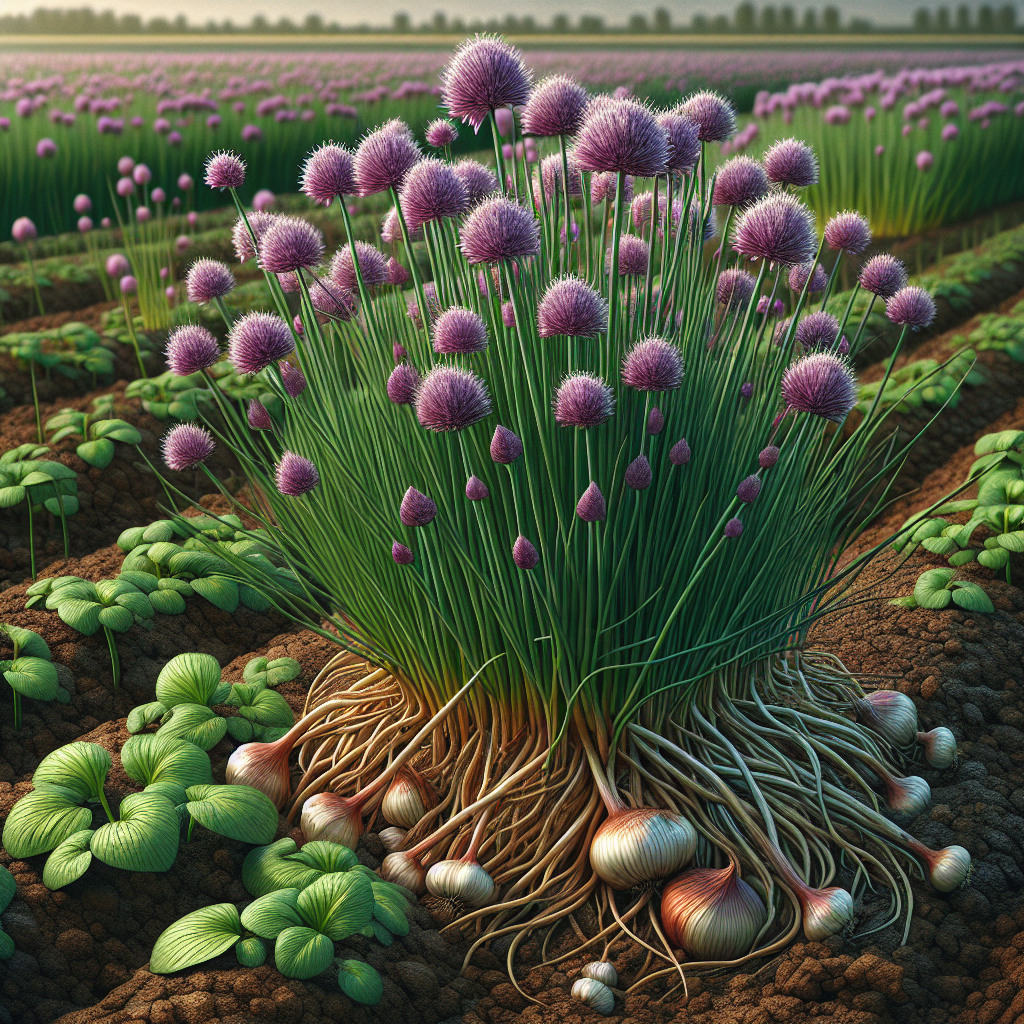
Chives, scientifically known as Allium schoenoprasum, are not your typical insect pest but a highly invasive perennial herbaceous plant from the Allium family, closely related to onion and garlic. Native to Europe, Asia, and North America, chives have become a notorious agricultural pest due to their aggressive spreading habits in gardens, fields, and orchards. What makes chives particularly problematic is their ability to form dense clumps that smother nearby crops, deplete soil nutrients, and release allelopathic chemicals that inhibit the growth of surrounding plants.
In agricultural contexts, chives invade vegetable patches, herb gardens, and even grain fields, reducing yields by up to 40% in heavily infested areas according to studies from the University of California Agriculture and Natural Resources. Their fine, grass-like leaves and purple flower heads make them initially appear ornamental, but unchecked growth leads to bulb proliferation underground, making eradication challenging. This definitive guide equips farmers, gardeners, and agronomists with professional-grade diagnostic tools, lifecycle insights, and organic management plans to combat chives effectively. For small farms struggling with invasive species identification, check out Why Misidentifying Plants Costs Small Farms Thousands - And How AI Camera Diagnosis Fixes It Fast.
Understanding chives as a pest requires recognizing their resilience: they thrive in USDA zones 3-9, tolerate poor soils, and regenerate from tiny bulbils even after mowing or tilling. Early detection is key, as mature infestations can persist for decades without intervention. This guide draws from entomological, botanical, and agronomic expertise to deliver actionable strategies, ensuring sustainable control without synthetic herbicides.
Identifying Symptoms & Damage
Diagnosing a chives infestation begins with visual inspection. Look for clusters of hollow, tubular leaves 10-20 inches tall, resembling wild grass but with a distinct onion-like odor when crushed—a hallmark Allium trait. Flowers emerge in spring as spherical umbels of 10-30 purple stars, attracting pollinators but also signaling spread via seeds.
Damage manifests as competition: chives' fibrous roots and bulbs rob soil of nitrogen, phosphorus, and water, stunting nearby crops. In tomato fields, affected plants show yellowing leaves and reduced fruit set; in lettuce beds, chives create shaded patches leading to leggy growth. Underground, bulbil clusters (1-2 cm diameter) expand laterally, forming mats that prevent seedling establishment.
Secondary symptoms include allelopathy: chives exude sulfur compounds inhibiting root elongation in sensitive species like carrot or strawberry. Inspect for 'ghost patches'—bare soil amid chives where companion crops fail. Severe infestations cause 20-50% yield loss in herbs and vegetables. Differentiate from lookalikes: wild garlic has broader leaves and stronger scent; grass lacks odor. Use a shovel to expose bulbs for confirmation. Monitor borders and disturbed soils, as chives exploit tillage.
Lifecycle and Progression of chives
Chives exhibit a polycarpic perennial lifecycle, living 10-20+ years with strategic progression. Spring initiates vegetative growth from overwintering bulbs, producing 20-50 leaves per clump at 6-12 inches spacing. Flowering peaks May-June (northern hemisphere), with self-fertile blooms producing 30-50 seeds per head, viable 2-3 years.
Post-flowering, plants enter vegetative dominance, photosynthesizing heavily to fuel bulbil production. Underground, daughter bulbs form offsets, multiplying clumps 2-3x annually. Dormancy hits winter, but buds survive -20°F (-29°C), sprouting early spring. Seed dispersal via wind, birds, and machinery extends range 100+ meters.
Progression stages: Year 1 seedlings (rare, as vegetative spread dominates); Years 2-5 clump expansion; Years 6+ monoculture formation. Peak infestation risk post-disturbance, e.g., after aphids damage exposes soil. Lifecycle resilience stems from asexual reproduction: one bulb yields 10+ offsets yearly. Interrupt at flowering to curb seeds; dig bulbs pre-dormancy.
Environmental Triggers & Risk Factors
Chives flourish in full sun to partial shade, moist well-drained loams (pH 6-7), but adapt to clay, sand, and drought. Triggers include soil disturbance from tilling or construction, creating bulb colonization niches. Overwatering or poor drainage favors root expansion, while nitrogen-rich fertilizers (e.g., manure) boost vigor.
Risk factors: Proximity to ornamentals or escapees from herb gardens; imported fill dirt; bird droppings seeding fields. Cool springs (50-65°F) accelerate emergence, while mild winters prevent die-off. Companion crop stress from powdery mildew or drought weakens competition, allowing invasion. High-risk zones: disturbed field edges, low spots, recent conversions from pasture. Climate change extends range northward, per USDA data.
Organic Control & Treatment Plans
Organic management integrates mechanical, cultural, and biological tactics for 90%+ control over 2-3 years. Phase 1 (Immediate): Hand-pull small patches, ensuring 100% bulb removal—use forks for depth. Solarize soil with clear plastic (4-6 weeks summer, 45°C+ kills bulbs). Mow repeatedly to exhaust reserves, timing pre-flowering.
Phase 2 (Vegetative Suppression): Mulch 6-8 inches thick with cardboard/woodchips, starving light. Cover crops like clover or rye suppress regrowth. Introduce chickens/ducks for bulb foraging. Biological: Promote native fungi via compost teas; vinegar (20% acetic acid) spot-sprays foliage (repeat 3x). Flame weeding incinerates tops, weakening belowground.
Integrated Plan: Year 1: Dig + mulch; Year 2: Solarize + graze; Year 3: Monitor/repeat. Avoid tilling, which spreads bulbils. Success metrics: <5% cover after 18 months. Combine with thrips controls if co-infesting. Yields rebound 30-50% post-control.
Preventing chives in the Future
Prevention hinges on barriers and vigilance. Inspect transplants/soil for bulbs; quarantine new stock. Maintain 4-inch mulch barriers around fields. Rotate with allium-averse crops like corn or brassicas. Solarize high-risk areas pre-planting.
Monitor weekly spring-fall; rogue at first sight. Use landscape fabric under paths. Promote biodiversity with marigold borders repelling Alliums. Clean equipment to halt seed hitchhiking. Long-term: Soil tests guide balanced fertility, reducing chives' edge. Annual audits prevent reinvasion.
Crops Most Affected by chives
Chives target disturbed, nutrient-rich sites, devastating low-growing vegetables. Top victims: potato (bulb competition, 35% yield loss); cabbage (shading, allelopathy); beet (root inhibition). Herbs like thyme and parsley suffer monoculture displacement. Orchards (apple, peach) see edge invasions stressing young trees. Grains like wheat face seedling smothering. Mitigation via crop rotation essential.