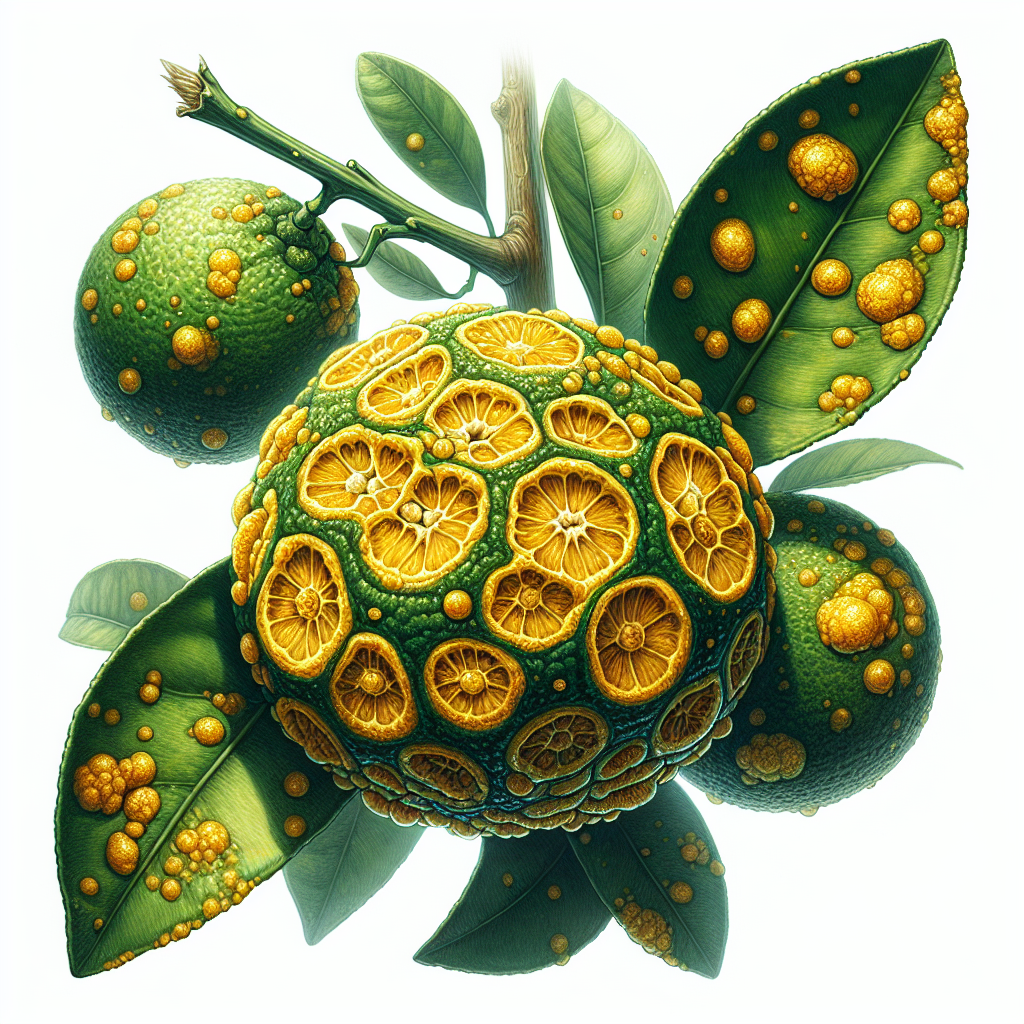
Introduction to citrus canker
Citrus canker, caused by the bacterium Xanthomonas citri subsp. citri, is one of the most destructive diseases impacting citrus orchards globally. First identified in southern China over a century ago, it has since spread to major citrus-producing regions including Florida, Brazil, Argentina, and parts of Asia and Australia. The disease manifests as characteristic raised, corky lesions on leaves, twigs, and fruit, severely compromising tree health and commercial viability.
This guide provides professional-grade diagnostic criteria, lifecycle insights, environmental risk factors, organic management strategies, and long-term prevention tactics tailored for small to medium-scale growers. Understanding citrus canker is crucial for orange and lemon producers, as infected fruit becomes unmarketable due to blemishes and drop. Early intervention can save entire groves, with losses potentially exceeding 50% in unmanaged outbreaks. For more on integrated pest management, check this insightful blog post on spring pest patrol.
The pathogen thrives in warm, humid conditions, making subtropical citrus belts particularly vulnerable. Regulatory quarantines often accompany outbreaks, halting trade and requiring tree destruction. This comprehensive resource equips growers with actionable steps to diagnose, treat, and prevent citrus canker effectively.
Identifying Symptoms & Damage
Accurate diagnosis begins with recognizing hallmark symptoms. On leaves, citrus canker appears as small, translucent spots that evolve into raised, corky, water-soaked lesions with yellow halos. These lesions measure 1-5 mm, turning brown and erupting through the epidermis, often surrounded by an oily halo on young foliage.
Fruit lesions start similarly: tiny, slightly raised spots that expand into spongy, corky pustules up to 5-10 mm. Severe infections cause fruit cracking, rind distortion, and premature drop, rendering produce unsellable. Twigs show elongated cankers with cracked bark, leading to dieback. In advanced stages, defoliation occurs, weakening trees and inviting secondary issues like citrus leafminer infestations.
Damage quantification reveals economic impacts: yields can drop 10-100% depending on cultivar susceptibility and infection timing. Grapefruit and early oranges suffer most, with lesions coalescing to cover entire fruit surfaces. Differentiate from look-alikes like melanose (fungal, tan with raised margins) or greasy spot (chlorotic halos without corkiness). Lab confirmation via PCR or ELISA is recommended for border inspections.
Inspect during wet seasons; symptoms worsen post-rain. Use a 10x hand lens to spot bacterial ooze in fresh lesions. Tree vigor declines over seasons, with girdling cankers killing branches. Yield losses compound with reduced photosynthesis from leaf drop, emphasizing rapid scouting protocols.
Lifecycle and Progression of citrus canker
Xanthomonas citri subsp. citri is a gram-negative bacterium surviving in lesions up to 6 months, entering via wounds or stomata. Primary inoculum overwinters in dried lesions or alternative hosts. Dissemination occurs via wind-driven rain (up to 5 km), splashing, tools, and humans. Optimal infection requires moisture (free water 3-6 hours) and temperatures 20-30°C.
Lifecycle phases: dormant in cankers → activation by rain → bacterial streaming from lesions → splash dispersal → stomatal penetration → incubation (7-20 days) → symptom expression. Bacteria multiply intracellularly, rupturing cells to form lesions exuding ooze. Multiple cycles per season amplify epidemics.
Progression: initial pinhead spots → raised lesions (2 weeks) → mature cankers (4-6 weeks) → secondary spread. Fruit infection peaks at petal fall to marble stage. Latent infections evade detection until harvest. Bacteria produce EPS for biofilm, enhancing persistence. Understanding this cycle informs spray timings and sanitation urgency.
Environmental Triggers & Risk Factors
Warm (25-30°C), humid climates with frequent thunderstorms propel epidemics. Winds >15 km/h splash bacteria far; overhead irrigation mimics rain. Poor air circulation in dense plantings traps moisture. Susceptible young flush tissue (high N, succulent) is prime entry.
Risk factors include contaminated tools, machinery, and clothing; international trade of nursery stock; and proximity to infected groves. Monocultures amplify spread. Acidic soils (pH <6) stress trees, indirectly increasing vulnerability. Hurricanes introduce inoculum widely.
Climate change extends wet seasons, heightening risks in marginal areas. Track via weather stations: leaf wetness >6 hours + temp >20°C = high alert. Companion crops like mango may harbor strains, though citrus-specific.
Organic Control & Treatment Plans
No cure exists; focus on suppression. Cultural: Prune infected parts (10cm below lesion) into bleach-dipped bins; destroy promptly. Space trees 6-8m for airflow. Avoid overhead watering; use drip. Copper sprays (fixed copper, Bordeaux mix) at 2-3 kg/ha pre-rain suppress bacteria organically.
Biological: Antagonistic bacteria like Bacillus subtilis or Pseudomonas fluorescens (OMRI-listed) at 10^9 CFU/ml, 3-5 applications/season. Plant resistant rootstocks/interstocks (e.g., trifoliate hybrids). Nutritional sprays (micronutrients, phosphites) boost defenses.
Integrated Plan:
- Scout weekly during flush.
- Copper at bud break, petal fall, summer flush (7-14 day intervals).
- Sanitize tools (1:10 bleach or 70% ethanol).
- Windbreaks reduce splash.
- Remove volunteers/weeds.
Efficacy: combines yield 30-70% protection. Monitor via lesion counts/tree.
Preventing citrus canker in the Future
Prevention trumps cure. Plant certified, canker-free nursery stock from registered sources. Enforce footbaths, tool dips at grove entry. Quarantine new introductions 1-2 years. Use resistant varieties: Sunki mandarin, Troyer citrange. Site selection: well-drained, windy slopes.
Eradication protocols: rogue infected trees + 3m buffer; burn/double-bag debris. Regulatory compliance avoids embargoes. Long-term: breed resistant cultivars; forecast models predict outbreaks. Educate workers; PPE mandatory. Annual audits sustain freedom.
Crops Most Affected by citrus canker
Primarily Citrus genus: sweet oranges (Navel orange, Valencia), grapefruit, lemons (Eureka lemon), limes (Persian lime), mandarins. Grapefruit most susceptible (80-100% infection); trifoliate hybrids resistant. Minor hosts: kumquat. Non-citrus immune.