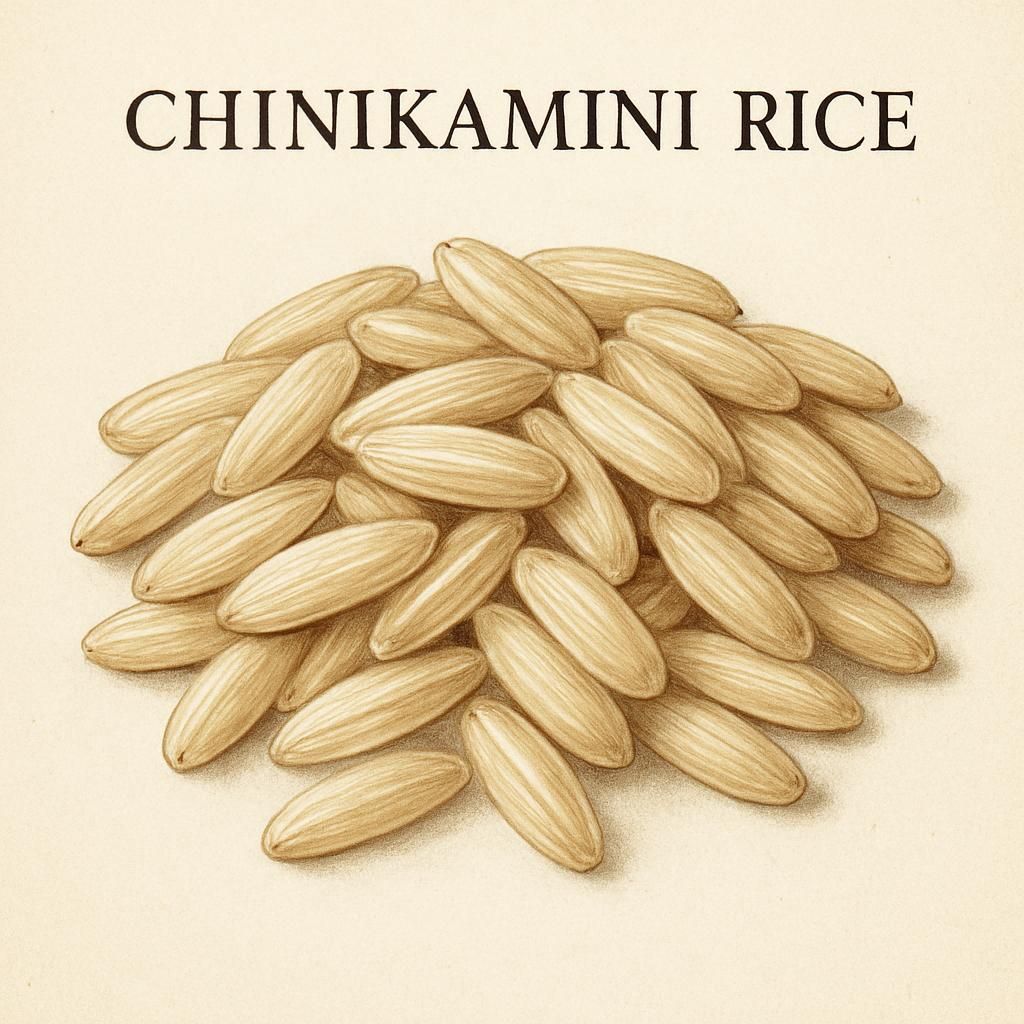
Introduction to Chinikamini Rice
Chinikamini Rice is a distinct type of rice that stands out due to its exceptional fragrance and fine grain quality. This variety of rice is particularly favored in gourmet cooking where its aromatic qualities enhance the culinary experience. With its origins in tropical climates, it has been adapted for cultivation in various regions, offering a viable option for farmers looking to diversify their rice production.
Botanical Profile of Chinikamini Rice
Belonging to the species Oryza sativa, Chinikamini Rice is a variant that exhibits unique properties pivotal to its identification and cultivation. As a semi-dwarf variety, it is characterized by broad leaves and a strong tillering ability. The grains of Chinikamini Rice are medium-long, slender, and possess a remarkable aroma that is released upon cooking.
Soil, pH, and Climate Requirements for Chinikamini Rice
Chinikamini Rice thrives in specific soil and climatic conditions that cater to its growth needs. Its cultivation is most successful in regions with warm temperatures and ample water supply.
| Parameter | Ideal Condition |
|---|---|
| Soil Type | Loamy, well-drained |
| pH Level | 5.5 - 6.5 |
| Temperature Range | 25-35°C |
| Precipitation | 1000-1500 mm/year |
Step-by-Step Planting & Propagation
- Seed Selection: Opt for certified seeds to ensure high germination rates and resistance to common diseases.
- Land Preparation: Prepare the paddy fields by plowing and leveling. Ensure the soil is moist and fertile.
- Sowing: Direct sowing or transplanting of seedlings can be employed. For direct seeding, ensure seeds are sown at a spacing of 15 cm x 15 cm.
- Water Management: Flood the fields adequately at certain growth stages to promote healthy growth and manage weeds effectively.
Care & Maintenance Regimes for Chinikamini Rice
Proper care and maintenance are crucial for a healthy Chinikamini Rice crop. Considerations should include timely irrigation, fertilization, and protection against weeds.
| Aspect | Schedule |
|---|---|
| Watering | Regular flooding intervals during critical growth phases |
| Fertilization | NPK (Nitrogen, Phosphorus, Potassium) application early and mid-season |
| Weed Control | Manual weeding or herbicide application every two weeks |
Pests, Diseases & Organic Management
Chinikamini Rice can be susceptible to various pests and diseases. Common pests include Spider Mites, and Aphids. Effective management includes employing organic practices like crop rotation and introducing natural predators. For diseases such as blast or sheath blight, maintain field hygiene and balanced nutrient application to mitigate outbreaks.
Harvesting, Curing & Optimal Storage
Harvesting usually occurs about 120 days after planting when grains have matured and achieved a golden hue. Post-harvest, the curing process involves sun-drying the rice to reduce moisture content below 14% for storage stability. Store the rice in cool, dry conditions to preserve quality.
Companion Planting for Chinikamini Rice
Incorporating effective companion plants like clover and Nasturtium can enhance soil health and act as a natural deterrent to pests. Companion planting not only contributes to pest control but also enriches the biodiversity of the plantation, promoting ecological balance.