Encyclopedia
Definitive guides for crops, pests, and agricultural diseases.
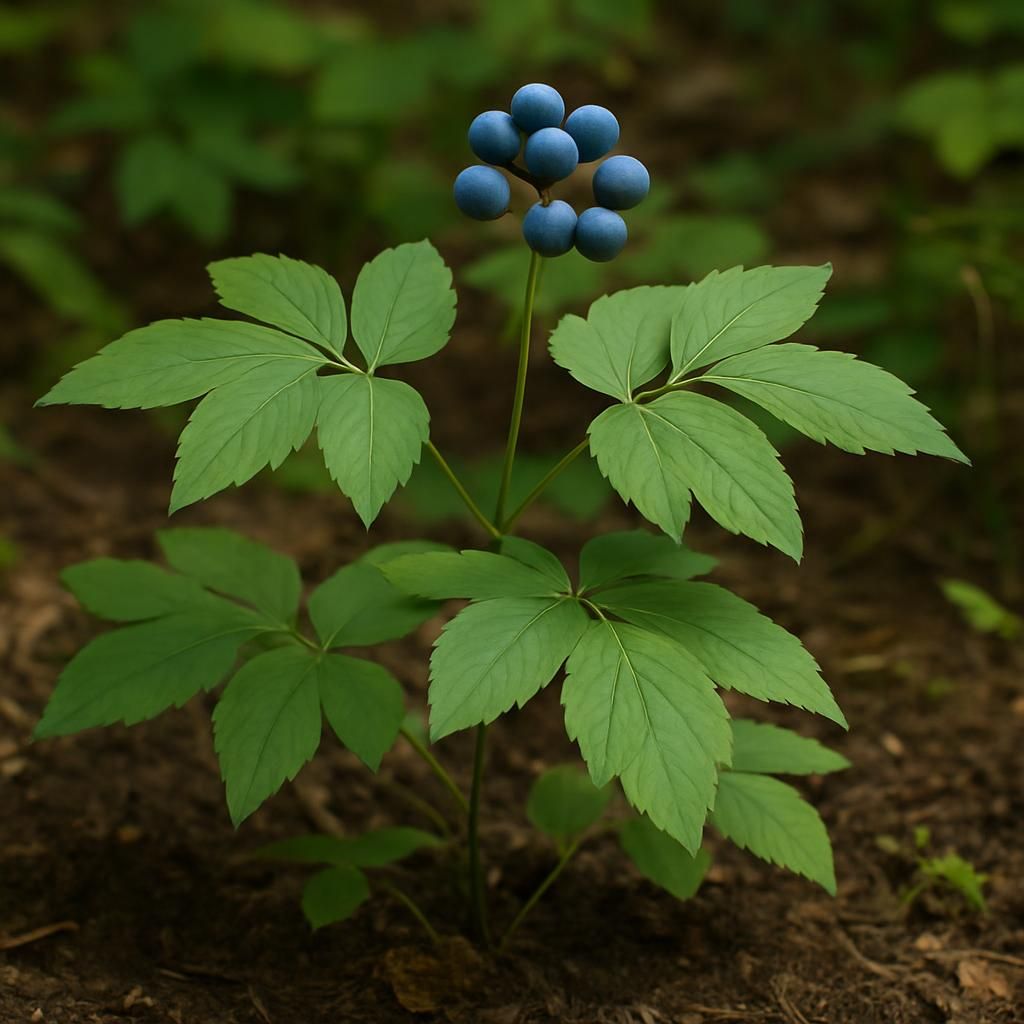
Blue Cohosh
Blue Cohosh is a native North American woodland perennial valued for its medicinal rhizomes and distinctive blue berries. This guide provides professional, field-tested advice on soil preparation, propagation, seasonal care, and sustainable harvesting for this slow-growing forest herb.
View Guide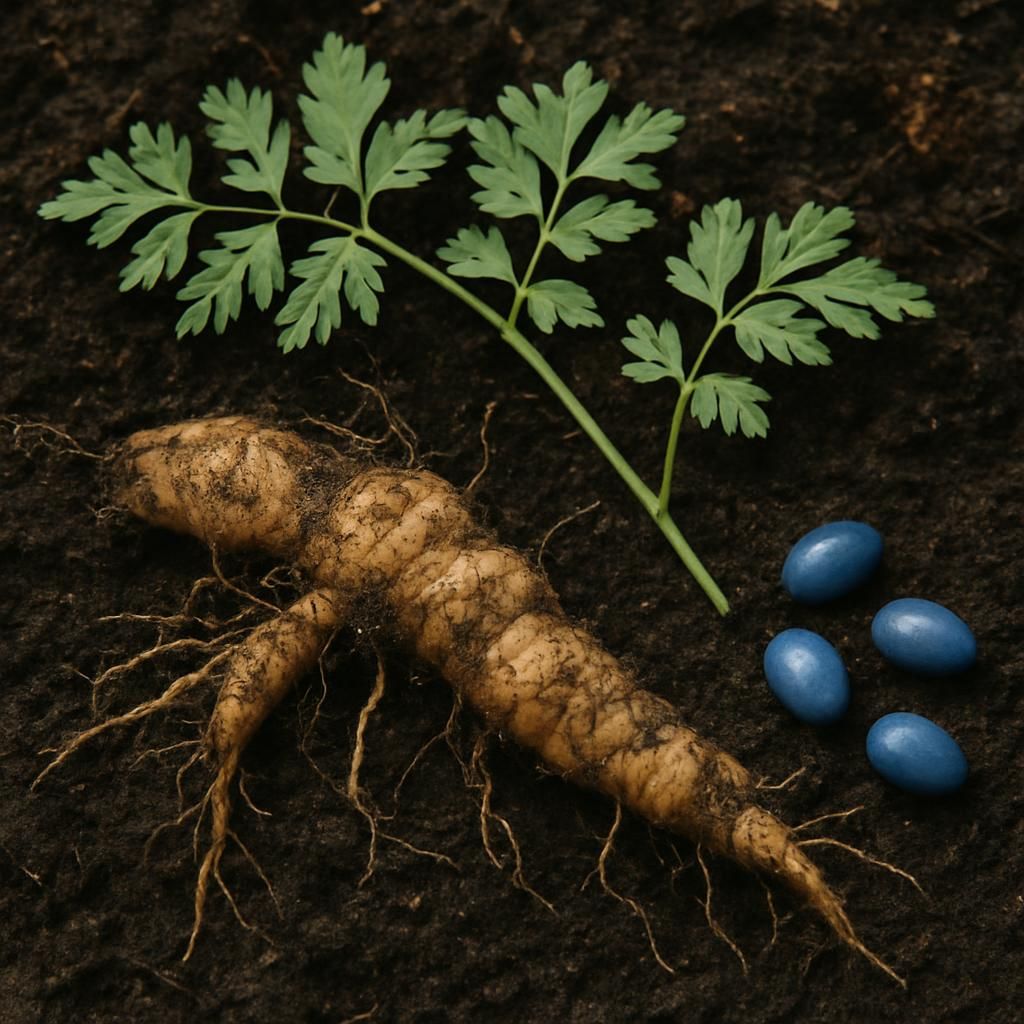
Blue Cohosh Root
Blue Cohosh Root is a slow-growing native woodland perennial prized for its medicinal rhizomes and distinctive blue seeds. It thrives in shaded, moist forest environments and requires patient, multi-year cultivation before harvest.
View Guide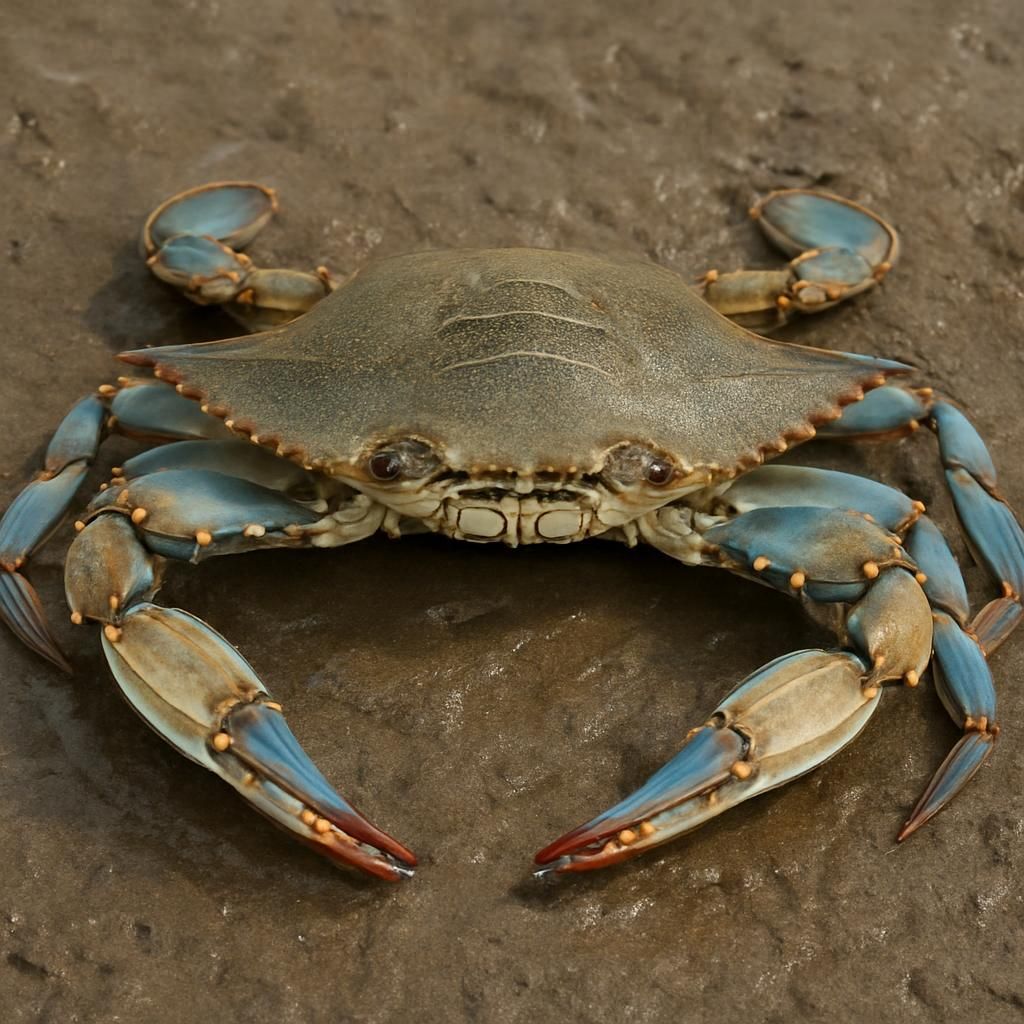
blue crabs
Blue crabs are a marine crustacean pest that can damage coastal agricultural systems and aquaculture infrastructure through burrowing, vegetation consumption, and water quality disruption. This guide provides definitive diagnostic criteria, lifecycle details, and integrated management strategies for agricultural professionals.
View Profile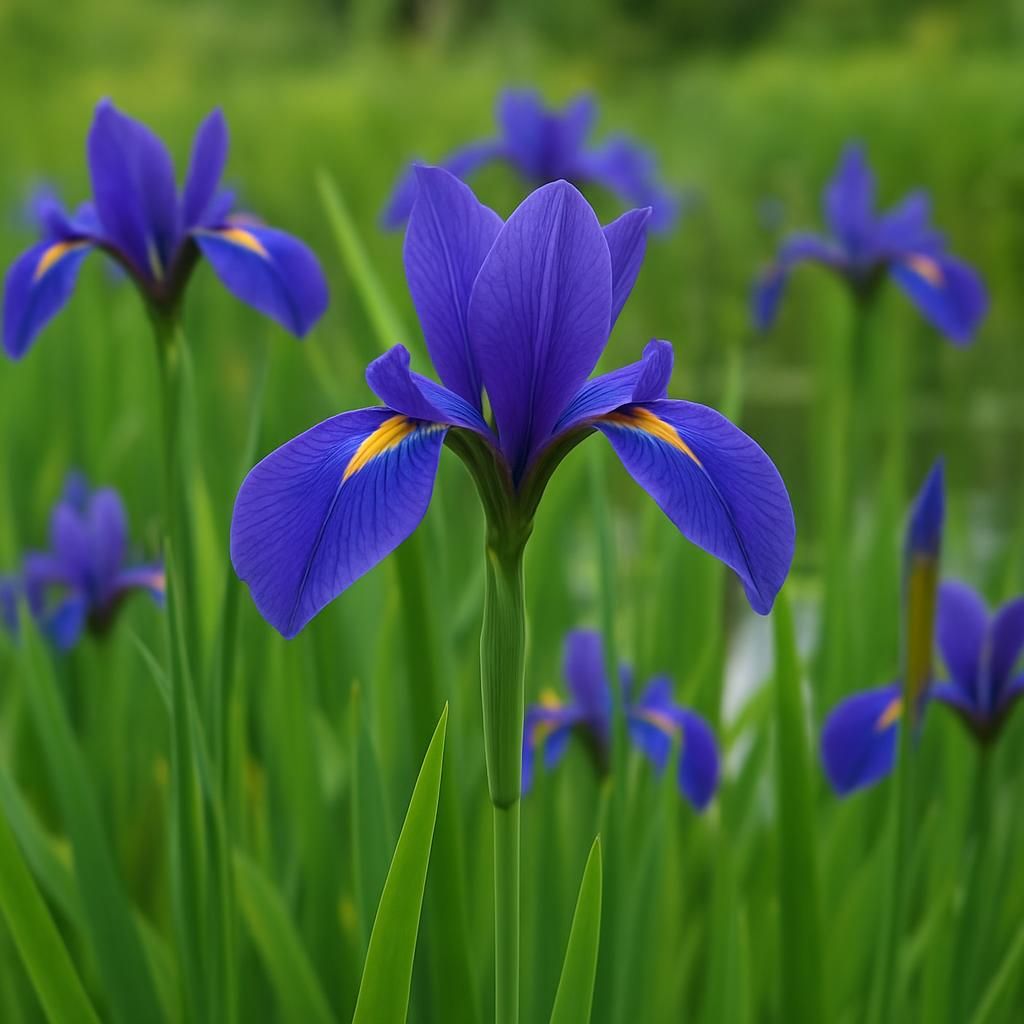
Blue Flag Iris
Blue Flag Iris is a hardy perennial wetland plant prized for its striking blue-purple flowers and ecological value in moist landscapes. This comprehensive guide covers soil preparation, planting, care, pest management, and harvesting practices tailored for agricultural and ornamental production.
View Guide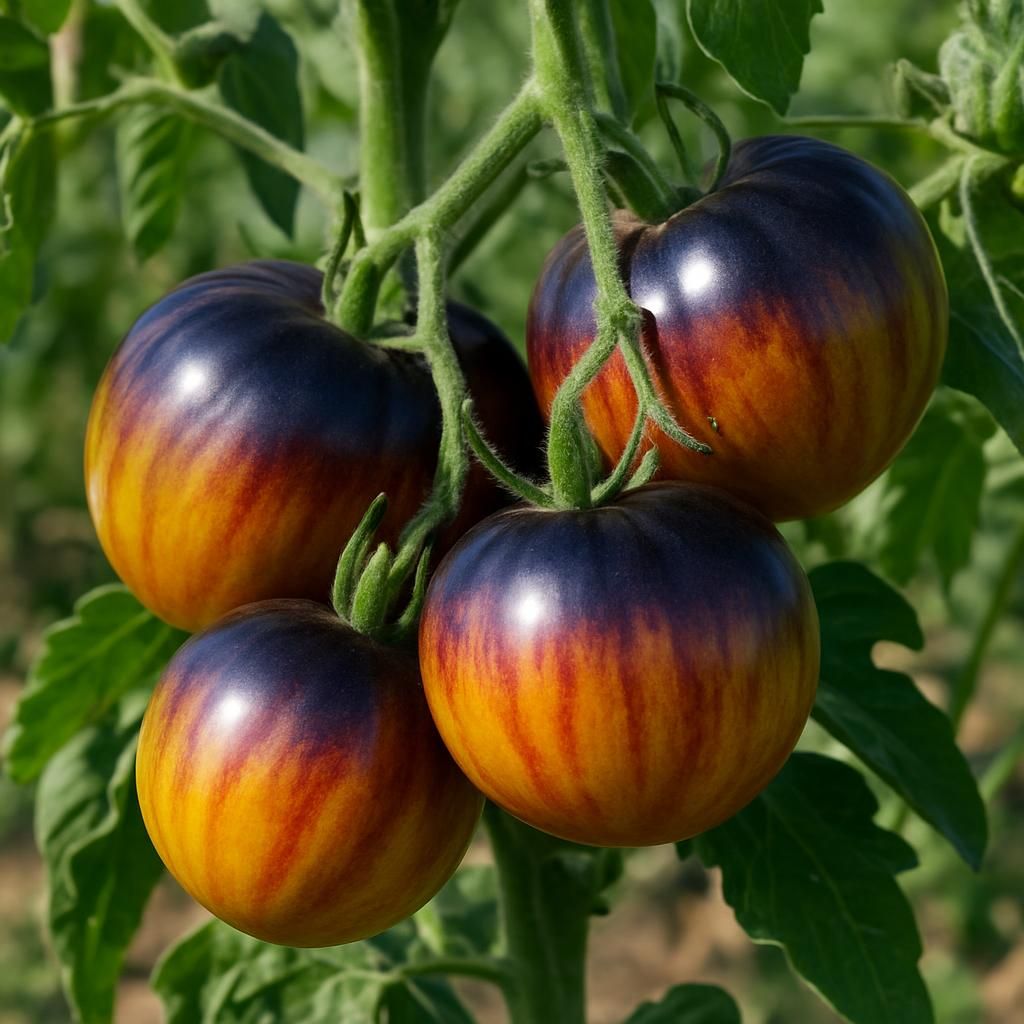
Blue Gold Tomato
Blue Gold Tomato is a striking, anthocyanin-rich indeterminate variety prized for its deep blue-purple shoulders, sweet-tart flavor, and exceptional disease resistance. This guide delivers professional-grade cultivation advice covering soil science, propagation, integrated pest management, and harvest protocols for commercial and serious home growers.
View Guide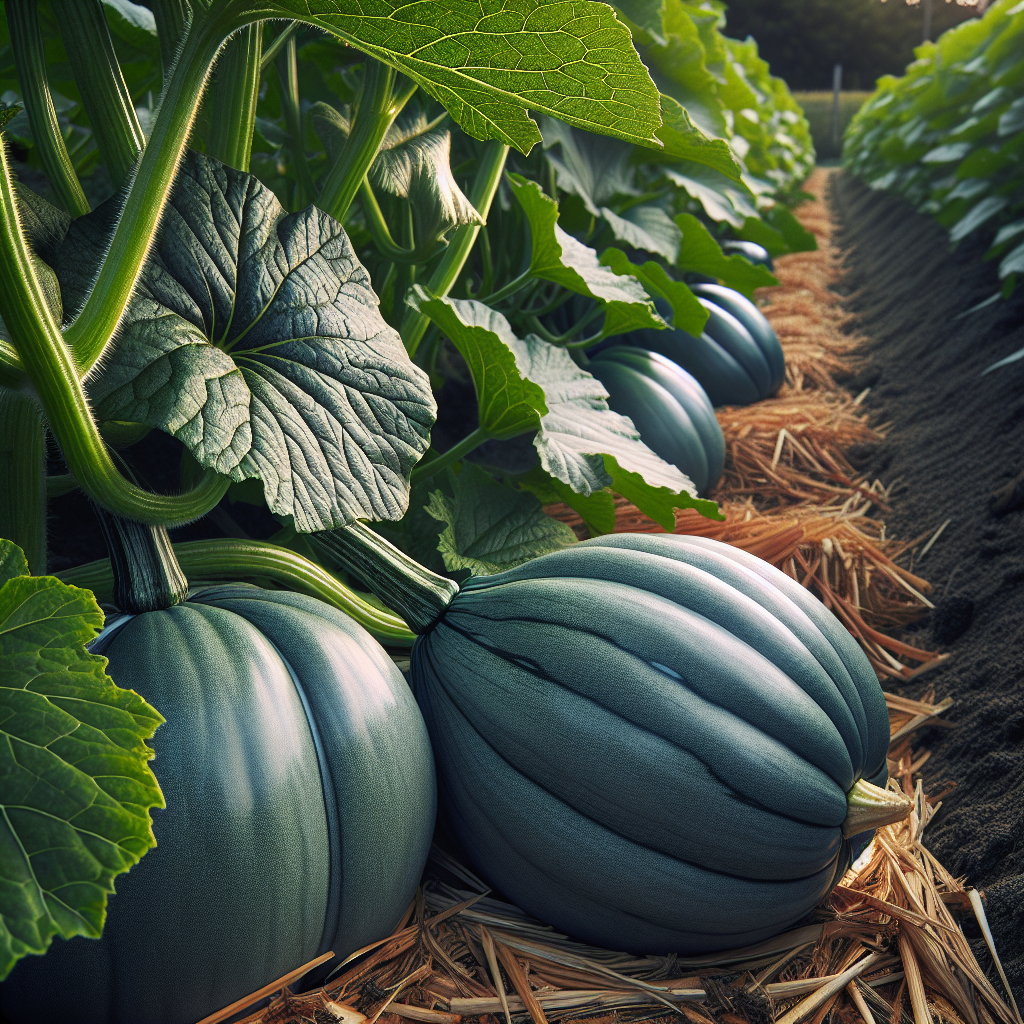
Blue Hubbard Squash
Blue Hubbard Squash is a classic heirloom winter squash prized for its large size, blue-gray rind, deep orange flesh, and exceptional storage life. It is vigorous, long-season, and highly productive when given rich soil, consistent moisture, and plenty of space, making it a favorite for serious gardeners and market growers seeking dense, sweet, dry flesh for roasting, soups, and storage.
View Guide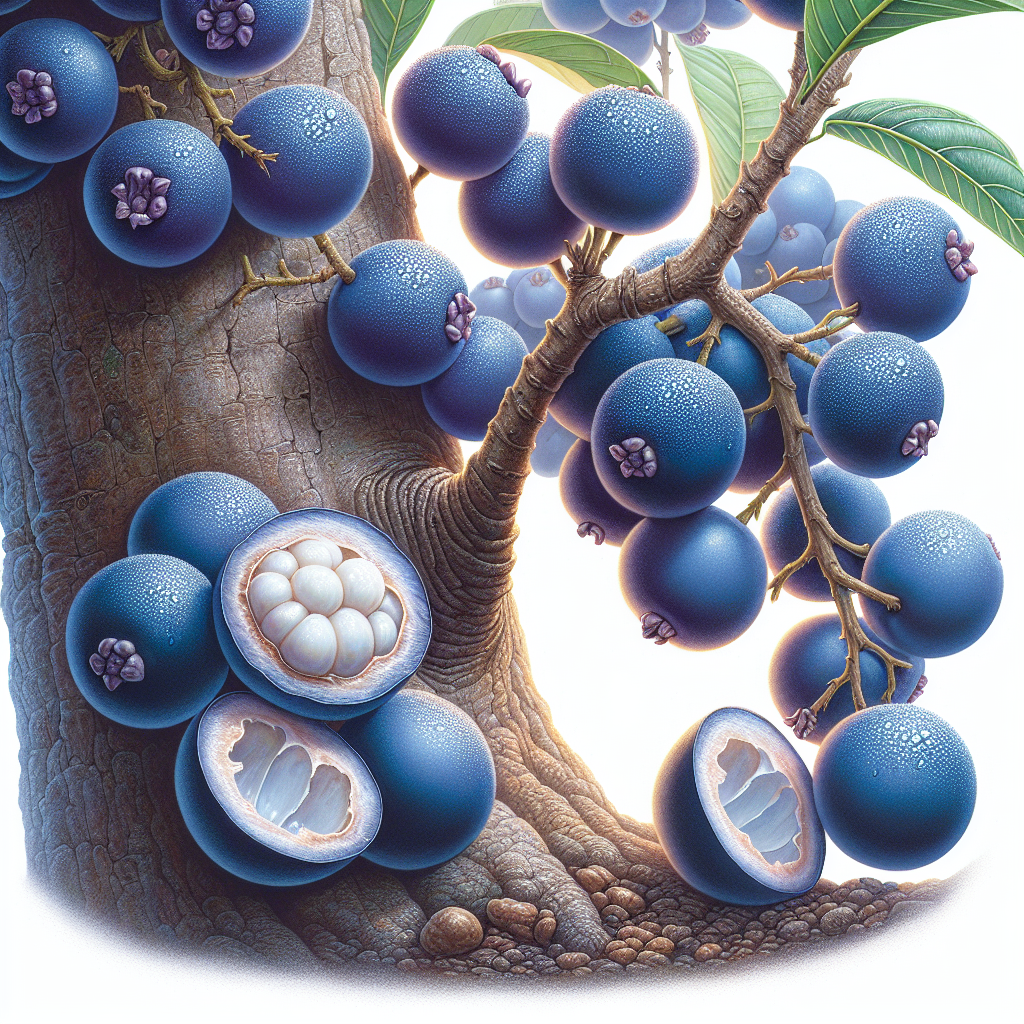
Blue Jaboticaba (Myrciaria vexator)
Blue Jaboticaba (Myrciaria vexator) is a rare, subtropical evergreen tree celebrated for its striking blue-purple fruits that grow directly on the trunk and branches, offering a unique visual and culinary delight. Native to Brazil, this slow-growing species thrives in humid, frost-free environments and produces antioxidant-rich berries with a sweet-tart flavor ideal for fresh eating, jams, and wines. This comprehensive guide provides professional-grade cultivation advice for optimal yields in home orchards or small farms.
View Guide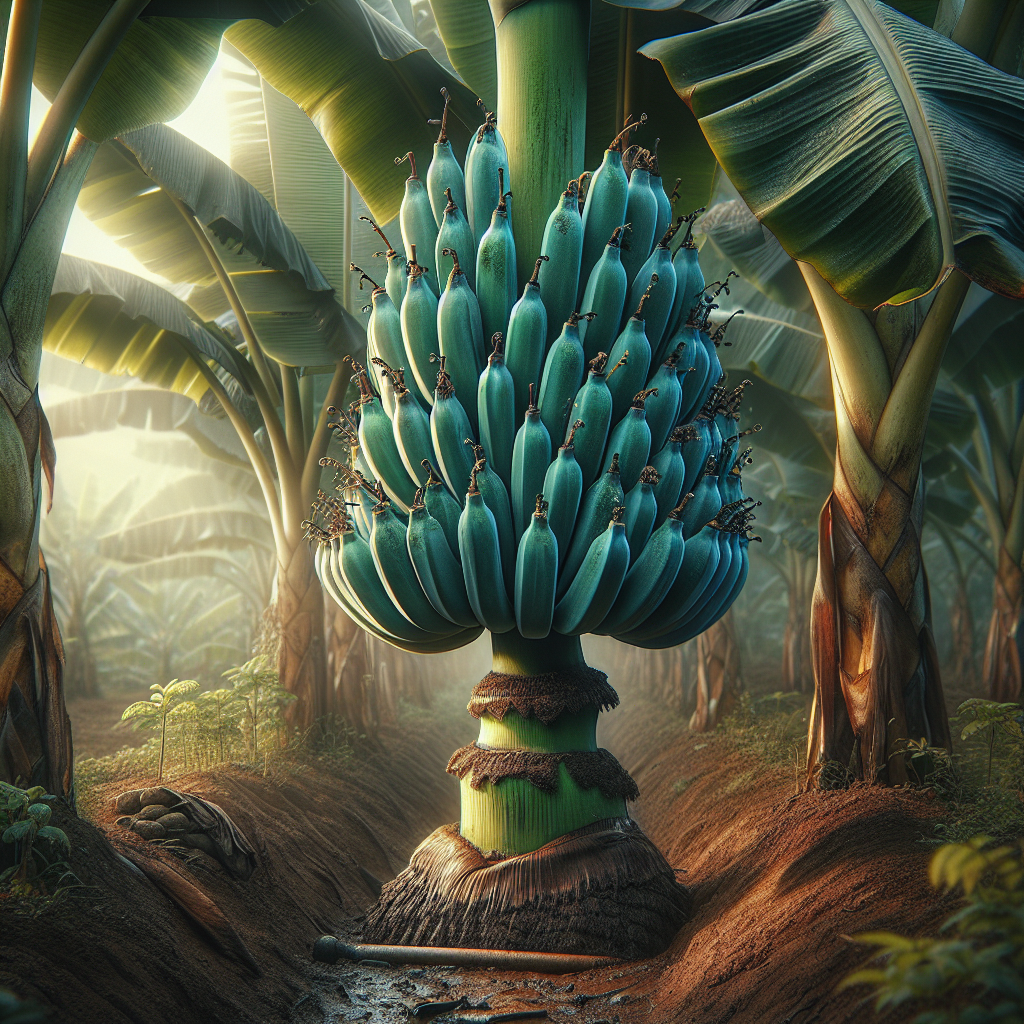
Blue Java Banana (Ice Cream)
Blue Java Banana, often called Ice Cream banana, is a distinctive dessert banana prized for its blue-green unripe peel, cold tolerance relative to many tropical bananas, and exceptionally creamy, vanilla-like flesh. It is a vigorous, tall cultivar best suited to humid subtropical and tropical production, where rich soil, steady moisture, wind protection, and disciplined mat management are essential for high-quality bunches.
View Guide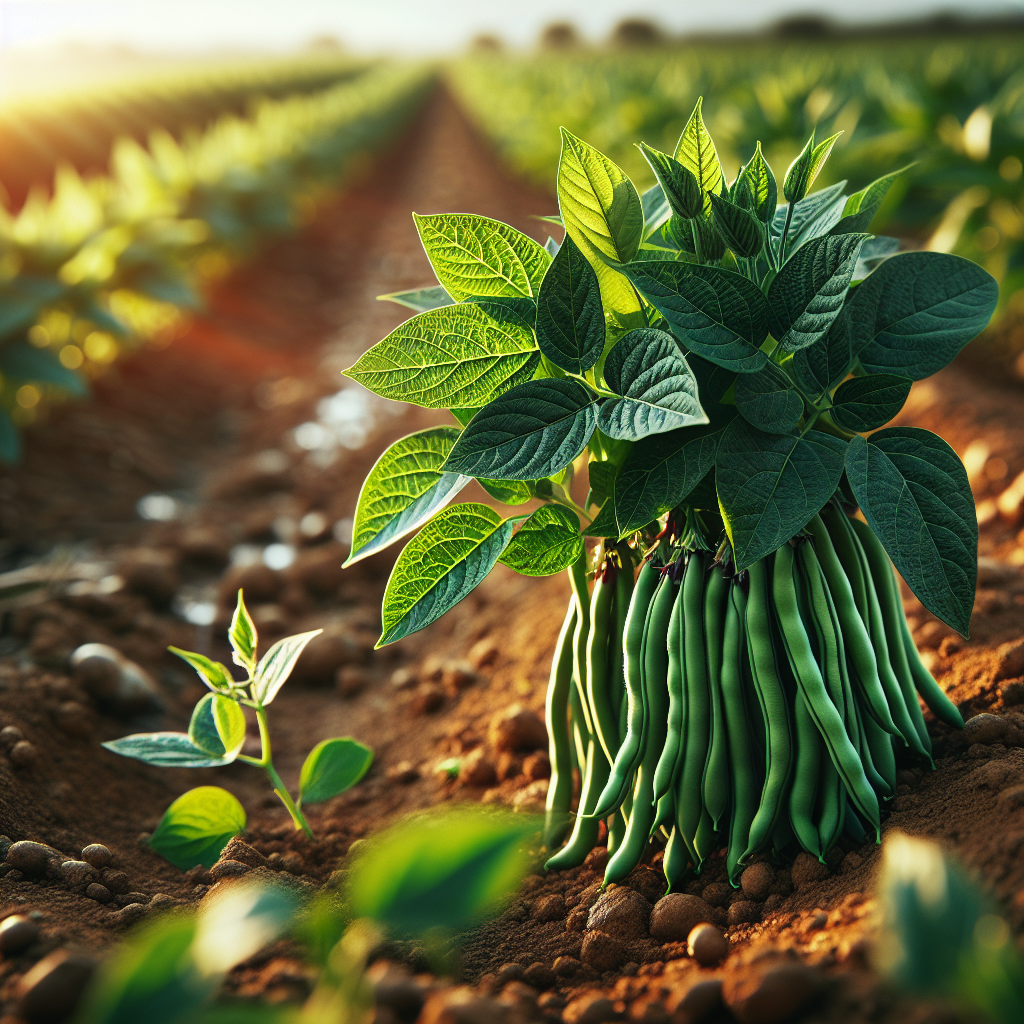
Blue Lake Bush Bean
Blue Lake Bush Bean is a classic snap bean cultivar prized for its straight, stringless pods, concentrated harvest window, and dependable garden performance. Adapted from the famous Blue Lake bean line developed for premium fresh eating and processing, it combines excellent flavor with a compact bush habit that suits home gardens, market gardens, and small-scale production.
View Guide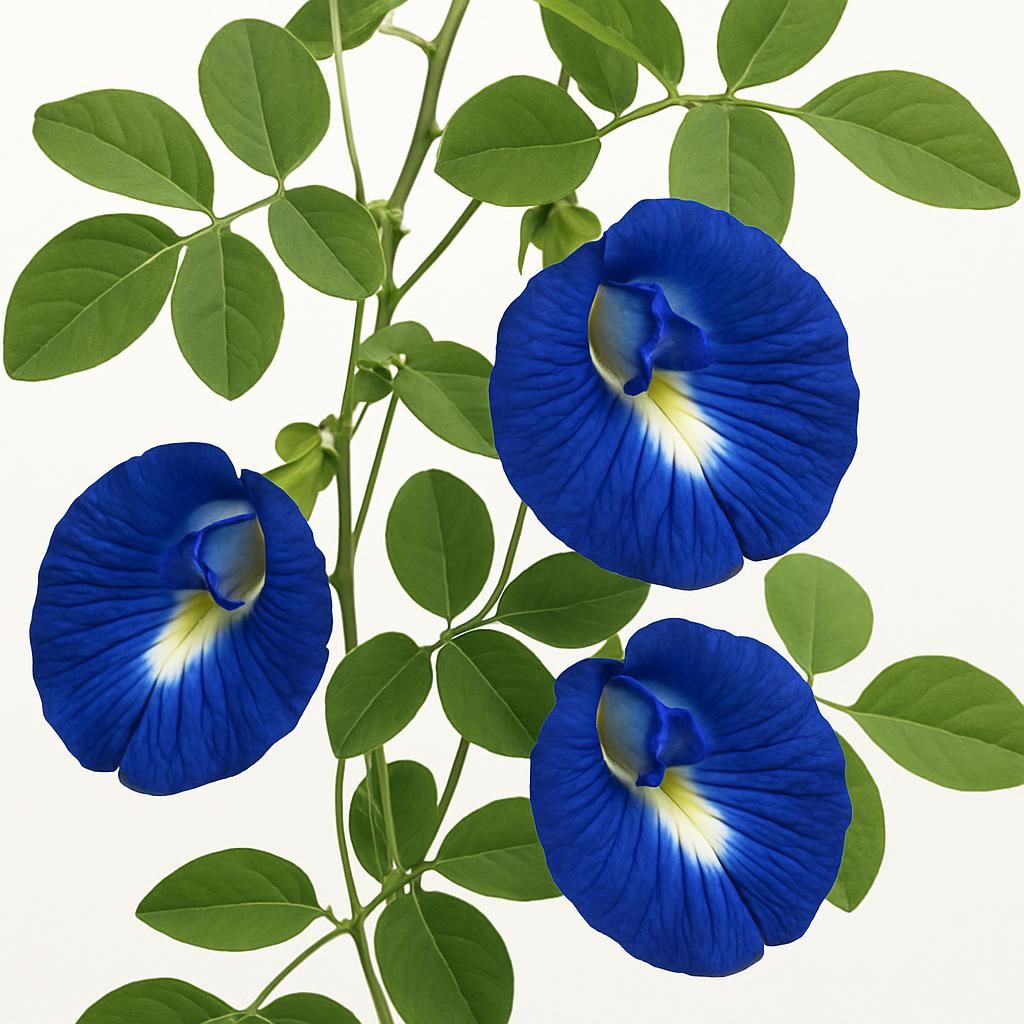
Blue Pea Flower
Blue Pea Flower (Clitoria ternatea) is a fast-growing perennial legume prized for its vivid blue, edible flowers used in natural food coloring, herbal teas, and traditional medicine. It thrives in tropical and subtropical climates, fixes nitrogen in the soil, and serves as both an ornamental and functional crop.
View Guide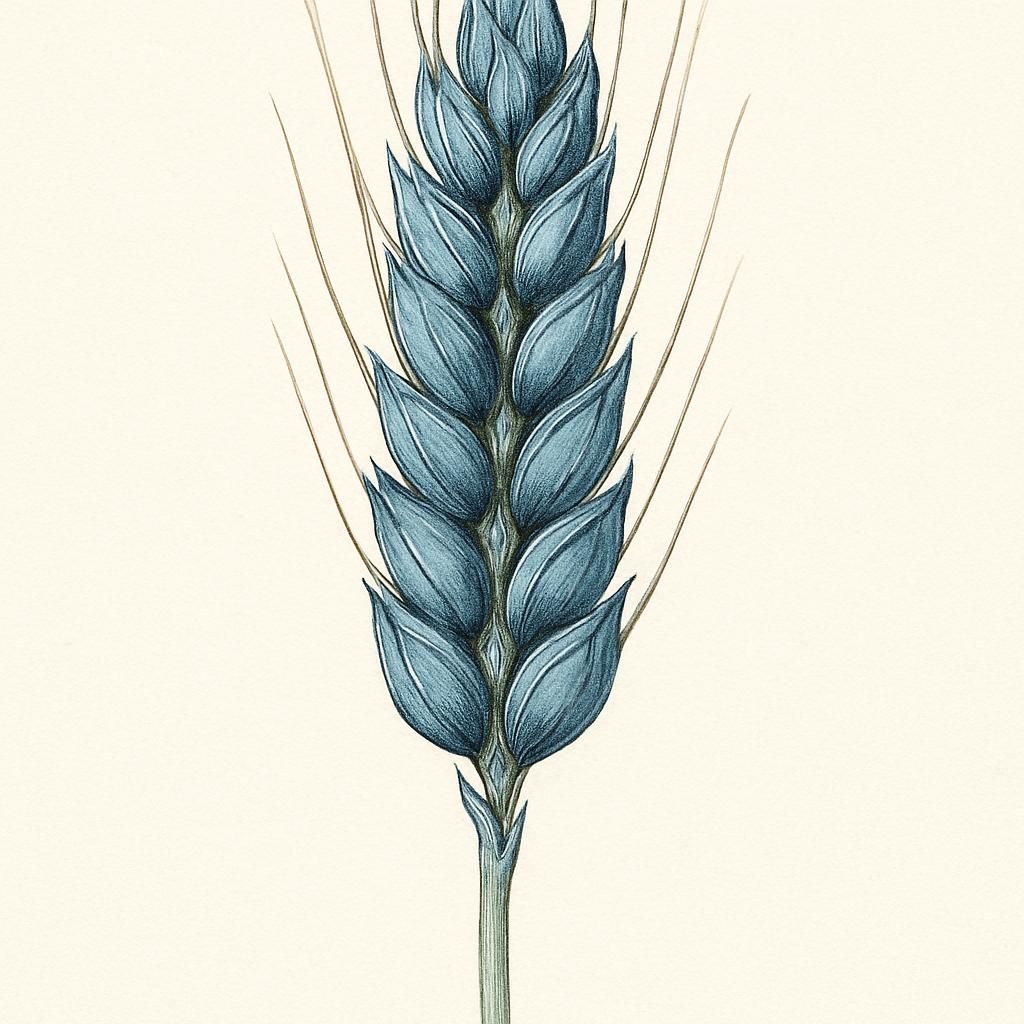
Blue Tinge Farro
Blue Tinge Farro, a type of emmer wheat, is distinguished by its distinctive bluish hue, known for its nutty flavor and chewy texture. It is a hardy grain crop that thrives in cooler climates and is commonly grown for its nutrient-rich attributes.
View Guide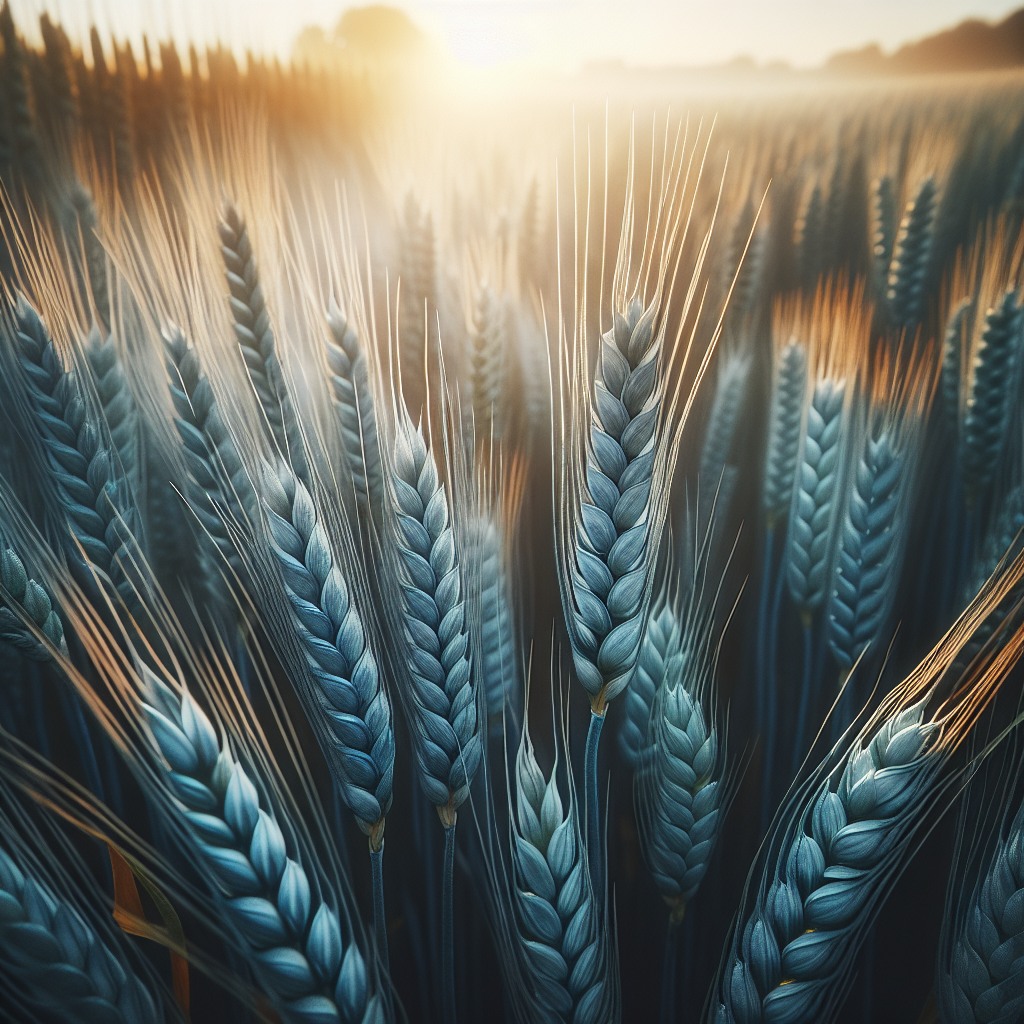
Blue Wheat
Blue wheat is a specialty bread wheat distinguished by its striking blue aleurone layer, which gives the grain a blue to slate-blue appearance while agronomically behaving much like common wheat. It is grown for niche grain markets, artisan milling, whole-grain flour, breeding work, and visual appeal, but it still requires disciplined cereal management to achieve strong yield, kernel quality, and disease control.
View Guide
Blueberry
Blueberries are long-lived, shallow-rooted, acid-loving perennial shrubs prized for their nutrient-dense fruit and high market value. Successful production depends less on routine fertilization and more on getting pH, drainage, organic matter, cultivar selection, and pollination exactly right from the start.
View Guide
Blueberry maggot
The blueberry maggot (Rhagoletis mendax) is a destructive fruit fly pest that infests blueberry crops, with larvae tunneling into ripening berries causing significant economic losses. Effective management relies on timely monitoring, sanitation, and organic-approved insecticides targeting adult flies. This guide provides comprehensive diagnostics, lifecycle details, and prevention strategies for growers.
View Profile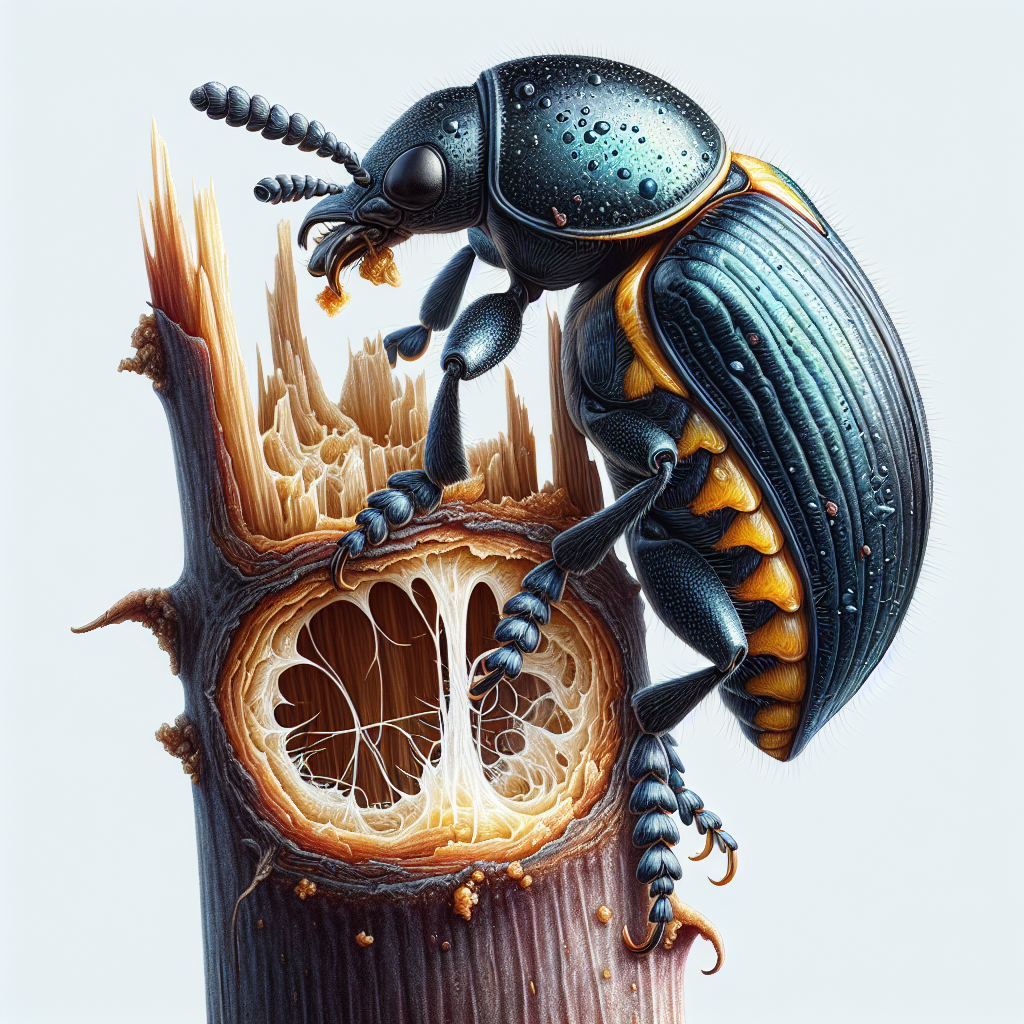
Blueberry stem borer
The blueberry stem borer (Oberea ulmi) is a wood-boring beetle that targets blueberry canes, causing girdling and dieback that can devastate yields. Adult beetles emerge in summer to lay eggs on stems, with larvae tunneling inside over winter, leading to weakened plants and reduced fruit production. Effective management combines vigilant scouting, organic insecticides, and cultural practices for long-term control.
View Profile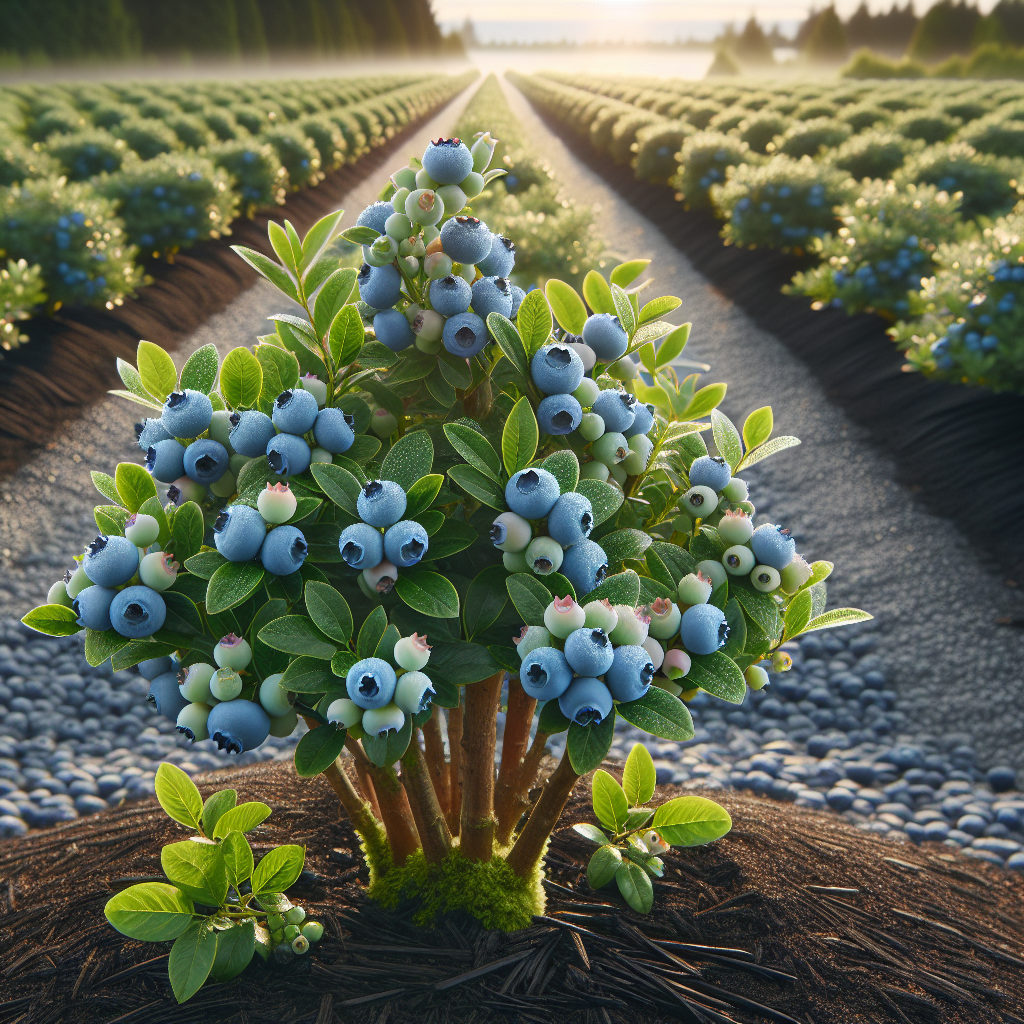
Bluecrop Blueberry
Bluecrop Blueberry is a classic northern highbush cultivar prized for its reliability, heavy midseason yields, excellent fruit quality, and broad adaptability across temperate blueberry-growing regions. It is widely planted in home gardens and commercial fields because of its strong winter hardiness, dependable cropping, and berries that balance fresh-market flavor with good processing performance.
View Guide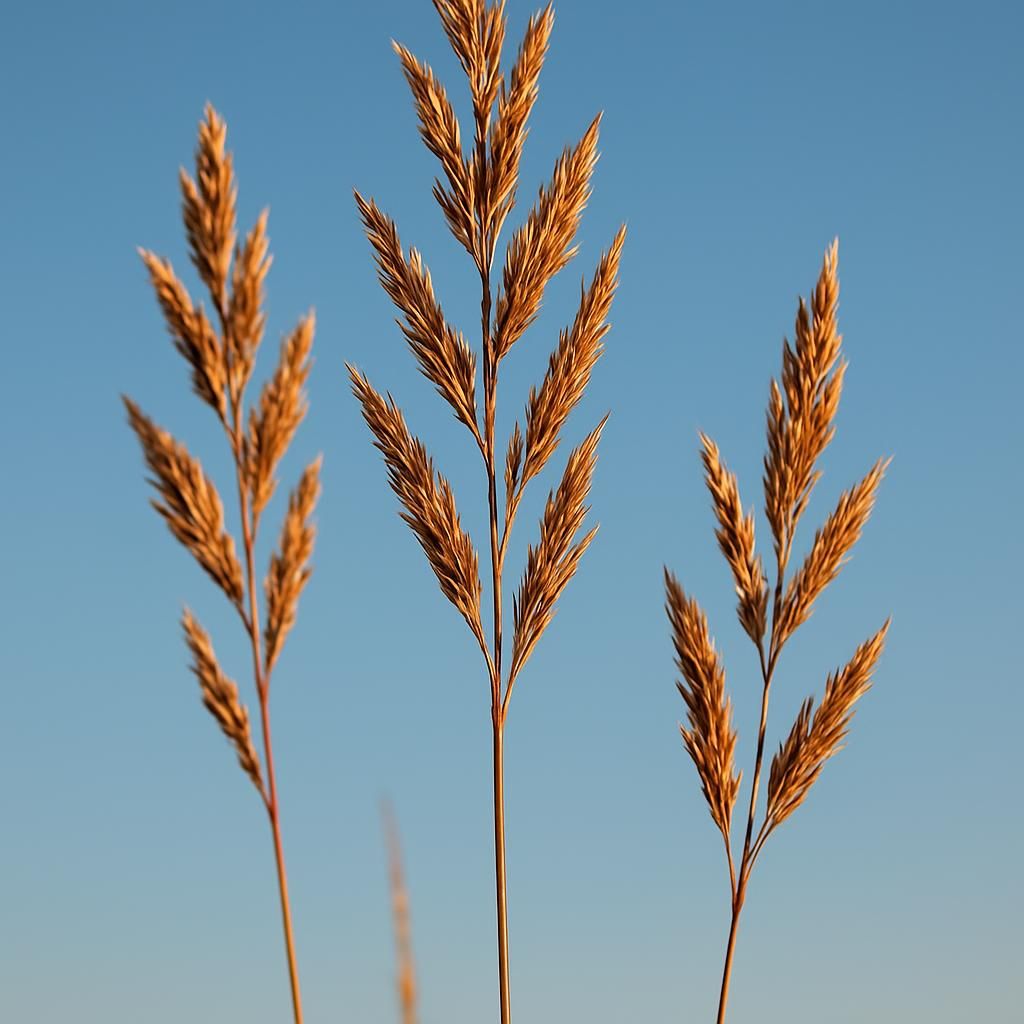
bluestem grasses
Bluestem grasses are tall, warm-season native perennials prized for forage, erosion control, wildlife habitat, and low-input landscaping. Their deep root systems improve soil health while providing durable biomass for hay, pasture, and conservation plantings.
View Guide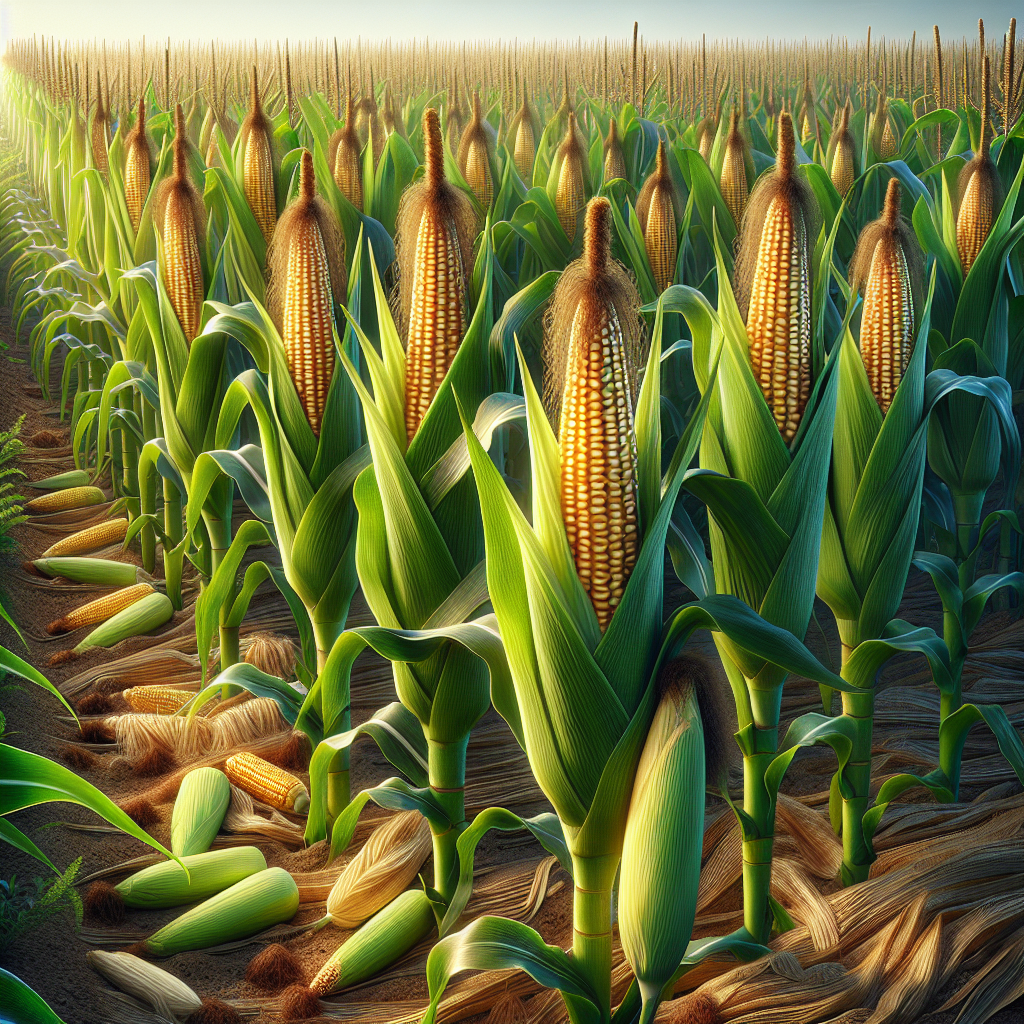
Bodacious Sweet Corn
Bodacious Sweet Corn is a widely grown yellow sweet corn cultivar prized for large ears, strong sweetness, tender kernels, and dependable garden and market performance. It is typically considered a sugary enhanced type, offering a useful balance between classic sweet corn flavor, good eating quality, and better holding ability on the stalk than many older standard cultivars.
View Guide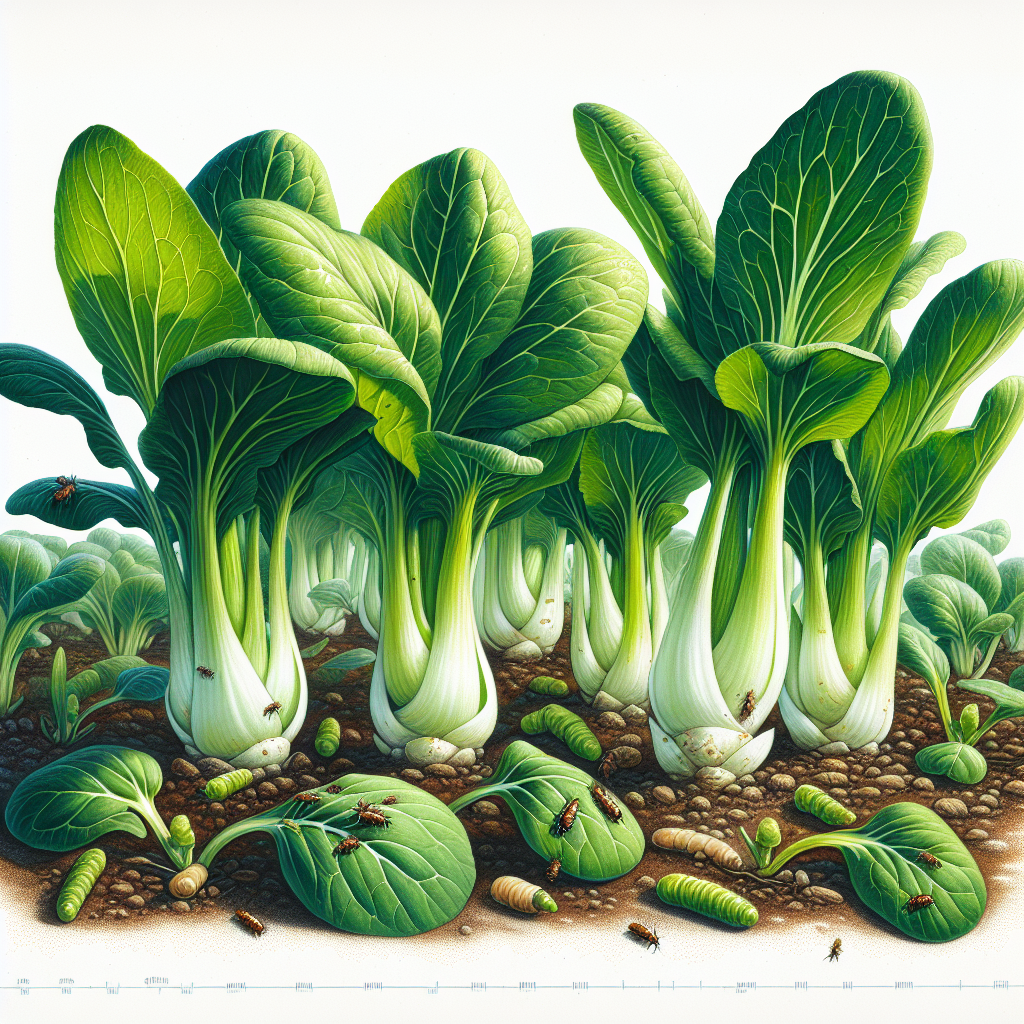
bok choy
Bok choy, a popular leafy green in the Brassica family, is highly susceptible to a range of pests and diseases that can devastate crops if not managed properly. This guide provides definitive diagnostics for symptoms, lifecycle insights, organic control strategies, and prevention tactics to protect your harvest. Learn to identify damage early and implement effective treatments for thriving bok choy production.
View Guide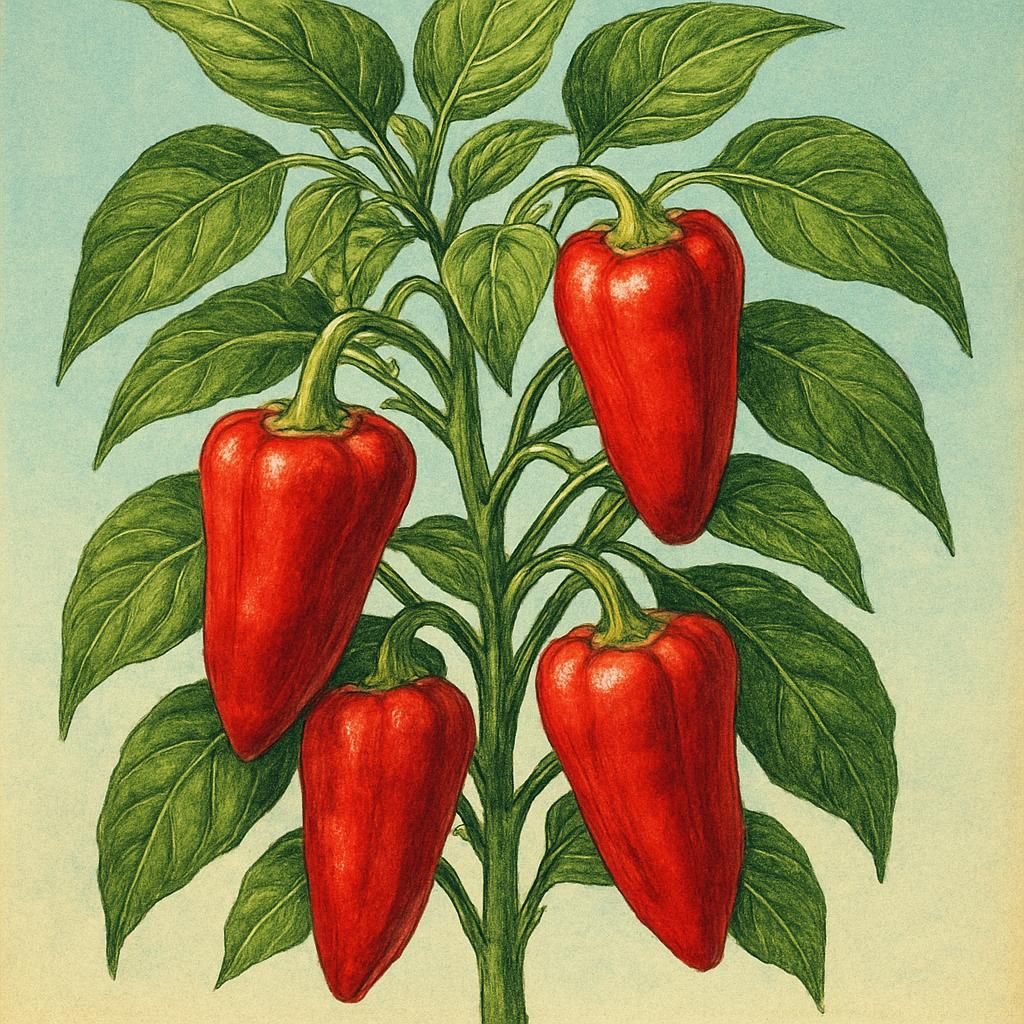
Boldog Paprika
Boldog Paprika, originating from Hungary, is known for its sweet, rich flavor and vibrant red color. It's versatile in culinary uses and relatively easy to cultivate with the right conditions.
View Guide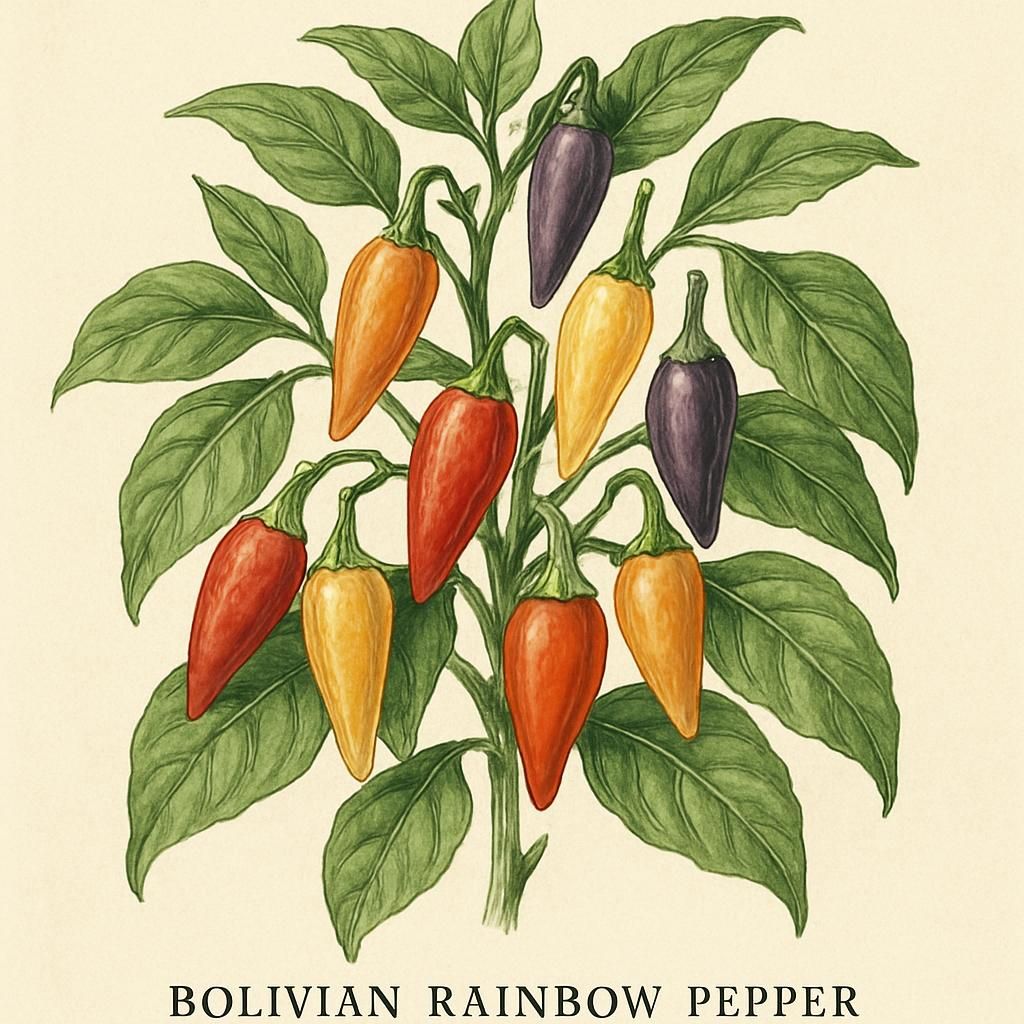
Bolivian Rainbow Pepper
The Bolivian Rainbow Pepper is an ornamental chili pepper that is known for its vibrant, multicolored fruits and moderate heat level. It is ideal for both culinary and decorative uses, thriving in warm climates with well-draining soil.
View Guide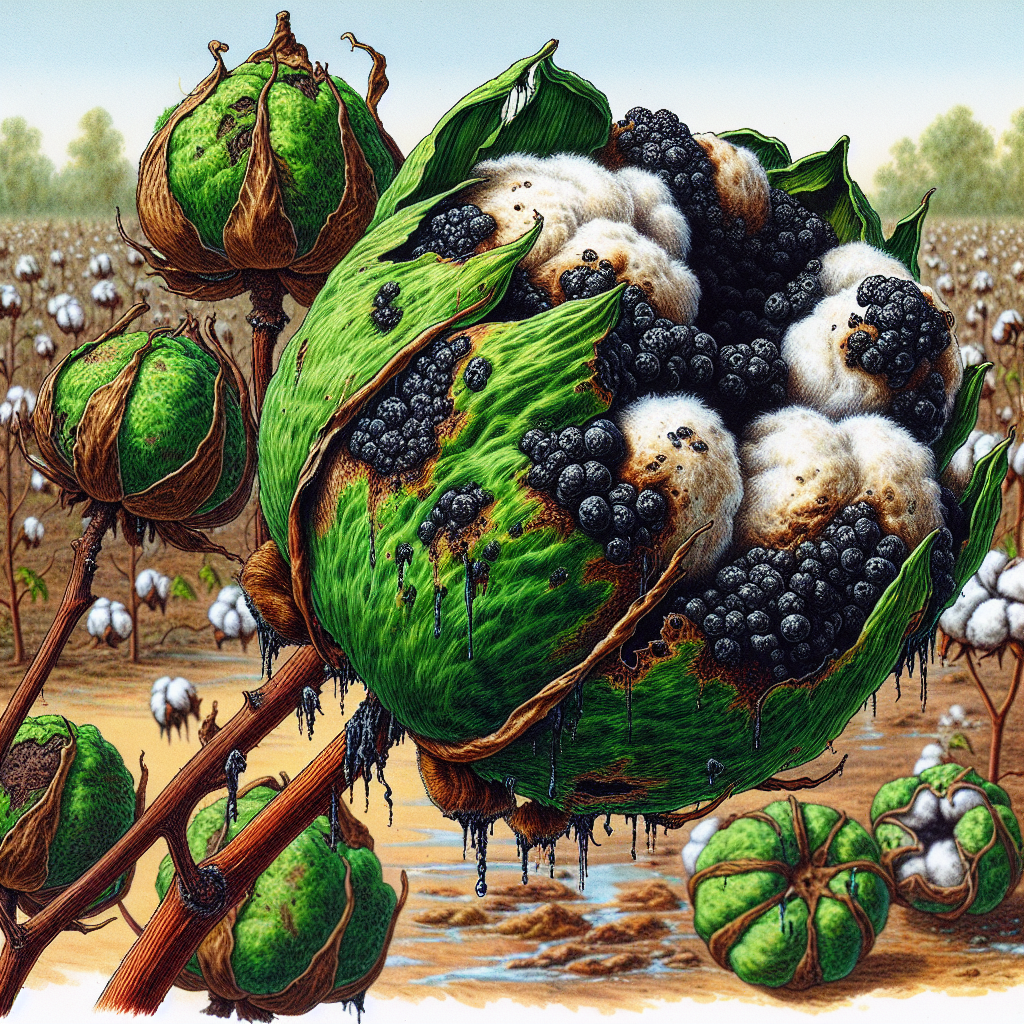
Boll rot
Boll rot is a devastating fungal disease primarily affecting cotton crops, causing the decay of developing bolls and leading to significant yield losses. Caused by pathogens like Phytophthora and Diplodia, it thrives in warm, wet conditions, turning healthy bolls into soft, rotted masses filled with fungal growth. Effective management relies on cultural practices, resistant varieties, and timely fungicide applications to protect fiber quality and harvest volumes.
View Profile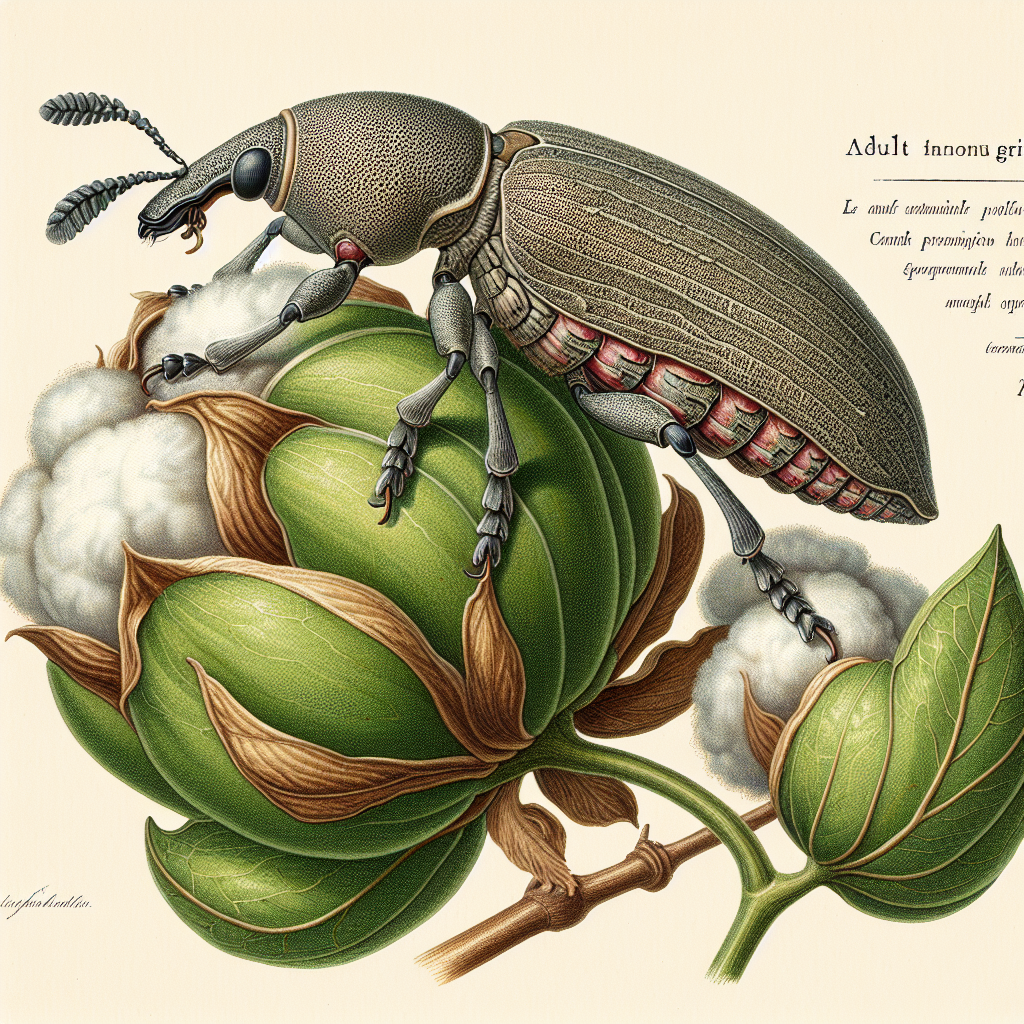
Boll weevils
Boll weevils are destructive beetles notorious for devastating cotton crops by boring into bolls and feeding on developing fibers. This guide provides comprehensive diagnostics, lifecycle insights, organic management strategies, and prevention tips for farmers. Effective control combines monitoring, cultural practices, and biological agents to minimize losses.
View Profile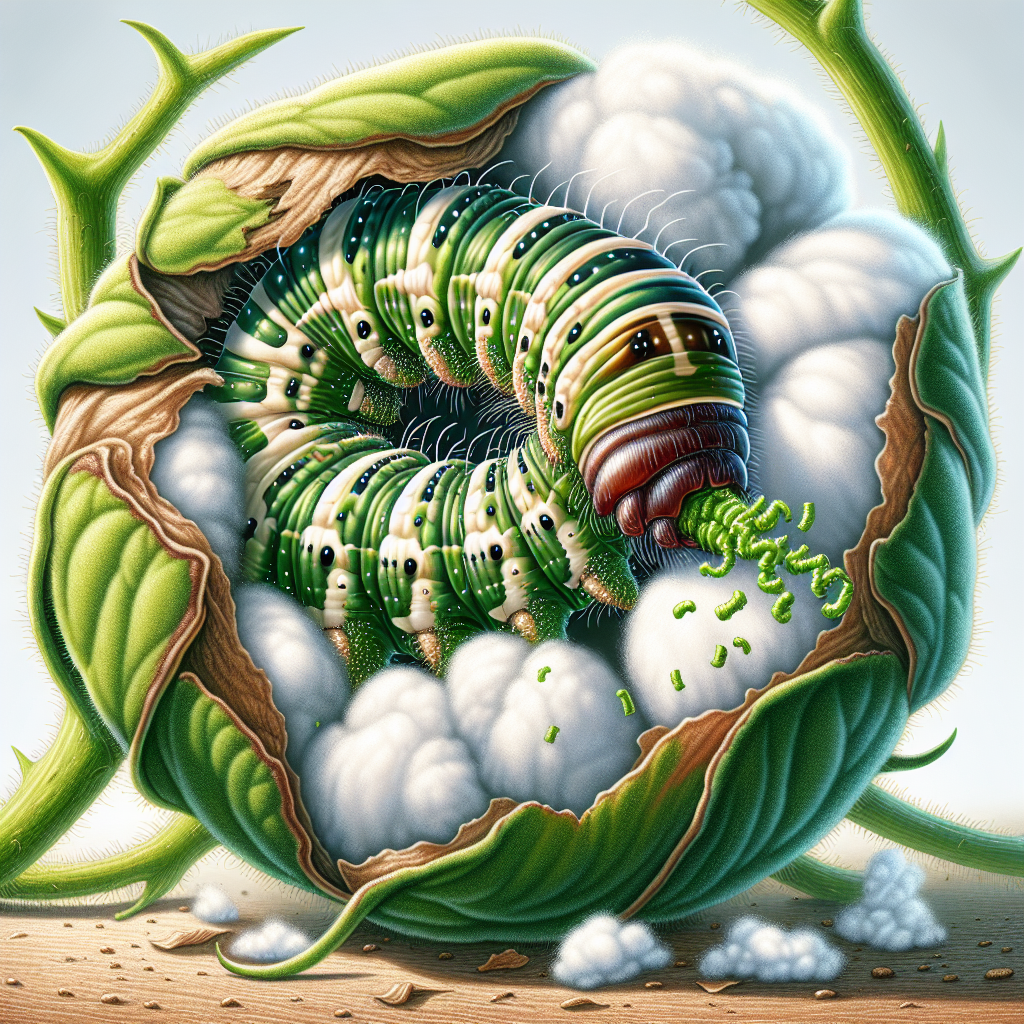
Bollworms
Bollworms are destructive moth larvae that bore into fruits, bolls, and ears of key crops like cotton, corn, and tomatoes, causing massive yield losses worldwide. This guide provides comprehensive diagnostics, lifecycle insights, organic management strategies, and prevention tactics for farmers facing infestations. Effective control combines monitoring, biological agents, and cultural practices to minimize damage sustainably.
View Profile