Encyclopedia
Definitive guides for crops, pests, and agricultural diseases.
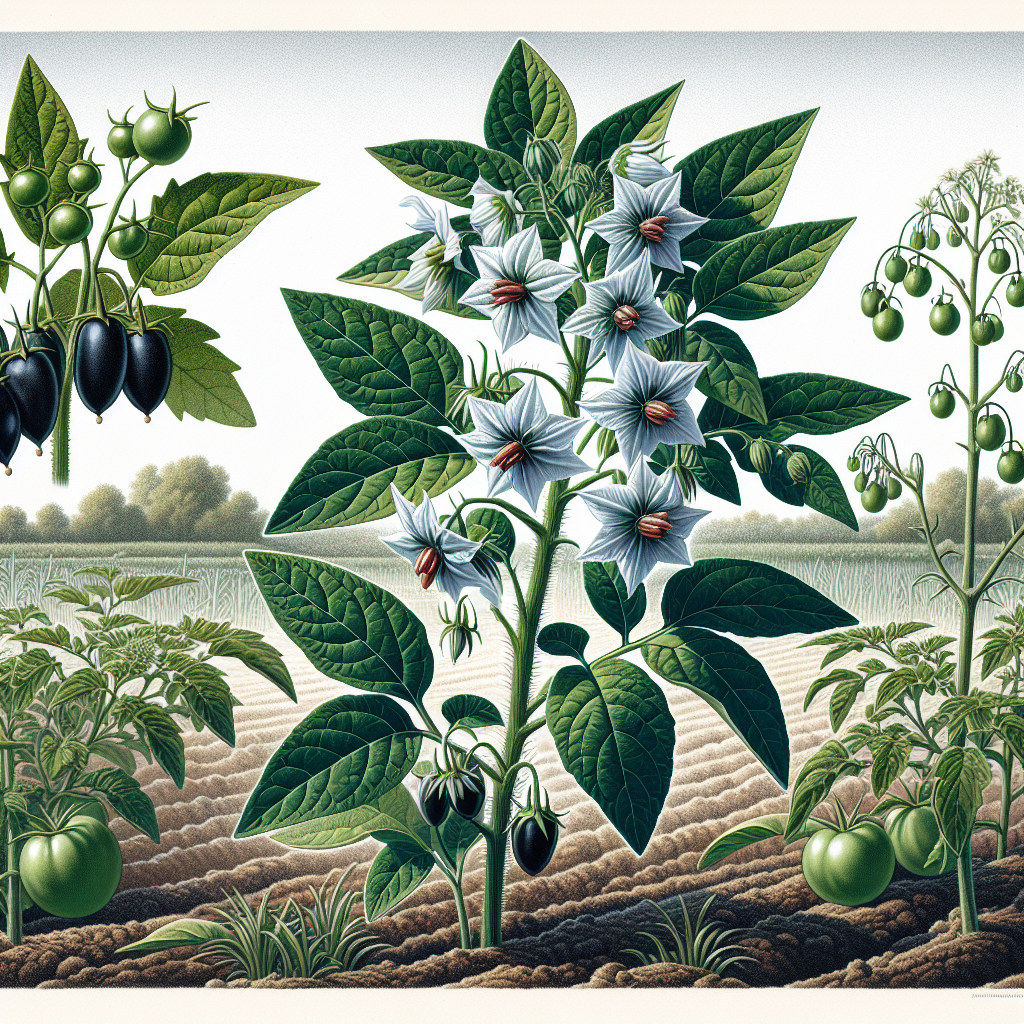
black nightshade
Black nightshade (Solanum nigrum) is a highly invasive annual weed that competes aggressively with crops for nutrients, water, and light, reducing yields significantly in vegetable and row crop fields. Its toxic berries and rapid reproduction via seeds and roots make it a persistent challenge for farmers. This guide provides comprehensive diagnostics, organic management strategies, and prevention tactics to control black nightshade effectively.
View Guide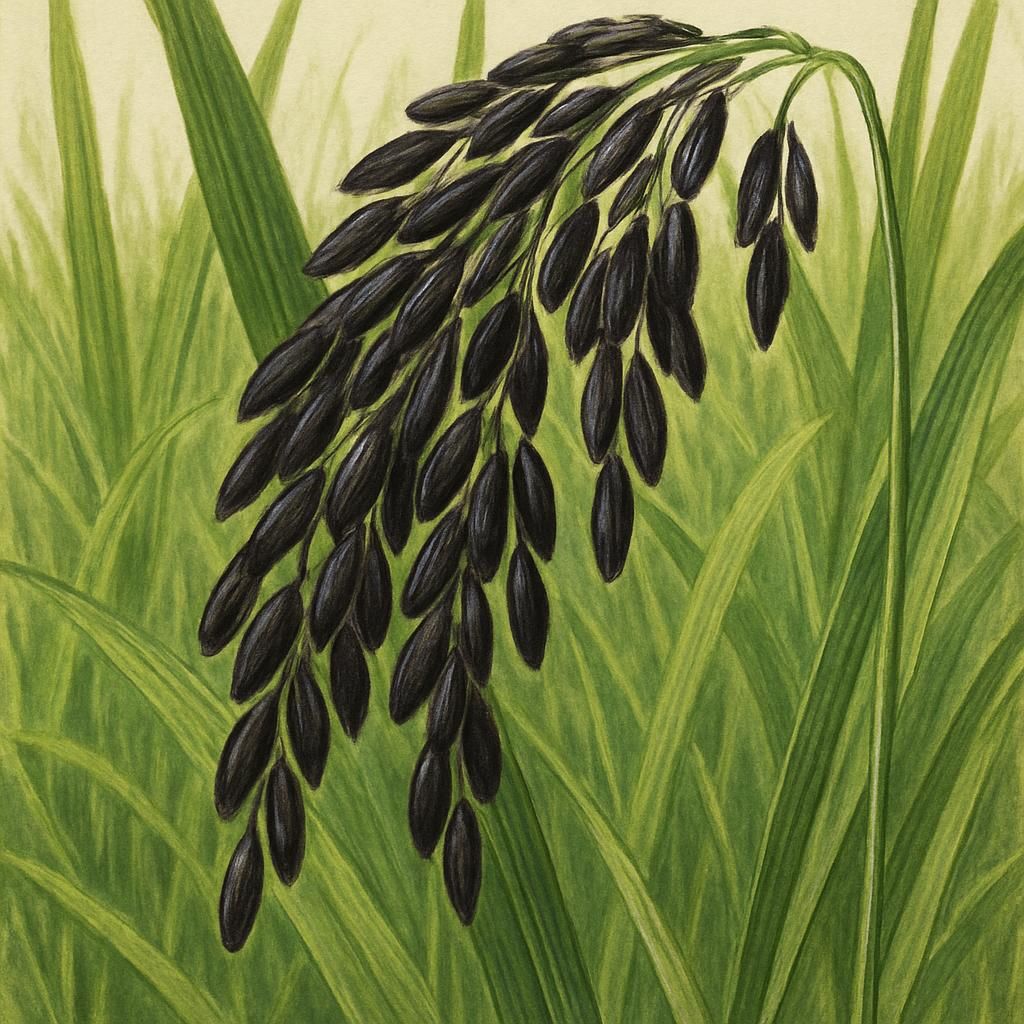
Black Nunia Rice
Black Nunia Rice is a traditional variety renowned for its deep black grains and rich nutritional values. Known for its antioxidant properties, it thrives in tropical climates and is a staple in many Asian cuisines.
View Guide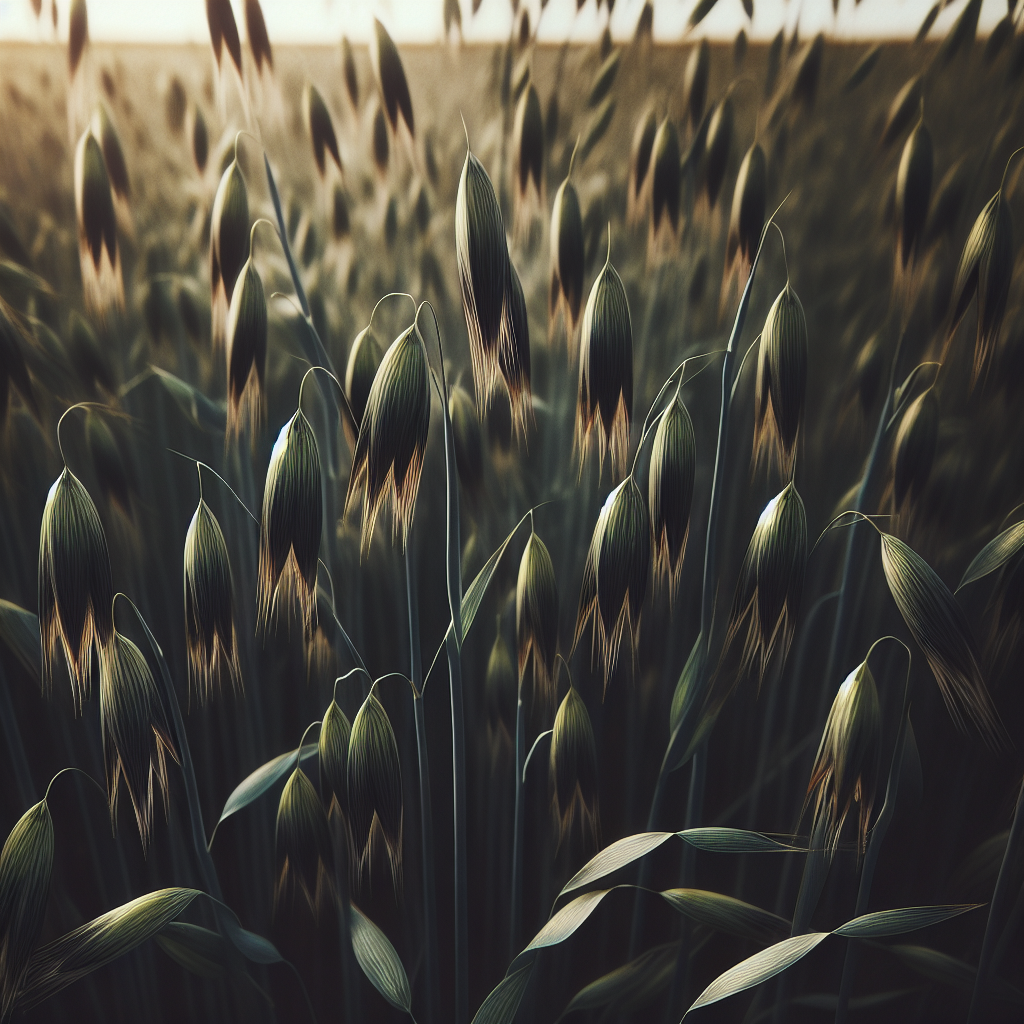
Black Oats
Black oats are a fast-establishing cool-season cereal grass grown for forage, cover cropping, grazing, silage, and grain in suitable climates. Valued for vigorous root systems, strong weed suppression, and resilience on lower-fertility soils, they are especially useful in regenerative rotations and mixed crop-livestock systems.
View Guide
Black Oil Sunflower
Black oil sunflower is a fast-growing oilseed type of annual sunflower valued for its high-oil, thin-hulled seeds, strong wildlife appeal, and reliable performance in field edges, gardens, and diversified farms. Compared with large striped confectionary sunflowers, it typically produces smaller, darker seeds with excellent bird-feed quality and strong adaptability across temperate growing regions.
View Guide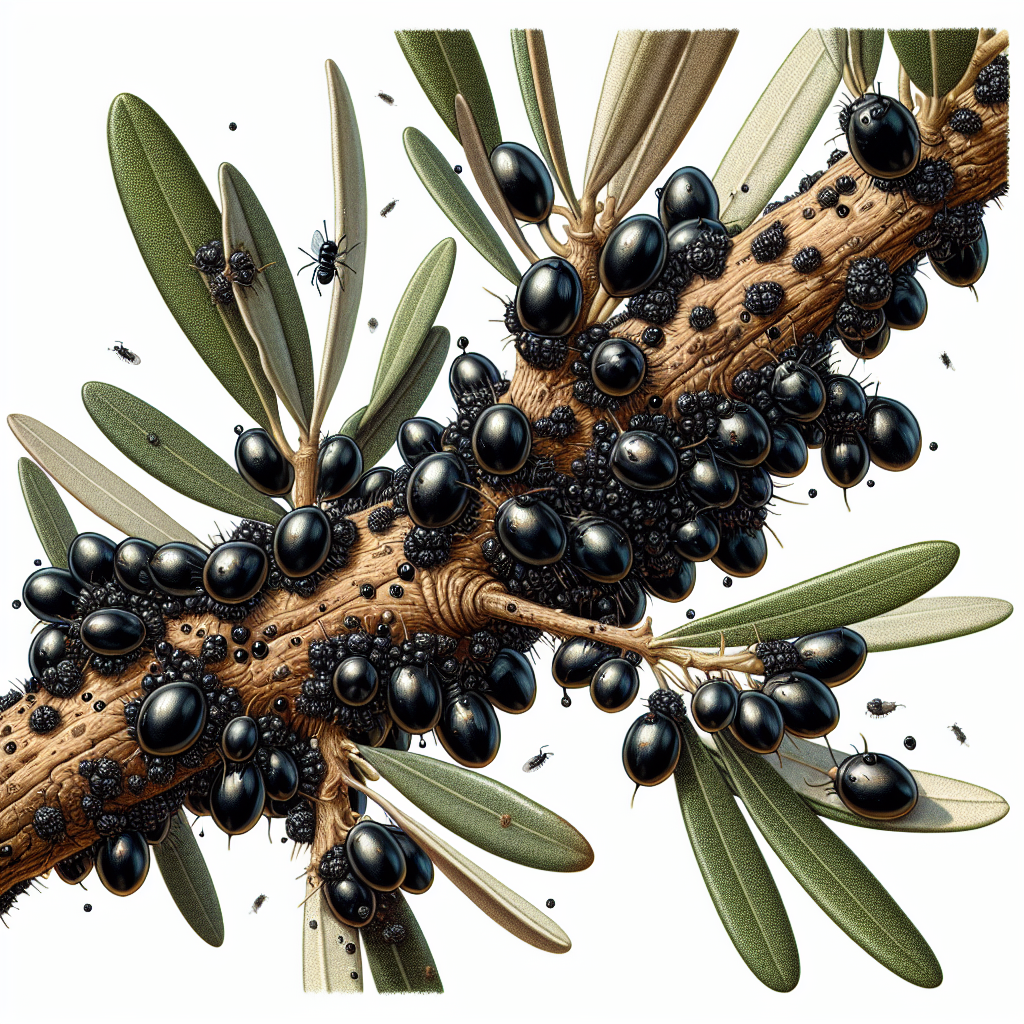
Black olive scale
Black olive scale (Saissetia oleae) is a notorious armored scale insect that infests olive trees, sucking sap and causing severe defoliation, branch dieback, and reduced yields. This pest produces abundant honeydew that promotes sooty mold, further damaging tree health and aesthetics. Effective management combines cultural practices, biological controls, and targeted organic treatments for sustainable olive orchard protection.
View Profile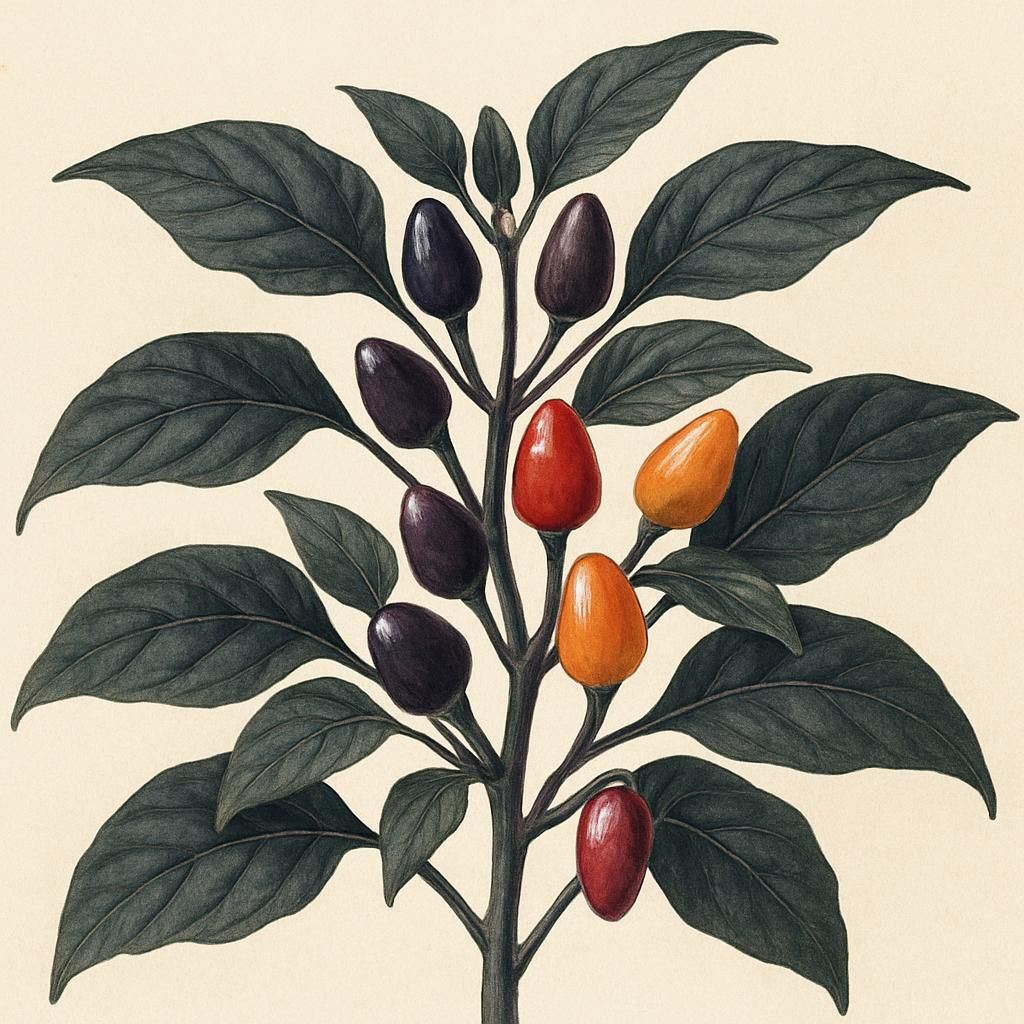
Black Pearl Pepper
The Black Pearl Pepper, known for its striking black foliage and spicy fruit, offers ornamental beauty and culinary heat. This compact plant thrives in warm climates and is a favorite among gardeners for its dual-purpose appeal.
View Guide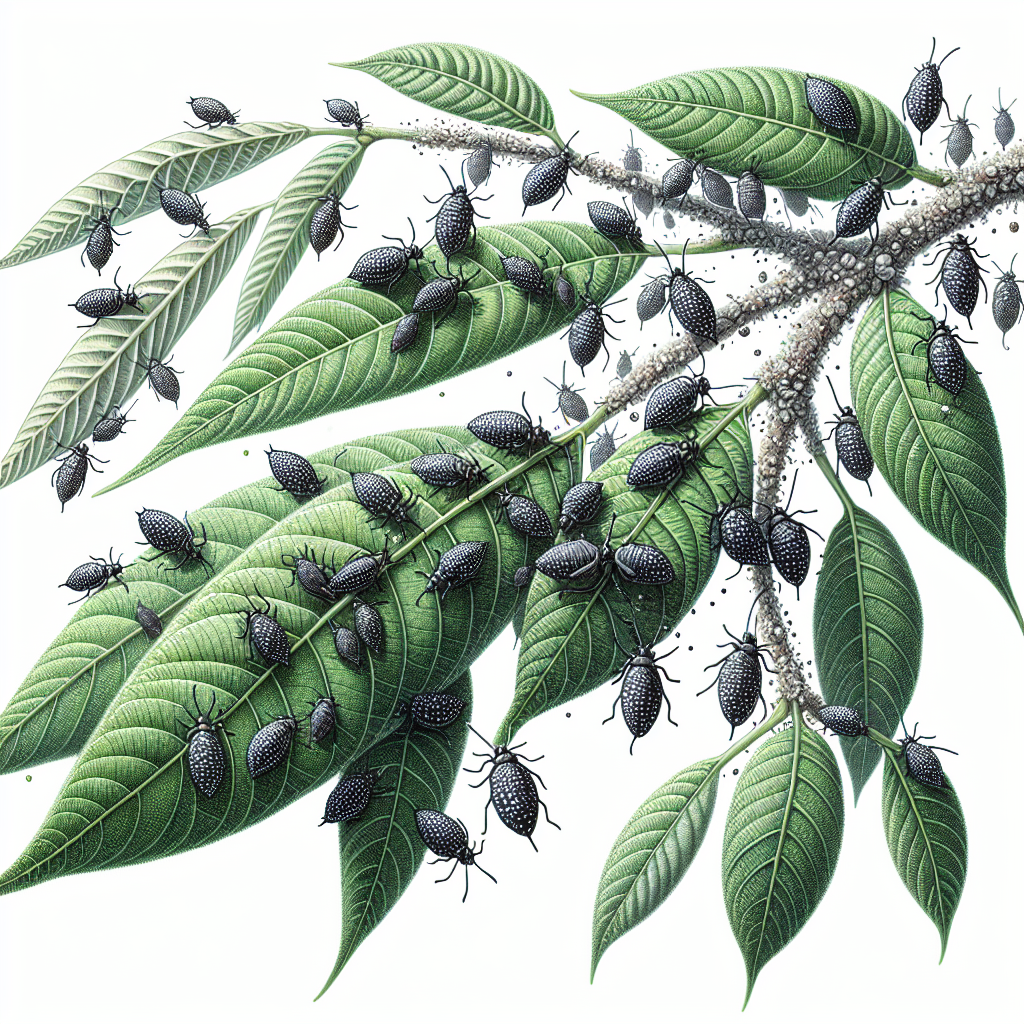
Black pecan aphids
Black pecan aphids (Melanocallis caryaefoliae) are small, dark-colored sap-sucking insects that target pecan trees, causing leaf curl, sooty mold, and reduced nut production. This guide provides comprehensive diagnostics, lifecycle insights, organic management strategies, and prevention tips for pecan growers. Effective control relies on early detection, natural predators, and cultural practices to minimize economic losses in orchards.
View Profile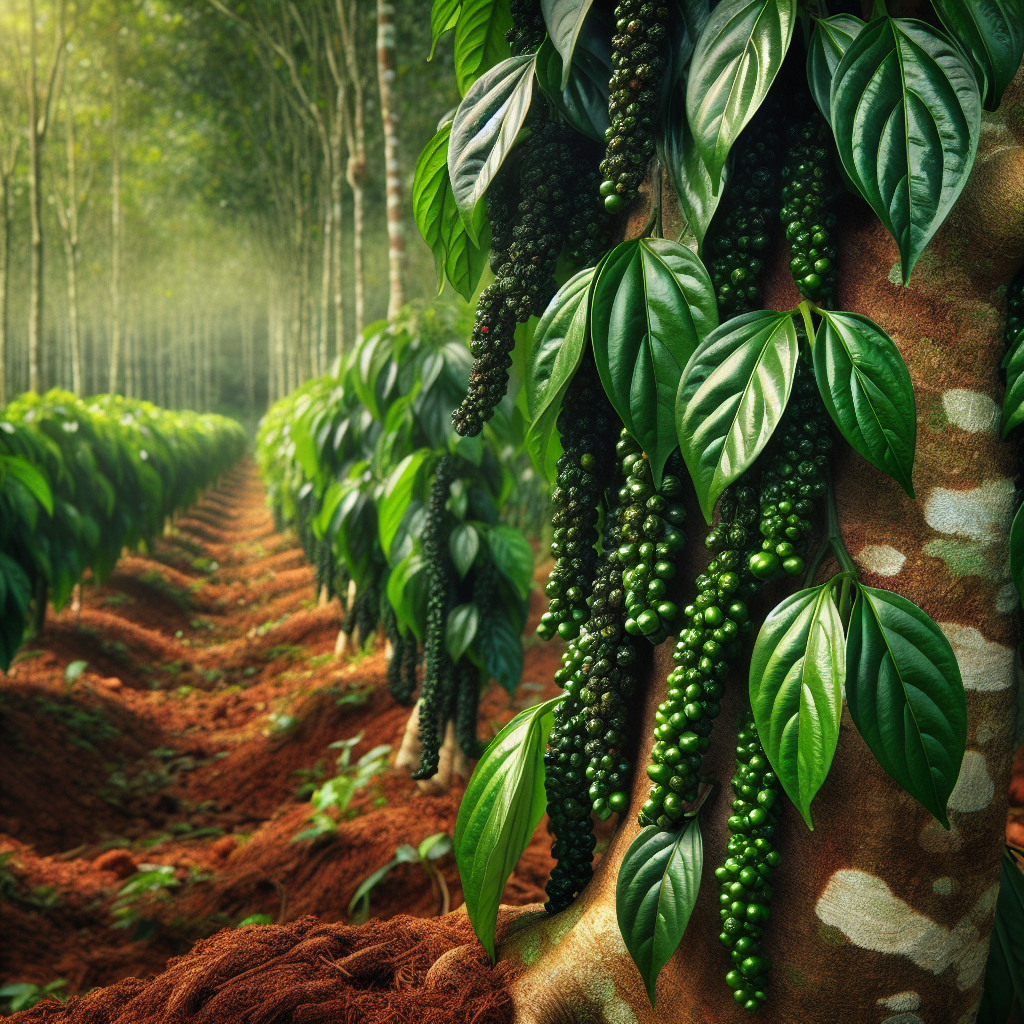
Black Pepper
Black pepper is a perennial tropical climbing vine prized for its pungent dried berries, known as peppercorns. Successful production depends on warm humid conditions, filtered light, rich well-drained soil, sturdy live or dead supports, and careful moisture management to prevent root disease while sustaining vigorous vine growth and heavy spike formation.
View Guide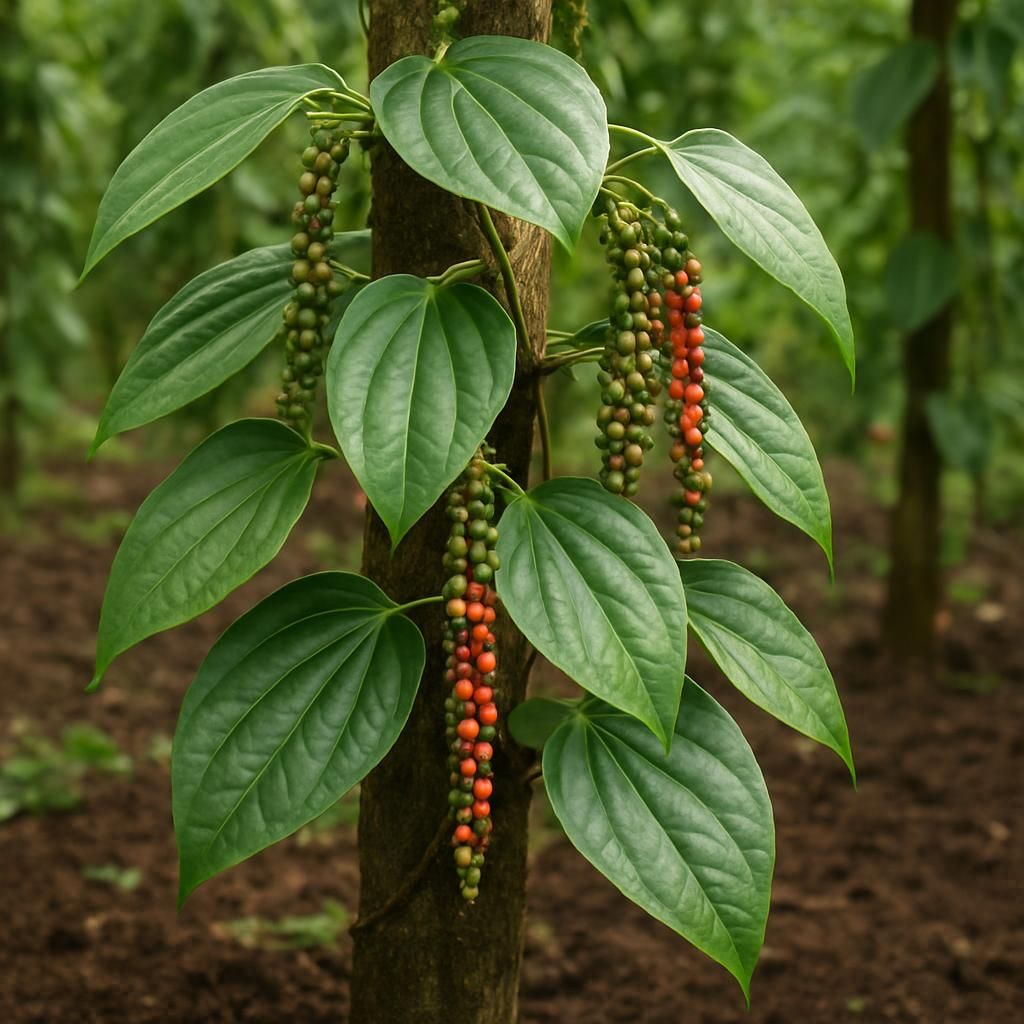
Black Pepper (Lampong)
Lampong black pepper is a premium, high-piperine cultivar originating from Lampung province, Indonesia, prized for its bold flavor and high essential oil content. This climbing vine requires tropical conditions, shade support, and careful management to produce premium peppercorns over a 20+ year lifespan.
View Guide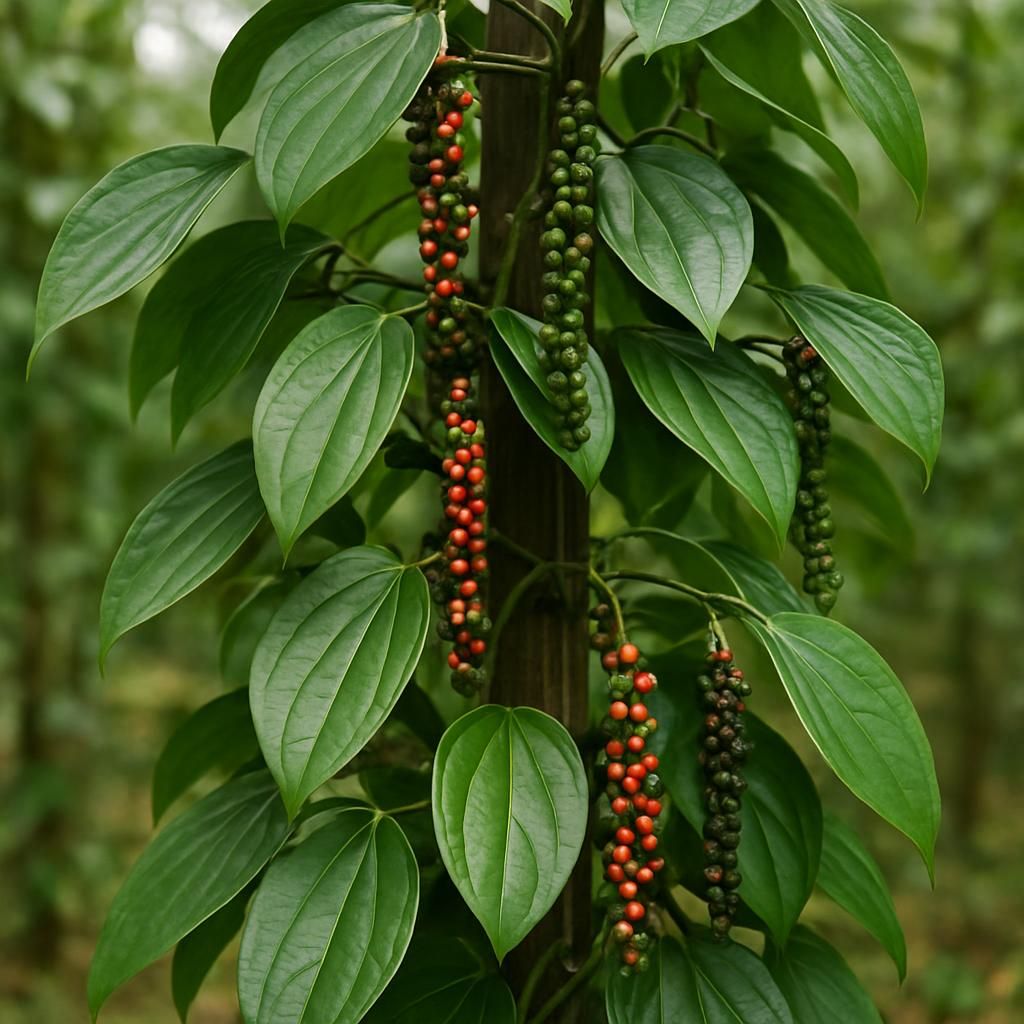
Black Pepper (Malabar)
Black Pepper (Malabar) is a premium perennial vine crop native to the Malabar Coast of India, producing the world's most traded spice from its dried berries. This comprehensive guide covers professional cultivation techniques for optimal yield and quality in tropical and subtropical regions.
View Guide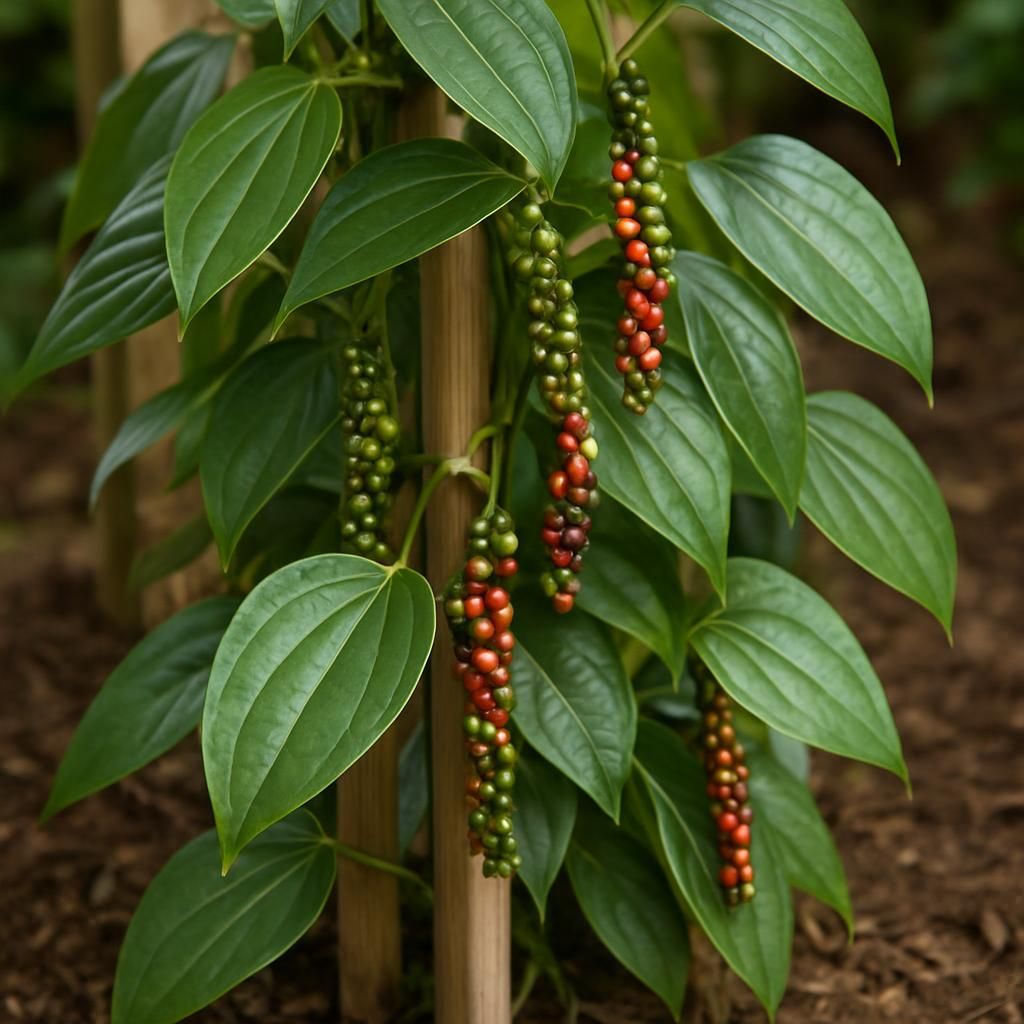
Black Pepper (Sarawak)
Black Pepper (Sarawak) is a premium tropical vine prized for its large, aromatic berries that produce high-quality black, white, and green peppercorns. This guide delivers professional-grade advice on soil, climate, propagation, care schedules, organic pest control, harvesting, and companion planting for optimal commercial or home-garden yields.
View Guide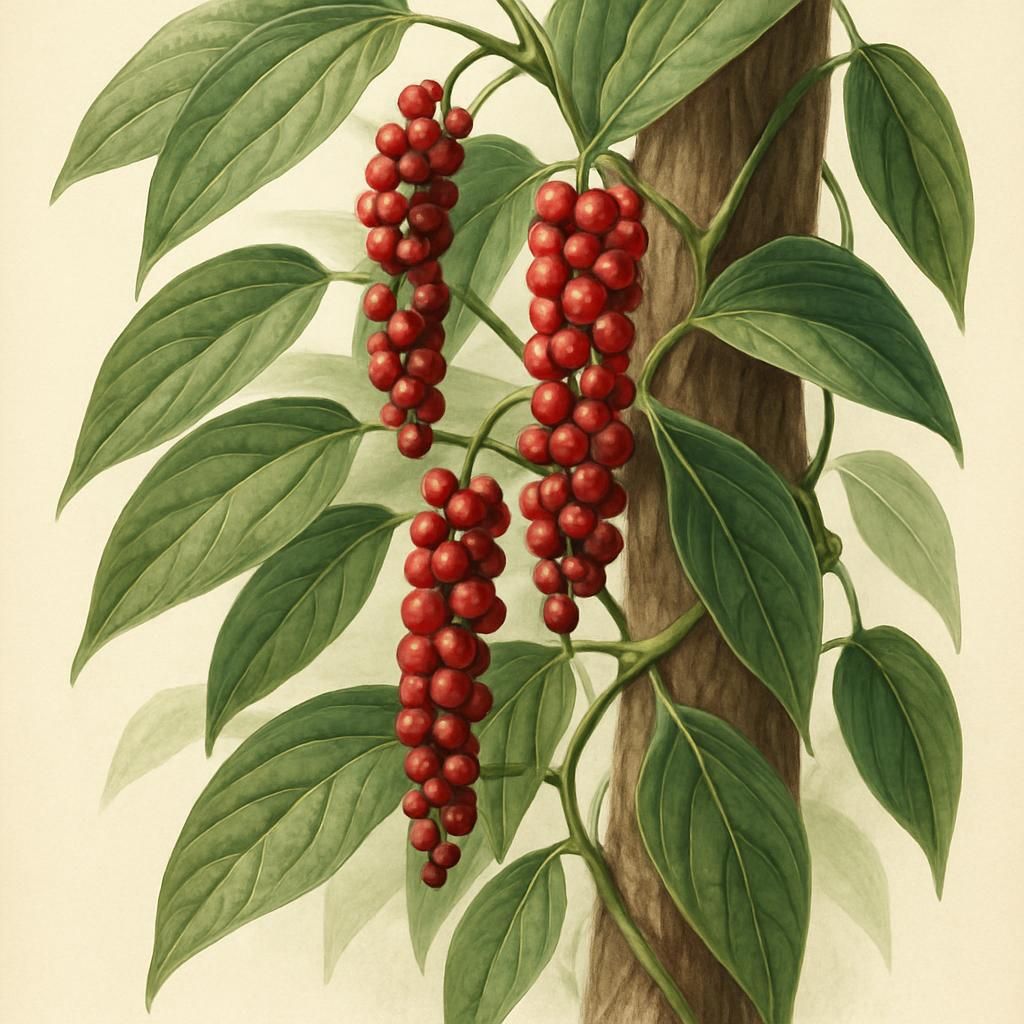
Black Pepper (Tellicherry)
Tellicherry Black Pepper is a premium cultivar of Piper nigrum prized for its large, aromatic berries that deliver bold flavor and superior essential oil content. This tropical perennial vine requires specific climate, soil, and support structures to achieve commercial-grade yields.
View Guide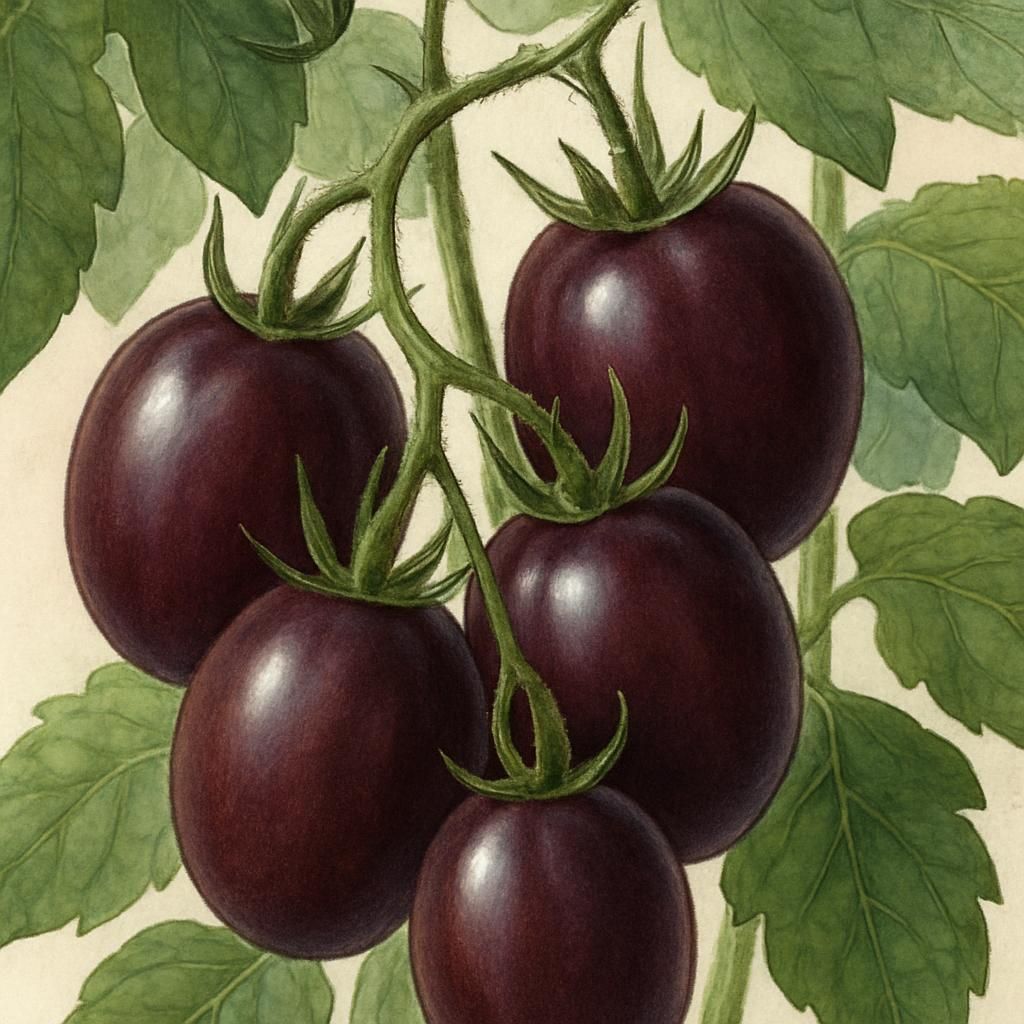
Black Plum Tomato
Black Plum Tomato is an indeterminate, paste-type heirloom prized for its deep mahogany-purple fruit, rich umami flavor, and exceptional performance in both fresh and cooked applications. This guide delivers professional-grade advice on soil, planting, care, organic pest management, harvesting, and companion planting for reliable, high-quality yields.
View Guide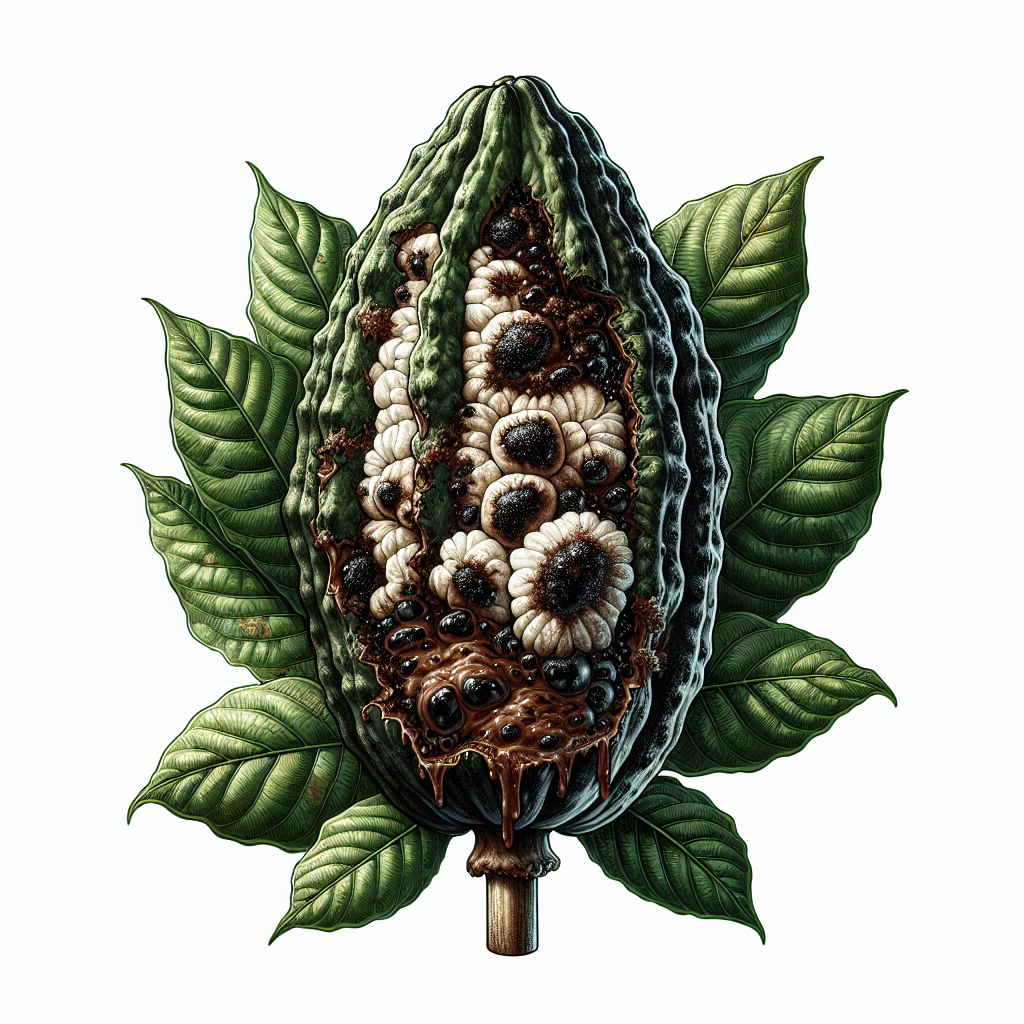
black pod
Black pod is a devastating fungal disease primarily affecting cacao crops, caused by Phytophthora species, leading to pod rot and massive yield losses. Early identification of dark lesions and proper management through sanitation and organic fungicides can mitigate its spread. This guide provides comprehensive diagnostics, organic treatments, and prevention strategies for farmers.
View Profile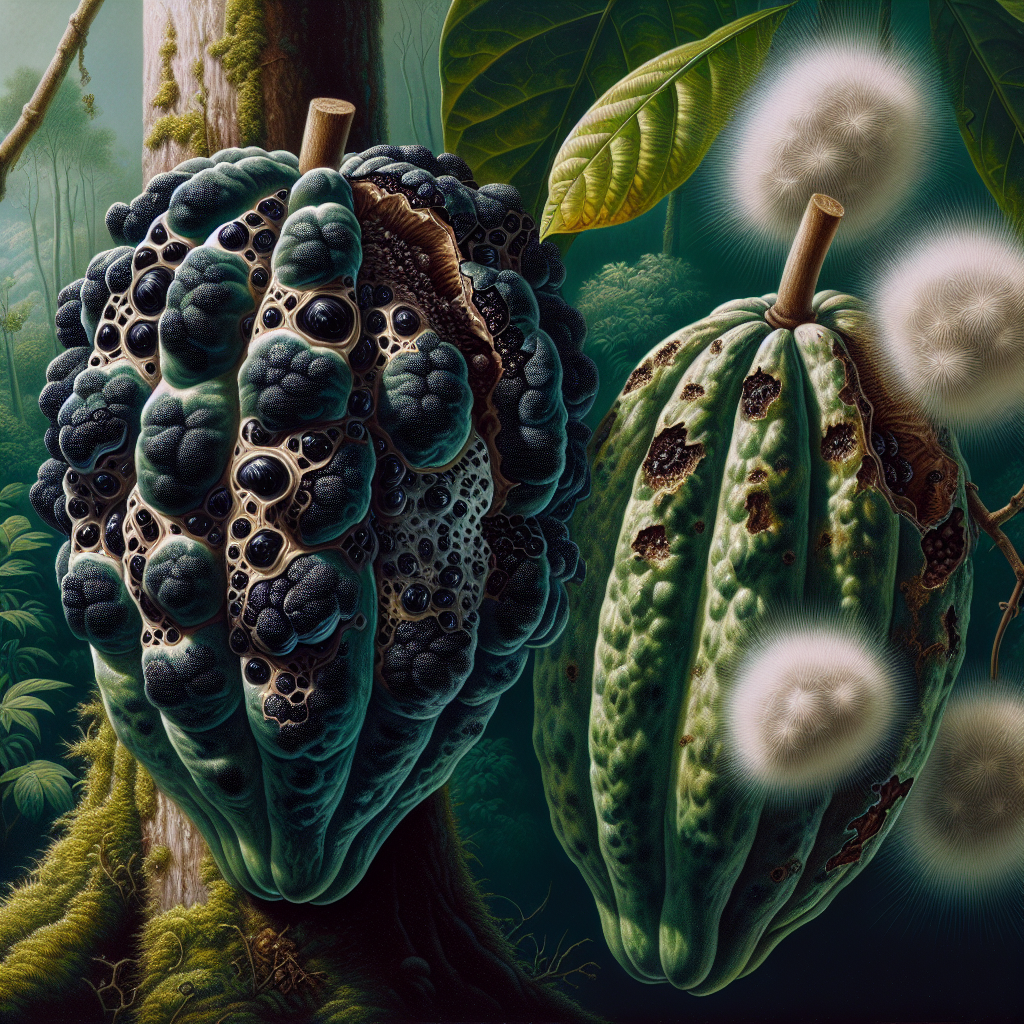
Black pod disease
Black pod disease is a devastating fungal infection primarily affecting cacao trees, caused by Phytophthora species, leading to black lesions on pods and significant yield losses. Early identification of dark spots progressing to pod rot is crucial for management. Organic control relies on cultural practices, resistant varieties, and biocontrol agents to minimize spread in humid tropical environments.
View Profile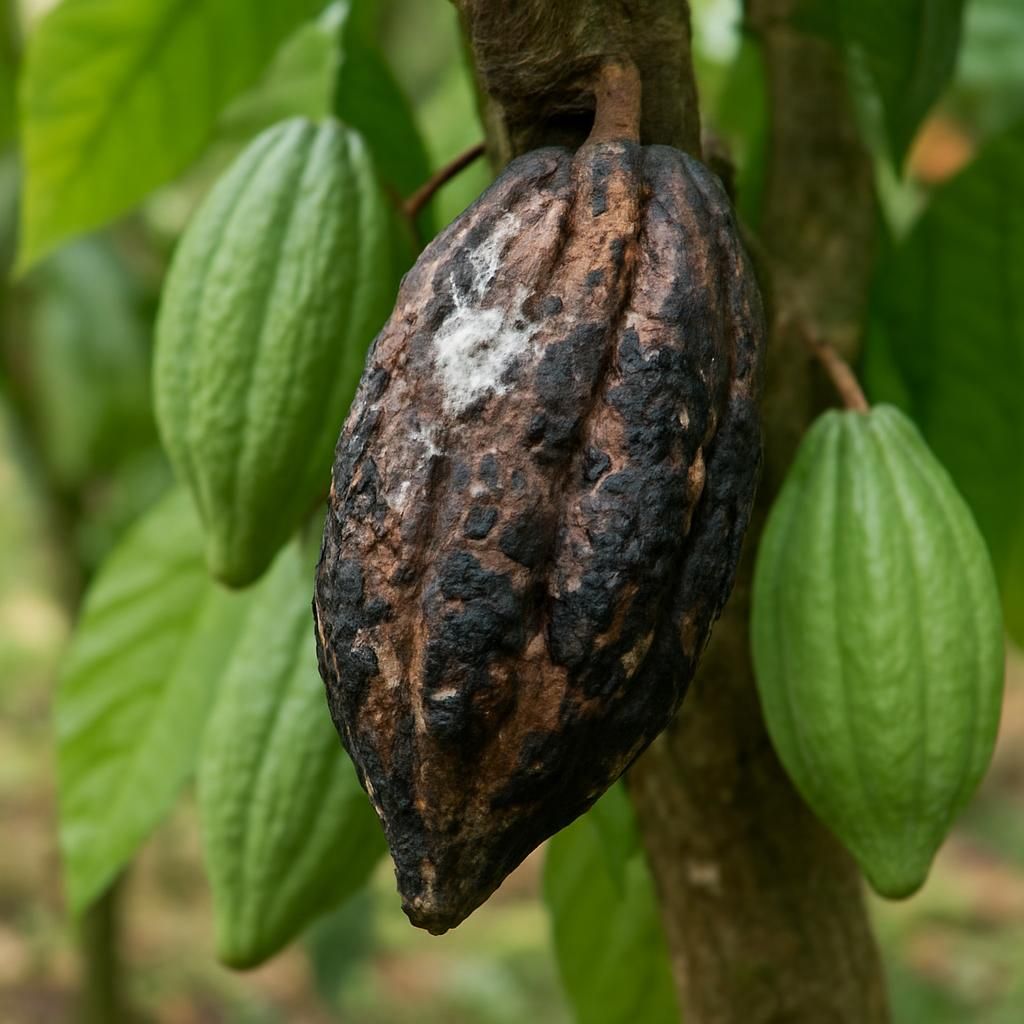
Black pod rot
Black pod rot is a destructive fungal disease primarily affecting cacao but also impacting several tropical crops. Caused by Phytophthora species, it leads to pod decay, yield loss, and tree decline in humid environments. Effective management combines cultural practices, resistant varieties, and targeted treatments.
View Profile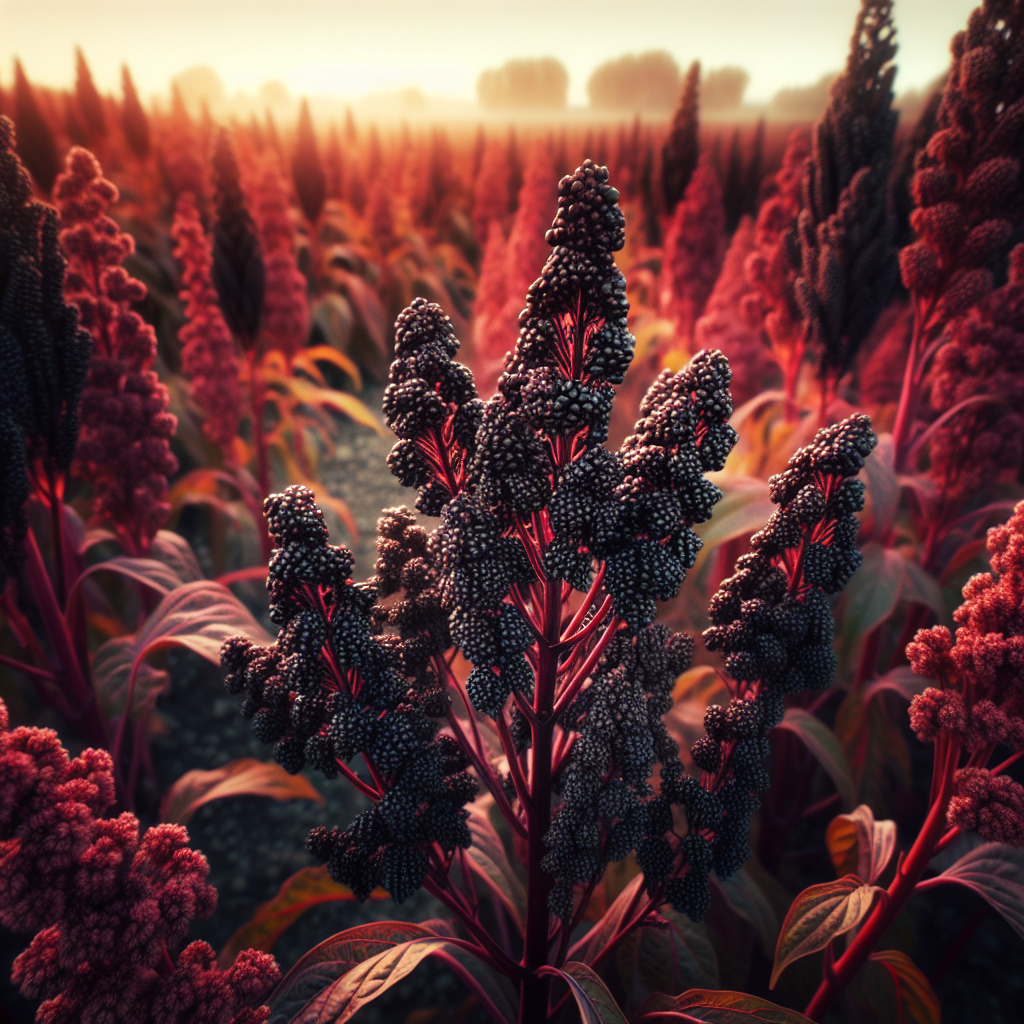
Black Quinoa
Black quinoa is a dark-seeded form of quinoa valued for its earthy flavor, firm texture, and excellent nutritional profile. It is a cool-season, broadleaf pseudo-cereal adapted to dry conditions, but it demands careful timing, drainage, and weed control to produce clean, high-quality grain.
View Guide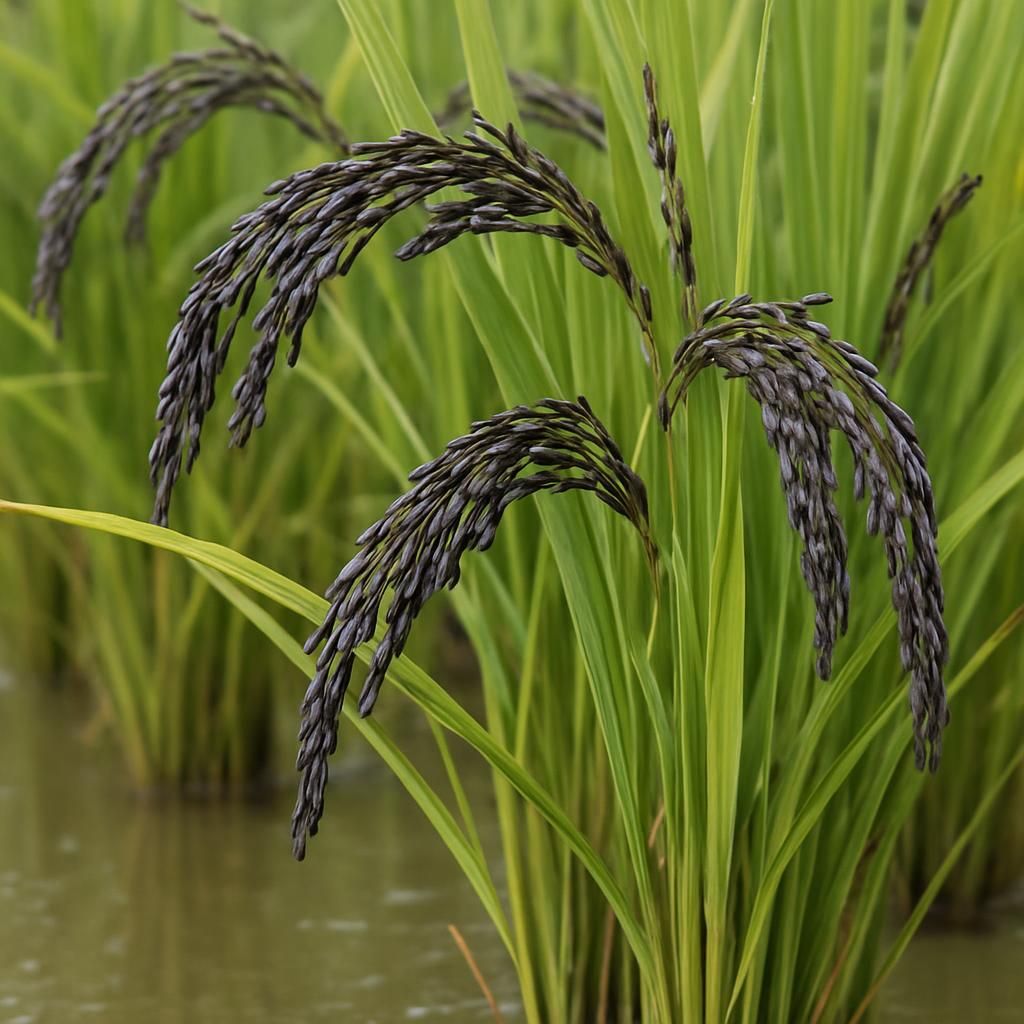
Black Rice (Forbidden Rice - Zizania)
Black Rice, also known as Forbidden Rice, is a nutrient-rich grain known for its distinctive purplish-black color and nutty flavor. It is grown in specific conditions that require careful management of soil pH, water, and pest control measures, making it a unique but rewarding crop.
View Guide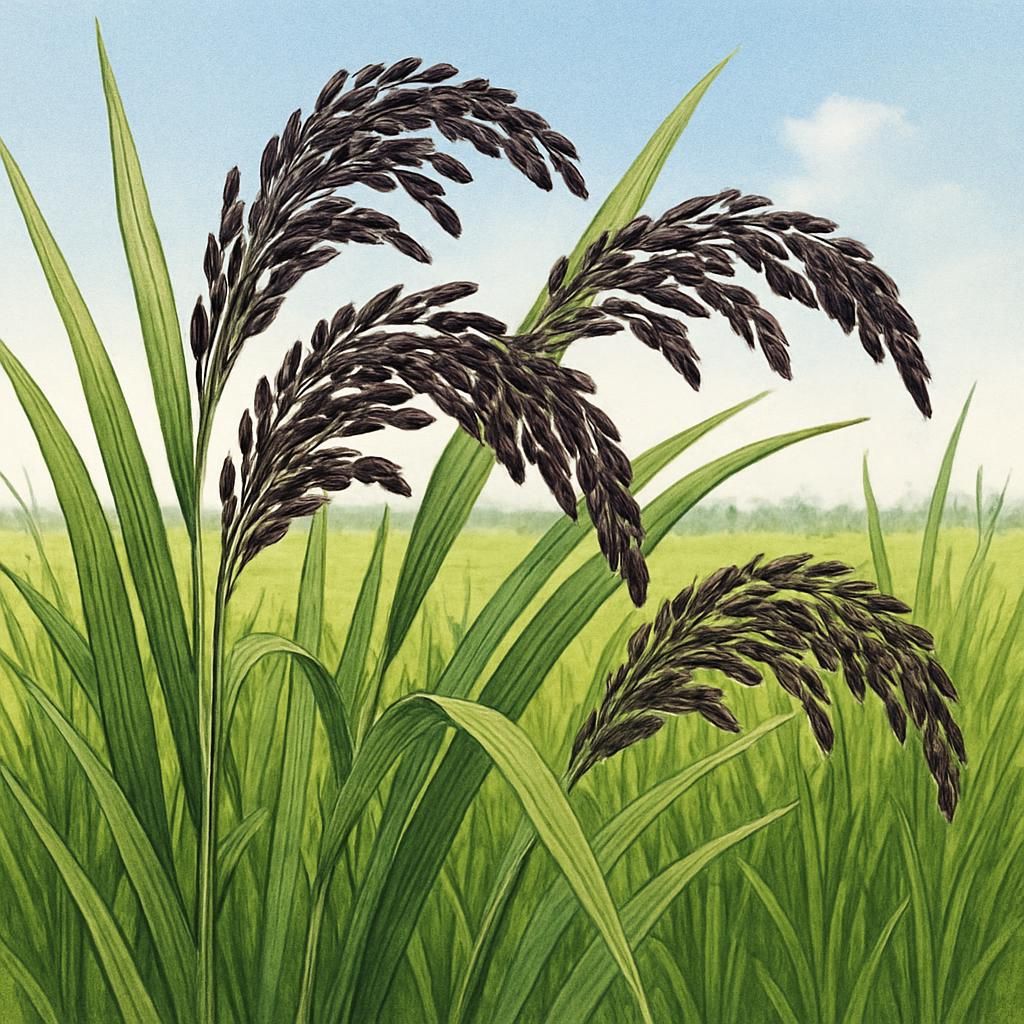
Black Rice (Indonesian Chak-hao)
Black rice, also known as Indonesian Chak-hao, is a nutrient-rich grain known for its distinctive dark hue and health benefits. Cultivated primarily in Southeast Asian countries, it requires specific growing conditions and diligent care for optimal yield.
View Guide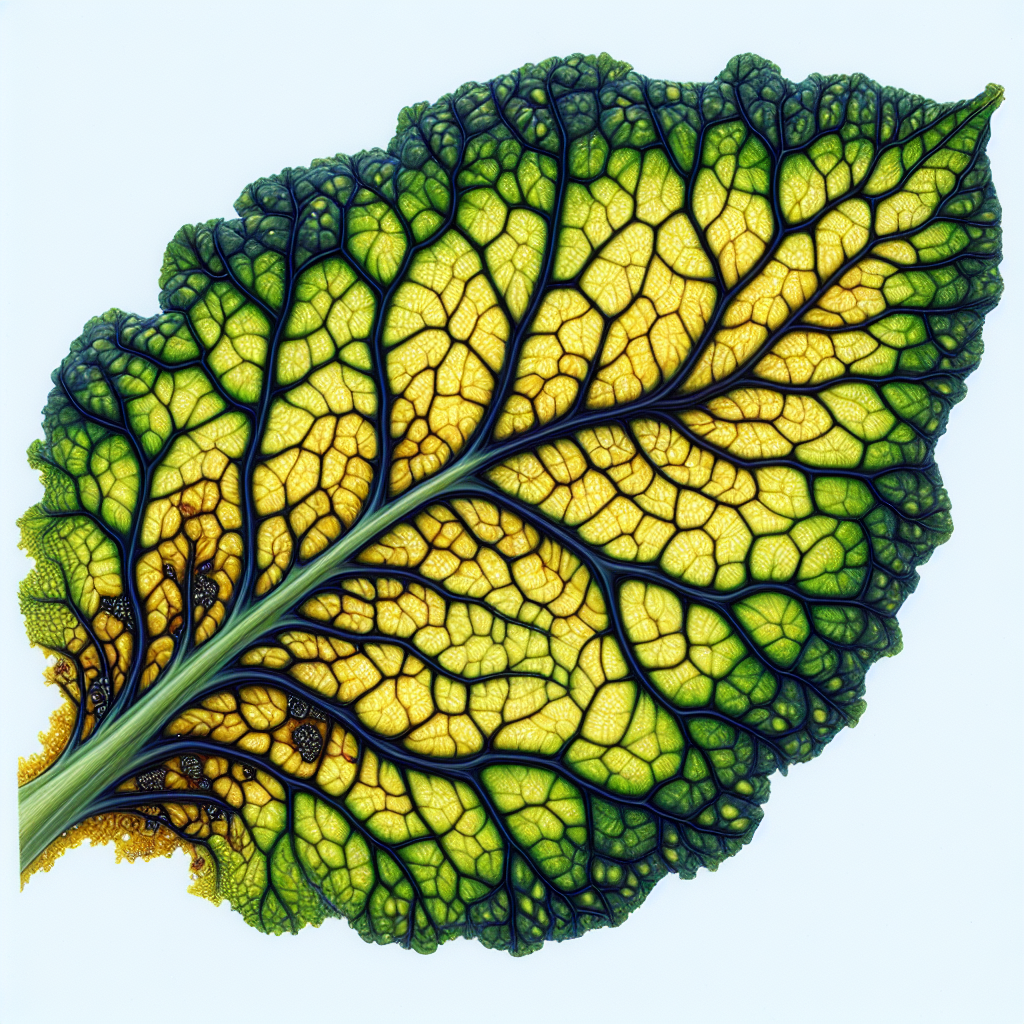
Black rot
Black rot is a devastating bacterial disease primarily affecting cruciferous crops like cabbage, broccoli, and cauliflower, caused by Xanthomonas campestris pv. campestris. It spreads rapidly through contaminated seeds, tools, and splashing water, leading to V-shaped yellow lesions on leaves and blackened vascular tissues. Effective management relies on sanitation, resistant varieties, and crop rotation to prevent widespread crop loss.
View Profile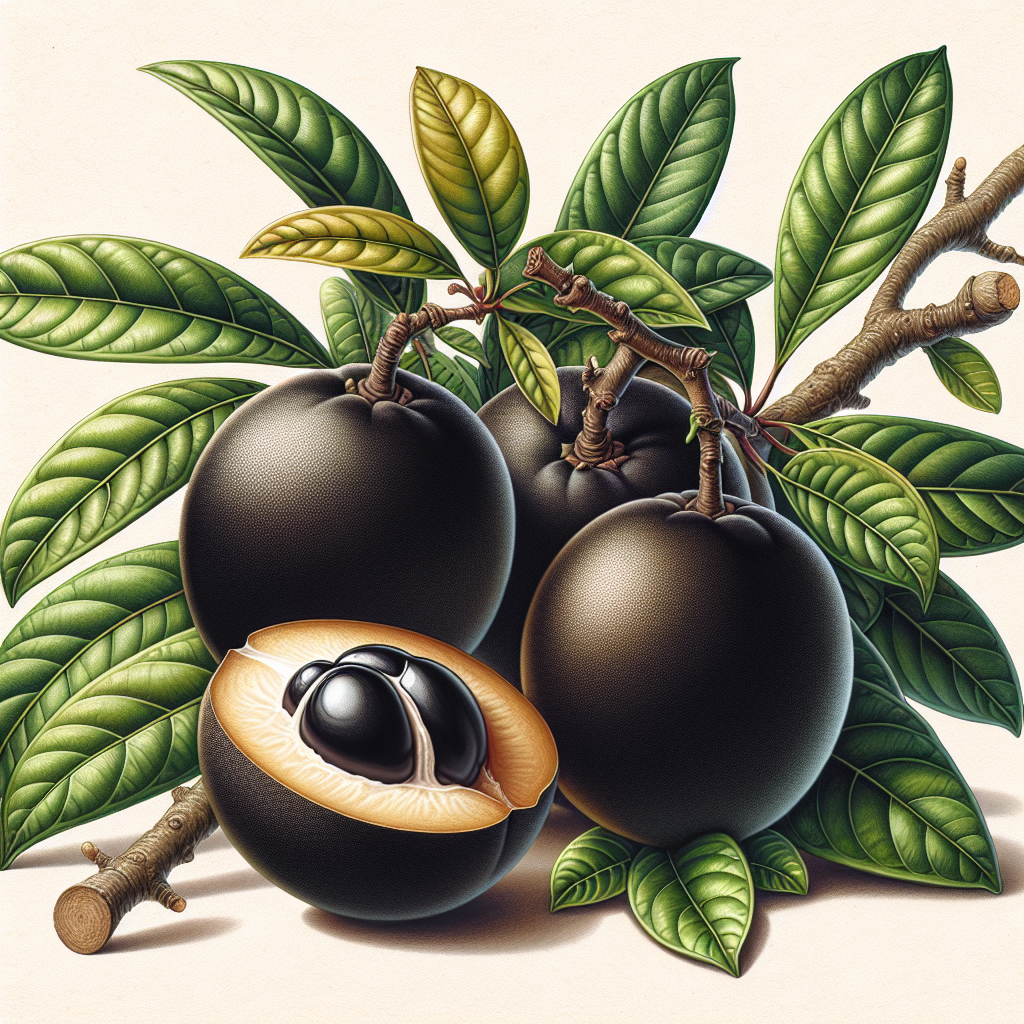
Black Sapote (Reinecke)
Black Sapote (Reinecke), known as the chocolate pudding fruit, is a tropical evergreen tree producing creamy, black-fleshed fruits with a unique custard-like texture. This variety thrives in subtropical to tropical climates, offering high yields for home gardeners and small farms. Its low-maintenance nature and exotic appeal make it ideal for diversifying fruit orchards.
View Guide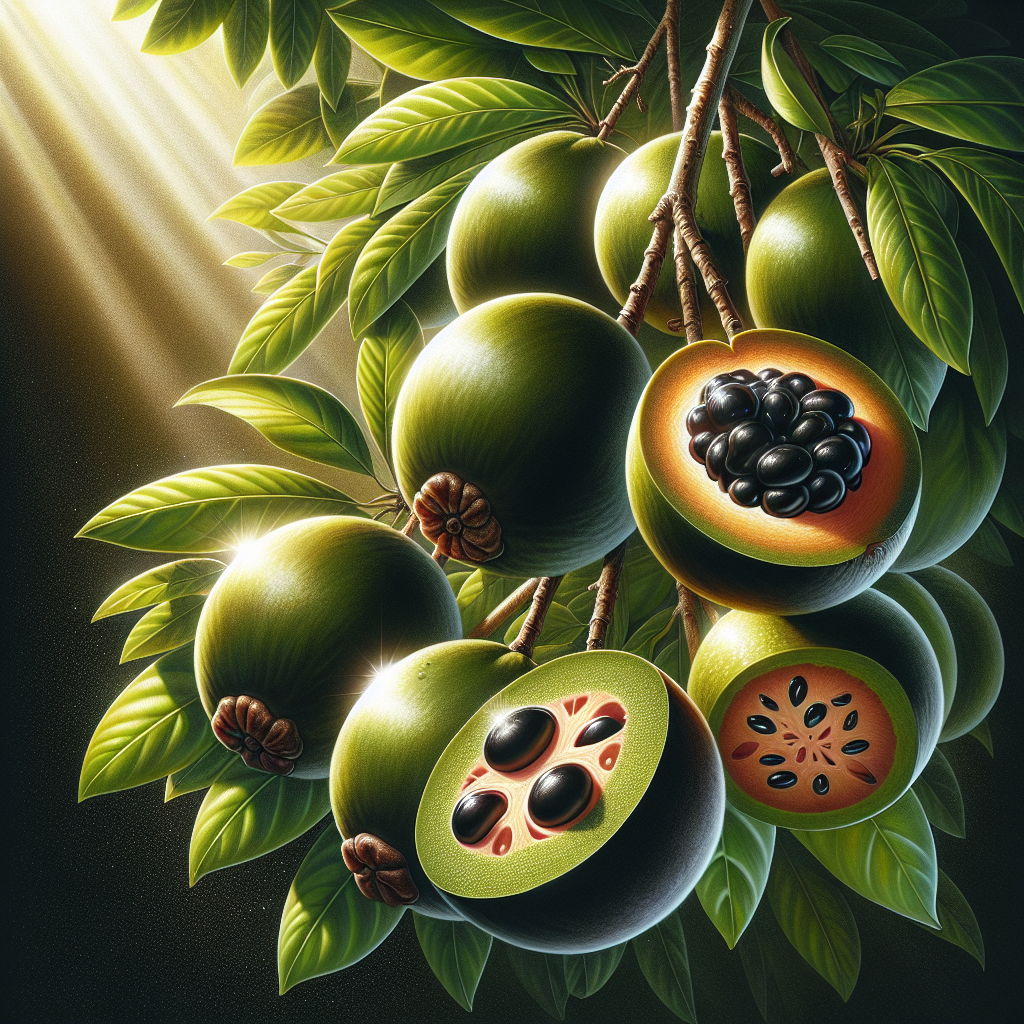
Black Sapote (Superb)
Black Sapote (Superb), known for its rich, chocolate-like pulp, is a tropical evergreen fruit tree thriving in subtropical climates with minimal care once established. This comprehensive guide covers propagation, care, pest management, and harvesting techniques for optimal yields of this unique 'chocolate pudding fruit.' Ideal for home orchards and small farms seeking exotic, high-value crops.
View Guide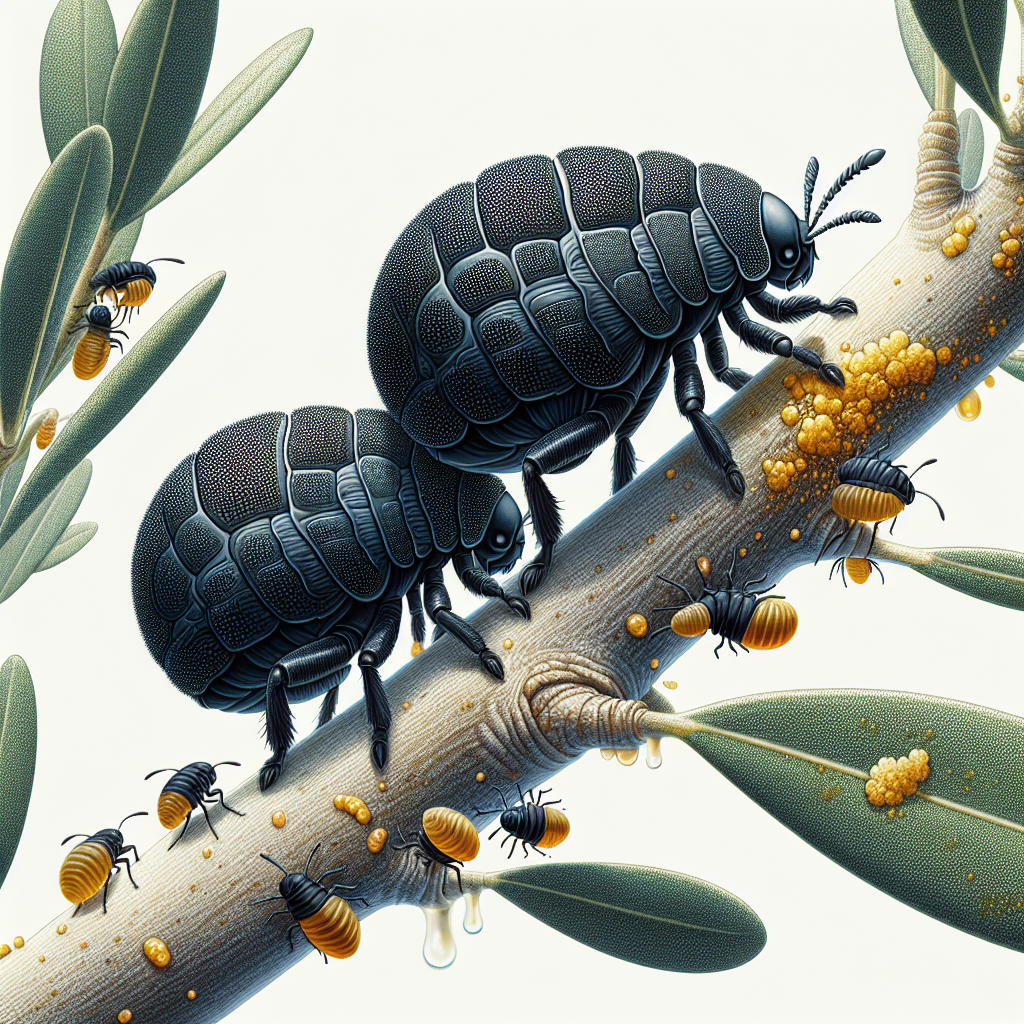
Black scale
Black scale (Saissetia oleae) is a notorious soft scale insect that infests a wide range of woody plants, particularly citrus, olives, and ornamentals, sucking sap and promoting sooty mold growth. This pest weakens trees by depriving them of vital nutrients, leading to stunted growth, leaf drop, and reduced yields. Effective management combines cultural practices, biological controls, and targeted organic treatments for sustainable control.
View Profile
Black scurf
Black scurf is a common fungal disease caused by Rhizoctonia solani, primarily affecting potato tubers with characteristic black, crusty sclerotia that reduce marketability and promote storage rot. While it rarely kills plants, it causes significant cosmetic damage and yield losses through stem canker and reduced tuber quality. Effective management relies on cultural practices, resistant varieties, and sanitation to minimize its impact on potato crops.
View Profile