Encyclopedia
Definitive guides for crops, pests, and agricultural diseases.
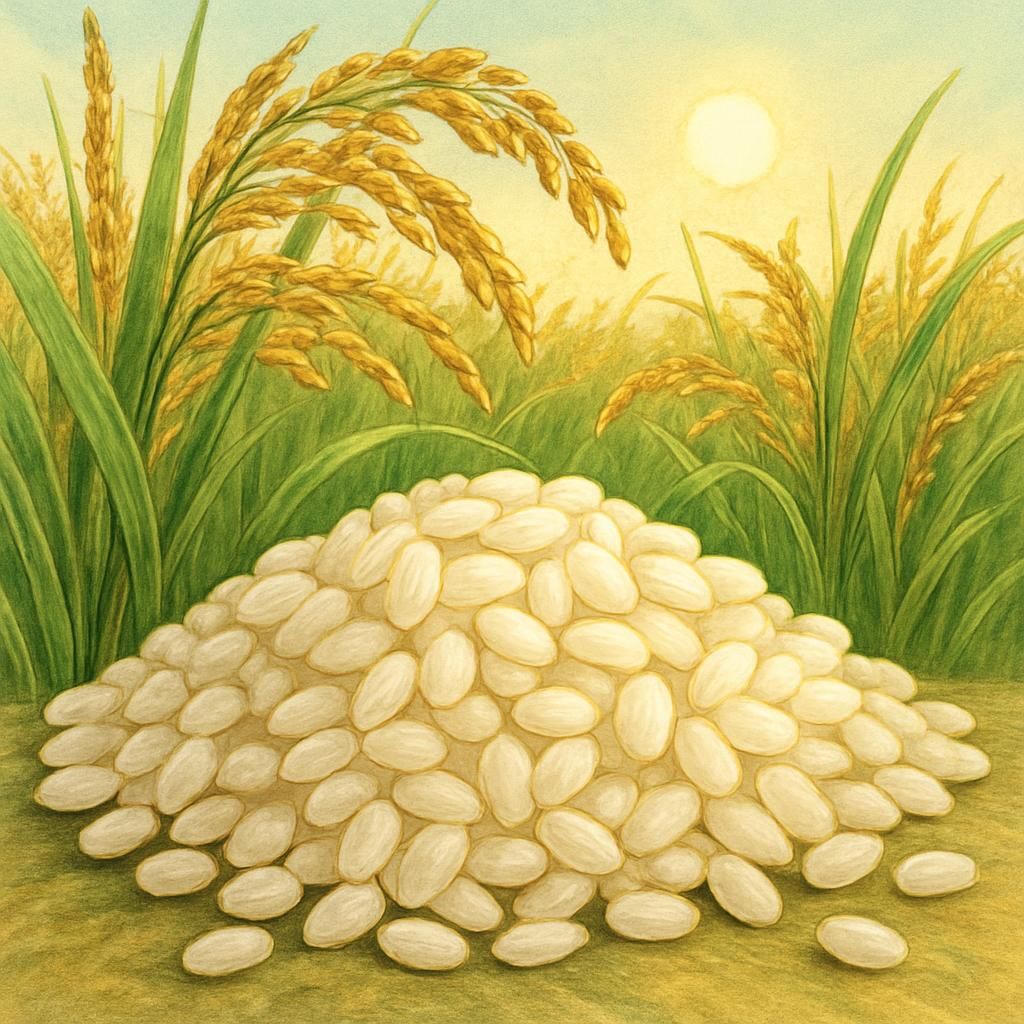
Bomba Rice
Bomba rice is a premium variety of short-grain rice native to Spain, known for its exceptional capacity to absorb flavors and maintain its texture, making it a favorite for paella dishes.
View Guide
Borage Flower
Borage Flower (Borago officinalis) is a fast-growing annual herb prized for its edible blue star-shaped flowers, nutrient-rich leaves, and value as a pollinator and companion plant in organic systems.
View Guide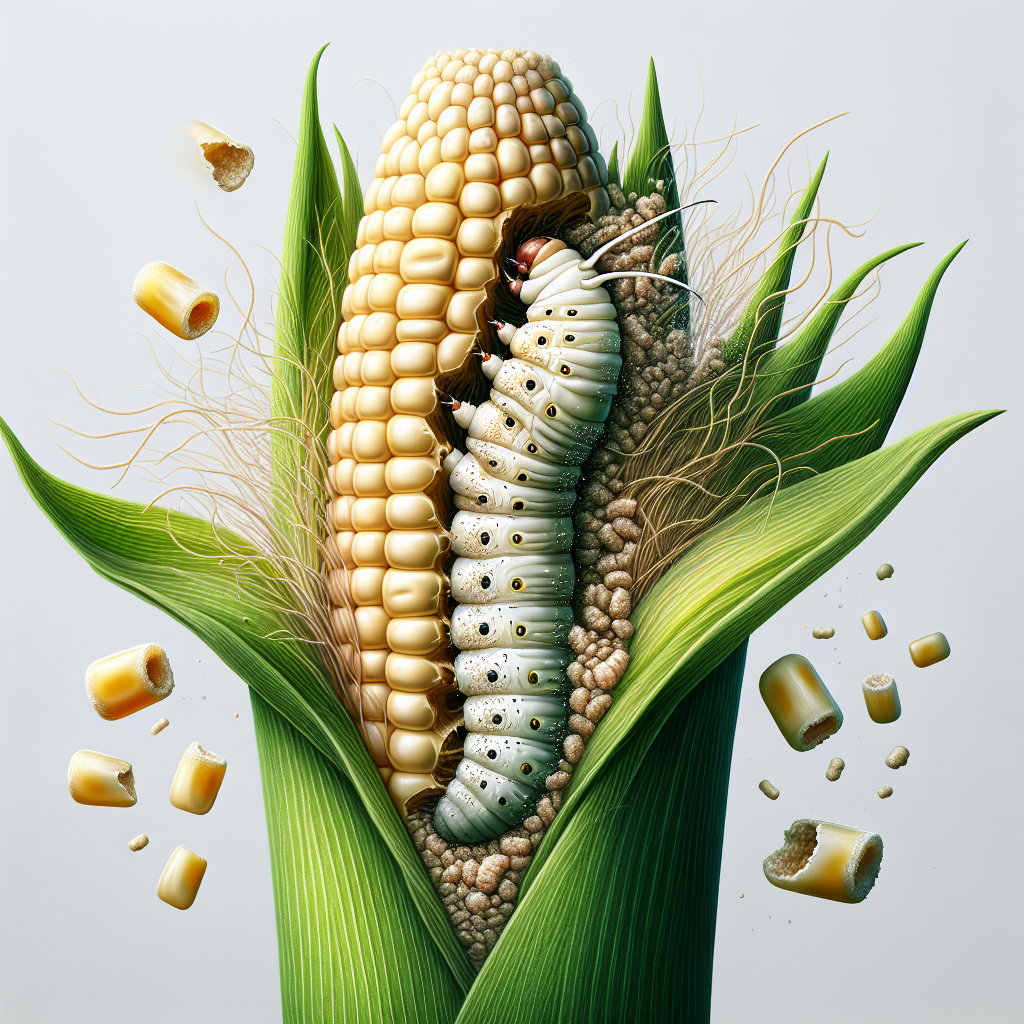
Borers
Borers are destructive insect larvae that tunnel into plant stems, trunks, and fruits, causing wilting, dieback, and significant yield losses in crops worldwide. This guide provides comprehensive diagnostics, lifecycle insights, organic management strategies, and prevention tactics for farmers tackling borer infestations. Protect your harvest with proven, practical agricultural techniques tailored for small to large-scale operations.
View Profile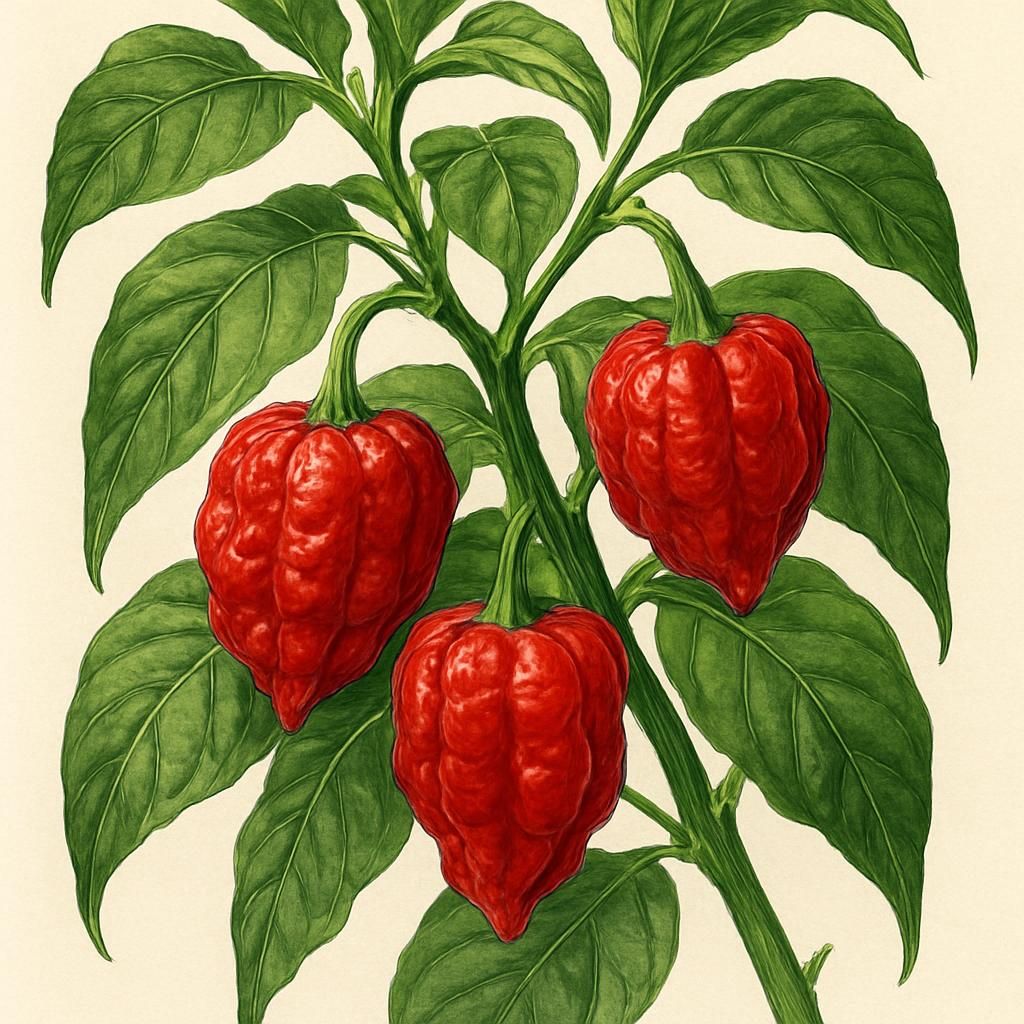
Borg 9 Pepper
The Borg 9 Pepper is a hybrid chili pepper known for its fiery heat and unique, fruity flavor. This variety thrives in warm climates and well-draining soil, making it a favorite among spice enthusiasts.
View Guide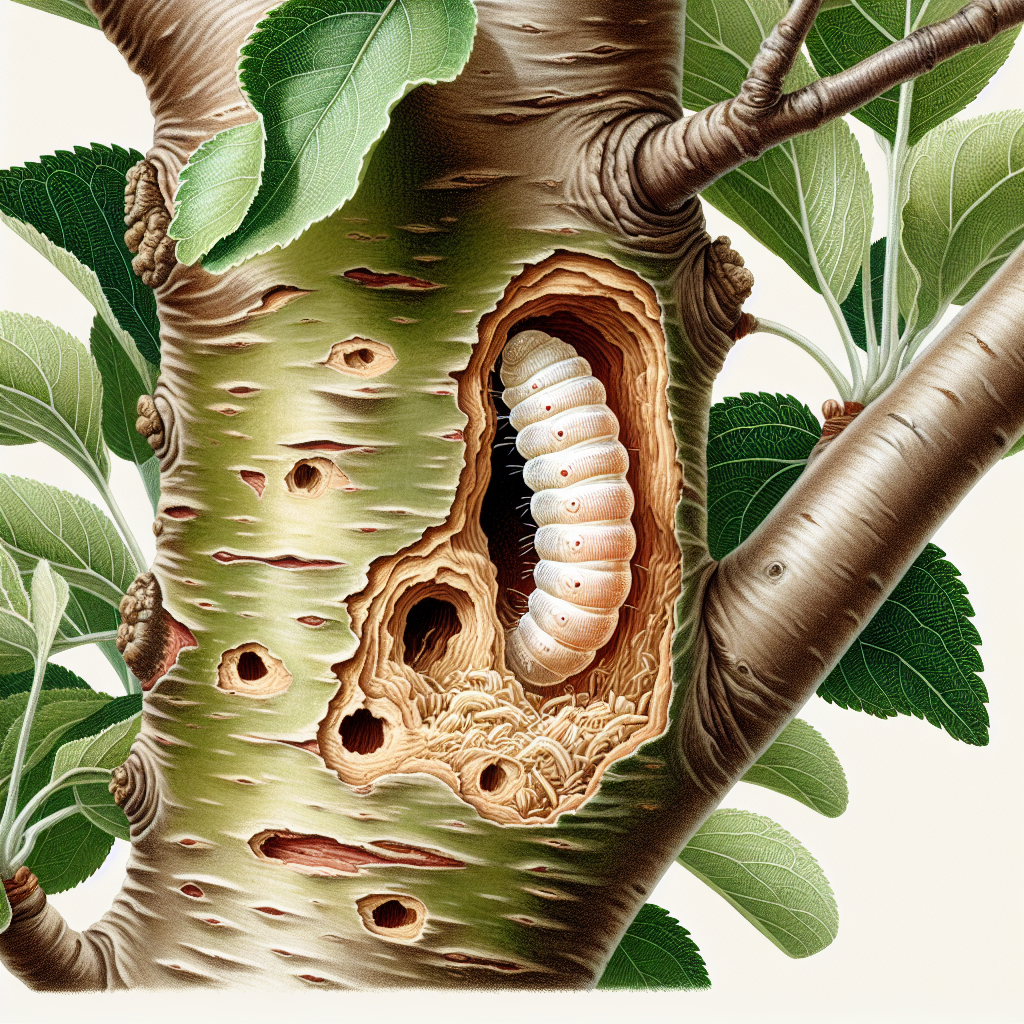
boring insects
Boring insects are wood-boring larvae and adults that tunnel into stems, trunks, and roots of crops, causing structural weakening, sap leakage, and death. Common in orchards and field crops, they lead to significant yield losses if unmanaged. This guide covers diagnosis, organic controls, and prevention for effective management.
View Profile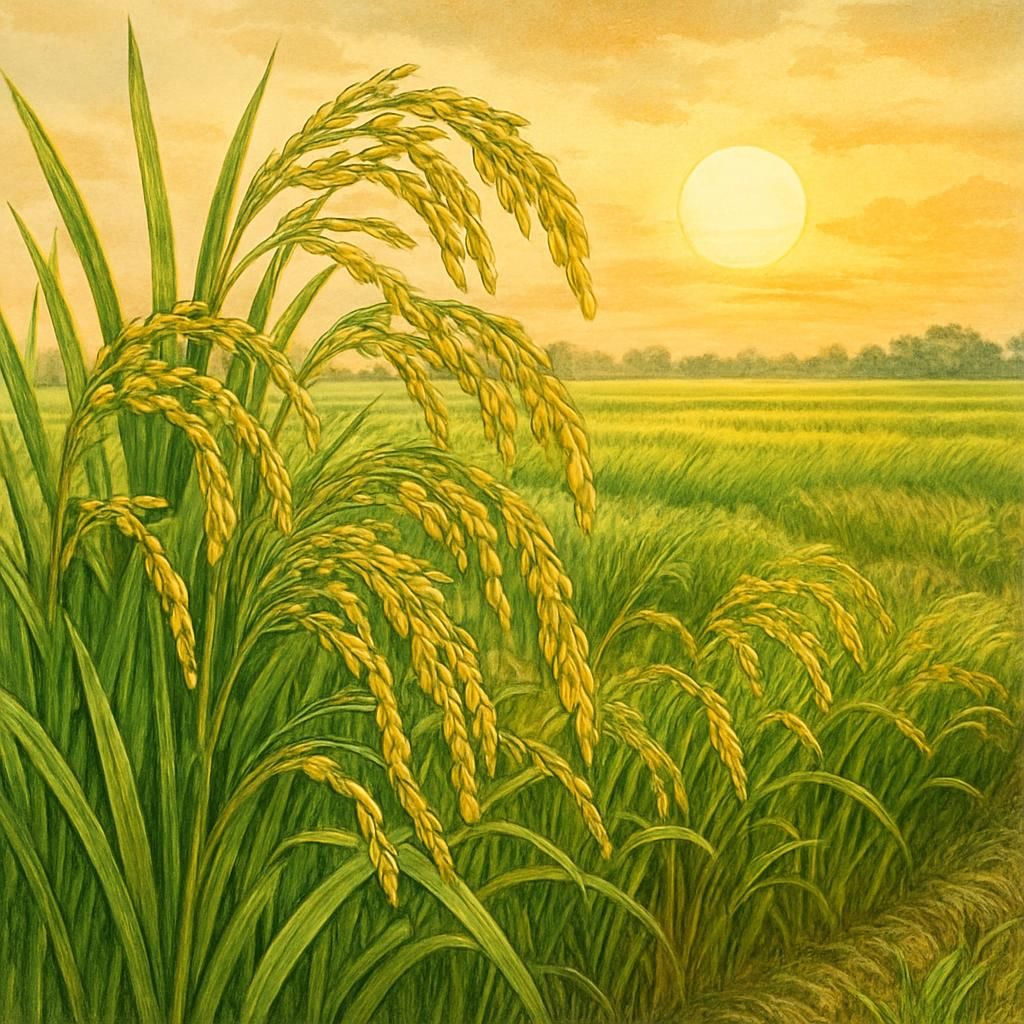
Boro Rice
Boro rice, a popular crop in South Asian regions, thrives in cooler months and requires specific conditions for optimal yield. It is known for its resilience against autumnal planting conditions and provides a reliable staple food source during the off-season.
View Guide
Bosc Pear
Bosc Pear is a classic European pear cultivar valued for its elongated neck, cinnamon-russet skin, dense aromatic flesh, and excellent keeping quality. It is prized by orchardists and home growers alike for late-season harvests, strong culinary performance, and its ability to ripen off the tree with exceptional flavor when handled correctly.
View Guide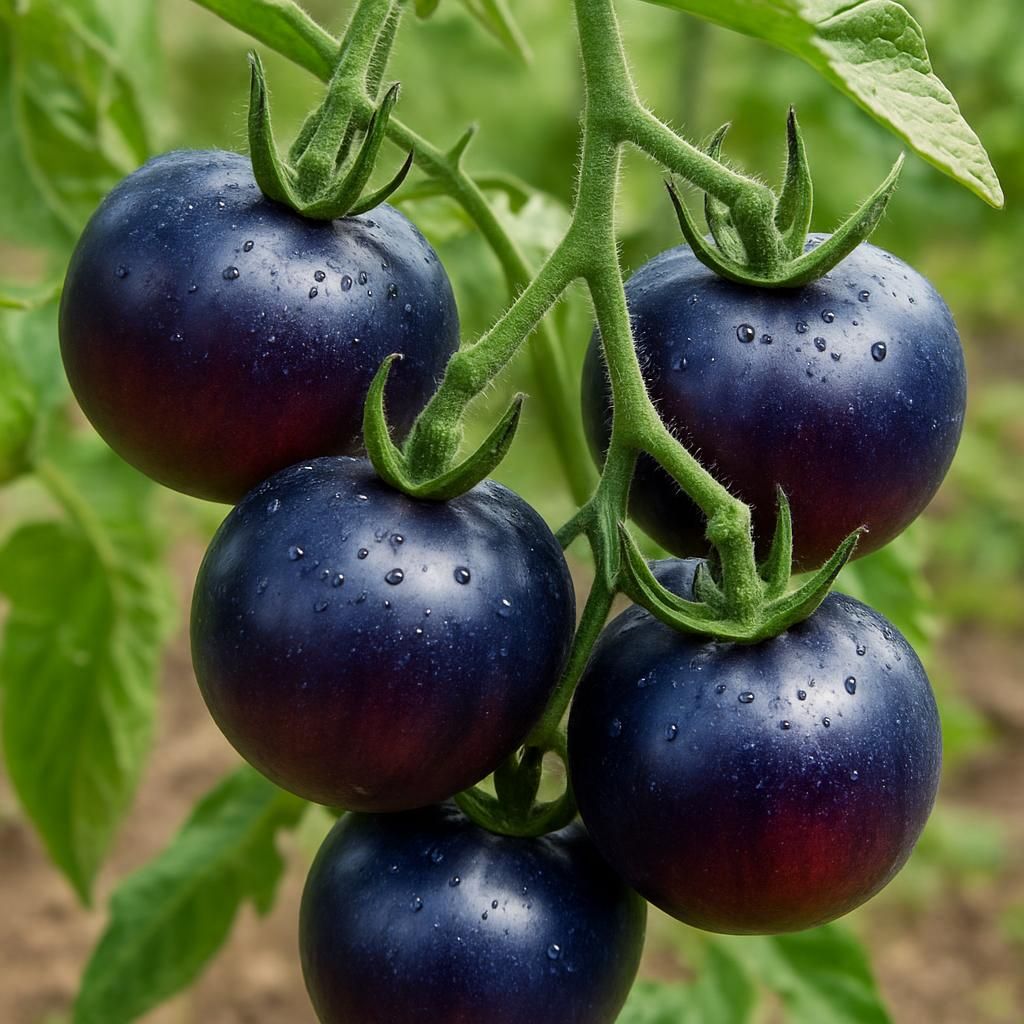
Bosque Blue Tomato
Bosque Blue Tomato is a striking indigo-fruited heirloom variety prized for its high anthocyanin content, rich flavor, and disease resistance. This determinate-indeterminate hybrid produces medium-sized, deep-blue tomatoes that ripen to a glossy purple-black with vibrant red interiors. It thrives in full sun and well-drained soils, offering both ornamental appeal and exceptional culinary versatility.
View Guide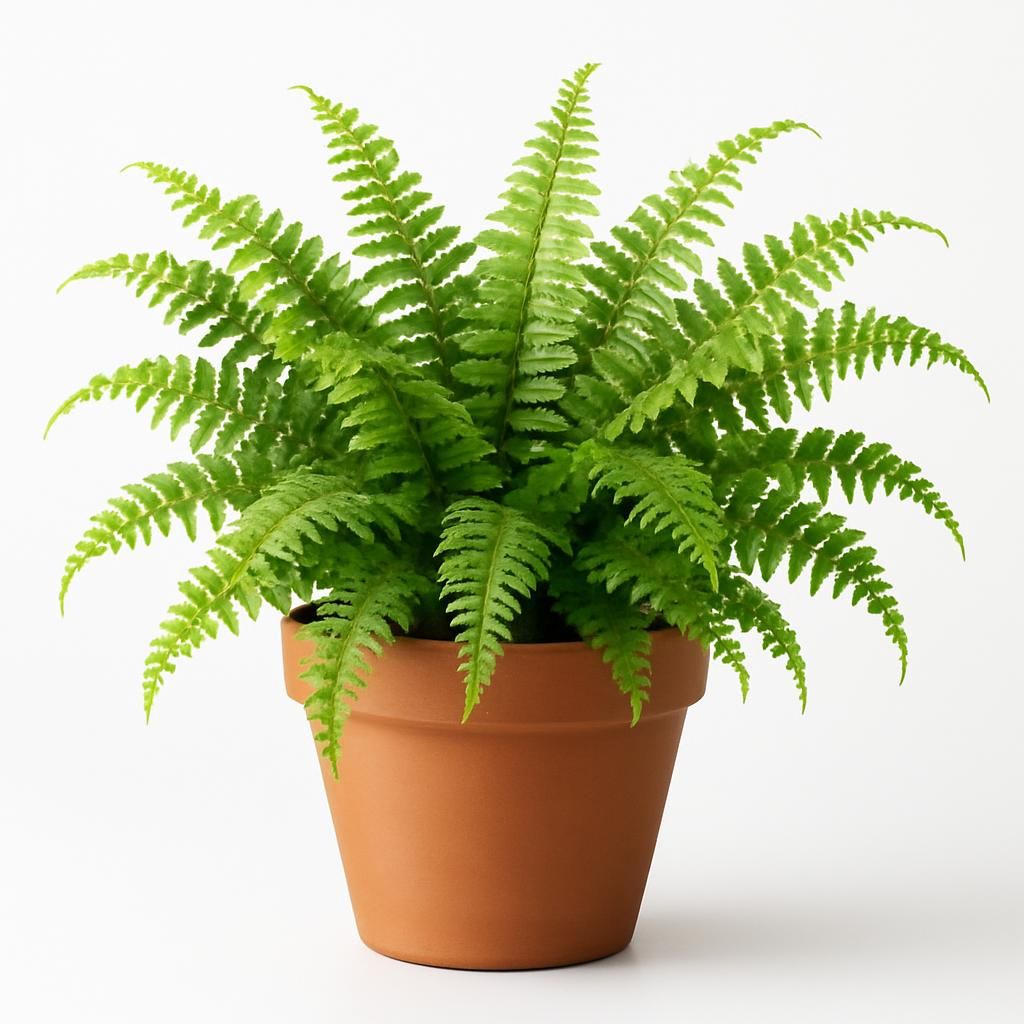
Boston fern
The Boston fern is a classic evergreen fern prized for its lush, arching fronds and air-purifying qualities. This guide covers professional-grade cultivation practices from soil preparation through propagation, care, pest management, and companion planting for optimal indoor and greenhouse performance.
View Guide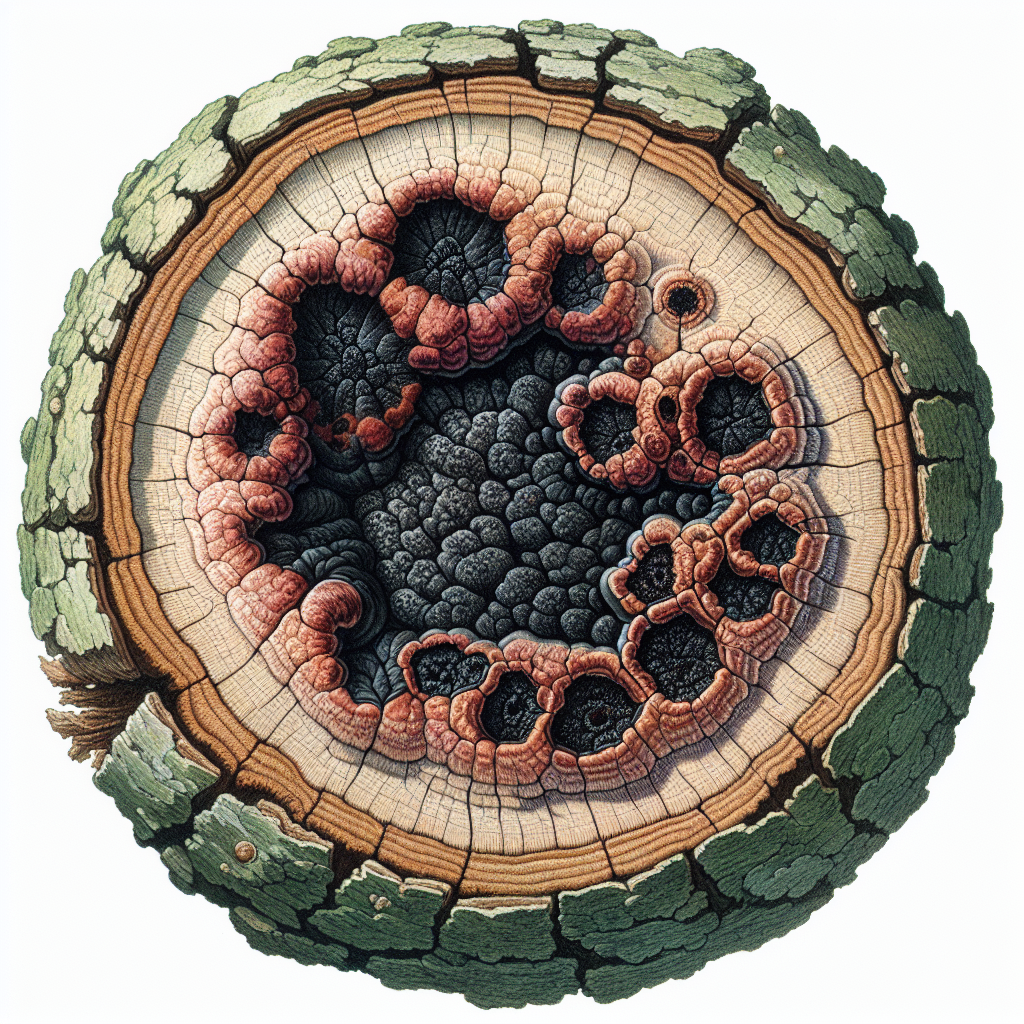
Botryosphaeria
Botryosphaeria is a widespread fungal disease complex causing cankers, dieback, and fruit rot in numerous crops, thriving in stressed plants under hot, drought conditions. Accurate diagnosis relies on identifying sunken lesions, black pycnidia, and vascular discoloration. Effective management emphasizes cultural practices, organic fungicides, and resistant varieties to minimize losses.
View Profile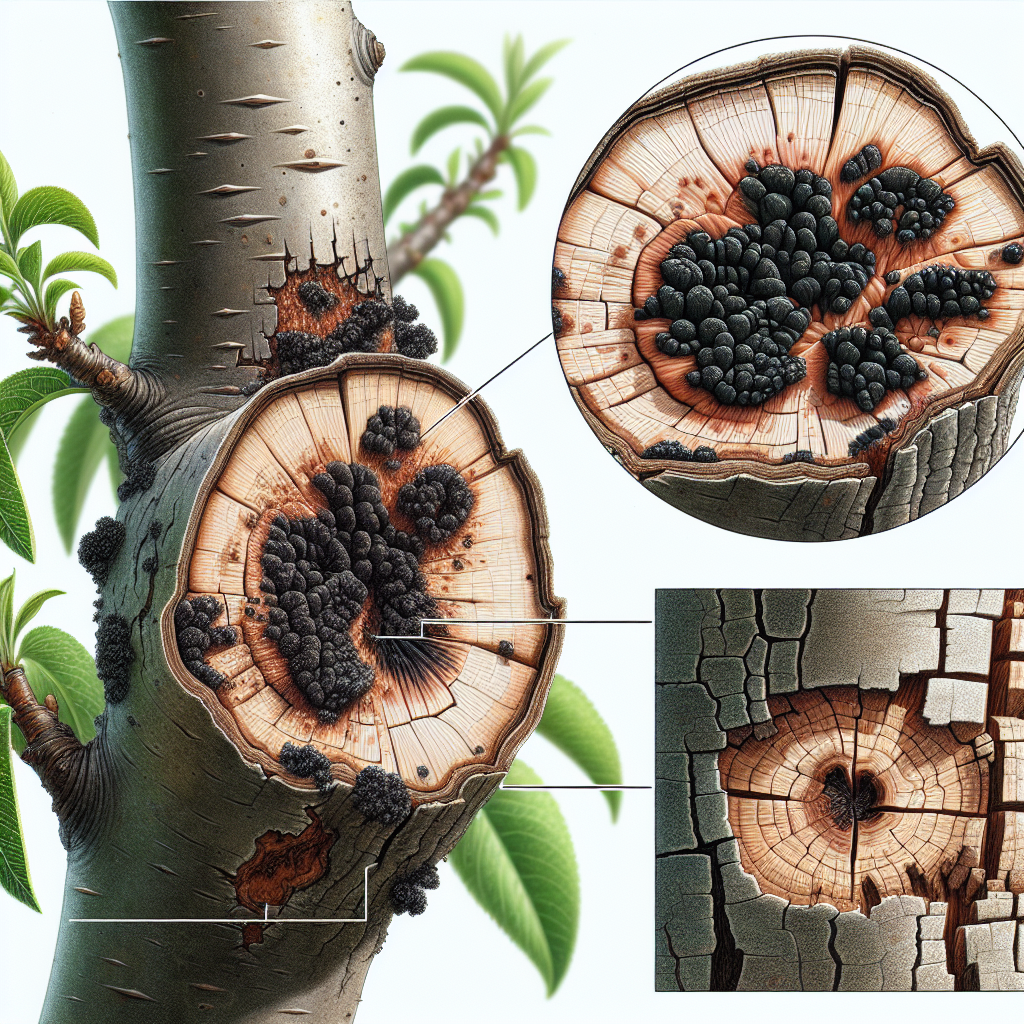
Botryosphaeria cankers
Botryosphaeria cankers are devastating fungal diseases caused by Botryosphaeria species that infect woody plants, leading to branch dieback, cankers, and plant decline. They thrive under stress conditions like drought and wounding, making early diagnosis and cultural management essential for control. This guide provides comprehensive strategies for identification, organic treatment, and prevention to protect high-value crops.
View Profile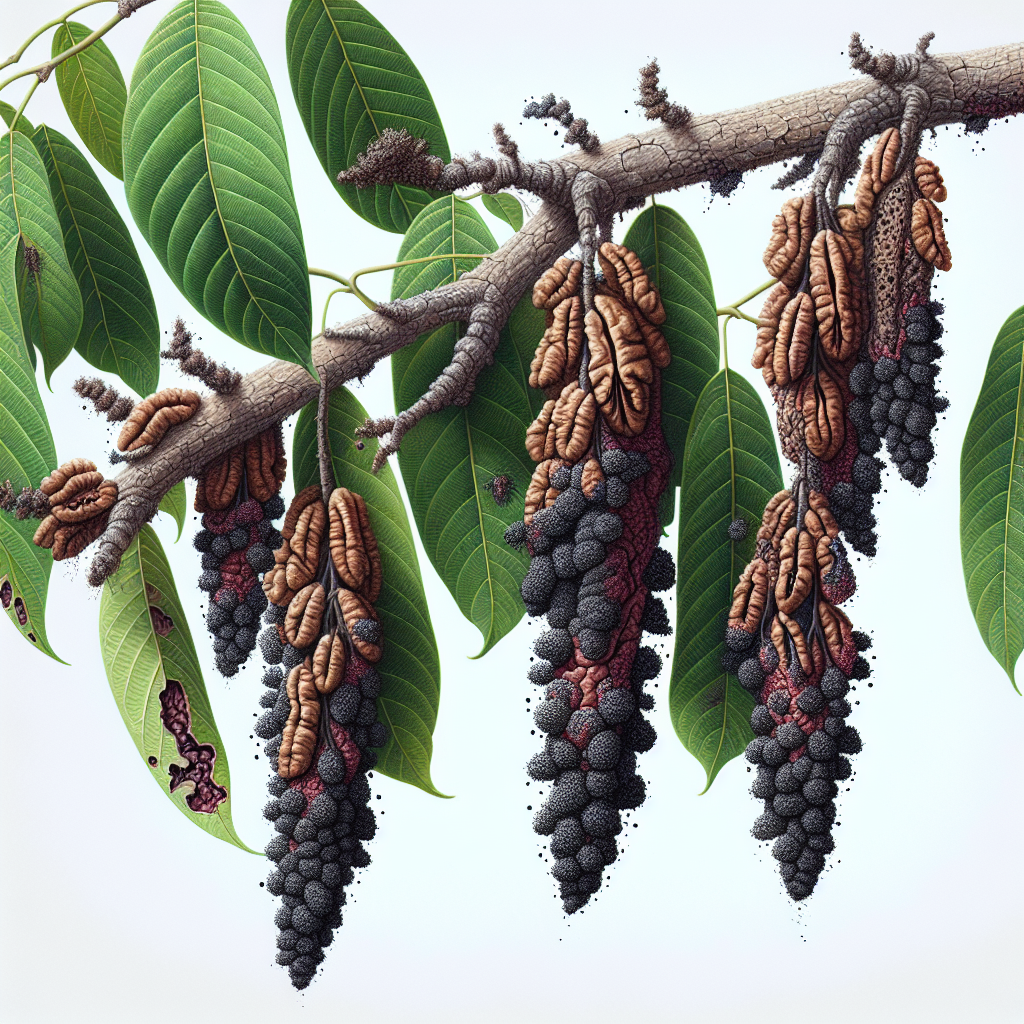
Botryosphaeria panicle and shoot blight
Botryosphaeria panicle and shoot blight is a destructive fungal disease affecting panicles, shoots, and branches of various fruit and nut trees, leading to significant yield losses. Caused by Botryosphaeria species, it thrives in stressed plants under warm, wet conditions. This guide provides comprehensive diagnostics, organic management strategies, and prevention tips for affected crops.
View Profile
Botrytis
Botrytis cinerea, commonly known as Botrytis or gray mold, is a ubiquitous fungal pathogen causing significant losses in fruits, vegetables, and ornamentals worldwide. It thrives in cool, humid conditions, producing characteristic gray fuzzy spores that rapidly spread through crops. Effective management combines cultural practices, organic treatments, and vigilant prevention to minimize its devastating impact on yields.
View Profile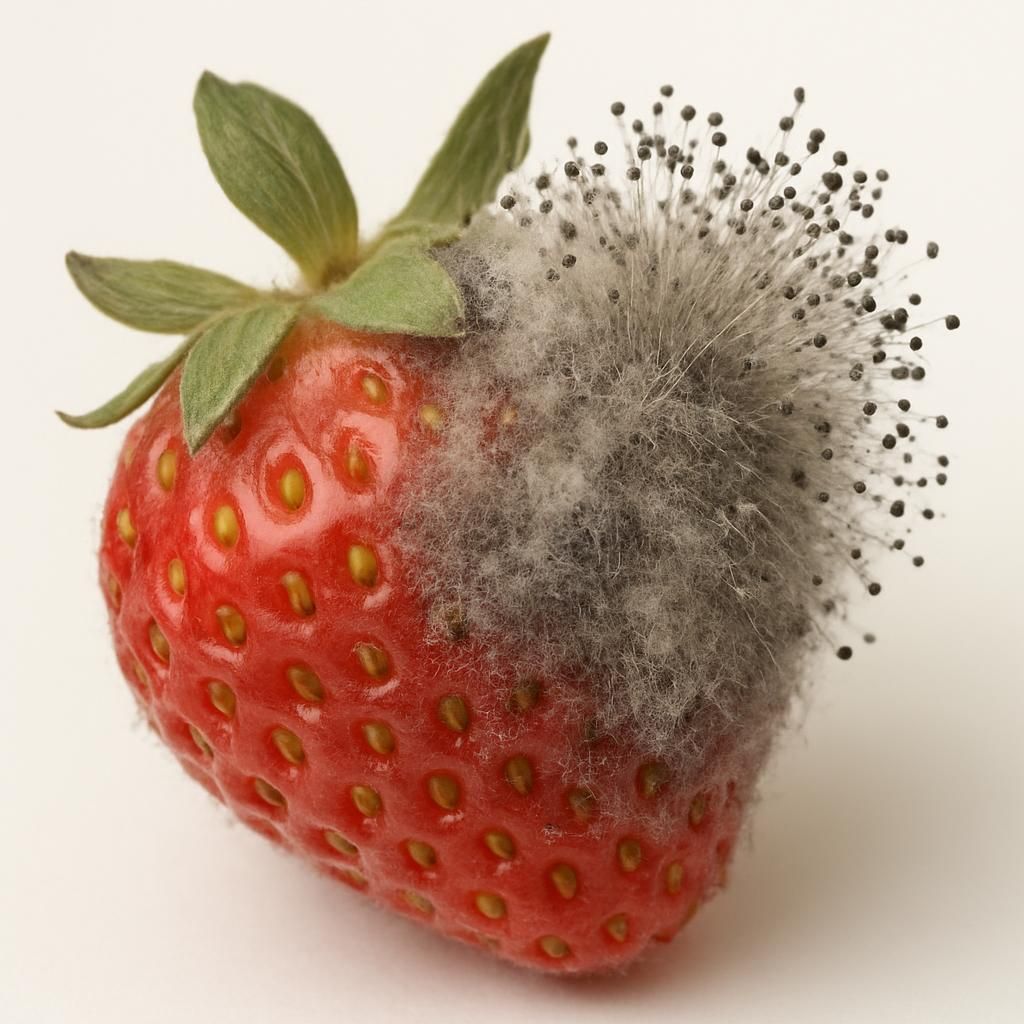
Botrytis blight
Botrytis blight, caused by the fungus Botrytis cinerea, is a widespread disease affecting numerous crops by producing gray fuzzy mold on infected tissues, leading to rapid decay and significant yield losses. Known as gray mold in many contexts, it thrives in cool, humid conditions and spreads via spores, making early detection and cultural management essential for control. This guide provides comprehensive diagnostic symptoms, lifecycle details, organic treatments, and prevention strategies for farmers.
View Profile
Botrytis blossom blight
Botrytis blossom blight, caused by the fungus Botrytis cinerea, is a destructive disease that primarily targets flowering structures in various crops, leading to rapid decay and significant yield losses. It thrives in cool, humid conditions and spreads via spores, making early detection and management critical for protecting blossoms and developing fruits. This guide provides comprehensive diagnostic symptoms, lifecycle details, organic control strategies, and prevention tactics for effective management.
View Profile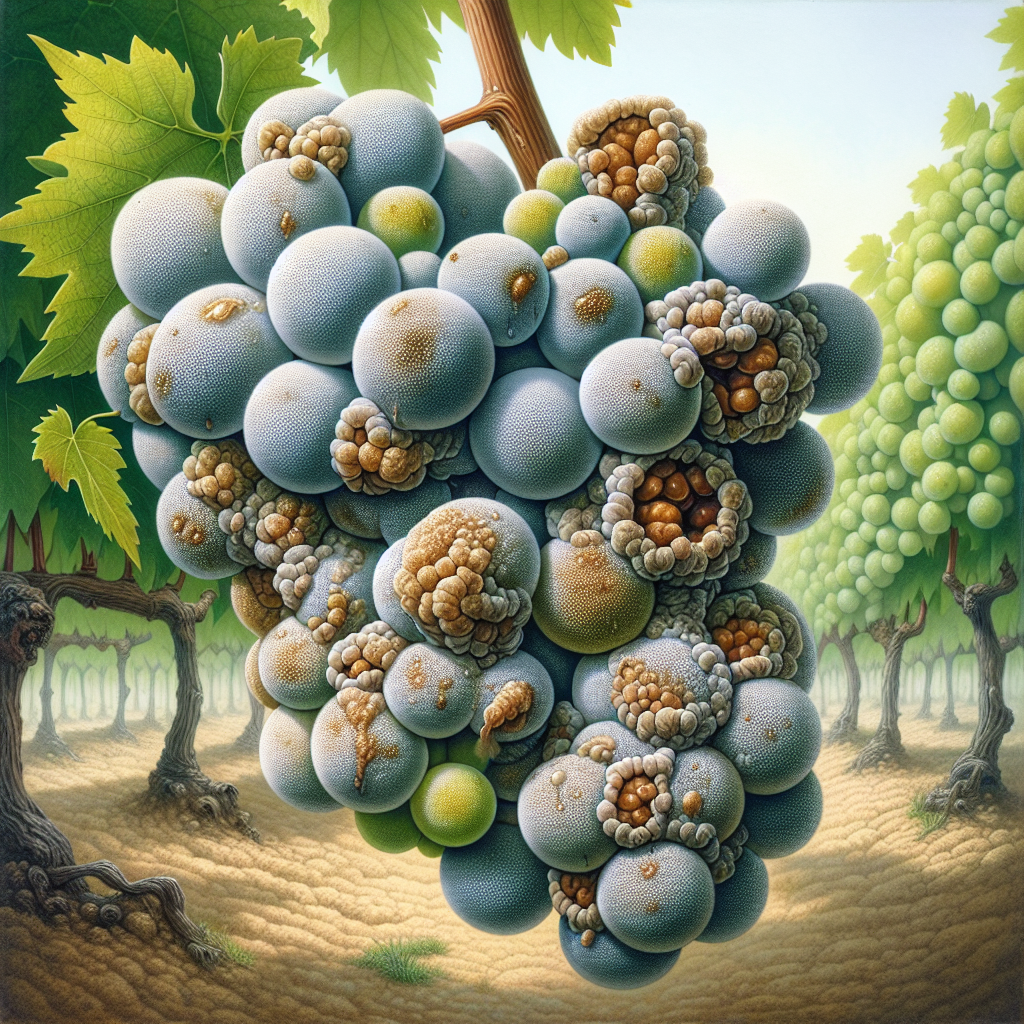
Botrytis bunch rot
Botrytis bunch rot, caused by the fungus Botrytis cinerea, is a devastating disease primarily affecting grapevines, leading to gray mold on bunches and significant yield losses. It thrives in cool, humid conditions, spreading rapidly during wet weather near harvest. Effective management combines cultural practices, organic treatments, and vigilant monitoring for prevention.
View Profile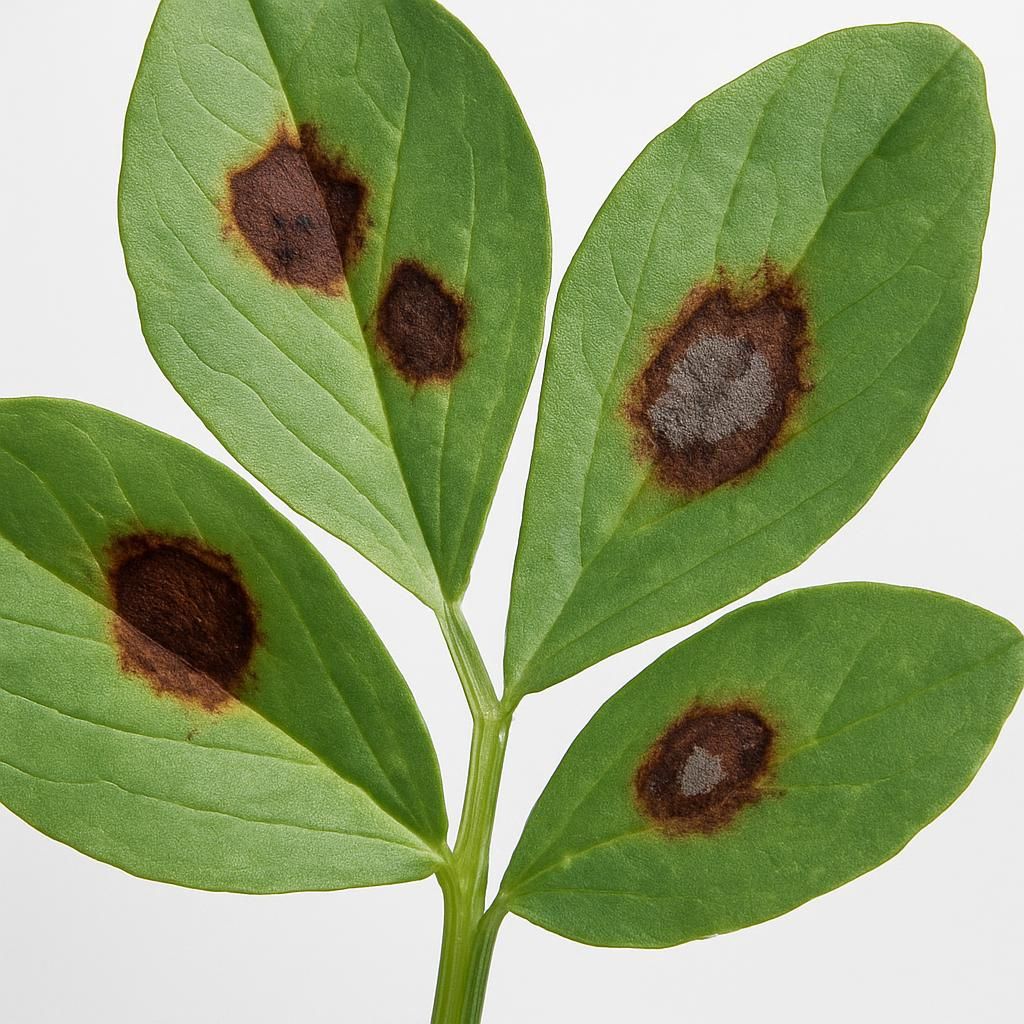
Botrytis fabae
Botrytis fabae is a fungal pathogen causing chocolate spot disease primarily on faba beans and other legumes, leading to leaf lesions, stem cankers, and pod rot that can significantly reduce yields. Effective management relies on cultural practices, resistant varieties, and timely fungicide applications when environmental conditions favor disease development. This guide provides professional diagnostic criteria, lifecycle details, and integrated control strategies for sustainable production.
View Profile
botrytis fruit rot
Botrytis fruit rot, caused by the fungus Botrytis cinerea, is a widespread disease affecting numerous fruit crops, leading to significant yield losses through gray mold development on fruits, flowers, and stems. Known for thriving in cool, humid conditions, it spreads rapidly via spores and can devastate harvests if not managed properly. This guide provides comprehensive diagnostics, organic treatments, and prevention strategies for farmers and growers.
View Profile
Botrytis fruit rot (gray mold)
Botrytis fruit rot, commonly known as gray mold, is a widespread fungal disease caused by Botrytis cinerea that affects numerous crops by decaying fruits, flowers, and stems under humid conditions. It thrives in cool, moist environments, leading to significant yield losses in berries, grapes, tomatoes, and strawberries. Effective management relies on cultural practices, sanitation, and organic fungicides to prevent spore germination and spread.
View Profile
Botrytis gray mold
Botrytis gray mold, caused by the fungus Botrytis cinerea, is a ubiquitous plant pathogen that thrives in cool, humid conditions, leading to significant crop losses through grayish fuzz-covered lesions on leaves, stems, flowers, and fruits. This necrotrophic fungus infects over 200 plant species, making early diagnosis and integrated management essential for minimizing damage. Effective control relies on cultural practices, organic treatments, and environmental management to break its disease cycle.
View Profile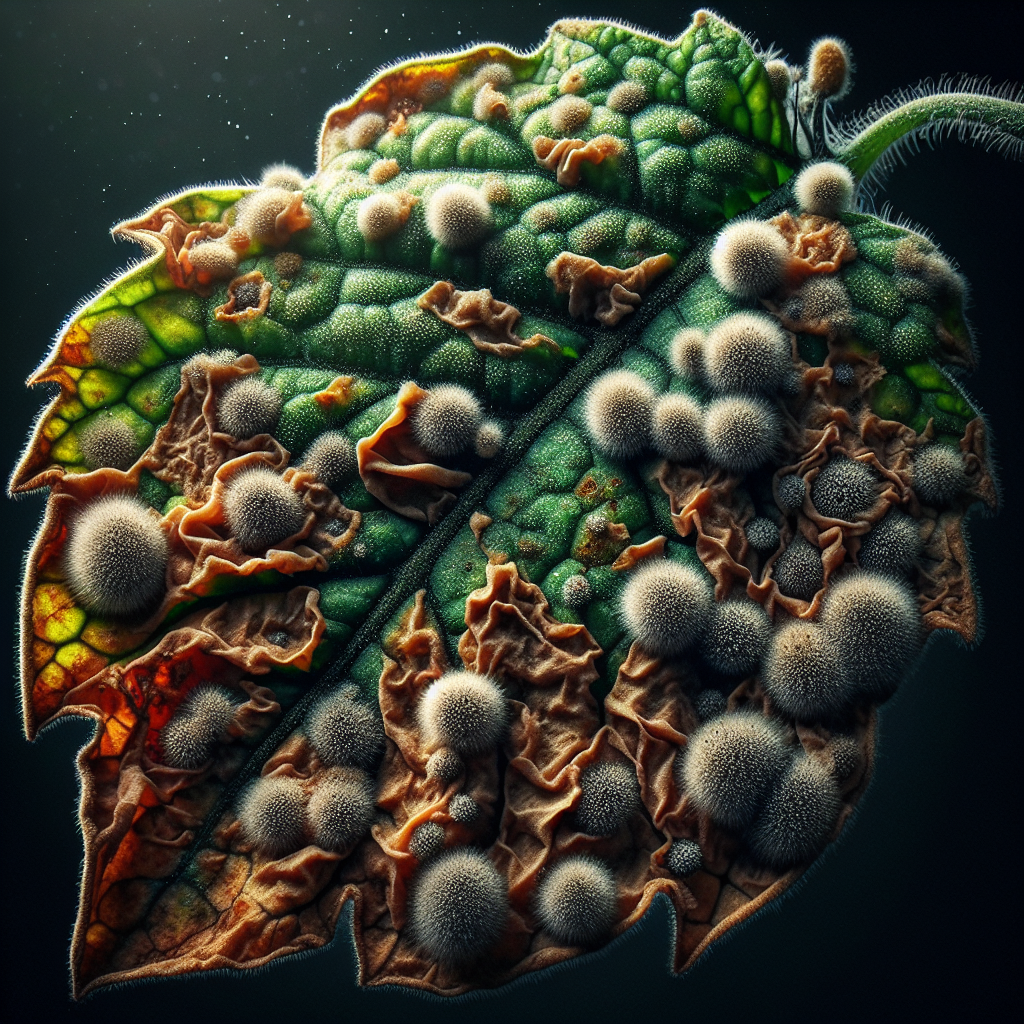
Botrytis leaf blight
Botrytis leaf blight, caused by the fungal pathogen Botrytis cinerea, is a destructive disease affecting a wide range of crops by producing grayish lesions on leaves that lead to rapid blighting and reduced yields. This guide provides comprehensive diagnostic criteria, lifecycle insights, environmental risk factors, organic management strategies, and prevention tactics for farmers facing this pervasive foliar pathogen. Early identification and cultural controls are key to minimizing losses in humid growing conditions.
View Profile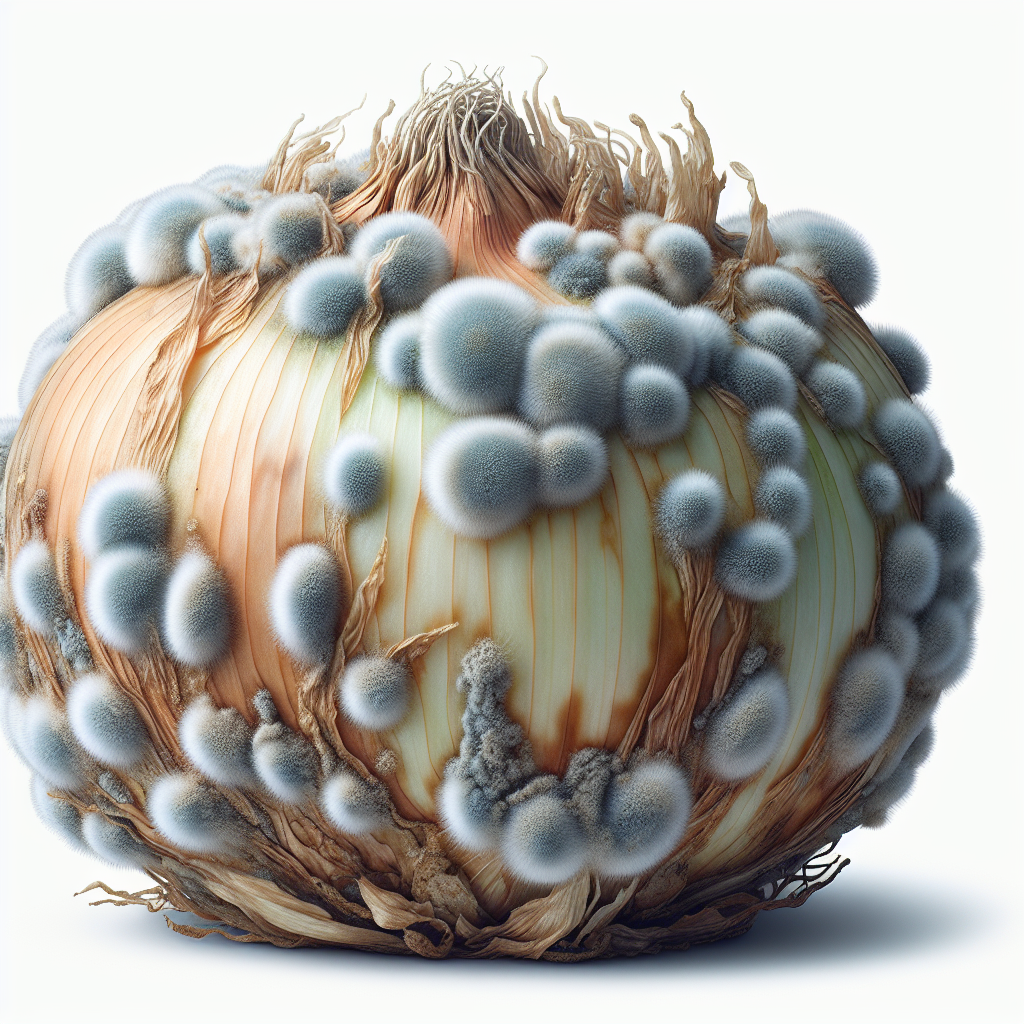
Botrytis neck rot
Botrytis neck rot is a destructive fungal disease primarily affecting onions and garlic, caused by Botrytis allii, leading to gray mold formation at the neck and bulb rot during storage. It thrives in cool, humid conditions and spreads via spores, causing significant post-harvest losses. Effective management relies on cultural practices, sanitation, and organic fungicides to prevent infection and maintain crop quality.
View Profile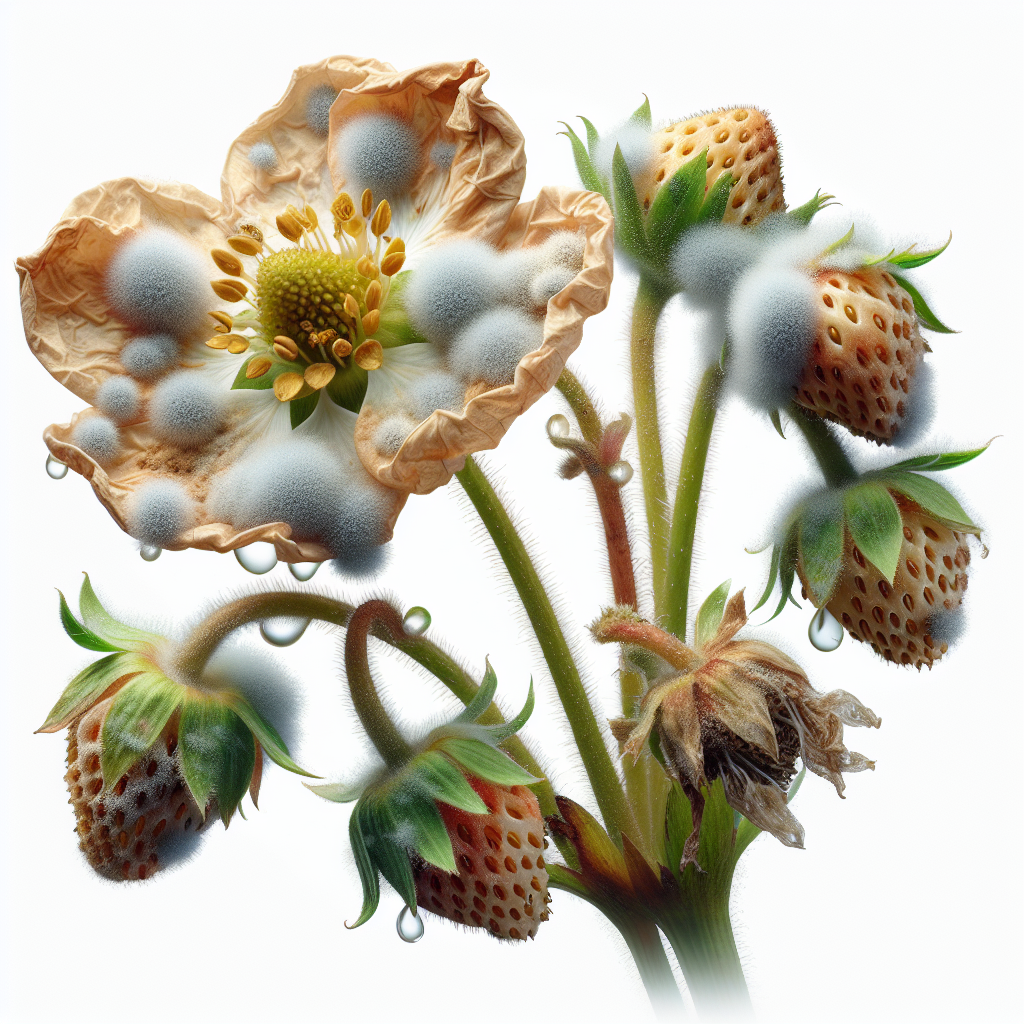
botrytis-like flower blights
Botrytis-like flower blights encompass a group of fungal diseases that cause grayish mold, wilting, and rot on flowers, primarily under cool, humid conditions. These pathogens thrive on stressed plants, leading to significant yield losses in ornamentals, fruits, and vegetables. Early detection and cultural management are key to effective control.
View Profile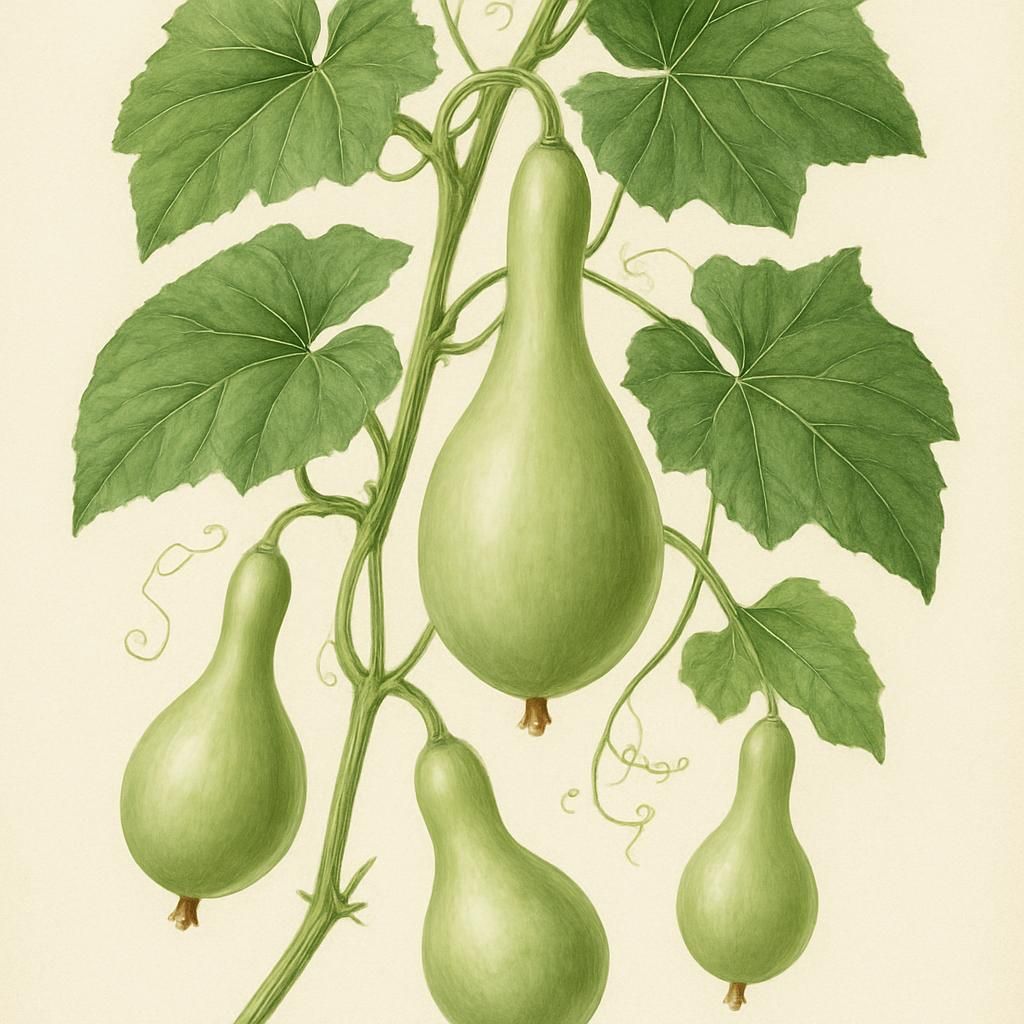
Bottle Gourd (Lau)
Bottle Gourd, also known as Lau, is a versatile vegetable known for its climacteric fruit, commonly used in cooking and traditional medicines. It's an integral part of culinary preparations in many Asian and African cuisines.
View Guide