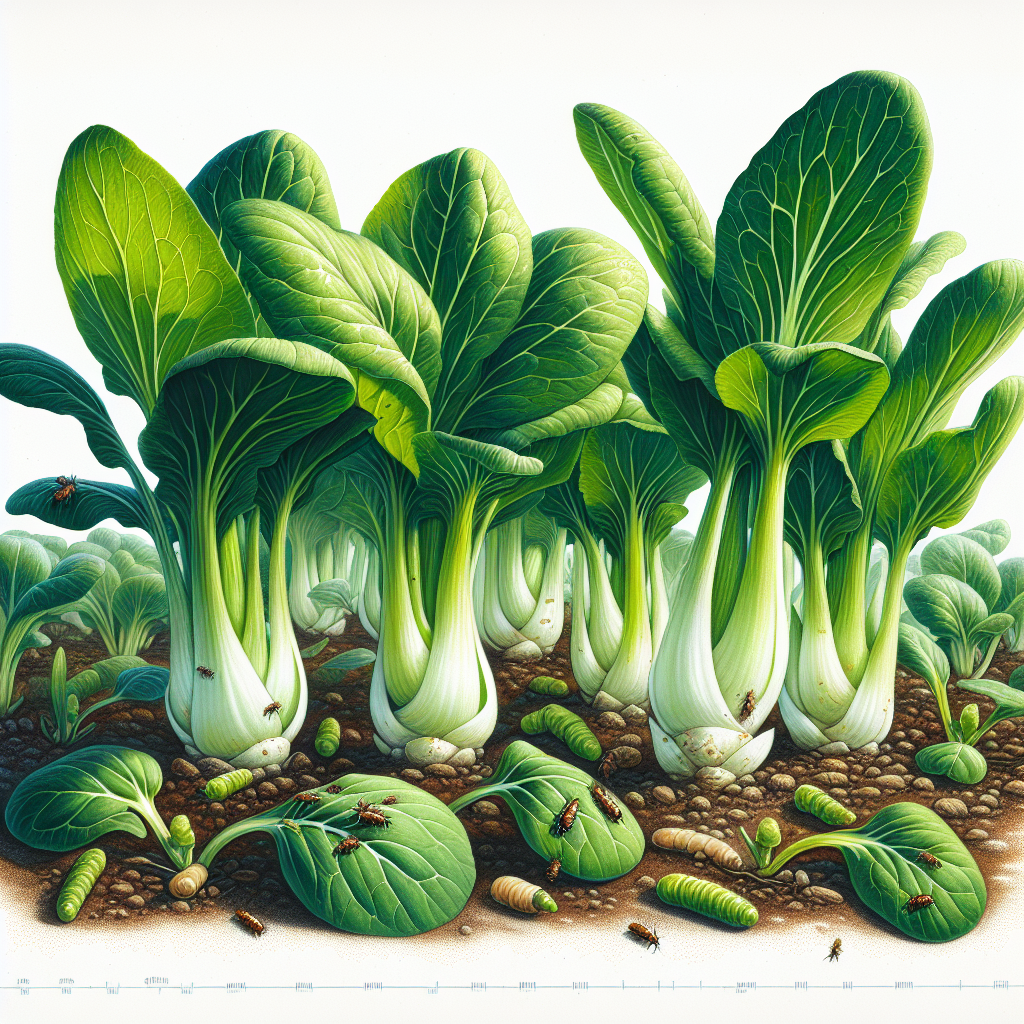
Introduction to bok choy
Bok choy (Brassica rapa subsp. chinensis), also known as pak choi or Chinese cabbage, is a cool-season leafy vegetable prized for its tender stalks, crisp texture, and mild, cabbage-like flavor. Native to China, it has become a staple in Asian cuisine and home gardens worldwide, thriving in temperate climates with loose, fertile soil and consistent moisture. As a member of the Brassicaceae family, bok choy shares vulnerabilities with relatives like cabbage, kale, and broccoli, making it prone to common pests such as cabbage worms, aphids, and flea beetles.
This comprehensive diagnostic and management guide equips gardeners, small farmers, and commercial growers with professional-grade strategies to combat bok choy pests and diseases. From early symptom identification to organic treatments and long-term prevention, you'll gain actionable insights to minimize losses and maximize yields. Whether you're growing baby bok choy for quick harvests (30-45 days) or full-sized heads (45-60 days), understanding these threats is essential for success. Proper management can reduce crop damage by up to 80%, ensuring healthy plants that deliver bountiful, marketable produce. For small farms optimizing operations, check out this Spring Pest Patrol blog post for additional organic tactics.
Identifying Symptoms & Damage
Accurate diagnosis is the cornerstone of effective bok choy pest management. Early detection prevents widespread infestations and secondary issues like sooty mold from honeydew or viral transmission.
Pest Damage Signs:
- Cabbage Worms and Loopers: Irregular holes in leaves, green frass (droppings) on foliage, and skeletonized leaves. Larvae are velvety green with faint stripes.
- Aphids: Clustered on undersides of leaves, causing curled, distorted growth, sticky honeydew, and black sooty mold.
- Flea Beetles: Small, round shot-holes in leaves, especially on seedlings; plants may wilt and stunt.
- Slugs and Snails: Irregular holes with slimy trails, often at night; severe on young plants in damp conditions.
- Root-Knot Nematodes: Swollen galls on roots, yellowing foliage, and stunted growth; check roots for knots.
Disease Symptoms:
- Clubroot (Plasmodiophora brassicae): Swollen, club-like roots, wilting during day, purplish lower leaves.
- Downy Mildew: Yellow patches on upper leaves, grayish-white mold on undersides.
- Powdery Mildew: White powdery coating on leaves, leading to yellowing and defoliation.
- Black Rot: V-shaped yellow lesions on leaf edges, black veins in vascular tissue.
- Alternaria Leaf Spot: Concentric dark spots with yellow halos, often in humid conditions.
Use a 10x hand lens to inspect for eggs, larvae, or mites. Differentiate pests from diseases by presence of insects/frass vs. fungal signatures. Scout weekly, focusing on crop undersides and soil line.
Lifecycle and Progression of bok choy
Bok choy progresses rapidly from seed to harvest, but pests exploit specific growth stages. Understanding these cycles allows timed interventions.
Plant Growth Stages:
- Seedling (0-14 days): Vulnerable to damping-off, flea beetles, and cutworms.
- Vegetative (14-30 days): Rapid leaf/stem growth; prime for aphids, cabbage worms, and leafminers.
- Maturity (30-60 days): Heads form; slugs, root pests, and bolting from heat stress.
Key Pest Lifecycles:
- Cabbage Worms (Pieris rapae): Eggs on leaf undersides → larvae (2-3 weeks feeding) → pupa → adults. 4-6 generations/year.
- Aphids: Wingless females birth live young; populations explode in 7-10 days under warm, dry conditions.
- Flea Beetles: Adults overwinter, lay eggs in soil; larvae feed roots, adults jump and chew leaves in spring.
- Slugs: Hermaphroditic, lay 30-50 eggs in moist soil; active in cool, wet weather.
Damage escalates: minor leaf holes → defoliation → reduced photosynthesis → stunted heads → unmarketable crop. Monitor with yellow sticky traps for flying pests and beer traps for slugs.
Environmental Triggers & Risk Factors
Bok choy thrives at 50-75°F (10-24°C), but stressors amplify pest pressure.
Triggers:
- High Humidity (>70%): Favors downy mildew, slugs, and Botrytis.
- Warm Nights (above 65°F): Aphid and whitefly booms.
- Poor Drainage: Root rots, clubroot, nematodes.
- Weed Hosts: Nearby mustards harbor flea beetles and aphids.
- Nitrogen Excess: Tender growth attracts caterpillars.
- Monoculture: Builds pest populations.
Risk Factors:
- Close planting (<6 inches) hinders airflow.
- Overhead watering spreads diseases.
- Residue from prior brassicas harbors soil pests. Soil pH >7.0 promotes clubroot. Test soil annually; amend with lime for pH 6.5-7.0.
Organic Control & Treatment Plans
Prioritize IPM: prevention, monitoring, mechanical, biological, then targeted organics.
Immediate Actions:
- Handpicking: Remove visible worms/eggs daily.
- Hose-Off: Strong water blasts dislodge aphids (repeat 3x/week).
- Row Covers: Exclude flying insects until flowering.
- Trap Crops: Plant mustard nearby to lure flea beetles.
Biological Controls:
- Bt (Bacillus thuringiensis): Spray on caterpillars at dusk; safe for bees.
- Beneficial Insects: Release ladybugs, lacewings for aphids; nematodes for slugs.
- Companion Plants: Nasturtium traps aphids; thyme repels cabbage worms.
Organic Sprays:
- Neem Oil: 1-2% solution weekly for aphids, beetles.
- Insecticidal Soap: Targets soft-bodied pests.
- Diatomaceous Earth: Dust around bases for crawling pests.
Disease Management:
- Copper fungicide for bacterial spots (preventive).
- Baking soda spray (1 tbsp/gal) for powdery mildew. Rotate crops 3-4 years; solarize soil for nematodes.
Treatment Timeline:
- Week 1: Scout, remove pests.
- Week 2-4: Apply Bt/neem, monitor.
- Harvest: Ensure clean produce. Yields recover 70-90% with prompt action.
Preventing bok choy in the Future
Long-term success demands cultural practices.
Crop Rotation: Avoid brassicas for 3 years; follow with peas or grains. Resistant Varieties: 'Mei Qing Choi' (aphid-resistant), 'Black Summer' (disease-tolerant). Soil Health: Add compost, cover crop with clover. Mulch 2-3 inches to deter slugs. Sanitation: Destroy residue; weed vigorously. Timing: Sow fall crops to dodge peak pest seasons. Monitoring Tools: Sticky traps, pitfall traps. Integrated strategies cut future infestations by 90%.
Crops Most Affected by bok choy
Bok choy pests/diseases target Brassicaceae family:
- Cabbage: Cabbage worms, clubroot.
- Kale: Aphids, flea beetles.
- Broccoli: Loopers, black rot.
- Cauliflower: Downy mildew, root-knot nematodes.
- Lettuce: Slugs, aphids (less severe). Cross-infestation risks necessitate field-wide scouting.