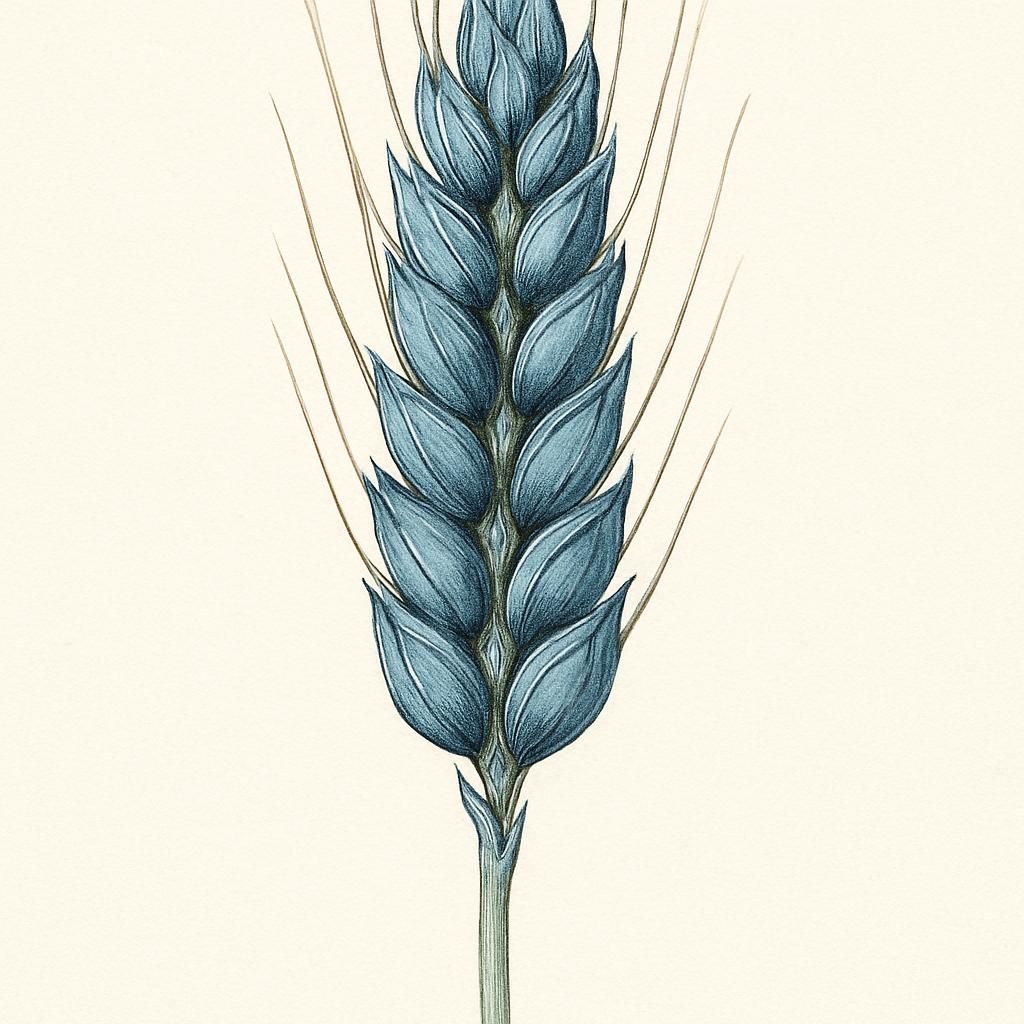
Introduction to Blue Tinge Farro
Blue Tinge Farro, known scientifically as Triticum dicoccum, is a traditional grain that has been cherished for centuries. With its distinctive bluish hull, Blue Tinge Farro stands out among other ancient wheats and is celebrated for its robust, nutty flavor and chewy texture. This heirloom variety is not only valued for its culinary versatility but also for its nutritional benefits, making it an excellent addition to modern sustainable agriculture.
Botanical Profile of Blue Tinge Farro
Classified as an ancient grain, Blue Tinge Farro belongs to the Triticum genus and is a subspecies of emmer wheat. This hardy annual grass is uniquely adapted to harsh growing conditions, making it well-suited for organic and low-input farming systems. The grains are encased in a tough hull that protects them from pests and weather damage.
Soil, pH, and Climate Requirements for Blue Tinge Farro
Blue Tinge Farro is a resilient crop that can grow in diverse conditions, although optimal results are achieved when specific parameters are adhered to. Below is a detailed breakdown of the soil, pH, and climate conditions ideal for cultivating Blue Tinge Farro:
Factor Ideal Conditions Soil Type Well-drained, sandy to loamy soils pH Level 6.0 to 7.5 Climate Cool, temperate climates, tolerance to drought conditions Temperature Range 15°C to 25°C
Step-by-Step Planting & Propagation
- Seed Selection and Preparation: Begin by selecting high-quality seeds with a strong germination rate. Pre-soak seeds for 12-24 hours to enhance germination.
- Field Preparation: Ensure the field is well-drained and devoid of waterlogging, as farro does not thrive in excessively wet soil.
- Sowing: Plant seeds at a depth of 2.5 to 4 cm, with rows spaced 20-30 cm apart. This spacing allows adequate airflow and reduces disease risk.
- Timing: Sow in early spring after the frost has passed, or late winter in milder climates.
Care & Maintenance Regimes for Blue Tinge Farro
For healthy and productive growth, Blue Tinge Farro requires a balanced regimen of water, nutrients, and care.
Aspect Schedule Watering Moderate watering, do not allow soil to dry out completely Fertilizing Apply organic compost or a balanced NPK fertilizer during sowing and midway through the growth period Pruning Not necessary; focus on removing any weed competition
Pests, Diseases & Organic Management
Blue Tinge Farro is relatively resistant to many common pests and diseases. However, regular monitoring is essential to prevent infestations:
- Pests: Monitor for Spider Mites and other common leaf-feeding pests. Use organic neem oil sprays or encourage beneficial insects to reduce their impact.
- Diseases: Watch for signs of rusts and leaf blights, especially in wet conditions. Utilize crop rotation and organic fungicides as preventive measures. For more strategies, see our post on 7 Summer Pest Traps That Sabotage Small Farm Harvests.
Harvesting, Curing & Optimal Storage
- Harvesting: Harvest when the grain turns golden and the moisture content is about 14%. Use a combine harvester or hand tools for small-scale production.
- Curing: Allow harvested grains to cure by leaving them in a dry, airy place for one to two weeks to ensure reduced moisture content.
- Storage: Store dry grains in sealed, moisture-proof containers to prevent mold and insect infestations.
Companion Planting for Blue Tinge Farro
Blue Tinge Farro benefits from companion planting which enhances growth and pest management:
- Ideal Companions: Thyme, Yarrow, and legumes such as peas or beans. These plants help deter pests and improve soil fertility by fixing nitrogen. For more, check out our insights on Summer Companion Planting: 10 Organic Pairings to Boost Small Farm Resilience.