Encyclopedia
Definitive guides for crops, pests, and agricultural diseases.
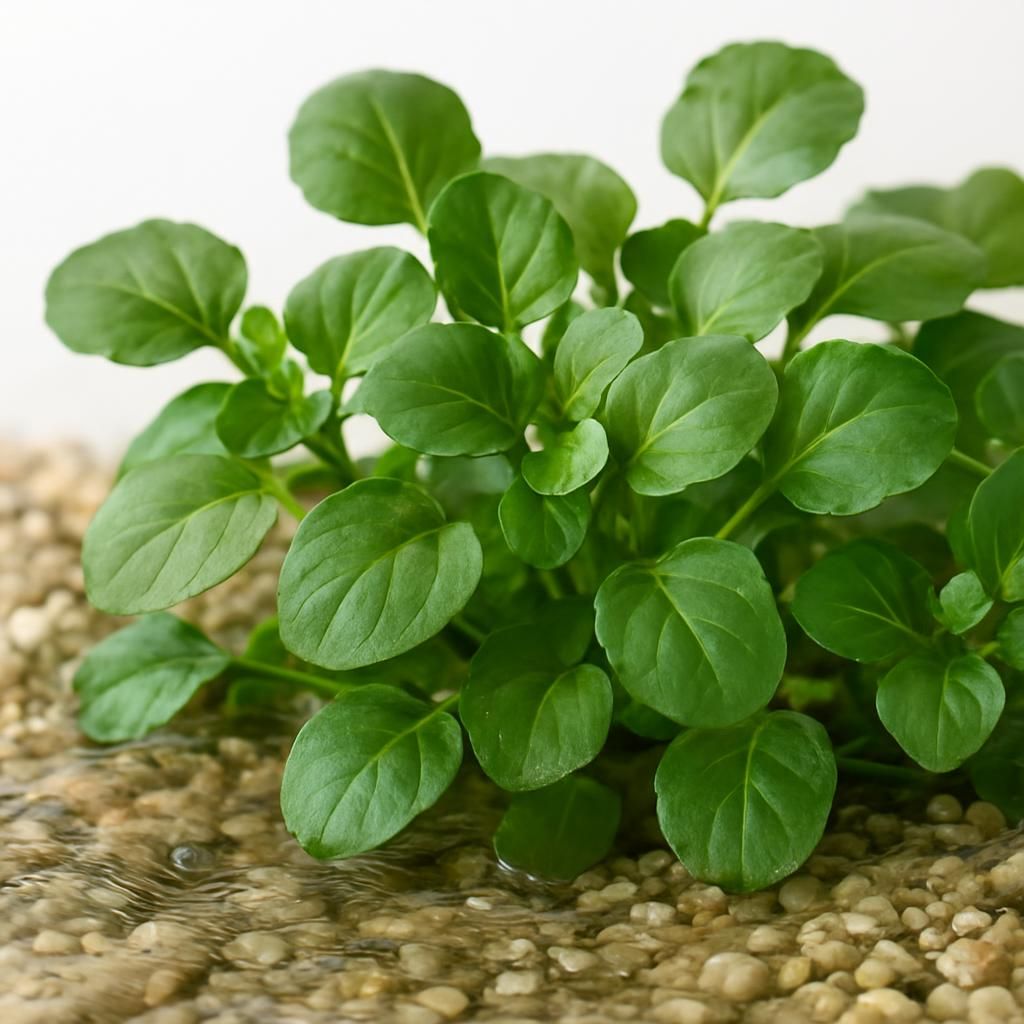
watercress
Watercress is a fast-growing aquatic perennial prized for its peppery leaves and exceptional nutritional density. It thrives in cool, flowing water systems and can be harvested continuously under optimal conditions. This guide covers every stage of professional watercress cultivation from propagation to post-harvest handling.
View Guide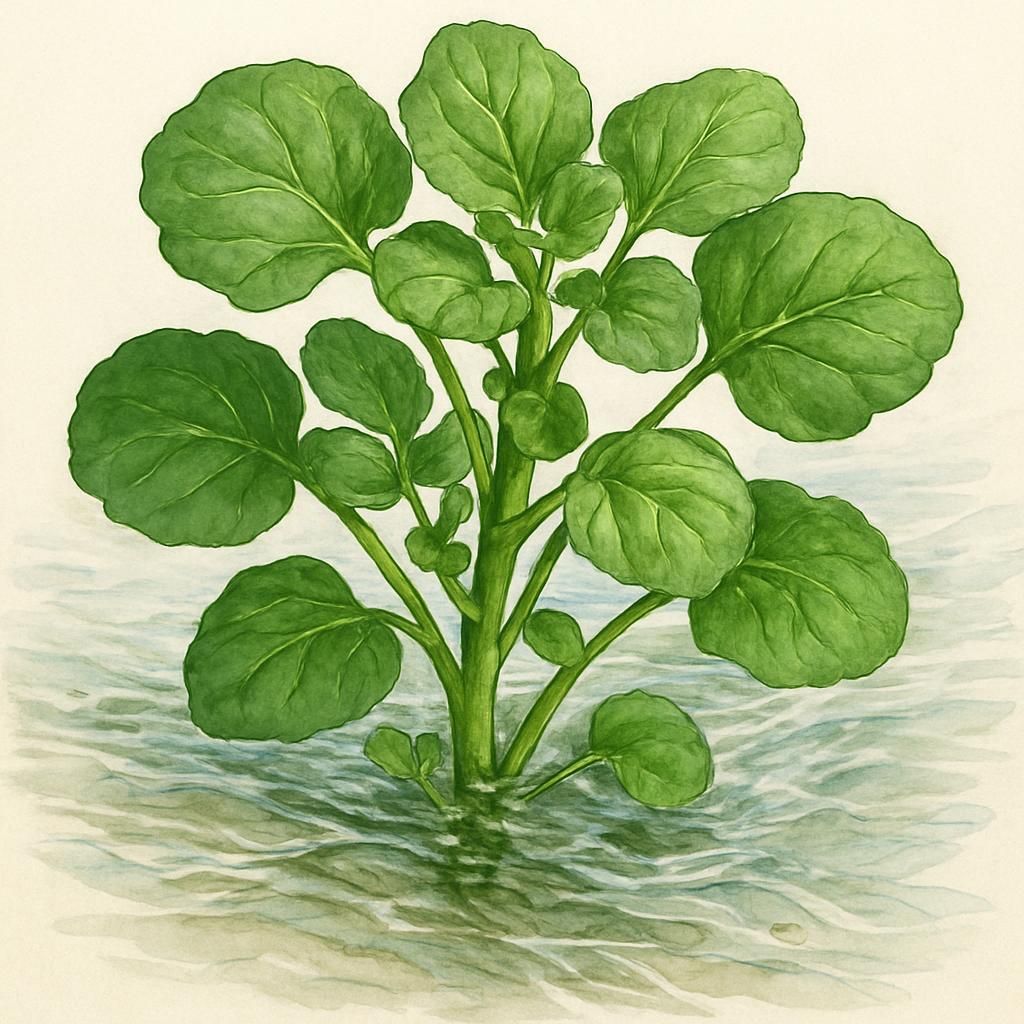
Watercress (Large Leaf)
Watercress (Large Leaf) is an aquatic or semi-aquatic perennial plant known for its peppery leaves, often grown for culinary uses. It thrives in cool, slow-moving water bodies and requires minimal pest management, making it a relatively easy crop to cultivate.
View Guide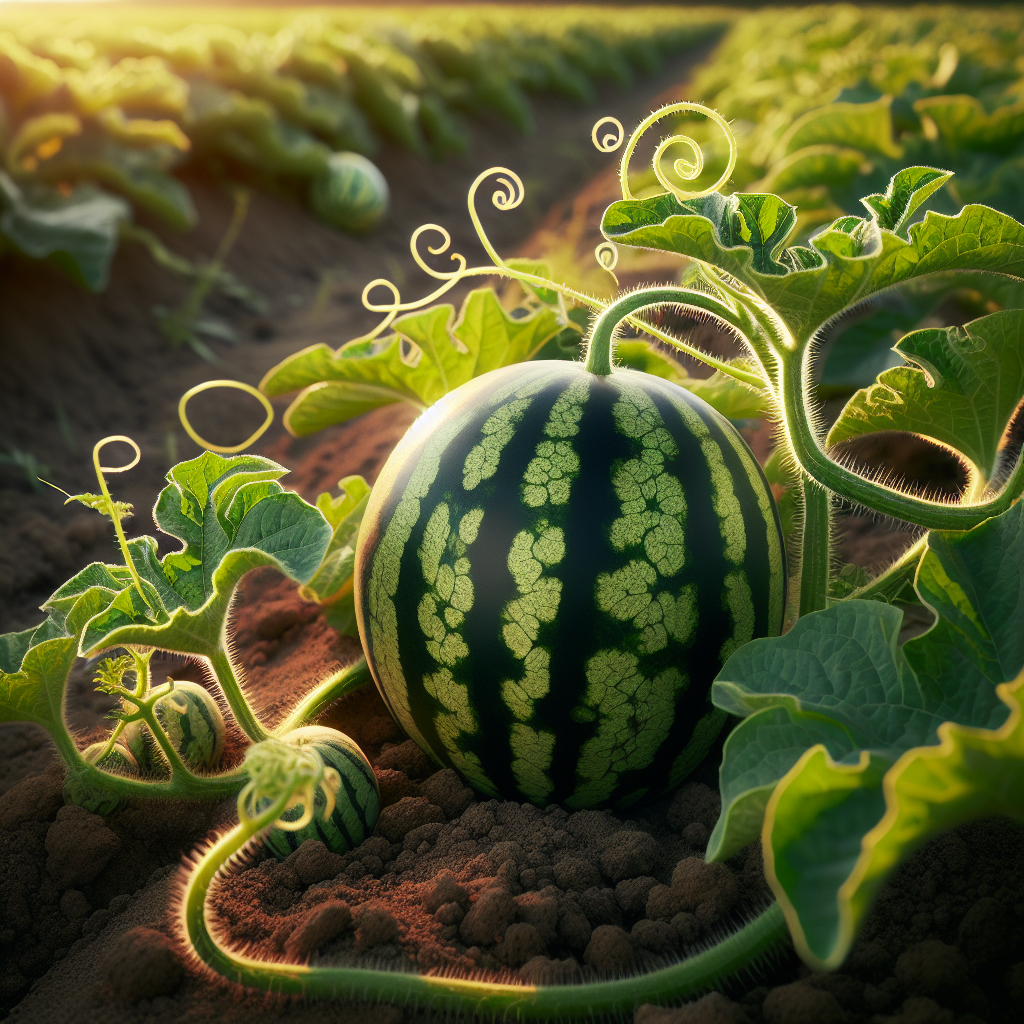
Watermelon
Watermelon is a warm-season cucurbit grown for its large, sweet, water-rich fruits and vigorous trailing vines. It performs best in long, hot growing seasons with full sun, fertile well-drained soil, and careful irrigation management, especially from flowering through fruit sizing.
View Guide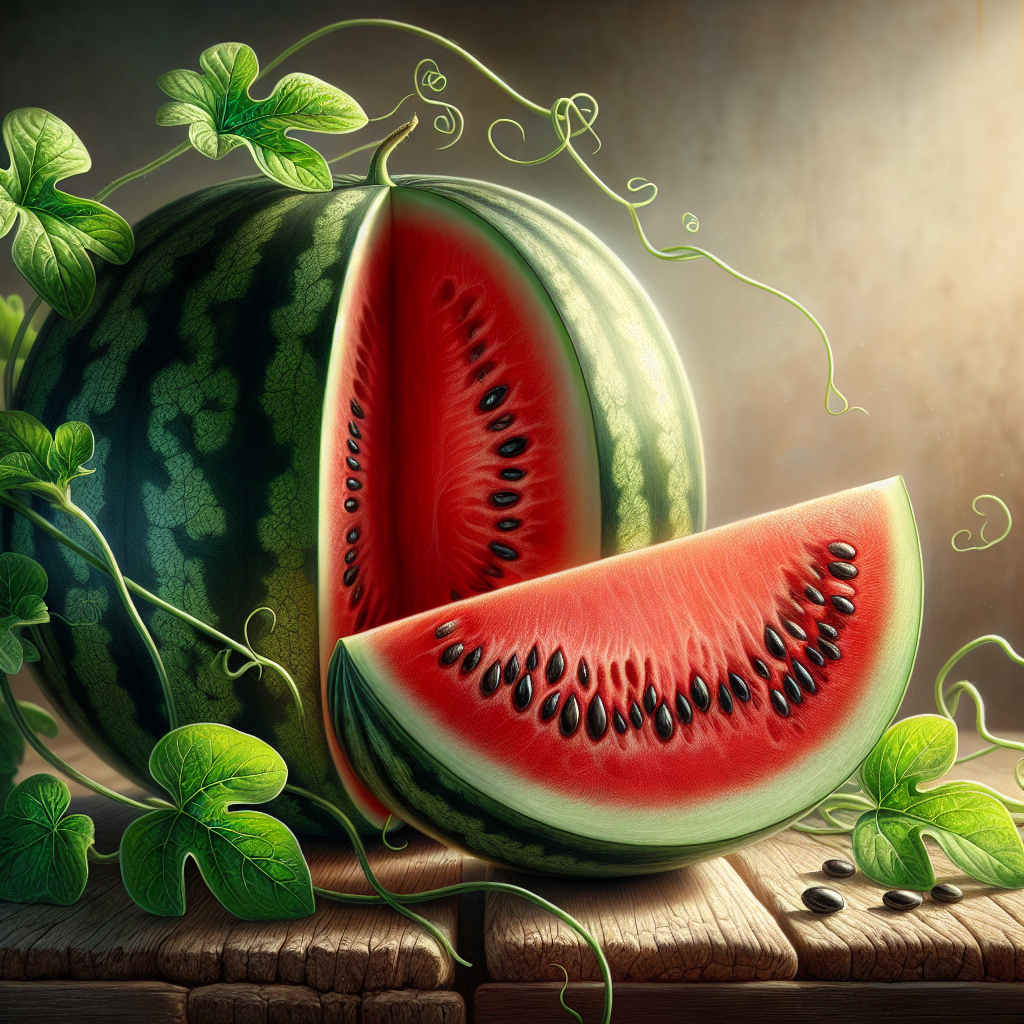
Watermelon (Black Diamond)
Black Diamond watermelon is a classic heirloom variety prized for its large, oblong fruits with deep green rinds and vibrant red flesh, offering exceptional sweetness and juiciness. This guide provides professional-grade cultivation advice, from soil preparation to harvest, optimized for high yields in home gardens and small farms. Ideal for warm climates, it thrives with proper spacing and pest management for bountiful summer harvests.
View Guide
Watermelon (Moon and Stars)
Moon and Stars watermelon is a heirloom variety celebrated for its striking dark green rind adorned with bright yellow moons and stars, producing oblong fruits weighing 20-40 pounds with sweet, crisp red flesh. This heat-loving vine crop thrives in warm climates and sandy soils, offering both ornamental appeal and bountiful harvests for home gardeners and small farms. Known for its disease resistance and reliable yields, it's an excellent choice for summer succession planting.
View Guide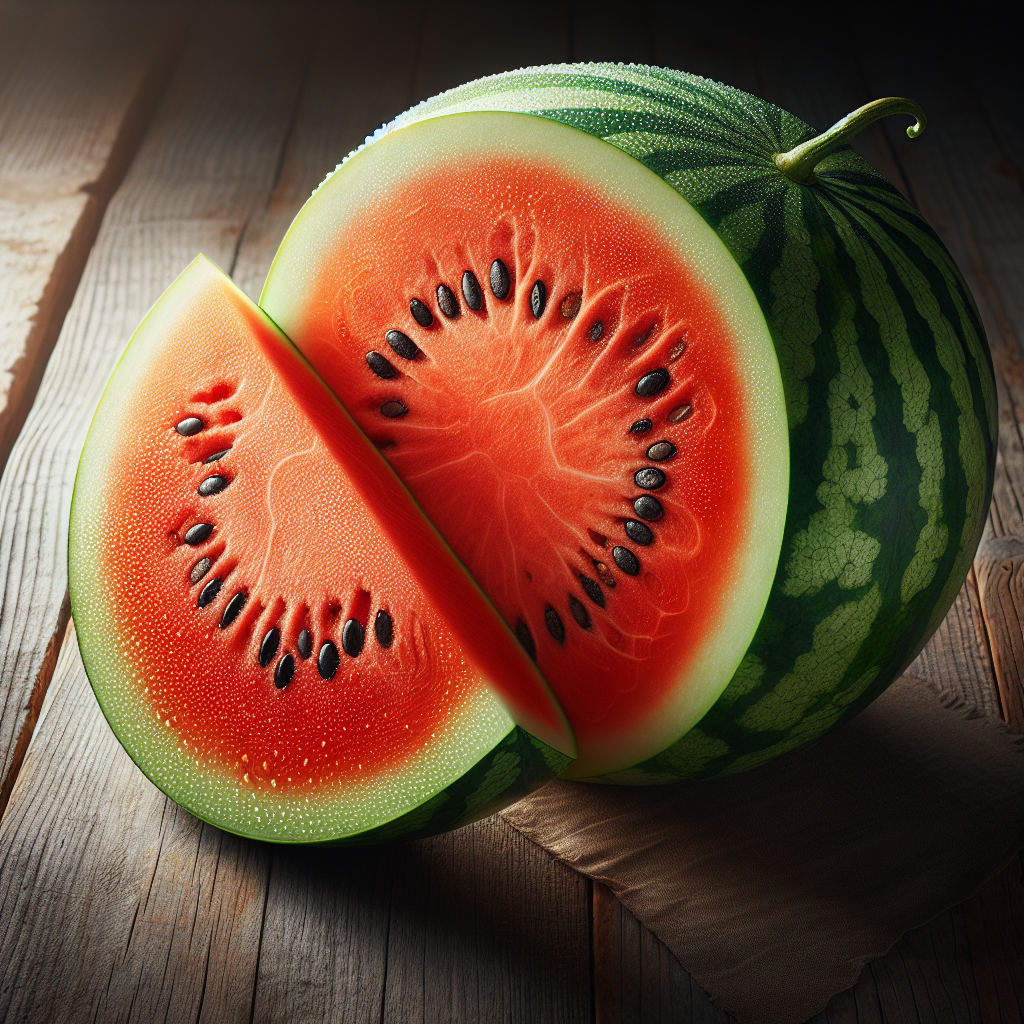
Watermelon (Orangeglo)
Watermelon (Orangeglo) is a rare heirloom variety celebrated for its vibrant orange flesh, exceptional sweetness, and compact vines ideal for smaller gardens. This guide provides professional-grade cultivation advice, from soil preparation to organic pest control, ensuring bountiful harvests of this unique melon. Perfect for home growers seeking premium flavor without expansive space requirements.
View Guide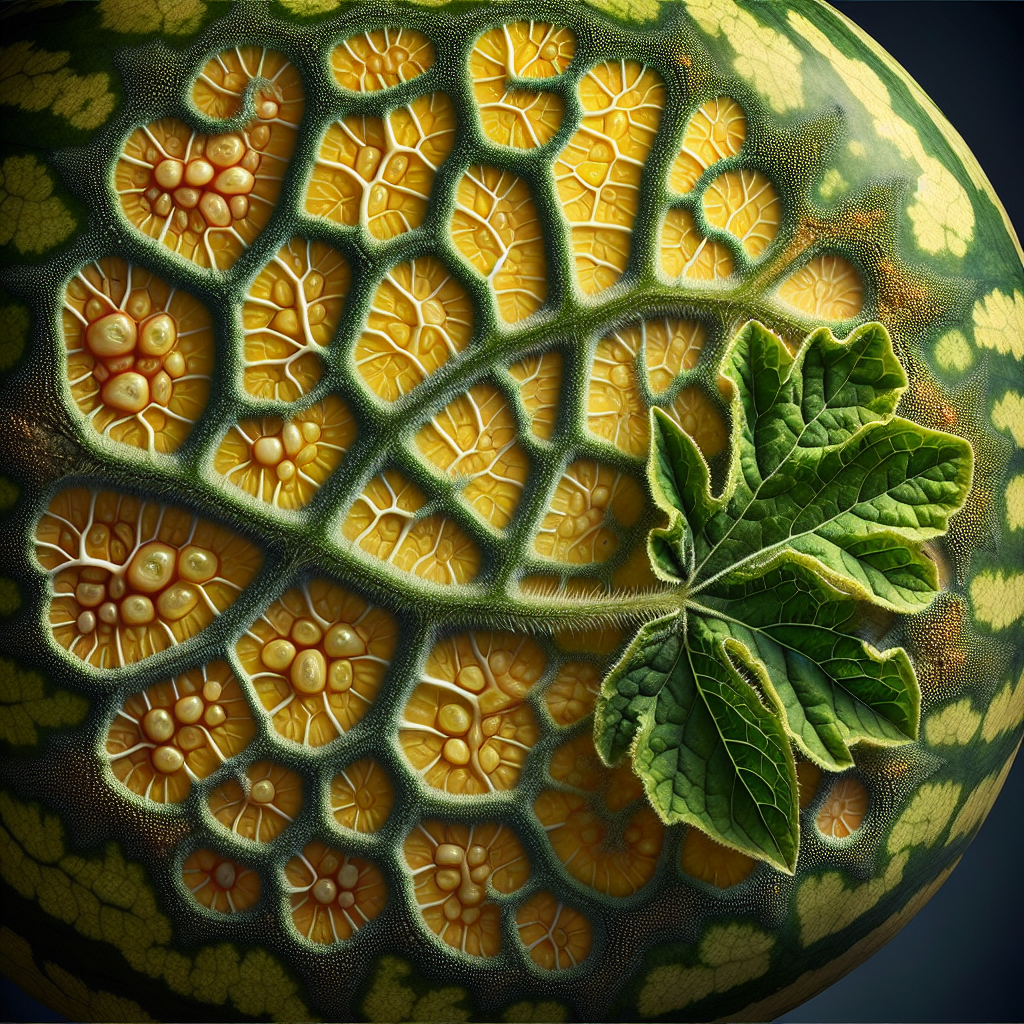
Watermelon Mosaic Virus
Watermelon Mosaic Virus (WMV) is a destructive potyvirus that causes mottled leaves, stunted growth, and deformed fruits in cucurbits, leading to significant yield losses. Transmitted primarily by aphids in a non-persistent manner, it spreads rapidly in warm, humid conditions. Effective management relies on resistant varieties, vector control, and strict sanitation practices.
View Profile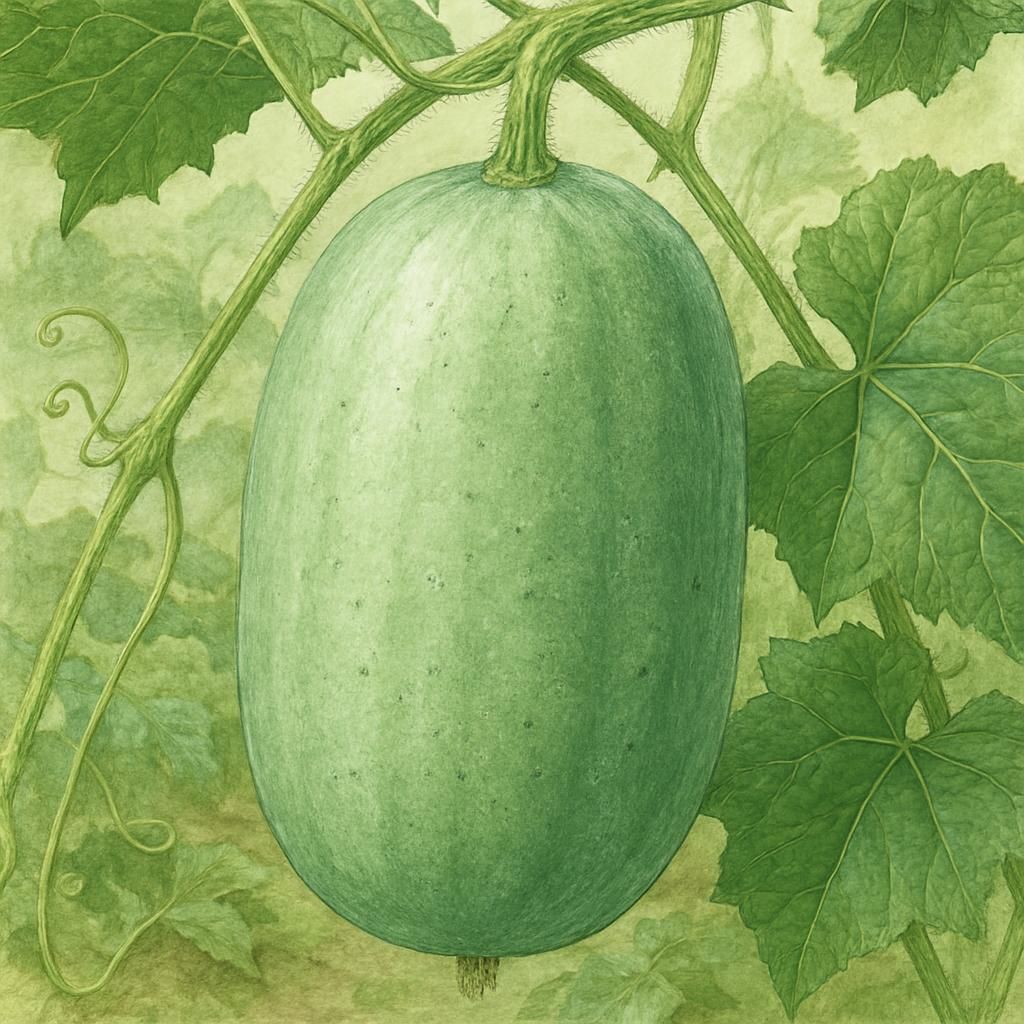
Wax Gourd (Large Round)
Wax Gourd (Large Round) is a versatile, large, round vegetable grown widely for its culinary uses. It's known for its thick, waxy exterior and ability to be stored for extended periods.
View Guide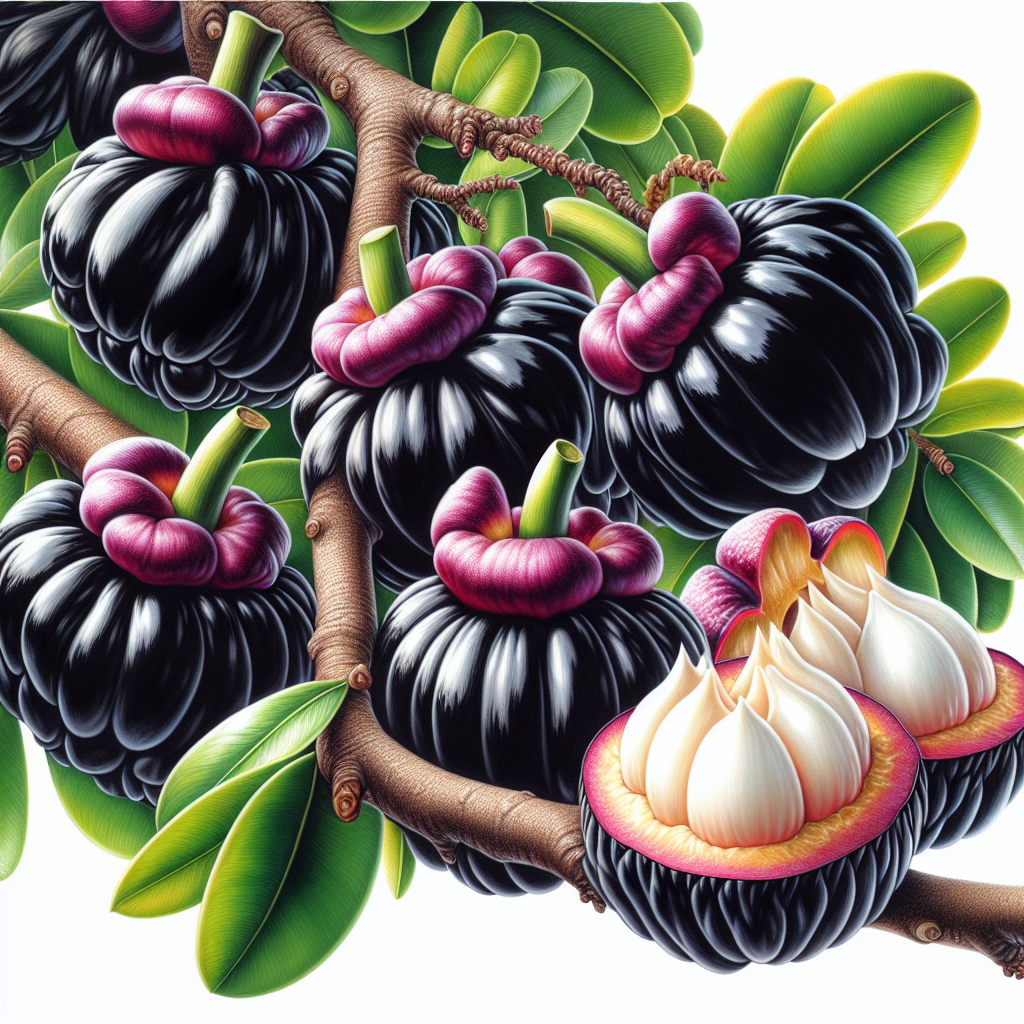
Wax Jambu (Black King Kong)
Wax Jambu (Black King Kong) is a striking tropical evergreen fruit tree prized for its large, glossy black-purple fruits with crisp, apple-like flesh and subtle rosewater flavor. This cultivar thrives in warm, humid climates, producing abundant yields with minimal care once established. Ideal for home orchards and small farms seeking exotic, low-maintenance fruits.
View Guide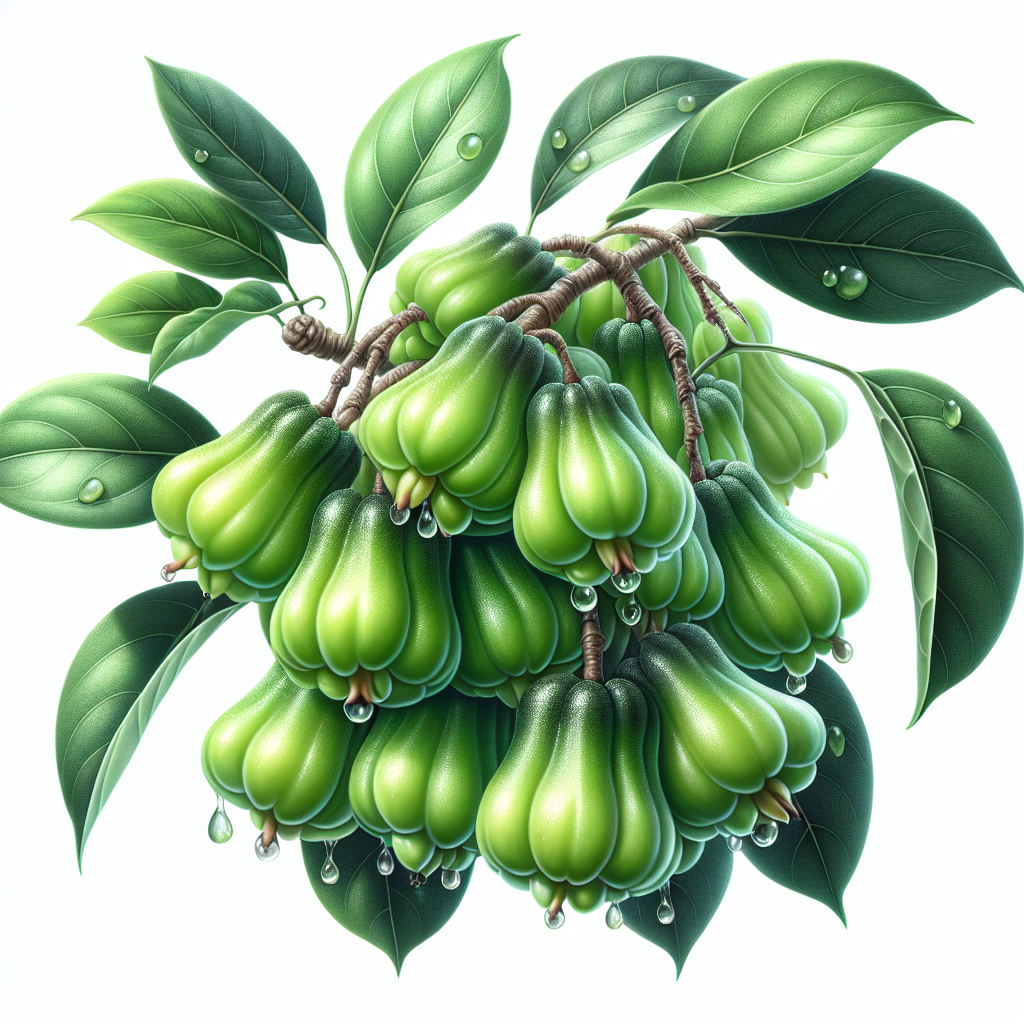
Wax Jambu (Green Pearl)
Wax Jambu (Green Pearl) is a tropical evergreen tree prized for its crisp, juicy, green apple-like fruits that remain green when ripe, offering a unique flavor profile of sweet-tart apple with subtle rose notes. This low-maintenance crop thrives in warm climates, producing abundant yields with minimal care, making it ideal for home orchards and small farms. Growers appreciate its ornamental value, pest resistance, and ability to fruit year-round in optimal conditions.
View Guide
webworms
Webworms are common defoliating caterpillars that create conspicuous silken webs on trees and shrubs, primarily targeting deciduous hardwoods but occasionally affecting fruit and nut crops. These pests can cause significant aesthetic damage and partial defoliation, though rarely kill healthy mature trees. Effective management combines cultural practices, biological controls, and targeted organic treatments for sustainable control.
View Profile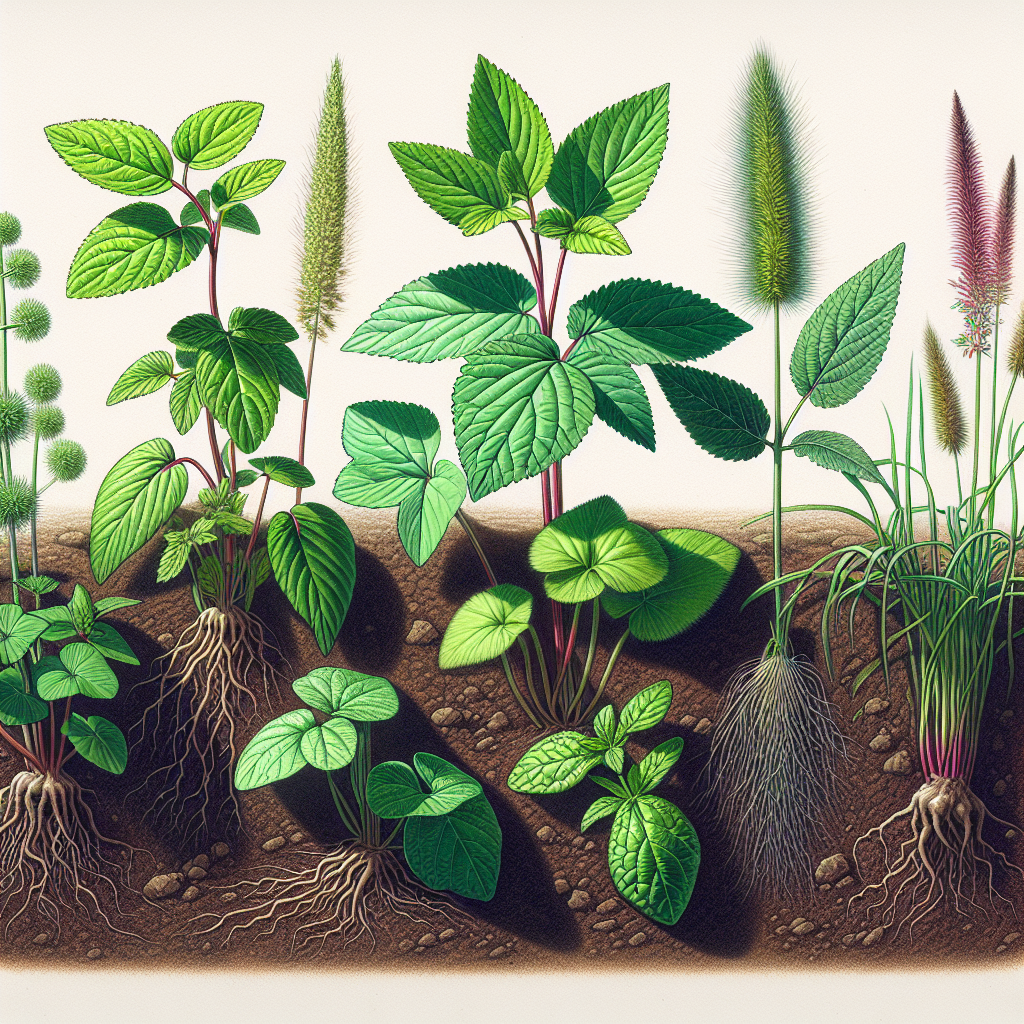
Weeds
Weeds are unwanted plants that compete with crops for essential resources like water, nutrients, and sunlight, significantly reducing agricultural yields worldwide. This comprehensive guide covers identification, lifecycle, environmental factors, organic management strategies, prevention techniques, and the crops most vulnerable to weed infestations. Implementing integrated weed management can minimize losses and promote sustainable farming practices.
View Profile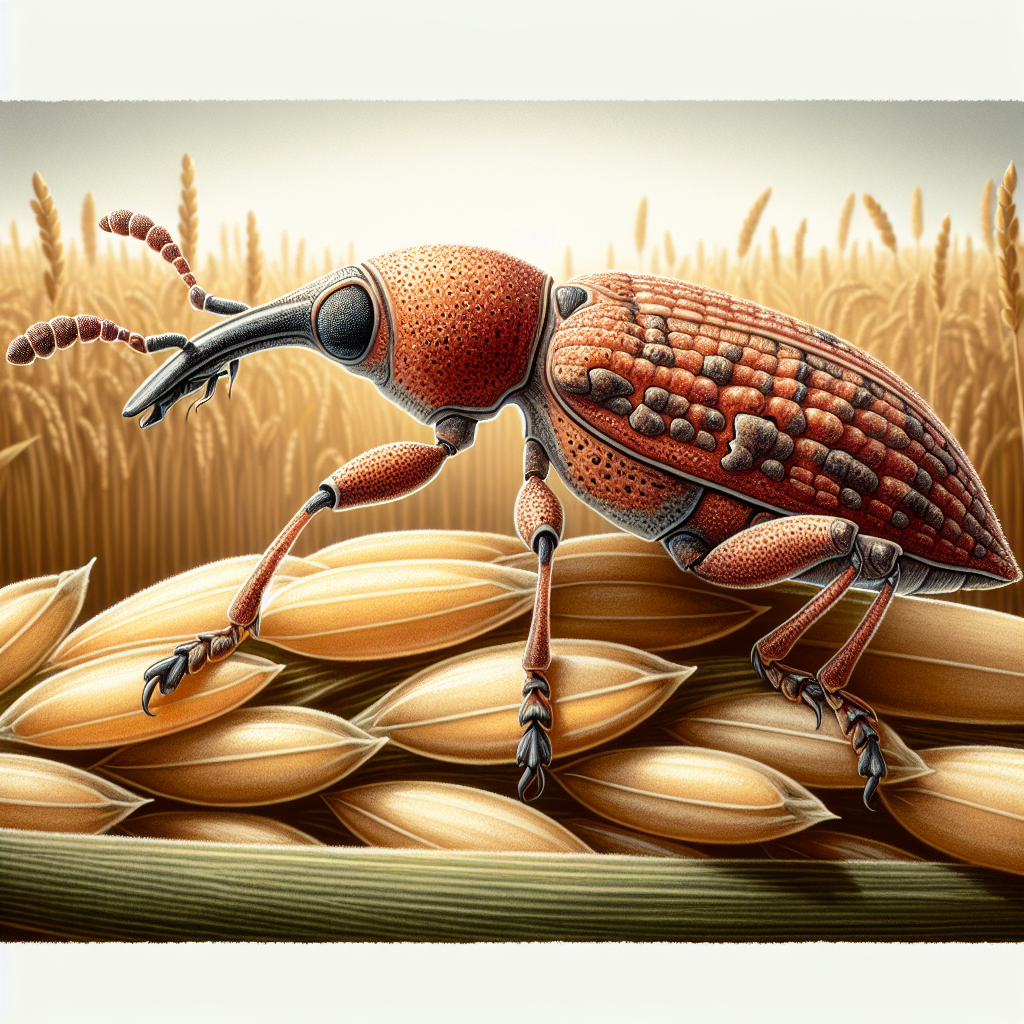
weevils
Weevils are small beetles notorious for boring into seeds, grains, fruits, and roots, causing significant damage to crops worldwide. This guide provides comprehensive diagnostics, lifecycle insights, organic management strategies, and prevention tips for farmers and gardeners. Protect your harvest with proven, practical agricultural techniques tailored to common weevil infestations.
View Profile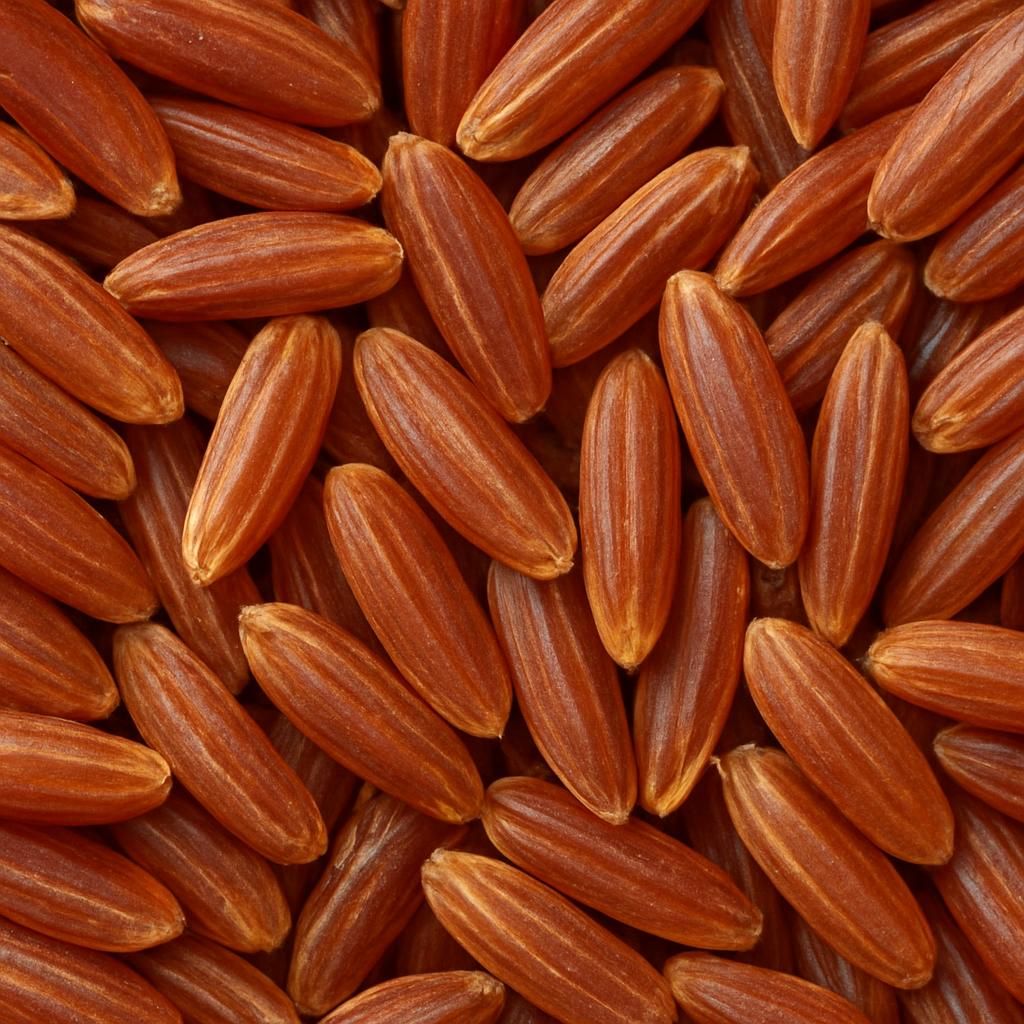
Wehani Rice
Wehani Rice is a unique aromatic variety developed in California, known for its distinctive reddish-brown color and nutty flavor. Well-suited for gourmet recipes, this rice requires specific growing conditions for optimal yield.
View Guide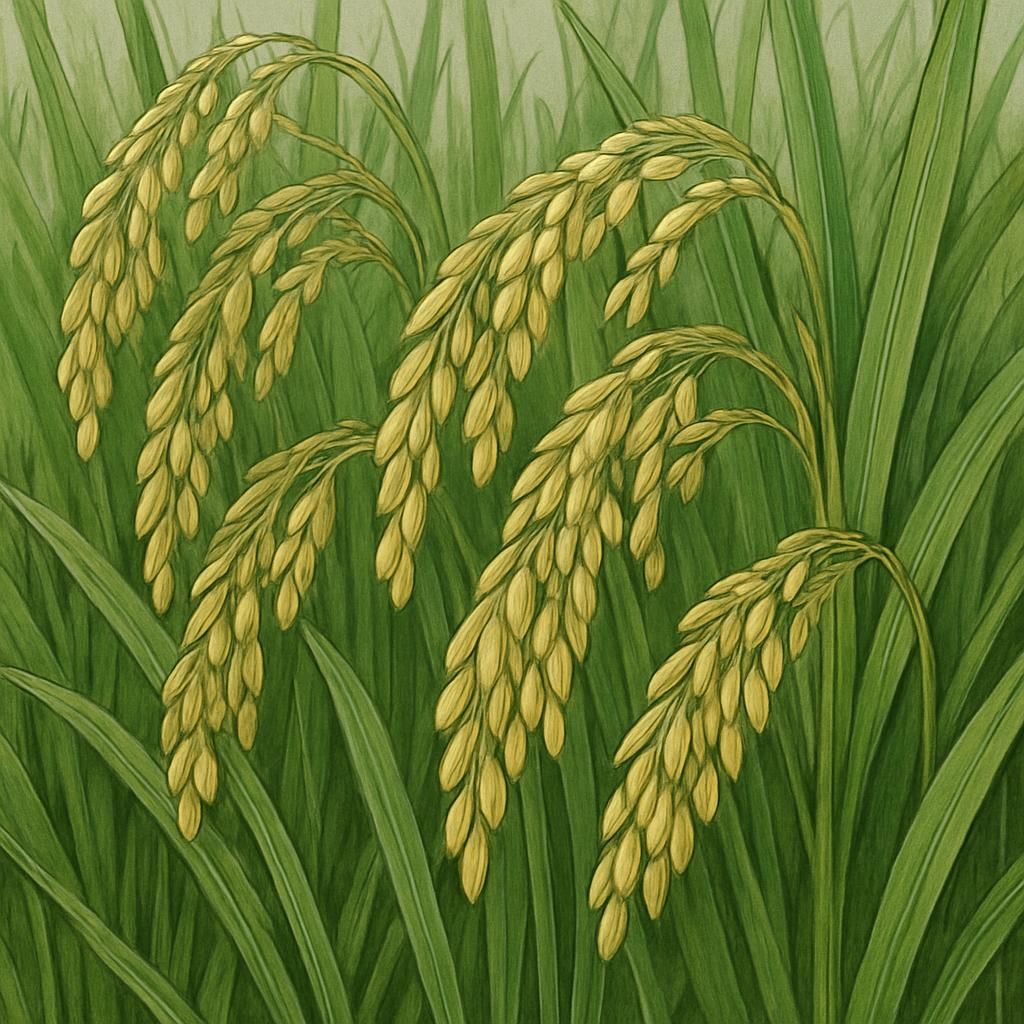
Wells Rice
Wells Rice is a high-yielding, medium-grain rice variety known for its adaptability to various growing conditions, particularly in the southern United States. With a moderate growth difficulty, it requires specific soil, climate, and care to ensure optimal yields.
View Guide
West Indian Cherry (Acerola - B-17)
West Indian Cherry, commonly known as Acerola or B-17 cherry, is a tropical superfruit renowned for its exceptionally high vitamin C content, up to 50-100 times that of oranges. This fast-growing shrub thrives in warm climates and produces abundant clusters of bright red, tangy-sweet berries ideal for fresh eating, juices, and supplements. Perfect for home gardens and small farms seeking nutrient-dense, high-yield crops.
View Guide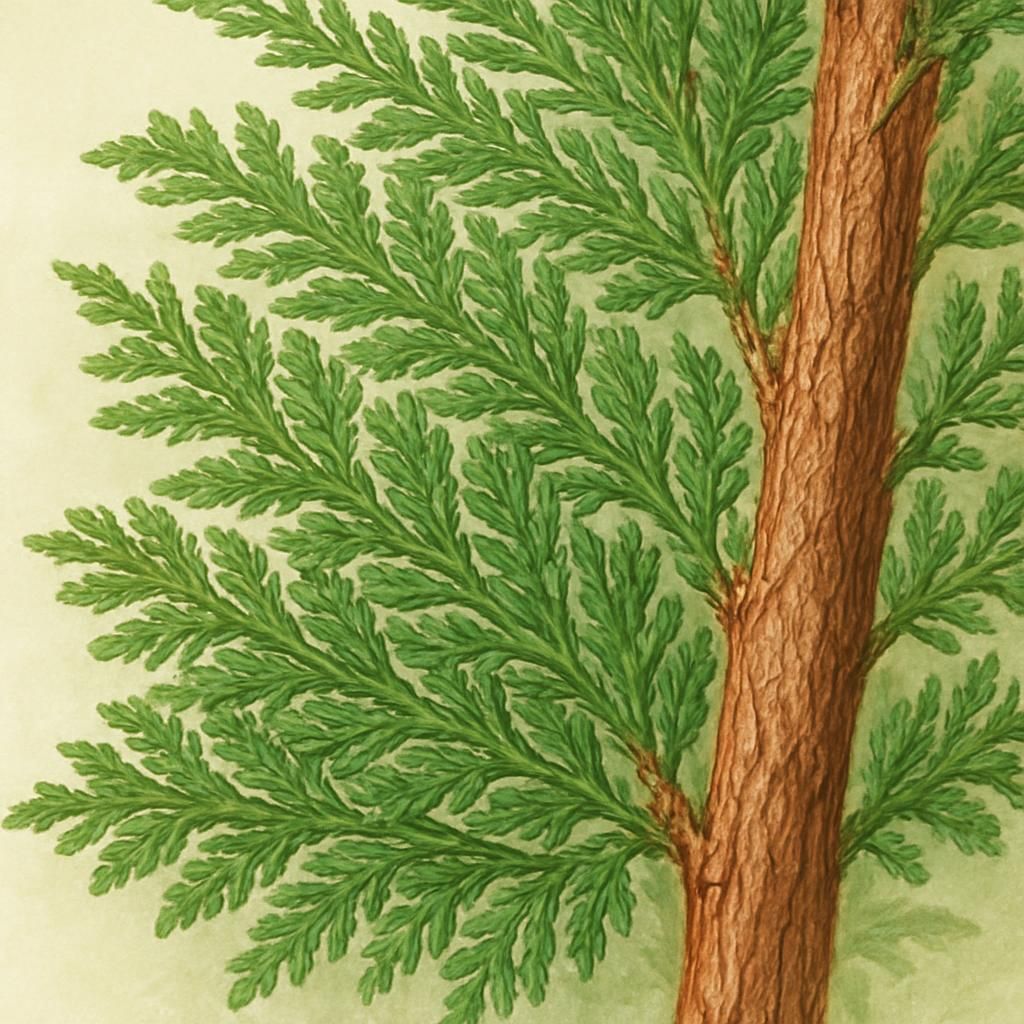
western red cedar
Western red cedar is a long-lived evergreen conifer valued for its durable, aromatic wood, natural rot resistance, and wide use in forestry, landscaping, and traditional crafts. This guide covers optimal growing conditions, propagation methods, ongoing care, pest and disease management, harvesting, and compatible companion species for successful cultivation.
View Guide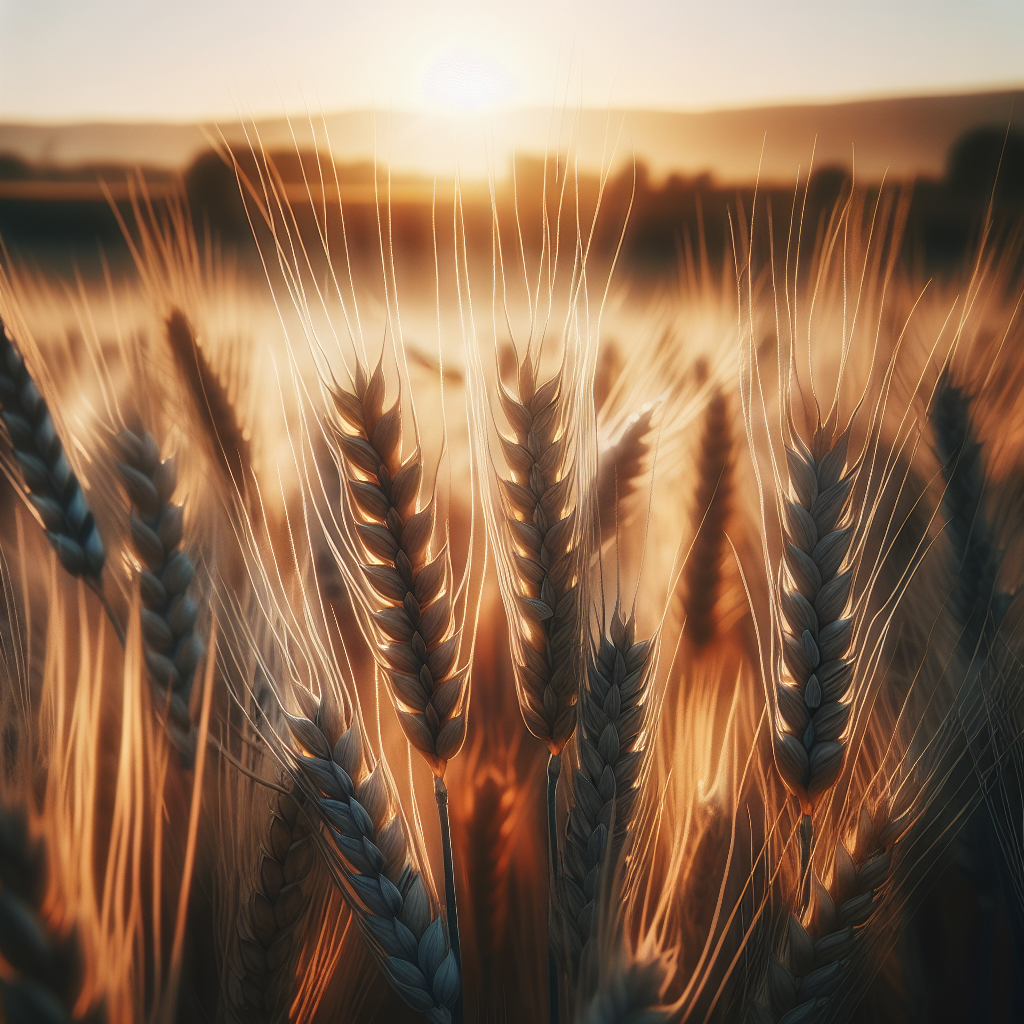
Wheat
Wheat is one of the world’s most important cereal crops, valued for its adaptability, grain quality, and central role in food systems from bread and pasta to animal feed. Successful wheat production depends on matching cultivar type to climate, establishing a uniform stand, managing nitrogen and moisture precisely, and protecting the crop from weeds, rusts, and lodging.
View Guide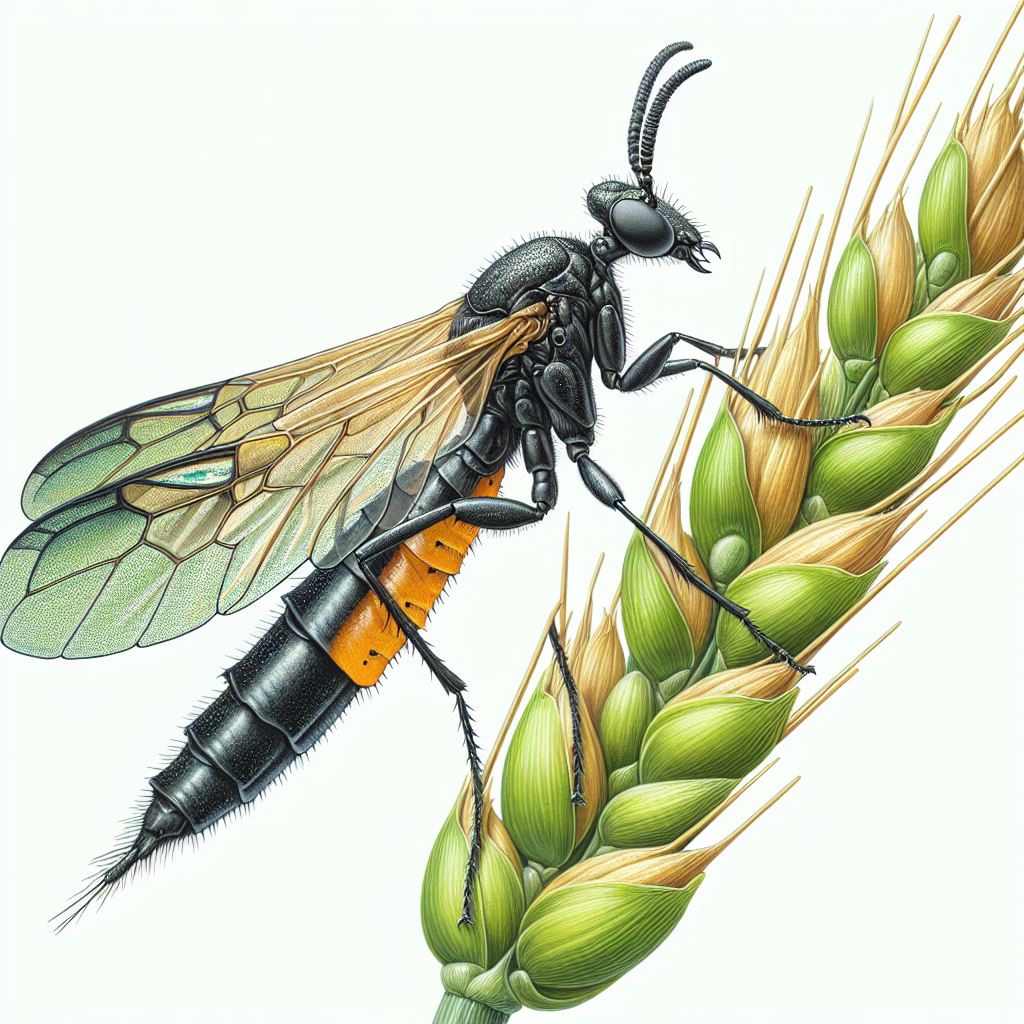
Wheat stem sawfly
The wheat stem sawfly (Cephus cinctus) is a destructive pest primarily targeting wheat crops in North America, boring into stems and causing lodging that leads to significant yield losses. This guide provides comprehensive diagnostics, lifecycle details, organic management strategies, and prevention tips for farmers battling this stem-boring insect. Effective control hinges on understanding its biology and implementing resistant varieties and cultural practices.
View Profile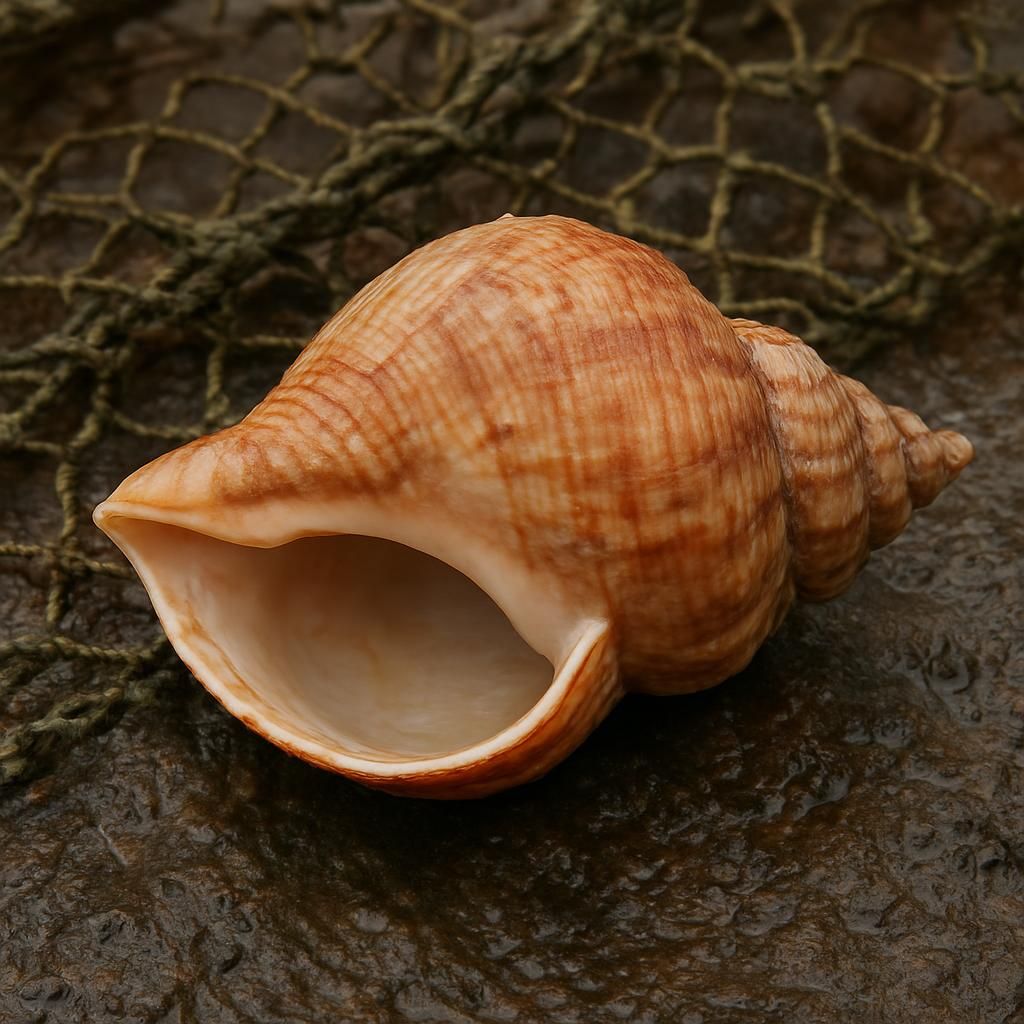
whelks
Whelks are large predatory marine snails that occasionally impact coastal and estuarine agriculture through predation on shellfish beds and damage to aquaculture infrastructure. While primarily marine, their presence near tidal farms and coastal crops can lead to indirect economic losses through equipment fouling and competition for resources.
View Profile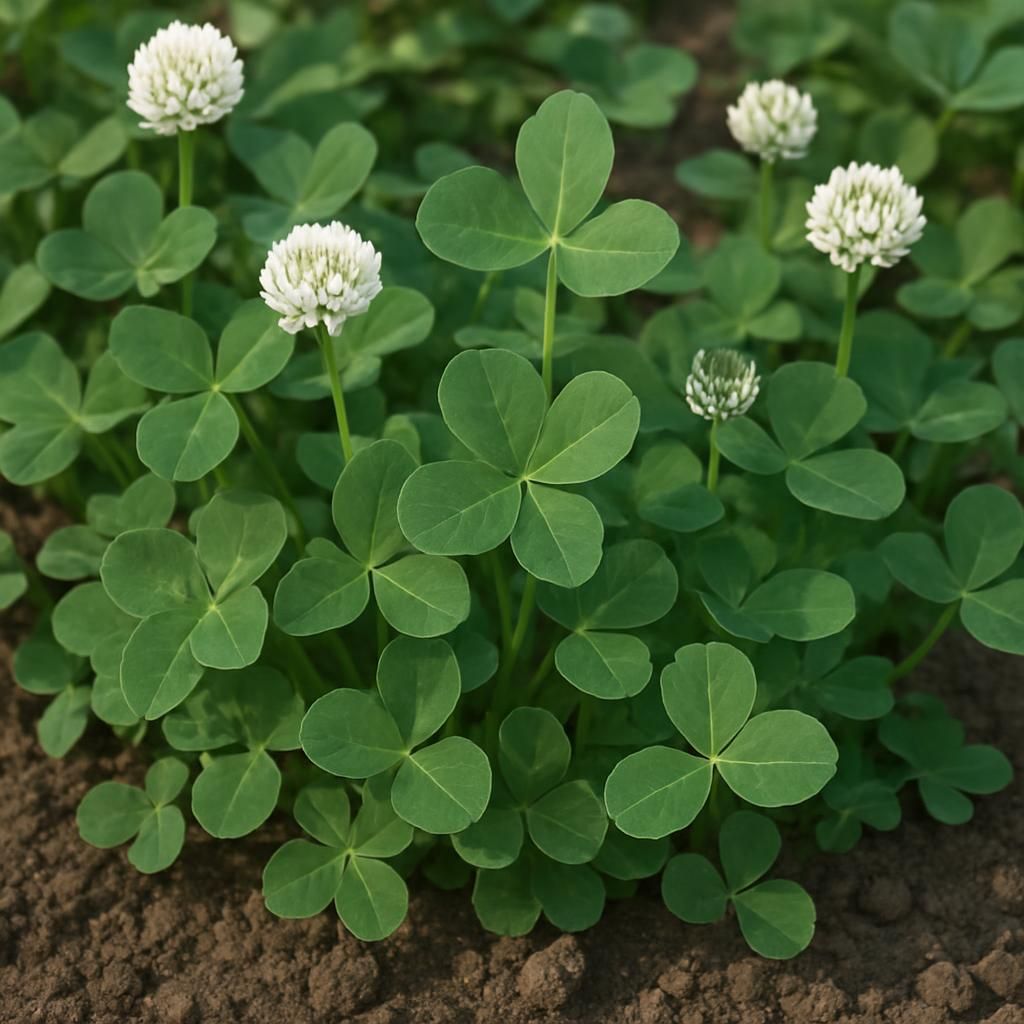
White Clover
White clover is a low-growing, nitrogen-fixing perennial legume widely used as a cover crop, living mulch, and forage. It improves soil fertility, suppresses weeds, and supports pollinators while tolerating grazing and frequent mowing. Its shallow root system and stoloniferous growth make it an excellent choice for sustainable pasture and orchard systems.
View Guide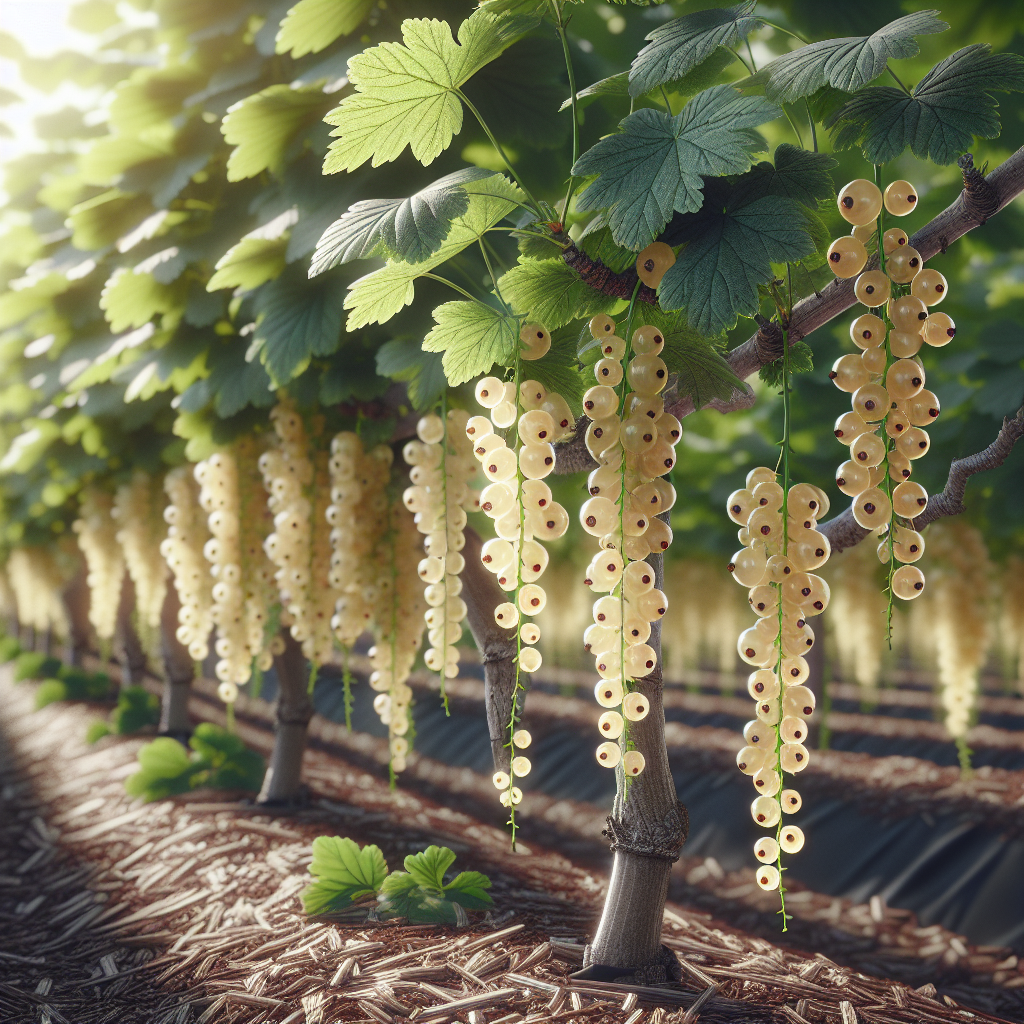
White Currant
White currant is a pale-fruited form of red currant grown for its translucent berries, mild sweetness, and dependable productivity in cool to temperate climates. Although often treated as a distinct fruit in gardens and markets, it is botanically a white-fruited selection of the red currant species and thrives under similar cultural conditions with careful pruning, moisture management, and disease prevention.
View Guide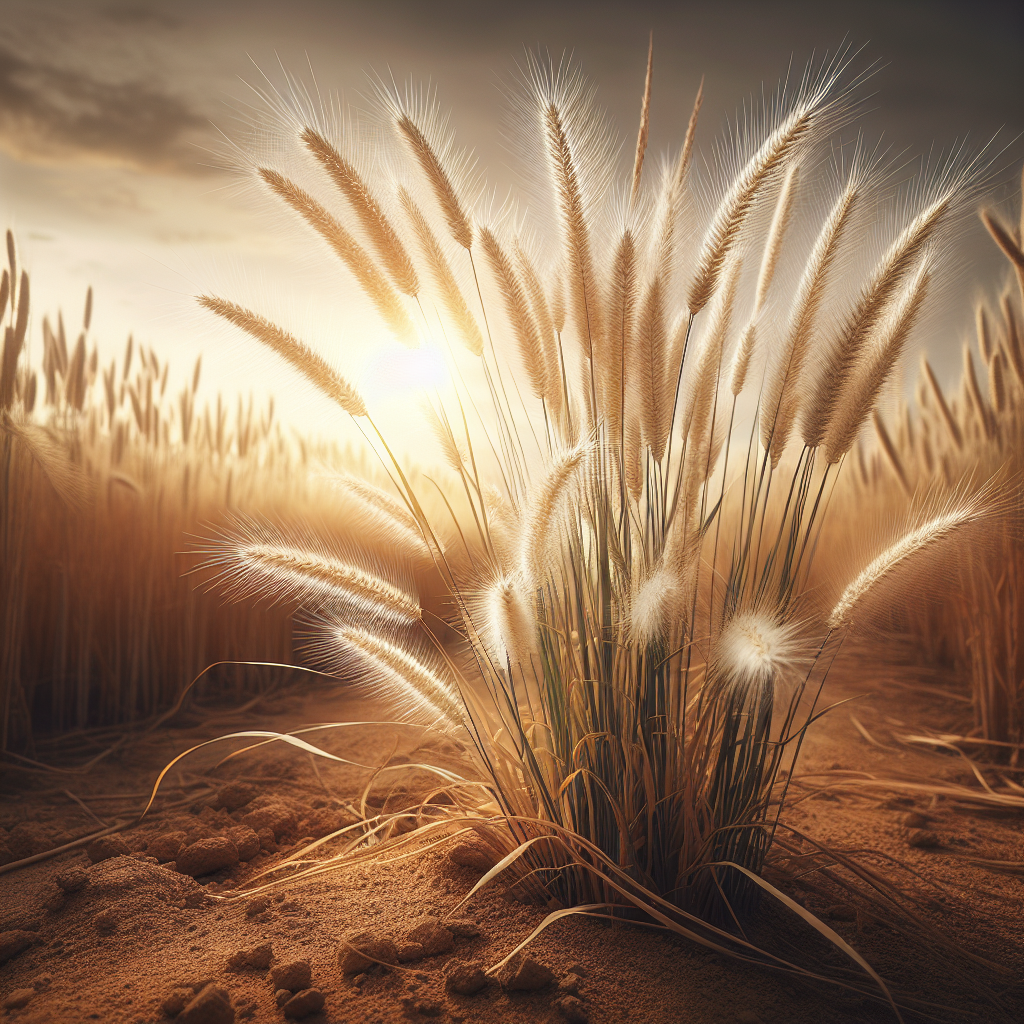
White Fonio
White fonio is one of West Africa’s oldest cultivated cereals, valued for its extremely small grains, rapid maturity, and dependable performance in poor soils and low-rainfall conditions. It is a resilient, warm-season annual grass that can produce grain where many larger cereals struggle, making it especially important for smallholders, dryland farms, and diversified grain systems.
View Guide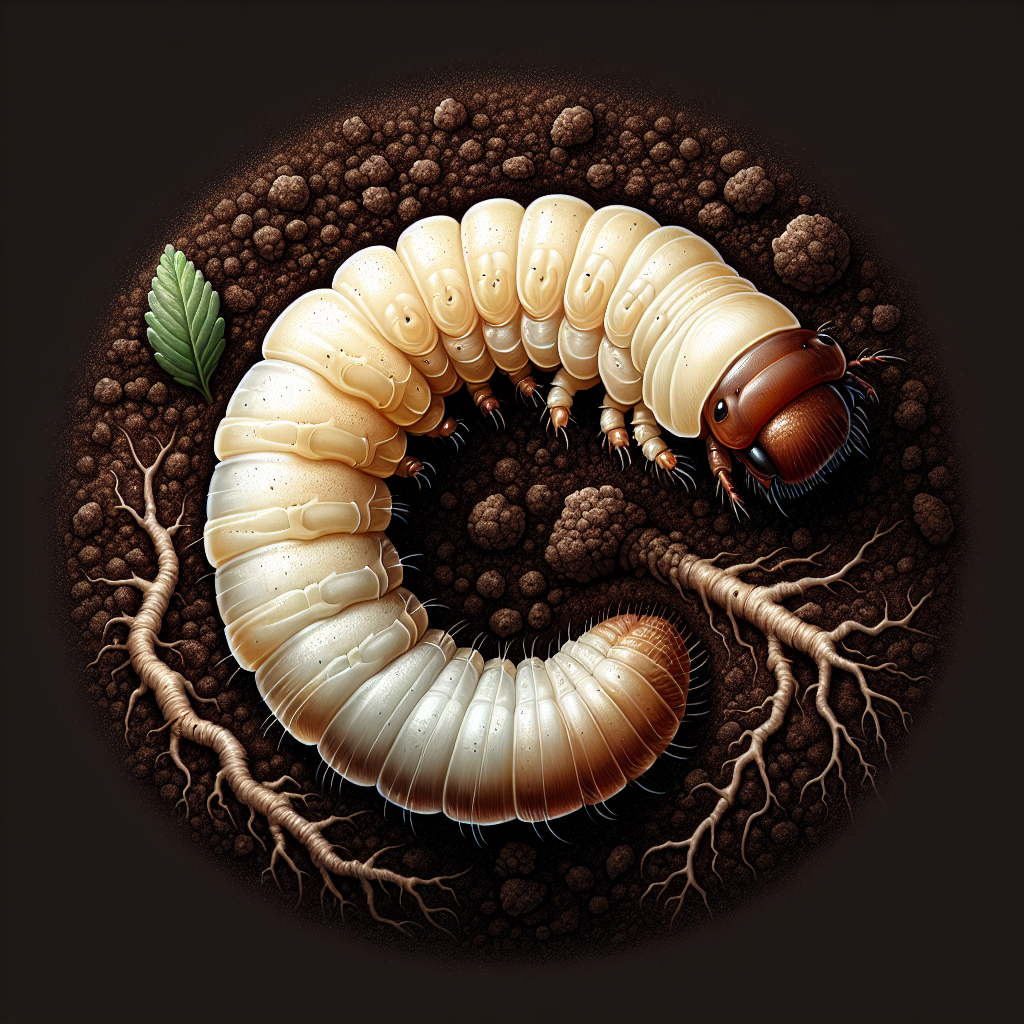
White grubs
White grubs are the C-shaped larvae of scarab beetles that feed on plant roots, causing widespread damage in lawns, turf, and agricultural fields. This guide provides comprehensive diagnostics, lifecycle insights, organic management strategies, and prevention tips for effective control. Farmers and gardeners can protect crops like corn, potatoes, and turfgrass using integrated approaches.
View Profile