Encyclopedia
Definitive guides for crops, pests, and agricultural diseases.

White Jute
White Jute is a warm-season bast fiber crop prized for its strong, lustrous stem fiber and adaptability to humid tropical lowlands. It is especially valued in South Asia for rope, sacks, twine, paper pulp, geotextiles, and increasingly for sustainable natural-fiber products.
View Guide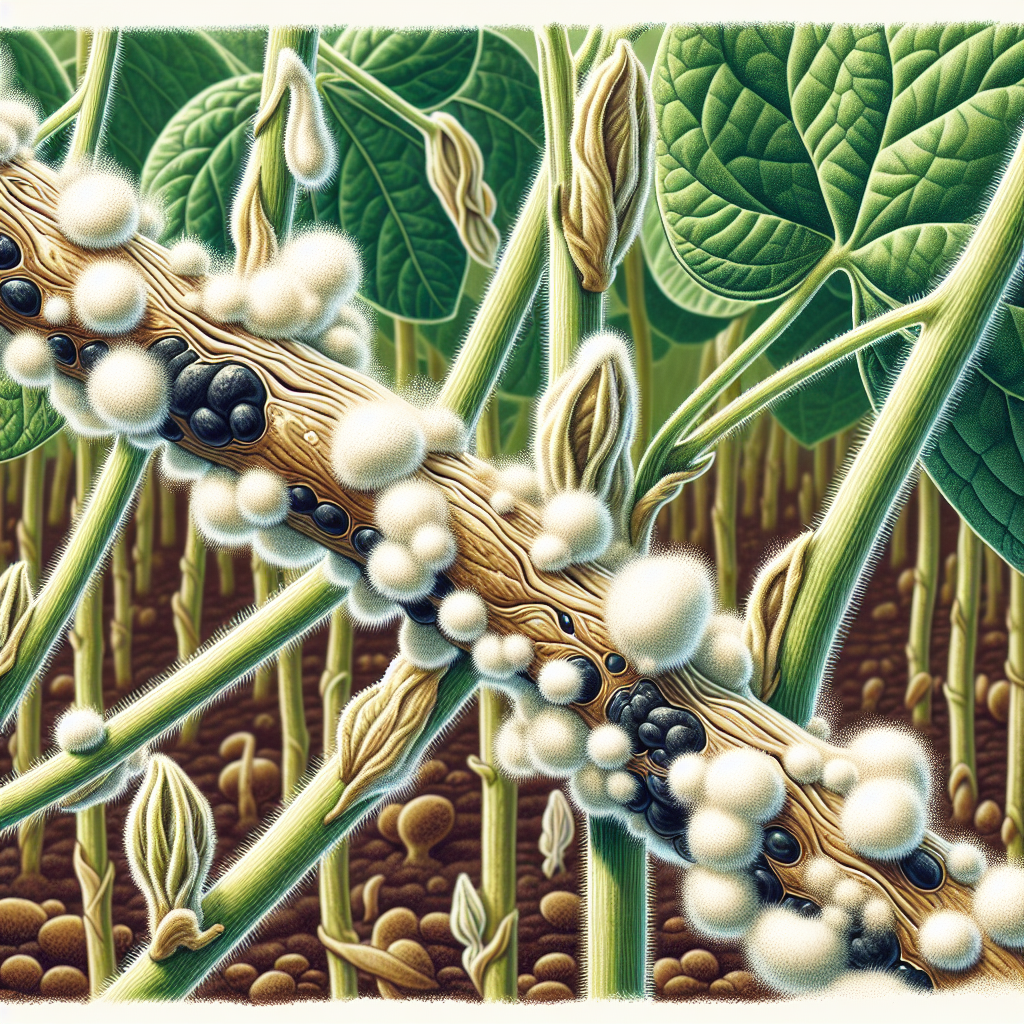
white mold
White mold, caused by the fungus Sclerotinia sclerotiorum, is a devastating soilborne disease affecting over 400 plant species, leading to stem rot, wilt, and fluffy white fungal growth under cool, moist conditions. It produces hard black sclerotia that persist in soil for years, making management challenging. Effective control relies on cultural practices, resistant varieties, and targeted organic fungicides.
View Profile
White Onion (White Sweet Spanish)
White Sweet Spanish is a large, mild-flavored white bulb onion valued for its juicy texture, low pungency, and fresh-eating quality. It performs best in fertile, well-drained soil, steady moisture, and cool-to-mild growing conditions that allow strong vegetative growth before bulbing begins.
View Guide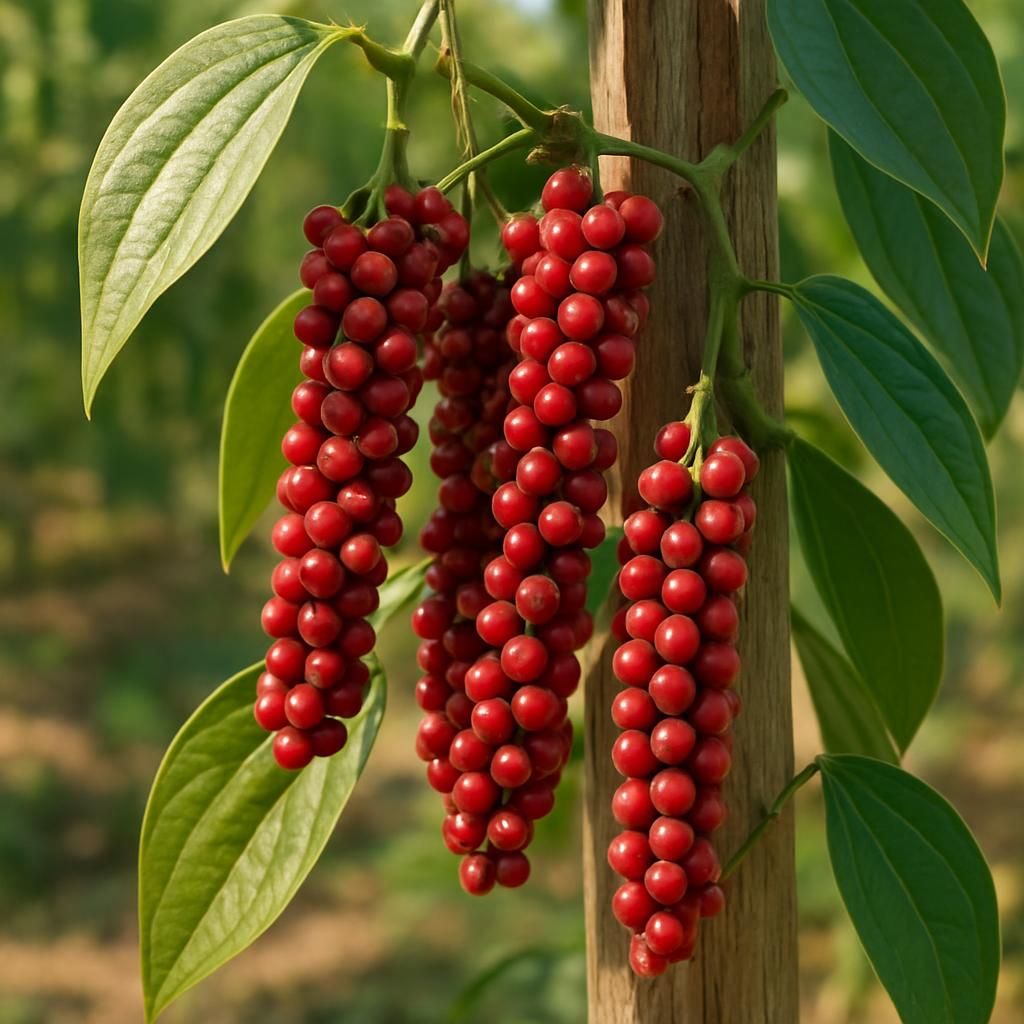
White Pepper (Muntok)
White Pepper (Muntok) is a premium spice crop derived from the fully ripened berries of the Piper nigrum vine, processed by removing the outer pericarp to yield a milder, aromatic white pepper favored in culinary and export markets.
View Guide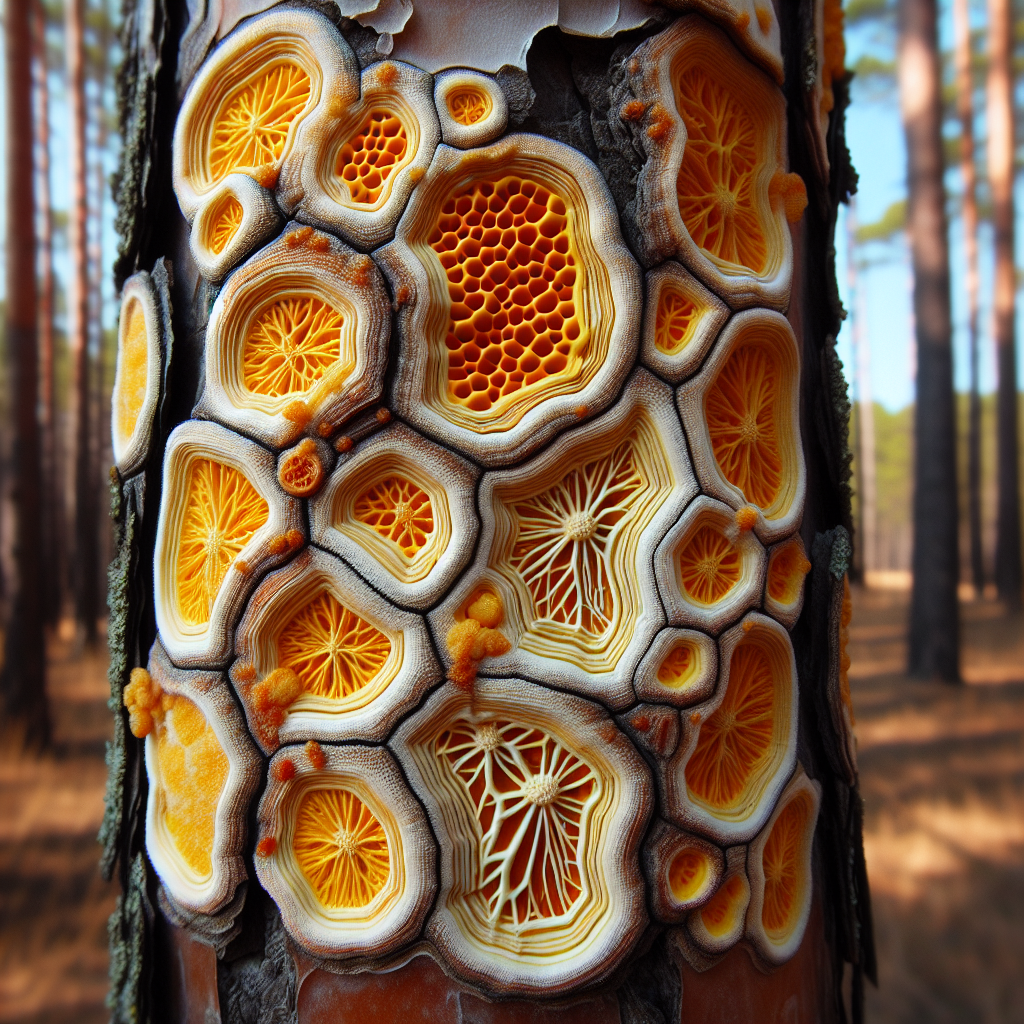
White pine blister rust
White pine blister rust is a devastating fungal disease caused by Cronartium ribicola that primarily affects five-needle white pines, leading to branch and stem cankers that can girdle and kill trees. It requires an alternating host, typically Ribes species like currants and gooseberries, to complete its lifecycle. Early detection and management through resistant varieties, sanitation, and cultural practices are essential for control in forestry and ornamental settings.
View Profile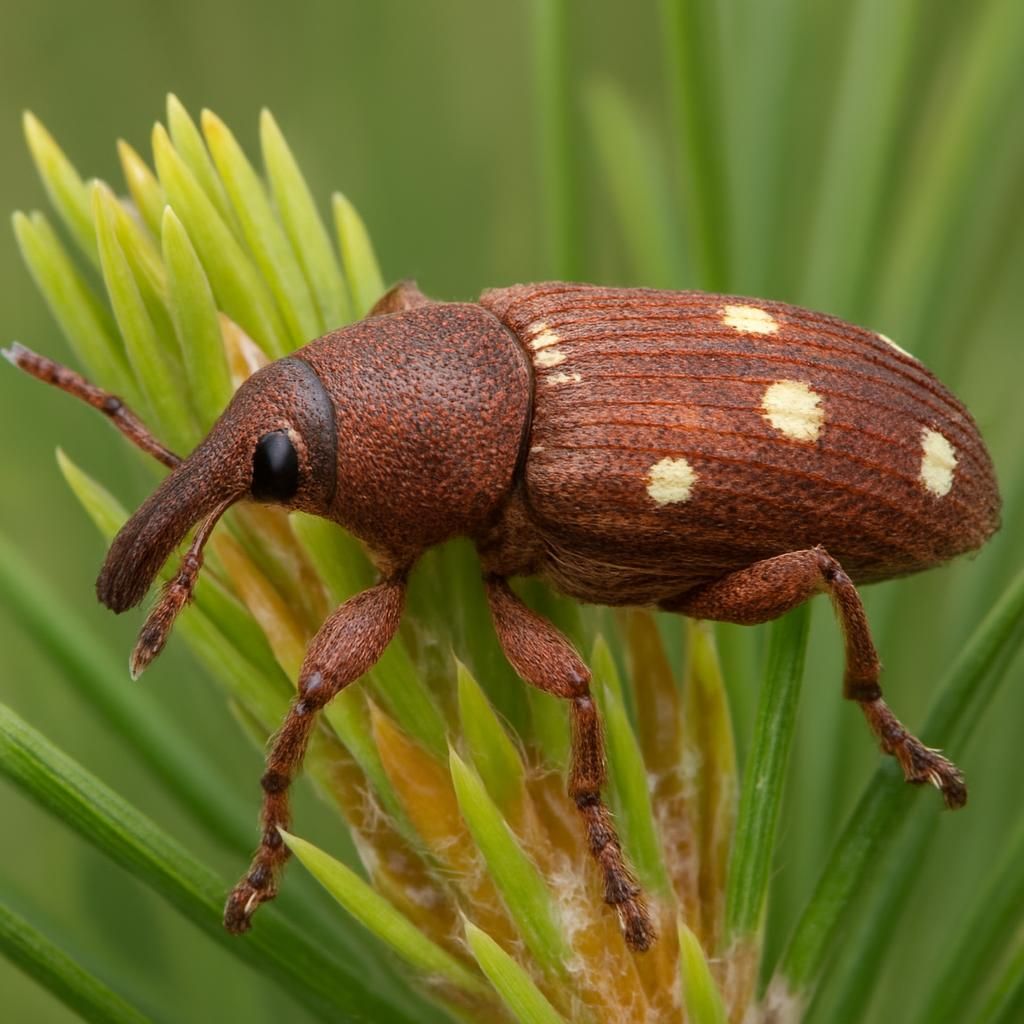
white pine weevil
The white pine weevil is a destructive beetle pest primarily targeting eastern white pine and other conifers, causing leader dieback and permanent tree deformation. Effective management combines cultural practices, monitoring, and targeted treatments during key life stages.
View Profile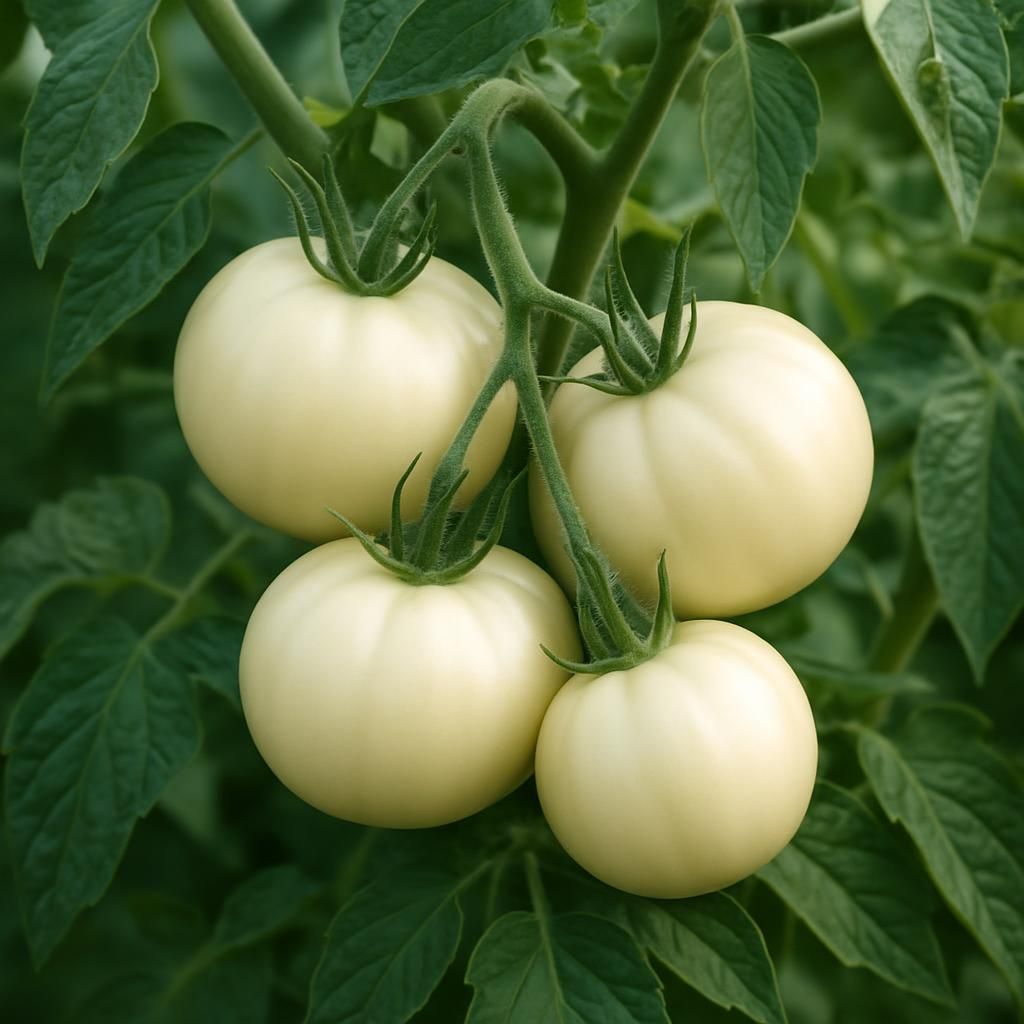
White Queen Tomato
White Queen Tomato is a rare heirloom variety prized for its creamy-white, low-acid fruit and sweet flavor. It thrives in warm climates and requires attentive care to reach full productivity. This guide covers everything from soil preparation to harvest for successful cultivation.
View Guide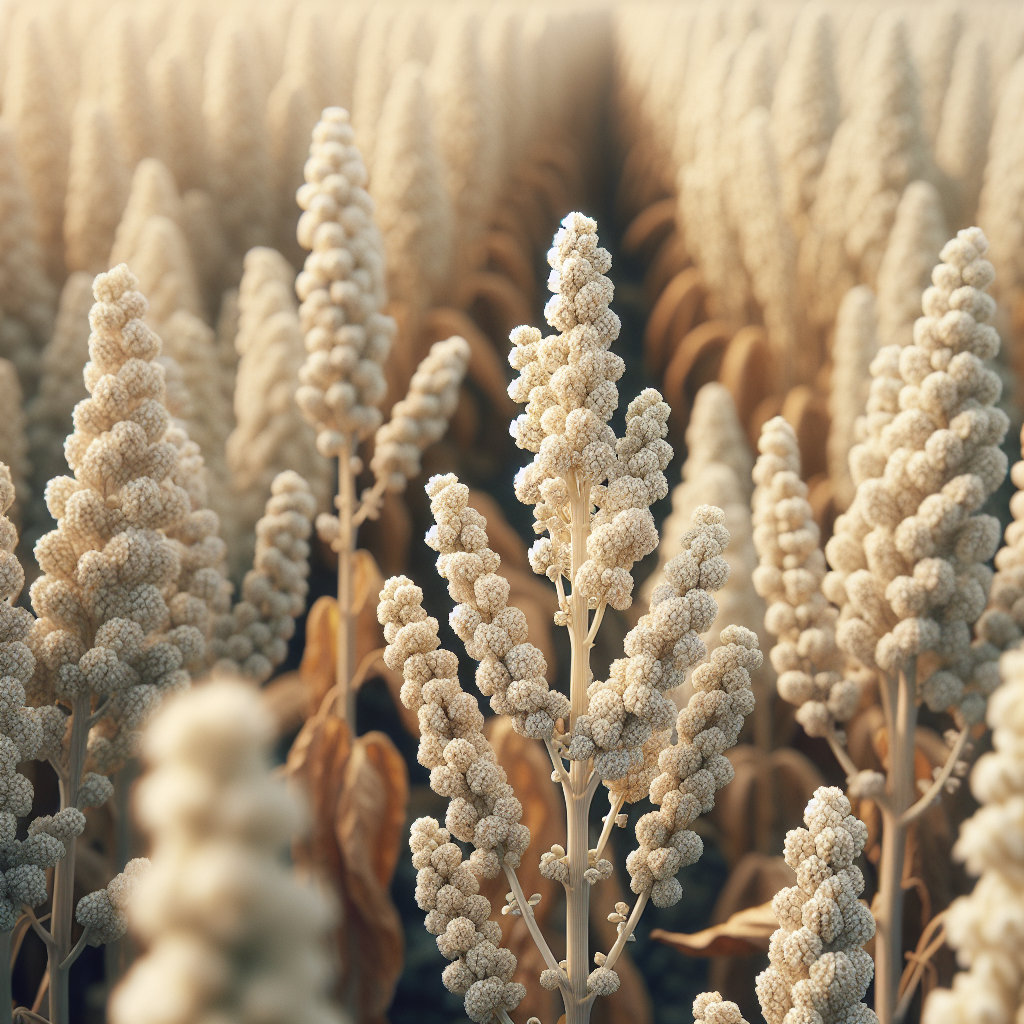
White Quinoa
White quinoa is a cool-season pseudo-cereal prized for its mild flavor, light-colored seed, and broad adaptability to marginal soils. Although often described as drought tolerant, it performs best with carefully managed moisture, moderate fertility, strong sunlight, and dry conditions during grain fill and harvest.
View Guide
white rot
White rot is a destructive fungal disease primarily affecting allium crops like onions, garlic, and leeks, caused by the soilborne pathogen Sclerotium cepivorum. It leads to white, fluffy mycelial growth on roots and bulbs, causing wilting, rot, and significant yield losses. Effective management relies on cultural practices, biofumigation, and long-term soil health strategies due to the pathogen's persistent sclerotia.
View Profile
white rust
White rust is a devastating oomycete disease affecting brassicas, spinach, and other crops, characterized by white pustules on leaves and stems that lead to distortion and defoliation. Caused by Albugo species, it thrives in cool, moist conditions and can cause up to 100% yield loss in severe infections. Effective management relies on cultural practices, resistant varieties, and timely organic fungicides.
View Profile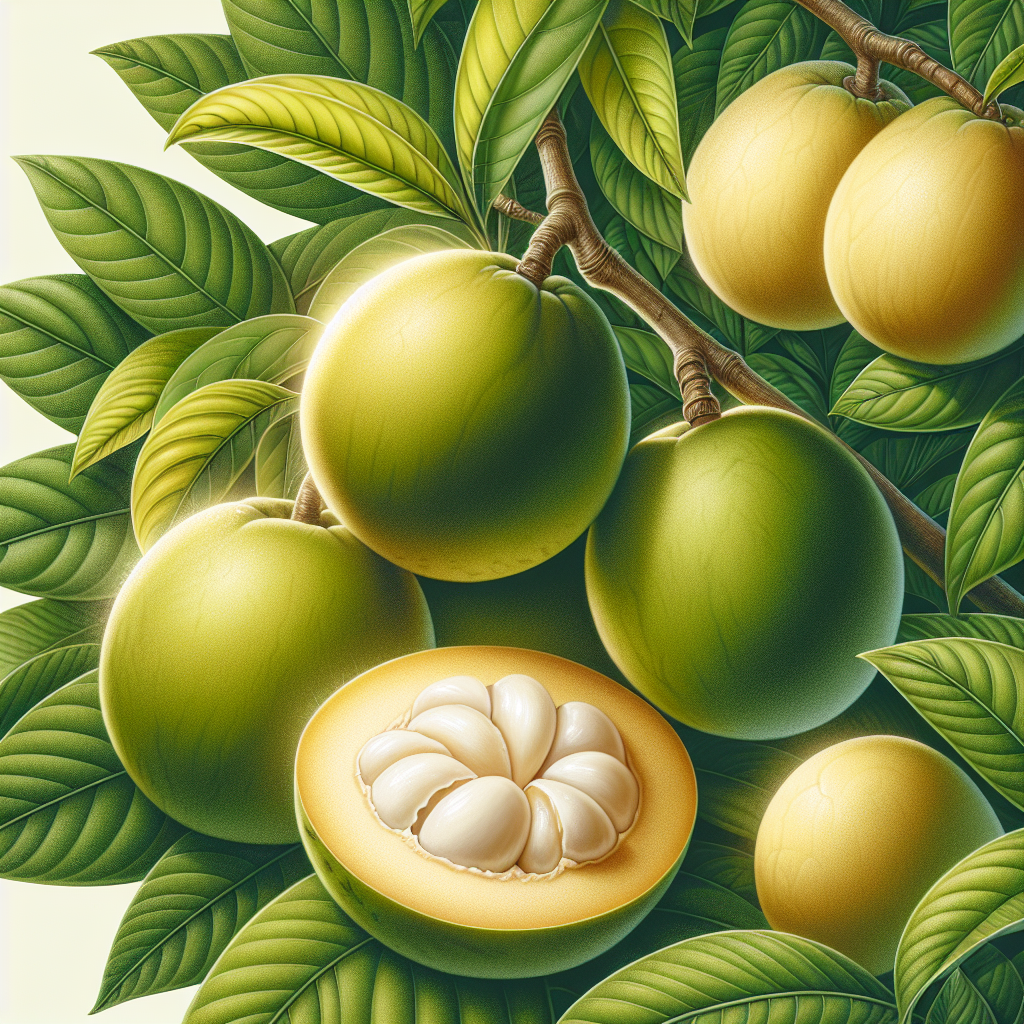
White Sapote (McDill)
White Sapote (McDill) is a premium cultivar of the tropical evergreen tree known for its exceptionally sweet, creamy fruits with hints of vanilla and peach, thriving in subtropical climates. This guide provides professional-grade cultivation advice, from propagation to pest management, optimized for high yields in home orchards or small farms. Discover step-by-step techniques for optimal growth and bountiful harvests.
View Guide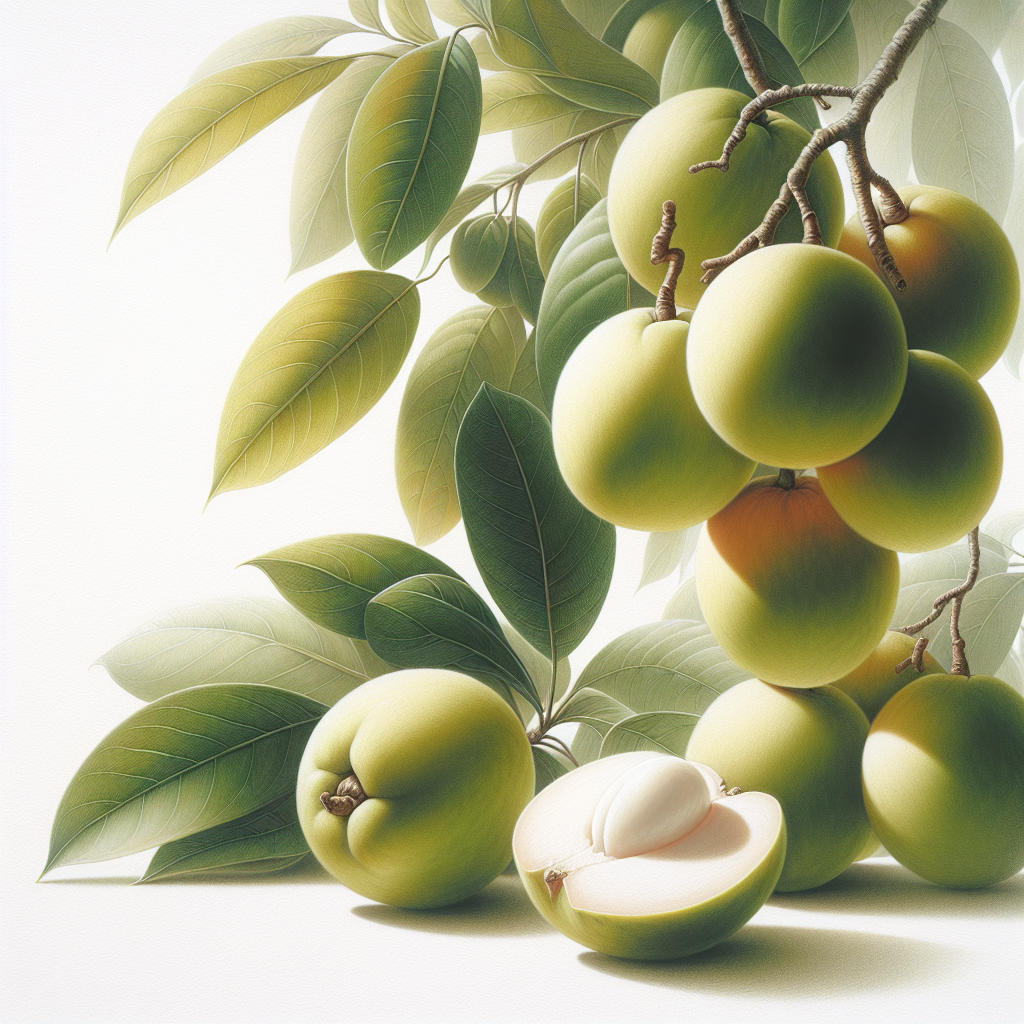
White Sapote (Suebelle)
White Sapote (Suebelle) is a premium cultivar of the tropical white sapote tree, prized for its exceptionally sweet, creamy fruit with vanilla-like flavors and superior shelf life. This guide provides professional-grade cultivation techniques for optimal yields in subtropical climates. Ideal for home orchards and small farms seeking high-value, low-maintenance fruit crops.
View Guide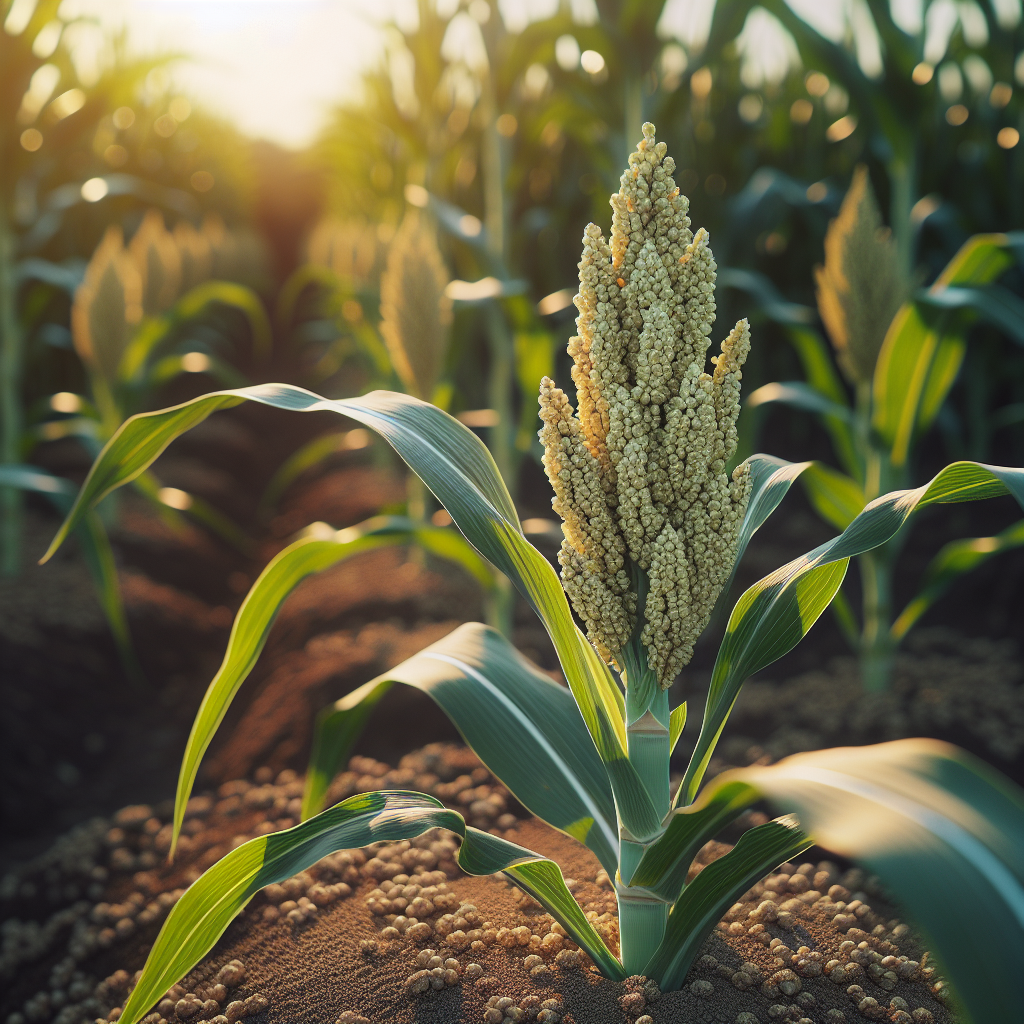
White Sorghum
White sorghum is a pale-grained form of Sorghum bicolor grown for food, feed, flour, and dryland resilience. It is valued for its heat tolerance, relatively low input needs, and dependable grain production in regions where maize or other cereals struggle under drought and high temperatures.
View Guide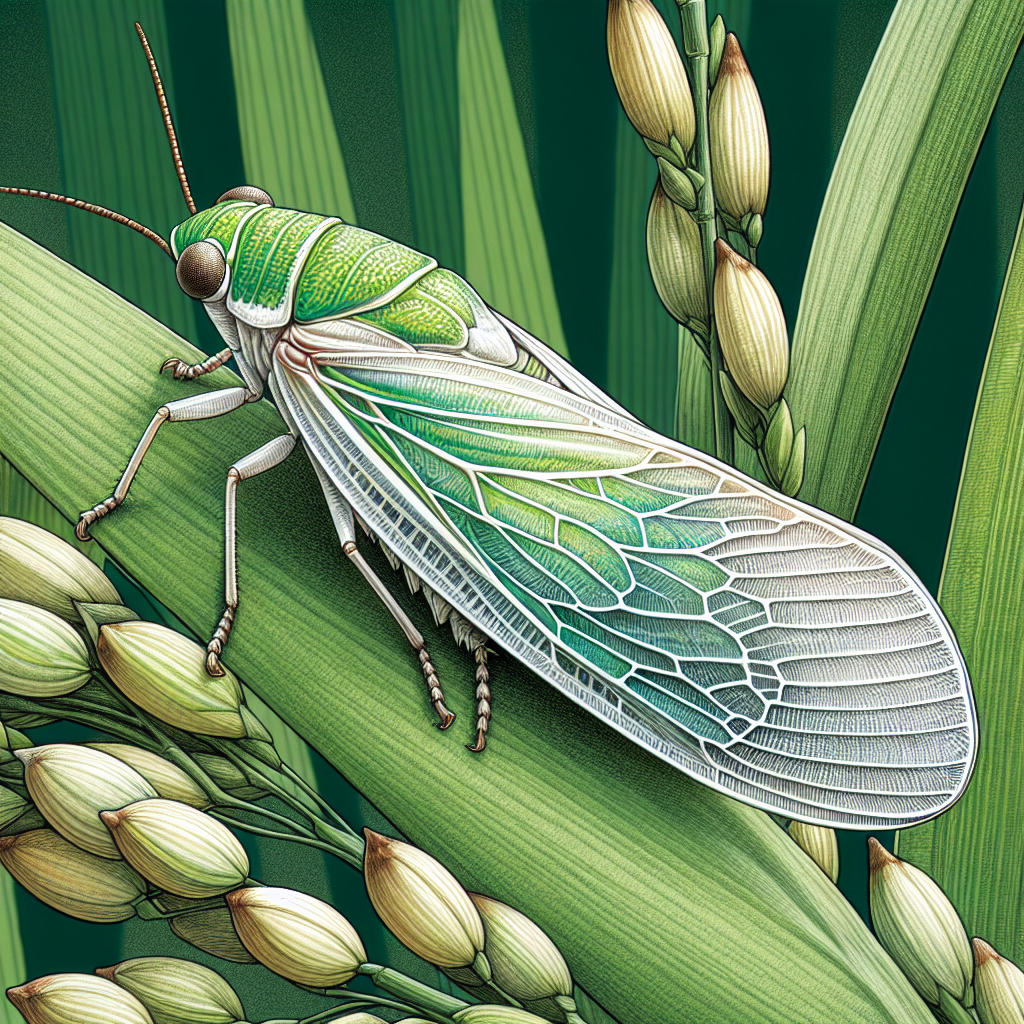
white-backed planthopper
The white-backed planthopper (Sogatella furcifera) is a destructive sap-feeding pest primarily targeting rice crops, capable of causing severe yield losses through direct feeding and virus transmission. This guide provides comprehensive diagnostics, lifecycle insights, organic management strategies, and prevention tactics for farmers worldwide. Effective control hinges on early detection, cultural practices, and integrated pest management.
View Profile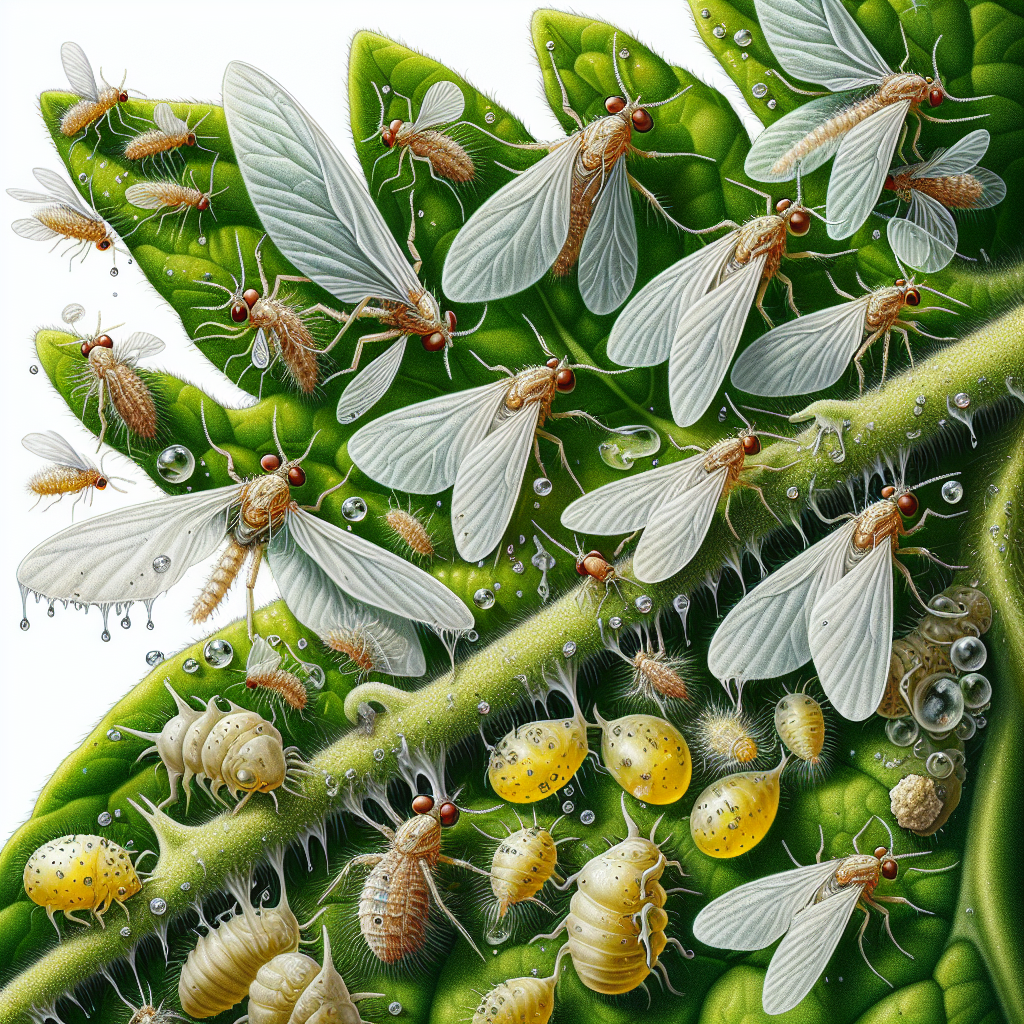
Whiteflies
Whiteflies are tiny, sap-sucking pests that infest a wide range of crops, causing yellowing leaves, stunted growth, and sooty mold. They reproduce rapidly in warm conditions, making early detection crucial for effective management. This guide provides professional diagnostic tips, organic treatments, and prevention strategies for farmers and gardeners.
View Profile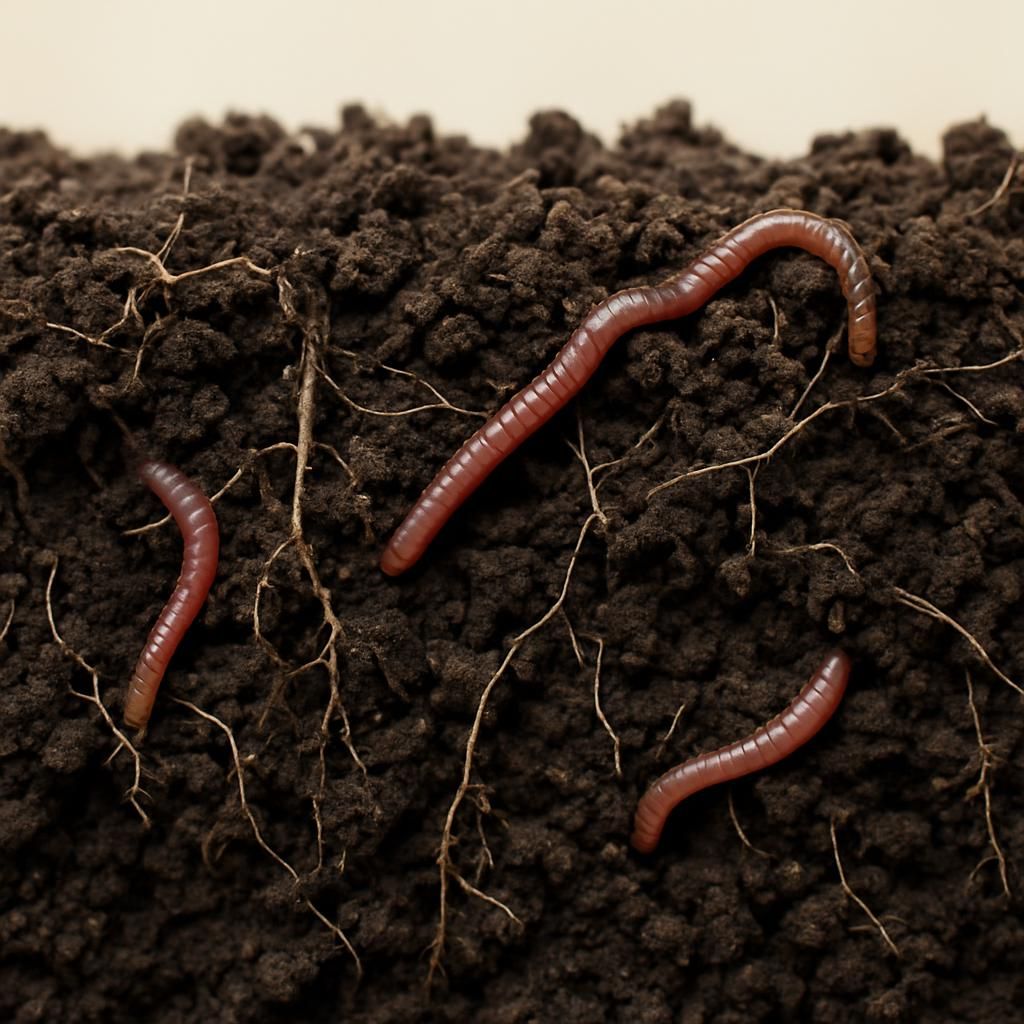
Wikipedia entry on Soil
Soil is the foundational medium for all terrestrial agriculture; its physical, chemical, and biological properties directly determine plant health, nutrient availability, and susceptibility to pests and diseases. Poor soil structure, compaction, or chemical imbalances can mimic or exacerbate pest damage across virtually every crop. Effective diagnosis and management require understanding soil as both a growing environment and a potential vector for soil-borne threats.
View Profile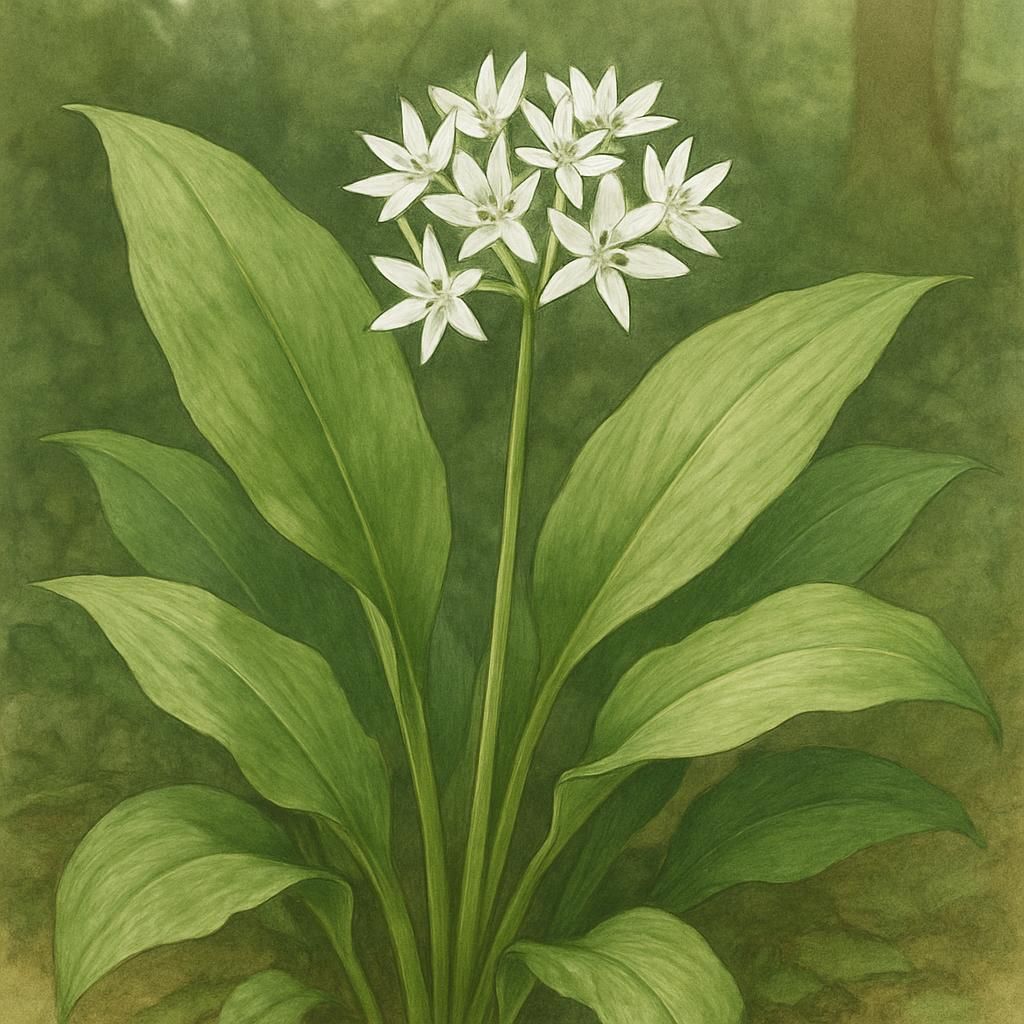
Wild Garlic
Wild garlic is a perennial woodland herb prized for its mild garlic flavor and early-spring leaves. This guide covers soil preparation, planting methods, organic pest management, harvesting, and storage for reliable home or small-farm production.
View Guide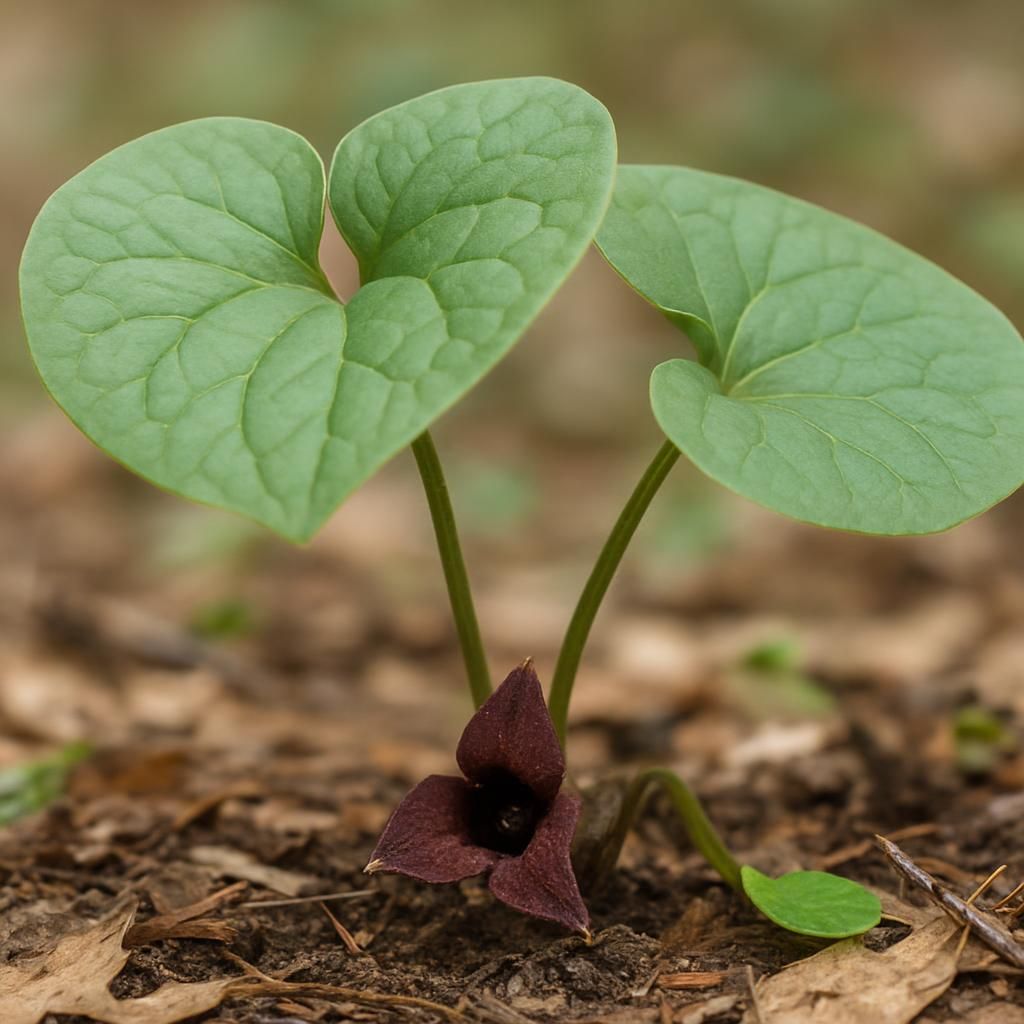
wild ginger
Wild ginger is a low-growing native woodland perennial valued for its aromatic rhizomes and ornamental foliage. This comprehensive guide covers soil preparation, propagation, organic pest control, harvesting, and companion planting for successful cultivation.
View Guide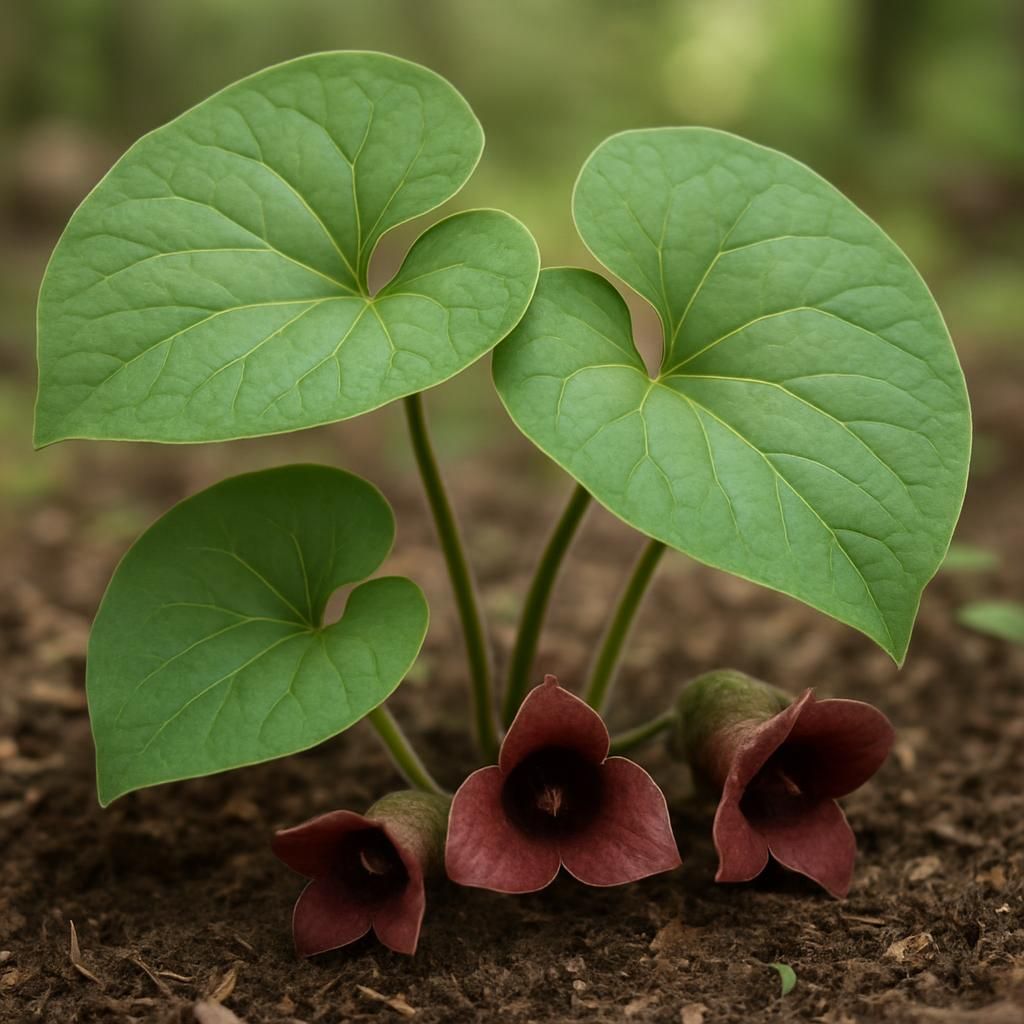
wild ginger (Asarum canadense)
Wild ginger (Asarum canadense) is a native North American woodland perennial prized for its aromatic rhizomes and ground-covering foliage. This shade-loving herb thrives in rich, moist forest soils and offers both culinary and medicinal value when grown responsibly.
View Guide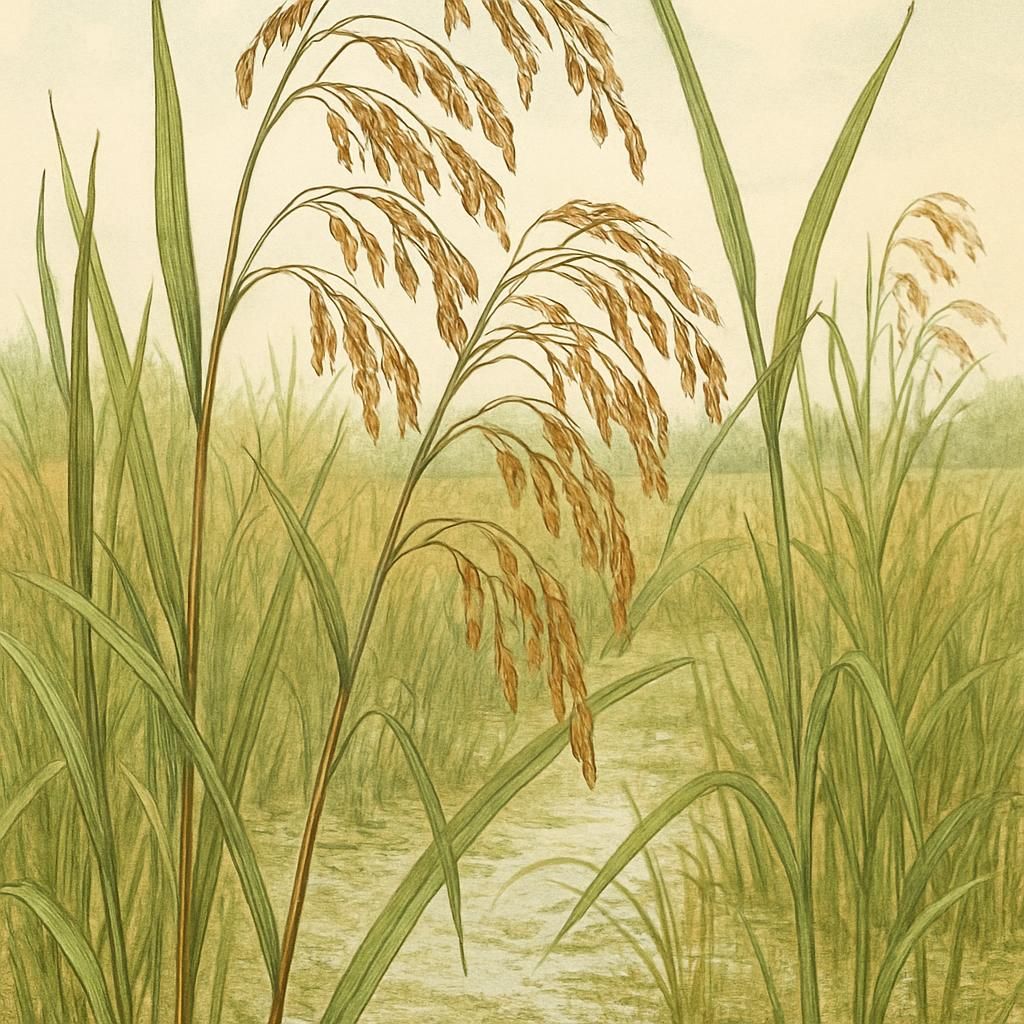
Wild Rice (Manoomin)
Wild Rice, known natively as Manoomin, is an aquatic grass native to North American lakes, known for its nutritional grains. Cultivating this crop requires specialized water management and pH conditions.
View Guide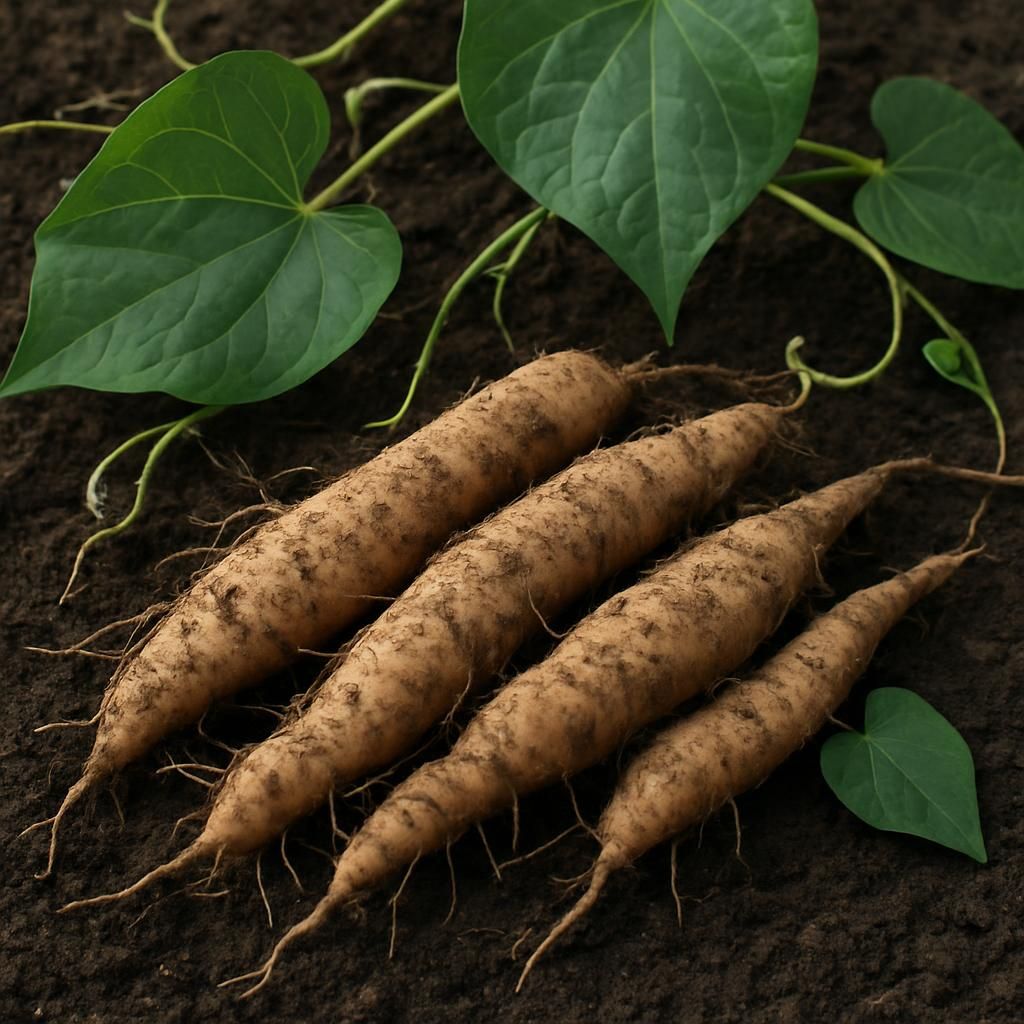
Wild Yam Root
Wild Yam Root is a perennial climbing vine native to eastern North America valued for its starchy tuber and traditional medicinal properties. This guide covers every stage of cultivation from site selection to harvest and storage for both home gardeners and small-scale commercial growers.
View Guide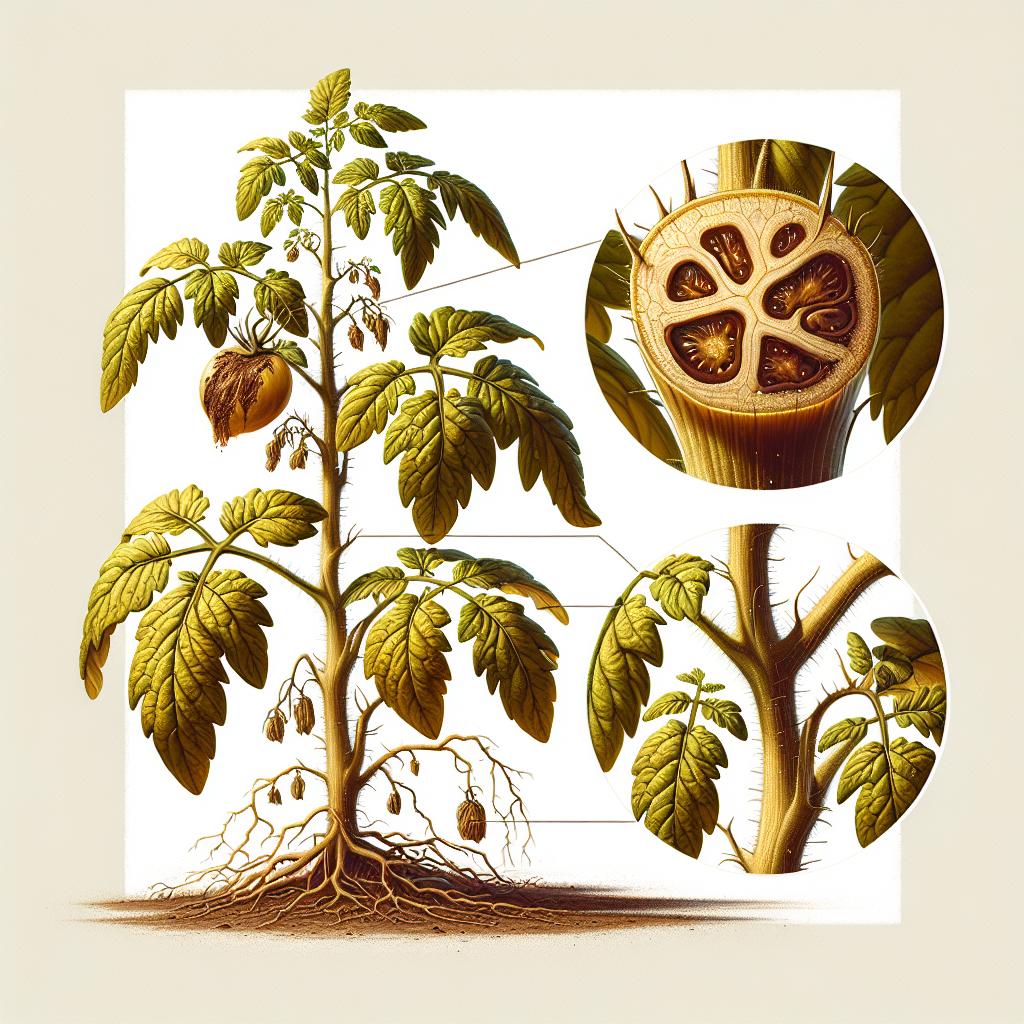
wilt
Wilt is a devastating vascular disease affecting numerous crops, caused primarily by fungal, bacterial, or nematode pathogens that clog the plant's water-conducting tissues, leading to rapid drooping and death. Early identification through symptoms like yellowing leaves and stem discoloration is crucial for management. Effective organic strategies focus on soil health, resistant varieties, and cultural practices to prevent outbreaks and minimize losses.
View Profile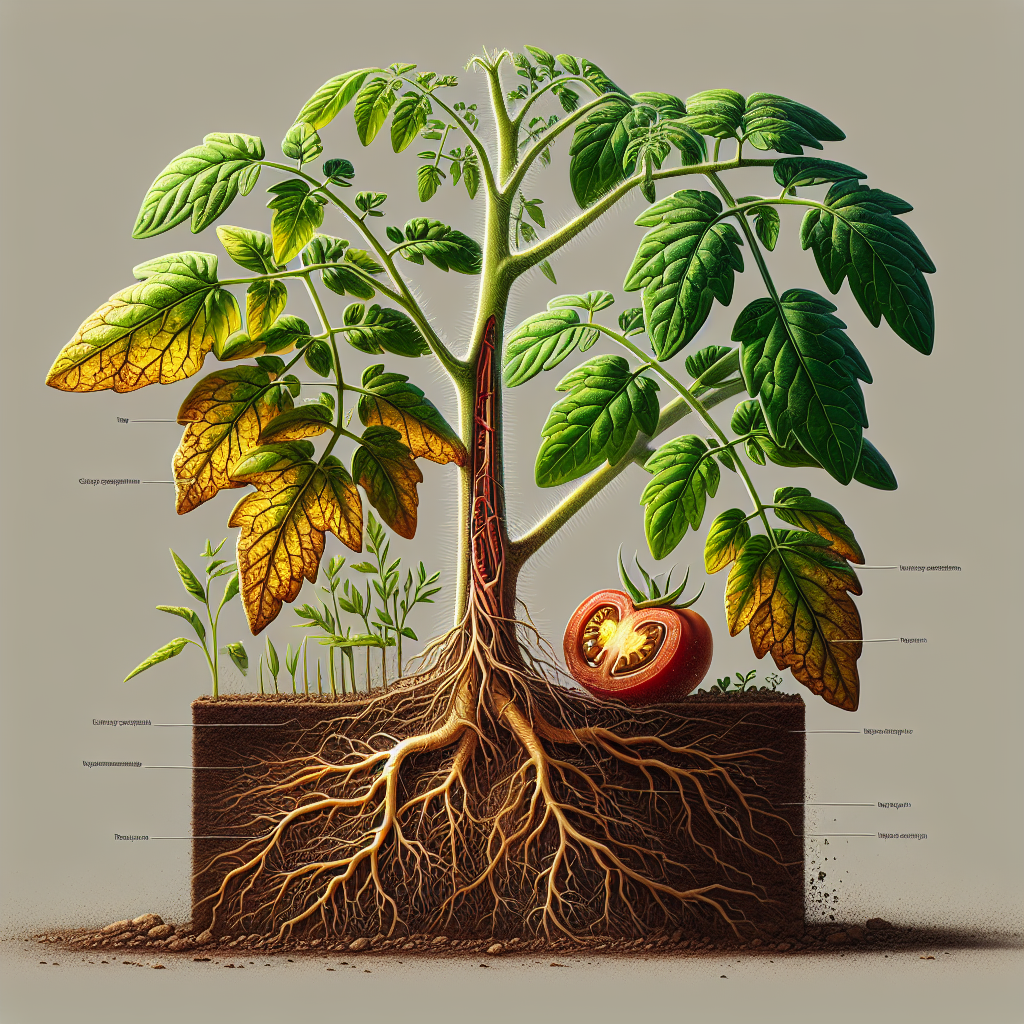
wilt complexes
Wilt complexes are devastating disease syndromes caused by interactions of soilborne fungi, bacteria, nematodes, and environmental stresses leading to rapid plant wilting and death. They affect a wide range of crops by compromising vascular systems and root health, often resulting in total stand loss if unmanaged. This guide provides diagnostic, organic management, and prevention strategies for sustainable agriculture.
View Profile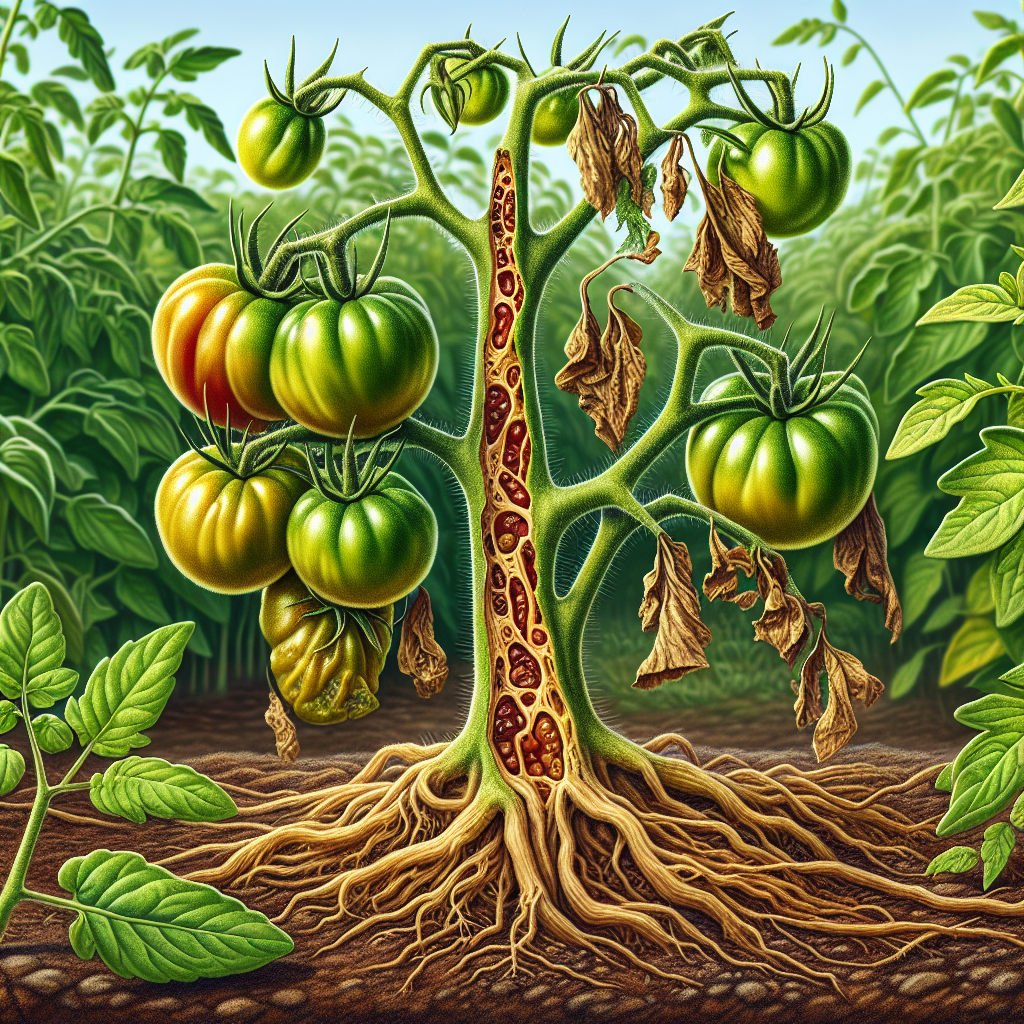
Wilt diseases
Wilt diseases are devastating vascular pathologies caused primarily by soilborne fungi, bacteria, and nematodes that clog plant xylem, leading to rapid wilting and plant death. Affecting countless crops worldwide, they manifest as sudden drooping, yellowing, and browning from the base up, often proving fatal without intervention. This guide provides comprehensive diagnostics, organic management, and prevention strategies for sustainable agriculture.
View Profile